

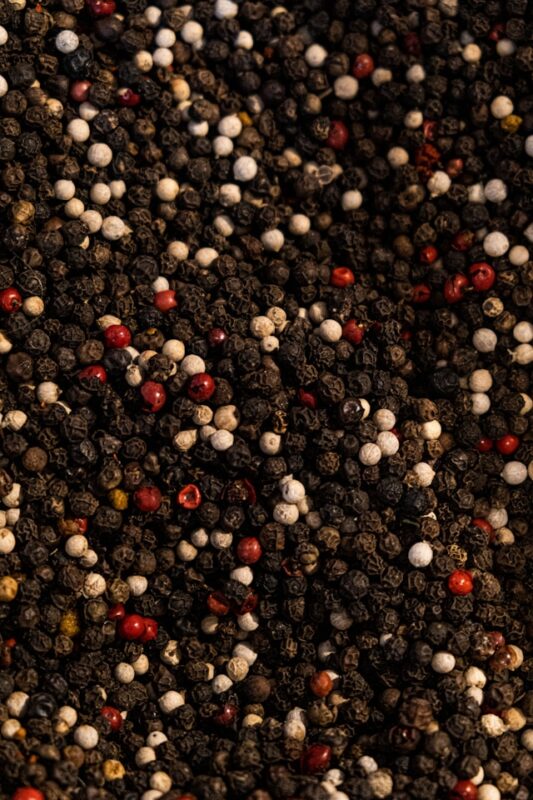
Black peppercorn is one of the most commercially important spice commodities in global food trade. It is traded across wholesale spice markets, seasoning manufacturing, retail repacking, foodservice supply, processed-food production, meat seasoning, soup blends, herbal mixtures, and export-oriented ingredient distribution. While consumers know black pepper as a common table spice, commercial buyers treat peppercorn as a specification-sensitive commodity where quality, purity, aroma, density, and processing discipline affect both price and buyer confidence.
For importers, spice processors, wholesalers, food manufacturers, and private-label brands, black peppercorn is not just a familiar kitchen item. It is a high-utility spice ingredient with broad industrial value. It can be sold whole, cracked, coarse-ground, or finely milled. It appears in seasoning systems, marinades, sauces, soups, snack flavouring, meat processing, spice blends, tabletop packs, and premium food products. Because of that versatility, black peppercorn remains one of the strongest-performing spice categories in international agritrade.
Commercially, the quality discussion around black peppercorn starts long before the shipment is loaded. Buyers pay attention to origin, berry maturity, size consistency, colour, bulk density, moisture level, cleanliness, foreign matter, aroma strength, light berry count, mould risk, and storage discipline. A lot that looks acceptable from a distance can still disappoint badly if it is under-dried, poorly cleaned, mixed with inferior material, or badly stored before export.
This is why serious buyers do not source black peppercorn only on price. They source on predictability. A good supplier should be able to describe origin, grade, moisture control, packaging method, and documentary readiness clearly. The supplier should also be able to maintain lot consistency from sample to final loading. In spice trade, one good sample followed by a weaker shipment is enough to damage the relationship permanently.
Black peppercorn also holds strong commercial appeal because it serves both mainstream and premium markets. Budget wholesalers may accept broader tolerances if the price works. Premium brands, industrial blenders, and export-sensitive food manufacturers usually want tighter control over berry appearance, density, aroma, and contamination risk. This creates room for multiple trade grades, but it also means that specification must be written clearly before the transaction is agreed.
This guide explains black peppercorn in practical trade terms. It covers what it is, how it is processed, what it is used for, its commercial and health relevance, likely sourcing risks, major producing and importing countries, realistic international price expectations, safe sourcing methods, common payment and shipping structures, practical product specifications, and the documents serious buyers should request before shipment.
Trade Overview of Black Peppercorn
| Trade Item | Details |
|---|---|
| Product Name | Black Peppercorn |
| Botanical Name | Piper nigrum |
| Common Names | Black Peppercorn, Black Pepper, Peppercorn, Whole Black Pepper |
| Commercial Forms | Whole peppercorn, cracked pepper, coarse ground, fine powder |
| Primary Buyer Segments | Spice blenders, food manufacturers, wholesalers, retail repackers, foodservice suppliers, exporters |
| Main Commercial Uses | Seasonings, spice blends, table spice packs, sauces, soups, snacks, meat processing, marinades |
| Key Quality Drivers | Aroma, pungency, size, density, moisture, cleanliness, low foreign matter |
| Main Trade Risks | Excess moisture, mould, light berries, dust, stones, contamination, poor storage |
| Preferred Export Form | Whole dried cleaned peppercorn |
| Typical Packaging | 25kg or 50kg food-grade export bags, lined sacks, or private-label packs |
| Export Positioning | Mainstream global spice commodity with premium-grade potential |
Black peppercorn trades especially well in whole form because buyers often prefer to grind close to use. Whole pepper stores better, keeps aroma longer, and gives the buyer greater control over final texture and flavour release. This is why many industrial buyers prefer whole peppercorn even if they eventually sell powder or cracked pepper downstream.
From a commercial perspective, black peppercorn is attractive because it combines familiarity with technical value. It is easy for consumers to understand, but in trade it still commands serious attention to grade and handling. That combination keeps it relevant across both volume-driven and quality-driven buying segments.
Request a Quote or Speak With Our Team About Black Peppercorn
Ready to source Black Peppercorn with confidence? Submit your RFQ for detailed specifications and formal quotations, or chat on WhatsApp for fast responses and quick clarification.
What Is Black Peppercorn?
Black peppercorn is the dried unripe berry of Piper nigrum, a climbing vine cultivated widely in tropical regions for its fruit. After harvest, the berries are processed and dried until they become the familiar wrinkled dark peppercorn used in global cuisine and spice manufacturing. In food trade, black peppercorn is one of the most established and widely recognised spices in the world.
The product is valued for its pungency, warm aroma, and ability to fit into both simple and complex seasoning systems. It can be used whole or ground, and it works across savoury foods, sauces, meat systems, soups, marinades, and tabletop spice formats. Its strong flavour profile means it performs well even in relatively small quantities, which adds to its commercial efficiency.
A good black peppercorn lot should have a strong characteristic pepper aroma, reasonably uniform berry size for the grade, acceptable density, low foreign matter, and proper dryness. Poor-quality peppercorn may contain too many light berries, excess stems, dust, stones, insect damage, weak aroma, or moisture problems that later affect storage and usability.
For trade purposes, buyers should remember that black peppercorn is not one universal grade. Some buyers want bold whole pepper for grinders and premium retail packs. Others want standard cleaned pepper for industrial milling. Some want heavier denser berries. Others buy mainly on workable price for wholesale distribution. That is why “black peppercorn” should always be followed by a written quality description when negotiating a shipment.
How Black Peppercorn Is Made / Processed
The commercial quality of black peppercorn depends heavily on harvesting discipline, drying quality, cleaning, and storage. Pepper that is mishandled at any of these stages may lose value quickly or create disputes after arrival. Serious buyers therefore look beyond photos and ask how the product was processed.
1. Cultivation and field management
Black pepper comes from pepper vines grown under tropical conditions suitable for berry formation and maturity. Commercially, field discipline matters because inconsistent cultivation or poor crop management can affect berry quality, disease exposure, and eventual harvest consistency. Export-quality pepper usually begins with growers or aggregators who understand the value of clean, mature raw material.
2. Harvesting at the right maturity
Pepper berries intended for black peppercorn production are usually harvested when they are mature but still unripe. Timing matters. Harvesting too early can reduce flavour strength and berry fullness. Harvesting too late can affect the desired product profile or create inconsistencies in drying and colour development. Good harvest timing supports stronger commercial presentation and better aroma retention.
3. Initial handling and berry preparation
After harvest, the berries are separated from spikes and prepared for drying. At this stage, cleanliness is important because poor handling can introduce unnecessary dirt, plant residue, or foreign material. Serious suppliers start protecting the lot from contamination immediately after harvest rather than waiting until the cleaning stage.
4. Drying
Drying is one of the most important stages in black peppercorn processing. The berries must be dried properly to a stable moisture level that supports storage and shipment. If the pepper is under-dried, it may later cake, mould, or lose value during transit. If drying is badly managed, aroma quality may also suffer. Good drying helps develop the characteristic wrinkled black appearance while protecting flavour.
For buyers, the key point is simple: dryness should be measured, not assumed. Statements like “well dried” are not enough in export trade. Moisture must match the contract and the realities of sea freight.
5. Cleaning and removal of foreign matter
Once dried, black peppercorn should be cleaned to remove dust, stems, stones, empty berries, and other unwanted material. Buyers notice this immediately because a professionally cleaned lot looks and handles very differently from a loosely traded one. Good cleaning improves usability, appearance, food positioning, and commercial acceptance.
6. Grading and density selection
Black pepper is often differentiated in practical trade terms by size, density, and overall lot quality. Some buyers prefer denser heavier peppercorn with fewer light berries. Others buy standard commercial grades. The exporter should understand what the buyer actually needs rather than offering one generic pepper lot to all markets.
7. Packing for export
Once cleaned and graded, the peppercorn should be packed into suitable export bags that protect it from moisture ingress, contamination, and rough handling. Good packing also supports easier counting, loading, and post-arrival verification. Poor packing can turn a strong spice lot into a damaged shipment during transport.
8. Storage before shipment
Storage conditions matter because black peppercorn can absorb moisture or odour if warehoused badly. It should be kept in a dry, ventilated, hygienic environment away from chemicals, direct floor moisture, leaks, and strong-smelling goods. Many spice problems blamed on “the product” actually begin in poor warehouses rather than on the farm.
What Is Black Peppercorn Used For?
Black peppercorn has unusually broad commercial utility. Its combination of pungency, aroma, and processing flexibility keeps it relevant across retail, foodservice, and industrial food manufacturing.
Retail spice and table use
One of the most visible uses of black peppercorn is in tabletop grinders, consumer spice jars, refill packs, and household cooking. Whole peppercorn is especially attractive in premium retail because consumers associate it with freshness and stronger aroma.
Spice blending and seasoning systems
Black pepper is a core component in countless seasoning blends, meat rubs, bouillon systems, dry marinades, soup seasonings, barbecue mixes, and regional spice formulas. It can act as both a primary flavour spice and a support spice that gives structure to a blend.
Food manufacturing
Food manufacturers use black pepper in processed meats, sauces, soups, noodles, snacks, canned products, frozen foods, and ready meals. It is valued because it is familiar, effective in small quantities, and versatile across multiple food categories.
Foodservice and restaurant supply
Restaurants, caterers, and foodservice buyers use black pepper whole, cracked, and ground in everyday cooking. Bulk peppercorn purchases are common in this segment because kitchens often prefer to grind fresh or use the product across many menu lines.
Meat and marinade systems
Black pepper is especially relevant in meat seasoning, sausage production, marinade systems, and savoury flavour development. Its pungent warmth makes it one of the most dependable spice ingredients in protein-related applications.
Value-added processing
Black peppercorn can also move into cracked pepper, powder, flavour extracts, and higher-value repacked formats. This gives importers and processors multiple margin pathways from one base commodity.
Health Benefits of Black Peppercorn
Black peppercorn is traded mainly as a flavour spice, but it also carries health-oriented commercial relevance in some markets. These benefits should always be communicated responsibly and in line with the labelling rules of the target market.
1. It helps build strong flavour naturally
Black pepper contributes intense flavour and aroma in relatively small quantities. This makes it useful in food formulation where strong natural spice character is preferred over more artificial flavour systems.
2. It contains naturally occurring aromatic compounds
As a dried spice berry, black peppercorn contains naturally occurring compounds associated with its characteristic pungency and aroma. This supports its continued appeal in natural seasoning and recognisable-ingredient product categories.
3. It supports broad formulation flexibility
Because black pepper works well across soups, meats, sauces, snacks, and spice blends, manufacturers can use one core spice ingredient across many product lines. That makes it commercially efficient and formulation-friendly.
4. It fits clean-label and familiar-ingredient positioning
Consumers generally understand black pepper well. That familiarity helps food brands position it as a natural kitchen spice rather than as an unfamiliar specialty additive.
5. It adds sensory value in premium products
Whole or freshly ground peppercorn is often associated with freshness and premium quality. That makes it useful in higher-end culinary, restaurant, and retail spice positioning.
Side Effects of Black Peppercorn
Black peppercorn is widely used in food and generally familiar to consumers, but responsible trade communication should still acknowledge limitations and supply-chain risks.
1. Strong pungency may not suit every product
Black pepper has a distinct pungent profile that may be too strong for some applications if used excessively. Buyers should therefore match grade and dosage expectations to the intended market and end use.
2. Poor-quality pepper may cause product complaints
If black peppercorn is mouldy, stale, insect-damaged, or contaminated, end users may complain about flavour, safety, or appearance. This is why supplier discipline and storage quality matter so much.
3. Residue and contamination risks
As with many spice commodities, pesticide residues, contamination, or poor hygiene in handling can create trade problems, especially in more regulated destinations. Buyers serving sensitive markets may need stronger verification and testing.
4. Ground pepper carries more authenticity risk
Whole peppercorn is easier to inspect visually. Once it is milled, verification becomes harder and the risk of adulteration or dilution can increase in weak supply chains. That is why many experienced buyers prefer whole peppercorn and grind later.
5. Moisture-related spoilage
If peppercorn is under-dried or stored badly, it may lose shelf stability, develop mould risk, or suffer aroma decline. Many shipment disputes begin with poor moisture control at origin.
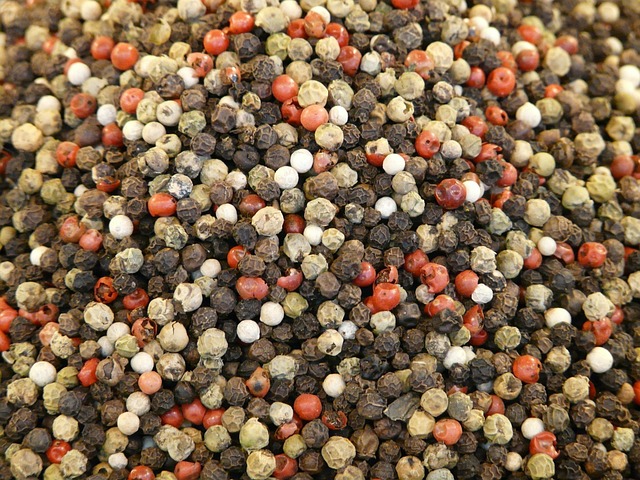
Top Producing & Exporting Countries of Black Peppercorn
Black pepper is grown and traded in several tropical regions, but a few countries are especially important in global supply and price expectations. Buyers usually track these origins when comparing offer quality and market direction.
1. Vietnam
Vietnam is one of the most important countries in the international black pepper trade and is frequently referenced in discussions about global pepper supply and export activity. Many buyers use Vietnamese market conditions as an important benchmark when assessing price and availability.
2. Brazil
Brazil is also a significant player in pepper production and export. It remains highly relevant in global market discussions, especially for buyers comparing origin options, seasonality, and logistics routes.
3. India
India has long-standing recognition in spice trade and remains important in pepper discussions because of both domestic consumption and export activity. It is also well known in value-added spice processing.
4. Indonesia
Indonesia is another recognised origin in international pepper trade. Buyers often monitor its role in the broader black pepper supply picture when comparing global options.
5. Other tropical suppliers
Other producing countries also participate in black pepper trade, but not every origin offers the same level of export discipline. Reliability still depends on cleaning capacity, moisture control, documentation strength, and the supplier’s ability to meet the agreed specification consistently.
Top Importing Countries of Black Peppercorn
Black peppercorn demand is broad because it is used in homes, restaurants, and food factories around the world. Import demand often comes from both culinary culture and industrial food processing.
1. United States
The United States is a major market for pepper due to large retail spice demand, industrial food production, foodservice use, and broad ethnic food consumption. Buyers here often care strongly about food safety, purity, and documentation.
2. European markets
European countries remain important import destinations because of strong food-processing sectors, retail spice markets, and consistent seasoning demand. These markets may require tighter compliance and traceability.
3. Middle Eastern markets
Several Middle Eastern markets maintain active demand for black pepper in wholesale, retail, and foodservice channels. Competitive landed cost and reliable supply are often key priorities here.
4. United Kingdom
The United Kingdom remains commercially relevant due to high spice use across home cooking, retail, and foodservice, along with strong demand from multicultural food markets.
5. African regional markets
There is also room for active intra-African trade in black peppercorn for wholesalers, repackers, and seasoning processors serving growing urban demand.
How To Safely Source for Your Black Peppercorn Produce
Safe sourcing begins with understanding that black peppercorn is both familiar and technically sensitive. Because it is widely traded, some buyers assume sourcing is simple. In reality, quality drift and weak handling can make a cheap pepper deal expensive later.
Start with a written product specification
Define whether you want whole peppercorn, cracked pepper, or powder. State the target grade, moisture expectation, acceptable foreign matter, density or appearance preference, packaging size, and intended use. A written brief reduces misunderstanding immediately.
Request a representative sample
A proper sample is one of the best safeguards in pepper trade. Assess aroma, berry fullness, cleanliness, colour, and visible contamination. If the transaction is sizeable or the destination is strict, laboratory testing may be justified before contract confirmation.
Check moisture properly
Never assume black pepper is safe just because it feels dry in hand. Export pepper should be measured with proper moisture checks. Excess moisture can ruin the economics of the shipment later through mould, clumping, or quality claims.
Understand the cleaning and grading process
Ask how the lot was cleaned, whether light berries were reduced, how foreign matter is controlled, and what grade consistency can be maintained across the shipment. This helps separate disciplined exporters from casual traders.
Review storage conditions
Ask where and how the pepper is stored before export. Dry ventilation, palletised stacking, and good hygiene matter. Poor warehousing can undo the value created during drying and cleaning.
Clarify documentation readiness
Different markets require different documents. Discuss phytosanitary support, certificate of origin, inspection options, and any food-safety testing expectations early. Documentation problems often surface too late when this step is skipped.
Use practical payment structures
Avoid exposing too much cash too early to an unproven supplier. Safer structures may include deposit plus balance against agreed documents, or documentary credit for larger deals where stronger control is needed.
Use inspection where justified
For larger or first-time deals, pre-shipment inspection or agreed quality verification can reduce avoidable disputes. The cost is often small compared with the cost of a rejected spice lot.
Protect the shipment environment
Black peppercorn should be loaded in a clean, dry, odour-free container suitable for food cargo. Even high-quality pepper can arrive in poor condition if the container is unfit.
Where To Find Reliable Exporters for Black Peppercorn
Reliable exporters are usually found among experienced spice exporters, agribusiness suppliers with real warehouse and cleaning control, and processors that understand international buyer expectations. The strongest suppliers are often the ones who can speak clearly about grade, moisture, packaging, and documents rather than simply promising “best quality.”
Potential exporters may be identified through spice trade networks, B2B commodity platforms, industry referrals, export promotion channels, and agribusiness introductions. But supplier discovery is only the beginning. Reliability still needs to be tested through sample quality, communication discipline, response speed, and consistency in how the supplier describes the lot.
A serious black pepper exporter should be able to answer practical questions quickly. What is the origin? What is the grade? What is the moisture? How is it packed? What documents can be provided? Can the supplier maintain the same quality from sample to shipment? Those answers matter more than polished marketing language.
International Price of Black Peppercorn Per Metric Ton
Black peppercorn pricing depends on origin, grade, density, moisture, cleanliness, packaging format, order volume, destination, and broader spice-market supply conditions. Whole pepper is usually priced differently from cracked or ground formats because the latter involve additional processing and often different risk profiles.
As a practical bulk-trade guide, standard export-grade black peppercorn commonly falls around US$3,000 to US$5,200 per metric ton for mainstream commercial lots, while stronger premium grades, heavier denser berries, or more specification-sensitive lots can move higher depending on origin and contract terms.
Buyers should be cautious with unusually cheap offers. A very low price may reflect excessive light berries, poor cleaning, weak aroma, high moisture, mixed lots, or a seller who plans to renegotiate once the buyer is committed. In spice trade, a low headline quote often hides a more expensive outcome later.
It is also important to distinguish product price from landed cost. Freight, inland haulage, export documentation, inspection, insurance, customs, and destination handling all affect the real economics of the shipment. Strong buyers therefore evaluate usable delivered value, not just FOB ton price.
Request a Quote or Speak With Our Team About Black Peppercorn
Ready to source Black Peppercorn with confidence? Submit your RFQ for detailed specifications and formal quotations, or chat on WhatsApp for fast responses and quick clarification.
How To Pay For Your Black Peppercorn Produce
Payment terms should reflect the transaction size, trust level, and quality sensitivity of the product. Since black peppercorn is a high-utility spice with strong commercial demand, buyers should still avoid loose payment arrangements with unknown suppliers.
Trial orders and first transactions
For first deals, deposit-plus-balance structures are common, but the deposit should remain practical and tied to real stock reservation or processing work. The buyer should not fund excessive risk before shipment can be verified.
Recurring supply relationships
Once a supplier has shown consistency and credibility, payment terms may become smoother. Even then, milestones should remain clearly stated in the contract to avoid later disputes.
Larger formal transactions
For larger contracts, documentary credit or other structured banking arrangements may be appropriate where both parties want stronger document-based control.
Document-based discipline
Even where direct bank transfer is used, the transaction should still be backed by a clear proforma invoice, commercial invoice, packing details, shipment evidence, and agreed quality references.
Shipping & Delivery Terms
Black peppercorn should be shipped under terms that preserve product quality and assign responsibility clearly. Since it is a dry food commodity, moisture and contamination control remain important throughout the logistics chain.
FOB for freight-controlled buyers
FOB works well for experienced importers that already manage freight and destination clearance. The exporter handles production, export clearance, and delivery to the loading port.
CFR for easier landed cost planning
CFR may suit buyers that want freight included to the destination port. This can simplify budgeting, though the buyer should still confirm which charges remain payable after arrival.
CIF where insurance is preferred
CIF may be useful where the buyer wants marine insurance included by the seller up to the named port, especially in first transactions or on more exposed routes.
Transit protection
The container should be clean, dry, odour-free, and suitable for food cargo. Where humidity or condensation risk is likely, additional protective measures may be sensible.
Our Typical Trade Specifications For Black Peppercorn
Exact specifications vary by buyer and market, but the table below reflects the type of framework many serious pepper buyers use in practice.
| Specification Item | Typical Export Expectation |
|---|---|
| Product | Whole dried black peppercorn |
| Botanical Name | Piper nigrum |
| Colour | Black to dark brown, reasonably uniform for grade |
| Aroma | Characteristic pungent pepper aroma, free from mustiness |
| Moisture | Typically 10% to 12% max depending on contract |
| Foreign Matter | Low and clearly defined in contract |
| Light Berries | As agreed by grade and contract |
| Infestation | Free from live insects |
| Mould / Off-Odour | Not acceptable |
| Packing | 25kg to 50kg export bags or other agreed packaging |
| Storage | Cool, dry, hygienic, odour-free environment |
These are working trade expectations rather than automatic promises. Final figures should always be agreed in writing and aligned with the destination market and intended use.
Expected Shipping Documents
Documentation is an important part of black peppercorn trade because even a good spice lot can face customs, payment, or compliance problems if the paperwork is weak.
Commercial invoice
The invoice should clearly show seller and buyer details, product description, quantity, price, value, and shipment references.
Packing list
The packing list should state the number of bags, weight details, packaging type, and any lot references needed for verification.
Bill of lading
The transport document should accurately reflect shipment identity, consignee structure, notify party, and freight terms.
Certificate of origin
This may be required for customs, tariff treatment, or buyer verification and should correctly reflect the trade arrangement.
Phytosanitary certificate
For many agricultural spice shipments, a phytosanitary certificate is a standard requirement. The exporter should confirm destination rules early.
Fumigation certificate where applicable
Some destinations or routes may request fumigation-related documentation. This should be aligned before shipment.
Laboratory reports where required
For more regulated markets, the buyer may request moisture, microbiological, residue, or other agreed reports. These should be discussed before production is finalised.
Inspection certificate where agreed
If third-party inspection forms part of the deal, the certificate should reflect the agreed scope, such as quantity, visible quality, packing, or lot verification.
Request a Quote or Speak With Our Team About Black Peppercorn
Ready to source Black Peppercorn with confidence? Submit your RFQ for detailed specifications and formal quotations, or chat on WhatsApp for fast responses and quick clarification.