


Corn Silk Tea is gradually becoming one of the more commercially interesting specialty botanical products in the herbal and wellness trade, especially as buyers continue to search for recognizable plant-based ingredients that can move comfortably into tea blending, wellness retail, traditional herbal channels, and natural product development. In international trade, the product may appear under names such as corn silk tea, dried corn silk, maize silk, corn silk herb, dried maize stigma, or simply corn silk depending on the supplier and the target market. In practical buying conversations, however, most interest is centered on the same thing: properly dried, clean, usable corn silk intended for tea, infusion, herbal blending, or botanical raw material applications.
For importers, herbal tea companies, botanicals distributors, nutraceutical processors, private-label wellness brands, and ingredient wholesalers, Corn Silk Tea is not merely an agricultural by-product. That is one of the first commercial misunderstandings serious buyers need to avoid. Although corn silk is derived from maize, the product being traded here is not treated like feed waste or field residue in professional markets. It is treated as a specialty botanical raw material whose value depends on appearance, dryness, cleanliness, identity, handling quality, and fitness for the intended use. A buyer sourcing for premium tea blends or wellness formats cannot approach it in the same casual way they might approach an industrial residue stream.
One reason Corn Silk Tea is attracting more commercial interest is that it sits at an interesting intersection between traditional use and modern product innovation. In many cultures, corn silk has long been recognized in home remedies and herbal traditions. In today’s market, that traditional recognition helps it transition more easily into packaged teas, wellness blends, botanical sachets, and ingredient portfolios focused on simple, understandable, plant-based products. Buyers like ingredients that already carry a story consumers can grasp, and corn silk offers that without feeling overly obscure.
In the Nigerian market and in broader West African agricultural conversations, the raw source material is easily recognized because maize itself is extremely familiar. However, the commercial handling of corn silk as a dedicated tea or botanical product is more specialized. A buyer may hear it referred to as corn silk, maize silk, dried maize hair, herbal tea material, or Corn Silk Tea depending on the seller and the final intended market. That variation in naming is exactly why serious trade should always return to three key anchors: the botanical source, the plant part, and the specific commercial form being offered.
Commercial demand for Corn Silk Tea is supported by several buyer groups at once. Herbal tea blenders use it as a single-ingredient or mixed-blend component. Wellness brands use it in botanical support concepts. Traditional herbal stores and natural product retailers stock it because of consumer familiarity in certain markets. Processors may buy it for cut tea grades, powder, or extraction programs. This diversity of use helps sustain demand and gives suppliers more than one outlet for quality material, but it also means grade expectations differ. A visually attractive loose tea grade is not necessarily the same as a lot intended for extraction or lower-cost sachet applications.
Another reason the product deserves careful sourcing is that it can look simple while hiding meaningful commercial differences. Two suppliers may both offer dried corn silk, yet one lot may be clean, pale golden, soft, and suitable for premium blending, while another may be dark, dusty, mixed with husk fragments, unevenly dried, or contaminated with field debris. Because the material is lightweight and fibrous, moisture control and foreign matter removal matter a great deal. Poor handling can make the shipment difficult to use and even harder to market after arrival.
For buyers, the central question is therefore not whether Corn Silk Tea has a place in the market. It does. The more important question is how to source it in a way that protects quality, consistency, and commercial usefulness. That means understanding what corn silk is in trade, how it is processed, what it is used for, what benefits drive demand, what side-effect and compliance cautions matter, which producing and importing countries are relevant, what safe sourcing steps reduce risk, and what price range is realistic for 2025 to 2026 trade.
It also means being careful with product positioning. Like many herbal ingredients, corn silk attracts interest because of traditional wellness associations. Buyers and brands may be tempted to overstate those associations. Responsible traders understand that the most durable commercial success comes from clean sourcing, realistic communication, and product-market fit rather than exaggerated claims. A well-sourced, well-positioned ingredient usually creates stronger repeat demand than one sold on hype alone.
This guide explains Corn Silk Tea from that practical, buyer-focused perspective. It is written for importers, tea blenders, botanical wholesalers, wellness brands, herbal processors, private-label companies, and natural product sourcing teams that want a clearer commercial understanding of the product before buying in volume. Rather than discussing corn silk in abstract or purely traditional terms, the aim here is to explain how it functions as a real trade item, how quality is created or lost, what applications matter most, and how buyers can make safer and more intelligent sourcing decisions.
Trade Overview of Corn Silk Tea
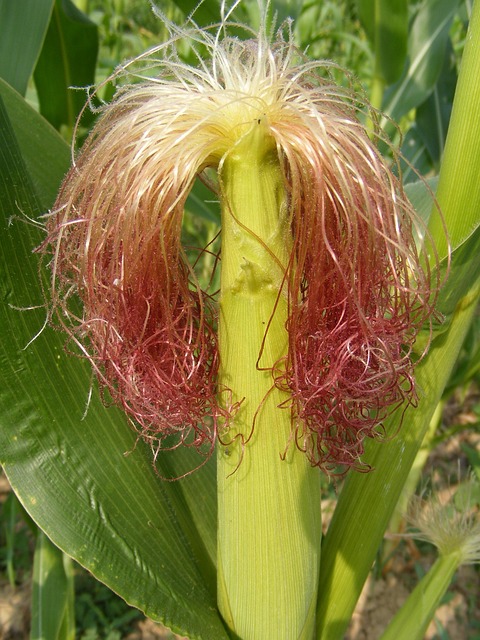
Corn Silk Tea is a specialty botanical product derived from the silky thread-like stigmas and styles found on maize ears, most commonly from Zea mays. In trade, the material is sold dried and intended for infusion, herbal tea blending, wellness formulations, raw botanical supply, or further processing into powder or extract-oriented applications. While the agricultural source is extremely common, the finished dried material intended for tea and botanical trade is more specialized and requires dedicated handling if it is to achieve export-grade quality.
From a trade standpoint, Corn Silk Tea belongs more to the herbal ingredients and medicinal aromatic plant category than to mainstream grain trade. This is important because buyers should not evaluate it the same way they evaluate maize grain itself. The product is no longer being purchased for starch, feed, or food commodity use. It is being purchased for botanical functionality, tea suitability, or ingredient value. That changes what quality means. Buyers care about dryness, appearance, color, cleanliness, cut size, dust level, foreign matter, odor, packaging, and in some markets, analytical quality support.
Commercial forms vary. Some suppliers offer long dried whole corn silk, which may appeal to buyers who prefer a more natural, minimally processed appearance. Others offer cut tea-grade material, sifted cleaner lots, or milled powder. Industrial buyers may also purchase the product for extraction or ingredient manufacturing. Because these forms differ in practical use, they should never be treated as interchangeable. A buyer wanting attractive loose tea material will not receive the same commercial value from a powdered or heavily broken lot, even if both are technically corn silk.
Demand comes from herbal tea companies, wellness brands, herbal medicine retailers, botanical wholesalers, contract packers, natural product stores, and increasingly from brands that build simple, recognizable plant-based product lines. In some markets, consumers already know corn silk from traditional use and do not require much education. In others, it is positioned as part of a broader detox, herbal tea, or plant-support concept. Either way, the product benefits from being understandable and relatively easy to explain.
In Nigeria, the product is commercially interesting because the source crop is abundant and familiar, yet the value-added tea and botanical channel still requires more deliberate handling and market discipline. This creates opportunity for traders and processors who can transform common agricultural material into a cleaner, more specialized exportable botanical product. The opportunity is real, but only if the product is processed in a way that supports actual buyer expectations rather than assuming that any dried corn silk will automatically qualify as commercial tea material.
| Trade Item | Details |
|---|---|
| Primary Product Name | Corn Silk Tea |
| Common International Trade Names | Dried Corn Silk, Maize Silk, Corn Silk Herb, Dried Maize Stigma, Corn Silk Tea |
| Botanical Name | Zea mays |
| Plant Family | Poaceae |
| Common Nigerian / Market Reference | Corn Silk, Maize Silk, Corn Silk Tea, Herbal Tea Raw Material |
| Main Commercial Part Traded | Dried corn silk from the maize ear |
| Commercial Forms | Whole dried silk, cut tea grade, sifted grade, powder, extract-grade raw material |
| Main Buyer Segments | Herbal tea blenders, botanical wholesalers, wellness brands, herbal retailers, private-label packers, extract processors |
| Typical Packaging | Food-grade lined cartons, kraft sacks with inner liner, PP bags with liners, customized packs for premium tea applications |
| Key Buying Criteria | Correct identity, low moisture, low foreign matter, clean appearance, limited husk fragments, acceptable odor, suitable cut size, export-ready documents |
| Main Trade Risks | Contamination, mold, darkened color, high dust, mixed plant matter, poor drying, poor packaging, inconsistent grade |
Request a Quote or Speak With Our Team About Corn Silk Tea
Ready to source Corn Silk Tea with confidence? Submit your RFQ for detailed specifications and formal quotations, or chat on WhatsApp for fast responses and quick clarification.
What Is Corn Silk Tea?
Corn Silk Tea is the dried form of the soft thread-like fibers found on the ears of maize. These fibers, often called silk, are the stigmas and styles of the corn plant and are naturally attached to the developing ear. In everyday agricultural settings they are usually overlooked because attention is focused on the grain. In botanical and herbal markets, however, these silk strands are collected, cleaned, dried, and prepared for use as a tea or herbal raw material.
The botanical source is maize, usually identified as Zea mays. In trade, the important distinction is that the product is not the grain, the cob, or the husk. It is the silk itself. This may sound obvious, but buyers should not assume all suppliers define the material with the same precision. Where the product is sourced informally, some lots may contain excess husk pieces, immature ear matter, or other plant fragments that reduce quality and confuse the commercial description. That is why the purchase order should always specify the plant part clearly.
Properly prepared Corn Silk Tea is generally light yellow, pale golden, beige, or light brown depending on maturity, drying method, and storage age. The strands are fine, soft, and fibrous. A good lot should appear relatively clean, dry, and free from heavy debris. It should not smell moldy, smoky, rotten, or stale. Because the product is lightweight and natural, some variation in appearance is expected, but a professional lot should still show evidence of careful sorting and commercially suitable preparation.
Commercially, the product may be offered as long whole silk for more natural loose herbal presentation or as cut grade for tea bags and easier blending. Some buyers also request powder or extract-oriented material. In all cases, the product remains part of the botanical ingredients category rather than the mainstream cereal commodity category. This affects not only pricing but also how quality is assessed and how documentation is handled.
The reason Corn Silk Tea has market value is not that it is rare. It is that it transforms a familiar agricultural plant part into a specialty herbal ingredient with distinct applications and a traditional-use story that consumers in some markets already understand. This makes it especially attractive for buyers who want a simple, plant-based ingredient with recognizable origin and flexible application in wellness product lines.
For trade buyers, the simplest definition is the most useful: Corn Silk Tea is dried maize silk from Zea mays, sold for infusion, herbal tea, wellness formulations, and botanical ingredient use. It may look modest, but it requires the same commercial discipline as many higher-profile herbal products if it is to perform well in trade.
How Corn Silk Tea Is Made / Processed
The commercial quality of Corn Silk Tea depends heavily on how the silk is collected, sorted, dried, cleaned, graded, and packed. Because the raw material is lightweight and delicate, mistakes at any stage can quickly reduce its value. Buyers who understand the process are usually better equipped to ask the right supplier questions and to interpret samples more intelligently.
Collecting the Silk from Suitable Maize Ears
The process begins with collecting the silk from suitable maize ears. The best commercial material usually comes from clean, healthy plant sources rather than damaged or heavily weathered ears. If the silk is taken from poor-quality field material, the resulting lot may already contain too much discoloration, moisture, or contamination before processing starts.
At this stage, identity is usually straightforward because the source crop is familiar, but buyers should still remember that field collection quality matters. Material pulled together carelessly from mixed agricultural waste streams may not produce a serious herbal-grade product later, even if it is technically corn silk.
Initial Sorting and Removal of Unwanted Plant Matter
Once collected, the silk should be sorted to remove husk fragments, immature ear material, dirt, insects, mold-suspect matter, and other foreign materials. This is one of the first major quality checkpoints. A supplier who skips or rushes this stage often ends up with a lot that remains dirty even after later processing.
For buyers, high husk content and visible debris are common warning signs that the product was not prepared with tea or botanical trade in mind. Clean sorting early in the chain helps preserve the value of the finished product and reduces the amount of reworking needed later.
Drying the Silk Carefully
Drying is the most critical stage for Corn Silk Tea. The silk needs to be dried enough to reach stable storage moisture, but not scorched or handled in a way that creates excessive darkening or brittleness. Drying may be done through shade drying, airflow drying, or low-temperature mechanical methods depending on the processor’s scale and infrastructure.
Because the material is light and fine, it responds quickly to poor drying decisions. Too much moisture invites mold. Too much heat reduces visual appeal and can make the lot look old or damaged. Buyers should therefore ask not only whether the product is dried, but how it is dried and what moisture discipline is followed before packing.
Cleaning and Secondary Screening
After drying, the product is often screened or cleaned again to remove smaller foreign particles, dust, or plant fragments that were not fully eliminated earlier. This stage helps improve visual consistency and commercial usability, especially for tea buyers who want a cleaner infusion product.
Secondary cleaning can make a major difference in presentation. Two lots with similar raw source material can end up with very different market value depending on whether the processor bothers to clean them properly after drying.
Cutting, Sizing, or Keeping Whole as Required
Depending on the target market, the silk may be left mostly whole or cut into a more uniform tea grade. Whole material may appeal to buyers who prefer a natural-looking loose botanical. Cut material may be easier for tea blending, tea bags, and bulk packing systems. Some buyers may also request powder or finer material for formulation purposes.
The supplier should match this step to the actual contract. A common trade mistake occurs when a supplier sends whole silk while the buyer expected tea-cut grade, or sends heavily broken dusty material when the buyer expected intact loose strands. Clear grade definition prevents this.
Batch Review and Basic Quality Control
Before packing, a competent supplier should review the batch for color, odor, dryness, visible cleanliness, and where required, microbiological or other analytical factors relevant to the destination market. Not every buyer requests the same level of testing, but serious botanical trade increasingly depends on more than visual acceptance alone.
At this stage, lot coding and traceability also matter. Even simple batch tracking is better than none. Buyers should ask whether batches are coded and whether the supplier can connect the shipment to source lots or processing records.
Packing and Storage for Export
The final product is packed in clean, dry, food-contact-appropriate packaging, often with an inner liner to reduce moisture pickup. Storage should be cool, dry, and protected from pests, direct sunlight, and strong odors. Because Corn Silk Tea is lightweight and can absorb environmental conditions easily, weak storage can undo otherwise acceptable processing.
Well-processed Corn Silk Tea should arrive with commercially suitable dryness, minimal contamination, low off-odor risk, and a presentation that matches the agreed grade. This is the standard buyers should aim for when evaluating suppliers.
What Is Corn Silk Tea Used For?
Corn Silk Tea has a wider range of commercial uses than many first-time buyers expect. Although it is best known as an infusion ingredient, its market relevance extends into several botanical and wellness channels. The intended application should guide the buyer’s grade and specification decisions.
Single-Herb Tea and Infusions
One of the most direct uses of the product is as a standalone herbal tea. In this format, Corn Silk Tea is marketed as a simple plant infusion ingredient. Buyers serving this segment often want relatively clean, visually natural material with manageable dust levels and stable dryness so the tea experience feels credible and consistent.
Ingredient in Herbal Tea Blends
Many tea blenders use corn silk as a component in multi-herb wellness blends. In these products, it may sit alongside roots, leaves, seeds, or floral materials depending on the product concept. Buyers in this space often prefer cut tea grade because it blends more easily and fits filling systems better than very long loose strands.
Wellness and Botanical Product Formulations
Corn Silk Tea is also used in broader wellness product concepts, especially those built around traditional herbal support narratives. It may appear in loose herb mixes, sachets, powdered systems, or botanical support formulas. In such products, the ingredient contributes both function and story, which makes source quality especially important.
Raw Material for Extraction
Some processors purchase dried corn silk for further extraction. In this channel, the appearance of individual strands may matter less than correct identity, low contamination, dryness, and batch consistency. Extract buyers still need quality raw material, but their grade lens may differ from that of a premium loose-tea buyer.
Retail Herbal Repacking
Botanical retailers and herbal stores may buy Corn Silk Tea in bulk and repack it into smaller consumer units. For these buyers, consistency between batches is very important. If one lot is pale and clean while the next is dark and dusty, customer trust can erode quickly.
Specialty Traditional Herbal Supply
In some markets, Corn Silk Tea continues to move through traditional herbal channels where consumers already understand the ingredient and its cultural place. Even there, modern trade discipline still matters. Traditional familiarity does not remove the need for proper drying, clean packaging, and realistic commercial claims.
Health Benefits of Corn Silk Tea
Commercial interest in Corn Silk Tea is partly sustained by its long-standing presence in traditional herbal use. Buyers and brands should remain careful about regulatory boundaries, but the benefit themes around corn silk still help explain why the product maintains relevance in modern markets.
Strong Traditional Wellness Recognition
One of the biggest commercial strengths of Corn Silk Tea is that it already carries traditional recognition in several herbal cultures. This is valuable because products with historical familiarity often require less consumer education than completely unfamiliar botanicals.
Popular in Light Herbal Support Positioning
Corn silk is often positioned as a gentle herbal ingredient rather than an intense or exotic one. This makes it commercially useful in product lines that want a mild, everyday wellness tone rather than a highly specialized or aggressive positioning style.
Useful in Clean-Label Herbal Storytelling
Because the source plant is familiar and the ingredient itself is easy to explain, Corn Silk Tea fits well into clean-label and plant-forward product narratives. Buyers like ingredients that consumers can visualize and understand, especially in simple tea and herbal formats.
Supports Product Diversity in Tea and Wellness Lines
For brands and wholesalers, one practical benefit is portfolio diversification. Corn Silk Tea allows them to expand beyond standard mainstream herbs while still offering something relatively understandable and commercially approachable.
Consumer Appeal in Traditional and Natural Retail Channels
In markets where herbal traditions remain strong, corn silk already has a place in consumer memory. That familiarity can improve retail acceptance and help products move with less explanation compared with more obscure botanicals.
Flexible Ingredient Role Across Multiple Product Types
Another practical commercial benefit is flexibility. Corn Silk Tea can move as a single herb, as part of a blend, or as a raw material for further processing. That flexibility makes it easier for buyers to use one ingredient across several product channels.
Side Effects of Corn Silk Tea
Responsible trade requires a balanced understanding of both demand drivers and caution points. Corn Silk Tea may be traditional and relatively familiar, but buyers and marketers should still approach it with the same realism they would apply to any botanical ingredient.
Poor Drying Can Create Safety Problems
The most immediate practical risk is not the plant itself but poor post-harvest handling. If corn silk is dried badly or packed too early, mold and deterioration can develop. This is why moisture discipline is essential in commercial sourcing.
Adulteration and Mixed Plant Matter Are Real Risks
Because the material is collected from an agricultural crop, weak supply chains may allow excess husk, leaf, or field debris into the lot. This reduces commercial quality and can create safety or acceptance problems for the buyer.
Careless Claims Can Create Regulatory Exposure
As with many herbal products, traditional-use language can tempt sellers into making overly strong medicinal claims. Buyers and brands should avoid this. Unsupported positioning can create compliance problems even when the raw material itself is acceptable.
Some Consumers May Need Extra Caution
It is prudent for marketers to recognize that some consumer groups, including those with specific health concerns or medication routines, may require extra caution with botanical products generally. Responsible product stewardship includes communicating carefully rather than assuming universal suitability.
Old or Poorly Stored Stock Can Undermine Product Quality
Even when a lot was initially processed correctly, poor storage can make it commercially weak. Darkening, stale odor, and increased fragility all reduce usefulness. Buyers should therefore assess storage history as part of the sourcing process.
Low-Grade Material Can Damage Brand Confidence
A weak lot may not always present a direct safety problem, but it can still be commercially harmful. Dusty, dirty, or inconsistent material can lead to customer complaints and make repeat sales difficult, particularly in visible loose-herb retail channels.
Top Producing & Exporting Countries of Corn Silk Tea
Corn Silk Tea is linked to maize-growing regions, but not every maize-producing country participates equally in the botanical trade of corn silk as a dedicated product. Export relevance usually depends on whether suppliers have the discipline to collect, process, and market the silk separately rather than treat it as agricultural residue.
China
China is often commercially relevant in herbal ingredient markets and can appear in the trade of corn silk and related botanical materials. Its broad herbal product infrastructure makes it a visible supply source for buyers looking at multiple botanical categories.
India
India is another important player in many herbal ingredient channels and may also be relevant for Corn Silk Tea, especially where buyers source broad herbal portfolios. The value of Indian supply depends heavily on the processor and the seriousness of the grading and documentation.
Nigeria and Other West African Supply Channels
Nigeria has strong maize familiarity and can be commercially relevant where value-added botanical handling is properly organized. The opportunity exists because the source crop is common, but export-grade corn silk requires more deliberate processing than raw agricultural collection alone.
United States
The United States has large maize production and a visible natural products market. While it may not always dominate bulk low-cost trade in dried corn silk, it remains relevant in specialty, premium, or domestically processed channels.
Turkey
Turkey is active in a range of botanical and agricultural exports and can also appear in specialty herbal ingredient supply channels, including products linked to broader traditional herbal markets.
Other Maize-Producing Countries with Herbal Processing Capacity
In practice, several other maize-producing countries may participate in Corn Silk Tea trade where collectors and processors are able to convert a familiar crop by-product into a specialized herbal ingredient. What matters most is not maize volume alone, but whether the processing discipline exists.
Top Importing Countries of Corn Silk Tea
Import demand for Corn Silk Tea usually tracks markets with active herbal tea, wellness, and botanical retail sectors. Because it is a specialty product rather than a mainstream beverage staple, demand may be fragmented, but some destination markets remain particularly relevant.
United States
The United States is important because of its large herbal retail, wellness, and natural products market. Buyers there often seek ingredients that fit traditional-use narratives and simple botanical product concepts.
Germany
Germany remains one of the most important herbal tea and botanical ingredient markets in Europe. Buyers there often focus strongly on quality assurance, documentation, and supplier discipline, which makes it a demanding but commercially meaningful destination.
United Kingdom
The UK has a solid herbal tea and wellness market where specialty ingredients can find room, especially when the product is positioned within broader botanical support or tea-blend concepts.
Canada
Canada is commercially relevant because of its active natural health and herbal retail sectors. Buyers there often expect traceability and practical product-quality consistency.
France
France also has a meaningful market for herbal and botanical products, particularly through wellness and specialty retail channels. Products like Corn Silk Tea can fit into these spaces when sourced and positioned properly.
Netherlands and Other Distribution Hubs
Some import destinations are important not only because of domestic consumption but because they redistribute botanical goods into surrounding regional markets. Distribution hubs in Europe can therefore play a useful role in the movement of Corn Silk Tea.
How To Safely Source for Your Corn Silk Tea Produce
Safe sourcing starts with treating Corn Silk Tea as a real botanical product rather than as a casual side stream from maize farming. Buyers who do that tend to ask better questions and avoid the most common mistakes.
Confirm the Botanical Source and Plant Part
The first step is to confirm that the product is dried silk from Zea mays and not a mixed maize residue material. Buyers should be explicit that they want corn silk as the traded plant part, not husk blend, cob fragments, or loose field waste.
Define the Commercial Form Before Pricing
Ask whether the quotation is for whole long silk, cut tea grade, sifted grade, powder, or extraction material. These forms are not interchangeable. Pricing only becomes meaningful once the commercial form is fixed.
Request Current Lot Photos and Video
Visual confirmation is especially useful with this product. Photos and short video can reveal color, cleanliness, dust level, husk contamination, and whether the lot truly exists in the described form. This helps buyers screen suppliers quickly.
Insist on a Representative Sample
A representative sample is essential. The buyer should evaluate color, odor, cleanliness, strand size or cut size, dust level, and general commercial usability. Where the product will go into tea, test infusions are also useful.
Ask About Drying Method and Moisture Control
Suppliers should be able to explain how the silk was dried and how they ensure it is stable before packing. Buyers do not need excessive technical detail, but they do need confidence that the product is not at hidden moisture risk.
Review Foreign Matter and Husk Tolerance
Because mixed plant matter is one of the most common defects in Corn Silk Tea, buyers should discuss acceptable foreign matter, husk content, and cleaning method before finalizing the deal. A cheap quote may simply reflect weak cleaning discipline.
Clarify Whether the Product Is Conventional or Specially Positioned
If the buyer needs organic or other compliance-linked supply, that should be discussed at the beginning. Verbal assurance is not enough. Documents should be available where the sale depends on them.
Assess Storage and Handling Conditions
Ask where the product is stored and how it is protected from humidity, pests, and contamination. Weak storage can damage even a decent lot. A supplier should be able to describe their storage system with reasonable clarity.
Discuss Analytical Requirements Early
Some markets require moisture, microbiology, residue, or other analysis. These expectations should be raised before cargo preparation. Discovering a testing gap after the goods are packed is expensive and avoidable.
Specify Packaging in Writing
Packaging should be appropriate for a lightweight, dry botanical. Inner liners, strong outer bags or cartons, clear lot identification, and protection against compression or moisture should all be agreed in writing.
Use Trial Orders for New Suppliers
Even a promising supplier should usually be tested with a smaller trial order before larger commitments are made. This reveals real shipment behavior, not just sales language.
Consider Pre-Shipment Review for Larger Transactions
Where order value justifies it, pre-shipment inspection or third-party verification can help confirm that the packed goods still match the approved sample and agreed quality basis.
Know the Destination Rules Yourself
The buyer should never assume the supplier fully understands destination-market labeling, claims, or import requirements. Safe sourcing works best when the buyer knows the market rules clearly and the supplier knows how to support the agreed product specification.
Choose Suppliers Who Communicate Like Professionals
Communication quality remains one of the simplest filters in trade. Serious suppliers answer directly, define the grade clearly, provide samples and documents promptly, and stay consistent through the transaction. That professionalism matters as much as the product itself.
Where To Find Reliable Exporters for Corn Silk Tea
Reliable exporters are usually found by looking for suppliers that already understand botanical trade rather than just maize agriculture. The ability to grow or source maize does not automatically mean the supplier can provide export-grade Corn Silk Tea.
A practical starting point is to look for exporters already active in dried herbs, specialty teas, medicinal and aromatic plants, or wellness raw materials. These suppliers are more likely to understand drying, foreign matter control, batch handling, and documentation than traders who are simply opportunistic around maize-related products.
B2B platforms, trade fairs, botanical ingredient directories, and referral networks can all help identify leads. However, none of these channels should be treated as proof of reliability. Buyers should still validate the supplier through representative samples, clear specifications, and document review.
Referral-based sourcing is often especially useful in specialty herb trade. Existing tea blenders, herbal retailers, freight forwarders, and ingredient consultants often know which suppliers behave professionally and which ones repeatedly create avoidable quality or paperwork problems.
The most promising exporters usually share some common traits. They identify the product clearly. They can explain whether the lot is whole or cut. They can describe drying and cleaning methods. They send realistic samples, not idealized samples. They understand the documents the buyer will need. These are practical indicators of reliability.
For buyers that want reduced sourcing friction, an experienced export partner can also help. A competent partner aligns the buyer’s end use with the right grade, packaging, and shipping structure before the order becomes complicated. In a product like Corn Silk Tea, that support often matters more than the smallest difference in headline price.
International Price of Corn Silk Tea Per Metric Ton
The international price of Corn Silk Tea depends on origin, grade, cleanliness, moisture level, form, order volume, certification status, and the seriousness of documentation support. Because it is a specialty botanical and not a mainstream grain commodity, price ranges can vary significantly between seemingly similar offers.
As a practical market guide for 2025 to 2026, conventional dried Corn Silk Tea may trade roughly from about US$2,200 to US$5,800 per metric ton for exportable commercial grades, depending on whether the material is whole silk, cut tea grade, or more basic industrial-type supply. Lower-end prices are more likely to reflect simple bulk grades with lighter cleaning or less demanding presentation expectations. Higher-end prices are more likely to reflect cleaner, better-sorted, lower-dust lots, smaller specialty volumes, or stronger documentation support.
Organic or specially positioned lots can move above that range, especially where the buyer serves natural wellness retail or premium tea markets. Conversely, unusually cheap offers should be reviewed carefully because they may reflect poor drying, higher contamination, weaker traceability, or material that was never really prepared for herbal-grade use.
Freight also affects the landed economics. Because the product is lightweight, pack density and packaging efficiency influence shipping cost more than some buyers expect. A slightly higher source price may still produce a better landed outcome if the lot is cleaner, denser, more usable, and less likely to create complaints after arrival.
The safest way to compare prices is to compare fully defined lots. Ask about product form, cleanliness, foreign matter tolerance, moisture, packaging style, and any documents included in the sale. Without those details, a Corn Silk Tea quote may not be commercially comparable to another offer that looks similar on the surface.
Request a Quote or Speak With Our Team About Corn Silk Tea
Ready to source Corn Silk Tea with confidence? Submit your RFQ for detailed specifications and formal quotations, or chat on WhatsApp for fast responses and quick clarification.
How To Pay For Your Corn Silk Tea Produce
Payment should be structured according to transaction size, supplier history, and risk tolerance. In botanical trade, disciplined payment terms help protect both product quality expectations and documentary compliance.
Telegraphic Transfer for Trial Orders
For smaller initial orders, telegraphic transfer is commonly used. This may involve part payment in advance and the balance against agreed shipment documents or another defined milestone. It can work well when the buyer has already approved the sample and the supplier has shown credible operational behavior.
Letter of Credit for Larger Transactions
For larger or more sensitive deals, a letter of credit can add useful structure. It helps ensure that documents and shipment performance align with the contract before payment is finalized. This adds cost, but the discipline can be worthwhile.
Split Payment Arrangements
Some buyers prefer staged payments, such as deposit on confirmation, another installment after inspection or batch approval, and balance against shipping documents. This can be a practical middle path in new but promising supplier relationships.
Escrow or Protected Settlement Where Available
When supported by a platform or structured trade environment, protected settlement arrangements may reduce first-transaction anxiety. These are not universal, but they can be useful where available.
Payment Should Follow Clear Milestones
Whatever structure is chosen, it should be linked to concrete commercial events such as sample approval, packing confirmation, inspection result, or release of the agreed documents. Payment should not be based only on vague assurances.
Avoid Unusual Banking Changes
Buyers should pause when a supplier requests last-minute banking changes, payment through unrelated parties, or transfer to personal accounts without clear justification. These are classic warning signs and should be resolved before funds move.
Shipping & Delivery Terms
Shipping terms for Corn Silk Tea should protect product quality while keeping the transaction commercially efficient. Because the product is dry, light, and sensitive to moisture, logistics choices affect more than transport cost.
EXW for Buyers with Strong Origin Control
Ex Works may suit buyers who already have trusted local agents or established freight systems at origin. It offers more control but puts more operational responsibility on the buyer. This is usually best for experienced importers.
FOB for Standard Export Transactions
Free On Board is often a practical structure for international buyers. The supplier handles preparation and port delivery, while the buyer manages the main carriage. This allows the buyer to choose freight arrangements while relying on the supplier for export-side readiness.
CIF for Simpler Logistics
Cost, Insurance, and Freight may suit buyers who prefer a more bundled arrangement. Under CIF, the supplier arranges freight and basic insurance to the destination port. Buyers should still clarify what charges remain payable at destination.
Air Freight for Samples and Small Urgent Orders
For samples or urgent small quantities, air freight may be appropriate. The cost per kilogram is higher, but faster transit may justify it where timing matters.
Sea Freight for Bulk Quantities
For commercial tonnage, sea freight is usually more economical. In this case, packaging strength and moisture protection become especially important because the cargo will spend longer in transit.
Lead Time Should Be Discussed Honestly
Buyers should allow realistic time for collection, cleaning, drying adjustment, packing, and documentation. Rushed botanical shipments often create preventable quality compromises.
Destination Handling Should Be Ready Before Arrival
Customs clearance, warehouse receiving, inspection, and onward storage should be planned before the goods arrive. A lightweight botanical product can lose quality quickly if left in poor receiving conditions.
Our Typical Trade Specifications For Corn Silk Tea
Trade specifications vary according to the buyer’s use and destination market, but serious transactions usually revolve around a defined commercial standard. The following framework represents a typical trade-oriented reference point.
| Specification Item | Typical Trade Range / Requirement |
|---|---|
| Product Name | Corn Silk Tea / Dried Corn Silk |
| Botanical Name | Zea mays |
| Main Commercial Part | Dried maize silk |
| Product Form | Whole silk, cut tea grade, sifted grade, powder, or extract-grade raw material as agreed |
| Color | Natural pale yellow to golden beige, appropriate to drying and age |
| Odor | Characteristic mild herbal odor, free from musty, moldy, or smoky notes |
| Moisture | Typically 10% to 12% maximum, or as contractually agreed |
| Foreign Matter | Low and within agreed tolerance |
| Husk / Plant Fragment Content | Controlled according to grade and intended use |
| Dust Content | Within agreed tolerance for the buyer application |
| Microbiological Status | As required by buyer or destination market |
| Pesticide / Residue Status | As required by buyer or destination market |
| Heavy Metals | As required by buyer or destination market |
| Packing | Food-grade inner liner with strong export-grade outer sack or carton |
| Shelf Life | Usually 18 to 24 months under proper storage conditions |
| Storage Condition | Cool, dry, clean environment away from sunlight, odors, pests, and humidity |
Expected Shipping Documents
Professional Corn Silk Tea shipments should be supported by a coherent documentation set. The exact file varies by destination and incoterm, but serious export trade requires more than informal paperwork.
Commercial Invoice
The commercial invoice should describe the product clearly, including product name, quantity, value, seller details, buyer details, and shipment terms. The wording should match the contract and support customs processing.
Packing List
The packing list should show the number of bags or cartons, net and gross weights, and where useful, batch references. This document helps customs handling and warehouse receipt.
Bill of Lading or Air Waybill
This is the transport document for the cargo. Sea freight uses a bill of lading and air freight uses an air waybill. Buyers should verify that all document details align.
Certificate of Origin
Many importers require a certificate of origin for customs or sourcing-policy reasons. The supplier should know when it is needed and arrange it properly.
Phytosanitary Certificate
Because Corn Silk Tea is a plant-derived product, some markets may require phytosanitary documentation. This should be clarified early in the transaction, not after the cargo is packed.
Certificate of Analysis
Where quality parameters are part of the contract, a certificate of analysis may be required. This can cover moisture, microbiological status, or other agreed factors relevant to the buyer’s market.
Inspection or Treatment Records Where Applicable
Some shipments may require third-party inspection or other supporting documents depending on buyer policy and destination requirements. These should be agreed before dispatch.
Insurance Certificate Where Included in the Sale
If the trade term includes insurance, the relevant certificate should be part of the shipping file. This is especially important in CIF transactions or any shipment sold with cargo protection included.
Corn Silk Tea may come from a very familiar crop, but in trade it behaves like a specialty botanical. Buyers who source it well usually do so by defining the plant part clearly, insisting on representative samples, checking moisture and cleanliness seriously, comparing like-for-like grades, and choosing suppliers who understand that even a simple herbal ingredient must be handled with professional care if it is to succeed in export markets.
Request a Quote or Speak With Our Team About Corn Silk Tea
Ready to source Corn Silk Tea with confidence? Submit your RFQ for detailed specifications and formal quotations, or chat on WhatsApp for fast responses and quick clarification.