

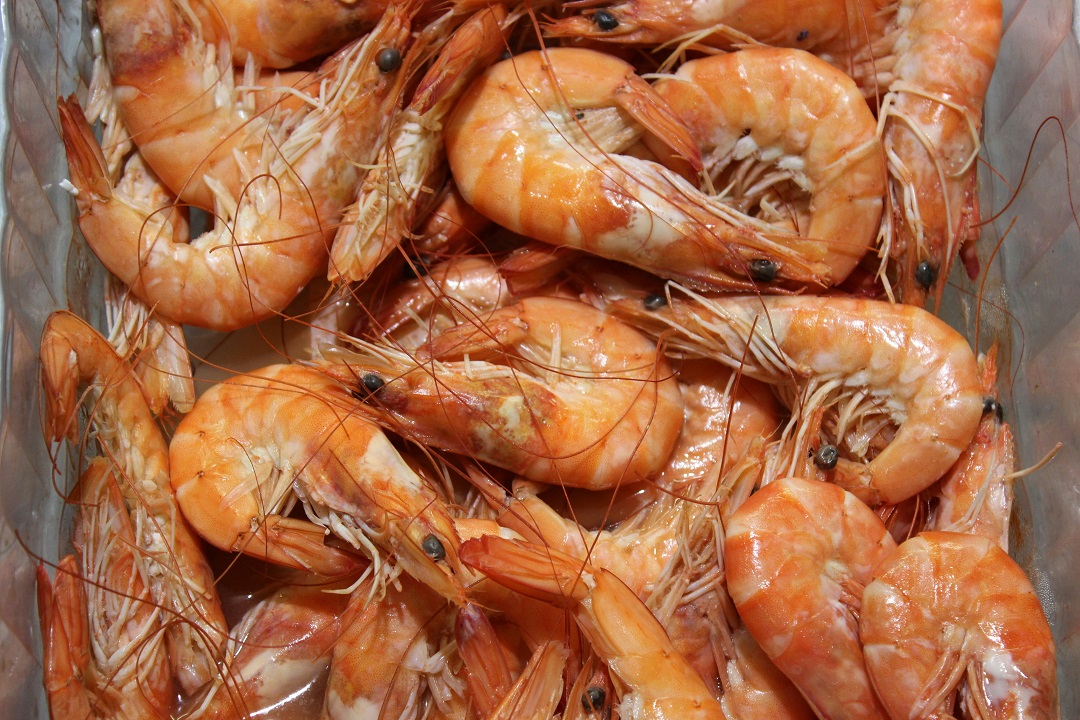
Crayfish is one of the most commercially important seafood ingredients in the Nigerian and West African food trade because it combines everyday household demand, wholesale market movement, restaurant consumption, and diaspora grocery demand in one product line. In practical trade terms, crayfish refers to small crustaceans that are harvested, cooked or heat-treated where necessary, dried, cleaned, and packed for resale into retail, foodservice, and export channels. In the Nigerian market, the term crayfish often covers the dried, edible, flavour-rich product sold in whole or ground form for soups, stews, sauces, and seasoning applications.
For importers, wholesalers, African food distributors, ethnic supermarkets, foodservice operators, and private-label food brands, crayfish is not just another seafood item. It is a deeply familiar culinary ingredient with strong repeat purchase behaviour. Consumers buy it because it adds a characteristic savoury taste, seafood aroma, and flavour depth that many traditional dishes feel incomplete without. That constant culinary relevance is part of what makes crayfish commercially attractive.
In Nigeria, crayfish is commonly sold in open markets, packaged food stores, wholesale fish markets, and online food channels. It may also be referred to simply as dried crayfish, edible crayfish, crayfish powder when milled, or local crayfish depending on the market. In practical consumer language, many households do not treat crayfish as an occasional delicacy. They treat it as a regular kitchen ingredient. That everyday use pattern is one of the reasons the product remains resilient in trade.
From a commercial perspective, crayfish offers several clear advantages. It is lighter and easier to move than many fresh seafood products. It has a longer shelf life when properly dried and packed. It can be sold in different grades, from premium whole clean pieces to lower-cost mixed or powdered formats. It can also fit into multiple market channels at once, including domestic wholesale supply, African grocery export, ethnic retail repacking, and food manufacturing applications.
At the same time, serious buyers know that crayfish should never be sourced casually. Quality can vary sharply between suppliers. Product may differ in dryness, cleanliness, size grade, shell content, foreign matter presence, odour, colour, infestation risk, and packaging strength. A buyer who purchases on price alone may end up with poor-quality product that disappoints retailers, turns customers away, or fails during storage. A buyer who understands the category properly, however, can turn crayfish into a stable and profitable trade line.
That is why professional sourcing decisions usually go beyond simply asking for a quotation per bag or per ton. Buyers need to know what species type or commercial type is being offered, the drying method, expected moisture condition, size range, shell content, broken particle level, cleanliness standard, packaging format, origin point, and the kind of documentation the exporter can support. They also need a supplier who understands what the destination market expects, especially when the product is entering formal retail systems or regulated import channels.
This guide takes a practical buyer-focused look at crayfish. We will cover what it is, how it is processed, what it is used for, the health benefits associated with it, possible side effects and trade risks, major producing and importing markets, how to source it safely, where to find reliable exporters, realistic international price ranges, how payments are typically structured, common shipping and delivery terms, the sort of trade specifications buyers often request, and the key shipping documents expected in a commercial transaction.
Trade Overview of Crayfish
Crayfish is a processed seafood product prepared from small edible crustaceans that are harvested, cleaned, dried, and packed for food use. In the Nigerian market, it is one of the most recognized flavouring seafood ingredients and has broad demand across homes, catering kitchens, restaurants, processors, and traders. It is sold in whole dried form, crushed form, and powdered form depending on the buyer segment.
For trade buyers, crayfish is attractive because it sits in a category with strong culinary pull and regular turnover. It is used in soups, vegetable dishes, seed-based soups, sauces, rice dishes, porridges, and many regional preparations. This means wholesalers and importers are not only relying on occasional premium demand. They are dealing with a product that supports everyday cooking habits.
Crayfish also works well inside broader African food import baskets. It often ships alongside dried fish, stockfish, smoked fish, dried shrimp, egusi, ogbono, iru, spices, bitter leaf, and other traditional ingredients. That cross-category compatibility helps distributors build larger order values and stronger customer retention. For diaspora supermarkets and ethnic retailers, crayfish is usually one of the items that helps define the authenticity of the store’s product offering.
From the supply side, crayfish is also a value-added seafood line. Instead of moving only fresh aquatic products, processors and traders can offer a dried product with longer holding life and wider distribution options. The product is easier to store than chilled seafood, easier to repack into smaller retail packs, and easier to distribute through dry-goods-style channels when handled correctly. Those practical advantages explain why crayfish remains important in both domestic and export trade.
| Product Name | Crayfish |
|---|---|
| Common Names | Crayfish, Dried Crayfish, Edible Crayfish, Crayfish Powder, Ground Crayfish |
| Botanical / Scientific Name | Commercial trade may involve small edible crustacean species sold under market names rather than strict species-level retail naming |
| Product Category | Seafood |
| Form | Whole dried, crushed, milled, or powdered depending on buyer specification |
| Primary Nigerian Market Reference | Common in open markets, seafood stalls, dried food stores, grocery channels, catering supply, and diaspora export trade |
| Typical Buyers | Importers, wholesalers, African food distributors, foodservice operators, retailers, processors, packers, and private-label food brands |
| Main Trade Advantage | Strong culinary demand, concentrated flavour, flexible pack formats, and better storage life than fresh seafood |
| Key Sourcing Concern | Cleanliness, dryness, shell content, infestation risk, odour, foreign matter, and packaging quality |
Request a Quote or Speak With Our Team About Crayfish
Ready to source Crayfish with confidence? Submit your RFQ for detailed specifications and formal quotations, or chat on WhatsApp for fast responses and quick clarification.
What Is Crayfish?
Crayfish in the Nigerian and West African food trade refers to a dried edible seafood ingredient made from small crustaceans that are processed for culinary use. In everyday kitchen practice, it is valued mainly for flavour. In trade practice, it is valued because that flavour has become a regular part of household and restaurant cooking in many markets. The product may be sold whole, roughly broken, or finely milled depending on what the buyer wants.
This product is different from fresh shrimp or frozen prawn sold through cold-chain seafood counters. It is also different from live crayfish in markets where freshwater crustaceans are sold for immediate cooking. In the commercial African grocery context, crayfish usually means the dried ingredient that can be stored, transported, repacked, and used in dry-goods retail channels with less cold-chain pressure.
Its commercial identity comes largely from taste. Crayfish adds a concentrated savoury seafood note that many soups and sauces rely on. A small amount can change the depth of flavour in a cooking pot. That is why the product is often used not only as visible seafood but also as a seasoning component. In powdered form, it can function almost like a traditional flavour enhancer in regional cuisine.
From a buyer’s perspective, the exact format matters. Some customers prefer whole or larger dried pieces because they associate them with higher perceived authenticity and easier visual quality assessment. Some prefer coarsely crushed crayfish for easier cooking. Others specifically want powder for seasoning applications, repacking, or food manufacturing. A supplier should understand which format is being requested before production or packing begins.
Crayfish can also vary by source environment, dryness, aroma, particle size, and shell content. That is why buyers should avoid treating all crayfish as interchangeable. The difference between a clean, properly dried, well-packed lot and a dusty, overly broken, contaminated lot can be substantial both in customer satisfaction and in margin outcome.
How Crayfish Is Made / Processed
The commercial performance of crayfish starts at the processing level. Even when two suppliers sell what appears to be the same product, the finished quality can differ sharply because of how the product was handled, dried, cleaned, sorted, and packed.
1. Harvesting or sourcing the raw seafood
The process begins with obtaining the raw crustacean material from fishing communities, landing points, seafood aggregators, or local traders. Depending on the supply chain, the product may come from inland or coastal aquatic environments. For a serious buyer, what matters first is whether the supplier has stable access to the type and quality of raw material needed for repeat orders.
If the raw seafood is inconsistent, stale, poorly handled, or mixed heavily with unsuitable material, the final dried crayfish will also be inconsistent. This is why buyers should ask how the supplier sources the raw product, how often they process, and whether they work directly with harvesters or through multiple layers of intermediaries.
2. Initial cleaning and selection
Once the raw crayfish is received, it is sorted to remove visibly damaged material, excessive debris, or unsuitable mixed matter. Initial washing or rinsing may also be carried out depending on processor style. This stage matters because small seafood products can easily carry sand, dirt, or other contaminants if they are not cleaned properly at source.
A processor with good cleaning discipline will usually deliver a better final product with lower foreign matter complaints. That is especially important for export buyers who plan to sell into formal retail channels.
3. Heat treatment or cooking where applicable
Some processing systems include a heat treatment or parboiling stage before final drying. In other systems, the product may move more directly toward drying after sorting and cleaning. The exact method can vary according to local practice, species type, and market expectation. What matters commercially is that the product is processed safely and consistently to support good keeping quality.
Buyers do not always need every technical detail of the processor’s method, but they should know enough to judge whether the operation is controlled and hygienic.
4. Drying and moisture reduction
Drying is one of the most important parts of crayfish processing. The product may be sun-dried, smoke-dried, mechanically dried, or handled through a combined method depending on local practice and processing capability. The target is a product with low enough moisture to store well, resist spoilage, and travel more safely through the supply chain.
If the product is under-dried, it may soften, mould, cake together, or develop an unpleasant odour in storage. If the product is excessively over-dried or badly handled, it may become too brittle and powder excessively during transit. The best lots usually achieve a stable, dry condition without unnecessary product damage.
5. Cooling and stabilization
After drying, the product should be allowed to cool and stabilize before final packing. This is important because packing warm seafood can create internal moisture build-up or condensation. That trapped moisture can then undermine storage performance. Buyers should prefer suppliers who understand these basic stabilization steps instead of rushing product directly from dryer to package.
6. Sorting and grading
The dried crayfish is then sorted according to size, whole-piece quality, cleanliness, shell level, and visible appearance. Better grades may contain more intact pieces, cleaner colour, and fewer foreign particles. Lower grades may contain more broken material, higher shell content, and less attractive appearance. For buyers, grading matters because not every customer segment wants the same thing.
Retail-oriented buyers often prefer cleaner, more uniform, visually appealing crayfish. Food manufacturing or seasoning buyers may tolerate more broken form as long as the product is clean and flavourful. A serious supplier should understand these distinctions.
7. Crushing or milling where required
If the buyer wants crushed crayfish or powdered crayfish, the dried product may go through a crushing or milling stage. This creates convenience for consumers and can make the product easier to use as a seasoning ingredient. However, once the product is milled, it becomes harder for the end customer to visually verify quality. That means supplier trust, cleanliness, and specification control become even more important.
8. Packaging
The final product is packed in sacks, lined bags, cartons, sealed pouches, jars, or retail packs depending on the destination market. Export packaging should protect against moisture, dust, crushing, and infestation. Retail packaging may also need labelling support, batch identification, and shelf presentation considerations.
What Is Crayfish Used For?
Crayfish is one of the most versatile seafood ingredients in the African food trade because it can function both as an ingredient and as a flavouring component. Its commercial strength comes from the fact that it is repeatedly used in ordinary cooking, not reserved only for special occasions.
Soup preparation
Crayfish is widely used in soups of many kinds because it deepens flavour and adds a savoury seafood note that consumers immediately recognize. It is common in vegetable soups, seed-based soups, peppery soups, native soups, and family-style cooking pots across many homes and restaurants.
Stews and sauces
It is also added to stews and sauces to build flavour complexity. Even where the final dish contains other proteins, a little crayfish can strengthen the overall taste. This is one reason consumers often buy the product regularly and keep it in their kitchens as a staple seasoning ingredient.
Rice and porridge dishes
Crayfish can be used in rice dishes, porridge-style cooking, and one-pot meals where a small amount of seafood flavour is needed without relying entirely on fresh fish or meat. Its convenience and concentrated taste make it useful for cooks who want strong flavour without long seafood preparation.
Seasoning and powder blends
Powdered crayfish is often used almost like a traditional seasoning. It can be added directly during cooking or blended into food preparation systems where a consistent seafood note is needed. This makes it attractive not only for home cooks but also for food manufacturers, caterers, and repackers.
Restaurant and catering use
Restaurants, caterers, and food vendors use crayfish because it stores longer than fresh seafood and delivers reliable flavour in large-batch cooking. In busy kitchens, that consistency matters. A preserved, ready-to-use product can save time while supporting the expected taste profile of the menu.
Retail and repackaging channels
Importers and wholesalers often buy crayfish in bulk and then repack it into smaller consumer packs. It is a natural fit for private-label programs, diaspora grocery supply, and ethnic supermarket shelves because consumers already understand the product and how to use it.
Health Benefits of Crayfish
Crayfish is bought mainly because of its culinary value, but it also carries useful nutritional qualities when properly processed and consumed in balanced amounts. Buyers and retailers increasingly pay attention to these points because end consumers now want both taste and function from traditional food products.
1. Source of protein
Crayfish is a protein-rich seafood ingredient. Because it is dried, much of the water has been removed, so the remaining product is relatively concentrated in nutrients by weight. This makes it a useful ingredient in meals where both flavour and protein contribution are valued.
2. Useful mineral content
Seafood products like crayfish can contribute useful minerals that support normal body functions. While consumers usually buy it first for taste rather than for nutrient labels, its nutritional profile still adds practical food value to the meal.
3. Small quantity, strong food value
One practical advantage of crayfish is that even small quantities can have noticeable impact in cooking. That means a little product can go a long way in improving both flavour and overall meal satisfaction. In household food economics, ingredients like this are often appreciated because they stretch culinary value.
4. Supports diversified seafood intake
Consumers who do not always have access to fresh seafood can still include seafood-derived flavour and nutrition in their meals through dried ingredients like crayfish. That is one reason the product remains relevant in both local and diaspora food systems.
5. Convenient shelf-stable ingredient
Fresh seafood is highly perishable and often depends on cold-chain handling. Crayfish, when well dried and properly packed, offers a more convenient option for homes and businesses that need longer storage life. That preservation advantage supports regular use and reduces dependence on immediate fresh supply.
Side Effects of Crayfish
Like many preserved seafood products, crayfish offers value but also requires careful handling and sensible sourcing. Buyers should understand not only the food-related side effects but also the commercial risks associated with poor-quality lots.
1. Allergy concerns
Crayfish is a crustacean seafood product, so people with shellfish allergies should avoid it. This is especially important in formal retail and export channels where proper labelling and product identification matter. Buyers selling in regulated markets should ensure the product is clearly described.
2. Spoilage risk when drying is poor
If crayfish is not sufficiently dried, it may develop mould, off odours, caking, or microbial deterioration during storage. This is one of the biggest commercial risks in the trade because the lot may look acceptable initially but fail later. Moisture control is therefore essential.
3. Infestation risk in weak storage conditions
Dried seafood products can attract insects if they are poorly packed or stored in weak warehouse conditions. This can damage the product physically and seriously harm customer trust. Good packaging and clean storage conditions are not optional in this category.
4. Foreign matter and cleanliness concerns
Because crayfish is a small product harvested and processed in bulk, poor-quality lots may contain shell fragments, dust, sand, stones, or other unwanted material. A serious buyer should inspect samples carefully for cleanliness and should not assume that all market-sourced material is export-ready.
5. Strong aroma for sensitive consumers
Crayfish has a distinctive seafood aroma that many consumers love, but some sensitive buyers may find stronger lots too pungent, especially if the product is old, poorly packed, or overly concentrated in powder form. Odour quality is therefore an important part of sample review.
6. Quality inconsistency between batches
One practical issue in crayfish trade is that one batch may differ from the next in size, cleanliness, dryness, and shell content. This is less a biological side effect than a sourcing problem, but it affects the consumer experience directly. Reliable suppliers reduce this risk through proper grading and lot control.
Top Producing & Exporting Countries of Crayfish
Crayfish trade is shaped strongly by regional consumption patterns, coastal and inland harvest systems, and ethnic food demand. While the product may not always move under a single globally standardized commodity definition, several countries play important roles in the trade.
1. Nigeria
Nigeria is one of the most commercially relevant markets for crayfish because domestic consumption is high and the product is deeply embedded in traditional cooking. It is also a major reference point for export-oriented African food trade because many diaspora consumers specifically look for the kind of crayfish commonly used in Nigerian cuisine.
2. Cameroon
Cameroon is important in the regional seafood and dried ingredient trade and is often associated with supply of crayfish and related dried aquatic products into Central and West African food channels. Buyers sometimes encounter Cameroonian-origin material in regional wholesale markets.
3. Ghana
Ghana is relevant as part of the broader West African seafood processing and trade ecosystem. Even where the exact local terminology differs, the country remains part of the supply picture for preserved seafood products serving regional and diaspora markets.
4. Other West and Central African coastal sources
Beyond the best-known markets, smaller producing and supplying areas across West and Central Africa also contribute crayfish and similar dried seafood products to local and cross-border trade. The challenge for international buyers is that not every source origin is organized for export-grade packing and documentation.
5. Specialty suppliers serving ethnic markets
In practice, some of the most relevant exporters are not simply the countries with aquatic resources, but the suppliers who know how to clean, grade, pack, and document the product in a way that suits diaspora grocery channels. Trade readiness matters as much as raw supply access.
Top Importing Countries of Crayfish
Import demand for crayfish is driven mainly by diaspora food consumption, ethnic retail distribution, African restaurants, and specialty grocery channels. The product often moves through culturally specific food networks rather than broad mainstream seafood channels.
1. United Kingdom
The United Kingdom is one of the most important markets for African food imports because of its large diaspora population and strong ethnic grocery infrastructure. Crayfish fits naturally into this environment because consumers already know how to use it and retailers know how to sell it.
2. United States
The United States remains a major destination for African food products in cities with active diaspora communities. Crayfish demand in these markets is supported by home cooks, food vendors, restaurants, and online ethnic food platforms.
3. Canada
Canada also supports meaningful demand for African grocery products, especially through ethnic retailers and regional distributors. Importers in this market often value consistent packaging, cleanliness, and product stability.
4. Germany and wider Europe
Germany and other parts of continental Europe serve as destination markets for African food products due to established immigrant communities. Crayfish can move well in these channels when the importer has a stable distribution base and the product is properly packed.
5. Regional African destination markets
Crayfish also moves actively within Africa through both formal and informal trade routes. Nearby markets may absorb whole dried product, bulk sacks, or repacked retail quantities depending on price, consumer preference, and logistics structure.
How To Safely Source for Your Crayfish Produce
Safe sourcing is critical in crayfish trade because the product is small, concentrated, and highly vulnerable to quality complaints when standards are weak. A buyer who wants stable business should build the deal around specification, verification, and handling discipline rather than around price alone.
The first step is to define the exact product required. Do not simply ask for crayfish and assume all suppliers understand the same thing. Clarify whether you want whole dried crayfish, crushed crayfish, or powder. State the preferred grade, expected cleanliness level, acceptable shell content, particle size where relevant, packaging format, and target market. A supplier who works from clear product descriptions is easier to evaluate than one who works only from vague market language.
The second step is to understand the supplier’s operating role. Are they a direct processor, a consolidator, an open-market trader, or a branded packer? Suppliers with stronger production control usually deliver more consistent quality than suppliers who buy randomly from many loose sources. In seafood trade, control