

Black Seed is one of those agricultural commodities that carries both traditional market familiarity and modern commercial relevance at the same time. In many parts of the world, it is traded not only as a spice seed or herbal raw material, but also as a wellness-driven commodity used by processors, nutraceutical brands, food manufacturers, cosmetic formulators, natural remedy merchants, and specialty wholesalers. For that reason, buyers do not usually look at Black Seed as an ordinary seed commodity. They look at it as a functional raw material with cross-sector demand.
In the international market, Black Seed is best known by its botanical identity, Nigella sativa, but commercially it may also be called black cumin, black caraway, kalonji, or Nigella seed depending on the market and the trade language being used. This naming variation matters because it affects product searches, customs descriptions, supplier listings, and buyer inquiries. A trader who understands the naming structure usually moves faster and avoids confusion during sourcing and documentation.
In Nigeria and many other African markets, Black Seed is often referenced in herbal trade circles, natural health channels, and wholesale ingredient markets as a wellness-oriented seed with growing consumer awareness. The Nigerian/common market reference is important because the product is frequently positioned through practical demand language rather than purely botanical language. Some buyers ask for Black Seed. Others ask for Nigella seed. Some refer to it in the language of herbal remedies and food blends. Serious suppliers need to understand that commercial language if they want to sell effectively into domestic and export channels.
From a trade standpoint, Black Seed is attractive because it serves multiple industries at once. Food buyers purchase it for seasoning, spice blends, bakery toppings, and ethnic food applications. Herbal product manufacturers buy it as a raw material for powders, capsules, teas, and wellness formulations. Oil processors source it for black seed oil extraction. Cosmetic and personal care producers also show interest because of its relevance in soaps, hair products, massage oils, and natural skin-care formulations. That range of uses gives the commodity commercial depth.
Still, profitable trade in Black Seed is not as simple as buying whatever stock is available. Buyers need to pay close attention to quality definition, origin, cleaning standard, moisture condition, odor, purity, packaging integrity, and documentation readiness. A shipment that is good enough for one market segment may not be good enough for another. Food-grade Black Seed, extraction-grade Black Seed, and low-end open-market stock should never be treated as the same product simply because the commodity name sounds identical.
For importers, wholesalers, processors, and brand owners, the key to buying Black Seed safely is understanding how the commodity moves from farm to warehouse to export container. Buyers that focus only on price often run into preventable problems such as mixed lots, excessive foreign matter, weak aroma, mold issues, poor packing, delayed documents, or specifications that were never properly agreed at the beginning of the transaction. Those problems reduce margin and can damage long-term buyer confidence.
This is why serious commodity buyers tend to approach Black Seed with the same discipline they would apply to other specialty seeds and herbal raw materials. They want clarity on form, grade, end use, moisture, cleanliness, microbial condition where relevant, and shipment method. They also want to know whether the seller can truly control the lot being offered or is merely passing along an unreliable market lead.
In this guide, we will look at Black Seed from a practical, buyer-focused, and trade-aware angle. We will cover what it is, how it is processed, what it is used for, the health benefits linked to it, realistic side effects and risks, top producing and importing markets, how to source it safely, where reliable exporters can be found, the international price range per metric ton, payment structures, shipping terms, trade specifications, and the documents buyers should expect before shipment and at destination. The goal is to make the sourcing process clearer, safer, and more commercially useful for anyone buying Black Seed in wholesale quantities.
Trade Overview of Black Seed (Nigella Sativa)
| Product Name | Black Seed (Nigella Sativa) |
|---|---|
| Botanical Name | Nigella sativa |
| Common Names | Black Seed, Nigella Seed, Black Cumin, Kalonji, Black Caraway |
| Nigerian/Common Market Reference | Commonly referenced in herbal, wellness, spice, and natural remedy channels as Black Seed or Nigella Seed |
| Commodity Type | Specialty Seed / Herbal Raw Material / Spice Seed |
| Common Commercial Forms | Whole black seed, cleaned black seed, sortex-cleaned black seed, black seed for oil extraction, black seed powder, black seed oil raw material |
| Primary Uses | Food seasoning, spice blending, bakery, herbal formulations, nutraceuticals, oil extraction, cosmetics, natural wellness products |
| Typical Buyers | Importers, spice traders, food processors, herbal product manufacturers, oil extractors, cosmetic formulators, wholesalers, contract packers |
| Typical Packaging | 25kg bags, 50kg PP bags, kraft paper bags with liner, bulk sacks, retail and private-label packs |
| Trade Concern Areas | Moisture, aroma strength, foreign matter, seed uniformity, adulteration, mold exposure, pesticide residue, packaging weakness |
| Shipment Mode | Primarily sea freight for commercial bulk trade; air freight mainly for samples, small urgent orders, or premium specialty lots |
Commercially, Black Seed sits in a useful middle ground between food commodities and herbal raw materials. That positioning gives it consistent demand across multiple channels, but it also means the sourcing conversation can become confusing if specification is not handled properly. One buyer may want premium clean seed for consumer food packaging. Another may want seed suitable for oil pressing. Another may be buying for powdering and capsule use. The commodity is the same in name, but the trade standard is not the same in practice.
That is why vague offer sheets create problems in Black Seed trade. A good commercial offer should not just say “Black Seed available.” It should state origin, quality level, purity, moisture, intended use, packing, quantity, inspection position, and shipment terms. Buyers that insist on this clarity from the beginning usually avoid disputes later.
Request a Quote or Speak With Our Team About Black Seed (Nigella Sativa)
Ready to source Black Seed (Nigella Sativa) with confidence? Submit your RFQ for detailed specifications and formal quotations, or chat on WhatsApp for fast responses and quick clarification.
What Is Black Seed (Nigella Sativa)?
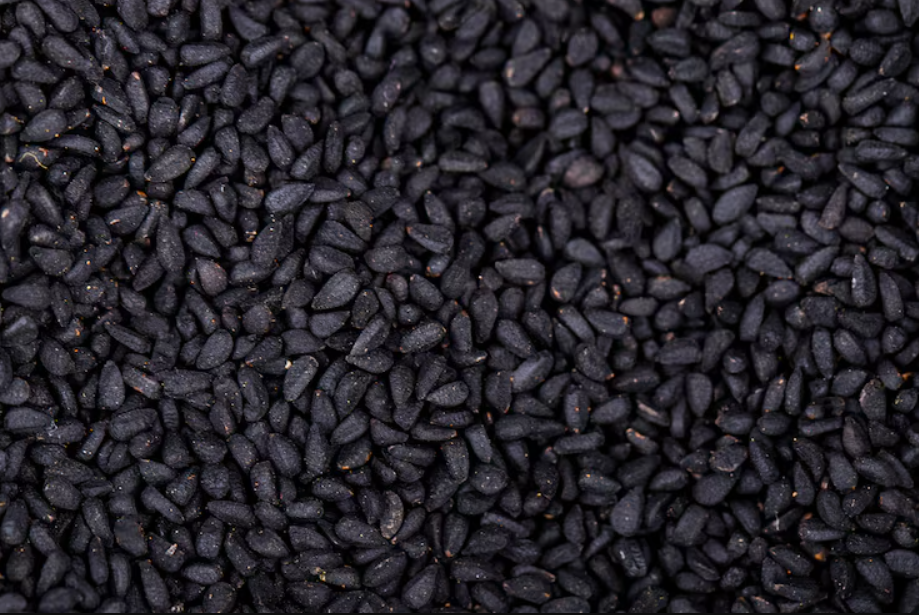
Black Seed is the small black seed obtained from the flowering plant Nigella sativa. It is widely known in traditional food and wellness markets and has been traded for generations across parts of Africa, the Middle East, Asia, and Europe. The seeds are typically small, angular, matte to slightly rough in appearance, and carry a characteristic aroma that buyers often describe as warm, sharp, slightly peppery, and mildly nutty depending on freshness and origin.
In food markets, Black Seed is used in breads, pastries, savory mixes, seasoning preparations, and certain regional dishes. In herbal and wellness markets, it is often sold as a raw natural ingredient for teas, powders, extracts, capsules, and oil processing. In cosmetic and natural care channels, it is relevant because the oil extracted from the seeds is valued in hair, skin, and topical products.
From a sourcing perspective, it is important not to confuse Black Seed with unrelated seeds that may sound similar in trade language. In some markets, the term black cumin is used loosely, and that can create misunderstanding. Professional buyers should confirm the botanical identity clearly as Nigella sativa in quotations, specifications, laboratory paperwork, and contracts. This helps prevent accidental substitution and protects the integrity of the supply chain.
Black Seed is usually traded in whole seed form because whole seeds store better, travel better, and give buyers flexibility for downstream processing. Once milled into powder or pressed into oil, stability and handling requirements become more sensitive. For that reason, many commercial buyers prefer to import the raw whole seed and process it closer to the final market where control is easier.
Its commercial value comes from a combination of cultural familiarity, functional reputation, and processing flexibility. Some commodities depend on a narrow customer base, but Black Seed can move across several segments when quality and positioning are right. That makes it a strong commodity for traders who understand grade, presentation, and application.
How Black Seed (Nigella Sativa) Is Made / Processed
Black Seed is not heavily transformed before export when it is sold in whole form, but the quality of the final trade lot depends greatly on cultivation, harvesting, drying, cleaning, sorting, and packing. Buyers that want repeatable quality should understand the processing chain because many commercial problems begin before the cargo ever reaches the warehouse.
1. Cultivation and crop establishment
Black Seed is cultivated in regions where climatic conditions support healthy flowering, seed set, and proper maturation. Field management matters because the quality of the seeds is affected by plant health, harvest timing, weed pressure, and general crop handling. A well-managed crop usually gives better seed uniformity, better aroma retention, cleaner lots, and stronger storage performance. Even if a buyer is working through a consolidator rather than directly with growers, origin discipline still affects the final shipment quality.
2. Harvesting at maturity
The crop is harvested when the seed-bearing capsules have matured sufficiently. Timing is important. Early harvest may affect development and aroma, while delayed harvest can expose the crop to shattering, weather damage, or contamination. In commodity trade, poor harvest timing often shows up later as inconsistent seed color, weak sensory quality, extra broken matter, or reduced storability.
3. Drying and moisture control
After harvest, Black Seed must be brought to a commercially safe moisture level for storage and shipment. This stage is critical because seeds packed with excessive moisture can heat up, sweat inside bags, lose aroma, or develop mold during storage or transit. A lot may look acceptable in photos and still be risky if moisture has not been properly stabilized. This is why moisture specification should never be treated as a paperwork detail alone.
4. Threshing and seed separation
Once the harvested material is ready, the seed is separated from the plant structure. This may be done using mechanical methods suited to the scale of production. Care is needed here because rough handling can increase breakage and lower visual appeal. For buyers purchasing premium food or herbal-grade material, excessive broken seed and dust are not good signs.
5. Cleaning and removal of foreign matter
After separation, the seed is cleaned to remove plant debris, dust, stones, weed seeds, and other foreign material. The standard of cleaning depends on the target market. Basic market stock may contain more admixture, while export-grade food and herbal lots are expected to be much cleaner. More professional suppliers may use a sequence of sieving, aspiration, gravity separation, magnets, and optical sorting to improve the final lot quality.
6. Grading and lot segregation
Good exporters do not mix every available bag into one shipment. They separate stock based on quality, purity, moisture, odor, seed size, and end-use suitability. This is especially important in Black Seed trade because buyers often rely on aroma, appearance, and cleanliness as strong indicators of quality. A mixed lot can disappoint the buyer even if the average analysis looks acceptable on paper.
7. Packing for storage and export
Once cleaned and graded, the seed is packed according to the sales contract. Export buyers commonly request 25kg or 50kg bags, though other formats are possible depending on use case. Packaging should be new, strong, properly stitched, and suitable for multiple stages of handling. Markings usually include the product name, botanical reference where needed, origin, lot number, net weight, and exporter details if the buyer requires them.
8. Storage and pre-shipment handling
Before shipment, Black Seed should be held in a clean, dry, ventilated storage facility away from excess moisture, pests, strong odors, and contamination risk. Seeds can absorb surrounding smell, which can damage their commercial value. Poor warehousing can turn a clean lot into a claim risk within a short time. This is why serious buyers often ask not just about stock availability, but also about the storage condition of the stock.
9. Final inspection and container loading
Prior to shipment, the lot may be checked again for quality and weight. Some buyers require independent third-party inspection to confirm conformity before loading. The container itself should be dry, clean, odor-free, and structurally suitable for agricultural cargo. Exporters that understand shipment discipline will inspect the container floor, side walls, and odor before loading begins, and may use liners or moisture-control materials where needed.
What Is Black Seed (Nigella Sativa) Used For?
One reason Black Seed remains commercially important is that it is useful across several industries at the same time. This reduces market concentration risk and gives traders more flexibility when positioning cargo. However, the intended use affects the quality expectation, so buyers should always source with purpose.
Food seasoning and spice blending
Black Seed is used in food applications as a seasoning component and spice seed. It appears in bread toppings, savory pastries, ethnic cuisine, seasoning mixes, and certain spice blends where its aroma and visual appearance are valued. Buyers in this segment usually want cleaner, more uniform seed with good sensory quality and a strong natural aroma.
Bakery applications
Bakeries and ingredient suppliers use Black Seed for decorative and flavor purposes in bread, crackers, rolls, and savory baked goods. Here, the seed is visible in the final product, so appearance, cleanliness, and uniformity matter. Food-grade buyers usually reject dusty or heavily mixed lots because those lots reduce the premium feel of the final product.
Herbal and wellness formulations
Black Seed is widely used in herbal and wellness markets. It may be sold as whole seed, milled powder, tea ingredient, encapsulated raw material, or part of a broader natural wellness formulation. Buyers in this channel usually place more emphasis on botanical identity, cleanliness, and traceability because the product is sold closer to the consumer.
Oil extraction
Another major use of Black Seed is oil extraction. Black seed oil is widely used in wellness, massage, cosmetic, and specialty food-related applications depending on the processing route and market requirements. Buyers sourcing for oil processing often focus heavily on seed freshness, aroma, oil-bearing potential, moisture control, and lot consistency.
Cosmetic and personal care manufacturing
Cosmetic formulators and natural personal care manufacturers buy Black Seed directly or indirectly through oil processors. The seed’s relevance in this sector increases demand for extraction-grade lots and gives additional commercial depth to the commodity. Suppliers serving this market need to understand that cosmetic manufacturers may still demand good documentation even if the seed is not being sold directly as a food item.
Nutraceutical and supplement production
Capsule brands, natural supplement manufacturers, and wellness product companies also use Black Seed as a base material for powders, soft-gel oil preparations, and blended formulations. This segment can be commercially attractive because it often values repeat quality and steady supply rather than one-off spot purchases.
Traditional remedy and open-market retail channels
In many countries, Black Seed also moves strongly through traditional medicine markets, herbal stalls, and natural food shops. In the Nigerian/common market reference, this is particularly relevant because many buyers and resellers purchase it through health-focused distribution language rather than purely industrial procurement language. Traders who understand this market behavior can position the commodity more effectively.
Health Benefits of Black Seed (Nigella Sativa)
Demand for Black Seed in many markets is driven strongly by its health reputation. Buyers in the wellness and food sectors often see it as more than just a spice seed. Still, responsible suppliers should avoid exaggerated medical claims. It is better to understand the broad benefit associations that drive demand and communicate them carefully within lawful product positioning standards.
1. Commonly associated with general wellness support
Black Seed is widely known in traditional and modern wellness markets as a natural ingredient associated with everyday wellness support. That broad reputation is one reason it continues to attract demand from herbal product manufacturers, supplement brands, and natural food sellers. From a commercial point of view, this reputation supports steady consumer interest and makes the commodity easier to position in value-added products.
2. Often linked to antioxidant-oriented product demand
Many buyers and brands are drawn to Black Seed because it is frequently associated with natural antioxidant interest. This contributes to its appeal in wellness and beauty sectors where consumers look for plant-derived ingredients with a strong traditional story. The more premium the brand positioning, the more buyers usually care about the authenticity and cleanliness of the raw material.
3. Relevant to digestive wellness positioning
Black Seed is often used in natural routines and formulations aimed at digestive support. Whether sold as whole seed, tea blend, or powdered ingredient, this association continues to support consumer demand in herbal and traditional markets. For suppliers, that means the product must maintain sensory quality because buyers in this category tend to value freshness and perceived purity highly.
4. Supports demand in immunity-focused product categories
Another reason Black Seed remains commercially important is its popularity in immunity-focused consumer segments. Even when responsible brands avoid hard medical claims, the ingredient’s traditional reputation supports premium shelf placement in wellness channels. Importers who supply this category often pay closer attention to traceability and laboratory support because brand credibility is part of the final sale.
5. Useful in plant-based natural care narratives
Black Seed also supports consumer demand in plant-based, natural, and heritage-inspired product lines. This is relevant not just for supplements, but for oils, soaps, massage products, skin formulations, and hair products. The broadness of that appeal gives traders more room to market the commodity beyond one narrow industry.
6. Strong cultural familiarity helps commercial movement
One practical advantage in Black Seed trade is that the product already has cultural recognition in many markets. That reduces the education burden for wholesalers, retailers, and private-label brands. A familiar commodity with a long-standing traditional reputation often moves more easily than a newer specialty seed with little consumer awareness.
Side Effects of Black Seed (Nigella Sativa)
Even though Black Seed is widely accepted in food and wellness channels, serious buyers should understand the side effect and risk conversation around it. This is important not only for responsible product positioning, but also for lawful labeling and safe sourcing. No credible supplier should market the commodity as if it has no limitations or handling risks.
1. Possible digestive discomfort with excessive intake
Like many spice and herbal seed products, Black Seed may cause digestive discomfort for some users when consumed in large amounts or introduced too suddenly. Consumer-facing brands should therefore provide sensible usage guidance instead of encouraging excessive intake. For raw material buyers, this reinforces the need to market the commodity responsibly rather than aggressively.
2. Sensitivity in some individuals
Some consumers may be sensitive to Black Seed or to concentrated forms such as powders and oils. This does not make the commodity unsafe when properly used, but it does mean that one-size-fits-all marketing language is not appropriate. Buyers selling directly to end users should ensure that product communication remains careful and compliant.
3. Low-quality stock can create safety concerns
One of the biggest practical risks in Black Seed trade is not the commodity itself, but poor handling. Seeds that are moldy, damp, poorly stored, chemically contaminated, or adulterated can create real commercial and safety problems. This is why moisture control, residue awareness, and warehouse hygiene matter. A cheap lot becomes expensive when it leads to complaints, rejections, or damaged customer trust.
4. Powdered forms require extra care
Whole Black Seed is generally easier to store and trade than powdered forms. Once milled, the material becomes more sensitive to oxidation, odor loss, and contamination exposure. Buyers who need powder often prefer to mill the seed closer to market rather than sourcing pre-powdered stock from uncertain handlers.
5. Overstated claims may trigger compliance problems
Another major commercial risk is careless health marketing. Suppliers or distributors that make strong therapeutic claims can create regulatory trouble for buyers in stricter markets. A good raw material can become a commercial liability if it is sold with unsupported claims. Responsible trade language protects both supplier and importer.
6. Residues, adulteration, and misidentification remain concerns
Because Black Seed is a specialty herbal commodity, buyers should also watch for adulteration, species confusion, and residue exposure. A proper specification should confirm that the product is genuinely Nigella sativa and not a loosely described substitute. This is especially important for buyers producing supplements, oils, and consumer-facing wellness goods.
Top Producing & Exporting Countries of Black Seed (Nigella Sativa)
Knowing the major production and export zones helps buyers make sense of supply timing, price variations, and quality differences. Black Seed is produced and traded in several regions, with some origins known for traditional supply, others for stronger export organization, and others for regional redistribution.
1. India
India is widely known in the global spice and seed trade and remains relevant in Black Seed supply discussions. Its deep agricultural trading infrastructure, large spice market culture, and strong export orientation make it an important origin and redistribution point for buyers looking for commercial volumes and regular movement.
2. Egypt
Egypt is a prominent reference in the trade of herbal and seed commodities, and it is often associated with Black Seed supply in regional and international markets. Buyers frequently look at Egyptian origin because of its long connection to herbal product trade and its familiarity in Middle Eastern and African supply channels.
3. Turkey
Turkey is another notable market in Black Seed trade due to regional demand, food culture relevance, and trading links across Europe, the Middle East, and Central Asia. Exporters operating through Turkish channels may serve both direct consumption markets and redistribution networks.
4. Syria and surrounding regional trade routes
Historically and commercially, parts of the Levant region have been linked with Black Seed cultivation and use. Regional trade dynamics can affect supply flows and market references in ways that matter for buyers sourcing through Middle Eastern distribution networks.
5. Pakistan
Pakistan can also be relevant in Black Seed trade because of its agricultural market structure and links to spice, herbal, and regional commodity commerce. Depending on crop conditions and trade channels, it may appear as a producing, consolidating, or redistributing point.
6. Other regional herbal and spice trade hubs
Beyond the major names, Black Seed also moves through a wider network of herbal commodity markets in Asia, the Middle East, and North Africa. For buyers, the most important lesson is that origin affects aroma, cleanliness, size uniformity, and price. It is therefore wise to compare origins based not only on rate, but on suitability for the intended end use.
Top Importing Countries of Black Seed (Nigella Sativa)
Import demand for Black Seed comes from food processors, ethnic food distributors, wellness brands, oil extractors, herbal merchants, and cosmetic ingredient buyers. The demand is spread across several regions, which supports the commodity’s resilience in trade.
1. United States
The United States is relevant because of its large natural products market, supplement sector, ethnic food demand, and specialty ingredient channels. Buyers serving this market often need better documentation, cleaner lots, and stronger regulatory awareness than buyers serving simpler informal channels.
2. United Kingdom
The United Kingdom is an important destination in Black Seed trade because of strong ethnic food consumption, active herbal product retail, and established natural wellness distribution networks. Importers into this market usually pay attention to presentation, packaging, and traceability.
3. Germany
Germany remains important because of its food processing base, herbal market sophistication, and demand for quality-controlled natural ingredients. Exporters targeting Germany typically need a stronger quality discipline and clearer paperwork structure.
4. Saudi Arabia and Gulf markets
Gulf markets are commercially relevant because Black Seed enjoys strong cultural familiarity there. This creates steady demand across retail, food, and wellness channels. Buyers into these markets may prioritize aroma, authenticity, and regional consumer acceptance alongside price.
5. United Arab Emirates
The United Arab Emirates functions both as a consumer market and as a distribution hub. Many seed and spice commodities move through UAE trade channels for onward supply to neighboring markets. That makes it an important commercial reference point in Black Seed movement.
6. Other African, Asian, and European health-oriented markets
Black Seed also enters many other countries through specialty food, wellness, and herbal channels. Because demand is distributed across formal and informal sectors, exporters need to match the cargo standard to the buyer type. Premium consumer-facing markets need better conformity than loosely structured open-market trade.
How To Safely Source for Your Black Seed (Nigella Sativa) Produce
Safe sourcing is the most important part of the Black Seed trade. A buyer can negotiate a sharp price and still lose money if the wrong stock is purchased. The best sourcing approach begins with clarity about use case. Are you buying for food packaging, spice blending, oil extraction, herbal powdering, supplement manufacturing, or cosmetic processing? The answer should shape the entire buying process.
Food-grade buyers usually need cleaner lots with stronger sensory quality and better documentation. Herbal formulation buyers may place higher emphasis on botanical confirmation and clean handling. Oil processors often focus on freshness, aroma, and extraction suitability. A supplier that cannot understand these distinctions is usually not the right supplier for long-term trade.
The next step is supplier verification. Buyers should know whether they are dealing with a grower, exporter, consolidator, processor, or broker. Any of these roles can work commercially, but the key question is this: who actually controls the stock? Many buying problems begin when the party issuing the quotation does not truly control the commodity. Ask practical questions. Where is the stock held? Can warehouse images or videos be provided? Can a recent sample be sent? Has the supplier exported the product before? Can they support inspection and documentation requirements?
Specification should be written before payment is discussed in serious detail. The product description should clearly state that the commodity is Black Seed, botanical name Nigella sativa. The specification should also cover purity, moisture, foreign matter, admixture tolerance, odor expectation, packaging, net weight, loading basis, and intended use. If the cargo is food-grade, that should be stated clearly. If it is intended for oil extraction or general industrial use, that should also be stated clearly. Ambiguity creates claims.
Samples are useful, but buyers should never rely on samples alone without tying the shipment to a contractual specification. A clean sample can be shown while an inconsistent bulk lot is later loaded. This is why buyers should use either pre-shipment inspection or strict lot confirmation for commercial orders. The bigger the order, the more important this becomes.
Moisture and storage condition deserve special attention in Black Seed sourcing. The seed must be dry enough to travel safely and retain quality during transit. Ask the supplier how the stock was stored. Was it kept on pallets? Was the warehouse dry and ventilated? Was the lot protected from rain, pests, and strong odors? These are not minor questions. Herbal and spice seeds lose value quickly when warehousing is careless.
Cleaning standard is another major factor. Some buyers need machine-cleaned stock. Others need much cleaner export-grade or sortex-cleaned quality. The supplier should not guess which level you want. It should be stated and agreed clearly. If the lot contains too much dust, stones, weed seeds, stems, or other foreign material, the buyer will pay more later through re-cleaning, waste loss, or customer dissatisfaction.
For higher-value or regulated markets, laboratory support may be necessary. Depending on the end use and destination, buyers may request moisture analysis, microbiological testing, residue screening, heavy metal checks, or other technical documents. The right testing package depends on the market, but the principle is simple: do not buy blind when the downstream application is sensitive.
Packaging should also be reviewed carefully. Weak or reused bags increase the risk of tearing, contamination, and quantity disputes. Strong new bags, properly stitched and clearly marked, are worth insisting on. For premium lots, internal liners or better packaging structures may be appropriate depending on the route and storage period.
Loading discipline is just as important as product quality. Buyers should ask how many bags fit into the container, whether the container will be checked for dryness and odor, whether desiccants will be used where needed, and how the cargo will be arranged. Some claims that appear to be “product issues” are actually loading issues caused by damp containers or careless stacking.
Payment should be structured around risk. For new suppliers, it is usually unwise to send full payment upfront simply because the seller claims urgency. A more disciplined structure such as part payment with balance against shipment documents, or a bank-backed arrangement for larger trade, usually reduces unnecessary exposure. The exact method depends on order value, bank practicality, and trust level, but the principle is the same: payment comfort should match supplier credibility.
Buyers should also check destination import requirements before the cargo sails. This is one of the most common avoidable mistakes in agricultural trade. Some markets may require phytosanitary documents, origin documents, or other specific compliance records. Some herbal and food products may need more documentation than informal suppliers expect. It is the buyer’s responsibility to know what the destination market requires and make sure the supplier can support it.
Finally, safe sourcing is not just about one successful shipment. It is about building a reliable supply line. The best buyers look for suppliers that communicate clearly, maintain repeatable quality, respond honestly when issues arise, and support documentation without drama. Once that relationship is built, sourcing becomes more efficient, margins are easier to protect, and repeat business becomes more realistic.
Where To Find Reliable Exporters for Black Seed (Nigella Sativa)
Reliable exporters of Black Seed are usually found through a combination of origin-market networks, spice and herbal commodity traders, agricultural exhibitions, processor referrals, trusted B2B introductions, and repeat supply relationships. The problem is that many sellers look stronger online than they really are. A polished profile does not prove stock control, cleaning quality, or export execution capability.
One of the better ways to find reliable exporters is to work with suppliers that already understand documentation, inspection, packaging, and freight coordination. A company may have genuine access to the product but still fail the shipment because it lacks export discipline. Buyers should therefore evaluate not only the product itself, but also the supplier’s ability to move the cargo professionally.
Another useful approach is to start with a smaller test shipment or trial order. This allows the buyer to evaluate communication speed, paperwork quality, packing strength, sample-to-shipment consistency, and overall execution. A small successful order often reveals more truth about a supplier than a hundred confident promises.
Professional exporters also tend to ask better questions. They want to know your end use, target market, required purity, desired packaging, and documentation needs. That is usually a good sign. Suppliers who do not ask such questions may not understand the commodity well enough to deliver the right lot.
For food and supplement markets, it is wise to choose exporters who can support stronger traceability and cleaner handling. For oil extraction or broader wholesale channels, the quality focus may be slightly different, but shipment reliability still matters. A reliable exporter is not simply the one with the lowest rate. It is the one that reduces operational risk and supports repeatable trade.
International Price of Black Seed (Nigella Sativa) Per Metric Ton
The international price of Black Seed varies widely depending on origin, season, crop condition, grade, cleaning level, packaging, order size, documentation requirement, and intended use. This is not a commodity where one generic market price tells the full story. Premium food-grade or wellness-grade lots usually command a higher range than ordinary wholesale stock, and extraction-grade material may trade differently depending on oil demand and sensory quality.
As a practical trade guide for 2025 to 2026 discussions, bulk export Black Seed may commonly trade within a broad range of about US$1,050 to US$2,250 per metric ton depending on origin, quality standard, and market channel. Lower-end rates are more likely to appear in basic commercial lots or less demanding channels, while higher-end rates are more likely for cleaner food-grade seed, better-presented premium lots, smaller specialized orders, or supply directed toward wellness and branded ingredient markets.
For many mainstream wholesale transactions, commercial offers may cluster somewhere in the mid-range rather than at the extremes, but buyers should not judge value only by headline price. The more important question is whether the lot meets the intended use. A cargo that arrives with weak aroma, too much foreign matter, or documentation gaps can cost far more than the initial saving suggested by a cheap quotation.
Black Seed pricing is also influenced by the wider spice, herbal, and specialty seed market environment. Crop fluctuations in key origins, freight changes, currency pressure, and wellness-sector demand can all affect price movement. This is why serious buyers compare at least a few competitive offers and judge them based on specification, not just on the quoted amount per ton.
Request a Quote or Speak With Our Team About Black Seed (Nigella Sativa)
Ready to source Black Seed (Nigella Sativa) with confidence? Submit your RFQ for detailed specifications and formal quotations, or chat on WhatsApp for fast responses and quick clarification.
How To Pay For Your Black Seed (Nigella Sativa) Produce
Payment structure is one of the most important parts of any Black Seed transaction because it sits between trust, financing, and shipment control. The right payment method depends on order size, relationship history, supplier credibility, banking practicality, and destination risk. There is no universal method that fits every deal, but some structures are safer than others depending on the stage of the relationship.
Advance payment for small repeat orders
Advance payment can work for smaller repeat transactions where the supplier has already proven reliable over time. It helps speed up cargo preparation and shipment, but it should be used carefully in first-time deals. A buyer that prepays a large order to an unverified supplier is taking avoidable risk.
Deposit with balance against shipping documents
A common commercial structure is a deposit to secure stock or production, followed by balance payment against agreed shipping documents. This often works well when both parties want movement but neither side wants to carry all the risk alone. The important part is to define clearly what documents trigger final payment and within what timeframe.
Letter of credit for larger structured business
For larger or more formal orders, a letter of credit can provide stronger discipline by connecting payment to documentary compliance. This is especially useful where the buyer and supplier are still building trust or where banking structure is important for corporate governance. However, the LC must be drafted carefully. Badly written terms can delay payment even when the shipment is acceptable.
Documentary collection in selected trade relationships
Some buyers and sellers use documentary collection arrangements, especially where there is moderate trust but a full letter of credit is not preferred. Suitability depends on the countries involved and on how comfortable both sides are with the banking route. It is not automatically the best option, but it can be useful in the right commercial setting.
Payment structure should match verification level
The most important principle is that payment flexibility should grow only as supplier confidence grows. A new seller should not receive the same level of trust as a supplier that has already performed across several shipments. Good trade relationships are built in stages. Strong buyers protect capital first and relax terms only when the supplier has earned that confidence.
Shipping & Delivery Terms
Shipping terms for Black Seed should be agreed clearly before the transaction is finalized. Many disputes in commodity trade are not caused by the seed itself, but by unclear assumptions about freight, insurance, export clearance, loading, and destination charges. Clear delivery terms reduce misunderstandings and make landed cost planning more realistic.
FOB terms for freight-controlling buyers
Under FOB terms, the seller is usually responsible for bringing the cargo to the named port and loading it on board, while the buyer controls the ocean freight. This suits buyers that have their own freight partners or want more control over the shipping route. It can be commercially efficient, but it also means the buyer must coordinate freight properly.
CIF terms for simpler landed budgeting
Under CIF terms, the seller arranges freight and insurance to the named destination port. Many buyers prefer this when they want a more straightforward landed-cost framework or when they do not have a strong logistics structure at origin. Buyers should still review the freight and insurance assumptions carefully because not every CIF offer is equally competitive.
Container suitability matters
Whatever the chosen Incoterm, the shipping container must be dry, clean, odor-free, and structurally sound. Black Seed can absorb unpleasant smell from a bad container, and moisture inside the container can damage seed quality. Professional exporters check container fitness before stuffing, not after.
Packing integrity protects the cargo
Strong packaging helps reduce the risk of tearing, contamination, and quantity loss. During inland haulage, port handling, and sea transit, bags may be moved several times. Weak bags often fail under this pressure. For premium or long-route cargo, better packing discipline is often worth the added cost.
Arrival planning is part of shipping success
Buyers should prepare for clearance, warehouse receipt, and inspection at destination before the vessel sails. Delay at arrival can create demurrage, detention, or quality stress if cargo sits too long in poor conditions. Good delivery planning starts at origin, not after the cargo lands.
Our Typical Trade Specifications For Black Seed (Nigella Sativa)
| Parameter | Typical Export Specification |
|---|---|
| Product | Whole Black Seed (Nigella Sativa) |
| Botanical Name | Nigella sativa |
| Form | Whole seed |
| Grade | Food grade, herbal grade, or extraction grade depending on contract |
| Color | Natural black characteristic color |
| Purity | Typically 98% minimum to 99.5%+ depending on buyer requirement |
| Moisture | Typically 8% to 10% maximum, subject to contract and origin |
| Foreign Matter | Low and within agreed tolerance |
| Admixture | As per approved buyer specification |
| Odor | Characteristic, fresh, clean, free from objectionable smell |
| Condition | Dry, sound, clean, free from live infestation and unacceptable contamination |
| Packaging | 25kg or 50kg new PP bags, kraft bags with liner, or jumbo bags |
| Marking | Standard export marking or buyer-specific labeling |
| Inspection | Buyer option or contract-based third-party inspection |
| Storage | Cool, dry, hygienic conditions away from moisture and strong odor |
These specifications are only a typical guide. The final contract should define the exact standard to be supplied. A buyer sourcing for direct retail packing or supplement processing may need tighter limits and more documentation than a buyer sourcing for general extraction or broad wholesale redistribution.
Expected Shipping Documents
Documents are a core part of Black Seed trade. A cargo with good physical quality can still become a problem if the paperwork is wrong, incomplete, or inconsistent. Buyers should know in advance what documents they require and confirm that the supplier can provide them before shipment begins.
Commercial invoice
The commercial invoice states the buyer, seller, product description, quantity, unit rate, total value, and trade terms. It must match the contract and the other shipping documents. Mismatched paperwork is a common source of customs delay and payment dispute.
Packing list
The packing list shows the shipment structure, including bag count, packaging format, net weight, and gross weight. It is important for customs clearance, warehouse intake, and physical cargo verification.
Bill of lading
The bill of lading is the core sea freight document confirming shipment and carriage terms. Buyers should ensure that the consignee, notify party, and cargo description are correct and aligned with the commercial agreement.
Certificate of origin
A certificate of origin is often required to confirm the source country of the commodity. This can affect customs treatment and is also useful for buyer records and traceability, especially in herbal and food channels.
Phytosanitary certificate
Because Black Seed is an agricultural commodity, many markets may require a phytosanitary certificate. Buyers should confirm destination rules before shipment. Where required, this document should be obtained from the relevant authority and must align with the cargo details.
Inspection certificate
Where independent pre-shipment inspection is part of the contract, an inspection certificate can provide reassurance on quality, packing, and weight conformity. This is especially useful for first transactions or higher-value shipments.
Laboratory report or quality certificate
Food, wellness, and supplement buyers may request laboratory support showing moisture, purity, microbiological condition, or other relevant quality indicators. The exact test scope depends on the market and the end use, but the principle of analytical support is increasingly important in premium channels.
Fumigation or treatment record where applicable
Depending on destination requirement and cargo handling, a fumigation or treatment document may be needed. Buyers should not assume it is always required, but if it is part of the import expectation, it should be arranged clearly before sailing.
Insurance certificate under CIF terms
When the sale is under CIF terms, the insurance certificate should be part of the document package. Buyers should confirm not just the existence of this document, but also the actual adequacy of the cover for the shipment value and route.
Black Seed remains a commercially attractive commodity because it combines food use, wellness demand, oil-processing potential, and strong cultural familiarity across multiple markets. But like most specialty agricultural products, the quality of the trade depends on how carefully it is sourced. Buyers that define the grade properly, verify the supplier, insist on clean documentation, and structure the shipment professionally usually achieve smoother results and stronger repeat supply relationships.
The real advantage in Black Seed trade is not merely that there is demand. It is that demand exists across more than one commercial sector. When that demand is matched with the right quality, the right packaging, and the right export discipline, Black Seed can be a very workable product for wholesalers, importers, processors, and private-label brands. The key is to buy with clarity, not with assumptions.
Request a Quote or Speak With Our Team About Black Seed (Nigella Sativa)
Ready to source Black Seed (Nigella Sativa) with confidence? Submit your RFQ for detailed specifications and formal quotations, or chat on WhatsApp for fast responses and quick clarification.