

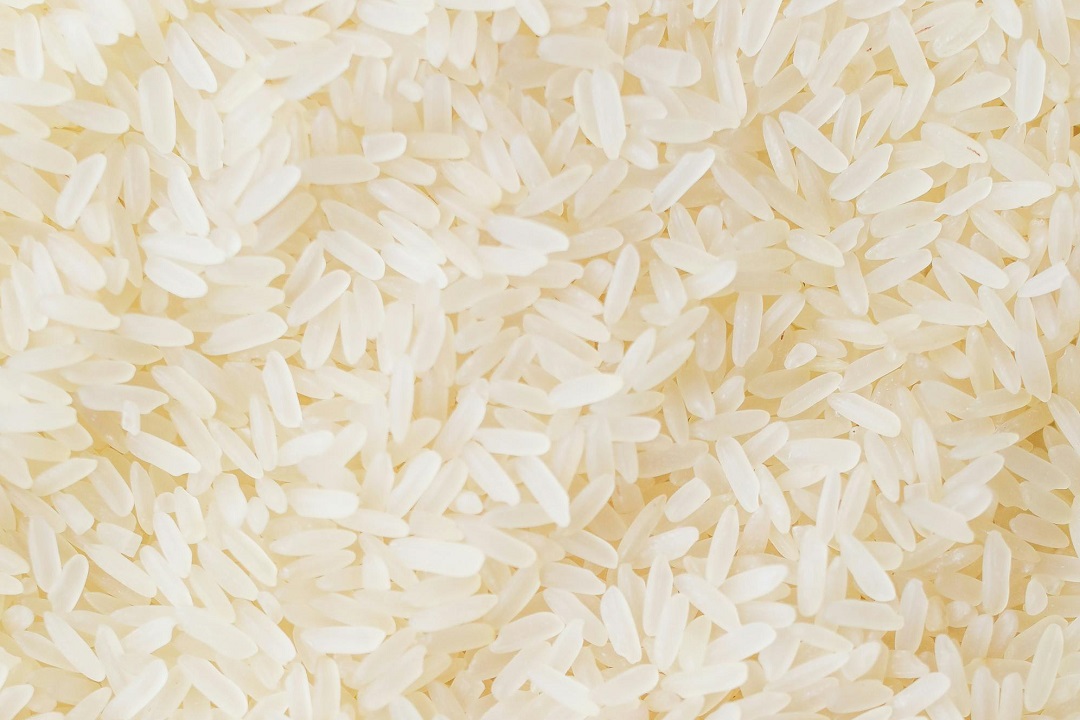
Rice is one of the most widely traded staple foods in the world, and it remains one of the most commercially important agricultural commodities in Africa, Asia, Europe, the Middle East, and the Americas. For food processors, wholesalers, hospitality buyers, distributors, relief buyers, retailers, and importers, rice is not just a household staple. It is a volume business, a repeat-purchase commodity, and a product whose quality, grade, moisture, breakage level, cleanliness, origin, and delivery terms can directly affect profit margins.
In Nigeria and across many African markets, rice has moved beyond being a seasonal demand product. It is now a daily-consumption commodity with strong year-round demand from homes, caterers, restaurants, canteens, modern retail chains, open-market traders, and institutional buyers. In the local market, buyers often refer to different classes such as local rice, foreign rice, parboiled rice, stone-free rice, long grain rice, fragrant rice, and polished rice. That commercial language matters because different buyers are not always looking for the same thing. Some want price competitiveness. Some want premium grain length and appearance. Others care more about swelling capacity, taste, or low percentage of broken grains.
Botanically, the most commercially dominant rice species is Oryza sativa, while Oryza glaberrima is also historically important in Africa. Common names include rice, paddy rice, rough rice, milled rice, white rice, and parboiled rice. In Nigerian trade conversations, rice is also commonly discussed by finish, grain length, and market segment rather than by botanical label alone.
For serious buyers, sourcing rice safely is not only about finding a low quote. It is about matching the right grain to the right market, verifying quality before shipment, understanding packaging and logistics, managing payment risk, checking documentation, and making sure the supplier can deliver the grade that was promised. A cheap rice offer can become expensive very quickly if the moisture level is wrong, the broken percentage exceeds the agreed range, the bag weight is inconsistent, or the cargo arrives with infestation, odour, excess stones, or poor milling quality.
This guide is written for buyers who want a commercially useful understanding of rice from a sourcing and trade standpoint. It covers what rice is, how it is processed, how it is used, its health benefits and side effects, the major producing and importing markets, what international pricing looks like, how to pay safely, what shipping terms to expect, and how to source with fewer surprises.
Trade Overview of Rice
Rice is one of the world’s core staple commodities and one of the most active food items in international agricultural trade. It is sold in several commercial forms including paddy rice, brown rice, milled white rice, parboiled rice, fragrant rice, broken rice, and specialty grades. Buyers may source it for household consumption, retail repacking, industrial food use, catering supply, food service, or humanitarian distribution.
From a trade perspective, rice behaves differently from many export crops because quality expectations are strongly tied to the destination market. One market may prioritize extra-long grain polished parboiled rice in branded consumer bags, while another may prioritize bulk white rice in 25 kg or 50 kg bags at the most competitive possible landed cost. That means the “best” rice is not always the most expensive one. The best rice is the one that fits the buyer’s market, price point, and end-use requirements.
| Commodity | Rice |
|---|---|
| Botanical Name | Oryza sativa (commercially dominant), with Oryza glaberrima also historically relevant in Africa |
| Common Names | Rice, paddy rice, milled rice, white rice, parboiled rice, long grain rice |
| Nigerian Market References | Local rice, foreign rice, stone-free rice, polished rice, parboiled rice, long grain rice |
| Commercial Forms | Paddy, brown, milled white, parboiled, fragrant, broken, bulk and consumer-packed rice |
| Main Buyers | Importers, wholesalers, supermarkets, food processors, hospitality buyers, institutional buyers, open-market distributors |
| Typical Packaging | 1 kg, 5 kg, 10 kg, 25 kg, 50 kg PP bags or customized retail packaging |
| Trade Focus | Moisture, grain length, broken percentage, foreign matter, stone content, milling quality, odour, infestation-free condition |
| Common Delivery Modes | FOB, CFR, CIF, containerized shipments, break bulk depending on origin and buyer volume |
Request a Quote or Speak With Our Team About Rice
Ready to source Rice with confidence? Submit your RFQ for detailed specifications and formal quotations, or chat on WhatsApp for fast responses and quick clarification.
What Is Rice?
Rice is an edible cereal grain obtained from plants in the genus Oryza. It is one of the foundational foods in global diets and is consumed by billions of people in different forms. Although many people think of rice simply as the white grains sold in bags, the commodity passes through several stages before it reaches the final consumer. In its raw harvested form, it is known as paddy or rough rice because the kernel is still enclosed in a husk. Once the husk is removed, the grain becomes brown rice. When the bran layers are polished off, it becomes white rice. When it is partially boiled before milling, it becomes parboiled rice.
Commercially, rice is not a single uniform product. It is a family of trade grades and product specifications. Grain length, shape, aroma, degree of polish, broken ratio, milling recovery, chalkiness, moisture level, colour, and destination-market preference all matter. Some buyers need non-fragrant long grain rice for mass-market distribution. Some prefer fragrant premium rice for supermarkets and hospitality channels. Others buy broken rice for food processing, brewing, flour production, feed blending, or lower-price consumer segments.
In many importing markets, especially in Africa, buyers often separate rice into broad commercial categories such as premium imported long grain, economy imported rice, local milled rice, premium parboiled rice, and fragrant rice. In Nigeria, this distinction is especially practical. A buyer serving upper-income retail shelves may prioritize appearance, grain uniformity, and aroma, while a buyer serving price-sensitive urban and semi-urban markets may prioritize value per bag and acceptable swelling quality during cooking.
That is why professional sourcing starts with a clear product definition. Before asking for quotations, the buyer should know whether the requirement is for white or parboiled rice, long or medium grain, fragrant or non-fragrant, 5% broken or 25% broken, retail-packed or bulk-packed, and which origin preferences are acceptable. Without that clarity, supplier quotes may look comparable on paper while referring to very different products.
How Rice Is Made / Processed
The commercial quality of rice depends heavily on how it is cultivated, harvested, dried, milled, sorted, polished, packed, and stored. A strong supply chain can turn good paddy into export-grade rice. A weak one can destroy value through contamination, breakage, excess moisture, or poor finishing.
1. Cultivation and field management
Rice is grown in irrigated fields, rainfed lowlands, uplands, flood plains, and other agro-ecological systems depending on the country and production model. Farm management affects yield and grain quality from the beginning. Variety selection, seed quality, water control, fertilizer use, weed management, pest control, and timing of harvest all influence how the grain will perform later in the milling process.
For export-oriented supply, cultivation must be handled with consistency. Buyers looking for repeat contracts usually prefer suppliers that can aggregate from controlled production clusters or from well-managed miller networks, rather than from random spot-market collection alone. That helps reduce variation in grain size, appearance, and moisture level.
2. Harvesting at the right maturity
Harvest timing matters. Rice cut too early may produce immature grains and poor milling recovery. Rice harvested too late may suffer shattering, weather damage, or uneven grain quality. Professional operators aim to harvest when the paddy has reached appropriate maturity so the kernels are properly formed and can withstand post-harvest handling with less breakage.
For buyers, this stage may seem distant, but it affects final shipment quality. Poorly timed harvests often show up later as inconsistent grain colour, reduced head-rice yield, or excessive brokens.
3. Threshing and initial cleaning
After harvest, the grains are separated from the stalks through threshing. At this point, the product is still paddy rice. Basic cleaning removes field debris such as straw, dust, chaff, and other unwanted material. If this stage is not handled carefully, impurities may move further down the chain and increase cleaning costs at the mill.
Export buyers generally prefer suppliers whose process includes proper pre-cleaning before drying and storage. It reduces contamination risk and supports more uniform final output.
4. Drying and moisture control
One of the most critical stages in rice processing is drying. Paddy must be dried to a safe moisture level before milling and storage. If the grain remains too wet, it becomes vulnerable to mould growth, discolouration, caking, unpleasant odour, and storage damage. If it is dried too aggressively or unevenly, kernel fissures can form, leading to high breakage during milling.
For commercial buyers, moisture is not a minor laboratory number. It is a trade risk factor. Excess moisture can affect cargo weight, shelf life, appearance, and claims exposure. That is why pre-shipment inspection should always include moisture testing.
5. Husking and conversion from paddy to brown rice
At the mill, the outer husk is removed to produce brown rice. This is the first major transformation in the post-harvest chain. At this stage, the bran layer is still present. Brown rice may be sold as a finished health-oriented product in some markets, but much of the globally traded volume continues through further milling into white rice.
The efficiency of the husking process affects the percentage of whole grains recovered. Poorly adjusted machines can cause unnecessary breakage and reduce product value.
6. Whitening and polishing
To produce white rice, the bran layers are removed. Depending on the buyer’s market, the grain may also be polished to improve brightness and appearance. Consumer preferences differ. Some markets want a highly polished clean-looking grain. Others may accept or even prefer a less polished natural finish.
Over-polishing can increase breakage and lower nutritional value. Under-polishing may reduce consumer acceptance in markets that expect a bright premium look. That is why exporters must understand the destination market rather than applying one generic finish to every order.
7. Parboiling where required
Parboiled rice is produced by soaking, steaming, and drying paddy before milling. This process changes the grain structure, improves hardness, and often reduces breakage during milling. It also gives the rice a different colour tone and cooking behaviour. In many African markets, parboiled rice is strongly preferred because it stores well, cooks with firmness, and often performs better in distribution channels where handling conditions are not perfect.
However, parboiling must be done properly. Poorly managed parboiling can lead to smoky odour, uneven colour, or heat damage. Buyers should request production photos, processing details, and samples where possible before large orders.
8. Grading, sorting, and stone removal
Once milled, the rice is graded by size, broken percentage, and visual quality. Modern mills also use sorters to remove discoloured grains and de-stoners to reduce mineral contamination. This stage is especially important for buyers supplying premium retail channels. Stone content, black grains, yellow grains, and uneven grading can quickly damage a brand’s reputation.
In the Nigerian market, “stone-free” is not just a marketing phrase. It is a practical quality expectation. Buyers should not assume that every supplier using the term has the same standard. Inspection and sampling remain necessary.
9. Packing and storage
The final rice is packed into the agreed bag sizes and stored under dry, hygienic, pest-controlled conditions. Storage is often overlooked by inexperienced buyers, yet this is where many quality problems begin. Poor warehouse hygiene can lead to infestation, odour transfer, torn bags, contamination, and weakened shelf life.
Before shipment, packaging should be checked for bag strength, print quality, sewing quality, net weight accuracy, and palletization or container loading method where applicable.
What Is Rice Used For?
Rice has one of the widest application ranges of any staple grain. Its commercial strength comes from the fact that it serves retail, hospitality, processing, and industrial markets at the same time.
Food staple for households
The most obvious use of rice is direct household consumption. It is boiled, steamed, fried, baked, or processed into different meal formats across cultures. In Nigeria, rice is central to everyday meals as well as festive cooking. This strong and continuous demand is one reason why rice remains a high-turnover commodity for wholesalers and retailers.
Hospitality and food service supply
Restaurants, hotels, event caterers, school kitchens, workplace canteens, and quick-service operators buy rice in volume. Their priorities may differ from retail buyers. Hospitality operators often care about swelling capacity, consistency after cooking, plate appearance, and how well the rice holds up during service. That makes reliable quality more important than simply getting the lowest quotation.
Retail distribution and repacking
A large share of rice trade happens through wholesalers, distributors, and repackers. Bulk rice may be imported or sourced locally, then repacked into smaller branded units for supermarkets, mini-markets, and neighborhood stores. In this model, appearance, grain uniformity, and consumer trust are central to repeat sales.
Food processing and ingredient use
Rice is also used by food manufacturers in flour production, breakfast cereal blends, snacks, noodles, baby food formulations, bakery mixes, and convenience foods. Broken rice, in particular, may be useful in applications where whole grain length is less important than starch functionality or processing cost.
Brewing, starch, and industrial food applications
Certain rice grades are used in brewing and starch-related applications. Industrial buyers may source according to starch profile, consistency, cost, and availability rather than the aesthetic standards expected in premium consumer markets.
Feed and by-product utilization
Although finished edible rice is primarily a human food product, by-products from rice milling such as bran and husk have commercial uses. Rice bran can enter feed and oil-related value chains, while husk may be used for fuel, energy, or other industrial purposes depending on the processing ecosystem. This broader value-chain utility strengthens the commercial relevance of rice production and milling.
Health Benefits of Rice
Rice is first and foremost a food staple, but it also offers practical nutritional benefits depending on the variety and how it is consumed. These benefits matter to consumer positioning, product marketing, and buyer communication, especially in health-conscious retail segments.
1. Reliable source of energy
Rice is rich in carbohydrates, which makes it a dependable energy source for daily diets. This is one reason it remains central to household food systems worldwide. For consumers who need an accessible, familiar staple with broad meal compatibility, rice continues to serve that role effectively.
2. Easy dietary compatibility
Rice is widely accepted across age groups, cultures, and dietary patterns. It works in simple meals, premium cuisine, institutional feeding, and convalescent diets. Because of this broad compatibility, it remains a practical staple in both household and food service channels.
3. Naturally gluten-free grain option
Rice is naturally gluten-free, which makes it useful for consumers avoiding gluten-containing grains. This is commercially relevant in premium retail, wellness, and specialized food-processing segments where gluten-free formulations are important.
4. Brown rice offers additional fibre and micronutrients
While white rice is the more dominant commercial product in many markets, brown rice retains more of the bran layer and therefore contains more fibre and some additional micronutrients. This makes it attractive for health-oriented consumers looking for a less refined grain option.
5. Parboiled rice can retain useful nutrients better than conventionally milled white rice
The parboiling process can help move certain nutrients from the outer layers into the grain before milling. As a result, parboiled rice is often seen as nutritionally stronger than fully polished white rice, while still offering the convenience and shelf stability buyers expect from mainstream trade channels.
6. Suitable for portion-controlled meal planning
Rice can fit into balanced diets when consumed in appropriate portions and combined with proteins, vegetables, legumes, and healthy fats. This is particularly important in markets where consumers are increasingly paying attention to meal planning rather than only calorie quantity.
Side Effects of Rice
Rice is a widely accepted staple, but buyers and sellers should still communicate responsibly about limitations and possible downsides. This is especially important for retail marketers and health-positioned brands.
1. Overdependence on polished white rice may reduce dietary diversity
Highly polished white rice is popular because of its appearance and cooking convenience, but diets built too heavily around refined grains can reduce intake of fibre and other nutrients that come from more diverse foods. Consumers benefit most when rice is part of a broader balanced meal pattern.
2. High carbohydrate intake may not suit every consumer goal
Because rice is carbohydrate-dense, excessive intake may not align with the goals of consumers managing weight, blood sugar, or calorie-controlled diets. This does not make rice unsuitable, but portion size and meal composition matter.
3. Poor storage can create food safety and quality problems
Rice itself is not the problem in many cases. Storage conditions are. If rice is handled under damp, dirty, or pest-prone conditions, it can develop quality defects such as mouldiness, off-odour, infestation, or contamination. This is a major trade issue because poor storage can lead to customer complaints, rejected stock, and reputational damage.
4. Some consumers are sensitive to low-quality or contaminated product
Rice with excess stones, foreign matter, chemical residue concerns, or poor milling hygiene can create consumer dissatisfaction and trust issues. For this reason, quality assurance is not optional. It is part of safe food trade.
5. Fragrant and premium grades may be vulnerable to substitution fraud
In some markets, premium fragrant rice categories attract adulteration or blending with lower-value varieties. This is less a biological side effect than a commercial risk, but it affects the buyer directly. If the rice does not match its label claim, the buyer may lose consumer confidence or face contractual disputes.
Top Producing & Exporting Countries of Rice
Rice production is widespread, but a smaller group of countries dominate export trade. Understanding both production and export leadership helps buyers choose the right origin for their quality and pricing objectives.
1. India
India remains one of the most influential players in global rice supply. It is a major producer and a leading exporter across several rice categories. Buyers often look to India for strong volume capacity, wide product range, and competitiveness across different quality bands, including non-basmati and basmati segments.
2. China
China is one of the world’s largest rice producers. While its role in export trade differs from its production scale, its importance in global rice supply cannot be ignored. It is central to world output and therefore to the broader balance of supply, stocks, and market sentiment.
3. Thailand
Thailand remains a key export origin, especially for buyers seeking recognized export experience, premium long grain categories, and well-established rice trade channels. Thai rice has long carried a strong reputation in global commerce, particularly in quality-sensitive markets.
4. Vietnam
Vietnam is another major rice-exporting nation and an important source for competitively priced and commercially reliable shipments. It has remained highly relevant for importers looking for consistent export-grade supply.
5. Pakistan
Pakistan is an important supplier in the international rice market, particularly in aromatic and long grain categories. Buyers that need certain flavour or grain-character profiles often consider Pakistan among their sourcing options.
6. Cambodia and Myanmar
Cambodia and Myanmar are also significant in regional and international rice trade. They may appeal to buyers looking for alternative origins, competitive offers, or specific grain qualities depending on the contract requirement.
7. United States and South American exporters
The United States has a notable export presence, especially in certain grain classes and premium supply channels. South American suppliers such as Brazil and others also matter in specific regional trade flows, particularly where freight, regional demand, or trade relationships create advantage.
Top Importing Countries of Rice
Rice import demand comes from a mix of population pressure, consumption patterns, food security strategy, and domestic production gaps. Import demand can change quickly based on policy, weather, local harvest conditions, and currency movement.
1. Indonesia
Indonesia has remained one of the most important rice importing markets in value terms. Changes in Indonesian buying activity can affect global market tone because of the country’s scale and strategic role in food security management.
2. Philippines
The Philippines is consistently a major rice importer. It is a crucial destination market for exporters and an important indicator of regional demand strength in Asia.
3. Saudi Arabia
Saudi Arabia is a major importer and an influential destination for high-quality and specialty rice categories. Buyers supplying the Gulf region often pay close attention to origin, grain type, and cooking performance.
4. Nigeria
Nigeria remains commercially important in rice trade because local demand is massive, urban consumption is strong, and domestic supply does not always fully close the demand gap across all quality and price segments. This makes Nigeria one of the most closely watched rice markets in Africa.
5. Vietnam, China, Iraq, and West African markets
Other major import destinations can include Vietnam, China, Iraq, and several West African markets depending on the season and the category being traded. Import demand may rise or ease based on domestic output, border policy, foreign exchange conditions, and food inflation.
How To Safely Source for Your Rice Produce
Safe sourcing is where professional buyers separate themselves from speculative buyers. In rice trade, one weak step can turn a promising shipment into a costly lesson. The following principles help reduce that risk.
Start with a clear specification sheet
Do not begin with “send your best price.” Begin with a proper specification. State grain type, origin preference, white or parboiled status, grain length, broken percentage, moisture target, foreign matter tolerance, stone tolerance, crop year where relevant, packaging size, marking requirement, and shipment volume. Also state whether inspection by an independent surveyor is mandatory.
A vague enquiry attracts vague quotations. A precise enquiry attracts more usable offers.
Confirm whether the supplier is a miller, exporter, trader, or aggregator
Not every supplier controls the same part of the chain. Some own or manage mills. Some are pure traders. Some aggregate from multiple mills. None of these models is automatically bad, but the buyer should know which model applies. A mill-linked supplier may offer better control over consistency. A trader may still perform well if they have strong sourcing discipline and inspection systems.
Request recent photos, videos, and sample evidence
Buyers should ask for recent product photos, bagging photos, warehouse photos, and if possible videos showing the actual rice and packing process. Samples are ideal where timelines permit. This is especially important when buying premium grades, fragrant rice, or private-label packed products.
Verify quality before shipment
Independent inspection is one of the best protections in rice sourcing. Moisture, broken ratio, grain uniformity, foreign matter, stone content, live infestation status, odour, bag weight, and packing quality should be checked before loading or before release of final payment where the contract structure allows.
Professional buyers treat inspection cost as risk-control cost, not as wasted expense.
Check warehouse and loading conditions
Even if the rice itself is good, poor loading conditions can damage the cargo. Confirm that the rice will be loaded into clean, dry containers free from odour, holes, wet flooring, and contamination. For food commodities, container cleanliness is non-negotiable.
Control packaging quality
Weak or poorly sewn bags can split during handling, causing weight loss, contamination, and dispute. The buyer should agree on bag material, thickness, printing, sewing, and stacking pattern in advance. If the goods are for retail, branding accuracy is also essential.
Understand destination regulations
Some buyers focus only on origin-side quality and forget destination-side compliance. This is risky. Import permits, food safety requirements, labelling rules, phytosanitary expectations, and customs documentation should be checked before shipment. A supplier who can mill and pack rice well is still not enough if the documentation package is incomplete for destination clearance.
Use a workable contract and shipment schedule
Commodity trade works better when timelines are written down. The contract should state the quality parameters, quantity tolerance, packing details, inspection basis, payment terms, shipment window, delivery term, documentation package, claims process, and dispute mechanism. This prevents confusion later.
Do not rely on price alone
A low rice quote may hide weaker quality, lower fill weight, poor bagging, relaxed inspection standards, or delayed shipment risk. Buyers should compare offers on a like-for-like basis. Ask what the quote actually includes, how quality is measured, and whether inspection is included or excluded.
Build supplier relationships, not one-off guesses
Rice is a repeat business. Good buyers gradually build supply relationships with exporters that can meet agreed standards over time. This reduces the need to restart due diligence from zero on every order.
Where To Find Reliable Exporters for Rice
Reliable exporters are usually found through established trade networks, reputable commodity platforms, verified exporter databases, chambers of commerce, export promotion channels, processor networks, trade exhibitions, referrals from other importers, and direct engagement with credible mill-linked companies.
However, “finding” an exporter is only the first step. Reliability is proven through responsiveness, documentation quality, consistency of specification, clarity of contract terms, inspection transparency, and performance during execution. A supplier that replies quickly but avoids product verification is not yet a reliable exporter. A supplier with a clean process, inspection openness, and traceable shipment history is much closer to that standard.
For buyers entering a new origin, it is often safer to begin with a manageable trial quantity, test the quality, and review how the supplier handled communication, inspection, packing, shipping, and document dispatch. That operating history is often more valuable than marketing language.
Buyers should also pay attention to whether the exporter understands the destination market. An exporter who knows what Nigerian distributors, Gulf importers, or African wholesalers actually expect can usually prepare the cargo more accurately than a supplier quoting blindly from a generic stock list.
International Price of Rice Per Metric Ton
International rice pricing depends on origin, grain type, broken percentage, whether the rice is white or parboiled, aroma profile, shipment volume, packaging format, season, freight market conditions, and destination. Prices also move with policy changes, crop outlook, stocks, and buying activity from major importing countries.
As a practical trade guide for 2025 to 2026, mainstream non-fragrant long grain rice can trade across broad ranges depending on specification and origin. Economy broken grades can sit lower, while premium fragrant or specialty rice can sit materially higher. Parboiled rice can also command different values based on process quality and destination preference.
For many commercial transactions in the 2025 to 2026 market environment, buyers may encounter broad benchmark ranges such as these: economy or higher-broken rice from competitive origins may move from around US$380 to US$500 per metric ton; mainstream white or parboiled long grain grades can often trade around US$430 to US$650 per metric ton depending on origin and specification; stronger premium fragrant or specialty categories can move from around US$700 upward, and sometimes substantially above that depending on brand, aroma, and market positioning.
These are not universal fixed prices. A 5% broken premium long grain offer from one origin should not be compared casually with a 25% broken offer from another. Freight, insurance, destination, and packaging also change the final number. Buyers should therefore request current quotes against a specific specification rather than relying only on headline market figures.
Request a Quote or Speak With Our Team About Rice
Ready to source Rice with confidence? Submit your RFQ for detailed specifications and formal quotations, or chat on WhatsApp for fast responses and quick clarification.
How To Pay For Your Rice Produce
Payment structure is one of the most sensitive parts of any commodity transaction. Rice moves in volume, so even a small mistake in terms can become expensive.
Advance payment for trusted low-risk relationships
Advance payment may work where the supplier relationship is already proven and the order size is moderate. However, many buyers avoid full advance payment with new suppliers unless there is strong comfort on performance history and product control.
Part payment with balance against shipment milestones
A common practical structure is a deposit with balance payable against agreed shipment milestones or document presentation. This can work well when supported by clear inspection and dispatch conditions.
Letter of credit for stronger transaction control
For larger and more formal transactions, letters of credit can help reduce payment risk if the parties are comfortable with banking processes and documentary discipline. LCs add cost and paperwork, but they can also improve commercial confidence in cross-border trade.
Documentary collection in some established relationships
In certain transactions, documentary collection may be used where both sides are experienced and the risk profile is acceptable. Even then, quality verification and contract discipline remain important.
Never ignore bankability and compliance
Before payment is made, the buyer should confirm that the supplier’s legal entity, banking details, export capacity, and documentation chain all make sense. Fraud prevention starts before funds move, not after.
Shipping & Delivery Terms
Rice can be moved under different Incoterms and logistics structures depending on trade volume, route, and buyer preference.
FOB shipments
Under FOB terms, the seller delivers the cargo on board at the named port of shipment. The buyer then takes over freight and insurance responsibilities. FOB is useful for buyers that already have freight arrangements and want more control over the shipping leg.
CFR shipments
Under CFR terms, the seller covers freight to the destination port, but insurance is typically for the buyer’s account. This structure is often useful when the buyer wants a cleaner landed freight arrangement without separately fixing the vessel or line.
CIF shipments
Under CIF terms, the seller covers cost, insurance, and freight to the named port. This is attractive to buyers who prefer a more complete delivery package, though they should still review the insurance scope and document details carefully.
Containerized delivery
Rice is commonly shipped in containers, especially for bagged cargo. Containerized delivery can help with handling control, product separation, and more manageable lot sizes. Container cleanliness and loading discipline are critical.
Transit, storage, and arrival planning
Buyers should plan not only for shipment but also for destination handling. Customs clearance, trucking, warehouse capacity, and discharge timing all affect final product condition and trading speed after arrival.
Our Typical Trade Specifications For Rice
Actual contract specifications vary by buyer requirement, but a practical rice trade specification often covers the following points.
| Parameter | Typical Commercial Range / Requirement |
|---|---|
| Product Type | White rice or parboiled rice, depending on buyer requirement |
| Grain Type | Long grain preferred for many African and international markets |
| Broken Percentage | 5%, 10%, 15%, 25% or as contractually agreed |
| Moisture | Typically max 14% or as agreed after inspection |
| Foreign Matter | Low and within agreed tolerance |
| Stone Content | Minimal to nil under agreed quality standard |
| Infestation | Free from live insects at shipment |
| Odour | Clean, natural, free from mouldy or smoky taint unless agreed for process type |
| Colour | Natural and commercially acceptable for the grade |
| Packing | 1 kg to 50 kg PP bags or custom retail packs |
| Weight Tolerance | As per contract and destination regulations |
| Inspection | Independent pre-shipment inspection where required |
Expected Shipping Documents
Documentation is central to successful rice trade. Even a good shipment can become a problem if the documents are incomplete or inaccurate.
Commercial invoice
This states the seller, buyer, product description, quantity, unit price, total value, and trade term. It must match the shipment and contract details exactly.
Packing list
The packing list shows the bag count, net and gross weights, packing format, and shipment breakdown. This helps with customs handling and warehouse verification on arrival.
Bill of lading
The bill of lading is one of the key transport documents in international trade. It confirms shipment and supports cargo release depending on the payment structure used.
Certificate of origin
Many buyers request a certificate of origin to confirm the product’s declared source country. This can be important for customs, tariff treatment, and market preference.
Phytosanitary certificate where applicable
Depending on the destination and cargo form, a phytosanitary certificate may be required to support agricultural import clearance.
Inspection certificate
Where independent inspection has been agreed, the inspection certificate helps confirm that the rice met the tested parameters before shipment.
Insurance certificate where applicable
For CIF or insured transactions, the insurance certificate should be part of the document package.
Other destination-specific documents
Some countries may require additional food safety, conformity, fumigation, or import-related documents. Buyers should always confirm destination-specific requirements before the goods are loaded.
Request a Quote or Speak With Our Team About Rice
Ready to source Rice with confidence? Submit your RFQ for detailed specifications and formal quotations, or chat on WhatsApp for fast responses and quick clarification.