

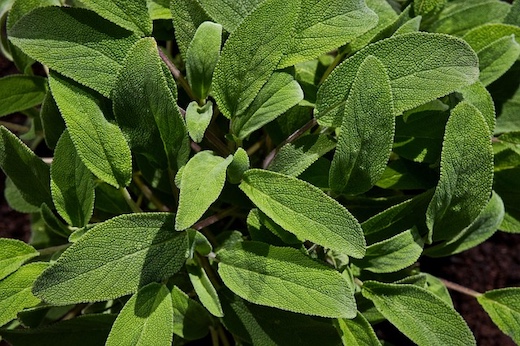
Sage leaf is one of the most valuable natural herbs used in the global food, tea, seasoning, wellness, and personal care industries. Derived from the leaves of the sage plant, sage leaf is known for its warm aroma, savoury herbal note, earthy depth, and slightly peppery character. It is widely used in spice blends, stuffing mixes, meat seasonings, herbal teas, natural remedies, infused oils, soaps, skincare products, botanical blends, and several consumer goods used around the world every day.
For serious buyers, sage leaf is not just a dried herb; it is a strategic input. A seasoning manufacturer that gets sage leaf wrong will struggle with flavour consistency, aroma strength, and blend performance. A tea brand that gets sage leaf wrong will struggle with cup quality, infusion character, and consumer satisfaction. A trader that gets sage leaf wrong can lose money through poor specifications, shipment delays, substandard quality, contamination, or supplier fraud. This is why sourcing sage leaf is both a buying decision and a quality-control decision.
Over the last century, sage leaf has become one of the more commercially important dried herbs in international trade. As demand for natural seasonings, herbal teas, clean-label products, and botanical ingredients has continued to rise, sage leaf has become a critical commodity for processors, manufacturers, wholesalers, and importers.
Today, sage leaf is traded across continents and used by multinational food companies, spice blenders, herbal tea manufacturers, wellness brands, personal care formulators, contract packers, and commodity traders. Because of its distinctive flavour and broad use, it is not always easy to replace sage leaf with another herb without affecting product performance. That is one of the main reasons sage leaf remains valuable in global supply chains.
In this complete guide, you will learn what sage leaf is, how sage leaf is made, what sage leaf is used for, the health benefits and side effects, the top producing and importing countries, the international price of sage leaf per metric ton, where to buy sage leaf wholesale, how to find reliable sage leaf suppliers, how to pay for sage leaf in international trade, and how to safely source and import sage leaf without getting scammed or receiving substandard material.
Trade Overview of Sage Leaf
Before diving deeper into sage leaf, it helps to understand how this commodity is typically traded internationally. This overview gives buyers a practical snapshot of the typical order sizes, packaging, delivery terms, and inspection standards that usually apply when sourcing sage leaf wholesale.
| Commodity | Sage Leaf |
|---|---|
| Botanical Name | Salvia officinalis |
| Common Names | Common Sage / Garden Sage / Dried Sage Leaf |
| Common Forms | Whole Sage Leaf / Rubbed Sage / Cut & Sifted Sage / Sage Powder |
| Typical MOQ | 1–5 Metric Tons (higher volumes available on request) |
| Packaging | Usually 10kg–25kg food-grade bags or cartons; bulk options available on request |
| Lead Time | Typically 2–4 weeks depending on volume, specs, and inspection requirements |
| Trade Terms | EXW / FOB / CIF (as agreed) |
| Inspection | Third-party inspection available (SGS, Cotecna, Bureau Veritas, Intertek, etc.) |
| Nigerian/Common Market Reference | Sage Leaf / Dried Sage Leaf / Culinary Herb |
Request a Quote or Speak With Our Team About Sage Leaf
Ready to source Sage Leaf with confidence? Submit your RFQ for detailed specifications and formal quotations, or chat on WhatsApp for fast responses and quick clarification.
What Is Sage Leaf?
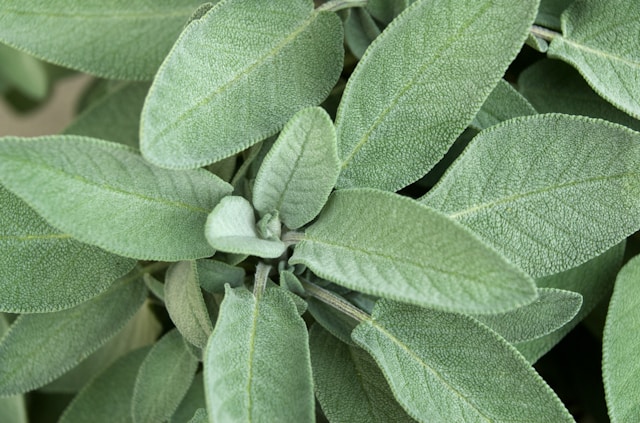
Sage leaf is the dried leaf of the sage plant, which is botanically known as Salvia officinalis. The sage plant belongs to the mint family and is cultivated mainly in temperate and Mediterranean climates. It has been used for centuries in cooking, herbal preparations, and traditional household applications. In modern trade, sage leaf is valued as both a flavour ingredient and a botanical raw material.
Sage leaf is highly valued because of its rare combination of properties. It has a distinctive aroma, a strong savoury taste profile, a useful shelf life when handled correctly, and a wide range of applications in food, tea, and natural products. That combination makes it attractive to buyers in multiple industries.
In international trade, sage leaf is not all the same. Buyers will usually encounter several common forms, and that difference matters because a tea company may prefer one form, a seasoning manufacturer may prefer another, and a capsule producer may prefer something entirely different. If a buyer does not specify what type is needed, the quotations received may not be comparable, and the buyer may end up with the wrong material.
Whole Sage Leaf
Whole sage leaf usually retains more of the original leaf shape and is often preferred by buyers who care about visual appearance or who want to do further processing themselves. Herbal traders, repackers, and some specialty buyers may prefer whole leaves because they look more natural and can be graded visually more easily. Whole leaf can also be useful when the buyer intends to mill or cut the product under controlled in-house conditions, although it requires careful handling because badly packed or heavily compressed shipments can crumble before arrival.
Rubbed Sage
Rubbed sage has been broken down into a lighter, more practical culinary form. It is often preferred in seasoning blends and savoury food production because it distributes more easily in formulations and can be easier to measure during processing. This is one of the most commercially useful forms for food manufacturers who need convenience without going all the way to powder. The difference between good rubbed sage and poor rubbed sage can be significant because a clean, aromatic, well-rubbed product performs very differently from dusty, weak, or stem-heavy material.
Cut & Sifted Sage
Cut and sifted sage has a more uniform cut size and is often preferred in herbal tea, infusions, sachets, and certain botanical blends. This grade matters particularly for buyers who need consistency in tea bag filling, infusion behaviour, and overall presentation. If the cut size is too irregular, the product may not flow properly in production or may brew inconsistently, which is why tea and wellness buyers often find this form more useful than whole or rubbed sage.
Sage Powder
Sage powder has gone through milling to produce a finer consistency. It is often preferred for spice mixes, capsules, and certain industrial formulations where a fine texture is important. Powder can be commercially useful, but it also carries greater verification risk because once the leaf has been milled, it becomes harder to assess identity and cleanliness by sight alone. That is one reason serious buyers often ask more questions when buying powder than when buying leaf forms.
It is also important to understand that sage leaf quality is shaped by more than appearance. Aroma, colour, dryness, stem content, cut size, and cleanliness all matter. A shipment that looks acceptable in a photo may still be commercially weak if the aroma is flat, the leaf is too dusty, or the product has taken on moisture during storage. In practical terms, sage leaf is both an agricultural commodity and a sensory ingredient, which means cultivation, harvest timing, drying conditions, and post-harvest handling all influence what the buyer is actually paying for.
How Sage Leaf Is Made
Many buyers search for “how sage leaf is made” because the production process affects aroma, colour, cleanliness, stability, and suitability for different industries. Understanding the process also helps buyers ask better questions, interpret COAs and specifications more intelligently, and spot suppliers who are not really in control of quality.
1) Cultivation of the Sage Plant
Sage is cultivated in fields or managed herb-growing environments where the climate supports healthy leaf development. Soil quality, weather conditions, irrigation, and general agronomic management all influence the final quality of the leaves. Even though many buyers do not see this stage directly, it matters because poor cultivation can affect aroma, colour, and overall commercial value.
2) Harvesting of Sage Leaves
The leaves are harvested when the plant reaches the right stage of maturity. Harvest timing matters because immature leaves can have weaker aroma, while older leaves may become coarse or less attractive in certain grades. Rough handling during harvest can also break the leaves unnecessarily, increase contamination, and reduce consistency in the finished product.
3) Initial Cleaning
Freshly harvested sage leaves are usually cleaned and sorted to remove obvious dirt, damaged material, excess stems, and foreign matter. This stage matters because the cleaner the herb is before drying, the easier it is to maintain a better final grade and the less likely the product is to carry avoidable defects into later processing stages.
4) Drying
After harvest, the leaves are dried to reduce moisture. Proper drying is important because badly dried sage leaf can develop mould, stale odour, and colour loss. If the herb is under-dried, it can become unstable during storage and shipping. If it is over-dried, it can become brittle and excessively dusty. Well-controlled drying helps protect aroma and improves the herb’s shelf stability, which matters because aroma retention is often one of the main reasons for buying sage leaf in the first place.
5) Secondary Cleaning and Grading
Once dried, the sage leaf is usually cleaned again to remove more stems, dust, stones, and remaining foreign material. It may then be graded into whole leaf, rubbed, or cut-and-sifted forms depending on buyer needs. This stage is important because different industries buy different grades. A tea buyer may want uniform cut size, while a culinary buyer may care more about aroma and general visual appeal. Good grading is one of the things that separates a serious supplier from a weak trader.
6) Milling
If sage powder is required, the dried material is milled to a finer consistency. This stage matters because powder is harder to verify visually. If the raw material going into the mill is poor, the powder will usually hide that problem rather than solve it, which is why many buyers apply stricter controls when powder is involved.
7) Packing
The finished product is packed into food-grade bags, sacks, cartons, or other agreed packaging formats. Packing matters because sage leaf can absorb odours, lose aroma, or pick up moisture if the packaging is weak or unsuitable. Good packing helps preserve the quality that the buyer is actually paying for. In short, how sage leaf is made affects what you are actually buying, and a buyer who ignores processing is effectively buying blind.
What Is Sage Leaf Used For?
Sage leaf is not a niche material. It is used across several industries because it performs functions that many other herbs do not perform as well.
Seasoning and Savoury Food Production
This is one of the biggest uses of sage leaf globally. Sage leaf is responsible for much of the warm, savoury, slightly peppery herbal note found in stuffing mixes, sausage seasonings, roast meat blends, poultry seasonings, marinades, sauces, gravies, and broths. If you remove sage leaf from a formulation that depends on it and replace it poorly, the result is often obvious because the product may feel flat, dull, unbalanced, or less authentic.
Food manufacturers use sage leaf to add depth to savoury seasoning blends, support roasted meat and poultry flavour profiles, improve the herbal note in stuffing, gravy, and sauce formulations, enhance aroma in soups and broths, and contribute to a more premium and recognisable flavour profile. Premium savoury products often use better-grade sage leaf than lower-end products because stronger aroma and cleaner flavour performance usually produce a better consumer experience.
Herbal Tea and Botanical Infusions
Sage leaf is widely used in herbal teas and botanical infusions. It is valued for the warming, slightly savoury herbal character it brings to the cup. In commercial practice, it is often blended with ingredients such as chamomile, peppermint, ginger, fennel, hibiscus, lemongrass, and thyme. Tea manufacturers use sage leaf because it adds character and because consumers often recognise it as a traditional herb. In tea applications, cut-and-sifted sage is often preferred because particle size matters for sachet filling and brewing consistency.
Wellness Products and Herbal Preparations
Sage leaf is often used in herbal preparations and wellness products. Depending on the market, it may be sold as a loose herb, included in powdered blends, packed into capsules, or used in botanical formulations. In these cases, the herb’s traditional reputation and consumer familiarity both add commercial value. For many wellness brands, sage leaf provides a marketing advantage because it sounds familiar, natural, and credible to the end user.
Cosmetics and Personal Care Products
Sage leaf is used in selected cosmetic and personal care applications, especially where botanical identity matters. It may be used in herbal soaps, infused oils, specialty creams, rinses, masks, botanical hair preparations, and natural skincare concepts. In these applications, the value of sage leaf is not only technical; it also supports product storytelling because consumers are often drawn to products built around familiar herbs rather than anonymous ingredients.
Food and Ingredient Blends
Beyond classic seasoning uses, sage leaf can also be used in premium bakery seasonings, dry herb mixes, savoury coatings, and selected plant-based products. In these contexts, its aroma and flavour make it useful when product quality and identity matter, especially for manufacturers trying to create a more distinctive finished product.
Health Benefits of Sage Leaf
Although sage leaf is mainly valued for aroma and botanical use, it is still associated with several practical benefits, especially in tea, wellness, and natural-product categories. Buyers in those sectors often market sage leaf for these reasons, so understanding the real benefits helps both sellers and buyers communicate more credibly.
1) Support in Herbal Tea and Infusion Products
Sage leaf is valued in herbal teas because of the way its aroma and flavour contribute to the overall drinking experience. This may sound simple, but in commercial tea products, sensory comfort matters. Consumers may not discuss it in technical language, but they know when a cup feels warming, herbal, and familiar. That is one of the reasons sage leaf remains relevant in herbal products aimed at general wellbeing and everyday botanical use.
2) Broad Appeal in Herbal Wellness Products
One of the reasons sage leaf remains common in wellness products is that it carries broad herbal appeal. It is recognised as a traditional botanical ingredient and is often used in products aimed at consumers looking for natural support and familiar herbs. It should not be exaggerated as a miracle ingredient, but its long-standing reputation still contributes to its commercial strength in wellness markets.
3) Presence of Plant Compounds That Support Its Botanical Appeal
Sage leaf contains plant compounds that contribute to its overall appeal in tea and natural-product formulations. Buyers should avoid unrealistic claims, but they should also understand why the herb remains commercially desirable in wellness-oriented product categories. In practical terms, this helps brands present sage leaf as more than just a flavouring herb.
4) Consumer Familiarity and Perceived Naturalness
Many buyers choose sage leaf because it helps support a more natural product story. Consumers increasingly look for familiar herbs rather than highly artificial-sounding ingredients. There is also value in the fact that sage leaf is recognisable. Unknown herbs often require education before they sell, while sage leaf usually requires less explanation, which can help products move more easily in retail and wellness channels.
Side Effects of Sage Leaf
No honest guide should talk only about benefits. Buyers and end users should also understand possible downsides.
1) Strong Flavour in Formulations
Sage leaf has a strong and very distinctive flavour. In food and tea products, that means too much can easily overwhelm the formulation. This does not make it a bad ingredient, but it does mean product developers need to use it carefully. A badly balanced sage product can feel harsh or overly medicinal, and that can reduce repeat purchase even if the raw material itself is good.
2) Mild Sensitivity for Some Users
Some users may experience mild sensitivity or irritation, especially when sage leaf is part of a broader formula that also contains fragrance, essential oils, or other active ingredients. Patch testing remains a good practice for sensitive skin in topical use, and serious buyers should remember that botanical familiarity is not the same as universal tolerance.
3) May Be Too Intense for Some Consumers
Some consumers simply do not like strong herbal notes. This is a commercial issue more than a safety issue, but it still matters because a badly balanced sage product can taste too medicinal or too strong for mainstream users. That is one reason experienced buyers care so much about both grade and intended use.
4) Poor Quality Material Can Cause Practical Problems
One of the biggest real-world issues is not the herb itself but poor handling. Sage leaf that is badly dried, contaminated, mouldy, excessively dusty, or mixed with foreign matter can create serious quality and safety problems. This is why moisture, cleanliness, and supplier verification matter so much, especially in bulk trade.
5) Powder Carries Higher Verification Risk
Sage powder can be commercially useful, but it is harder to verify visually than whole or cut leaf. That does not make it unsafe by default, but it does mean serious buyers should apply more caution and stronger verification when buying powder. This is one reason many buyers prefer to buy leaf form and mill later if needed.
6) Unsuitable Claims Can Create Regulatory Risk
Another practical side effect is regulatory rather than biological. If buyers or brands exaggerate health claims around sage leaf, they can create compliance problems in the destination market. Good sourcing should always be matched by responsible marketing.
Top Producing & Exporting Countries of Sage Leaf
Sage leaf production is tied closely to climate, cultivation practices, and herb-processing infrastructure. A country may grow sage successfully but still export less dried sage leaf if it lacks sufficient cleaning, grading, and packaging capacity. On the other hand, a country with stronger processing may play a large role in exports even if its cultivation base is smaller.
Some of the leading producing and exporting countries of sage leaf include:
Turkey
Turkey is one of the important players in the wider herb and spice trade. Because of its agricultural base and established export culture, Turkey remains a key source for buyers looking for dried herbs in commercial volumes.
Albania
Albania has a strong reputation in medicinal and aromatic plant trade. Buyers looking at herb supply chains in Europe often encounter Albanian exporters and processors, especially in the dried-herb space.
Croatia
Croatia has long been associated with sage in Mediterranean herb trade. For some buyers, this gives the country added commercial visibility, especially in specialty markets.
Spain
Spain is an important producer and processor of many herbs and spices. Buyers looking for structured supply from Europe often consider Spain because of its agricultural experience and processing capacity.
Egypt
Egypt is a major source of dried herbs and botanical materials in global trade. For many buyers, Egyptian supply provides scale, commercial flexibility, and competitive pricing.
Morocco
Morocco also plays a role in aromatic herb trade and may be relevant to buyers sourcing Mediterranean-type herbs for food and wellness use.
Poland and Other European Processing Hubs
In some cases, the most commercially relevant exporter is not only the growing country but the processing country. Parts of Europe have strong herb-cleaning and re-export systems, so buyers may encounter sage leaf shipped through countries with strong processing and logistics capabilities. The practical point for buyers is this: do not choose a supplier only because the country has a good reputation. Choose a supplier because the supplier has the right documentation, process control, and proven delivery capability.
Top Importing Countries of Sage Leaf
The largest importing countries of sage leaf are usually countries with strong food processing, seasoning, tea, wellness, or natural-product industries. These countries buy sage leaf either because they use it directly in finished goods or because they process and re-export value-added products.
United States
The United States is one of the major importing markets for herbs, spices, tea ingredients, and botanical raw materials. Sage leaf enters the U.S. market through seasoning manufacturers, retail herb packers, tea brands, wellness companies, and distributors. Buyers supplying this market often face stricter expectations around food safety, labeling, and documentation.
Germany
Germany is one of Europe’s most important markets for herbal materials, teas, natural products, and ingredient processing. Sage leaf is commercially relevant in tea, seasoning, wellness, and ingredient sectors. German buyers are often quality-driven and documentation-conscious, which makes supplier discipline especially important.
United Kingdom
The United Kingdom imports sage leaf for seasoning, food manufacturing, retail herbs, foodservice, and wellness-adjacent categories. Buyers in the UK usually look for dependable supply, clear product identity, and commercially acceptable pricing with predictable delivery.
France
France maintains steady demand for culinary herbs and natural botanical ingredients. Sage leaf fits into both food and specialty product channels, and buyers may pay particular attention to sensory quality and presentation.
Italy
Italy has strong culinary herb demand and an established market for aromatic ingredients. Since sage is familiar in Mediterranean food culture, imported sage leaf can move into several channels including foodservice, seasoning, and packaged ingredient supply.
Netherlands
The Netherlands is important not only as a consumption market but also as a trade hub. Products entering Dutch logistics channels may move onward into other European markets, which means documentation and shipping efficiency become especially important.
Canada
Canada is another relevant market for herbs, teas, and natural products. Buyers there often balance practical commercial pricing with a growing interest in clean-label and botanical ingredients.
Japan
Japan remains an important market for selected herbal, food, and wellness ingredients. Buyers there may require more careful attention to quality consistency, packaging discipline, and supplier reliability. European countries remain especially important overall because Europe has some of the world’s largest herb, seasoning, tea, and natural-product industries, and importing into those markets may involve stricter traceability, food safety, and documentation requirements.
How To Safely Source for Your Sage Leaf Produce
If you find the right export company, buying directly from them can make the purchase process easy and stress-free, when compared with doing the sourcing on your own. That said, there are few things to note when dealing with an export company in Nigeria or Africa. The specific requirements for Nigeria are listed below, but they mostly apply to other African countries:
1) The Exporting Company Must Be Properly Registered
The exporting company must be registered with the Corporate Affairs Commission (CAC) to make sure the company is registered and permitted to carry out business operations. A buyer should not assume that every company offering sage leaf online is a real exporter. Registration is one of the first signs of business legitimacy, and skipping this basic check increases the risk of dealing with an entity that may not be capable of fulfilling a commercial order.
2) The Export Company Should Also Be Registered for Export Activity
The export company must also be registered with the Nigerian Export Promotion Council (NEPC). This matters because exporting agric produce is not just about having product; it is also about being in a position to handle the legal and administrative requirements of export properly. A serious export company should not be confused by basic export-registration questions.
3) The Company Should Have a Domiciliary Account
The company must possess a domiciliary account to accept international payments. This is important because international trade requires a practical channel for receiving foreign payments properly. A seller that cannot handle payment professionally may create unnecessary risk for the buyer. Proper banking setup does not guarantee honesty, but the lack of it often signals poor business readiness.
4) The Supplier Should Get Export Documentation Ready Before Shipment
The company should get all necessary export-related documentation done before the shipment leaves the port of origin. Buyers should not wait until after payment to ask whether the supplier can actually provide the required paperwork. Some of the documents are certificate of origin, bill of lading, inspection certificate, certificate of analysis, phytosanitary certificate where applicable, and fumigation certificate where applicable.
5) Shipment History and Product Experience Should Be Verified
Beyond registration and documentation, a serious buyer should also verify whether the supplier has actually handled sage leaf before. Ask for shipment history, references, recent COAs or specifications, packaging details, sample availability, and realistic lead times. Many inexperienced buyers make the mistake of focusing only on price, but that is often the fastest route to low quality or outright fraud. Experience matters because herb trade is not just about finding leaves; it is about knowing how to preserve quality from processing to shipment.
6) Product Form and Specification Should Be Clearly Agreed
It is also wise to align carefully on whether you want whole sage leaf, rubbed sage, cut and sifted sage, or powder, whether you require food-grade or herbal-use standards, how you want the product packed, and what inspection standard will apply before shipment. A buyer should also verify practical quality factors before final commitment. These include aroma strength, colour, moisture level, stem content, foreign matter, and whether the product is clean enough for the intended use. A batch that is acceptable for rough processing may not be acceptable for premium tea or retail repacking.
7) Packaging and Storage Conditions Should Not Be Ignored
Another important issue is storage and shipping stability. Sage leaf can lose commercial value quickly if it is packed badly or stored in a damp or odorous environment. Buyers should therefore confirm not only what the product is, but how the product has been handled. For whole leaf, physical crushing can be a problem. For cut grades and powder, moisture and contamination may be the bigger issue. In all cases, packaging is part of product quality.
8) Powder and Fine Cuts Require More Caution
For powder and finer cuts, verification should be even stricter. Once sage leaf has been milled, it becomes harder to visually confirm identity and cleanliness. That does not mean powder should never be bought, but it does mean buyers should rely more heavily on trusted suppliers and better quality documentation. In practical trade, what protects the buyer is not a polished website or a cheap quotation. What protects the buyer is documentation, supplier experience, clear specifications, samples, inspection, and sensible payment terms.
Where To Find Reliable Exporters
An important question that still needs to be answered is how to find sage leaf exporters. You can use any of the methods listed below:
Attend Trade Fairs
Trade fairs remain one of the most practical ways to meet real suppliers and discuss products face to face. They give buyers the chance to compare multiple suppliers, ask technical questions, and often inspect product samples physically. That said, meeting a supplier at a trade fair is only the first step and does not remove the need for verification.
Use Search Engines Like Google, Yahoo, and Others
Search engines can help buyers discover suppliers, exporters, processors, and trade articles related to sage leaf. This is often where the first stage of supplier discovery happens, especially for buyers entering a new product category. However, finding exporters through search results is only the first step because a company appearing online is not automatically reliable.
Search for Agents on LinkedIn
LinkedIn can help buyers find export agents, company representatives, and business contacts active in the herb and spice trade. It can be useful for identifying people involved in sourcing and logistics. But a LinkedIn profile is not proof of export capability, so buyers still need to verify company identity, product knowledge, and documentation capacity.
Sign Up on Trade Platforms
Trade platforms such as Alibaba, Tradeford, and Go4WorldBusiness can help buyers identify multiple potential suppliers quickly. They are useful for market discovery and price comparison. However, a profile on a trade platform is not proof of quality or delivery ability, so buyers still need to verify company identity, documentation, product specifications, and shipment performance.
Neogric offers a reliable global order fulfilment solution for sage leaf and other agric produce. Our end-to-end supply chain solution makes the export of quality sage leaf easy, quick and safe. From the point of placing your order till it successfully gets delivered, we ensure you have nothing to worry about.
It also helps to pay attention to how a supplier communicates. Reliable exporters usually answer technical questions clearly, understand grade differences, can explain packaging and lead time realistically, and do not avoid documentation questions. Those practical details often tell you more about a supplier than their marketing language does. For new buyers, it is often wiser to work with exporters or fulfilment partners that understand both the commodity and the trade process than to chase the absolute lowest quotation from an unknown source.
International Price of Sage Leaf Per Metric Ton
The unit price ($ per kg) of sage leaf in the international market depends on a host of different factors including:
The Grade or Type of the Produce
Usually the more cleaning, cutting, or specialization involved, the higher the price. Whole leaf, rubbed leaf, cut and sifted leaf, and powder should not automatically be assumed to have the same price.
The Origin and Overall Reputation of the Material
Some buyers place higher value on certain origins because of reputation, consistency, or familiarity in the market. However, reputation should support a decision, not replace proper supplier verification.
Aroma Strength, Colour, and Leaf Cleanliness
These practical factors often affect price directly. Stronger aroma, cleaner appearance, and lower foreign matter generally support higher pricing.
The Quantity Ordered
The greater the quantity, the cheaper you may get it per ton. This is common in commodity trade, but it should not tempt buyers into ordering more than the supplier can reliably deliver.
Harvest Season and Global Supply Situation
Seasonality, weather, and market supply can all influence price. Herbs do not trade in a vacuum, and availability can change through the year.
Freight & Haulage Cost
The cost of moving the product from the source to the destination matters a great deal, especially when the shipment is bulky relative to value.
Percentage of Markup
Different suppliers and intermediaries work with different margins. That is one reason why quotations can vary even when the product description looks similar.
Import Duties
Duties and destination-market costs affect the final landed cost and should always be considered when budgeting for an order.
Distance from the Country of Origin
The farther the destination, the more freight and handling may influence the total cost of the shipment.
Technology and Infrastructure Available in the Country of Origin
Processing and logistics infrastructure influence not just quality but cost. Better infrastructure can support better grading and more stable supply, but it can also change the cost structure.
Relationship Between the Buyer and Seller
Strong commercial relationships often improve pricing, payment flexibility, and communication over time. That is one reason repeatable sourcing relationships can be more valuable than one-off cheap purchases.
That said, as at 2025–2026, Sage Leaf costs between $2,200 and $4,800 per metric ton (1,000 kilograms) in the international market, depending on the grade, origin, cut size, and delivery terms.
Buyers should treat this as a directional market range, not an automatic quote. The real landed price you will pay depends on your exact specs, your chosen incoterm, your packaging, your destination, and your order size. Another practical point is the difference between origin price and landed price. Freight, insurance, inspection, destination handling, customs duties, and local haulage can all change the real cost of the shipment. Price also tends to move with quality risk, so a very low quotation may reflect weaker aroma, dirtier material, higher stem content, or poorly defined specifications.
Request a Quote or Speak With Our Team About Sage Leaf
Ready to source Sage Leaf with confidence? Submit your RFQ for detailed specifications and formal quotations, or chat on WhatsApp for fast responses and quick clarification.
How To Pay For Your Sage Leaf Produce
You can pay for your sage leaf using different methods, but three of the popular ways of paying for your agric produce are:
Bank (T/T) Payment
Bank payment is also known as T/T, “Telegraphic Transfer” or “Telex Transfer” In other words, it is an international wire of funds from the buyer’s bank to the seller’s bank.
A T/T is technically not the same as a wire transfer, which is often done through the SWIFT network. However, when a seller or supplier asks for a T/T payment, a wire transfer is what they are really asking for.
The wire transfer based on the SWIFT system is the most common payment method in international trade. Typically, it takes 3-5 working days to clear, and generally costs between 25 and 50 USD, depending on your agreement with the commercial department in your bank. In practical sourcing, T/T is common because it is simple and widely understood, but buyers still need to define clearly what the payment covers and what evidence of readiness or shipment is expected before more money is released.
Advance Payment
There are sellers that will demand anywhere from 30% to 50% advance payment, and for good reason. If both parties have done deals in the past, sellers can ask for a percentage of the sales before they ship the produce and they can request the remaining amount after a scanned copy of the Bill of Lading has been sent to the buyer.
It is the safest option for exporters and it also guarantees that they will have some funds to help with sourcing. It is popular among manufacturers on B2B marketplaces and also with commodity traders.
However, advance payment carries considerable risk for the importer because the exporter might not be under as much pressure to ensure quality checks compared with a stricter form of payment. Some might even disappear entirely. Having said that, advance payment is very useful and is widely used. The most important thing is for both importer and exporter to build mutual trust by having a track record of successful deals with each other or other known companies.
Letter of Credit (LC)
Letter of Credit is an agreement generated by the bank of the buyer, guaranteeing payment once certain conditions are met. It is one of the safest types of payment available to both buyer and seller.
Some of the types of Letter of credit are commercial letter of credit, sight letter of credit, transferrable or non-transferable letter of credit, standby letter of credit, usance or deferred payment letter of credit, revocable or irrevocable letter of credit, confirmed or unconfirmed letter of credit, revolving letter of credit, green clause letter of credit, and red clause letter of credit.
L/Cs are not totally safe for either buyer or seller too. For instance, sellers can ship substandard products or those that are different from the ones agreed upon. In this case, the seller gets paid and the buyer receives goods he cannot use. On the exporter’s side, the conditions in the Letter of credit might be practically impossible to fulfil; if an exporter agrees to such, he might be unable to receive payment. In practical terms, the safest payment method is not always a fixed method but the right method for the size of the order, the supplier relationship, and the inspection arrangement.
Shipping & Delivery Terms
When shipping your products, it is important to take note of a few factors:
Order Quantity
For smaller shipments, airfreight is often the preferred option but as the order volume increases, sea freight could become significantly cheaper. Usually when the order is close to a full container load (20 ft), sea freight is used. This matters for sage leaf because herbs can be relatively light but bulky, so freight economics should be evaluated carefully.
Cost of Delivery
When the order is of a large volume, sea freight often turns out cheaper than air freight. In fact, airfreight could be up to 6 times more costly than sea freight if the volume is large enough. For herb imports, that cost difference can change the viability of the transaction significantly.
Time of Delivery
Sometimes, time will be more important to the buyer than the cost of delivering the produce. In this case, air freight will be the logical option, although the cost will be more. But if you have more time as a buyer, you should strongly consider using sea freight, especially where the product is not needed urgently for production or retail launch.
Incoterms
Incoterms refer to generally accepted shipping and payments terms. For example, buyers that have representatives in the source country or that can negotiate with the freight company can use the Free on Board (FOB) terms, since it gives them more control and can save them some money.
However, if the shipment is small or the buyer doesn’t have an extensive network to effectively handle payment for freight, insurance and port charges, he will be better off choosing the Cost-Insurance-Freight (CIF) payment option.
In sage leaf trade, buyers should also remember that the product can absorb odours and take on moisture if shipping conditions are poor. That means container hygiene and packaging quality matter more than some buyers initially assume. Whole leaf grades can be physically damaged by poor stacking, while cut grades and powder can be affected badly by punctured bags or moisture exposure. Shipping quality is therefore part of product quality.
Our Typical Trade Specifications For Sage Leaf
Below are common reference specifications. Final contract specs can be adjusted based on buyer needs.
| Parameter | Typical |
|---|---|
| Product | Sage Leaf |
| Botanical Name | Salvia officinalis |
| Type | Whole / Rubbed / Cut & Sifted / Powder |
| Color | Natural green to grey-green |
| Odor | Characteristic sage aroma |
| Moisture | Typically ≤ 12% |
| Packaging | Usually 10kg–25kg food-grade bags or cartons |
| Trade Process | EXW / FOB / CIF |
| Payment Method | TT or L/C |
| Shipping Time | Usually 2–4 weeks after agreement and readiness |
Expected Shipping Documents
Bill of Lading
The bill of lading confirms shipment and provides the main transport details. It is one of the most important documents in international trade because it links the cargo to the shipment arrangement and helps the buyer confirm movement of goods.
Certificate of Origin
The certificate of origin confirms the origin of the product for customs, records, and in some cases tariff treatment. This matters especially when the buyer needs clarity on source country for compliance or commercial reasons.
Inspection Certificate
An inspection certificate can help confirm that the goods match agreed commercial conditions. This is especially useful in transactions where the buyer wants an independent view of the cargo before shipment or before final payment is released.
Certificate of Analysis
The certificate of analysis provides the buyer with technical or quality information relating to the product. Depending on the transaction, this may include moisture, appearance, or other agreed quality measures.
Commercial Invoice
The commercial invoice states the value of the goods, the details of the seller and buyer, and the commercial basis of the transaction. It is essential for customs and payment processing.
Packing List
The packing list shows how the goods are packed, including number of packages, net weight, and related shipment details. It helps both logistics teams and customs authorities understand the physical makeup of the load.
Phytosanitary Certificate (Where Applicable)
Depending on the destination market and the type of product being shipped, a phytosanitary certificate may be required. Buyers should clarify this requirement before shipment rather than after the cargo is already moving.
Fumigation Certificate (Where Applicable)
Some markets or buyers may also request a fumigation certificate depending on the packaging and logistics arrangement. This should be agreed in advance where necessary.
| Additional Parameter | Typical Reference |
|---|---|
| Stem Content | Low / as agreed in final contract |
| Foreign Matter | Minimal / as agreed |
| Cut Size | As agreed depending on tea, seasoning, or powder use |
| Shelf Life | Usually 18–24 months when stored correctly |
| Storage Condition | Cool, dry, odour-free environment |
| Lab Testing | Available on request depending on buyer requirements |
Buyers should treat the tables above as reference points, not as universal rules. A tea company may require a different cut size and dust tolerance from a spice company. A retailer may care more about visual presentation. A processor may care more about moisture and batch consistency. What matters is that the final contract specification should reflect the real use case.
It is also wise to align on inspection and acceptance before shipment. If you are buying sage leaf for premium or regulated use, it is better to define the quality basis early than to argue about it after the cargo has arrived. Clear specifications reduce disputes, improve trust, and make repeat orders easier.
In the end, sage leaf can be an excellent commodity to trade and import when the buyer understands what they are doing. The product has broad market use, strong consumer recognition, and commercial flexibility across seasoning, tea, wellness, and botanical product sectors. But like many herbs, it punishes careless sourcing. Weak aroma, poor drying, contamination, and poor documentation can destroy value quickly.
That is why serious buyers do not buy sage leaf casually. They define the form they want, verify the supplier, review the specifications, agree the documents, choose the right payment structure, and manage shipping properly. When those things are done well, sage leaf becomes a useful and repeatable commercial product rather than a recurring source of complaints.
For importers, distributors, manufacturers, and private-label brands that want to buy sage leaf in bulk, the safest path is to work with suppliers and export partners that understand both the commodity and the trade process. Good sourcing is not just about finding product. It is about finding the right product, from the right source, under the right terms.
Request a Quote or Speak With Our Team About Sage Leaf
Ready to source Sage Leaf with confidence? Submit your RFQ for detailed specifications and formal quotations, or chat on WhatsApp for fast responses and quick clarification.