

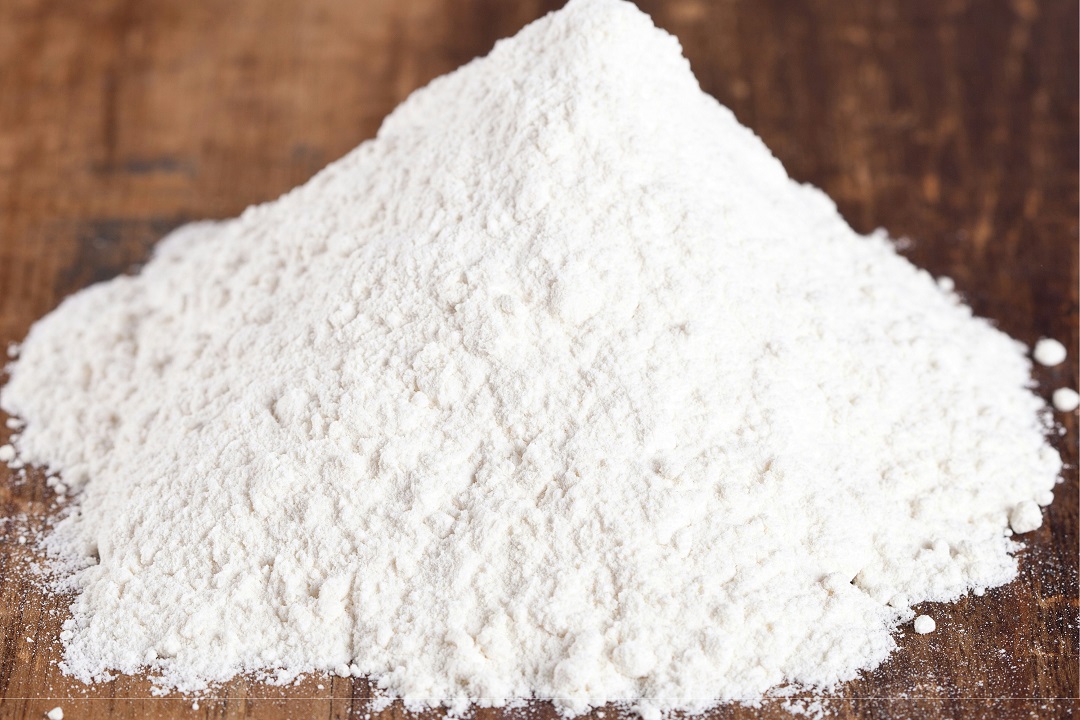
Plantain Flour is one of the most commercially useful value-added food products in the African staple foods trade. It sits at the intersection of health-conscious consumer demand, diaspora food consumption, gluten-free product development, and the growing international appetite for African-origin pantry staples. For importers, wholesalers, private-label food brands, ethnic grocery distributors, and industrial buyers looking for a shelf-stable flour with strong cultural familiarity and export potential, Plantain Flour remains a practical commodity to source and trade.
In Nigeria and across many West African markets, Plantain Flour is a familiar product made largely from unripe green plantains that are peeled, sliced, dried, and milled into a fine flour. In the local market, it is widely known and sold as plantain flour, although buyers may also hear references to green plantain flour, unripe plantain flour, or banana flour in some international commercial settings. For serious buyers, however, it is important to distinguish true Plantain Flour from dessert banana flour, mixed flour blends, or overripe fruit powders that do not meet the same culinary or functional expectations.
Botanically, plantain belongs to the genus Musa, and most commercial plantain varieties used for flour are commonly grouped under Musa paradisiaca or related Musa species and hybrids in trade language. In actual buying and export transactions, however, most bulk buyers care less about the botanical labeling and more about consistency in raw material selection, moisture control, colour, odour, texture, microbiological safety, and packing quality. That is why the safest transactions are usually built around specification sheets, pre-shipment inspection, and sample approval rather than assumptions.
Plantain Flour has become especially attractive in export trade because it solves a practical problem. Fresh plantain is bulky, perishable, and expensive to move over long distances if the buyer is not close to origin. Once processed into flour, the product becomes easier to pack, store, ship, and distribute. It also expands the range of end users. Retailers can sell it in consumer packs, food service operators can use it in commercial kitchens, and industrial processors can blend it into health mixes, bakery formulations, infant cereal concepts, and specialty food products.
For buyers targeting African stores, international supermarkets serving diaspora communities, wellness brands, and gluten-free product channels, Plantain Flour offers a product story that is easy to position. It is familiar, functional, naturally starch-rich, and widely associated with traditional meals, swallow preparation, breakfast applications, and diet-focused food routines. That commercial flexibility is one reason it continues to attract sourcing interest from importers in Europe, North America, the Middle East, and select parts of Asia.
Still, not every Plantain Flour supplier is export-ready. Some sellers understand the commodity locally but cannot maintain export-grade hygiene, moisture stability, packaging integrity, or documentation quality. Others can supply small retail volumes but struggle with consistency at container scale. That is why buyers who want repeatable quality must treat Plantain Flour not just as a food item, but as a specification-driven processed agricultural product that requires careful sourcing discipline.
This guide explains the trade overview of Plantain Flour, what the product is, how it is made, what it is used for, its health benefits and side effects, top producing and importing markets, how to source it safely, where to find reliable exporters, what international prices typically look like, how payment is commonly structured, what shipping terms buyers should understand, the trade specifications suppliers should meet, and the shipping documents normally expected in cross-border transactions.
Trade Overview of Plantain Flour
| Commodity | Plantain Flour |
|---|---|
| Botanical Reference | Musa paradisiaca and related Musa species/hybrids used in plantain trade |
| Common Names | Plantain Flour, Green Plantain Flour, Unripe Plantain Flour |
| Nigerian Market Reference | Plantain Flour, often sold as unripe plantain flour in local and export markets |
| HS Trade Family | Commonly traded within fruit/vegetable flour and processed food categories, depending on customs classification and country practice |
| Primary Raw Material | Mature unripe green plantain |
| Main Export Form | Fine or medium flour in retail packs or bulk bags |
| Typical Buyers | Importers, wholesalers, African food distributors, health food brands, private-label firms, food service operators |
| Key Trade Factors | Moisture, colour, odour, fineness, hygiene, microbiological safety, packaging strength, documentation |
| Common Origin Markets | Nigeria, Ghana, Cameroon, Uganda, Côte d’Ivoire, Colombia, Ecuador and other plantain-producing regions |
| Typical End Uses | Swallow meals, porridge mixes, gluten-free blends, bakery formulations, health foods, specialty retail |
From a commercial standpoint, Plantain Flour is a value-added processed staple rather than a raw commodity. That distinction matters. Buyers are not only purchasing agricultural output; they are purchasing processing quality, food safety discipline, handling standards, and packing performance. A supplier may have access to abundant plantain, but that alone does not make the supplier reliable in export trade.
One of the strongest advantages of Plantain Flour is that it allows origin countries with abundant plantain production to move up the value chain. Instead of exporting only fresh bunches that face shelf-life constraints, processors can convert plantains into a higher-value, longer-lasting product with better portability. For buyers, that usually translates into easier stockholding, lower wastage risk, and broader retail possibilities.
Demand is supported by several buyer segments. African and Caribbean grocery channels buy it for traditional meal use. Health-focused retailers buy it for gluten-free and resistant-starch positioning. Food manufacturers may buy it as an ingredient for flour blends and specialty applications. This diversity of demand makes Plantain Flour more commercially flexible than many single-use agricultural products.
In Nigeria, the product is especially relevant because plantain is already integrated into domestic food culture and agro-processing activity. That gives exporters access to both local processing knowledge and established consumer familiarity. However, buyers must still separate small informal processing operations from suppliers that can meet true export documentation and quality control requirements.
Request a Quote or Speak With Our Team About Plantain Flour
Ready to source Plantain Flour with confidence? Submit your RFQ for detailed specifications and formal quotations, or chat on WhatsApp for fast responses and quick clarification.
What Is Plantain Flour?
Plantain Flour is a milled food product obtained from mature unripe plantains that have been peeled, sliced, dried, and ground into flour. Unlike flour made from ripe fruit, true Plantain Flour for staple-food and export use is usually processed from green plantains because the unripe fruit delivers the starch profile, flavour neutrality, colour range, and cooking behaviour most buyers expect.
In practical trade language, Plantain Flour is valued for three broad reasons. First, it is familiar. Many consumers already know how to use it. Second, it is versatile. It can be used in swallow preparation, breakfast foods, bakery mixtures, and health formulations. Third, it is stable. When properly processed and packed, it stores much longer than fresh plantain and can travel internationally with less spoilage risk.
The flour may vary depending on the processor’s method. Some producers make a very fine, pale flour targeted at premium retail markets. Others produce a slightly cream-coloured or light beige flour intended for domestic and wholesale food use. Certain processors also offer organic, additive-free, or low-microbial variants for specialized buyers. What matters most is that the product matches the buyer’s required end use and is backed by consistent specifications.
In the Nigerian market, Plantain Flour is commonly associated with healthy eating, swallow meals, and products made from unripe plantain. International buyers, however, often use more technical purchasing language. They may ask about mesh size, moisture level, bulk density, shelf life, microbial load, packaging material, and container loading capacity. Suppliers who understand these expectations are more likely to perform well in export trade.
It is also important to note that Plantain Flour is not the same as mixed cereal-plantain breakfast flour, plantain starch, instant swallow mix with additives, or ripe banana powder. Buyers should always request a proper product definition before closing a transaction. A clear product definition avoids disputes over taste, colour, cooking behaviour, and nutritional positioning.
How Plantain Flour Is Made / Processed
The commercial value of Plantain Flour depends heavily on how it is processed. The same raw material can produce a premium export-grade flour or a poor-quality flour depending on peeling quality, sanitation, drying conditions, and post-milling handling. Buyers who understand the production chain are better positioned to ask the right questions and detect weak suppliers early.
1. Raw Plantain Selection
The process begins with the selection of mature unripe green plantains. At this stage, the processor is looking for fruit that is sufficiently developed but not ripening. Overripe raw material produces a sweeter, darker, and less commercially suitable flour for most staple applications. Undersized or damaged plantains may also affect recovery rate and finished quality.
For export-grade flour, processors usually sort out fruits with bruises, rot, insect damage, mould growth, or visible contamination. Good raw material selection improves colour consistency and reduces the risk of off-odours and microbiological problems later in the process.
2. Washing and Preliminary Cleaning
Before peeling, the plantains are usually washed to remove soil, field debris, latex residue, and surface contaminants. This stage is simple but important. Any dirt carried into the production line can affect hygiene and final appearance. In professional operations, potable water and clean contact surfaces are used throughout this stage.
Buyers sourcing for sensitive markets should ask suppliers whether washing water is controlled, how frequently it is changed, and whether the processing environment follows basic food safety practices. These details often reveal whether a supplier is operating as a true food processor or merely as a local flour miller.
3. Peeling
After washing, the green plantains are peeled. This may be done manually or semi-mechanically depending on plant capacity. Careful peeling matters because excessive peel carryover can darken the flour, while poor handling can bruise the pulp and affect colour development during drying.
At this stage, processors aiming for cleaner colour often work quickly to reduce unnecessary oxidation. Some may use food-safe anti-browning measures depending on product style and buyer requirements, but many standard processors rely mainly on speed, cleanliness, and proper drying control.
4. Slicing or Chipping
Once peeled, the pulp is sliced into chips or thin pieces. Uniform slicing is preferred because it helps ensure more even drying. Thick, irregular pieces can trap internal moisture and increase the risk of uneven dehydration, which later affects milling quality and shelf stability.
For buyers, the importance of this stage shows up in the finished flour. A supplier with poor slicing control often ends up with inconsistent moisture and variable texture, which may create clumping, caking, or reduced shelf life.
5. Drying
Drying is one of the most critical stages in the entire process. The sliced plantain must be dried to a safe moisture level without introducing smoke taint, dirt, infestation, or excessive browning. Depending on the operation, drying may be done through solar systems, hot-air dryers, cabinet dryers, tunnel dryers, or other controlled methods.
Well-dried chips should be brittle, clean, and adequately dehydrated for milling. Poor drying is one of the most common causes of export complaints because flour made from inadequately dried chips can develop mould risk, off-odours, caking, or shortened shelf life during shipment.
6. Milling
After drying, the chips are milled into flour. The fineness depends on the target application. Retail and swallow-focused markets often prefer a smoother flour, while some industrial users may accept a slightly different grind depending on their formulation needs.
At this stage, mill hygiene is crucial. Even if the raw material is good, dirty milling equipment can contaminate the flour with foreign matter, grease odour, metal fragments, or residual particles from previous products. Buyers should ask whether sieves, magnets, and cleaning protocols are used in the milling line.
7. Sieving and Standardization
Once milled, the flour is usually sieved to achieve a more uniform particle size. This step improves product appearance and helps standardize performance for cooking or food manufacturing. Uniformity is especially important for private-label buyers and industrial users who need repeatable functionality.
Some processors also use this stage to remove oversized particles or visible impurities. A supplier that skips proper sieving may still sell in local open markets, but export buyers usually expect a more polished result.
8. Cooling, Quality Check and Packing
Freshly milled flour is typically cooled if necessary and checked before packing. This is where moisture, colour, odour, fineness, and visible cleanliness should be reviewed. More disciplined processors may also carry out microbiological testing, foreign matter checks, and packaging integrity checks.
The flour is then packed into retail sachets, laminated consumer pouches, inner-lined kraft bags, woven sacks with liners, or other formats depending on the contract. Packing must protect the product from moisture ingress, odour contamination, and physical damage during storage and shipping.
9. Storage Before Dispatch
The final product should be stored in a clean, dry, pest-controlled environment away from direct sunlight, damp floors, and strong odours. Finished flour can absorb moisture and surrounding smells if stored poorly. This is another reason buyers should ask for warehouse photos or inspection reports before shipment.
In export trade, good storage practice is not optional. A container may spend weeks in transit, so the product must leave origin in stable condition if it is expected to arrive in good condition.
What Is Plantain Flour Used For?
Plantain Flour has several commercial uses, and that broad utility is one reason it continues to attract serious buyer attention. Different markets value it for different reasons, so the right supplier must understand the buyer’s intended application before proposing specifications.
Swallow Preparation
One of the most common uses of Plantain Flour in Nigeria and among African diaspora consumers is for swallow meals. The flour is stirred in hot water to produce a smooth dough-like meal eaten with soups. In this segment, texture, colour, and lump-free cooking performance matter greatly. Buyers serving this market usually want flour that cooks smoothly and presents a familiar taste profile.
Breakfast and Porridge Mixes
Plantain Flour is also used in porridge and breakfast applications, especially when blended with spices, grains, legumes, or milk-compatible ingredients. Health-conscious consumers may prefer it as part of low-wheat or wheat-free breakfast routines. Processors targeting this segment often emphasize cleanliness, mild flavour, and fine texture.
Gluten-Free Food Formulations
Because Plantain Flour is naturally free from gluten, it is frequently positioned in gluten-free product development. This does not automatically make every product medically certified for gluten-sensitive consumers, but it makes Plantain Flour attractive in alternative flour categories. Buyers in this segment often ask stronger questions about cross-contamination, allergen handling, and dedicated processing conditions.
Bakery and Composite Flour Blends
Plantain Flour can be used in partial substitution blends for bakery products, pancakes, cookies, and snack items. In these applications, it is often combined with other flours to achieve a desired texture and flavour profile. Industrial buyers in this segment may care more about mesh size, moisture level, and formulation behaviour than traditional swallow performance.
Diet and Wellness Products
Many wellness brands position Plantain Flour as part of balanced eating plans, especially where unripe plantain products are already associated with dietary discipline. In commercial terms, this creates an opening for premium branding, smaller consumer pack sizes, and better margins. However, responsible suppliers and marketers should avoid exaggerated medical claims and keep product messaging realistic.
Infant and Family Food Concepts
In some markets, Plantain Flour is incorporated into household cereal blends and family meal formulations. This does not mean every Plantain Flour product is suitable for infant feeding without proper formulation and regulatory review, but it shows the product’s versatility in food systems where soft-textured staple foods are valued.
Health Benefits of Plantain Flour
Plantain Flour is often purchased not only for culinary reasons but also for its nutritional positioning. Buyers who serve health-focused retail segments usually highlight the product’s starch profile, fibre content, satiety value, and role in diverse diet plans. Still, the safest commercial language is balanced language. Plantain Flour can be nutritionally useful, but it should not be marketed as a miracle cure.
1. It Is Commonly Valued as a Gluten-Free Flour Alternative
Plantain Flour is naturally free from gluten, which makes it attractive to buyers looking for alternatives to wheat-based flour categories. This has helped it gain attention in specialty food retail and among consumers who intentionally reduce gluten intake. For commercial buyers, this benefit expands the product’s market beyond traditional ethnic consumption.
2. It Provides Energy from Complex Carbohydrates
Because unripe plantain is rich in starch, Plantain Flour is widely valued as an energy-giving food ingredient. In staple-food markets, this makes it highly practical for consumers seeking filling meals. For traders, this matters because products with strong satiety value often maintain steady household demand.
3. It Contains Dietary Fibre
Plantain Flour generally contains dietary fibre, especially when processed carefully from quality raw material. Fibre is one reason many consumers view the product as useful in structured eating routines. In retail positioning, this often supports a health-forward image, although exact fibre levels will vary by variety and processing method.
4. It May Support More Gradual Digestion Than Highly Refined Flour Products
Because it is commonly made from unripe plantain, the flour is often associated with a starch profile that digests differently from some highly refined alternatives. This is one reason it is frequently discussed in diet-conscious communities. Commercially, that reputation can improve consumer interest, but buyers should still present the product responsibly and avoid turning normal food benefits into unverified treatment claims.
5. It Can Fit into Diverse Meal Planning
Plantain Flour works in swallow meals, porridge, baking blends, and specialty formulations. This versatility can help consumers maintain variety while using one core ingredient. In trade, multi-use products tend to have stronger retail appeal because they solve more than one kitchen need.
6. It Is Often Preferred by Consumers Seeking Familiar Traditional Foods
Another practical benefit is cultural familiarity. In many African homes and diaspora markets, foods made from plantain are already trusted and widely understood. That trust can support repeat purchases more effectively than unfamiliar alternative flour products. For importers, products with both health and cultural positioning often perform better than products that depend on only one selling angle.
7. It May Be Easier for Some Consumers to Incorporate into Controlled Diet Routines
Many consumers like Plantain Flour because portioning feels more manageable and meal uses are straightforward. It can be prepared in predictable ways and used in recipes where the buyer wants a specific traditional or diet-focused result. This practical ease is one reason the product continues to attract loyal repeat users.
Side Effects of Plantain Flour
Although Plantain Flour is widely consumed, serious buyers and responsible sellers should also understand its limitations and possible side effects. A realistic article should not present the product as perfect for every consumer. As with other flours and starch-based foods, suitability depends on portion size, individual health status, preparation method, and product quality.
1. Excess Consumption May Add Significant Calorie Intake
Plantain Flour is a starch-rich food, and very large portions can contribute substantial calorie intake. For consumers managing total energy intake, portion control still matters. Buyers marketing the product should therefore avoid suggesting that “healthy” automatically means “limitless.”
2. It May Affect Blood Sugar Management Depending on Portion and Preparation
Unripe plantain products are often discussed in relation to balanced diets, but that does not remove the need for sensible use. Consumers with medical dietary restrictions still need professional guidance, especially regarding portion size and meal composition. Responsible trade language should always stay moderate.
3. Poorly Processed Flour Can Cause Digestive Discomfort
If Plantain Flour is not properly dried, milled, or cooked, some consumers may find it less pleasant to digest. Clumpy texture, stale flour, or flour contaminated with spoilage organisms can also affect consumer experience. This is one more reason quality processing is not just a technical issue but a commercial one.
4. Cross-Contamination Risk Exists in Mixed Processing Facilities
Plantain Flour may be naturally gluten-free, but if it is processed in facilities that also handle wheat or other allergens, cross-contact can occur. Buyers serving highly sensitive consumer segments should investigate facility controls carefully rather than relying on assumptions.
5. Inferior Storage Can Lead to Mould Risk or Off-Odours
Flour is vulnerable to moisture uptake if stored badly. Once that happens, the product may cake, smell stale, or become unsafe. Buyers should therefore inspect packaging quality, storage practice, and moisture test results, especially for shipments intended for longer transit routes.
6. Some Consumers May Not Like the Taste or Texture
Not all markets respond to Plantain Flour in the same way. Some first-time users may find the taste more neutral or more distinctive than expected, depending on how the flour is prepared. This is not a defect in itself, but it is something brand owners should account for when developing product messaging and cooking instructions.
7. Unscrupulous Blending Can Reduce Product Integrity
One hidden side effect in the trade itself is adulteration. Some suppliers may blend Plantain Flour with cheaper starches or mixed flours to reduce cost. This can alter cooking performance, nutritional profile, and taste. For buyers, the commercial consequence is customer dissatisfaction, damaged brand trust, and possible regulatory trouble if labels become inaccurate.
Top Producing & Exporting Countries of Plantain Flour
Plantain Flour export capacity usually comes from countries with reliable plantain production, established local processing, and access to buyers interested in ethnic foods or value-added agricultural products. Not every plantain-producing country exports large volumes of Plantain Flour, but several countries matter either as raw material bases, regional processors, or export origins.
1. Nigeria
Nigeria is one of the most commercially relevant origins for Plantain Flour in African export trade because plantain is deeply integrated into the local food system and value-added processing is already familiar in the domestic market. The country’s large internal demand also means processors understand product use well, particularly for unripe plantain flour applications. For export buyers, Nigeria is especially attractive when the supplier can combine raw material access with disciplined processing and proper documentation.
2. Ghana
Ghana is another important West African origin, with strong relevance in plantain cultivation and processed food export channels. Buyers often consider Ghana for food products aimed at diaspora markets because of the country’s established role in African food exports and its familiarity with packaged value-added products.
3. Cameroon
Cameroon is widely recognized in regional plantain production and consumption. While not every supplier will be export-ready at scale, the country remains important as a raw material base and regional source of plantain-derived food products. Buyers sourcing from Cameroon should still apply the same quality and documentation standards used in any other market.
4. Uganda
Uganda is strongly associated with banana and plantain-based food systems in East Africa. This gives it relevance in the broader trade conversation around plantain-derived products, especially for buyers exploring alternative African origins beyond West Africa. Supplier capability, however, still varies widely, so origin alone should never replace due diligence.
5. Côte d’Ivoire
Côte d’Ivoire plays an important role in West African agriculture and processed food trade, and it has relevance in the plantain value chain as well. Buyers that already source agricultural products from Francophone West Africa may sometimes consider the country as part of a wider regional supply strategy.
6. Colombia
Outside Africa, Colombia is a notable plantain-producing country with strong agricultural export experience. For some international buyers, Latin American origins may offer logistical advantages depending on destination market, shipping route, and supplier network. Plantain-derived processed products from the region may therefore appeal to buyers looking for alternative sourcing options.
7. Ecuador
Ecuador is globally prominent in banana trade and also relevant in discussions around plantain production and processed fruit-based products. While buyers must still verify the exact product type and supply capacity, the country remains commercially important in the wider tropical fruit processing landscape.
Top Importing Countries of Plantain Flour
The importing landscape for Plantain Flour is shaped less by mainstream commodity exchanges and more by consumer culture, diaspora demand, specialty food channels, and private-label ethnic food distribution. The strongest destination markets are usually those where traditional African and Caribbean foods already have an established consumer base, or where specialty flour demand is growing.
1. United States
The United States is one of the most commercially attractive destination markets for Plantain Flour because it combines a large diaspora consumer base with robust specialty food retail channels. Buyers in this market include ethnic food distributors, African grocery chains, Amazon-focused sellers, health food brands, and private-label importers.
2. United Kingdom
The United Kingdom remains a strong market for African staple foods and diaspora-oriented grocery distribution. Plantain-based products are already familiar in many retail communities, making Plantain Flour a practical import item when quality and packaging are right. UK buyers usually pay close attention to labeling, traceability, and food safety compliance.
3. Canada
Canada continues to attract African and Caribbean food imports through multicultural retail systems and specialty distribution networks. Plantain Flour can perform well in this market when supplied in well-presented consumer packs or dependable wholesale packaging for ethnic grocery channels.
4. Germany
Germany is relevant both for specialty ethnic food distribution and for the broader European interest in alternative flours and wellness products. Buyers in this market may be stricter on documentation, product testing, and packaging quality, especially if the product is being positioned outside purely ethnic channels.
5. France
France is another important European market because of its African and Caribbean consumer links as well as its structured food import systems. For suppliers targeting France, product presentation and regulatory readiness are especially important, since serious buyers expect orderly documentation and consistent commercial communication.
6. Netherlands
The Netherlands often matters as both a destination market and a redistribution hub within Europe. Importers there may serve local ethnic grocery markets or move goods onward through wider European supply networks. This makes it attractive for exporters that can handle professional shipping and documentation requirements.
7. United Arab Emirates
The United Arab Emirates is commercially useful as a consumer market and re-export hub. African food products perform through diaspora demand, specialty retail, and wholesale redistribution channels. Buyers in this region may place special emphasis on shelf life, packing strength, and dependable shipment execution.
How To Safely Source for Your Plantain Flour Produce
Safe sourcing begins with understanding that Plantain Flour is a processed food product, not just a farm commodity. That means buyers should evaluate the supplier’s processing discipline, warehouse condition, food safety awareness, documentation readiness, and export execution capacity. The more structured the sourcing process, the lower the risk of shipment disputes.
The first step is product definition. Before asking for price, define exactly what you want. State whether you need unripe Plantain Flour, colour preference, mesh size, packaging format, target moisture, shelf life, label requirements, and destination market compliance needs. Many sourcing errors begin because buyer and supplier are not discussing the same product.
The second step is supplier screening. A serious supplier should be able to describe raw material sourcing, processing method, drying system, packing format, storage conditions, and lead time. If the seller only repeats marketing phrases without operational clarity, that is usually a warning sign. Export buyers should prefer suppliers who can speak confidently about specification control and documentation.
The third step is sample approval. Never rely only on photos. Request a representative sample and assess colour, odour, texture, cooking performance, and packaging quality. If the product is for private label or industrial use, lab tests may also be appropriate. The approved sample should become the reference point for the commercial order.
The fourth step is specification locking. Your proforma invoice or contract should state the agreed quality standards clearly. This may include moisture maximum, particle size, acceptable colour range, shelf life, packaging type, net weight, palletization terms if applicable, microbial limits if required, and inspection conditions. A transaction is safer when expectations are written down.
The fifth step is facility due diligence. If possible, inspect the facility physically or through a trusted third party. Look for clean processing areas, protected finished goods storage, proper packing materials, pest control awareness, and basic hygiene systems. A supplier that cannot present even a minimally organized production environment is a poor risk for repeat export business.
The sixth step is document verification. Confirm that the supplier can support the documents needed for your market. Depending on the transaction, this may include invoice, packing list, certificate of origin, phytosanitary or health-related documentation where applicable, laboratory reports, and shipping documents. Do not wait until the cargo is ready before asking about paperwork.
The seventh step is packing review. Flour is highly sensitive to moisture and odour contamination. Confirm whether the product will be packed in laminated pouches, food-grade inner liners, woven sacks with liners, or export cartons. Weak packaging is one of the fastest ways to lose product quality during shipment.
The eighth step is shipment control. Buyers should know whether the cargo is moving as LCL, FCL, palletized cargo, or mixed commodity consolidation. Transit duration and container conditions matter. If shipping in humid conditions or over long routes, packaging and moisture control become even more important.
The ninth step is payment risk management. New supplier relationships should begin with safer payment structures. Depending on comfort level, buyers may use staged payments, trade assurance channels, documentary structures, or partial deposit arrangements tied to inspection and shipment milestones. Paying the full amount too early without checks is avoidable risk.
The tenth step is post-arrival feedback. After the first shipment, record actual arrival quality against the agreed specification. Was the flour still free-flowing? Did the packs hold? Did the colour remain acceptable? Did cooking performance match the sample? This feedback loop is how buyers develop stable long-term supply relationships instead of one-off transactions.
In practical terms, safe sourcing is not about chasing the cheapest offer. It is about finding the supplier that gives the best combination of usable quality, reliable documentation, safe packing, and honest communication. The cheapest Plantain Flour can easily become the most expensive shipment when claims, returns, or customer complaints start to appear.
Where To Find Reliable Exporters for Plantain Flour
Reliable Plantain Flour exporters are usually found through a combination of direct industry referrals, trade platforms, sourcing agents, commodity networks, food exhibitions, diaspora distribution channels, and B2B introductions. The best supplier is rarely the one with the loudest advertising. It is usually the one with consistent process control and a track record of organized supply.
One practical source is established agricultural export companies that already handle processed African food products. Such firms are more likely to understand export packing, documentation, and cross-border buyer expectations. Another source is processors that already supply formal retail brands locally and are now scaling into export business.
Trade directories and B2B marketplaces can also help identify leads, but buyers should treat them as a starting point, not a guarantee of credibility. A listing on a marketplace does not replace sampling, inspection, or contract clarity. Serious buyers use platforms to discover suppliers, then move into proper due diligence.
Industry referrals remain especially valuable. Importers that already buy African staples often know which exporters deliver consistent quality and which ones overpromise. In many cases, a trusted referral saves far more time and money than an open marketplace search.
Buyers can also work through reputable export facilitators that understand both origin operations and destination compliance. This is often useful for private-label brands, first-time importers, and wholesalers entering a new origin market. What matters is transparency. The exporter or facilitator should be clear about who processes the product, who packs it, and who takes responsibility for the shipment.
International Price of Plantain Flour Per Metric Ton
International pricing for Plantain Flour depends on origin, quality level, packaging format, order volume, buyer specification, and whether the sale is quoted Ex Works, FOB, CFR, or CIF. Retail-packed premium flour naturally prices differently from bulk wholesale flour, and certified or highly standardized product may also command a premium over basic market-grade supply.
As a realistic working range for 2025–2026, bulk export-grade Plantain Flour from West Africa is commonly negotiated around the lower-to-mid four-figure dollar range per metric ton for standard wholesale transactions, with many commercially usable offers often clustering at roughly US$900 to US$1,600 per metric ton depending on quality, packing, and transaction structure. Premium retail-packed, highly standardized, branded, or lower-volume shipments can price above that range, while weak-spec or opportunistic offers may appear below it but often come with quality or consistency concerns.
Buyers should be careful not to compare unlike offers. A low quote may exclude inner liners, strong export bags, inspection costs, inland logistics, or port charges. Another quote may look higher but include better packaging, stronger moisture control, and more dependable documentation. The true comparison should always be made on landed utility, not headline number alone.
Raw material seasonality can also influence price. When fresh plantain supply tightens, flour production costs may rise. Energy costs, drying costs, packaging material costs, freight conditions, and currency movements can all affect final export offers. For repeat buyers, the safest approach is to build supplier relationships that allow periodic price updates rather than assuming one quote will hold indefinitely.
For private-label buyers and importers serving premium stores, it is often better to pay slightly more for a stable product than to fight repeated complaints from underpriced cargo. In Plantain Flour trade, consistency usually protects margins more effectively than bargain chasing.
Request a Quote or Speak With Our Team About Plantain Flour
Ready to source Plantain Flour with confidence? Submit your RFQ for detailed specifications and formal quotations, or chat on WhatsApp for fast responses and quick clarification.
How To Pay For Your Plantain Flour Produce
Advance Payment Structure
Some suppliers ask for advance payment, especially for small orders, custom packing runs, or first-time transactions. This can work where trust is already established, but buyers should still tie payment to clear specifications and proforma terms. Even in straightforward deals, the invoice should reflect agreed quantity, packing, lead time, and shipment basis.
Deposit and Balance Arrangement
A common structure in commodity trade is partial deposit before production and balance before shipment or against shipping evidence. This approach can reduce buyer risk while still giving the supplier working capital to process the order. For new relationships, this is often more balanced than full advance payment.
Document-Linked Payment
For larger or more formal transactions, some buyers prefer payment linked to document presentation. This may involve bank-coordinated trade methods or release against agreed shipment evidence. The exact structure depends on the size of the deal, the jurisdictions involved, and the confidence level between the parties.
Inspection-Supported Payment
Where quality risk is a major concern, buyers may use independent inspection or sample-matching checks as part of the payment decision. This is especially useful when the order is large enough that a failed shipment would create serious commercial loss. Inspection does not replace good sourcing, but it strengthens control.
Currency and Transfer Clarity
Before payment is made, both parties should agree on invoice currency, bank details, transfer charges, and any local tax implications. Confusion at this stage can delay shipment unnecessarily. Professional suppliers usually handle payment communication clearly and provide consistent company documentation.
Shipping & Delivery Terms
Ex Works Supply
Under Ex Works style arrangements, the buyer takes responsibility from the supplier’s facility or named collection point. This can work for experienced buyers who already control inland logistics and export handling, but first-time buyers may find it operationally demanding.
FOB Shipment
FOB terms are common where the supplier handles origin-side movement up to loading at the port. This often gives buyers better visibility on the export stage while still allowing them to control ocean freight separately. For Plantain Flour, FOB can be practical when the buyer already has a forwarding network.
CFR or CIF Shipment
Some buyers prefer CFR or CIF pricing so they can budget landed cost more easily. In such cases, the supplier arranges freight and, under CIF, insurance to the agreed destination port. Buyers should still clarify who handles customs clearance, terminal charges, and inland delivery after arrival.
LCL and FCL Considerations
Small buyers may ship as LCL, but flour products are often safer in better-controlled packing formats because consolidation exposes cargo to odours and moisture from other goods. Larger buyers usually prefer FCL for better shipment integrity and easier planning. The right option depends on order size and risk tolerance.
Delivery Time and Shelf Life Buffer
Lead time should include production, packing, inspection if any, port movement, vessel schedule, and destination transit. Buyers should always ensure enough remaining shelf life after arrival to support customs clearance, warehousing, distribution, and retail sell-through. A good shipment is not merely one that arrives; it is one that arrives with enough commercial life left to sell profitably.
Our Typical Trade Specifications For Plantain Flour
| Parameter | Typical Export Range / Expectation |
|---|---|
| Product Name | Plantain Flour |
| Raw Material | Mature unripe green plantain |
| Colour | Off-white to light cream or light beige, depending on process |
| Odour | Clean, characteristic, free from mustiness and foreign odours |
| Taste | Mild, typical of unripe plantain, free from rancid or sour notes |
| Texture | Fine to medium flour, free-flowing, low lump formation |
| Moisture | Commonly not more than 10% to 12%, subject to contract |
| Foreign Matter | Nil or within tightly controlled food-grade tolerance |
| Infestation | Free from live insects and visible infestation |
| Microbiological Status | In line with buyer market requirements and agreed test parameters |
| Packaging | Retail pouches, inner-lined bulk bags, or custom buyer packaging |
| Net Weight | Common pack sizes vary from consumer packs to 10kg, 25kg, or custom bulk |
| Shelf Life | Typically 9 to 18 months depending on processing, packing, and storage |
| Storage | Cool, dry, clean, pest-controlled environment |
These are typical trade expectations, not universal rules. Final specifications should always be agreed contractually. Serious buyers should align the spec sheet to the destination market, intended use, and any applicable retail or regulatory requirements.
Expected Shipping Documents
Commercial Invoice
The commercial invoice states the product, quantity, unit price, total value, seller details, buyer details, and shipment terms. This is one of the core documents for customs and payment processing.
Packing List
The packing list gives operational clarity on the shipment layout. It shows how the goods are packed, the number of bags or cartons, gross and net weights, and sometimes pallet details where relevant.
Bill of Lading or Airway Bill
This is the transport document issued by the carrier or freight operator. It confirms shipment details and is essential for cargo release procedures at destination.
Certificate of Origin
Many buyers request a certificate of origin to confirm the exporting country. This can be important for customs treatment, tariff programs, trade compliance, and buyer assurance.
Phytosanitary or Health-Related Documentation Where Applicable
Depending on the importing country and the exact regulatory treatment of the product, some markets may require phytosanitary support, health certification, or related food safety documents. Buyers should confirm destination requirements before shipment rather than after the goods have already been dispatched.
Laboratory Test Report
For more quality-sensitive markets, laboratory reports may be requested to confirm moisture, microbiological profile, heavy metals where relevant, or other agreed parameters. This is especially useful for private-label and formal retail buyers.
Inspection Report
Where independent inspection is part of the contract, the inspection report helps verify that quantity, packing, and visible quality were checked prior to shipment. This can reduce disputes and strengthen buyer confidence.
Plantain Flour remains a commercially promising processed staple for importers and distributors who value shelf stability, cultural familiarity, and broad food application. When sourced properly, it can serve traditional food markets, diaspora retail, specialty grocery channels, and health-oriented product lines with strong commercial relevance. The key to a successful transaction is disciplined sourcing, clear specification control, and working only with suppliers that understand export-grade quality and documentation.
Request a Quote or Speak With Our Team About Plantain Flour
Ready to source Plantain Flour with confidence? Submit your RFQ for detailed specifications and formal quotations, or chat on WhatsApp for fast responses and quick clarification.