

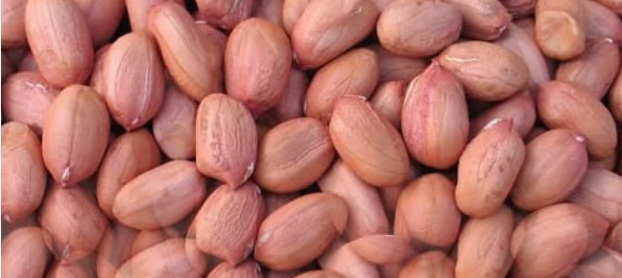
Groundnut is one of the most commercially useful agricultural commodities in the global food and oilseed trade. It is widely consumed across Africa, Asia, Europe, and the Americas, and it remains a practical product for importers, processors, food brands, animal feed companies, and industrial buyers who want a versatile raw material with strong market demand. In Nigeria and many West African markets, groundnut is a familiar commodity sold in both informal markets and formal supply chains, making it easy to understand locally but more technical to source correctly for export.
Known botanically as Arachis hypogaea, groundnut is also commonly called peanut. In Nigerian commercial language, it is simply referred to as groundnut, while in some international markets it is bought and sold as peanut kernels, shelled peanuts, raw peanuts, blanched peanuts, or peanut for oil extraction depending on the intended use. This difference in naming may look minor, but it matters in trade because the buyer’s specification, shelling status, aflatoxin tolerance, count size, moisture level, and packaging style usually depend on which exact form of groundnut is being ordered.
For buyers, groundnut is attractive because it serves multiple end markets at the same time. It can be processed into edible kernels for direct consumption, roasted snack products, peanut butter, confectionery ingredients, flour blends, livestock feed inputs, and vegetable oil. It also has a strong role in traditional food systems, modern packaged food manufacturing, and industrial processing. That broad demand is one of the reasons groundnut keeps its relevance in regional and international trade.
For exporters and sourcing agents, however, groundnut is not a commodity that should be handled casually. The product is highly sensitive to contamination, poor post-harvest handling, excess moisture, mold, infestation, and especially aflatoxin risk. A shipment that appears visually acceptable at warehouse level can still fail destination-market testing if the product was badly dried, poorly sorted, or stored in humid conditions. That is why serious buyers do not only ask for price. They ask for moisture, count per ounce, broken percentage, foreign matter, packing type, loading method, fumigation status, and laboratory results.
In Nigeria, groundnut is a commercially important produce crop with strong domestic consumption and meaningful export potential. It is cultivated mostly in the northern belt where conditions are suitable for large-scale production. In local markets, buyers may encounter different colours, kernel sizes, shelling qualities, and dryness levels from one producing cluster to another. That makes supplier verification very important, especially where the goods are intended for premium export channels or food processing plants that operate strict incoming quality standards.
Another reason groundnut continues to attract wholesale interest is margin flexibility. Depending on the grade and destination, the same commodity can be positioned for low-cost oil crushing, mid-range regional food trade, or premium edible export channels. Well-cleaned kernels with low aflatoxin levels, consistent count size, and reliable packing normally achieve stronger buyer confidence than mixed lots bought from open market aggregation without traceability.
For importers, wholesalers, private-label food manufacturers, and distributors, the safest way to buy groundnut is to treat it as a specification-driven commodity rather than a simple farm produce. That means understanding exactly what form you need, how it should be processed, which documents must accompany it, what payment structure protects both sides, and which logistics terms fit your destination market. Once those issues are handled properly, groundnut becomes one of the most practical and repeatable agricultural commodities to source from West Africa and other producing regions.
This guide explains what groundnut is, how it is processed, what it is used for, its health benefits, possible side effects, the leading producing and importing countries, how to source it safely, what quality specifications buyers should expect, how international pricing works, and what shipping and trade documentation are typically involved in a proper export transaction.
Trade Overview of Groundnut
| Commodity | Groundnut |
|---|---|
| Botanical Name | Arachis hypogaea |
| Common Names | Groundnut, Peanut, Peanut Kernel, Shelled Peanut |
| Common Nigerian Market Name | Groundnut |
| HS Trade Reference | Commonly traded under peanut or groundnut categories depending on shelling and processing status |
| Typical Trade Forms | Unshelled groundnut, shelled kernels, blanched kernels, split kernels, roasted kernels, oil-grade groundnut |
| Primary End Uses | Food processing, snacks, peanut butter, confectionery, oil extraction, flour blending, animal feed |
| Main Producing Regions in Nigeria | Kano, Kaduna, Katsina, Bauchi, Jigawa, Sokoto, Zamfara, Kebbi, Niger, Taraba and other northern states |
| Key Buyer Concerns | Aflatoxin, moisture, count size, admixture, infestation, rancidity, broken kernels, documentation |
| Typical Export Packing | 25kg, 50kg or jumbo bag packing depending on buyer requirement and product form |
In commercial trade, groundnut sits at the intersection of food, oilseed, and ingredients supply chains. This means buyers are not all looking for the same thing. A snack manufacturer may want bright, well-sorted edible kernels with uniform size. An oil processor may accept a broader size range but still insist on safe moisture and clean loading. A confectionery brand may require tight aflatoxin controls and better colour consistency. A livestock feed buyer may focus more on oil content and economics than on appearance.
That is why groundnut export works best when the seller is clear about grade identity before quoting. General price offers without a product sheet usually lead to avoidable negotiation problems later. The better exporters are those who define the grade first, then build the offer around quality, volume, lead time, packing, and inspection terms.
Request a Quote or Speak With Our Team About Groundnut
Ready to source Groundnut with confidence? Submit your RFQ for detailed specifications and formal quotations, or chat on WhatsApp for fast responses and quick clarification.
What Is Groundnut?
Groundnut is the edible seed of Arachis hypogaea, a legume crop that develops its pods underground after flowering. That underground pod formation is one of the distinguishing features of the crop and part of the reason it is called groundnut. Although many consumers classify it casually as a nut, it is botanically a legume. In trade, however, the commercial name matters more than the botanical category, so buyers and sellers usually use groundnut or peanut depending on market convention.
The crop produces pods that contain one to several kernels. Once harvested, these pods may be sold in-shell or processed further by shelling to release the kernels. Those kernels can then be cleaned, graded, sorted, blanched, split, roasted, crushed for oil, or milled into related ingredients. Because of this flexibility, groundnut is a strong commodity for food and agribusiness buyers who want multiple market pathways from one raw agricultural input.
Groundnut varieties differ by kernel size, skin colour, shape, oil content, shelling performance, and suitability for different uses. Some types are preferred for table consumption and snacks, while others fit oil extraction and industrial processing more naturally. In export trade, size classification is often discussed in terms of count per ounce, especially for edible kernel business. Lower count numbers typically indicate larger kernels, while higher count numbers indicate smaller kernels.
In Nigeria, groundnut has a long commercial history and remains deeply integrated into domestic food culture. It is consumed roasted, boiled, milled into paste, blended into soups and sauces, pressed into oil, and processed into snack products. The crop also has strong relevance in informal trade, community markets, and industrial processing, which gives it both grassroots familiarity and wholesale potential.
For international buyers, the most important thing to understand is that groundnut is not a one-grade commodity. One exporter may be offering oil-grade mixed kernels, while another may be offering carefully sorted edible-grade kernels. The names may sound similar, but the commercial value, buyer risk, and acceptable price point can be very different. Proper sourcing therefore starts with product clarity.
How Groundnut Is Made / Processed
Groundnut does not become export-ready immediately after harvest. To move from farm produce to tradeable commodity, it must pass through several handling and processing stages. The exact process varies depending on whether the final product is in-shell, shelled, edible grade, oil grade, or further processed. However, the core steps remain similar across serious supply chains.
1. Cultivation and field development
Groundnut is planted in suitable soil during the appropriate growing season and managed through the normal agronomic cycle of weeding, nutrient support, and pest control. Good field management matters because poor crop health can affect pod maturity, kernel fill, and final yield. Buyers may not see this stage directly, but the quality problems often start here. Poor varietal choice or badly managed fields can reduce shelling quality, kernel uniformity, and storage performance.
2. Harvesting at the right maturity stage
Groundnut is usually harvested when the pods have matured sufficiently in the soil. If the crop is harvested too early, the kernels may be immature and lower in quality. If it is left too long under poor field conditions, the risk of losses and quality decline increases. Careful lifting is important because damaged pods can invite mold and post-harvest defects. At this stage, the goal is to recover mature pods with minimal breakage and soil contamination.
3. Field drying and initial curing
After harvest, the pods are typically dried to reduce moisture. This is one of the most critical stages in the entire value chain. Groundnut that does not dry properly becomes vulnerable to mold growth and aflatoxin formation. Depending on the scale of operation, drying may occur on raised platforms, tarpaulins, clean floors, or controlled drying systems. What matters commercially is that the product is dried evenly and protected from rain, ground moisture, and rewetting.
4. Stripping, cleaning, and pod sorting
Once dried, the pods are separated from the plant material and cleaned to remove visible dirt, stalks, stones, leaves, and other foreign matter. Better processors sort the pods before shelling so damaged, shriveled, or suspect lots are removed early. This improves shelling outcome and lowers contamination risk. Buyers who need cleaner edible-grade products should pay close attention to whether the supplier performs real pre-shelling sorting or merely aggregates mixed produce for volume.
5. Shelling into kernels
Where the trade requires shelled groundnut, the pods are shelled mechanically or manually to separate the kernels from the shell. Shelling quality affects the percentage of whole kernels, splits, and breakage. Poor shelling practice can create more damaged kernels, which weakens export value and may reduce buyer confidence. For some destinations and uses, the buyer may still accept a percentage of splits, but whole-kernel recovery remains important in premium edible trade.
6. Grading by size, colour, and soundness
After shelling, the kernels are graded. This may involve count size classification, colour sorting, removal of damaged kernels, elimination of immature or moldy pieces, and separation of broken units. In stronger export systems, the product may pass through gravity tables, destoners, aspirators, or colour sorters. This stage determines whether the commodity can be marketed as a higher-grade edible product or downgraded for oil extraction and lower-value channels.
7. Moisture control and laboratory checks
Before packing, the kernels should be checked for moisture and, where necessary, for aflatoxin or other buyer-required laboratory parameters. This is where many unreliable supply chains become exposed. A shipment may look fine visually and still fail due to unacceptable aflatoxin levels or poor moisture condition. Serious exporters therefore confirm the product scientifically instead of relying only on warehouse judgment.
8. Packing, warehousing, and dispatch preparation
The final stage is packing according to buyer instruction, followed by storage under dry, ventilated, hygienic conditions pending dispatch. Export packs may be woven polypropylene bags with inner liners, food-grade bags, or custom packaging where required. The warehouse should be dry and pest-controlled, and the commodity should be stacked properly to avoid contact with wet walls or floors. Once these controls are in place, the goods are then prepared for inspection, loading, and shipment.
What Is Groundnut Used For?
Groundnut has one of the broadest commercial use profiles among agricultural commodities. Its value comes from the fact that it can serve household consumption, industrial processing, foodservice demand, and export manufacturing all at the same time.
Food consumption and snack products
One of the most common uses of groundnut is direct human consumption. It can be roasted, salted, coated, spiced, or used as an ingredient in packaged snack products. Whole kernels with good flavour, clean appearance, and consistent size are especially useful for this segment. Buyers in this category usually care strongly about taste, uniformity, and food safety.
Peanut butter and paste production
Groundnut is a major raw material for peanut butter and similar spreads. In this segment, the buyer usually wants good oil-bearing kernels with stable flavour and low contamination risk. Uniform roasting behaviour and acceptable moisture levels are important because they affect processing efficiency and shelf performance.
Confectionery and bakery applications
Many confectionery producers use groundnut in bars, sweets, fillings, toppings, biscuits, cakes, and coated products. For this purpose, kernel appearance and consistent sizing can matter a great deal. Depending on the product line, the buyer may request whole kernels, halves, splits, granules, or blanched forms.
Vegetable oil extraction
Groundnut is also an important oilseed. Oil processors buy it for crushing and extraction into edible oil. This is a large commercial use case in domestic and regional markets. In oil-grade trade, appearance may be less important than in premium edible trade, but moisture, contamination, and rancidity still matter because they affect oil yield and processing quality.
Groundnut flour and ingredient blending
Groundnut can be milled into flour or powder for food formulations. It may be used in high-protein mixes, composite flours, sauces, soups, traditional foods, and specialty products. Buyers in this segment still require clean raw material because contamination at kernel level carries through into the finished ingredient.
Animal feed and by-product use
Groundnut processing also generates by-products such as cake or meal after oil extraction. These are useful in livestock feed formulations. While the finished by-product is a separate trade item, its quality begins with the quality of the original groundnut. Poor-quality raw input can reduce feed value and create storage challenges.
Traditional culinary use
Across Nigeria and many other producing countries, groundnut is used in soups, sauces, local snacks, and household cooking. This domestic demand creates a steady internal market that supports farmer activity and aggregation systems. It also means exporters compete not only with international buyers but also with local processors and traders.
Health Benefits of Groundnut
Groundnut is widely valued not only for commercial reasons but also for its nutritional profile. While health claims should always be presented carefully, the commodity is generally recognized as a nutrient-dense food when consumed appropriately as part of a balanced diet.
1. Rich source of plant protein
Groundnut contains meaningful protein content, which is one reason it is widely used in food systems where affordable protein is important. This makes it useful for both direct consumption and ingredient manufacturing. Protein value is part of the reason groundnut remains popular in both household and industrial food applications.
2. Contains beneficial fats
Groundnut is known for its oil content and provides fats that contribute energy and functionality in food. These fats are one reason it works well in butter, spreads, sauces, confectionery, and oil production. For many consumers, this makes groundnut a practical staple ingredient rather than only a snack item.
3. Provides vitamins and minerals
Groundnut contains nutrients such as vitamin E, magnesium, phosphorus, and other micronutrients that support normal body function. That nutrient profile contributes to its reputation as a valuable food commodity in many diets and markets.
4. Supports satiety
Because it combines fat, protein, and energy density, groundnut can be satisfying when eaten in moderate portions. This satiety effect helps explain why it is used in snacks, breakfast products, and blended food products designed to be filling.
5. Useful in fortified and protein-focused food products
Manufacturers often include groundnut in products aimed at providing more protein and energy. In some markets, this includes therapeutic, supplemental, or fortified food applications, although the exact suitability depends on standards, formulation, and food safety controls.
6. Can support diversified diets
In many developing and middle-income food systems, groundnut is an accessible ingredient that adds flavour, texture, and nutrient value to meals. This practical dietary role is one reason the crop maintains strong domestic demand even when export conditions fluctuate.
Side Effects of Groundnut
Like many food commodities, groundnut also comes with important caution points. Serious buyers should understand these because the same issues that matter to consumers also matter in import compliance and commercial liability.
1. Allergy risk
Groundnut is one of the best-known food allergens in international markets. For some consumers, exposure can cause severe allergic reactions. This is highly relevant to branded food manufacturers, ingredient users, and packers because allergen declaration and cross-contact control are major compliance responsibilities.
2. Aflatoxin exposure if poorly handled
The biggest commercial and safety risk in groundnut trade is aflatoxin. Poor drying, humid storage, mold damage, or badly handled lots can lead to contamination. This can make the product unfit for certain food uses and may lead to shipment rejection, financial losses, or regulatory problems. For export buyers, aflatoxin is not a minor technicality. It is one of the first quality issues that should be addressed before shipment.
3. Rancidity and off-flavour in bad storage
Because groundnut contains oil, poor storage can lead to stale odour, rancid notes, or reduced product acceptability. Heat, humidity, delayed turnover, and poor packaging can all accelerate quality decline. Even where the product remains technically usable, off-flavour can damage buyer satisfaction and resale value.
4. Digestive discomfort in some consumers
Some people may experience digestive discomfort when consuming groundnut in large quantities or in heavily processed forms. This is more of an end-consumer issue than an export issue, but it still matters for product positioning and responsible food messaging.
5. Contamination from poor post-harvest practices
Groundnut can pick up stones, dust, stalk, shell fragments, insects, rodent contamination, and other foreign materials if processed carelessly. Beyond the immediate hygiene concern, these defects signal weak supply control and often suggest that more serious hidden issues may also be present.
6. Unsuitable for careless mixed-lot aggregation
One practical side effect in trade terms is that mixed lots from different origins, moisture levels, and storage histories often create unstable quality outcomes. This is not a consumer side effect in the medical sense, but it is a real commercial problem. Mixed-lot procurement often leads to uneven kernel quality, conflicting test results, and buyer complaints after discharge.
Top Producing & Exporting Countries of Groundnut
Groundnut is produced across several continents, but a few countries stand out due to scale, export orientation, or influence in regional trade. Buyers should note that the largest producer is not always the easiest or most suitable source for every type of order. Availability, grade style, logistics, and market access also matter.
1. China
China is one of the largest groundnut producers in the world and plays a major role in global supply. Its large production base supports both domestic consumption and export activity. Chinese market behaviour can influence international availability and pricing, especially in value-added and processed segments.
2. India
India is a major producer and exporter with a well-developed groundnut trade structure. Indian exporters are active in several peanut and groundnut categories, including edible kernels for various destination markets. The country is also notable for specification-driven exports and established trade routines in the commodity.
3. Nigeria
Nigeria remains one of the leading producers of groundnut in Africa and one of the most commercially important origins in the region. The country has strong domestic familiarity with the crop, broad cultivation zones in the north, and increasing export interest. For buyers sourcing from Nigeria, quality management and supplier discipline are the main factors that determine whether the transaction stays in the premium edible range or falls back into lower-grade trade.
4. United States
The United States is a significant producer with strong quality systems and organized processing infrastructure. It is especially important in certain premium food and manufacturing markets. While it may not always be the cheapest source, it is often associated with stricter quality and traceability systems.
5. Senegal
Senegal has long-standing relevance in the groundnut economy, especially in West African trade and oilseed processing. Its production base and policy environment continue to make it an important country for regional buyers watching African supply trends.
6. Argentina
Argentina is well known in the international peanut trade and often associated with export-oriented groundnut and peanut products, especially into higher-value markets. The country’s role is especially visible in food-grade export channels.
7. Sudan and other African producers
Sudan and other African producing countries also contribute to regional and international supply. Depending on season, logistics, and market need, these origins can become relevant alternatives for buyers who want diversification beyond the larger export hubs.
Top Importing Countries of Groundnut
The importing landscape for groundnut includes food processors, snack markets, re-export hubs, and countries with strong consumer demand but limited local production. Understanding where demand sits helps exporters and sourcing agents position product grades more effectively.
1. China
China is not only a major producer but also an important participant in import trade depending on product category, timing, and domestic market dynamics. Large domestic demand and processing activity keep the market commercially significant.
2. Netherlands
The Netherlands is important because it functions both as a consumer market and as a European trade gateway. Import activity through Dutch channels often feeds broader European distribution and manufacturing networks.
3. Indonesia
Indonesia remains a major peanut-consuming market with import demand tied to food processing, snacks, and domestic consumption. Buyers serving this market generally pay close attention to price, consistency, and food safety.
4. Germany
Germany is a relevant importing market within Europe, especially for food ingredients, packaged food manufacturing, and retail consumption. Compliance standards can be strict, which makes supplier discipline especially important.
5. United Kingdom
The United Kingdom is another important importing destination with demand linked to retail, foodservice, snacks, and ingredient markets. Product documentation and allergen considerations are especially important for buyers serving this market.
6. Vietnam and Thailand
Some Asian markets import groundnut for domestic use, food processing, and in some cases cross-border trade or reprocessing. These destinations can be commercially attractive where the supplier can meet the expected grade and shipment efficiency.
7. South Africa and other regional African markets
Regional African import demand also exists, especially where local production does not fully satisfy industrial or consumer demand. These markets may be attractive for exporters seeking shorter logistics routes and more flexible order sizes.
How To Safely Source for Your Groundnut Produce
Safe sourcing is the most important part of the groundnut business. Price matters, but a cheap shipment that fails inspection, attracts claims, or arrives with quality problems is not truly cheap. The safest buyers are those who structure the transaction properly from the beginning.
First, define the exact product form you want. Do not ask vaguely for groundnut if what you actually need is edible-grade shelled kernels of a certain count size, moisture range, and packing style. A serious purchase request should state whether the product is in-shell or shelled, whether it is for direct food use or oil extraction, what kernel size is acceptable, what maximum moisture you require, what aflatoxin tolerance applies, what packaging you want, and whether third-party inspection is mandatory.
Second, verify the supplier’s real position in the chain. Some sellers are actual processors or organized exporters. Others are middle traders who have no direct control over drying, shelling, grading, or warehousing. Intermediaries are not always a problem, but the buyer must know who truly controls quality. If the seller cannot explain where the product is coming from, how it was dried, when it was shelled, or how it is stored, that is already a warning sign.
Third, insist on representative sampling. Groundnut quality can vary sharply within the same lot. A top-layer sample from a bag stack may not reflect the true condition of the full consignment. Sampling should be structured and taken from multiple points across the lot. This is especially important for moisture verification, foreign matter assessment, visual screening for mold damage, and laboratory testing.
Fourth, pay special attention to aflatoxin control. A supplier who dismisses aflatoxin concerns is not ready for serious export business. Even if the intended market is less strict than Europe, contamination can still destroy buyer trust and create downstream liability. Where destination rules require it, laboratory testing should be conducted through a credible facility before loading. For high-risk channels, some buyers also require pre-shipment quality certification.
Fifth, check warehouse conditions physically or through a trusted inspection partner. The warehouse should be dry, clean, ventilated, organized, and free from obvious infestation. Bags should not be sitting directly against damp walls or on wet floors. If the product smells moldy, stale, or chemically contaminated, do not proceed casually. Odour is often the first visible warning that poor storage has already affected the lot.
Sixth, agree the specification in writing before payment. A good contract or proforma invoice should capture the product description, origin, quantity, quality parameters, tolerances, packaging, shipment period, inspection basis, payment method, and dispute resolution framework. Many trade problems happen because the parties speak generally on calls and chats but fail to document the precise commercial terms.
Seventh, decide whether you need edible-grade or oil-grade supply. Buyers sometimes overpay for a premium quote when their real use case is oil extraction, or under-specify a purchase that later enters food channels requiring higher standards. The intended end use should shape the procurement model from the start.
Eighth, use staged verification for larger orders. For example, a buyer may begin with supplier qualification, then sample approval, then test shipment, then scale to containers or long-term supply. This reduces risk. It is usually safer than jumping straight into a large transaction with a new supplier based only on attractive pricing.
Ninth, understand the logistics implications of the product condition. Groundnut can be affected by humidity during inland movement, port waiting time, or container handling. If goods are loaded in weak packaging or under poor weather exposure, the risk profile increases. Buyers should therefore not separate procurement from logistics. Both must work together.
Tenth, match the payment structure to the risk level. Where the relationship is new, safer instruments such as letters of credit, documentary collections, or staged milestone payments may be more appropriate than full advance payment. The right structure depends on volume, destination, supplier history, and buyer leverage.
Finally, always think beyond the FOB price. The real landed value of groundnut depends on compliance, shrinkage risk, claims exposure, delivery timing, and how much of the lot remains usable after arrival and processing. A slightly higher priced but well-controlled shipment may be more profitable than a cheaper lot with hidden problems.
Where To Find Reliable Exporters for Groundnut
Reliable groundnut exporters are usually found through traceable trade networks rather than random online price offers. The best suppliers are those who can show they understand specification-based trade, not just commodity brokering. They should be able to explain origin, processing method, warehouse condition, test protocol, packing standard, export history, and document flow without hesitation.
One practical route is to work through verified export companies with direct aggregation or processor relationships in producing areas. Exporters with clear supply structures are generally easier to assess than floating middlemen who buy opportunistically from open markets after receiving an inquiry.
Trade fairs, commodity introductions, agricultural export platforms, industry referrals, and commercial sourcing desks can also help buyers identify workable suppliers. However, a name alone is not enough. Reliability should be confirmed through samples, documentation review, inspection support, and transaction discipline.
Buyers should also prefer exporters who are comfortable sharing a product specification sheet and who do not resist quality discussions. When a seller only repeats low prices and avoids technical questions, that often means the product is not being controlled professionally.
In the Nigerian context, the most dependable exporters are usually those with better links to producing belts, cleaning and grading capacity, warehouse discipline, and a working understanding of export documentation. That is especially important for groundnut because quality problems can remain hidden until inspection or destination testing.
International Price of Groundnut Per Metric Ton
International groundnut pricing depends heavily on whether the product is in-shell or shelled, edible-grade or oil-grade, loose mixed lot or specification-cleaned export grade. Prices also respond to crop size, destination market standards, freight conditions, origin country, count size, and aflatoxin compliance expectations.
For 2025 to 2026 planning purposes, buyers generally see lower ranges for basic in-shell or oil-oriented trade and higher ranges for cleaned edible kernels with better sorting and stricter compliance. In broad commercial terms, unshelled or less processed groundnut may trade from roughly the upper hundreds of dollars per metric ton into the low thousands depending on origin and quality, while shelled edible kernels can move into stronger ranges where count size, cleanliness, and food-grade requirements are tighter.
For many practical wholesale discussions, a realistic working range for exportable groundnut kernels in 2025 to early 2026 is around US$1,150 to US$1,850 per metric ton for mainstream food-grade business, with premium or tightly specified lots moving higher depending on destination requirements, count size, certification, and shipment economics. Oil-grade or lower-grade material may price below that range, while specialty or highly controlled edible lots may exceed it.
Buyers should therefore avoid asking for one universal groundnut price. A useful quotation should specify whether the offer is FOB, CFR, or CIF, whether the goods are shelled or unshelled, what moisture and aflatoxin basis applies, what bagging style is included, and whether inspection or laboratory costs are already built in. Without those details, comparing offers can be misleading.
The safest way to interpret a groundnut quote is to connect it directly to a written specification sheet and a shipment term. That gives the buyer a real commercial number instead of a headline figure that may later change once quality and logistics are discussed.
Request a Quote or Speak With Our Team About Groundnut
Ready to source Groundnut with confidence? Submit your RFQ for detailed specifications and formal quotations, or chat on WhatsApp for fast responses and quick clarification.
How To Pay For Your Groundnut Produce
Payment is one of the most sensitive parts of the export transaction. The right method depends on the volume, the relationship between the parties, the destination market, and the level of trust already established.
Advance payment for small or trial orders
For sample lots or small trial shipments, suppliers may request advance payment. This can be workable where the order value is limited and the buyer has already verified the supplier. Even then, it is safer when the buyer has reviewed the exact specification, agreed a delivery timeline, and confirmed that the supplier actually controls the goods being sold.
Part payment with balance against shipping documents
In some transactions, the buyer pays a deposit to secure procurement and packing, while the balance is paid against scanned or original shipping documents. This model can help balance risk when both sides want a practical commercial structure without moving immediately to a full letter of credit.
Letter of credit for stronger protection
For larger transactions or new commercial relationships, a letter of credit can provide stronger structure. It works best when the product specification, shipment period, and documentary conditions are clearly drafted. Buyers who want tighter control over documentary compliance often prefer this route for container-scale orders.
Documentary collection in selected trade relationships
Documentary collection may also be used where the parties have some level of confidence but still want banking structure around the release of documents. Its suitability depends on country practice, buyer and seller preference, and the level of commercial familiarity between both sides.
Why payment terms should match quality risk
Groundnut is not a commodity where payment should be separated from quality assurance. If the lot still requires testing, inspection, or sample approval, the payment method should reflect that reality. Strong buyers align payment milestones with measurable supply milestones so that both parties remain accountable through the process.
Shipping & Delivery Terms
Groundnut shipping terms should be chosen carefully because quality can deteriorate when logistics are poorly planned. Delivery terms also affect who controls freight, insurance, inland haulage, and port risk.
FOB for buyers who control ocean freight
Many international buyers prefer FOB terms because they want to nominate their own freight forwarder or shipping line. Under this model, the exporter delivers the goods to the port and loads according to the agreed shipping basis, while the buyer takes responsibility for the ocean movement after shipment.
CFR for buyers who want landed freight included
Under CFR, the seller arranges the ocean freight to the named destination port, making budgeting easier for buyers who want a more complete delivered quote without separately negotiating freight.
CIF for buyers who need freight and insurance included
CIF may be suitable where the buyer wants the seller to include both freight and marine insurance to the destination port. This can simplify the commercial package, although buyers should still review insurance scope carefully.
Container loading discipline matters
Regardless of the trade term, loading discipline is important. The container should be clean, dry, odour-free, and fit for food cargo. Damaged flooring, leaks, leftover residues, or excessive moisture can compromise the shipment. Proper stuffing, dunnage practice where necessary, and correct bag arrangement all help preserve cargo integrity.
Transit timing and storage exposure
Even a good-quality lot can lose value if it waits too long in poor storage before export or remains exposed to weather during inland logistics. Shipment planning therefore needs to account for the full movement chain, not just the final port departure.
Our Typical Trade Specifications For Groundnut
| Parameter | Typical Export Range |
|---|---|
| Product Form | Shelled raw groundnut kernels or in-shell groundnut as required |
| Botanical Name | Arachis hypogaea |
| Colour | Natural depending on variety, generally sound and clean |
| Count Size | Common export sizes may include 38/42, 40/50, 50/60, 60/70, 70/80 depending on buyer need |
| Moisture | Usually 6% to 8% max depending on contract and destination requirement |
| Foreign Matter | Typically 0.5% to 1% max or as agreed |
| Damaged or Defective Kernels | As per contract grade and destination-market tolerance |
| Broken or Split Kernels | Subject to agreed grade specification |
| Aflatoxin | As per destination-market limit and laboratory result requirement |
| Infestation | Free from live insects at loading |
| Packing | 25kg or 50kg PP bags, sometimes with liner, or jumbo bags based on buyer instruction |
| Shelf Condition | Dry, clean, sound, and suitable for export handling |
These are typical trade references, not universal legal standards. Final specification should always be customized to the buyer’s destination market, end use, and regulatory environment. For edible channels, laboratory compliance and contamination control are especially important. For oil-grade channels, economic efficiency may be more flexible, but the product must still be safe, dry, and commercially workable.
Expected Shipping Documents
Groundnut export documentation should be prepared carefully because buyers, customs authorities, banks, and destination regulators may all rely on the document set for different purposes.
Commercial invoice
The commercial invoice states the product description, quantity, unit price, total value, seller details, buyer details, and shipment basis. It should match the sales contract and the rest of the shipment file.
Packing list
The packing list shows how the cargo is packed, including number of bags, net weight, gross weight, and in some cases bag markings. It helps the buyer and inspection parties verify shipment structure.
Bill of lading
The bill of lading is a key transport document issued by the carrier or shipping line. It confirms shipment and is often central to payment and cargo release procedures.
Certificate of origin
Many buyers request a certificate of origin to confirm the exporting country. This can matter for customs treatment, trade policy, and buyer records.
Phytosanitary or relevant sanitary documentation
Depending on destination and product form, sanitary or phytosanitary documentation may be required. Buyers should confirm exact destination rules in advance because documentary expectations can differ from one market to another.
Inspection certificate
Where third-party inspection is part of the transaction, the relevant certificate may confirm quantity, packing, visible quality, or loading condition depending on the inspection mandate.
Laboratory test report
For groundnut, test reports can be especially important, particularly where aflatoxin, moisture, microbiological, or contamination parameters apply. The credibility of the laboratory matters almost as much as the result itself.
Insurance certificate where applicable
Under CIF or insured shipment structures, the insurance certificate may form part of the export document package.
Any destination-specific compliance document
Some markets require extra declarations, food safety statements, fumigation records, or special compliance paperwork. Buyers and sellers should identify these early rather than waiting until the goods are already packed.
Request a Quote or Speak With Our Team About Groundnut
Ready to source Groundnut with confidence? Submit your RFQ for detailed specifications and formal quotations, or chat on WhatsApp for fast responses and quick clarification.