

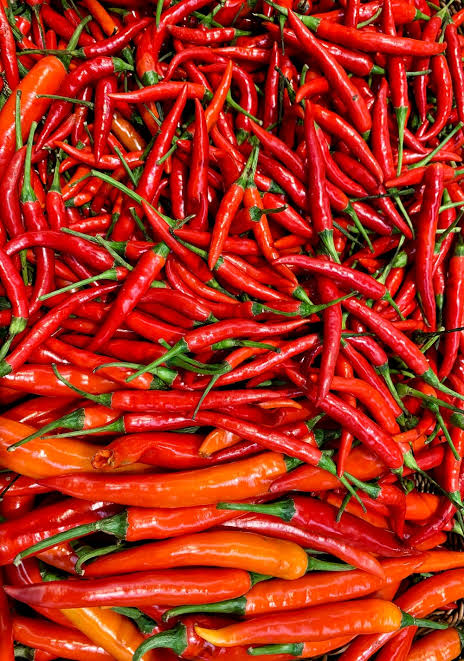
Pepper has long been farmed and used in Eritrea and other parts of Africa, and it is an integral element of the Eritrean culinary tradition. Eritrean pepper germplasm was discovered to be quite diverse, allowing it to be used for a variety of reasons. Pepper is well-known for its nutritional worth, health advantages, and therapeutic characteristics all over the world. It is high in vitamins and minerals, as well as has antibacterial and cancer-fighting qualities. Many illnesses, including cancer, rheumatism, stiff joints, bronchitis and chest colds with cough and headache, arthritis, cardiac arrhythmias, and many more, can be prevented and treated with chili pepper.
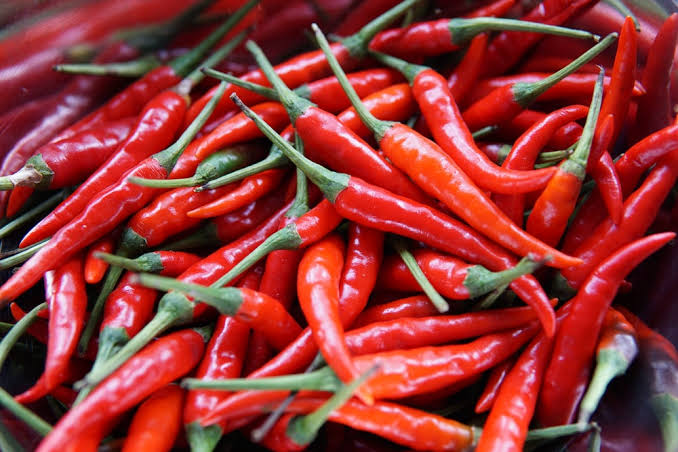
Even though Eritrea’s traditional medicine includes medicinal herbs, there is no indication that pepper was employed as a therapeutic plant. The goal of this review was to draw attention to the medicinal uses and health benefits of this well-known and widely consumed plant to encourage research into issues such as safety, efficacy, quality, and development, as well as to avoid potential risks, particularly those related to aflatoxin contamination.
Pepper’s Anti-Cancer & Anti-Inflamatory Benefits
Chili pepper possesses anti-cancer and anti-inflammatory characteristics, as well as anti-inflammatory and anti-inflammatory properties for rheumatism, stiff joints, bronchitis and chest colds with cough and headache, arthritis, cardiac arrhythmias, and stomachic properties. Standard capsaicin, pharmaceutically produced gels, lotions, and plasters, essential oils extracted from pods, a powder made by smashing pods, and extracts made by soaking pods in water or ethanol are all options for treating diseases using chili. Capsaicin’s ability to alleviate pains and aches is attributed to its ability to deplete neurons of their supply of subsistence P, a neuropeptide responsible for conveying pain signals to the brain, blocking pain transmission.
Antimicrobial properties of pepper are beneficial to human health. Experiment outcomes, on the other hand, were inconsistent. The antibacterial properties of pepper were investigated and it was discovered that ethanol extracted pepper was more efficient than aqueous extracted pepper, but that both were inferior to conventional capsaicin. Also, when crude pepper extracts were evaluated, it was found that capsaicin was less inhibitory than other pepper components. The disparity in the results could have been caused by a variety of factors, including inconsistencies across investigated plant materials.
Antioxidants in chili diets protect against a variety of ailments, including cancer, diabetes, cardiovascular disease, and anemia. Vitamins E, C, and -carotene, as well as carotenoids and xanthophylls, are significant antioxidants, and peppers are high in them. Antioxidant levels and reactions vary with variety, development stage, and environmental circumstances in paper.
Extracts from hot peppers are greater in vitamin E and -carotene, whereas extracts from sweet types are higher in antioxidant content and phenolic compounds. It was also found that fruits of the same variety or cultivar responded similarly to temperature changes in antioxidant activity. Pepper fruits in the ripe red stage, on the other hand, had stronger antioxidant activity than those at the green mature stage.
Neogric is a trusted global order fulfillment and sourcing solution company with deep expertise in the Agric industry. Our end-to-end supply chain solution makes the export of quality agric products easy, quick, and safe. Whichever region of the world you are in, be it Europe, Asia, USA, Canada, Other North/Central American countries, Africa, South America,or Oceania, you can reliably order your agric products and we will ensure it is successfully delivered to you.
Place Your Chili Pepper Order
Click the button below and tell us about your Chili Pepper needs. We will be glad to help you export Chili Pepper based on mutually agreed terms.
Agric Market Articles & Insights
- Crayfish: Uses, Health Benefits, Price Per Ton & How To Safely Source
- Catfish Cutlet: Uses, Health Benefits, Price Per Ton & How To Safely Source
- Dried Catfish: Uses, Health Benefits, Price Per Ton & How To Safely Source
- Yam Tuber: Uses, Health Benefits, Price Per Ton & How To Safely Source
- Kola Nut: Uses, Health Benefits, Price Per Ton & How To Safely Source
- Almond: Uses, Health Benefits, Price Per Ton & How To Safely Source
- Cashew Kernel Small Piece: Uses, Health Benefits, Price Per Ton & How To Safely Source
- Cashew Kernel Large Piece: Uses, Health Benefits, Price Per Ton & How To Safely Source
- Cashew Kernel Butt: Uses, Health Benefits, Price Per Ton & How To Safely Source
- Cashew Kernel Split: Uses, Health Benefits, Price Per Ton & How To Safely Source
- Flax Seed: Uses, Health Benefits, Price Per Ton & How To Safely Source
- Dried Lemon Slice: Uses, Health Benefits, Price Per Ton & How To Safely Source
- Black Lime: Uses, Health Benefits, Price Per Ton & How To Safely Source
- Cameroun Pepper: Uses, Health Benefits, Price Per Ton & How To Safely Source
- Suya Spice: Uses, Health Benefits, Price Per Ton & How To Safely Source
- Pepper Soup Spice: Uses, Health Benefits, Price Per Ton & How To Safely Source
- Banga Spice: Uses, Health Benefits, Price Per Ton & How To Safely Source
- Dill Seed: Uses, Health Benefits, Price Per Ton & How To Safely Source
- Fenugreek: Uses, Health Benefits, Price Per Ton & How To Safely Source
- Anise: Uses, Health Benefits, Price Per Ton & How To Safely Source