

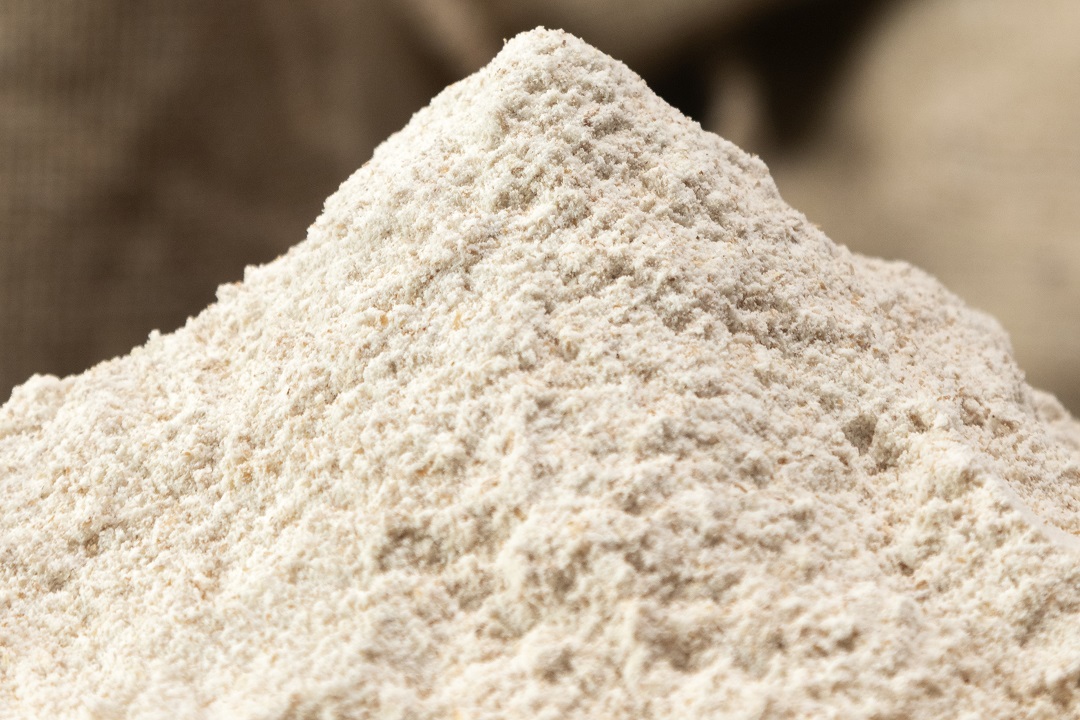
Yam Flour is one of the most commercially important processed food commodities in West African food trade, and it continues to attract strong interest from importers, wholesalers, ethnic food distributors, foodservice operators, private-label brands, and bulk ingredient buyers across international markets. For many buyers, it is not simply another flour category. It is a culturally important staple ingredient with established household demand, diaspora retail relevance, and growing potential in convenience food and packaged food channels.
In practical trade terms, Yam Flour matters because it converts a bulky, highly perishable tuber into a lighter, shelf-stable, easier-to-store, easier-to-ship processed product. That value conversion is commercially important. Fresh yam can be difficult to ship over long distances without quality loss, but Yam Flour gives buyers access to the same broad food tradition in a format that is easier to distribute internationally. This is one of the main reasons it has become such a relevant commodity in export-oriented food trade.
For international buyers, one of the first things to understand is that not every product sold as Yam Flour is the same. Two suppliers may both offer “Yam Flour,” but the final product may differ significantly in yam variety, drying method, colour, odour, particle size, reconstitution quality, moisture level, taste profile, purity, and packaging standard. Those differences affect not only consumer acceptance, but also resale potential, shelf life, and repeat-order confidence. Serious buyers therefore do not purchase Yam Flour only by name. They purchase it by specification, intended use, and supplier reliability.
In Nigeria and across several West African markets, Yam Flour also carries strong local market identity beyond the export label. It may be referred to as yam flour, elubo, amala flour, or dried yam flour depending on the specific region, consumer preference, and use pattern. In practical trade conversations, some buyers are specifically asking for flour intended for amala, while others want a broader yam flour grade suitable for multiple food uses. This distinction matters because the product style, colour, and processing expectation may not be exactly the same across all market segments.
Commercial demand for Yam Flour is supported by more than tradition alone. It also benefits from convenience. Consumers who would otherwise peel, slice, dry, and process yam manually can instead buy a ready-to-use flour. Restaurants and foodservice operators value it because it reduces prep time and improves consistency. Importers value it because it serves diaspora demand with less logistical complexity than fresh tubers. Retailers value it because it has stronger shelf appeal and easier inventory management than many fresh produce items.
At the same time, the commodity is not risk-free. Poorly processed Yam Flour may be too dark, too smoky, too coarse, too damp, stale, adulterated, or badly packed. Weakly stored flour can cake, absorb odours, or deteriorate during transit. A supplier that uses poor-quality yam or poor hygiene can create product that looks acceptable in a simple image but performs badly in actual consumer use. This is why sourcing discipline is essential. In this category, commercial success depends heavily on process transparency and storage control.
Another reason Yam Flour remains attractive is that it sits between a staple food tradition and modern packaged food demand. It is deeply familiar to traditional consumers, yet it is also well suited to supermarket packaging, foodservice supply, e-commerce sales, and diaspora grocery distribution. That combination makes it one of the more practical processed staple foods for export-oriented African food trade.
In this guide, we will look at the trade overview of Yam Flour, what it is, how it is made and processed, what it is used for, the health-related value that keeps demand strong, its side effects and handling concerns, the leading producing and importing markets, how to source it safely, where to find dependable exporters, what realistic international price ranges look like in 2025 to 2026, how payment is typically handled, what shipping terms are common, what a practical trade specification looks like, and which shipping documents buyers should expect before the cargo leaves origin.
Trade Overview of Yam Flour
From a trade perspective, Yam Flour is a processed staple food made by converting yam tubers into dried and milled flour. Its main commercial advantage is that it allows yam to travel much farther and last much longer than fresh tubers usually can. Instead of exporting a bulky fresh root that may face shelf-life and handling limitations, processors can export a dry flour that is easier to package, store, containerize, and distribute through wholesale and retail channels.
The product is strongly tied to West African food culture, especially in Nigeria, where it is widely used to prepare amala and related dishes. This gives it a built-in consumer market rather than a speculative one. Across diaspora communities in Europe, North America, and other parts of Africa, Yam Flour is often purchased not just as an ingredient, but as a staple identity product. That stable cultural demand is one of the reasons the commodity continues to retain strong commercial relevance.
In trade terms, the product can move in several forms. It may be sold as plain Yam Flour in bulk sacks for repacking. It may be sold as consumer-ready retail packs in branded pouches. It may also be positioned as premium traditional flour, standard wholesale flour, or foodservice-grade flour depending on the buyer segment. Each version has different packaging, labelling, and shelf-life expectations.
The most important commercial variables in this market are yam type, drying quality, colour, taste, odour, particle size, moisture control, and pack-out quality. Some buyers want a darker traditional-style flour for amala. Others want a cleaner, lighter, more neutral product for broader packaged-food use. A good exporter therefore usually does not begin with price alone. They begin by asking the buyer which market the flour is meant to serve.
| Trade Item | Details |
|---|---|
| Product Name | Yam Flour |
| Botanical Reference | Typically derived from yam tubers in the Dioscorea genus, depending on local variety and processing use |
| Common Names | Yam Flour, Dried Yam Flour, Elubo, Amala Flour |
| Nigerian / Common Market Reference | Yam Flour, Elubo, Amala Flour, Dried Yam Powder |
| Typical Forms | Fine flour, medium flour, traditional dark amala flour, bulk sacks, branded retail packs |
| Primary Uses | Amala, thick paste meals, household cooking, retail grocery supply, foodservice, packaged staple foods, ingredient distribution |
| Key Buying Factors | Colour, odour, particle size, moisture, purity, shelf stability, packaging, flavour authenticity |
| Typical Packaging | 1 kg, 2 kg, 5 kg, 10 kg, 25 kg bags, laminated pouches, food-grade sacks by agreement |
| Main Trade Concern Areas | Excess moisture, caking, stale stock, off-odour, contamination, poor drying, weak packaging, adulteration |
| Main Buyer Segments | Ethnic food importers, wholesalers, retailers, restaurants, foodservice suppliers, private-label brands, diaspora grocery distributors |
Request a Quote or Speak With Our Team About Yam Flour
Ready to source Yam Flour with confidence? Submit your RFQ for detailed specifications and formal quotations, or chat on WhatsApp for fast responses and quick clarification.
What Is Yam Flour?
Yam Flour is a dry flour produced from yam tubers that have been peeled or otherwise prepared, sliced, dried, and milled into powder form. It is widely used as a staple food ingredient, especially in West African cuisine, where it is commonly reconstituted into a thick meal accompaniment such as amala. The exact flour characteristics depend on the yam variety used, the drying method, the degree of fermentation where applicable, and the style of milling applied.
Commercially, Yam Flour exists because it solves a major food-chain problem. Fresh yam is valuable, but it is heavy, bulky, and more difficult to handle over long trade distances. By converting yam into flour, processors create a product with longer shelf life, easier storage, and greater suitability for export and retail packaging. This makes the flour format a practical bridge between local food tradition and international food trade.
In some markets, Yam Flour is expected to have a specific traditional character, especially when it is intended for amala preparation. That may include a darker tone, a familiar aroma, and a certain reconstitution behaviour when mixed in hot water. In other markets, especially retail packaging or broader flour distribution, buyers may prefer a cleaner, lighter, more uniform flour. This is why the product name alone is not always enough. Buyers usually need to confirm the style and intended culinary performance.
The product may be pure Yam Flour or, in weaker markets, may sometimes be mixed or adulterated with other starches. This is one reason specification and supplier trust matter so much. A serious buyer should know whether they are purchasing pure dried yam flour or a looser commodity that only resembles the intended product in appearance.
In simple terms, Yam Flour is processed yam in powdered form. But in practical trade terms, it is a shelf-stable staple food product whose commercial value depends heavily on how it was made, how pure it is, and how well it matches the expectations of the final market.
How Yam Flour Is Made / Processed
The way Yam Flour is processed affects colour, taste, aroma, reconstitution quality, shelf life, and market acceptance. Buyers who want dependable supply should understand the process route and not treat it as a secondary detail. In this category, the process shapes the identity of the product.
1. Selection of yam tubers
The process begins with fresh yam tubers. Good flour starts with good yam. If the tubers are rotten, bruised, immature, fibrous, or over-aged, the flour quality will suffer. Export-oriented processors therefore begin by selecting sound tubers with acceptable maturity and low visible damage.
2. Washing and surface cleaning
Fresh yam usually arrives with soil and field debris. It is therefore washed and cleaned before further handling. This first cleaning stage is important because poor raw-material hygiene can introduce contamination that becomes harder to manage later after slicing and drying.
3. Peeling and trimming
The yam is then peeled and trimmed to remove the outer skin and any damaged parts. This stage affects final colour and taste. If peeling is poor, dark skin residues may affect the appearance of the finished flour. If trimming is careless, damaged sections may carry through undesirable flavour or discolouration into the lot.
4. Slicing or chipping
Once peeled, the yam is cut into chips, slices, or small pieces suitable for drying. Slice thickness matters because it influences how evenly the product dries. Thick pieces may dry too slowly and increase spoilage risk, while uneven sizes can create inconsistent drying and inconsistent milling behaviour later.
5. Soaking or controlled fermentation where applicable
Depending on the traditional style of the flour and the target market, the yam pieces may undergo a controlled soaking or fermentation-related step before drying. This can influence flavour, aroma, and the final character of the flour, especially in products intended for amala-style consumer use. Buyers should therefore ask whether the product is made in a more traditional style or a more straightforward dried-flour style.
6. Drying
Drying is one of the most critical steps in the entire process. The yam pieces are dried to reduce moisture and prepare them for storage and milling. This may be done by sun drying, mechanical drying, or a combination depending on processor capability. If drying is incomplete or poorly controlled, the final flour may cake, spoil, or carry weak shelf stability. If drying is too harsh or smoky, flavour and appearance may suffer.
7. Sorting of dried chips
After drying, the chips are often sorted to remove burnt, mouldy, over-dark, or contaminated pieces. Better processors take this step seriously because once the chips enter the mill, the defects become part of the flour. Sorting helps improve consistency and final market appeal.
8. Milling into flour
The dried yam chips are then milled into flour. The milling stage determines particle size, smoothness, and how the product behaves when reconstituted. Fine flour may be preferred in many retail markets, while some traditional users may tolerate or even prefer a slightly different texture profile depending on the end use. Clean food-grade milling equipment is essential because contamination introduced here can affect the whole batch.
9. Sieving and texture control
After milling, the flour is often sieved to achieve the desired fineness. Better processors apply consistent particle-size control so the product behaves similarly from batch to batch. This matters to buyers who want predictable cooking behaviour and better consumer confidence.
10. Packing and storage
The flour is then packed into food-grade bags or retail pouches and stored in a dry, clean environment before shipment. Proper storage is critical because flour absorbs moisture and odours easily. A well-milled product can still lose commercial value if it is stored badly before loading.
What Is Yam Flour Used For?
Yam Flour has strong commercial relevance because it serves familiar staple-food use while also fitting modern distribution and packaging systems. The exact use varies by region and buyer segment, but the product remains anchored in practical food demand rather than abstract novelty.
Traditional amala preparation
The best-known use of Yam Flour is for preparing amala and related thick meal staples. This is the core demand driver in many Nigerian and West African markets, and it remains highly important for diaspora food trade abroad. Buyers serving this market usually care deeply about taste familiarity, colour, and reconstitution performance.
Household convenience cooking
Many households prefer Yam Flour because it provides the cultural and practical value of yam-based meals without the time and labour involved in processing yam manually. This convenience advantage helps support strong repeat retail demand, especially in urban and export markets.
Restaurant and foodservice supply
Restaurants, caterers, and foodservice operators buy Yam Flour because it simplifies meal preparation and improves consistency. For this segment, pack size, reliable texture, and clean flavour matter as much as price. Buyers in foodservice often prefer bulk packs that reduce repacking and handling time.
Ethnic retail distribution
Importers and wholesalers supply Yam Flour into African grocery stores, diaspora supermarkets, and ethnic retail channels. In this segment, branded packaging, shelf appeal, and dependable stock availability are particularly important because the consumer is often buying on familiarity and trust.
Private-label food packaging
Private-label brands may source bulk Yam Flour for repacking into branded consumer packs. This creates commercial opportunity for exporters who can supply consistent bulk product with good shelf life and clean documentation. Buyers in this segment usually focus strongly on pack-out standards and retail presentation.
Specialty staple-food kits and prepared food systems
Some food businesses also use Yam Flour in prepared staple-food kits or convenience food systems aimed at diaspora consumers or international specialty-food buyers. In these applications, consistency and product authenticity remain very important because the product is tied closely to cultural expectations.
Ingredient supply for institutional buyers
Distributors, contract caterers, and larger food operators may buy Yam Flour as a staple ingredient for meal production. Here, the product functions less as a retail grocery item and more as a dependable dry staple input. Buyers in this segment often focus on cost efficiency, bag size, and repeated supply reliability.
Health Benefits of Yam Flour
When discussing health benefits in a buyer-focused Yam Flour article, it is important to stay practical and commercially grounded. Yam Flour is not promoted primarily as a miracle health ingredient. It is valued because it brings the food usefulness of yam into a stable, convenient, dry format while still retaining the familiar role of yam as a staple food source.
1. It provides staple-energy value in a convenient format
One of the main reasons Yam Flour remains commercially relevant is that it provides the food-energy value associated with yam in a format that is easier to store, handle, and prepare. This makes it attractive to both traditional consumers and modern retail buyers.
2. It helps preserve access to yam-based meals year-round
Another practical benefit is continuity of food access. Fresh yam may be seasonal, harder to transport, or less convenient in some markets, but Yam Flour allows consumers to maintain yam-based meal traditions more easily. This contributes to its strong staple-food appeal.
3. It supports portion control and easy meal preparation
Because the product is already milled and dry, it is easier to measure and prepare with consistency. That practical convenience can support meal planning for households, caterers, and foodservice operators who want predictable cooking performance from batch to batch.
4. It retains familiarity for culturally important diets
One important commercial and practical benefit is cultural food continuity. Consumers who prefer yam-based staple meals often value Yam Flour because it keeps a familiar dietary pattern accessible even when fresh yam is less practical to use. For diaspora markets, this benefit is especially strong.
5. It can fit shelf-stable pantry food systems
Unlike fresh yam, Yam Flour fits better into dry pantry systems and retail inventory management. That means consumers can keep it available for longer periods under proper storage conditions. In practical food-use terms, this is a strong advantage.
6. It supports staple-food trade with lower perishability risk
Another major benefit is trade efficiency. By reducing perishability compared with fresh tubers, Yam Flour helps preserve food value through transport and storage. That is beneficial not only for traders and retailers, but also for end users who gain more reliable access to the product.
Side Effects of Yam Flour
Every serious buyer should also understand the side effects, limitations, and handling concerns associated with Yam Flour. Some relate to product use, others to storage and sourcing risk. All of them matter because they affect customer satisfaction, resale value, and shipment performance.
1. Moisture exposure can ruin shelf stability
One of the biggest risks in Yam Flour trade is moisture. If the product is not dried properly or is exposed to humidity after packing, it may cake, clump, spoil, or develop off-notes. This is one of the most common reasons flour shipments become commercially weak.
2. Poor processing can produce smoky or stale odour
If the flour is dried over smoky heat or stored too long in weak conditions, it may develop strong off-odours that some consumers reject. In traditional products, a certain characteristic aroma may be acceptable, but uncontrolled smoke or stale smell is usually a commercial problem.
3. Colour inconsistency affects market acceptance
Many buyers underestimate the importance of colour in Yam Flour. Some consumers expect a particular traditional tone, while others prefer cleaner-looking flour. If the product does not match market expectation, even technically edible flour may sell slowly or attract complaints.
4. Coarse or inconsistent milling affects cooking performance
A poorly milled flour may produce lumps, rough texture, or inconsistent paste quality during preparation. This is especially important for retail markets where the consumer judges the product directly in the kitchen. Milling quality therefore matters greatly.
5. Adulteration risk in weak supply chains
In low-discipline supply chains, Yam Flour may be mixed with cheaper starches or lower-quality material. This can damage taste, texture, and cooking performance. Buyers sourcing without proper testing or supplier screening may discover too late that the product is not as pure as claimed.
6. Shorter freshness confidence than intact dried chips
As a flour, the product has more exposed surface area than intact dried yam chips, so freshness management becomes more important. Old stock may still look acceptable in the bag but may lose desirable flavour and performance over time. Buyers should therefore pay attention to production or packing date and storage history.
7. Contamination risk from poor hygiene
If the flour is produced in weak sanitary conditions, contamination can occur during slicing, drying, milling, or packing. Since the product is already a ready-to-cook flour, poor hygiene at origin becomes a serious commercial and food-safety concern.
8. Packaging weakness increases transit losses
Weak pouches, low-grade bags, poor sealing, or badly stitched sacks can expose the flour to moisture and contamination during transit. This turns packaging into a critical part of product quality rather than a simple logistics detail.
Top Producing & Exporting Countries of Yam Flour
Yam Flour availability is closely linked to yam production and local food-processing capability. Countries that grow substantial volumes of yam and have market demand for dried yam products are the most relevant sources. Export strength depends on whether processors can meet food-grade export expectations consistently.
1. Nigeria
Nigeria is by far one of the most important reference markets for Yam Flour because of its deep yam culture, large-scale yam production, and strong consumer familiarity with amala and related foods. For buyers targeting West African and diaspora staple-food markets, Nigeria remains a highly relevant origin.
2. Ghana
Ghana is another important yam-producing country in West Africa and is commercially relevant in the wider yam trade. Where processing systems are in place, it can also be relevant for flour and dried-yam products.
3. Benin
Benin participates in the wider regional yam economy and may be commercially relevant depending on the supply chain and buyer destination. As with other origins, the key question is not only production volume, but export-grade processing capability.
4. Togo
Togo is part of the regional yam belt and contributes to the wider yam trade landscape. Buyers looking at West African sourcing alternatives may consider suppliers from the broader belt depending on volume and quality requirements.
5. Côte d’Ivoire
Côte d’Ivoire is another yam-producing country that can matter in regional agricultural trade. Its role in Yam Flour specifically depends on local value-addition activity and export organization.
6. Cameroon
Cameroon also has relevance in the wider yam economy. Where local processing exists, it may contribute to dried-yam and yam-flour trade flows in regional markets.
7. Other West African processing origins
Beyond the leading reference points, other origins in the West African yam belt may also produce flour for local or export use. In practical trade terms, buyers usually compare these sources on process discipline, packing quality, and consistency rather than geography alone.
Top Importing Countries of Yam Flour
Import demand for Yam Flour is driven mostly by diaspora consumption, ethnic retail, foodservice demand, and specialty grocery trade. The strongest importing markets are usually those with visible African communities or specialty-food distribution channels.
1. United Kingdom
The United Kingdom is one of the most important importing markets because of its large West African diaspora population and strong ethnic grocery infrastructure. Yam Flour is widely relevant there as a staple cultural food item.
2. United States
The United States is commercially important because of its growing African and international diaspora food markets, as well as its large specialty-food distribution sector. Buyers there often focus strongly on packaging, labelling, and consistency.
3. Canada
Canada is another relevant market for diaspora food staples, especially in urban centres with multicultural grocery channels. Buyers in this market usually value reliable pack format and shelf stability.
4. Germany
Germany is important as both a consumer market and a distribution point in Europe. Importers serving ethnic food channels there often look for dependable dry staple products with good compliance handling.
5. Netherlands
The Netherlands often functions as a trade and logistics gateway for food products entering broader European distribution. Even where the end consumer is elsewhere, Dutch entry and warehousing routes can matter significantly.
6. France
France is relevant because of its food import infrastructure and the presence of consumer communities with interest in African staple foods. Retail-ready packs are especially important in this market.
7. Other diaspora-led food markets
Additional importing markets across Europe, the Middle East, and parts of Africa may also be commercially attractive where diaspora demand and ethnic grocery networks are strong enough to support repeated staple-food imports.
How To Safely Source for Your Yam Flour Produce
Safe sourcing is the most important part of buying Yam Flour successfully. The product may look simple, but commercial failure happens quickly when buyers ignore purity, moisture, shelf life, and packaging. Since Yam Flour is already a ready-to-use processed food, problems cannot always be fixed easily after arrival.
The first rule is to define the intended market before requesting quotations. Are you buying for diaspora retail, foodservice, bulk repacking, or ingredient distribution? A retail-ready flour for diaspora supermarkets may require different colour, pack design, and particle size from a bulk sack intended for restaurant supply. Without this clarity, a supplier may send a product that is technically acceptable but commercially wrong.
The second rule is to define the product style. Some buyers want traditional amala-style flour with a familiar darker appearance and authentic local character. Others want a cleaner, more uniform flour for broader supermarket positioning. Buyers should not assume the supplier knows which type is needed unless it is stated clearly.
The third rule is to buy on full specification rather than on photos alone. The purchase request should state expected moisture, colour profile, particle size, purity, packaging format, and shelf-life target. If purity is important, say so explicitly. If no additives or blending are acceptable, state that in writing.
The fourth rule is to verify the raw-material and process chain. Ask what yam type is used, how the pieces are dried, whether any fermentation or soaking step is involved, how the flour is milled, and what storage conditions exist before packing. These are not unnecessary technical details. They explain the identity of the final product.
The fifth rule is to request a lot-specific certificate of analysis or at least basic current quality data tied to the actual lot offered. Depending on the market, this may include moisture, appearance, and where required, microbiological information or additive declarations. Generic old test results are weak support for a real food transaction.
The sixth rule is to ask for representative samples before full commitment. A sample reveals colour, odour, flour texture, fineness, and basic reconstitution potential. It can also help the buyer detect smoke taint, stale notes, or unusual coarseness before a full shipment is packed.
The seventh rule is to inspect packaging carefully. Food-grade laminated pouches, lined sacks, or sealed retail packs should be strong enough for transit and storage. Weak bags or poor seals create avoidable moisture and contamination risk. In Yam Flour trade, good packaging is not a luxury. It is part of product quality.
The eighth rule is to review storage conditions before loading. Flour should be stored in a dry, clean, pest-controlled environment away from fuel, chemicals, direct heat, and strong odours. A good lot can lose value quickly if stored carelessly before container stuffing.
The ninth rule is to agree on inspection and claims procedures before shipment. What happens if the flour arrives caked, wet, off-odour, or materially off specification? Is there a sample retention process, a claim window, or an independent inspection clause? Strong contracts solve many problems before they begin.
The tenth rule is to compare offers on landed usability, not only on FOB price. A cheap flour with poor colour, weak bagging, or stale stock may end up costing more after rejection, discounting, or slow retail movement. In processed food trade, the cheapest quote is very often not the best buy.
The eleventh rule is to start with a manageable trial order where the supplier relationship is new. Trial shipments allow the buyer to assess communication, product consistency, pack-out, labelling, documentation, and actual market acceptance before scaling up.
The twelfth rule is to keep records from every shipment. Save the product sample, COA, invoice, photos, batch references, and arrival inspection notes. A good procurement record strengthens future buying decisions and gives the buyer evidence if any claim later becomes necessary.
The thirteenth rule is to pay attention to real freshness. Ask when the flour was milled and packed, not just what the theoretical shelf life is. This is especially important for flours intended for retail sale, where end consumers will judge the product directly by smell, texture, and cooking outcome.
Where To Find Reliable Exporters for Yam Flour
Reliable Yam Flour exporters are usually found where access to good yam raw material, traditional processing knowledge, hygienic milling, and export-ready packaging come together. Buyers should focus less on polished online sales talk and more on whether the exporter can explain the supply chain clearly and support repeatable quality.
One useful route is to work with processors or exporters that are directly connected to yam-producing regions and have real experience with dried-yam processing. These suppliers are usually better placed to maintain product identity than traders who simply buy packed flour from wherever it is available in the market.
Trade fairs, commodity networks, diaspora grocery referrals, food-distribution contacts, and direct B2B sourcing can all help identify suppliers. But discovery alone is not enough. Buyers should still ask for recent shipment references, process descriptions, packaging photos, sample COAs, and evidence of the markets the supplier currently serves.
Transparency is especially important in this trade. A good exporter will explain the flour style, drying method, packaging standard, and realistic shelf-life conditions clearly. A weak exporter may simply promise “good quality yam flour” without any practical detail. That is usually a warning sign.
Another useful signal is responsiveness once technical questions begin. When the buyer asks about moisture, sample dates, particle size, odour profile, retail packing, or export labelling, serious exporters remain clear and engaged. That is often where real supply competence becomes visible.
For buyers that want lower sourcing risk, working with a structured sourcing partner can also be valuable. A good sourcing partner helps match the correct flour style to the intended market, improves communication with processors, supports quality review, and reduces the risk of buying a cargo that is technically shipped but commercially unusable.
International Price of Yam Flour Per Metric Ton
The international price of Yam Flour depends on raw yam cost, drying and milling method, flour style, moisture control, packaging, order size, branding level, and destination-market expectations. It is not a single globally standardised commodity, so buyers should expect a working price range rather than one universal benchmark.
As a practical commercial range for 2025 into early 2026, standard food-grade Yam Flour commonly trades around US$900 to US$1,700 per metric ton for bulk conventional lots, depending on origin, pack type, and quality profile. Lower-priced lots tend to reflect simpler bulk packing, less refined processing, or lower-margin wholesale applications. Higher-priced lots often reflect stronger drying control, finer milling, better packaging, branded retail preparation, smaller premium batches, or more demanding destination requirements.
For buyers sourcing from Nigeria and nearby West African origins, actual quotes will usually depend on whether the flour is intended for traditional amala-focused markets, consumer-ready branded retail sale, or bulk foodservice use. Retail-ready and export-labelled packs often cost more per ton because packaging and handling add significant value beyond the flour itself.
It is also important to compare prices on a landed and usable basis. A cheaper lot that arrives caked, stale, badly labelled, or inconsistent in texture can easily become the more expensive option. In this product category, quality assurance and storage discipline are part of the price, not separate from it.
Request a Quote or Speak With Our Team About Yam Flour
Ready to source Yam Flour with confidence? Submit your RFQ for detailed specifications and formal quotations, or chat on WhatsApp for fast responses and quick clarification.
How To Pay For Your Yam Flour Produce
Payment structure in Yam Flour trade should reflect the order size, relationship strength, packaging format, and food-grade nature of the shipment. Since the commodity is already a processed food product, both buyers and sellers benefit from clear payment stages and strong documentary alignment.
Advance payment for small or trial orders
For small trial shipments or customised pack runs, suppliers may request full advance payment or a strong deposit before production and packing. This is common where the exporter is producing specifically against the buyer’s order rather than only shipping from open stock.
Deposit and balance against shipping documents
A common commercial structure is deposit before processing or loading, followed by balance payment against scanned shipment documents. This can work well when both parties want a practical middle ground between full advance and more complex bank-based trade structures.
Letter of credit for larger structured transactions
For larger shipments or first-time deals where both buyer and seller want stronger formal control, a letter of credit may be suitable. This is particularly relevant when the buyer operates under stricter procurement rules or requires strong documentary assurance.
Quality-linked payment awareness
Even where the payment method is simple, buyers should remember that Yam Flour is sold on product quality, pack quality, and food-use suitability. Payment should therefore be aligned with clearly written specifications, not just a general product name.
Currency and compliance checks
Most international shipments are handled in US dollars, although regional trade may vary. Buyers should verify beneficiary account details carefully, confirm the legal contracting entity, and complete compliance checks before transfer. Administrative payment errors can disrupt food shipments more than many buyers expect.
Shipping & Delivery Terms
Shipping terms for Yam Flour should be selected with full awareness that flour is moisture-sensitive, odour-sensitive, and packaging-dependent. The right delivery term depends on the buyer’s logistics capacity and the nature of the destination route.
FOB arrangements
FOB is common where the buyer already controls freight and wants more visibility over vessel booking and shipping cost. Under this structure, the exporter handles inland delivery and loading, while the buyer manages marine freight and destination handling.
CIF arrangements
CIF can suit buyers who want the exporter to arrange freight and basic marine insurance to the destination port. It can simplify the purchase structure, but buyers should still check packing and container readiness carefully.
Container cleanliness and dryness
Container condition is especially important for Yam Flour. The container should be clean, dry, odour-free, and checked for leaks or prior contamination. Because flour absorbs moisture and odours easily, poor container conditions can damage a good cargo quickly.
Bagged or retail-packed cargo handling
Depending on the order, Yam Flour may move in retail packs packed into cartons, or in bulk food-grade sacks. The loading pattern should protect the packaging from crushing, tearing, or moisture contact. Some routes may also justify the use of liners or desiccants.
Transit-time planning
Longer voyages increase exposure to humidity and storage stress, so origin moisture and packing quality matter greatly. Buyers should think about route length, seasonal conditions, and port delays before finalizing shipment terms.
Destination warehouse readiness
Importers should prepare a clean, dry, odour-free warehouse before the cargo arrives. Good origin handling can still be undermined by weak destination storage, especially when the product is held for repacking or distribution.
Our Typical Trade Specifications For Yam Flour
Exact product specifications vary by buyer and market, but the table below reflects a practical export template for commercial discussion. Final values should always be confirmed in the sales contract and linked to the agreed inspection standard.
| Specification Item | Typical Export Range / Requirement |
|---|---|
| Product | Yam Flour |
| Raw Material | Food-grade yam tubers from agreed variety |
| Origin | Nigeria or agreed West African origin |
| Form | Fine flour or medium flour as agreed |
| Colour | Typical light brown to darker traditional profile depending on style |
| Odour | Characteristic, fresh, free from musty or offensive smell |
| Taste Profile | Typical yam flour taste suitable for agreed use |
| Moisture | Usually around 10% max or buyer-defined export-safe limit |
| Foreign Matter | Minimal, buyer-defined tolerance |
| Particle Size | By agreed mesh or fineness standard |
| Purity | Pure yam flour unless blending is explicitly agreed |
| Microbiological Status | As required by buyer and destination food regulations |
| Infestation | Free from live infestation |
| Packing | 1 kg to 25 kg food-grade packs or bulk sacks as agreed |
| Labelling | Product name, net weight, origin, batch number, production or packing date where required |
| Shelf Condition | Fresh, dry, clean, export-worthy, fit for food shipment |
Expected Shipping Documents
Document quality is a major part of shipment quality in Yam Flour trade. Even when the flour itself is acceptable, weak paperwork can delay customs clearance, affect payment, or create avoidable compliance issues at destination. Buyers should agree on the required document set before packing is finalised.
Commercial invoice
The commercial invoice should state the seller, buyer, product description, quantity, unit price, total value, and agreed delivery term. The product description should clearly identify whether the cargo is Yam Flour, Amala Flour, or another specifically described retail or bulk grade.
Packing list
The packing list should show the number of bags, pouches, cartons, net weight, gross weight where relevant, and the packaging format used. This supports customs handling and warehouse reconciliation.
Bill of lading
The bill of lading confirms loading and carriage details. Buyers should review consignee data, notify party details, product references, and shipment marks carefully before document release.
Certificate of origin
This document confirms the origin country of the product. It may be required for customs treatment, trade preference, internal buyer policy, or traceability purposes.
Certificate of analysis
For food-grade flour, the certificate of analysis is especially important. It should be tied to the actual lot shipped and should reflect the key parameters agreed in the contract, particularly moisture and any food-safety or quality data required by the buyer.
Inspection certificate
Where a third-party inspection company is used, an inspection certificate may confirm quantity, condition, packing, or other agreed shipment parameters. This can reduce disputes if the scope of inspection was clearly defined before loading.
Phytosanitary or food-related compliance documentation where applicable
Depending on destination requirements and product classification, some food or agricultural compliance documents may be requested. These should be confirmed before shipment instead of handled reactively after the cargo is already moving.
Insurance certificate
If the cargo is sold under CIF or another insured arrangement, the insurance certificate should be issued according to contract terms and shared with the buyer in time. Buyers should confirm the scope of cover rather than assume all policies are identical.
Request a Quote or Speak With Our Team About Yam Flour
Ready to source Yam Flour with confidence? Submit your RFQ for detailed specifications and formal quotations, or chat on WhatsApp for fast responses and quick clarification.