

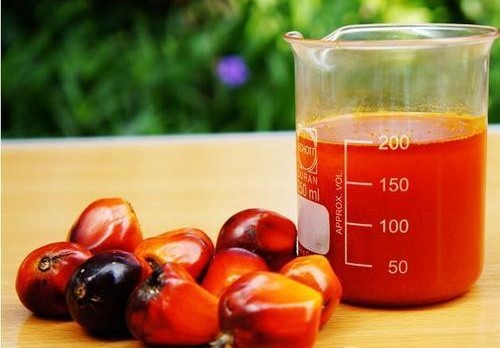
Red Palm Oil is one of the most commercially important agricultural oils in African and global commodity trade. It is a familiar product in household cooking across West and Central Africa, but it is also a serious industrial raw material used by food processors, refiners, wholesalers, personal care manufacturers, and bulk commodity buyers in many parts of the world. In Nigerian trade language, it is commonly called red palm oil or simply palm oil, but in international commerce, the exact description matters because buyers may be referring to crude palm oil, refined palm oil, food-grade palm oil, technical palm oil, or specialty fractions intended for different industrial uses.
Botanically, Red Palm Oil is derived from the oil palm tree, Elaeis guineensis. The oil is extracted from the fleshy mesocarp of the fruit, which is why it differs from palm kernel oil that comes from the seed or kernel inside the fruit. This distinction is extremely important in trade. Many inexperienced buyers use the words interchangeably, but they are different products with different composition, colour, use cases, and pricing patterns. For a buyer placing an international order, a mistake at this stage can lead to a wrong shipment, wrong documentation, and serious downstream commercial losses.
In Nigeria and many producing countries, Red Palm Oil is known for its deep reddish-orange colour, thick texture, and distinctive flavour profile. In local food systems, it is widely used in soups, sauces, stews, and traditional dishes. In industrial trade, however, the product is valued not only for colour and flavour but also for oil yield, fatty acid profile, refining potential, functionality in food manufacturing, and suitability for soaps, cosmetics, oleochemicals, and bio-based industrial applications. This broad commercial range is one reason it remains a high-volume commodity across regional and international markets.
For wholesale buyers, Red Palm Oil can be commercially attractive because it has strong and recurring demand, flexible end-use potential, and multiple trade channels ranging from small packaged retail to bulk flexitank shipment. However, it is not a product that should be sourced casually. Quality can vary significantly depending on fruit quality, harvest timing, processing method, storage condition, filtration level, free fatty acid content, moisture and impurities, contamination risk, packaging material, and traceability of origin. Two suppliers may both offer red palm oil, but one may be selling a clean, food-grade product suitable for serious buyers, while the other may be offering loosely handled product that creates complaints after delivery.
That is why the safest commercial approach is to treat Red Palm Oil as a specification-based commodity. A buyer should be clear about whether the requirement is crude red palm oil for traditional food use, industrial-grade crude palm oil for refining, low-FFA material for processing, or packed product for immediate resale. The correct product definition affects price, loading method, sampling, documentation, and destination compliance.
Nigeria has long-standing commercial familiarity with palm oil and remains one of the best-known palm oil markets in Africa. The product is deeply integrated into rural production systems, regional trade routes, domestic food markets, and industrial manufacturing. While much of the world’s largest export-scale palm oil trade is associated with Southeast Asia, Nigeria still remains commercially relevant because of strong local production, active internal trade, regional demand, and export opportunities for buyers who need access to West African supply.
For importers, manufacturers, African food distributors, wholesalers, and sourcing agents, the most important thing is to buy the right quality from the right supply structure. Red Palm Oil that is well processed, properly filtered, carefully stored, and correctly documented can support repeat trade. Red Palm Oil that is poorly handled can quickly develop quality defects including off-odour, sediment issues, excess moisture, contamination, oxidation problems, or buyer rejection.
This guide explains what Red Palm Oil is, how it is processed, what it is used for, its health benefits, possible side effects, the leading producing and importing countries, how to source it safely, how international pricing works, what trade specifications usually look like, and the key documents buyers should expect in a proper export transaction.
Trade Overview of Red Palm Oil
| Commodity | Red Palm Oil |
|---|---|
| Botanical Source | Elaeis guineensis |
| Common Names | Red Palm Oil, Palm Oil, Crude Palm Oil, Red Oil |
| Common Nigerian Market Name | Red Palm Oil or Palm Oil |
| Typical Product Form | Crude red palm oil, filtered palm oil, food-grade bulk palm oil, industrial palm oil |
| Main Commercial Uses | Cooking oil, food processing, refining, margarine, confectionery, soaps, cosmetics, oleochemicals |
| Major Nigerian Supply Zones | Edo, Delta, Ondo, Cross River, Akwa Ibom, Rivers, Bayelsa, Abia, Imo, Enugu and surrounding palm-producing belts |
| Key Buyer Concerns | Free fatty acid level, moisture and impurities, colour, odour, contamination, packaging, traceability, storage condition |
| Typical Export Packing | Jerrycans, drums, IBCs, flexitanks, tankers or buyer-customized packing depending on volume and destination |
| Trade Sensitivity | Quality deterioration during storage and transit if not properly handled |
Commercially, Red Palm Oil is an oil commodity with both traditional market appeal and industrial relevance. It can be sold into ethnic food distribution channels, restaurant supply chains, large-scale food manufacturing, and technical processing segments. This means one buyer may care about rich red colour and authentic flavour, while another may be more concerned about FFA level, refining yield, and tank loading suitability.
That is why quotations for Red Palm Oil should never be generic. The supplier should know whether the intended use is direct edible consumption, refining, industrial blending, cosmetic production, or re-export distribution. Once that is clear, the seller can structure a better commercial offer around quality parameters, loading basis, packaging, and documentary support.
Request a Quote or Speak With Our Team About Red Palm Oil
Ready to source Red Palm Oil with confidence? Submit your RFQ for detailed specifications and formal quotations, or chat on WhatsApp for fast responses and quick clarification.
What Is Red Palm Oil?
Red Palm Oil is the natural oil extracted from the fleshy outer part of the fruit of the oil palm tree. It is called red because of its distinctive reddish-orange appearance, which comes largely from its natural carotenoid content. In unrefined form, this colour is one of its defining physical features and one reason it is strongly recognized in African food markets.
The product should not be confused with palm kernel oil. Palm kernel oil comes from the seed inside the fruit and has a different composition and commercial use profile. Red Palm Oil, by contrast, comes from the fruit pulp and is more closely associated with cooking, food processing, crude palm oil trade, and refining into various downstream fractions such as palm olein and palm stearin.
In domestic Nigerian markets, Red Palm Oil is sold in small retail measures, kegs, jerrycans, drums, and large bulk volumes. In export markets, it may be sold as crude palm oil, food-use red palm oil, filtered red oil, or industrial raw material. The exact commercial name depends on product condition, intended use, and destination terminology.
Freshly processed Red Palm Oil normally has a strong natural colour and a characteristic aroma that many consumers associate with authentic West African food preparation. However, the same features that are desirable in one market may need to be controlled differently in another market. For example, an ethnic food distributor may want deep traditional colour and flavor, while an industrial refiner may focus more on crude oil yield, FFA level, and impurity control than on culinary aroma.
From a trade perspective, Red Palm Oil is one of those commodities where the visual appearance alone is not enough. A product may look attractively red and still be commercially weak if it has high moisture, poor filtration, excessive impurities, or unstable storage history. Serious buying therefore depends on physical inspection, basic laboratory checks where needed, and supplier credibility.
Because it is versatile, abundant in established producing regions, and relevant across both food and non-food industries, Red Palm Oil remains an important commodity for importers and exporters who understand how to handle it properly.
How Red Palm Oil Is Made / Processed
Red Palm Oil processing starts with oil palm fruit bunches and moves through several stages before the product becomes market-ready. The processing method has a direct effect on final quality, which is why buyers should understand how the oil was made before committing to volume purchases.
1. Harvesting fresh fruit bunches
The process begins with harvesting ripe fresh fruit bunches from the oil palm tree. Harvest timing matters because overripe, bruised, or badly handled fruit can increase quality problems and affect the eventual free fatty acid level. Better suppliers pay close attention to fruit ripeness and how quickly the bunches move from harvest to processing.
2. Fruit collection and movement to processing point
Once harvested, the bunches are gathered and transported to the mill or processing site. Delays at this stage can reduce quality because the fruit starts deteriorating after harvest. In traditional systems, bunches may be processed manually or semi-mechanically. In larger commercial systems, they move into more organized milling structures.
3. Sterilization or heat treatment
At many mills, the fruit bunches are heated or sterilized to soften the fruit, loosen the fruits from the bunch, and reduce enzymatic activity that could worsen oil quality. Proper heat control helps prepare the fruit for more efficient extraction. Poor handling at this stage can affect recovery and overall oil condition.
4. Threshing and fruit separation
After treatment, the fruits are separated from the bunch stalks. This creates a more workable raw material for pressing. Cleaner separation helps reduce excess non-oil material and improves the general efficiency of processing.
5. Digestion and pressing
The separated fruits are softened and pressed so the oil-bearing mesocarp releases crude oil. This is a critical stage because extraction efficiency influences both yield and impurity levels. In more organized processing operations, controlled equipment gives more consistent results than loosely managed artisanal extraction.
6. Clarification and separation
The pressed material contains oil, water, fiber, and solids, so the oil is clarified by settling, heating, or mechanical separation. Good clarification reduces suspended impurities and improves commercial quality. Buyers should know that not all market oil is equally clarified. One supplier may offer a cleaner product with better filtration, while another may present oil with more residue and unstable shelf behavior.
7. Filtration and quality conditioning
After clarification, the oil may be filtered further to reduce sludge, solids, and visible sediment. This stage is especially important for food-use trade and for shipments that will spend meaningful time in transit. Poorly filtered oil can develop buyer complaints more quickly, particularly where appearance and cleanliness matter.
8. Packing, storage, and dispatch preparation
The finished Red Palm Oil is then packed into the required container format or stored in tanks before dispatch. This is where hygiene, storage temperature, packaging material, and contamination control become very important. If the oil is stored in dirty drums, unsuitable containers, or damp environments, quality problems can develop even after a good extraction process.
From a buyer’s perspective, the processing story matters because it explains why one lot is stable, cleaner, and commercially safer than another. It also helps distinguish suppliers who truly manage production from those who merely aggregate and resell mixed-quality oil from open markets.
What Is Red Palm Oil Used For?
Red Palm Oil has a wide use profile, which is one of the reasons it remains commercially valuable across different regions and industries.
Cooking and traditional food preparation
The most widely recognized use of Red Palm Oil is in cooking. It is a staple ingredient in many African soups, stews, sauces, porridges, rice dishes, and traditional recipes. Its colour, mouthfeel, and characteristic flavour make it especially valuable in ethnic food markets where authenticity matters.
Food manufacturing and industrial processing
Food manufacturers use palm-based oils in a variety of processed food lines. Depending on the downstream treatment, Red Palm Oil may be refined or fractionated into ingredients for margarine, bakery fats, confectionery, frying systems, and packaged foods. This makes it relevant beyond the traditional retail and open-market setting.
Refining into palm olein and related fractions
Crude palm oil can be refined and separated into components such as palm olein and palm stearin. These fractions are used in edible oil markets, shortening, industrial fat systems, and multiple food and technical applications. Buyers in this segment may purchase Red Palm Oil more as a refining feedstock than as a finished consumer oil.
Soap and detergent production
Palm-based oils are widely used in soap manufacturing. Red Palm Oil and its downstream derivatives can support laundry soap, toilet soap, and detergent production depending on processing structure and formulation needs. Industrial buyers in this space often focus on cost, consistency, and fatty acid profile.
Cosmetics and personal care products
Because palm oil is relevant in soaps, creams, pomades, and related personal care products, Red Palm Oil also has value in cosmetic and body care supply chains. In some cases the crude red form is not the final ingredient used, but it remains part of the larger palm-derived raw material chain.
Oleochemical and technical applications
Palm-based materials support various chemical and industrial uses through downstream processing. This includes surfactants, lubricants, candles, and other industrial products. In these channels, the commercial logic is more technical than culinary, but the starting raw material quality still matters.
Wholesale redistribution and diaspora retail
In global African food distribution, Red Palm Oil is an important retail commodity. Importers bring it into markets serving African households, restaurants, and specialty grocery stores. In this segment, buyers usually prioritize authentic colour, acceptable aroma, safe packaging, and consistent food-use quality.
Health Benefits of Red Palm Oil
Red Palm Oil is often discussed in both nutrition and trade conversations because of its natural composition. While any health position should be handled responsibly and in context, the oil is generally recognized for containing useful compounds in its unrefined state.
1. Contains natural carotenoids
One of the most widely recognized attributes of Red Palm Oil is its carotenoid content, which contributes to the oil’s rich red-orange colour. These compounds are associated with provitamin A activity and are one reason the oil is often described as nutritionally distinctive compared with more colourless refined vegetable oils.
2. Provides vitamin E compounds
Red Palm Oil is known to contain tocopherols and tocotrienols, which belong to the vitamin E family. These compounds are often discussed in relation to antioxidant properties and are part of the nutritional interest surrounding minimally refined red palm oil.
3. Useful source of energy
Like other edible oils, Red Palm Oil is energy-dense and can contribute significantly to dietary energy intake. In many food systems, this makes it a practical ingredient in staple meals, sauces, and processed foods where caloric value and cooking performance are important.
4. Functional in balanced traditional diets
In many communities, Red Palm Oil plays a long-standing role in traditional diets and culinary systems. Its contribution is not only nutritional but also functional, because it carries flavour, supports cooking, and integrates well with vegetables, grains, fish, and protein dishes.
5. Can support fortified and culturally relevant food systems
Because of its composition and broad acceptance in many producing regions, Red Palm Oil can be relevant in food systems that value locally familiar ingredients. It is especially notable where cultural acceptability matters as much as nutritional utility.
6. Offers strong cooking performance
Although cooking functionality is not a health benefit in a medical sense, it is still commercially relevant to food value. A cooking oil that performs well in traditional and industrial settings helps preserve meal structure, flavor delivery, and product consistency, which is one reason the oil remains so widely used.
Side Effects of Red Palm Oil
Like many oils, Red Palm Oil should be understood realistically. Buyers and end users should distinguish between responsible product use and overstatement. The key concerns are not only nutritional but also commercial and quality-related.
1. High intake concerns when used excessively
Red Palm Oil is calorie-dense and contains saturated fat, so excessive consumption may not suit every dietary pattern. This is primarily a nutritional balance issue rather than a reason to avoid the product entirely. For commercial sellers, it means product messaging should be responsible and not exaggerated.
2. Quality decline through poor processing
The biggest real-world problem in trade is not the oil itself but poor handling. If the fruit is badly managed or the oil is poorly processed, the final product may have elevated free fatty acid levels, smoke defects, unpleasant odour, excessive residue, or instability. These are commercial defects that directly affect usability.
3. Contamination risk from weak packaging and storage
Red Palm Oil can pick up contamination from dirty drums, non-food-grade containers, rusted metal, water ingress, smoke exposure, or unhygienic handling. This is one of the most serious trade risks because it can turn a visually acceptable product into one that buyers refuse after inspection.
4. Oxidation and rancidity
If stored carelessly for long periods, especially under heat or light exposure, the oil can deteriorate and develop undesirable sensory changes. This may reduce acceptability for both food and industrial uses. Good turnover and correct storage are therefore essential.
5. Sediment and instability in loosely filtered oil
Some market oil contains excess sediment, sludge, or suspended impurities. While certain local markets may tolerate more residue than others, export buyers typically want better clarity and stability. Otherwise the cargo may separate poorly, look inconsistent, or create claims after arrival.
6. Unsuitability for specification-blind trading
One practical commercial side effect is that Red Palm Oil becomes difficult to trade safely when the supplier and buyer never define the exact quality expectations. This leads to disputes over colour, smell, thickness, sludge level, FFA level, and container condition. The solution is not guesswork but proper contracting.
Top Producing & Exporting Countries of Red Palm Oil
Palm oil is produced in several tropical regions, but a few countries dominate global supply. At the same time, some African countries remain important for regional trade and niche sourcing.
1. Indonesia
Indonesia is one of the largest palm oil producers and exporters in the world. Its scale, plantation structure, refining capacity, and export infrastructure make it central to global palm oil pricing and availability. Many buyers looking for large industrial volumes watch Indonesian market conditions closely.
2. Malaysia
Malaysia is another leading global palm oil producer and exporter. It has long-established palm oil trade systems, refining operations, and international shipping channels. Malaysian supply is especially important in food manufacturing and bulk edible oil trade.
3. Thailand
Thailand plays a meaningful role in regional palm oil production and trade. While not always discussed at the same scale as Indonesia and Malaysia, it remains relevant in global and regional supply dynamics.
4. Nigeria
Nigeria remains one of the most important palm oil producers in Africa. The country has deep domestic familiarity with the oil palm crop and strong local demand for Red Palm Oil. It is especially relevant for regional trade, food markets, and buyers seeking West African origin product.
5. Colombia
Colombia is one of the leading producers in Latin America and contributes meaningfully to the global palm oil landscape. Its role shows that the commodity is not limited to Asia and Africa alone.
6. Côte d’Ivoire and Ghana
In West Africa, Côte d’Ivoire and Ghana are notable palm-producing countries with active regional trade significance. They can be relevant alternative origins depending on buyer preference and logistics.
7. Other African palm-producing countries
Countries such as Cameroon, the Democratic Republic of Congo, and others also contribute to the broader African palm oil supply picture. Their importance varies by season, infrastructure, and market access, but they remain relevant in regional trade discussions.
Top Importing Countries of Red Palm Oil
The import market for palm oil is extensive because the commodity supports food, industrial, and retail uses across many economies.
1. India
India is one of the largest palm oil importing countries in the world. Its huge food market and demand for edible oils make it a major destination for crude and refined palm products. Pricing movements in India often influence wider trade sentiment.
2. China
China is another major importer with strong demand linked to food manufacturing, edible oil consumption, and industrial uses. Because of its scale, shifts in Chinese buying can affect broader market dynamics.
3. Pakistan
Pakistan remains an important importing market for palm oil and related edible oil products. Its market relevance is especially visible in bulk supply and consumer edible oil demand.
4. European industrial and specialty markets
Various European countries import palm-based products for food manufacturing, specialty ingredients, oleochemicals, and industrial uses. Buyers in these markets tend to pay closer attention to traceability, processing standards, and sustainability expectations.
5. African regional deficit markets
Some African countries import palm oil because domestic production does not fully cover consumption needs. These markets can be attractive for regional exporters because logistics may be shorter and product familiarity is usually strong.
6. Middle Eastern food markets
Several Middle Eastern countries import palm oil for food processing, hospitality use, and packaged edible oil supply. These destinations can be important for exporters who can deliver the right commercial grade and stable documentation.
7. Diaspora-focused retail markets
Beyond bulk industrial importers, there are also important niche importing channels in North America, Europe, and other regions serving African food stores and diaspora consumers. These markets often require smaller pack formats, stronger retail presentation, and dependable food-use quality.
How To Safely Source for Your Red Palm Oil Produce
Safe sourcing is the difference between repeat trade and avoidable claims. Red Palm Oil can be a strong commercial product, but only when the buyer controls the quality and logistics variables properly.
First, define the exact product you need. Do not simply request palm oil if your business specifically needs food-use red palm oil with deep colour, filtered presentation, and acceptable sensory profile. Likewise, do not request consumer-grade oil if your real need is industrial crude palm oil for refining. The transaction becomes safer when the specification is clear from the beginning.
Second, verify the source structure. Some sellers process directly from fruit or manage organized supply channels. Others buy mixed oil from open-market aggregators and repack it. The difference is important. Suppliers with more control over fruit source, processing, filtration, and storage usually offer more stable quality than sellers who source opportunistically after receiving an inquiry.
Third, ask how recently the oil was produced and how it has been stored. Red Palm Oil is not like a dry commodity that can sit carelessly without consequence. Time, heat, contamination, and bad packaging all affect condition. A buyer should know whether the oil was freshly processed, reheated, blended, re-filtered, or transferred between containers.
Fourth, inspect the packaging basis. For smaller lots, the buyer may use jerrycans, kegs, or drums. For larger transactions, IBCs, flexitanks, or tank loading may be more suitable. Whatever the container choice, it must be clean, appropriate for oil handling, and fit for the intended destination market. Food-use cargo should not be packed in questionable recycled containers without proper assurance of suitability.
Fifth, insist on representative sampling. The top visible layer of oil in a container may not reflect the whole lot, especially where sediment or separation is present. Sampling should represent the full consignment. In some transactions, a composite sample from multiple units gives a better picture than a single scoop from one drum.
Sixth, confirm the core quality parameters that matter for your use case. Depending on the transaction, these may include free fatty acid percentage, moisture and impurities, colour, odour, visible cleanliness, and packaging condition. For some industrial uses, a broad range may be acceptable. For food-use sales, the standards often need to be tighter.
Seventh, review the warehouse and loading environment. Oil packed in dirty storage yards, left open to weather, or handled in unhygienic transfer conditions can quickly become a problem. One of the easiest ways to avoid costly disputes is to verify that the supplier’s handling environment matches the quality level being promised.
Eighth, agree the contract in writing. The proforma invoice or sales agreement should define the product description, origin, quantity, packaging, quality basis, shipment term, payment term, inspection basis, and document requirements. Red Palm Oil disputes often start where both parties assumed they meant the same thing but never documented it properly.
Ninth, think carefully about the destination market. Some buyers are serving ethnic grocery chains where the visual authenticity of the red colour matters greatly. Others are feeding a refinery where chemical parameters matter more than culinary appearance. Safe sourcing means matching the procurement method to the actual final market.
Tenth, consider pre-shipment inspection for larger orders. Independent inspection helps reduce disagreement over quantity, packing, and visible quality at loading point. Where laboratory parameters are important, pre-shipment testing can also help prevent disputes after arrival.
Finally, evaluate landed value rather than headline price alone. A cheaper oil that arrives with heavy sediment, poor odour, damaged containers, or inconsistent colour may cost more in the end once rework, claims, or lost customers are considered. The safest buyers focus on usable value, not just invoice value.
Where To Find Reliable Exporters for Red Palm Oil
Reliable exporters of Red Palm Oil are typically found through traceable commodity networks, processor relationships, export merchants with organized supply control, and commercial sourcing firms that understand edible oil trade. The strongest exporters are usually those who can answer detailed questions about origin, processing method, packaging, filtration, warehouse condition, and shipping procedure without hesitation.
In Nigeria and West Africa, dependable suppliers are often closer to the producing belts and have better control over primary sourcing. This does not always mean a small artisanal producer is unsuitable, but it does mean the buyer should know exactly who is responsible for processing, filtration, quality control, and final dispatch.
Trade referrals, commodity sourcing platforms, industry networks, and direct exporter introductions can all be useful entry points. However, a good-looking price offer is not enough. The buyer should still verify product samples, container condition, documentation quality, and communication discipline before proceeding to volume trade.
Exporters who understand cross-border trade normally provide a clearer specification sheet, better invoice structure, and more realistic lead time than sellers who only talk in market slang. That difference becomes especially important when the product is meant for formal import channels and not just informal cross-border movement.
For repeat business, the most reliable exporters are the ones who understand that oil trade depends on consistency. One clean shipment is good, but consistency across multiple orders is what creates real commercial value for buyers and distributors.
International Price of Red Palm Oil Per Metric Ton
International pricing for Red Palm Oil depends on several commercial factors, including whether the oil is crude or more refined, whether it is sold in small packs or bulk form, the source country, the free fatty acid level, the degree of filtration, and the shipping basis. Global palm oil pricing is also highly sensitive to weather conditions, biofuel policy, edible oil substitution trends, currency movements, and export dynamics from major producers.
For broad 2025 to 2026 planning purposes, buyers generally see industrial crude palm oil and edible bulk red palm oil trade within overlapping but not identical ranges. Lower values may apply to looser industrial-grade cargo or domestic bulk movement, while higher values may apply to cleaner food-use product, specialized packing, smaller export lots, or destination-specific compliance needs.
As a practical working range for commercial discussions, Red Palm Oil may commonly trade around US$850 to US$1,350 per metric ton for many mainstream bulk scenarios during the 2025 to 2026 period, with higher or lower deals possible depending on origin, packaging style, contract size, delivery term, and product quality basis. Smaller packed export formats can price well above pure bulk oil value because container cost, packaging, and handling margins are higher.
Buyers should avoid relying on one headline number without a full specification. A meaningful quote should say whether the offer is EXW, FOB, CFR, or CIF, whether the product is food-grade or industrial-grade, whether drums or flexitank loading are included, and what quality basis applies. Without those details, one price cannot be compared properly with another.
It is also important to note that Red Palm Oil pricing may diverge from refined palm oil pricing, palm kernel oil pricing, or highly processed palm fractions. So the buyer should always make sure the commodity name on the quotation matches the actual intended purchase.
Request a Quote or Speak With Our Team About Red Palm Oil
Ready to source Red Palm Oil with confidence? Submit your RFQ for detailed specifications and formal quotations, or chat on WhatsApp for fast responses and quick clarification.
How To Pay For Your Red Palm Oil Produce
The right payment structure for Red Palm Oil depends on order size, supplier credibility, packaging format, and whether the parties have traded before.
Advance payment for small packaged orders
For smaller orders or trial lots, sellers may ask for advance payment. This can work where the buyer has already reviewed samples, confirmed the packaging basis, and verified that the supplier can actually deliver the described quality.
Deposit with balance against shipment evidence
In medium-scale trade, parties often use a deposit to begin procurement or packaging, with the balance paid against shipping documents or agreed loading evidence. This structure can work well when both sides want practical flexibility without taking the full risk of open-account trade.
Letter of credit for container and bulk transactions
For larger orders, especially international bulk shipments, a letter of credit may offer stronger structure. It helps align payment with documentary performance and is useful where the buyer wants clearer banking control over the transaction.
Documentary collection in established relationships
Where trust is developing but not yet absolute, documentary collection may be used in some trade relationships. Its suitability depends on bank practice, destination country, and the willingness of both sides to work within documentary procedures.
Why payment should reflect product risk
Red Palm Oil quality can be affected by handling, storage, and loading. Because of this, payment terms should be aligned with the real risk. Buyers often do best when they connect payment milestones to sample approval, inspection, quantity confirmation, or agreed documentary steps rather than paying blindly on verbal assurances.
Shipping & Delivery Terms
Shipping terms for Red Palm Oil should match the order size and the buyer’s operational control needs. Oil cargo behaves differently from many dry agricultural products, so the loading method matters.
FOB for buyers controlling ocean movement
FOB terms are often useful for experienced importers who want to nominate their own forwarder or shipping line. Under this basis, the exporter manages inland movement and port handling to the point of shipment, while the buyer controls the main freight leg.
CFR for buyers who want freight included
CFR can be attractive where the buyer wants a cleaner landed estimate without separately arranging ocean freight. This is common where the supplier already has workable freight access for the destination route.
CIF for buyers who want freight and insurance together
CIF may be preferred where both freight and marine insurance should be included in the commercial offer. It can simplify budgeting, especially for new buyers, though the insurance scope should still be reviewed carefully.
Drum, IBC, and flexitank considerations
The delivery structure depends heavily on volume. Smaller shipments may move in sealed jerrycans, drums, or IBCs. Larger shipments may use flexitanks or tank containers where feasible. Each method has implications for cost, contamination risk, handling convenience, and discharge efficiency.
Container cleanliness and loading control
For edible oil cargo, cleanliness is essential. Containers, tanks, drums, or transfer systems should be clean and suitable for oil loading. Poor loading discipline can ruin a shipment that was otherwise commercially acceptable before dispatch.
Temperature and storage stability in transit
Because palm oil can thicken or separate depending on conditions, transit planning matters. Buyers and sellers should discuss how the oil will behave under expected climate and shipping conditions, especially when dealing with colder destinations or longer transit routes.
Our Typical Trade Specifications For Red Palm Oil
| Parameter | Typical Export Reference |
|---|---|
| Product Name | Red Palm Oil |
| Botanical Source | Elaeis guineensis |
| Product Form | Crude or filtered red palm oil as specified by buyer |
| Colour | Natural reddish-orange to deep red depending on processing style |
| Odour | Characteristic palm oil aroma, free from offensive smell |
| Moisture and Impurities | As per agreed contract tolerance and end-use requirement |
| Free Fatty Acid | To be agreed depending on food or industrial application |
| Visible Sediment | Subject to filtration level and buyer acceptance |
| Contamination Status | Free from foreign matter, water ingress, and non-food contamination |
| Packing | 20L to 25L jerrycans, 190kg drums, IBCs, flexitank or bulk loading based on contract |
| Origin | Nigeria or other specified producing origin |
| Shelf Condition | Clean, stable, and suitable for shipment |
These specifications are commercial references rather than automatic universal standards. The final contract should define the exact acceptable range for the buyer’s market and use case. Food-use shipments usually require a tighter sensory and hygiene basis, while industrial shipments may prioritize different analytical parameters.
Expected Shipping Documents
Red Palm Oil export should be supported by a document set that matches the commercial structure and destination market requirements.
Commercial invoice
The invoice states the buyer and seller details, product description, quantity, unit price, total value, and shipment basis. It should reflect the final agreed product identity clearly so there is no confusion between red palm oil and other palm-derived oils.
Packing list
The packing list explains how the cargo is packed, including the number of drums, jerrycans, IBCs, or tank units, as well as net and gross weights where applicable. This is useful for logistics and receiving control.
Bill of lading
The bill of lading confirms shipment through the carrier and is one of the key transport documents in international trade. It is often central to document release and payment flow.
Certificate of origin
Buyers often require a certificate of origin for customs, trade documentation, or internal compliance purposes. This helps establish the exporting country of the cargo.
Inspection certificate
Where pre-shipment inspection is part of the transaction, an inspection certificate may confirm quantity, packaging, visible condition, or other agreed commercial points.
Quality or laboratory report
Depending on the destination and use case, a quality report may cover free fatty acid level, moisture and impurities, or other analytical points relevant to the trade. For more industrial or formal food-use shipments, this can be especially important.
Health or sanitary documentation where applicable
Some markets may require sanitary or food-related declarations depending on how the product is classified and the intended use. The seller and buyer should confirm this early because requirements differ across destinations.
Insurance certificate where applicable
Where the shipment is sold on CIF terms or otherwise insured by the seller, the insurance certificate should be included in the document set.
Any destination-specific compliance document
Some markets or buyers request additional declarations, packaging compliance records, or importer-specific forms. These should be identified before loading rather than after the cargo has already moved.
Request a Quote or Speak With Our Team About Red Palm Oil
Ready to source Red Palm Oil with confidence? Submit your RFQ for detailed specifications and formal quotations, or chat on WhatsApp for fast responses and quick clarification.