

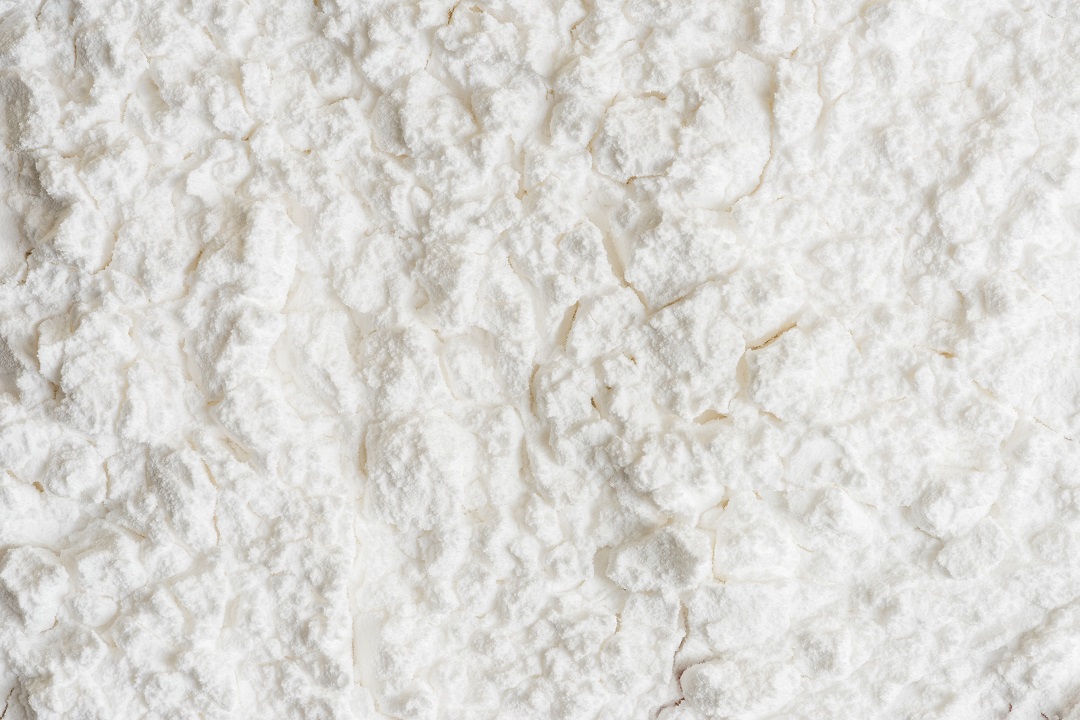
Poundo Yam Flour is one of the most commercially relevant processed staple foods in the African food export business, especially for buyers serving West African households, diaspora grocery channels, food service operators, and specialty importers looking for shelf-stable alternatives to fresh yam. It is a practical product because it captures the cultural familiarity of pounded yam while removing many of the storage, transport, perishability, and preparation challenges associated with whole yam tubers.
In Nigeria and across several export markets, Poundo Yam Flour is widely recognized as a convenient flour used to prepare a smooth swallow meal that closely imitates traditional pounded yam. In local market language, buyers may hear it described simply as poundo, instant pounded yam flour, pounded yam flour, or poundo yam. In trade conversations, however, the more precise term is usually Poundo Yam Flour, especially when discussing packaging, export documentation, or product specifications.
Botanically, the yam raw materials used in this category generally come from species within the Dioscorea genus, most commonly Dioscorea rotundata, which is highly important in West African yam trade. Commercially, though, most international buyers are less concerned with botanical wording than with finished product performance. What matters in practice is whether the flour reconstitutes well, produces a smooth and elastic swallow, has a clean colour, remains free-flowing during shelf life, and arrives with proper packing and documentation.
The commercial appeal of Poundo Yam Flour comes from the fact that it is a value-added staple. Instead of moving bulky, perishable fresh yams alone, processors can convert yam into a more portable, more stable, more consumer-friendly format that works well for urban retail channels, diaspora stores, online food sellers, and wholesale distribution networks. This gives exporters and importers a product that is easier to stock, easier to ship, and often easier to scale in repeat trade.
For buyers, the product solves a real operational problem. Fresh yam requires more careful storage, has limited shelf life, suffers handling losses, and can be difficult to distribute profitably over long international routes. Poundo Yam Flour, when properly processed and packed, offers a much longer commercial window. It can sit in retail stores, warehouse shelves, and consumer pantries more conveniently than fresh tubers, making it highly suitable for structured supply chains.
Poundo Yam Flour also benefits from strong cultural demand. In many Nigerian and West African households, pounded yam is more than just another meal. It is a familiar staple associated with everyday eating, family meals, hospitality, and traditional food identity. For diaspora markets, that familiarity creates repeat demand. For importers, products with strong cultural continuity often perform better than unfamiliar specialty foods that require heavy consumer education.
At the same time, this is not a product buyers should source casually. There is a wide difference between local market flour and export-grade Poundo Yam Flour. Some products are blended aggressively with cheaper starches, some are poorly dried and later cake in storage, some lack consistent texture when cooked, and some are packed in materials that are not suitable for extended transit. This is why sourcing discipline matters. Buyers should approach Poundo Yam Flour as a quality-sensitive processed staple, not as a simple commodity that can be purchased on headline price alone.
This guide explains the trade overview of Poundo Yam Flour, what it is, how it is made, what it is used for, the health benefits and side effects buyers should understand, the top producing and importing markets, how to source it safely, where to find reliable exporters, what realistic international price ranges look like, how payments are usually structured, which shipping terms matter most, what typical trade specifications look like, and which shipping documents are commonly expected in cross-border transactions.
Trade Overview of Poundo Yam Flour
| Commodity | Poundo Yam Flour |
|---|---|
| Botanical Reference | Primarily derived from yam species within the Dioscorea genus, commonly including Dioscorea rotundata |
| Common Names | Poundo Yam Flour, Pounded Yam Flour, Instant Pounded Yam Flour, Poundo Yam |
| Nigerian Market Reference | Poundo Yam, Instant Pounded Yam Flour |
| Primary Raw Material | Yam tubers, sometimes blended depending on commercial formulation |
| Main Export Form | Fine flour in consumer packs, wholesale packs, or industrial bulk bags |
| Typical Buyers | Importers, African food distributors, diaspora supermarkets, wholesalers, private-label brands, food service operators |
| Key Trade Factors | Texture after cooking, colour, fineness, moisture, anti-caking stability, packaging quality, shelf life, documentation |
| Main Origin Markets | Nigeria, Ghana and other West African yam-processing origins |
| Typical Uses | Swallow meals, retail staple food sales, food service preparation, ethnic grocery distribution |
| Commercial Positioning | Convenience staple, shelf-stable substitute for fresh yam preparation |
Poundo Yam Flour is traded less like a raw farm product and more like a processed packaged staple. That distinction is important for buyers. The value is not only in the yam itself, but also in the processor’s ability to deliver uniform texture, reliable cooking performance, stable moisture, clean milling, strong packing, and export-ready handling. A supplier with access to yam is not automatically a supplier capable of consistent export-grade Poundo Yam Flour.
One major reason the product remains commercially attractive is that it sits between tradition and convenience. Consumers still get a food closely associated with pounded yam, yet they do not have to peel, boil, and pound fresh tubers manually. This has made the product especially important in urban markets and international markets where time, equipment, and access to fresh yam may be limited.
For traders, Poundo Yam Flour works well because it fits multiple channels at once. It sells in ethnic stores to household buyers. It sells to restaurants serving Nigerian and West African dishes. It sells through online food sellers targeting diaspora communities. It also serves wholesalers that break bulk into regional distribution systems. Any product with this kind of cross-channel relevance tends to have strong export potential when quality is dependable.
In Nigeria, the product also aligns with broader agricultural value addition. Instead of depending entirely on the fresh tuber market, processors can convert yam into a packaged product with a broader marketing life and more flexible logistics. That gives both exporters and international buyers more room to structure repeat business if specifications are stable.
Request a Quote or Speak With Our Team About Poundo Yam Flour
Ready to source Poundo Yam Flour with confidence? Submit your RFQ for detailed specifications and formal quotations, or chat on WhatsApp for fast responses and quick clarification.
What Is Poundo Yam Flour?
Poundo Yam Flour is a processed yam flour product formulated for the preparation of a smooth swallow meal that resembles traditional pounded yam. It is usually made from yam tubers that are cleaned, peeled, sliced, dried, milled, and standardized into a fine flour. In some commercial formulations, processors may incorporate permitted blending strategies to improve texture, reduce lumping, or adjust cost, but serious buyers should always insist on a clear product description before placing orders.
The product is designed for convenience. Instead of preparing fresh yam through the traditional, more labor-intensive route, consumers add the flour to hot water and stir until it forms a smooth dough-like swallow. The finished food is commonly eaten with soups such as egusi, ogbono, vegetable soup, okra soup, and other traditional West African soups.
In the Nigerian market, Poundo Yam Flour is strongly associated with convenience, familiarity, and premium swallow quality. In international trade, it is often viewed as a diaspora staple and a processed ethnic food category with steady repeat demand. Buyers serving this market usually pay special attention to reconstitution behaviour. If the flour does not cook smoothly, stretch properly, or produce the expected mouthfeel, repeat purchases can suffer quickly.
It is also important to understand that Poundo Yam Flour is not always identical from one supplier to another. Some products are made from very high yam content and positioned as premium. Others may be more heavily commercialized and focused on cost competitiveness. Some are packed for mainstream supermarkets, others for wholesale ethnic trade. As a result, no buyer should assume all Poundo Yam Flour offers are equal merely because the label looks similar.
For professional sourcing, the product definition should answer several questions. Is it 100 percent yam or a formulated instant pounded yam flour? What is the finished colour? What is the target lump-free cooking behaviour? What pack sizes are available? What is the shelf life? What laboratory support can the supplier provide? These questions help separate serious processors from casual sellers.
How Poundo Yam Flour Is Made / Processed
The quality of Poundo Yam Flour depends largely on how the raw yams are handled and how carefully the processing stages are controlled. Even small mistakes in drying, milling, or packaging can affect finished texture, shelf life, and export suitability. Buyers who understand the process are in a better position to evaluate suppliers properly.
1. Raw Yam Selection
The process starts with the selection of sound yam tubers. Processors usually look for mature tubers with good flesh quality, low spoilage, and minimal physical damage. Rotting tubers, insect-damaged tubers, waterlogged tubers, and badly bruised pieces are generally unsuitable for quality flour production because they affect colour, odour, and processing yield.
For export-grade production, the raw material base matters a great deal. A processor using poor-quality yam will struggle to produce a premium flour no matter how good the packaging looks afterward. This is why serious buyers often ask what yam varieties are used and how raw material sorting is handled.
2. Washing and Cleaning
The yam tubers are washed thoroughly to remove soil, sand, peel residue, and field contamination. Since yam comes from the soil, inadequate washing can introduce dirt into later processing stages. In good manufacturing practice, processors use clean water and maintain proper sanitation in the receiving and washing area.
This stage may appear basic, but it has commercial consequences. Buyers in formal markets do not want flour with gritty residues, unusual specks, or hidden contamination risks. Clean raw material handling at the start of the process contributes to a better final product.
3. Peeling
After washing, the yam tubers are peeled. This may be done manually or with semi-mechanized assistance depending on plant capacity. Careful peeling is important because leftover peel can affect the colour and flavour of the final flour, while rough handling can increase wastage and create uneven pieces for drying.
At this stage, processors targeting premium quality try to minimize contamination and reduce unnecessary delay. Once peeled, yam flesh should move quickly through the line to protect product quality and reduce exposure to poor handling conditions.
4. Slicing or Chipping
The peeled yam is cut into slices or chips to facilitate drying. Uniformity matters because uneven slice thickness often leads to uneven drying. Thick pieces retain moisture longer, while thin pieces dry more rapidly. When the drying profile is inconsistent, the finished flour may mill unevenly or retain moisture pockets that later affect shelf life.
Processors that invest in better slicing control usually produce more standardized flour. For buyers, this tends to show up in smoother texture, improved flowability, and better consistency from batch to batch.
5. Drying
Drying is one of the most critical stages in Poundo Yam Flour processing. The sliced yam must be dried to a safe moisture level under hygienic conditions. Depending on the plant, drying may be achieved through mechanical dryers, cabinet dryers, hot-air systems, or other controlled methods. Traditional open drying may still be used in some settings, but export buyers should be cautious unless hygiene and moisture outcomes can be verified convincingly.
Poor drying causes several problems. It can shorten shelf life, increase caking, encourage mould risk, and reduce flour quality in transit. For that reason, moisture control is one of the most important sourcing parameters for this product.
6. Milling
Once the yam slices are properly dried, they are milled into flour. The fineness of the flour affects how the product behaves during preparation. A finer, more uniform grind usually gives a smoother swallow with fewer lumps, which is especially important in consumer retail markets.
Milling hygiene also matters significantly. Dirty machinery or poorly maintained equipment can introduce off-odours, metallic contamination, or mixed-product residues. Buyers should not hesitate to ask suppliers how they clean milling lines and whether sieving and magnetic controls are in place.
7. Sieving and Standardization
After milling, the flour is commonly sieved to standardize particle size and remove coarse particles. This helps improve the visual appearance and cooking performance of the finished product. A flour that has not been properly standardized may cook unevenly and fail consumer texture expectations.
Some processors also use this stage to build more predictable batch consistency. This matters for private-label buyers, restaurant supply buyers, and any importer that wants the product to perform the same way across multiple shipments.
8. Blending or Functional Adjustment Where Applicable
Depending on the brand and formulation, some instant poundo products may undergo controlled blending to achieve targeted texture, elasticity, or convenience performance. This is where buyers need clarity. Some markets accept formulated instant pounded yam flour, while others prefer a more straightforward yam-based product. There is nothing wrong with formulation when transparently declared and commercially agreed, but undeclared blending is a serious issue.
Responsible suppliers explain what the product is. Unreliable suppliers hide it. That is why professional buyers should always lock the product description in writing before shipment.
9. Packing
The finished flour is packed into retail pouches, laminated bags, sacks with inner liners, or customized private-label packaging depending on the contract. Strong packaging is essential because flour products are vulnerable to moisture, odour transfer, puncture, and caking. Export packaging must be able to survive handling, stacking, warehousing, and transit without compromising food integrity.
10. Storage Before Dispatch
After packing, the product should be stored in a dry, clean, pest-controlled environment. Flour that is well produced but badly stored can still fail in export trade. Buyers should therefore evaluate the warehouse conditions as part of supplier due diligence. Good storage is part of quality, not an optional extra.
What Is Poundo Yam Flour Used For?
Poundo Yam Flour is primarily a convenience staple, but its commercial uses spread across household, retail, hospitality, and specialty food channels. This is one reason it remains such an attractive export product. It serves a traditional culinary role while fitting modern distribution systems.
Traditional Swallow Meals
The most important use of Poundo Yam Flour is the preparation of a swallow meal that closely resembles pounded yam. It is mixed into hot water and stirred until smooth, after which it is eaten with soups. This remains the core use case in both domestic and export markets, and it is the main reason most buyers source the product in the first place.
Retail Staple Food Sales
Consumer-packed Poundo Yam Flour sells strongly through African grocery stores, diaspora supermarkets, ethnic food shelves, and online African food retailers. In these channels, brand trust and cooking performance are crucial. A product that gives consumers a smooth, consistent swallow is more likely to retain repeat business.
Restaurant and Catering Use
Restaurants and caterers that serve Nigerian and West African food often prefer Poundo Yam Flour because it reduces labour and preparation time compared with working from fresh yam. For this buyer segment, ease of preparation, batch consistency, and reliable texture are especially important.
Wholesale Distribution to Ethnic Food Networks
Many importers buy Poundo Yam Flour for onward distribution to regional wholesalers, cash-and-carry outlets, and independent African stores. In such cases, the product’s shelf stability and transport efficiency become major advantages over fresh yam.
Private-Label and Brand Development
Some buyers source the product in bulk or semi-finished packaged form for private-label programs. This is common in diaspora retail markets where store owners and brand operators want to control packaging identity while relying on origin processors for production. In this segment, packaging precision, batch consistency, and label compliance are essential.
Health Benefits of Poundo Yam Flour
Poundo Yam Flour is purchased primarily as a staple food, but it also carries nutritional and practical food value that appeals to many consumers. Buyers targeting wellness-oriented or quality-conscious markets often highlight these benefits carefully. Still, the safest commercial approach is balanced positioning rather than exaggerated medical language.
1. It Provides a Convenient Source of Food Energy
Because Poundo Yam Flour is a starch-rich staple derived from yam, it provides food energy that supports normal daily eating needs. For households that rely on swallow meals as part of familiar food patterns, this makes it a dependable pantry item. In retail terms, products that offer satiety and familiarity often maintain strong repeat demand.
2. It Retains the Cultural Value of Yam in a More Practical Format
Fresh yam is an important traditional food, but not every consumer has the time or access needed to prepare it in the conventional way. Poundo Yam Flour makes yam-style meals more accessible in urban and international settings. That practical accessibility is a significant consumer benefit in itself.
3. It Can Fit into Diverse Meal Patterns
The product pairs with a wide range of soups and traditional dishes, which allows consumers to maintain dietary familiarity while using a more convenient format. Foods that fit existing meal culture tend to perform better in households than foods that demand completely new preparation habits.
4. It May Be Easier to Store Than Fresh Yam
From a household perspective, shelf-stable flour can reduce spoilage compared with keeping fresh tubers for long periods. This practical storage advantage matters for consumers living outside yam-producing regions, as well as for households that want to keep staple foods in reserve.
5. It Can Support Portion-Controlled Preparation
Because the flour is measured during cooking, many consumers find it easier to prepare only what is needed for a meal. This may help reduce kitchen waste compared with handling large tubers that must be processed all at once once cut or cooked.
6. It Offers Convenience Without Completely Losing Traditional Food Identity
One of the strongest non-medical benefits of Poundo Yam Flour is that it preserves a culturally valued eating experience in a format compatible with modern life. For many consumers, that balance between authenticity and convenience is a major reason for purchase.
7. It May Appeal to Consumers Seeking Wheat Alternatives in Specific Meal Contexts
In swallow preparation, Poundo Yam Flour gives consumers an option outside wheat-based food formats. That does not automatically make every product nutritionally superior in all cases, but it does broaden the available staple choices in the kitchen, which is commercially useful in specialty retail.
Side Effects of Poundo Yam Flour
No responsible trade article should present Poundo Yam Flour as perfect for every user. Like other staple flours, it has practical limitations, and product quality varies from one supplier to another. Buyers, distributors, and retailers should understand these issues so they can source and position the product responsibly.
1. Excess Consumption Can Increase Overall Calorie Intake
Poundo Yam Flour is a staple food and should be treated as such. Very large portions can contribute significant calorie intake, especially when paired with rich soups and accompaniments. That does not make the product harmful, but it does mean normal portion awareness still matters.
2. Poor-Quality Formulations May Not Meet Consumer Expectations
Some market products are heavily formulated or poorly balanced, which can affect taste, texture, and the overall eating experience. Consumers expecting a close pounded-yam feel may be disappointed by inferior formulations. In commercial terms, this becomes a brand risk for importers who source only on price.
3. Inadequate Drying or Storage Can Lead to Caking and Spoilage Risk
If the flour is not dried properly or if it absorbs moisture during storage and transport, it may cake, develop stale odour, or become unsafe. This is one of the biggest trade-related side effects because it affects both food safety and customer satisfaction.
4. Undeclared Blending Can Mislead Buyers
One of the major risks in this category is adulteration or undeclared substitution with cheaper starches. This may reduce texture quality and alter product identity. For buyers, the problem is not only culinary but commercial. If the label and product do not match, brand trust and regulatory compliance can both suffer.
5. Some Consumers May Experience Digestive Discomfort Depending on Portion and Preparation
As with many flour-based staple foods, very heavy servings or poor preparation may not suit every individual equally. This is not unusual, but it is another reason why product quality and proper cooking instructions matter.
6. Cross-Contamination Can Be an Issue in Mixed Processing Facilities
Even where the product itself is yam-based, cross-contact can occur if the processor handles other ingredients on the same line without proper controls. Buyers serving more sensitive markets should ask direct questions about facility hygiene and cross-contact management.
7. Consumer Acceptance Depends Strongly on Texture
A product that is too sticky, too soft, too dull in colour, or prone to lumping can quickly lose market acceptance. In effect, one of the “side effects” of poor sourcing is commercial failure. The product must cook right if it is going to sell right.
Top Producing & Exporting Countries of Poundo Yam Flour
Poundo Yam Flour export activity is most strongly associated with regions that already have deep familiarity with yam cultivation, yam consumption, and yam processing. In practical terms, West Africa remains the main commercial heartland for this product category.
1. Nigeria
Nigeria is by far the most commercially important origin in the Poundo Yam Flour trade because yam is deeply integrated into the country’s agriculture, food culture, and processing economy. The product’s strongest identity, consumer familiarity, and export positioning are closely tied to Nigeria. Buyers looking for authentic market relevance almost always consider Nigeria first.
2. Ghana
Ghana also plays an important role in yam production and processed staple food exports. For some buyers, Ghana is attractive because it combines regional crop familiarity with established food export channels. As with all origins, however, supplier capability matters more than country name alone.
3. Benin Republic
Benin is relevant in the wider West African yam economy and may contribute to regional trade dynamics around yam-based food products. Buyers that work across West African sourcing networks may encounter processors or aggregators with linkages into Benin’s yam production zones.
4. Togo
Togo is another West African origin with agricultural relevance in the yam belt. While not every buyer sources directly from Togo for Poundo Yam Flour, it remains part of the broader regional supply environment that supports yam-based trade.
5. Côte d’Ivoire
Côte d’Ivoire has significance in West African agriculture and offers potential relevance where yam and processed food trade intersect. Buyers serving Francophone-linked distribution channels may sometimes evaluate the country as part of broader sourcing options.
6. Regional West African Processors
Beyond single-country labels, some export supply chains operate through regional West African processing and packaging arrangements. For buyers, what matters most is whether the product was processed professionally, packed properly, and documented clearly. Regional sourcing can work well if traceability is solid.
Top Importing Countries of Poundo Yam Flour
The strongest import markets for Poundo Yam Flour are those with meaningful West African diaspora populations or strong ethnic food retail systems. Because this is a culturally anchored staple, demand is driven largely by communities that already know the product and use it regularly.
1. United Kingdom
The United Kingdom is one of the strongest destination markets for Poundo Yam Flour because of its large Nigerian and broader West African diaspora communities. African grocery stores, mainstream multicultural supermarkets, online food sellers, and food service operators all contribute to demand in this market.
2. United States
The United States is also a major destination, particularly through African and Afro-Caribbean grocery channels, restaurant supply, and specialty online retail. Buyers in this market often want dependable packaging, long shelf life, and consistent cooking performance.
3. Canada
Canada continues to represent an important market for African staple foods through multicultural retail networks and diaspora-oriented grocery distribution. Well-packed Poundo Yam Flour with strong label presentation can perform well here.
4. Ireland
Ireland has meaningful relevance because of West African community demand and trade linkages through UK-style retail channels. Though smaller than some other markets, it remains commercially important for targeted importers.
5. Germany
Germany’s specialty food distribution and growing multicultural retail environment make it a relevant destination for packaged African foods, especially where formal documentation and product consistency are strong.
6. Netherlands
The Netherlands is important not only as a consumer market but also as a distribution hub within Europe. Importers may use it as an entry point for onward movement to other regional markets.
7. United Arab Emirates
The UAE serves both resident diaspora communities and wider re-export trade. For African food exporters, it offers a useful commercial gateway when product shelf life and packaging are suitable for regional distribution.
How To Safely Source for Your Poundo Yam Flour Produce
Safe sourcing begins with recognizing that Poundo Yam Flour is a processed food product with strong consumer performance expectations. The buyer is not simply purchasing yam in powdered form. The buyer is purchasing texture, reconstitution quality, hygiene control, packaging reliability, and brand safety. The more clearly this is understood, the safer the sourcing process becomes.
The first step is to define the product exactly. State whether you need premium yam-based flour, formulated instant pounded yam flour, retail packs, bulk packs, private-label packaging, or wholesale commodity supply. A large percentage of avoidable disputes in this trade come from unclear product definitions. One buyer expects a premium product, while the supplier is quoting a cheaper mass-market formulation.
The second step is to request a detailed specification sheet. This should cover colour, odour, moisture, mesh or fineness, packaging type, net weight, shelf life, storage condition, and any declared formulation details. If the supplier cannot provide even a basic written specification, that is usually an early warning sign.
The third step is to obtain and test a sample. This is essential. Buyers should evaluate not only the dry flour but also the prepared swallow. Does it mix smoothly? Does it lump? Is the colour acceptable? Does it stretch or break too quickly? Does it feel close to market expectation? Sample approval should always happen before large volume commitment.
The fourth step is to verify raw material and process credibility. Ask what kind of yam is used, how the product is dried, whether the line is hygienic, whether blending is declared, and what quality checks are done before packing. A serious supplier should answer these questions directly. Vague answers usually indicate weak process control.
The fifth step is to inspect packaging suitability. Flour products are highly vulnerable to moisture and odour contamination. Retail pouches should be properly sealed and durable. Bulk packs should use inner liners where appropriate. Cartons should withstand stacking. Buyers planning sea freight should not compromise on packaging strength because transit stress is real.
The sixth step is to assess documentation readiness. Depending on market and contract, the supplier may need to provide invoice, packing list, certificate of origin, laboratory report, health-related documents where required, and transport documents. Buyers should clarify this before production begins, not when the cargo is already at port.
The seventh step is to evaluate storage conditions. Request warehouse images or inspection. Products stored near damp walls, open windows, odorous goods, or uncontrolled pest conditions represent unnecessary risk. Export-grade food should be stored like export-grade food.
The eighth step is to structure payment sensibly. New buyer-supplier relationships should begin with a controlled payment arrangement. Deposits, staged payments, inspection-backed release, or document-linked structures are generally safer than full upfront exposure with an untested supplier.
The ninth step is to plan shipment logistics properly. Clarify whether the goods are shipping by LCL or FCL, whether the container environment is appropriate, and how long the total transit window will be. Shelf life on paper is not enough. The product must arrive with enough practical shelf life left to sell profitably.
The tenth step is to review performance after arrival. The first shipment should be treated as an operational test. Compare actual arrival quality to the approved sample and contract terms. Good buyers build long-term supplier relationships through data and performance review, not guesswork.
In reality, safe sourcing means refusing to be distracted by the cheapest quote when the product category itself depends on quality perception. A poor-quality Poundo Yam Flour shipment does more than disappoint. It can damage customer loyalty, trigger returns, weaken distributor confidence, and undermine a brand in a very competitive diaspora market.
Where To Find Reliable Exporters for Poundo Yam Flour
Reliable exporters are usually found through structured trade networks rather than random price discovery alone. The best suppliers are often processors or export companies that already understand packaged African foods, labeling requirements, and diaspora market expectations. These firms are more likely to appreciate that texture consistency and packaging integrity are not secondary issues.
One useful source is established Nigerian and West African food exporters with a visible history in processed staple foods. These companies often already work with retailers, wholesalers, and private-label buyers and therefore understand documentation and shipment expectations better than purely local traders.
Another useful route is through direct referrals from importers already active in African food distribution. In practice, referrals often outperform open-market searching because they reduce the number of weak suppliers a buyer must filter out. Buyers already serving diaspora retail channels usually know which exporters are dependable and which ones create repeated claims.
Trade fairs, B2B sourcing platforms, and food exhibitions can also help identify leads, but they should be treated as lead generation tools rather than proof of credibility. A professional-looking presentation does not replace sample testing, process due diligence, or written specifications.
Some buyers also work through export facilitators or commodity sourcing firms that bridge the gap between origin processors and destination importers. This can be useful for first-time buyers, especially those entering the African food category for the first time. The important thing is transparency. The buyer should know who the actual processor is, who handles packaging, and who carries contractual responsibility for the shipment.
Reliable exporters usually share certain features. They communicate clearly. They understand packaging. They are comfortable with documentation. They can explain the product honestly. They do not become defensive when asked for samples, specifications, and inspection support. These practical signs matter more than marketing slogans.
International Price of Poundo Yam Flour Per Metric Ton
International pricing for Poundo Yam Flour varies according to yam content, formulation style, quality level, packaging format, origin, order size, and shipment basis. Retail-ready premium packed products naturally cost more per ton than bulk commodity packs, while highly standardized private-label orders may carry additional packaging and compliance costs.
As a realistic 2025–2026 working range, standard export-oriented Poundo Yam Flour commonly falls within roughly US$1,000 to US$1,900 per metric ton for many wholesale transactions, depending on specification, packaging, and contract structure. Premium consumer-packed branded or private-label product can move higher than that range, while very low offers may reflect weaker yam content, thinner packaging, or inconsistent processing standards.
Buyers should be careful with headline comparisons. One quote may exclude inland transport, palletization, export packing, or documentation support. Another may include better packaging, stronger processing discipline, and more reliable batch consistency. The lowest number is not always the lowest landed risk.
Raw yam seasonality, energy cost, packaging material cost, exchange rate movement, labour conditions, and freight market changes can all influence price. For that reason, repeat buyers usually perform better when they build supplier relationships with transparent review cycles rather than trying to lock unrealistic fixed pricing for too long.
The commercial reality is straightforward. In a product category where cooking performance and repeat acceptance matter so much, it is usually better to pay a fair price for consistent product than to save a small amount upfront and lose more later through complaints, weak sell-through, and brand damage.
Request a Quote or Speak With Our Team About Poundo Yam Flour
Ready to source Poundo Yam Flour with confidence? Submit your RFQ for detailed specifications and formal quotations, or chat on WhatsApp for fast responses and quick clarification.
How To Pay For Your Poundo Yam Flour Produce
Advance Payment for Small Custom Orders
Small orders, customized consumer packs, and first-time packaging runs may sometimes require advance payment, especially where the supplier must procure packaging materials specifically for the buyer. Even in such cases, the proforma invoice should define product, quantity, pack size, and timeline clearly.
Deposit and Balance Structure
A partial deposit with balance before shipment or against agreed shipment evidence is one of the more common arrangements in this trade. It allows the processor to fund production while giving the buyer some protection. For new supplier relationships, this is often a practical middle ground.
Document-Supported Payment
For larger buyers or more formal transactions, payment may be linked to document presentation. The exact mechanism depends on the commercial relationship and banking arrangements involved, but the principle is the same: payment is connected to evidence of shipment and contractual compliance.
Inspection-Backed Payment Control
Where quality risk is especially important, some buyers use third-party inspection or sample-matching checks before final release of funds. This is useful in a product like Poundo Yam Flour where texture performance matters so much and a failed shipment can damage downstream business relationships.
Currency and Banking Clarity
Before funds move, both parties should align on invoice currency, bank charges, payment deadlines, and any transfer references needed for traceability. Payment confusion causes avoidable shipment delays, and professional suppliers usually manage this part of the process clearly.
Shipping & Delivery Terms
Ex Works Transactions
In Ex Works arrangements, the buyer assumes responsibility from the supplier’s facility or designated pickup point. This structure may suit experienced importers with strong freight coordination but can be demanding for first-time buyers.
FOB Supply
FOB terms are common where the supplier manages local movement and export handling up to the port of loading. This gives buyers better control over ocean freight while still reducing some origin-side operational burden.
CFR and CIF Supply
Some buyers prefer CFR or CIF quotations because these provide clearer visibility on port-to-port cost. Under CIF, insurance is also included to the named destination port. Buyers should still confirm who bears clearance, terminal, and inland delivery costs after arrival.
LCL and FCL Shipment Decisions
Smaller orders may move as LCL, but flour products require careful packaging because consolidated cargo environments can expose goods to odour and humidity. Larger buyers often prefer FCL for better cargo control and more predictable handling.
Lead Time and Shelf Life Management
Shipment planning should account for production time, packaging time, inland haulage, port handling, vessel schedule, and destination clearance. Buyers should always ensure that the remaining shelf life after arrival is commercially adequate for wholesale and retail turnover.
Our Typical Trade Specifications For Poundo Yam Flour
| Parameter | Typical Export Range / Expectation |
|---|---|
| Product Name | Poundo Yam Flour |
| Raw Material | Yam-based flour, with formulation details subject to contract |
| Colour | White to off-white or light cream depending on formulation and process |
| Odour | Clean, neutral to characteristic, free from sourness and foreign odours |
| Taste | Mild, typical, free from rancid or stale notes |
| Texture | Fine flour, free-flowing, low lump tendency |
| Reconstitution Performance | Should cook into a smooth swallow with acceptable stretch and consistency |
| Moisture | Commonly not more than 10% to 12%, subject to buyer specification |
| Foreign Matter | Nil or within strict food-grade tolerance |
| Infestation | Free from live insects and visible contamination |
| Microbiological Profile | Subject to destination market and agreed laboratory requirements |
| Packaging | Retail pouches, laminated bags, sacks with inner liners, or private-label packs |
| Net Weight | Common retail and wholesale pack sizes available depending on contract |
| Shelf Life | Typically 9 to 18 months depending on processing, packaging, and storage |
| Storage | Cool, dry, clean, pest-controlled conditions |
These are typical trade parameters only. Final specifications should always be stated in the contract and aligned with the buyer’s market, product positioning, and distribution channel.
Expected Shipping Documents
Commercial Invoice
The commercial invoice records the product sold, quantity, unit price, total contract value, seller information, buyer information, and shipment terms. It is central to customs and payment processing.
Packing List
The packing list provides a breakdown of how the cargo is packed, including number of cartons or bags, net and gross weights, and packing configuration. This is useful for logistics handling and cargo verification.
Bill of Lading or Airway Bill
This is the transport document issued by the carrier and is necessary for shipment traceability and cargo release procedures at destination.
Certificate of Origin
Buyers often request a certificate of origin to confirm the country of export. This may be relevant for customs treatment, trade compliance, and buyer assurance.
Health or Food Safety Support Documents Where Required
Depending on the destination market, the buyer may require additional health-related or food safety support documentation. This should always be clarified before shipment because requirements differ by jurisdiction.
Laboratory Test Report
For quality-sensitive buyers, laboratory reports may be requested to confirm moisture, microbiological status, or other agreed parameters. This can be especially important for private-label and formal retail supply.
Inspection Report
Where third-party inspection is part of the contract, an inspection report can help confirm quantity, visible packaging condition, and compliance with agreed shipment standards before the cargo leaves origin.
Poundo Yam Flour remains one of the most commercially useful value-added African staple foods in export trade because it combines tradition, convenience, shelf stability, and strong diaspora relevance. For importers, distributors, and retailers, the real opportunity lies not merely in finding supply, but in finding dependable supply. When sourced with proper specification control, honest product definition, careful packaging, and disciplined documentation, Poundo Yam Flour can be a strong repeat-business product across wholesale, retail, and food service channels.
Request a Quote or Speak With Our Team About Poundo Yam Flour
Ready to source Poundo Yam Flour with confidence? Submit your RFQ for detailed specifications and formal quotations, or chat on WhatsApp for fast responses and quick clarification.