

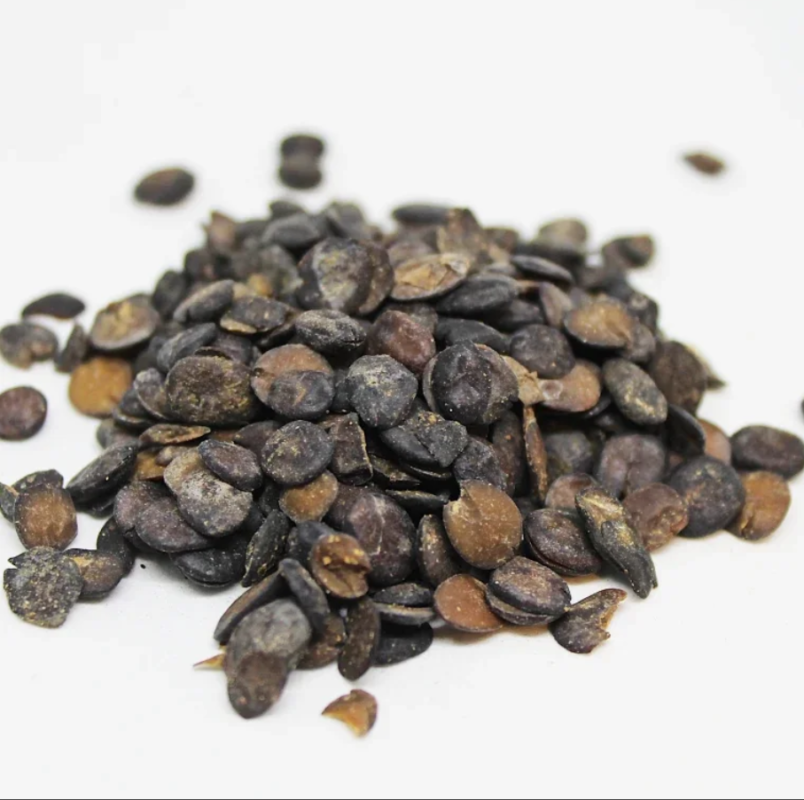
Locust Bean Seed is one of those agricultural commodities that can easily be misunderstood if a buyer only looks at the name and not the actual trade context. In some markets, the name may suggest a simple seed commodity for local food processing. In reality, it sits at the intersection of traditional food systems, ingredient manufacturing, hydrocolloid processing, feed applications, and specialty agricultural sourcing. For importers, processors, wholesalers, and industrial buyers, that makes it a commodity that deserves more careful commercial attention than it usually gets.
Across West Africa and several international trade circles, Locust Bean Seed is closely associated with the African locust bean tree, and in many Nigerian market conversations, there is often a distinction between the raw seed itself and the fermented food product derived from it. That difference matters. A buyer asking for Locust Bean Seed is not necessarily asking for fermented locust bean seasoning. The buyer may be asking for the raw seed for further processing, extraction, industrial use, ingredient conversion, or controlled food manufacturing. That is why product identity should always be established clearly at the beginning of a transaction.
In Nigeria and many neighboring trade environments, the common market language around locust bean products is deeply rooted in food culture. The fermented product may be known in local trade channels as iru, dawa-dawa, or similar names depending on country and region, while the raw seed itself is handled differently and may be traded more as a processing input than as a ready culinary ingredient. For export buyers, this distinction is commercially important because the quality expectations, packaging needs, moisture targets, and documentation standards for raw seed are not the same as for finished fermented food products.
From a broader trade perspective, Locust Bean Seed is commercially interesting because it can move into multiple downstream uses. It can be processed for food ingredients, used in gum-related industrial value chains where relevant species and processing standards are involved, supplied to specialized food manufacturers, and traded into traditional or heritage-food markets. Depending on origin, species, and intended application, the seed may be purchased for direct further transformation rather than for immediate retail consumption. That means buyers must source with a very clear end use in mind.
This commodity also requires a disciplined approach because appearance alone is not enough to determine value. A shipment may look acceptable externally and still have issues related to moisture, insect exposure, admixture, broken seed percentage, poor drying, weak traceability, or storage damage. Like many seed-based commodities, the real trade value of Locust Bean Seed depends on how well the product was harvested, dried, stored, cleaned, packed, and documented before shipment.
For serious buyers, the sourcing conversation should therefore go beyond stock availability and price per ton. It should include the species identity, origin, intended use, crop condition, moisture level, physical cleanliness, packaging quality, shipment readiness, and export documentation capability. This is especially important when sourcing from fragmented agricultural supply chains where different operators may handle the same commodity at different stages without maintaining the same standard of quality control.
Another reason Locust Bean Seed deserves careful buying discipline is that it may be sold into both culturally rooted markets and industrial or semi-industrial channels at the same time. That creates commercial opportunity, but it also creates confusion when specifications are vague. A lot acceptable for basic local reprocessing may not be acceptable for export-oriented ingredient manufacturing. A lot suitable for traditional food conversion may not satisfy a buyer working with stricter traceability or technical quality expectations.
In this guide, we will look at Locust Bean Seed from a practical, commercial, and buyer-focused angle. We will cover what it is, how it is processed, what it is used for, the health-related value associated with it, possible side effects and trade risks, top producing and importing markets, how to source it safely, where to find reliable exporters, realistic international price ranges per metric ton, payment methods, shipping and delivery terms, trade specifications, and the documents a buyer should expect before shipment and on arrival. The goal is simple: help you buy Locust Bean Seed with clearer judgment and lower commercial risk.
Trade Overview of Locust Bean Seed
| Product Name | Locust Bean Seed |
|---|---|
| Botanical Name | Parkia biglobosa (commonly referenced in West African trade for African locust bean); precise species confirmation should always match the buyer’s intended use |
| Common Names | Locust Bean Seed, African Locust Bean Seed, Parkia Seed |
| Nigerian/Common Market Reference | Raw seed associated with locust bean processing chains linked to products such as iru in Nigerian food markets |
| Commodity Type | Specialty Agricultural Seed / Food Processing Raw Material |
| Common Commercial Forms | Raw whole locust bean seed, dried seed, cleaned seed, bulk processing-grade seed |
| Primary Uses | Food processing, traditional condiment production, ingredient manufacturing, further seed conversion, specialty agro-industrial applications |
| Typical Buyers | Importers, food processors, ingredient manufacturers, agro-processors, wholesalers, traditional food producers, specialty distributors |
| Typical Packaging | 25kg bags, 50kg PP bags, jute bags, lined sacks, bulk industrial packing |
| Trade Concern Areas | Moisture, insect infestation, admixture, poor drying, broken seed, weak storage hygiene, origin ambiguity, inconsistent lot quality |
| Shipment Mode | Mainly sea freight for commercial orders; air freight usually limited to samples or urgent specialty consignments |
From a commercial standpoint, Locust Bean Seed is not a commodity that should be bought with vague assumptions. The buyer needs to know exactly whether the stock is intended for food processing, seed conversion, traditional seasoning manufacture, or another specialized downstream use. This clarity affects price, handling, packaging, and documentation. It also determines whether the lot being offered is truly suitable for the buyer’s needs.
A proper trade offer for Locust Bean Seed should therefore include more than the product name. It should mention the origin, species where relevant, moisture condition, cleanliness, form, packaging, available quantity, shipment basis, and intended grade. When a seller only says “Locust Bean Seed available,” that is not yet a serious commercial offer. Serious trade begins when the seed is described properly.
Request a Quote or Speak With Our Team About Locust Bean Seed
Ready to source Locust Bean Seed with confidence? Submit your RFQ for detailed specifications and formal quotations, or chat on WhatsApp for fast responses and quick clarification.
What Is Locust Bean Seed?
Locust Bean Seed is the seed obtained from the African locust bean tree, most commonly associated in West African trade with Parkia biglobosa. The seed is enclosed in pods and has historically been important in regional food systems, especially where the seed is processed into fermented condiments or used as a base raw material in traditional and semi-industrial transformation. In raw form, the seed is a tough agricultural commodity that requires processing before most end uses.
In practical market terms, buyers must understand that Locust Bean Seed is different from the finished fermented food ingredient commonly sold in open food markets. The raw seed is the earlier processing-stage commodity. It may be purchased by processors who want to manage their own cooking, dehulling, fermentation, drying, milling, or ingredient transformation under controlled conditions. It may also be purchased by industrial buyers or food manufacturers seeking a traceable raw material input rather than a ready-to-use traditional condiment.
The commodity is especially important in parts of West Africa because it connects agriculture, food heritage, and local processing economies. Nigeria, Ghana, Benin, Burkina Faso, Mali, and neighboring countries are all relevant to the broader locust bean value chain in one way or another. In Nigeria, locust bean is widely recognized culturally, but export trade in the seed demands more precise quality language than domestic open-market trade often uses.
Physically, the seed is typically hard, dark, and compact once removed from the pod and dried. Before processing, it is not a simple ready-to-eat agricultural product. It must pass through appropriate transformation steps depending on the intended application. That is why whole raw seed buyers must pay careful attention to processability. Seed that is overly damaged, excessively aged, insect-affected, or badly dried may create avoidable losses during downstream processing.
Commercially, Locust Bean Seed belongs to the category of commodities whose real value is unlocked after transformation. This makes sourcing discipline particularly important. The wrong raw seed can lead to poor fermentation behavior, low yield, difficult processing, contamination problems, or inconsistent finished product quality. Buyers that understand this usually focus on suitability and repeatability rather than buying solely on the lowest headline price.
How Locust Bean Seed Is Made / Processed
When discussing how Locust Bean Seed is made or processed, it is useful to distinguish between the production of the raw seed and the later transformation steps that create value from it. In commodity trade, the buyer may be purchasing the seed before most of the deeper processing happens. Still, understanding the full chain helps buyers assess whether the offered lot will perform well later.
1. Pod collection and seed recovery
The value chain begins with the locust bean tree producing pods that contain the seeds. These pods are harvested or collected once mature. The seeds are then recovered from the pod material. At this early stage, handling quality already matters. Rough or dirty collection practices can introduce contamination, while poor timing can affect the overall condition of the raw material entering the chain.
2. Initial drying and moisture reduction
After seed recovery, the seeds are usually dried to reduce moisture and improve storability. This stage is essential because Locust Bean Seed intended for storage or export must not retain excessive moisture. Damp seed creates risk of mold, odor development, internal heating, insect activity, and shipment loss. A buyer may not see these problems immediately from photographs, but they can become very obvious after transit or warehouse storage.
3. Cleaning and removal of non-seed material
The raw seed often requires cleaning to remove dust, pod fragments, stones, leaves, and other foreign matter. The extent of cleaning depends on the intended buyer. A local processing lot may be less refined than an export-oriented or higher-specification lot. However, every serious buyer should still require a commercially reasonable level of cleanliness because excess foreign matter raises waste levels and reduces usable yield.
4. Sorting and grading
Professional suppliers usually sort the seed by general physical quality, dryness, and degree of contamination. Good lot segregation is important because mixed stock can create unpredictable processing outcomes. A buyer receiving one container with different quality pockets inside the same shipment may face inconsistent performance during cooking, dehulling, or fermentation. That is why lot uniformity is an important trade quality, even when the commodity is sold for further processing rather than direct retail use.
5. Packaging for storage or export
Once cleaned and sorted, the seed is packed into export or local trade bags. Packaging should be appropriate for the route and handling conditions. A seed lot that is physically sound can still suffer commercial damage if packed in weak or reused bags that tear during loading and movement. Proper marking, strong stitching, and reasonable traceability are all useful, especially for export shipments.
6. Storage before shipment
Before dispatch, the seed should be stored in a dry, ventilated, hygienic space protected from moisture, insects, rodents, strong odors, and direct exposure to contaminants. Locust Bean Seed can remain commercially useful when warehoused properly, but poorly managed storage reduces value quickly. Storage discipline matters because it protects both physical quality and buyer confidence.
7. Cooking and dehulling in downstream processing
For buyers using the seed in food processing or traditional condiment manufacture, the next stage after sourcing often involves cooking and dehulling. The seed must usually be softened before further transformation. The performance of the seed during this stage depends on its age, dryness history, and general physical condition. Hard old stock or poorly handled stock may process less efficiently than fresher, better-preserved seed.
8. Fermentation or ingredient transformation
In the traditional food chain, Locust Bean Seed may be fermented into seasoning products after cooking and dehulling. In other value chains, it may undergo different ingredient processing steps. Buyers sourcing raw seed for such downstream applications need stock that behaves predictably and supports safe processing conditions. This is one reason the quality of the raw seed matters even when the finished product will look very different.
9. Final quality control before shipment
For export-oriented trade, the best suppliers review the seed again before container loading. They confirm dryness, bag integrity, lot cleanliness, and general conformity to the agreed specification. Some buyers also use independent inspection agencies to reduce risk. This final checkpoint is valuable because many seed-related shipment problems are easier to prevent at origin than to resolve after arrival.
What Is Locust Bean Seed Used For?
Locust Bean Seed has value because it can serve more than one downstream market. A buyer that understands these uses can position sourcing more intelligently and avoid buying a grade that does not match the intended application. The same seed may not fit all end uses equally well.
Traditional condiment processing
One of the best-known uses of Locust Bean Seed is in the processing of traditional fermented condiments in West African food systems. In Nigeria, this connection is especially clear because locust bean-based condiments remain an important part of culinary culture. Buyers operating in this space need raw seed that can process consistently and deliver acceptable finished quality after cooking, dehulling, and fermentation.
Food ingredient manufacturing
Locust Bean Seed can also be used by ingredient processors and food manufacturers working with heritage foods, ethnic food products, and specialty seasoning systems. These buyers often want more control over process conditions than they would get by buying fully processed market stock. That makes raw seed sourcing commercially attractive when traceability and process customization matter.
Agro-processing and value-added seed conversion
Another important use is in agro-processing facilities that convert raw seed into higher-value intermediate or finished forms. Depending on the buyer’s business model, the seed may be milled, processed, fermented, dried again, or further transformed into an ingredient suited to niche food or industrial channels. In this context, raw seed is essentially a processing input, not the final product.
Specialty distribution for cultural and diaspora markets
Importers serving diaspora food markets may also buy Locust Bean Seed or related processing-stage material for controlled local transformation or for supplying specialized processors abroad. For these buyers, authenticity and cultural product alignment matter, but so do export hygiene, packaging strength, and documentation.
Research, food innovation, and small-scale manufacturing
Some buyers source Locust Bean Seed for pilot processing, culinary research, food innovation, or small-batch manufacturing. These buyers may not need full-container volumes, but they often require clearer product identity and better handling standards because they are testing formulation or process performance.
Industrial or semi-industrial ingredient routes
Depending on species, buyer specification, and market application, locust bean-related seeds may also enter industrial or semi-industrial ingredient conversations. In these cases, buyers usually require far greater precision on species identity, process suitability, and quality characteristics. This is why it is never wise to assume that all “locust bean” trade references mean the same downstream use.
Health Benefits of Locust Bean Seed
Buyers in the food and wellness-related sectors often pay attention to the health associations connected to locust bean products because consumer demand can be influenced by nutritional reputation and traditional food value. Still, the most responsible commercial approach is to discuss broad food and wellness relevance carefully rather than making exaggerated medical claims.
1. Associated with protein-containing traditional food systems
Locust Bean Seed is linked to food cultures that value seed-based products as part of balanced traditional diets. This association helps support demand in heritage-food channels. From a trade standpoint, that matters because buyers often prefer ingredients with both cultural familiarity and nutritional value in the markets they serve.
2. Relevant to fermentation-based food value
When transformed into fermented products, locust bean-derived ingredients are often appreciated in part because fermentation can influence flavor depth and perceived food value. For processors, this means raw seed quality matters from the beginning, since the performance of the seed can affect the quality of the final fermented product.
3. Supports demand in plant-based ingredient markets
As more markets pay attention to plant-based food ingredients and traditional protein-related foods, commodities like Locust Bean Seed can gain relevance. Even when the seed is not sold directly to consumers in raw form, its role in plant-based processing chains can support stronger buyer interest.
4. Strong cultural trust improves commercial movement
Another practical advantage is that locust bean-related products already have deep cultural trust in many West African and diaspora food markets. A commodity with strong cultural acceptance often moves more easily than one that still requires heavy consumer education. This trust can support repeat demand where supply is handled professionally.
5. Useful in heritage-food positioning
Food brands and specialty processors increasingly value ingredients that connect with heritage, authenticity, and regional culinary tradition. Locust Bean Seed fits that narrative when marketed responsibly. For commercial buyers, this creates an opportunity to source a product that is both culturally meaningful and commercially relevant.
6. Can support value-added processing margins
Although this is more of a commercial than physiological benefit, it is still important. Raw Locust Bean Seed can create better margins when transformed into higher-value processed products rather than sold only as a basic raw commodity. That possibility is part of what keeps buyer interest alive in the seed itself.
Side Effects of Locust Bean Seed
No serious buyer should ignore the side effect and risk conversation around Locust Bean Seed. This includes not only consumer-related considerations, but also sourcing and handling risks. A supplier that presents the commodity as risk-free is not being commercially realistic.
1. Poorly processed seed can create food safety concerns
Raw Locust Bean Seed generally requires proper downstream processing before food use. If handling, cooking, fermentation, or hygiene are poor, the resulting food product may not perform safely or consistently. This is why raw seed buyers working in food processing should think beyond the seed itself and consider the full transformation chain.
2. Contaminated stock can undermine the entire batch
Seed that has been stored badly, exposed to pests, or contaminated with dirt, mold, or foreign matter can create real problems later. This is one of the most important practical risks in the trade. A cheap contaminated lot can cost far more after cleaning losses, rejected batches, or damaged customer relationships are taken into account.
3. Insect exposure and hidden deterioration are real risks
Because Locust Bean Seed may pass through fragmented agricultural storage systems, hidden insect exposure is a serious concern. Externally acceptable bags may still contain compromised stock. Buyers that ignore inspection or fail to ask about warehousing conditions often take unnecessary risk.
4. Misidentification or vague product naming can create commercial problems
Another key risk is product confusion. A buyer may ask for Locust Bean Seed while the seller assumes a broader locust bean product category without confirming the exact form or intended use. This can lead to incorrect supply, customs description issues, or downstream processing problems. Clear product identity is therefore part of safe sourcing.
5. Overstated health claims can create regulatory exposure
Where the commodity is linked to wellness or traditional nutrition messaging, distributors must avoid careless health claims. If the finished product is sold into regulated markets, exaggerated claims can create labeling and compliance problems even when the raw material quality is acceptable.
6. Low-grade lots may reduce process yield and product quality
Even when the seed is not unsafe, low-grade stock can still be commercially damaging. Excess broken seed, poor drying, high foreign matter, and inconsistent lots can reduce process yield and make finished product quality harder to control. For processors, that is a major cost issue, not a minor inconvenience.
Top Producing & Exporting Countries of Locust Bean Seed
Locust Bean Seed is closely tied to the ecological and cultural zone in which the African locust bean tree grows and is processed. Understanding the main producing regions helps buyers evaluate origin, supply timing, and likely trade structure.
1. Nigeria
Nigeria is one of the most important markets in the broader locust bean value chain because of its strong domestic familiarity with locust bean products, large population, active food markets, and regional agricultural trade role. For buyers, Nigeria matters both as a source market and as a commercial reference point for locust bean processing and distribution.
2. Ghana
Ghana is also relevant in the locust bean ecosystem due to traditional food use, local processing, and regional commodity movement. Buyers exploring West African supply often watch Ghana alongside Nigeria because of its trade connectivity and agro-processing potential.
3. Benin Republic
Benin plays an important role in cross-border West African agricultural trade and can be relevant in the movement of locust bean-related products. Buyers dealing with regional consolidators may encounter Benin-linked supply routes in commercial offers.
4. Burkina Faso
Burkina Faso is part of the wider Sahel and West African zone where the locust bean tree has practical agricultural and food significance. As with several neighboring countries, it may contribute to regional collection and trade flows even where formal export structures are less visible internationally.
5. Mali
Mali is another country that belongs to the broader production and use environment for African locust bean. Buyers sourcing through West African networks may see Malian-origin or Sahel-linked lots depending on season, route, and consolidator relationships.
6. Other West African producing belts
Beyond the most visible names, other parts of West Africa also contribute to the commodity chain. For importers, the main point is that origin affects availability, logistics, and likely handling style. It is wise to evaluate not only the country name, but also the exporter’s actual control over sourcing and post-harvest handling.
Top Importing Countries of Locust Bean Seed
Import demand for Locust Bean Seed is more specialized than for some mainstream seeds, but it still exists across several types of markets. Demand is often tied to ethnic food systems, processing needs, and specialized ingredient channels rather than broad supermarket commodity distribution.
1. United Kingdom
The United Kingdom is relevant because of its sizable West African diaspora food market and established ethnic food import channels. Buyers serving this market may import locust bean-related raw materials for further processing or specialty distribution.
2. United States
The United States is another market with diaspora demand, specialty food distribution, and growing interest in heritage ingredients. Importers there often require clearer documentation and more reliable packaging because the regulatory and commercial environment is less forgiving of vague supply practices.
3. Canada
Canada can also be important in diaspora and specialty food trade. While volumes may not always be large, the market can still matter for focused importers serving African food stores, ingredient distributors, and niche processors.
4. European specialty food markets
Several European countries with specialty ethnic food channels may import Locust Bean Seed or related processing-stage materials through dedicated distributors. In such markets, the buyer usually expects better traceability and more structured shipment support than in informal cross-border trade.
5. Regional African cross-border markets
A good share of locust bean-related movement happens within Africa itself through regional and neighboring-country trade. These markets are important commercially even if they are less visible in global commodity headlines. For some exporters, regional African demand may be more practical than distant intercontinental shipping.
6. Niche ingredient and cultural-product markets
Locust Bean Seed may also be imported by small processors, food labs, and niche ingredient buyers working with cultural foods and traditional product lines. These buyers may not represent mass-market demand, but they can support consistent specialty trade when supplier quality is dependable.
How To Safely Source for Your Locust Bean Seed Produce
Safe sourcing is the most important part of buying Locust Bean Seed well. A buyer can negotiate an attractive price and still lose money if the wrong stock is purchased. The first step is to define the intended use with precision. Are you buying for fermentation-based food production, raw ingredient processing, seed conversion, research, export redistribution, or a broader agro-industrial purpose? That answer determines everything from grade to packaging to testing level.
The second step is product identity confirmation. Because locust bean products can be described loosely in local markets, a serious buyer should specify that the requirement is raw Locust Bean Seed and should confirm the botanical and commercial identity in writing where necessary. This reduces the risk of confusion between raw seed and already processed or fermented material.
Supplier verification is equally important. Buyers should determine whether they are dealing with a grower, collector, consolidator, processor, exporter, or broker. None of these roles is automatically unsuitable, but the key question is whether the seller truly controls the stock being offered. Ask practical questions. Where is the commodity stored? How long has it been in storage? Can recent photos and videos be provided? Can a warehouse or lot inspection be arranged? Has the supplier exported before? Can they support phytosanitary and origin documentation if required?
Specification comes next. A real specification for Locust Bean Seed should define the form, expected cleanliness, moisture condition, packaging type, permissible foreign matter, infestation status, and intended grade. If the seed is being purchased for food processing, that should be stated. If it is being purchased for industrial or specialized transformation, that should also be stated. Vague contracts create expensive misunderstandings later.
Moisture control deserves special emphasis. Seed that is too damp may arrive with mold, caking, odor problems, or live insect activity. Buyers should request recent moisture information and assess whether the storage and shipping plan makes sense for the route involved. A supposedly cheap lot can become a major loss if poor drying leads to destination claims.
Cleaning quality matters as well. Even when the buyer expects to do further processing, excessive foreign matter increases waste and reduces real usable tonnage. Ask the supplier what cleaning steps were taken. Was the seed sieved? Was obvious pod residue removed? Was the lot sorted at all? A supplier that cannot answer these questions clearly may not have strong control over quality.
Another important part of safe sourcing is lot uniformity. Buyers should avoid mixed lots created from multiple uncontrolled sources unless the blending process was disciplined and the resulting shipment is consistent. Inconsistent lots can behave unpredictably in downstream processing, which is especially problematic for buyers who want standardized production.
Packaging should never be treated as a small issue. Strong new bags are usually preferable to weak reused bags, especially for export shipments that will face multiple loading stages. Bags should be stitched properly, marked sensibly, and suitable for the route. Where destination buyers need more traceability, lot marking becomes even more important.
For higher-value or first-time deals, independent inspection is often worth the cost. A pre-shipment inspection can help confirm physical condition, quantity, and conformity before the cargo leaves origin. This is much easier than arguing over quality after the container arrives and problems have already become expensive.
Payment structure should reflect supplier trust level. For new counterparties, buyers are usually better protected by staged payment methods than by full advance payment. The exact structure may vary, but the core principle remains the same: financial exposure should not exceed commercial visibility. Do not let urgency language from an unverified seller force a careless payment decision.
Destination requirements must also be checked before shipment. Some buyers make the mistake of purchasing first and verifying import conditions later. That is risky. Confirm whether the destination country requires phytosanitary certification, certificate of origin, fumigation records, food-use support documents, or any special declarations related to plant-based products. The exporter should support these where appropriate, but the buyer must know what the destination actually requires.
Finally, build sourcing relationships for the long term rather than chasing one-off bargains. The best suppliers are not simply those with the lowest price. They are the ones who communicate clearly, maintain repeatable quality, respect shipment timelines, and support documentation consistently. In seed trade, repeatability is often more profitable than occasional discount buying from unreliable sources.
Where To Find Reliable Exporters for Locust Bean Seed
Reliable exporters for Locust Bean Seed are usually found through origin-market networks, agro-processing relationships, commodity trade facilitators, regional referrals, specialty food supply contacts, and carefully vetted B2B channels. The challenge is that many sellers may claim access to the commodity without actually controlling stable stock or understanding export requirements.
One of the better routes is to work with exporters or consolidators that already handle agricultural products professionally. A company may know the local market well and still be weak on export execution. Buyers should therefore assess not just the commodity itself, but also the supplier’s ability to manage packaging, loading, documents, inspection support, and shipment coordination.
Another smart approach is to begin with a smaller trial order where practical. A trial shipment allows the buyer to evaluate lot conformity, packaging strength, response quality, documentation discipline, and the supplier’s honesty under real transaction conditions. A small well-executed order often tells you more about a supplier than a very impressive initial quotation.
Professional exporters also tend to ask more useful questions. They want to know the intended use, desired moisture level, packaging preference, target market, and document needs. This is a good sign because it shows they understand that seed trade is not just about availability, but about suitability. Suppliers who do not ask such questions may be operating too casually for serious export business.
For buyers supplying food processors or regulated markets, exporter reliability should include traceability and document support, not just access to stock. For broader regional or industrial buyers, priorities may differ slightly, but shipment competence still matters. A reliable exporter is the one that reduces risk across the whole transaction, not merely the one that offers a tempting rate.
International Price of Locust Bean Seed Per Metric Ton
The international price of Locust Bean Seed is influenced by origin, seasonality, local collection conditions, quality level, moisture condition, cleaning standard, packaging, order size, and destination. Because this is a more specialized commodity than mainstream oilseeds or cereals, pricing can also be affected by supply fragmentation and the relative strength of local versus export demand at any given time.
As a practical commercial guide for 2025 to 2026 trade discussions, bulk Locust Bean Seed in export or cross-border wholesale trade may commonly fall within a broad range of about US$650 to US$1,450 per metric ton, depending on origin, condition, quality standard, and shipment basis. Lower-end pricing is more likely for basic bulk processing-grade lots under favorable local supply conditions, while higher-end pricing tends to apply to cleaner, better-presented, more carefully handled lots or to smaller specialty shipments where availability is tighter.
For many commercial transactions, the most realistic working range is often somewhere in the middle rather than at the extreme top or bottom. Buyers should also remember that the quoted price per ton is not the full landed cost. Inland haulage, loading losses, inspection cost, bagging, fumigation where applicable, freight, insurance, and destination handling can all change the real economics of the deal.
Another important point is that Locust Bean Seed should not be judged on price alone. A seemingly cheaper lot may come with higher foreign matter, lower usable yield, weak packaging, or poor storage history. In those situations, the lower price is not necessarily better value. The best commercial decision is the one that balances price with process suitability, shipment reliability, and expected loss control.
Request a Quote or Speak With Our Team About Locust Bean Seed
Ready to source Locust Bean Seed with confidence? Submit your RFQ for detailed specifications and formal quotations, or chat on WhatsApp for fast responses and quick clarification.
How To Pay For Your Locust Bean Seed Produce
Payment structure is one of the most important risk-control tools in Locust Bean Seed trade. The right method depends on order size, relationship history, supplier credibility, and the complexity of the shipment. No single method is perfect for all cases, but strong buyers make payment terms reflect actual trust and transaction visibility.
Advance payment for small or trusted orders
Advance payment can work for small orders, sample lots, or repeat business with suppliers that have already proven reliable. It helps accelerate cargo preparation, but it is usually a higher-risk option for first-time deals unless the supplier is strongly verified and the exposure is acceptable.
Deposit with balance against shipping documents
Many buyers prefer to structure deals with a deposit upfront and the balance payable against agreed shipping documents. This can help both sides move the transaction forward while still preserving a degree of commercial control. The important point is to define exactly which documents will trigger balance payment.
Letter of credit for larger formal transactions
For larger orders or more formal commercial relationships, a letter of credit can provide stronger discipline because it ties payment to documentary performance. This is often useful where the buyer wants more control or where the supplier also wants bank-backed assurance. However, LC terms need careful drafting to avoid avoidable documentary complications.
Documentary collection in selected trade environments
Some buyers and sellers may use documentary collection structures depending on jurisdiction and bank practicality. This can work in certain moderate-trust relationships, though it is not automatically suitable for all trades. The method should match the actual commercial environment rather than being chosen only because it sounds formal.
Match payment comfort to supplier credibility
The most important principle is simple. Payment flexibility should increase only as supplier reliability becomes proven. New suppliers should not receive the same degree of financial trust as counterparties that have already completed several satisfactory shipments. Good commercial relationships are built step by step.
Shipping & Delivery Terms
Shipping terms for Locust Bean Seed should be clarified before the proforma invoice is accepted. Many disputes in agricultural trade happen not because the product is wrong, but because the parties never defined who handles freight, insurance, loading, port costs, and destination charges. Clear delivery terms help prevent this.
FOB terms for buyers who manage freight
Under FOB terms, the seller is usually responsible for the cargo up to loading on board at the named port of shipment, while the buyer controls the ocean freight. This arrangement suits buyers that have their own freight partners and want more direct control over the logistics chain.
CIF terms for more straightforward landed planning
Under CIF terms, the seller arranges freight and insurance to the named destination port. Many buyers prefer this when they want simpler landed-cost planning or do not have a strong origin-side logistics structure. Buyers should still review the freight assumptions carefully rather than assuming every CIF quote is equally competitive.
Container condition is critical
Whatever the Incoterm, the container must be dry, clean, odor-free, and suitable for seed cargo. Containers with leaks, chemical smell, or weak floors can damage the shipment. Good exporters inspect the container carefully before loading starts.
Packing strength supports cargo integrity
Locust Bean Seed is often shipped in bags, so packing strength matters. Bags may be lifted, stacked, shifted, and exposed to port handling stress. Weak bags tear, spill, and create both quantity and cleanliness problems. Good packing is a small cost compared with the losses caused by poor packing.
Arrival planning should start before shipment
Buyers should be ready for customs clearance, storage, unloading, and inspection at destination before the cargo sails. Delays at arrival can lead to demurrage, detention, and avoidable cargo stress. Smooth delivery depends on planning at both ends of the trade, not just on successful loading at origin.
Our Typical Trade Specifications For Locust Bean Seed
| Parameter | Typical Export Specification |
|---|---|
| Product | Locust Bean Seed |
| Botanical Reference | Parkia biglobosa, subject to buyer confirmation and intended use |
| Form | Whole raw dried seed |
| Grade | Processing grade / food processing raw material grade, subject to contract |
| Color | Natural characteristic color of the seed |
| Moisture | Typically within commercially safe export range, often around 10% to 12% maximum subject to contract |
| Foreign Matter | Low and within agreed tolerance |
| Infestation | Free from live infestation at shipment |
| Condition | Sound, dry, clean, reasonably uniform, free from objectionable odor |
| Broken Seed | Within buyer-approved tolerance |
| Packaging | 25kg or 50kg new PP bags, jute bags, or lined sacks as agreed |
| Marking | Standard export marking or buyer-specific instructions |
| Inspection | Buyer option or as defined in contract |
| Storage | Stored in a dry, clean, ventilated environment before shipment |
These specifications are only a typical trade guide. The final contract should define the exact quality parameters, because a buyer sourcing for traditional condiment production may not use exactly the same tolerance structure as a buyer sourcing for another specialized processing route. Clear specification is one of the best tools for preventing dispute.
Expected Shipping Documents
Documents are a core part of Locust Bean Seed trade. A physically acceptable shipment can still become commercially difficult if the paperwork is incomplete or inconsistent. Buyers should confirm required documents before loading, not after the vessel sails.
Commercial invoice
The commercial invoice should state the buyer, seller, product description, quantity, value, and trade terms clearly. It must match the contract and other shipment documents accurately. Inconsistency creates unnecessary customs and payment problems.
Packing list
The packing list provides the breakdown of bags, net weight, gross weight, and packaging details. This helps with customs clearance, warehouse planning, and cargo verification at destination.
Bill of lading
The bill of lading is the principal sea freight document and confirms that the cargo has been shipped. Buyers should ensure that consignee details, notify party details, and cargo description are correct before final document release.
Certificate of origin
A certificate of origin may be required by the buyer or customs authorities to confirm the source country of the commodity. This can affect tariff treatment and also support buyer traceability records.
Phytosanitary certificate
Because Locust Bean Seed is a plant-based agricultural commodity, phytosanitary documentation may be required depending on destination rules. Buyers should confirm this requirement before shipment so that there is no surprise at destination.
Inspection certificate
Where pre-shipment inspection is agreed, an inspection certificate from an independent agency can help confirm quantity and basic conformity. This is especially useful for first transactions or higher-risk supply relationships.
Quality certificate or laboratory report
Some buyers may request a quality certificate or a basic laboratory report showing moisture and related quality indicators. The depth of testing depends on the market and the intended end use, but clearer technical support can improve buyer confidence significantly.
Fumigation or treatment record where applicable
Depending on destination requirement or commodity condition, a fumigation or treatment document may be needed. Buyers should confirm whether this is necessary in advance rather than assuming it will automatically be arranged.
Insurance certificate under CIF terms
Where the cargo is sold on CIF basis, the seller should provide an insurance certificate as part of the shipping document set. Buyers should check not only that insurance exists, but also that it aligns with the agreed cargo value and route.
Locust Bean Seed remains a commercially relevant specialty seed commodity because it connects traditional food systems, regional agricultural value chains, and value-added processing opportunities. For wholesalers, importers, and processors, the opportunity is real, but so is the need for caution. This is not a commodity that should be sourced casually. It rewards buyers who define the end use clearly, verify the supplier properly, insist on realistic specifications, and manage shipping and documents with care.
The most successful transactions in Locust Bean Seed trade are usually the ones built on clarity rather than assumption. When the product identity is correct, the lot is physically sound, the moisture is safe, the bags are strong, and the documents are in order, the commodity can move smoothly and profitably. That is what serious buyers should aim for every time.
Request a Quote or Speak With Our Team About Locust Bean Seed
Ready to source Locust Bean Seed with confidence? Submit your RFQ for detailed specifications and formal quotations, or chat on WhatsApp for fast responses and quick clarification.