


Lemongrass is one of the most valuable aromatic herbs used in the global food, beverage, herbal tea, cosmetics, wellness, and pharmaceutical industries. Known for its fresh citrus aroma and light herbal taste, lemongrass is widely used in teas, spice blends, soups, extracts, skincare products, essential oils, medicinal preparations, body products, and several consumer goods used around the world every day.
For serious buyers, lemongrass is not just an herb; it is a strategic input. A tea company that gets lemongrass wrong will struggle with aroma, infusion strength, colour, and consumer acceptance. A food manufacturer that gets lemongrass wrong will struggle with flavour consistency, cleanliness, and product performance. A skincare or wellness brand that gets lemongrass wrong will struggle with odour, texture, botanical identity, and user experience. A trader that gets lemongrass wrong can lose money through poor specifications, shipment delays, substandard quality, contamination, or supplier fraud. This is why sourcing lemongrass is both a buying decision and a quality-control decision.
Over the last century, lemongrass has become one of the most important aromatic herbs in global trade. As demand for herbal teas, natural ingredients, clean-label products, wellness formulations, and plant-based consumer goods has continued to rise, lemongrass has become a critical commodity for processors, manufacturers, wholesalers, and importers.
Today, lemongrass is traded across continents and used by multinational tea brands, food processors, cosmetics manufacturers, pharmaceutical producers, contract formulators, and commodity traders. Because of its unique aromatic and functional properties, it is not always easy to replace lemongrass with another herb without affecting product performance. That is one of the main reasons lemongrass remains highly valuable in international supply chains.
Lemongrass is commonly traded under the botanical name Cymbopogon citratus. In some markets, buyers may also encounter closely related Cymbopogon species in broader herb trade, but Cymbopogon citratus remains the best-known reference in mainstream food, tea, and wellness commerce. Common names include lemongrass, fever grass, tea grass, and sometimes West Indian lemongrass in more descriptive trade language. In Nigeria and several West African produce markets, it is commonly referenced as dried lemongrass, lemongrass tea cut, lemongrass leaf, or herbal lemongrass depending on the form being offered.
In this complete guide, you will learn what lemongrass is, how lemongrass is made, what lemongrass is used for, the health benefits and side effects, the top producing and importing countries, the international price of lemongrass per metric ton, where to buy lemongrass wholesale, how to find reliable lemongrass suppliers, how to pay for lemongrass in international trade, and how to safely source and import lemongrass without getting scammed or receiving substandard material.
Trade Overview of Lemongrass
Before diving deeper into lemongrass, it helps to understand how this commodity is typically traded internationally. This overview gives buyers a practical snapshot of the typical order sizes, packaging, delivery terms, and inspection standards that usually apply when sourcing lemongrass wholesale.
| Commodity | Lemongrass |
|---|---|
| Botanical Name | Cymbopogon citratus |
| Common Names | Lemongrass / Fever Grass / Tea Grass |
| Common Market Reference | Dried Lemongrass / Lemongrass Tea Cut / Lemongrass Powder |
| Common Forms | Dried Lemongrass Cut / Tea Cut Lemongrass / Lemongrass Powder / Fresh Lemongrass / Lemongrass for Extraction |
| Typical MOQ | 1–5 Metric Tons (higher volumes available on request) |
| Packaging | Usually 10kg, 20kg or 25kg food-grade bags or cartons; bulk options available on request |
| Lead Time | Typically 2–4 weeks depending on volume, specs, drying method, and inspection requirements |
| Trade Terms | EXW / FOB / CIF (as agreed) |
| Inspection | Third-party inspection available (SGS, Cotecna, Bureau Veritas, Intertek, etc.) |
Request a Quote or Speak With Our Team About Lemongrass
Ready to source Lemongrass with confidence? Submit your RFQ for detailed specifications and formal quotations, or chat on WhatsApp for fast responses and quick clarification.
What Is Lemongrass?
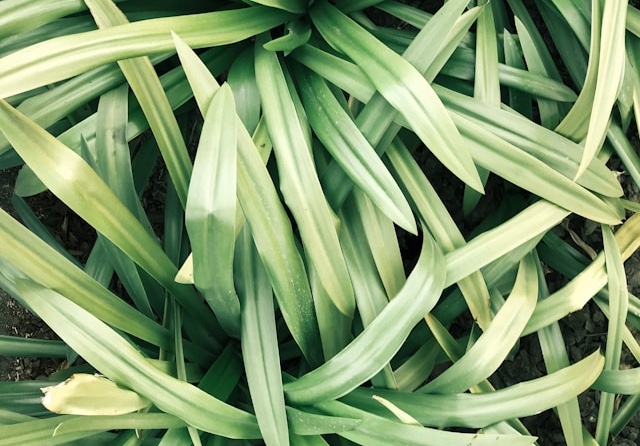
Lemongrass is an aromatic herb obtained from a tropical grass species known botanically as Cymbopogon citratus. The plant grows mainly in warm regions close to the equator, especially in Africa, Asia, and Latin America. It develops long narrow leaves and a fibrous lower stalk, both of which may be useful depending on the final industry application. In food and herbal tea markets, the leaves and tender lower portions are especially important. In extraction and essential oil applications, buyers may evaluate the material differently, but the raw herb still needs to meet commercial quality expectations.
Lemongrass is highly valued because of its rare combination of properties. It has a fresh citrus aroma, a recognisable herbal profile, a useful level of stability when dried correctly, and broad usefulness across several industries. It is also one of those plant materials that consumers already understand. That matters in trade. A product that is easy to recognise is often easier to formulate, easier to market, and easier to sell.
In international trade, lemongrass is not all the same. Buyers will usually encounter several main forms:
1) Dried Lemongrass Cut
This is one of the most common forms in international trade. The material is dried and cut into moderate-sized pieces for use in herbal infusions, loose tea, food processing, extraction, and general herb wholesale. In commercial terms, this form is attractive because it is easier to pack, easier to ship, and easier to store than fresh lemongrass. Buyers should still pay attention to cut size, aroma, colour, fibre level, and dust content because those factors affect the value of the lot.
2) Tea Cut Lemongrass
This is processed into a smaller and more uniform cut for tea bag filling, loose herbal infusions, and more standardised beverage applications. A tea company may strongly prefer this format because uneven pieces can create problems in blending, dosing, and packaging. If the buyer does not specify tea cut clearly, the seller may quote ordinary dried lemongrass instead, and the resulting offers may not be comparable.
3) Lemongrass Powder
This form has gone through additional grinding after drying. It is often preferred for seasoning blends, powdered food applications, capsules, sachets, and selected wellness products. Powder looks simple, but it requires more caution from buyers because poor-quality raw material can be hidden more easily once it has been milled. This is one reason serious buyers of powder usually demand stronger documentation and more careful quality checks.
4) Fresh Lemongrass
This is widely used in culinary applications, especially in restaurants, foodservice, and some regional food industries. The lower stalk is often especially valued in fresh culinary use because of its flavour and aroma. Fresh trade can work well where the buyer is close to the origin or where airfreight economics make sense, but the perishability and weight of fresh product often make dried trade more practical for international bulk business.
5) Lemongrass for Extraction
Some buyers purchase lemongrass mainly for distillation, extraction, and industrial botanical processing. In that context, the key concerns may shift slightly toward aroma profile, raw material condition, and processing suitability. However, that does not remove the need for proper drying, sensible storage, and reliable documentation.
That difference matters a lot. A tea company making herbal infusions may prefer tea cut lemongrass. A food manufacturer may prefer powder or dried cut lemongrass depending on the formulation. An extraction company may prefer a more specific raw material profile. If a buyer does not specify what type is needed, the quotations received may not be comparable, and the buyer may end up with the wrong material.
How Lemongrass Is Made
Many buyers search for “how lemongrass is made” because the production process affects aroma, colour, cleanliness, moisture level, stability, and suitability for different industries. Understanding the process also helps buyers ask better questions, interpret certificates more intelligently, and spot suppliers who are not really in control of quality.
1) Cultivation and Growth
Lemongrass is cultivated in warm tropical and subtropical climates where the plant can develop strong aroma and healthy leaf mass. The crop is commonly grown from rooted divisions rather than seed in many commercial systems. Good field management matters because soil condition, rainfall pattern, weed pressure, and harvesting discipline can all affect the final quality of the herb. Even though lemongrass is often described as a hardy crop, it still responds to better cultivation practices with better marketable output.
2) Harvesting
The plant is harvested when the leaves and lower portions have developed enough aroma and useful weight. Harvest timing matters because immature growth may give weaker aroma while overly mature material may become fibrous and less attractive for premium tea or food use. In practical terms, well-controlled harvesting contributes to better aroma, better appearance, and more consistent processing.
3) Sorting and Cleaning
After harvesting, the raw lemongrass is sorted to remove damaged leaves, excess dirt, weeds, stones, decayed material, and visible foreign matter. This stage is more important than it may sound because buyers are not paying for waste. Cleaner raw material reduces problems later in drying, cutting, milling, and export packing. A seller who is casual at this stage is often casual in other parts of the process too.
4) Washing
Some processors wash the material to improve cleanliness and reduce field dirt. This can be useful, but it must be handled correctly. Washing introduces extra moisture, and that can create mould risk if drying is not controlled properly. Good processors understand that washing only helps if the product is dried well afterwards. Bad processors may wash for appearance and then lose quality through poor moisture control.
5) Drying
After cleaning, the material is dried to reduce moisture and improve stability. Proper drying is important because badly dried lemongrass can develop mould, weak aroma, faded colour, and storage defects that later affect food, tea, cosmetic, or wellness use. Moisture control is one of the quiet but important foundations of herb quality. Buyers who ignore this often end up paying for it later through complaints, reduced shelf life, or even rejected cargo.
6) Cutting or Milling
Once the material is dry enough, it may be cut into the size required by the intended market. Loose herb buyers may accept larger pieces. Tea brands may demand smaller and more uniform cuts. Food processors may need milled powder. This is the stage where the same crop starts becoming several different commercial products. That is why it is dangerous for a buyer to ask for “lemongrass” without defining the final form clearly.
7) Optional Sieving, Refining, or Further Processing
Some lots go through additional sieving, grading, sorting, or refining to remove excess fibre, oversized pieces, and dust. This stage matters particularly for premium tea, food, and retail herb applications where cleaner visual quality and more consistent particle size can influence performance and pricing. In other words, how far the processor goes in refinement partly determines how much the buyer should be willing to pay.
In short, how lemongrass is made affects what you are actually buying. If you buy without understanding processing, you are buying blind.
What Is Lemongrass Used For?
Lemongrass is not a niche material. It is used across several industries because it performs functions that many other herbs do not perform as well.
Herbal Tea and Beverage Production
This is one of the biggest uses of lemongrass globally. Lemongrass contributes much of the brightness, aroma, and refreshing profile found in many herbal teas and functional infusions. If you remove lemongrass from a formulation and replace it poorly, the result is often obvious. The product may taste flat, smell weak, or lose the clean herbal-citrus profile consumers expect.
Tea manufacturers use lemongrass to support flavour balance, refreshing aroma, caffeine-free product positioning, and a more appealing sensory profile. Premium herbal teas often use cleaner and more aromatic lemongrass than lower-end blends because better herb performance usually produces a better consumer experience.
Food and Seasoning Products
Lemongrass is widely used in food processing because it provides a distinctive flavour profile that works well in many savoury and aromatic formulations. It is especially relevant in soups, broths, curry systems, marinades, seasoning blends, sauces, and premium foodservice products. In these contexts, it contributes freshness, citrus character, and aromatic depth.
For many food manufacturers, lemongrass also has a branding advantage because it sounds natural, recognisable, and premium. Consumers are usually more comfortable with familiar herbs than with obscure flavour inputs. That commercial advantage matters.
Cosmetics and Skincare Products
Lemongrass is also used in skincare and personal care because of its aroma, natural identity, and usefulness in selected botanical formulations. It may appear in soaps, scrubs, body products, bath products, and certain herbal cosmetic concepts. In these applications, the herb may be valued either for its aromatic contribution or for the broader product story it supports.
For many cosmetic brands, lemongrass has a marketing advantage because it fits well with plant-based and nature-oriented positioning. However, cosmetic buyers must usually care more about odour consistency and raw material cleanliness than casual buyers realise.
Essential Oil and Extraction Applications
Lemongrass is used in extraction and distillation, especially where processors are interested in aromatic plant compounds. This is an important use because it gives the commodity another trade channel beyond direct food and tea use. A buyer serving extraction markets may look at the herb differently from a tea buyer, but quality still matters. Poor storage, poor drying, and poor raw material condition still reduce value.
Pharmaceutical and Wellness Applications
Lemongrass is used in some wellness and traditional medicinal preparations. It may appear in herbal mixtures, support products, and botanical consumer goods where a familiar aromatic herb is helpful. Even where it is not the main active component, it can still improve product identity, aroma, and acceptance.
Hospitality and Foodservice Use
Hotels, restaurants, spas, premium cafés, and foodservice operators also use lemongrass in tea service, drinks, soups, sauces, and culinary concepts. This matters because it creates demand beyond manufacturing. In some markets, the hospitality sector can be a surprisingly steady buyer of clean and well-presented lemongrass.
Health Benefits of Lemongrass
Although lemongrass is mainly valued as an aromatic herb, it is still associated with several practical benefits, especially in teas, wellness products, and traditional use. Buyers in herbal tea, wellness, and natural product markets often position lemongrass for these reasons, so understanding the real benefits helps both sellers and buyers communicate more credibly.
1) Refreshing Herbal Infusion
Lemongrass is widely valued as a refreshing herbal drink. This is one of the main reasons it is so common in herbal teas and wellness beverages. It does not need exaggerated claims to be commercially valuable. Its refreshing sensory profile already makes it attractive in the market.
2) Digestive Comfort Positioning
One of the reasons lemongrass is so common in herbal tea is the way it is associated with digestive comfort in many traditional and modern wellness contexts. Consumers may not know the detailed science, but they know when a product feels light, soothing, and easy to take after meals. That makes lemongrass commercially useful in several beverage and wellness categories.
3) Natural Aroma and Wellness Appeal
Lemongrass contains aromatic plant compounds that contribute to its appeal in natural teas, herbal blends, and plant-based consumer goods. While it should not be exaggerated as a miracle ingredient, those qualities contribute to its value in natural-product marketing and consumer perception.
4) Support for Relaxation Products
Many people use lemongrass in herbal drinks and consumer products intended to support calm routines and general relaxation. Results vary by person, but this remains one of the most common reasons for its presence in wellness-oriented products. Buyers in that category benefit from understanding why the ingredient already has market acceptance.
5) Support for Clean-Label Positioning
Buyers also value lemongrass because it helps support a natural product story. In food, tea, and wellness formulations, that matters a great deal. Consumers increasingly prefer ingredients they recognise, and lemongrass is easier to communicate than many less familiar botanicals.
6) Broad Acceptability in Herbal Blends
Lemongrass blends well with herbs like ginger, peppermint, chamomile, hibiscus, and moringa. That makes it commercially attractive because it can sit inside many product concepts without dominating too aggressively. For a buyer building multiple SKUs, that flexibility is useful.
Side Effects of Lemongrass
No honest guide should talk only about benefits. Buyers and end users should also understand possible downsides.
1) Possible Sensitivity for Some Users
Some users may experience mild sensitivity or irritation, especially when lemongrass is part of a broader formula that also contains fragrance, essential oils, or active ingredients. Patch testing remains a good practice for sensitive skin, and cautious consumer use remains sensible where concentrated products are involved.
2) Strong Aroma May Not Suit Every Application
Lemongrass has a distinctive aroma, and that does not fit every product. In some food, cosmetic, or wellness formulations, the smell may be too strong if the material is not the right grade. This does not make lemongrass a poor ingredient. It simply means the buyer must match the grade to the intended application more carefully.
3) Poorly Processed Material Can Cause Problems
Lemongrass that has been badly dried, badly stored, or poorly handled may develop mould, dust, contamination, weak aroma, or general instability. In that case, the problem is not really the herb itself, but poor processing and quality control. This still matters greatly because the buyer carries the commercial risk.
4) May Be Too Fibrous for Some Applications
Lemongrass can become too fibrous for some uses if the material is harvested late or processed poorly. Many buyers tolerate that more easily in coarse extraction or low-grade applications, but not necessarily in tea bags, premium food systems, or retail herb packs.
5) Concentrated Forms Require More Caution
The risk profile can change when lemongrass is supplied in more concentrated aromatic or extract form. What works well in a diluted tea or food product may need more careful handling in a stronger formulation. Serious buyers understand that product form changes the risk discussion.
Top Producing & Exporting Countries of Lemongrass
Lemongrass production is tied closely to tropical agriculture, herb processing infrastructure, and drying capacity. A country may grow a lot of lemongrass but still export less of it if it lacks sufficient processing capacity. On the other hand, a country with stronger herb-processing systems may play a larger role in lemongrass exports even if field production is not the highest.
Some of the leading producing and exporting countries of lemongrass include:
India
India is one of the best-known producing countries of lemongrass and other aromatic herbs. Because of its scale and established processing systems, developments in India often affect lemongrass availability and pricing in many markets. For buyers, Indian origin can be attractive where volume and commercial experience matter.
Thailand
Thailand has a strong reputation for lemongrass in food and culinary use. Buyers often associate Thailand with good regional supply and strong culinary relevance, which can positively influence demand. For fresh and food-oriented applications, Thai supply can be especially relevant.
Vietnam
Vietnam remains an important producer and processor in Asia. For some buyers, Vietnamese supply provides useful diversification and competitive commercial options. As always, the practical value depends less on the country name alone and more on the specific exporter’s process control and reliability.
Indonesia
Indonesia is another notable source of lemongrass and aromatic plant materials. Buyers sourcing from Indonesia should still focus strongly on supplier verification, process discipline, and documentation, just as they should when sourcing from any other origin.
Egypt
Egypt is known for several dried herbs and aromatic crops. For buyers making tea and herb products, this can matter a lot. Egypt is often considered where relatively clean dried herb supply is needed, especially in broader herb-trade channels.
Nigeria
Nigeria is one of Africa’s notable agricultural and herbal-producing countries. It has real potential in lemongrass trade, especially for buyers looking for West African supply. However, buyers sourcing from Nigeria should focus strongly on supplier verification, process discipline, and documentation, just as they should when sourcing from any other origin.
Guatemala
Guatemala is also relevant in lemongrass trade, especially for buyers seeking supply diversity and regional sourcing options within the Americas. That can matter for some freight strategies and market positioning decisions.
The practical point for buyers is this: do not choose a supplier only because the country has a good reputation. Choose a supplier because the supplier has the right documentation, process control, and proven delivery capability.
Top Importing Countries of Lemongrass
The largest importing countries of lemongrass are usually countries with strong tea, food processing, wellness, herbal product, or cosmetics industries. These countries buy lemongrass either because they use it directly in finished goods or because they process and re-export value-added products.
United States
The United States remains one of the major markets for imported herbs, teas, natural ingredients, and aromatic raw materials. It matters because of the size of its food, beverage, and wellness industries.
Germany
Germany is important because of its strong herbal tea, wellness, and natural-products industries. Buyers often associate Germany with tighter quality expectations and more formal documentation needs.
Netherlands
The Netherlands plays a role both as an end market and as a trade gateway for products moving across Europe. This means Dutch imports may influence distribution beyond the Netherlands itself.
United Kingdom
The United Kingdom remains an important market for tea, wellness products, and ethnic food ingredients. A well-positioned lemongrass supplier may find several routes into this market.
France
France is relevant because of its food, herbal infusion, and natural consumer-goods markets. Product presentation and aroma profile can matter especially strongly here in some segments.
United Arab Emirates
The UAE is important because it serves both as a consumer market and a re-export hub for several products. For some buyers and suppliers, this makes the UAE commercially strategic.
Canada
Canada remains relevant for wellness, herbal tea, and natural ingredient imports. As with other developed markets, cleaner documentation and consistent quality usually matter more than simply having the cheapest quote.
Australia
Australia is also important because of its active market for herbal and natural consumer goods. Exporters serving Australia need to pay attention to logistics and product stability because freight can be a bigger factor.
European countries remain especially important because Europe has some of the world’s largest herbal tea and natural-products industries. Importing into those markets may involve stricter traceability, food safety, and documentation requirements, so supplier experience becomes even more important.
How To Safely Source for Your Lemongrass Produce
If you find the right export company, buying directly from them can make the purchase process easy and stress-free, when compared with doing the sourcing on your own. That said, there are few things to note when dealing with an export company in Nigeria or Africa. The specific requirements for Nigeria are listed below, but they mostly apply to other African countries.
1) The Exporting Company Must Be Properly Registered
The exporting company must be registered with the Corporate Affairs Commission (CAC) to make sure the company is registered and permitted to carry out business operations. Buyers who skip this basic verification sometimes end up negotiating with entities that are not properly structured for formal trade.
2) The Export Company Must Also Be Registered for Export
The export company must also be registered with the Nigerian Export Promotion Council (NEPC). This is one of the standard indicators that the company is operating within the proper export framework in Nigeria.
3) The Company Must Be Able To Receive International Payment Properly
The company must possess a domiciliary account to accept international payments. If the seller is vague or disorganised about payment structure, that is already a warning sign.
4) The Company Should Handle Export Documentation Before Shipment
The company should get all necessary export-related documentation done before the shipment leaves the port of origin. A buyer should not be hearing vague promises about critical documents after the cargo has already moved.
Some of the documents are important enough that buyers should discuss them early rather than late.
Certificate of Origin
This helps confirm the country of origin of the produce and may be required by customs, banks, or the buyer’s compliance process.
Bill of Lading
This is one of the key shipping documents in sea freight and is central to cargo release. Errors here can create expensive delays.
Inspection Certificate
This may come from SGS, Cotecna, Bureau Veritas, Intertek, or another recognised inspection body, depending on the agreement between the buyer and seller.
Certificate of Analysis (COA)
This helps the buyer review important product details such as moisture, cleanliness, and other agreed quality parameters.
Phytosanitary Certificate
This may be required where applicable, especially for agricultural and herbal produce entering more regulated markets.
Fumigation Certificate
This may also be required where applicable, depending on the destination market and shipment conditions.
Beyond registration and documentation, a serious buyer should also verify whether the supplier has actually handled lemongrass before. Ask for shipment history, references, recent COAs, packaging details, and realistic lead times. Many inexperienced buyers make the mistake of focusing only on price. That is often the fastest route to low quality or outright fraud.
It is also wise to align carefully on whether you want dried lemongrass, tea cut, powder, fresh lemongrass, or extraction-grade material, whether you require food-grade or cosmetic-grade standards, how you want the product packed, and what inspection standard will apply before shipment.
A smart buyer should also pay attention to photos, pre-shipment samples, lot condition, moisture control, and warehouse hygiene. Lemongrass is not a product that should be bought casually from random stock photos and a cheap quotation. If the supplier cannot describe the grade properly, the buyer should assume the risk is higher.
Where To Find Reliable Exporters
An important question that still needs to be answered is how to find lemongrass exporters. You can use any of the methods listed below.
Attend Trade Fairs
Trade fairs remain useful because they allow buyers to meet suppliers, compare products, and discuss specifications directly. For some buyers, face-to-face contact still reveals far more than email quotations do.
Use Search Engines Like Google, Yahoo, etc.
Search engines can help buyers identify suppliers, but search results alone are not proof of credibility. Many weak suppliers can still appear convincing online.
Search for Agents on LinkedIn
LinkedIn can help buyers identify exporters, agents, and commodity sellers, but profiles still need proper verification. A polished profile is not the same as verified delivery capability.
Sign Up on Trade Platforms
Trade platforms such as Alibaba, Tradeford, and Go4WorldBusiness can help buyers identify exporters and quotations quickly. They may be useful for initial supplier discovery, but discovery is not the same as verification.
However, “finding” exporters is only the first step. The harder part is verification. A supplier with a website is not automatically a real exporter. A LinkedIn profile is not proof of export capability. A low quotation is not proof of value. Buyers must verify company identity, documentation, product specifications, and delivery ability.
Neogric offers a reliable global order fulfilment solution for lemongrass and other agric produce. Our end-to-end supply chain solution makes the export of quality lemongrass easy, quick and safe. From the point of placing your order till it successfully gets delivered, we ensure you have nothing to worry about.
International Price of Lemongrass Per Metric Ton
The unit price ($ per kg) of lemongrass in the international market depends on a host of different factors including:
The Grade or Type of the Produce
Usually the more processing or specialization involved, the higher the price. Tea cut, cleaner grades, and powders may be priced differently from ordinary dried material.
The Price of the Raw Material
Field supply, seasonality, and local herb availability affect the base cost of the produce.
Processing Quality and Aroma Profile
Better aroma, lower moisture, cleaner colour, and improved sorting often support stronger pricing.
The Quantity Ordered
The greater the quantity, the cheaper you may get it per ton, depending on the supplier and season.
Harvest Season and Global Supply Situation
Seasonal fluctuations can affect both availability and cost.
Freight & Haulage Cost
Transport, handling, and inland haulage can materially change the final landed price.
Percentage of Markup
Supplier margins and trader margins also affect the quotation you receive.
Import Duties
Destination-country duties and other charges may influence overall cost.
Distance from the Country of Origin
The farther the destination, the more logistics usually matter.
Technology or Infrastructure Available in Country of Origin
Countries with better drying, processing, and packaging infrastructure may produce more consistent but sometimes more expensive output.
Relationship Between the Buyer and Seller
Long-term relationships can sometimes improve terms, pricing, and reliability.
That said, as at 2025–2026, lemongrass costs between $1,100 and $3,400 per metric ton (1,000 kilograms) in the international market, depending on whether it is standard dried lemongrass, tea-grade material, premium tea cut, powder, or specialised extraction-oriented lots.
Buyers should treat this as a directional market range, not an automatic quote. The real landed price you will pay depends on your exact specs, your chosen incoterm, your packaging, your destination, and your order size.
Request a Quote or Speak With Our Team About Lemongrass
Ready to source Lemongrass with confidence? Submit your RFQ for detailed specifications and formal quotations, or chat on WhatsApp for fast responses and quick clarification.
How To Pay For Your Lemongrass Produce
You can pay for your lemongrass using different methods, but three of the popular ways of paying for your agric produce are:
Bank (T/T) Payment
Bank payment is also known as T/T, “Telegraphic Transfer” or “Telex Transfer” In other words, it is an international wire of funds from the buyer’s bank to the seller’s bank.
A T/T is technically not the same as a wire transfer, which is often done through the SWIFT network. However, when a seller or supplier asks for a T/T payment, a wire transfer is what they are really asking for.
The wire transfer based on the SWIFT system is the most common payment method in international trade. Typically, it takes 3-5 working days to clear, and generally costs between 25 and 50 USD, depending on your agreement with the commercial department in your bank.
Advance Payment
There are sellers that will demand anywhere from 30% to 50% advance payment, and for good reason. If both parties have done deals in the past, sellers can ask for a percentage of the sales before they ship the produce and they can request for the remaining amount after a scanned copy of the Bill of Lading has been sent to the buyer.
It is the safest option for exporters and it also guarantees that they will have some funds to help with sourcing. It is popular among manufacturers on B2B marketplaces and also with commodity traders.
However, advance payment carries considerable risk for the importer (buyer) because the exporter (seller) might not be under as much pressure to ensure quality checks compared with a stricter form of payment. Some might even disappear entirely.
Having said that, advance payment is very useful and is widely used. For instance, the seller might need to secure the commodity in the face of increased competition. It can also be used when the exporter needs some money for sourcing the produce or for processing raw materials.
The most important thing is for both importer and exporter to build mutual trust by having a track record of successful deals with each other or other known companies.
Letter of Credit
Letter of Credit is an agreement generated by the bank of the buyer, guaranteeing payment once certain conditions are met. It is one of the safest types of payment available to both buyer and seller.
Some of the types of Letter of credit are important for buyers to understand, especially when trade size increases.
Commercial Letter of Credit
This is one of the standard forms used in trade.
Sight Letter of Credit
This supports payment upon presentation of compliant documents.
Transferrable or Non-Transferable Letter of Credit
This depends on whether the LC can be assigned onward or not.
Standby Letter of Credit (SBLC)
This can be used as a payment-support instrument in some trade structures.
Usance or Deferred Payment Letter of Credit
This supports delayed payment after agreed terms.
Revocable or Irrevocable Letter of Credit
These refer to whether the LC terms can be changed unilaterally or not.
Confirmed or Unconfirmed Letter of Credit
This depends on whether a second bank adds its confirmation.
Revolving Letter of Credit
This can support repeated transactions under a continuing structure.
Green Clause Letter of Credit
This includes additional financing features in some situations.
Red Clause Letter of Credit
This can allow advance payment under specific conditions.
L/Cs are not totally safe (for either buyer or seller) too. For instance, sellers can ship substandard products or those that are different from the ones agreed upon. In this case, the seller gets paid and the buyer receives goods he cannot use.
And speaking of the dangers of L/Cs for the exporter, the conditions in the Letter of credit might be practically impossible to fulfil; if an exporter agrees to such, he might be unable to receive payment.
Shipping & Delivery Terms
When shipping your products, it is important to take note of a few factors:
Order Quantity
For smaller shipments, airfreight is often the preferred option but as the order volume increases, sea freight could become significantly cheaper. Usually when the order is close to a full container load, sea freight is used.
Cost of Delivery
When the order is of a large volume, sea freight often turns out cheaper than air freight. In fact, airfreight could be much more costly than sea freight if the volume is large enough.
Time of Delivery
Sometimes, time will be more important to the buyer than the cost of delivering the produce. In this case, air freight will be the logical option. But if you have more time as a buyer, you should strongly consider using sea freight.
Incoterms
Incoterms refer to generally accepted shipping and payments terms. For example, buyers that have representatives in the source country or that can negotiate with the freight company can use the Free on Board (FOB) terms, since it gives them more control and can save them some money.
However, if the shipment is small or the buyer doesn’t have an extensive network to effectively handle payment for freight, insurance and port charges, he will be better off choosing the Cost-Insurance-Freight (CIF) payment option.
Our Typical Trade Specifications For Lemongrass
Below are common reference specifications. Final contract specs can be adjusted based on buyer needs.
| Parameter | Typical |
|---|---|
| Product | Lemongrass |
| Botanical Name | Cymbopogon citratus |
| Common Names | Lemongrass / Fever Grass / Tea Grass |
| Type | Dried Cut / Tea Cut / Powder / Fresh / Extraction Grade |
| Color | Green to light green, sometimes with pale yellow variation |
| Odor | Characteristic fresh lemon-herbal aroma |
| Moisture | Typically based on contract specification, often around 10%–12% max for dried form |
| Packaging | Usually 10kg, 20kg or 25kg food-grade bags or cartons |
| Trade Process | EXW / FOB / CIF |
| Payment Method | TT or L/C |
| Shipping Time | Usually 2–4 weeks after agreement and readiness |
Expected Shipping Documents
Bill of Lading
This is a core shipping document in sea freight transactions and is usually one of the most important documents for cargo release.
Certificate of Origin
This confirms the source country of the produce and may be required for customs, compliance, or banking purposes.
Inspection Certificate
This may be issued by a recognised third-party inspection company where agreed, especially when buyers want more confidence in quality and quantity.
Certificate of Analysis
This helps the buyer review key technical quality details such as moisture and other agreed parameters.
Commercial Invoice
This states the commercial value and transaction details and must align properly with the rest of the shipping paperwork.
Packing List
This gives the breakdown of the shipment and packaging details and helps both the buyer and customs authorities understand what is inside the cargo.
Phytosanitary Certificate
This may be required where applicable, especially for agricultural and herbal produce entering regulated markets.
Fumigation Certificate
This may also be required where applicable depending on destination-market rules and shipment conditions.
Request a Quote or Speak With Our Team About Lemongrass
Ready to source Lemongrass with confidence? Submit your RFQ for detailed specifications and formal quotations, or chat on WhatsApp for fast responses and quick clarification.