

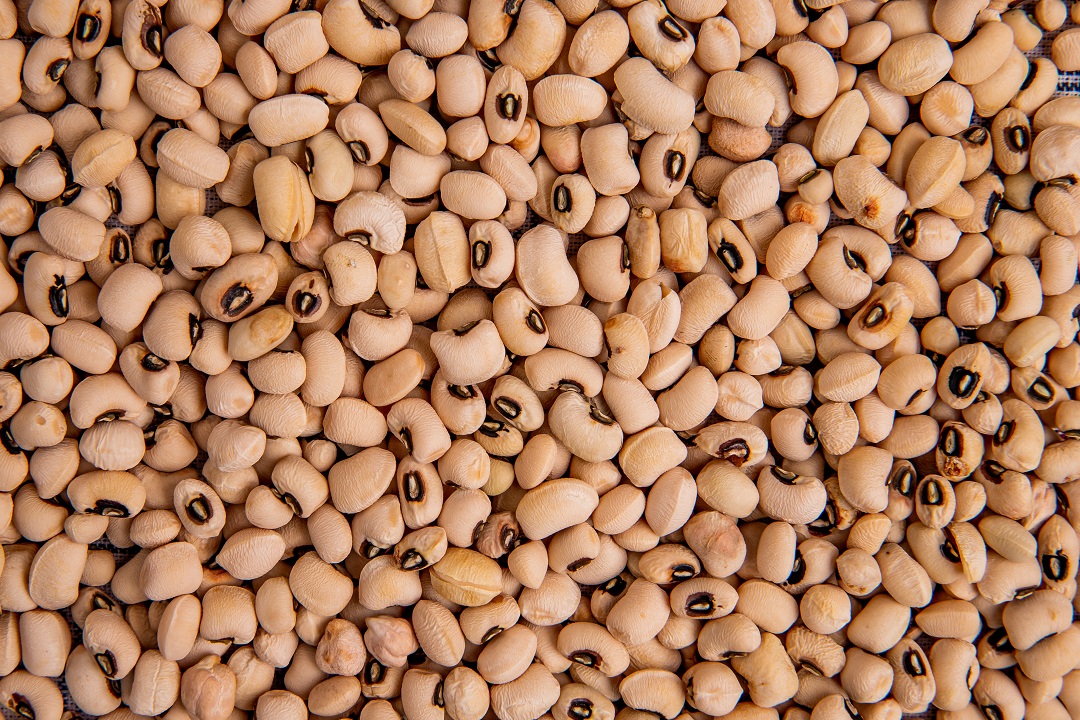
Honey Bean is one of the most commercially important pulse crops in Nigeria and across several African food markets where beans remain a daily staple and a high-turnover commodity. It is widely consumed in homes, sold in open markets, supplied to restaurants and caterers, processed into flour and food ingredients, and traded in bulk by wholesalers, aggregators, exporters, and institutional buyers. For serious commodity buyers, Honey Bean is not just another legume in the market. It is a volume product, a repeat-demand staple, and a food commodity whose cleanliness, dryness, grain size, storage condition, infestation status, and packaging quality can directly affect market performance and profitability.
In Nigeria, Honey Bean is especially well known in wholesale food trade because it is one of the most recognized bean types in everyday household consumption. It is appreciated for its cooking qualities, familiar taste, and strong market acceptance. In practical trade language, buyers may refer to it as honey beans, Nigerian honey beans, brown beans, or simply beans depending on region and market context. In many open-market conversations, however, the buyer is not really asking for “beans” in a generic sense. They are asking for a specific bean type with a preferred colour, grain size, dryness level, and cooking performance that fits their target customers.
Botanically, Honey Bean is generally traded within the broader cowpea group, most commonly associated with Vigna unguiculata. Common names in trade can include honey bean, brown beans, cowpea, and Nigerian beans depending on the market and the exact variety. In the Nigerian market, Honey Bean is often treated as a practical commercial identity rather than a purely botanical one. Buyers want to know whether the grain is clean, mature, weevil-free, dry, and suitable for their intended use. That commercial reality matters more in trade than taxonomy alone.
For exporters, food distributors, wholesalers, and importers serving African food channels, Honey Bean has strong commercial appeal because demand is continuous. It is not a niche specialty crop bought once in a while. It is a staple consumed across income levels and meal types. That means the product can move quickly when it is well sourced, correctly packed, and competitively priced. At the same time, it is a commodity that can become problematic when purchased carelessly. Beans with high moisture, insect damage, poor sorting, too much dirt, stones, or old stock odour can quickly create complaints, weight loss, reconditioning cost, or outright rejection.
This guide is written for buyers who want a practical, commercial, and sourcing-focused understanding of Honey Bean as a tradable commodity. It explains what Honey Bean is, how it is produced and processed, what it is used for, the health and nutritional benefits attached to it, the realistic side effects and quality concerns to consider, the main producing and importing countries, what international pricing can look like in 2025 to 2026, how to pay safely, how shipment terms usually work, and how to reduce risk when sourcing from farmers, aggregators, processors, or exporters.
Trade Overview of Honey Bean
Honey Bean is one of the most commercially active pulse commodities in West African food trade. It is traded in whole dried form and used across household food preparation, foodservice channels, institutional kitchens, wholesale distribution, open-market retail, and some processing applications. Because it is a staple food, its demand profile is different from many specialty crops. It moves frequently, responds strongly to seasonal harvest patterns, and is highly sensitive to consumer perceptions of grain appearance, cleanliness, and cooking behavior.
From a trade perspective, Honey Bean is a specification-sensitive staple. Two sellers may both say they have Honey Bean, but the actual lots may differ substantially in grain size, colour consistency, level of foreign matter, dryness, age of stock, live infestation status, split percentage, and post-harvest handling history. This is why experienced buyers do not buy solely on headline price. They buy on a combination of visible quality, fit for intended use, pack integrity, supplier credibility, and the probability that the shipment will arrive in commercially acceptable condition.
In Nigeria, Honey Bean remains commercially important because beans are a major source of protein in everyday diets. The product is sold through traditional markets, foodstuff depots, modern supermarkets, restaurant supply channels, and bulk wholesale routes. It is also relevant in export trade to diaspora markets where African food staples are in constant demand. Because of this, Honey Bean sits at the intersection of local staple commerce and exportable food commodity trade.
| Commodity | Honey Bean |
|---|---|
| Botanical Name | Vigna unguiculata group, commercially traded as a cowpea-type bean |
| Common Names | Honey Bean, brown beans, cowpea, Nigerian beans |
| Nigerian Market References | Honey beans, brown beans, beans, food beans |
| Main Commercial Forms | Whole dried beans, cleaned beans, bagged export beans, retail-packed beans, flour and food-processing inputs |
| Main Buyers | Wholesalers, distributors, retailers, food processors, restaurants, caterers, institutional buyers, exporters, importers |
| Typical Packaging | 1 kg to 50 kg bags, jumbo bags, or custom branded retail packs |
| Trade Focus | Moisture, grain size, insect activity, broken percentage, foreign matter, stone content, colour consistency, odour, bag strength |
| Common Delivery Modes | Ex-warehouse, truck delivery, containerized export shipments, FOB, CFR, CIF |
Request a Quote or Speak With Our Team About Honey Bean
Ready to source Honey Bean with confidence? Submit your RFQ for detailed specifications and formal quotations, or chat on WhatsApp for fast responses and quick clarification.
What Is Honey Bean?
Honey Bean is a commercially recognized type of cowpea widely consumed as a staple food, especially in Nigeria and neighboring food markets. It is valued for its familiar taste, consumer acceptance, and usefulness in a wide range of meals. In practical trade, Honey Bean is usually sold as a dried edible legume after harvest, shelling, drying, cleaning, sorting, and bagging. It is not an industrial abstraction. It is a real food commodity that moves from farm to wholesale market to processor, distributor, retailer, restaurant, or household kitchen.
What makes Honey Bean commercially important is that it serves both mass-market and premium channels. A market wholesaler may buy it in large quantities for redistribution into open-market retail. A supermarket packer may buy the same commodity but demand cleaner grain and better sorting. A restaurant supplier may focus on cooking time and consistency. A diaspora food importer may prioritize appearance, cleanliness, shelf stability, and packaging presentation. These differences matter because they shape how the product should be prepared before sale.
Commercially, Honey Bean is not simply “beans.” It is a trade grade that may vary by grain size, colour tone, dryness, year of harvest, percentage of broken grains, amount of dust and stones, and infestation exposure. A buyer that fails to define what is needed may receive a quote for stock that technically counts as Honey Bean but is commercially unsuitable for the intended channel.
In many markets, buyers pay close attention to how the beans look and how they cook. Uniform grain, low split rate, low foreign matter, and good storage condition can improve market acceptance significantly. For that reason, Honey Bean should be sourced with a clear product specification and not as a loose generic foodstuff.
How Honey Bean Is Made / Processed
The commercial quality of Honey Bean depends heavily on how it is cultivated, harvested, dried, shelled, cleaned, sorted, stored, and packed. A strong farming season can still produce weak export stock if post-harvest handling is careless. This is why serious buyers look beyond harvest claims and ask practical questions about process.
1. Cultivation and varietal selection
Honey Bean production begins in the field with the choice of suitable bean varieties, planting conditions, soil management, weed control, pest management, and timing. Farm practice affects grain maturity, appearance, yield, and how well the harvested beans will store later. If field management is weak, the final grain may show uneven size, immature seeds, disease impact, or weaker commercial value.
Buyers sourcing at scale often prefer suppliers that aggregate from structured farmer groups or reliable production belts rather than random mixed market collections alone. This usually improves consistency and reduces unwanted quality variation.
2. Harvesting at the right maturity
Beans should be harvested when the pods have matured properly. Harvesting too early can lead to immature grains and poor drying performance. Harvesting too late may increase pod shattering, weather exposure, insect damage, or loss in the field. Proper timing helps produce fuller grains that are easier to dry safely and easier to sell into quality-sensitive channels.
For trade buyers, poor harvest timing often reappears later as inconsistent grain appearance, weaker storage performance, or excessive splits.
3. Pod drying and shelling
After harvest, the pods are dried and the beans are removed through shelling or threshing. Depending on production scale, this may be done manually or mechanically. The shelling process matters because rough handling can crack the grains and raise the broken percentage. Excessive splitting lowers value in many retail and export channels.
Well-handled shelling helps preserve grain integrity and reduces dust generation later in the chain.
4. Drying and moisture control
Drying is one of the most important quality-control stages in Honey Bean trade. If the beans are stored with too much moisture, they can become vulnerable to mould growth, caking, heating, bad odour, discolouration, and insect attack. If they are overdried harshly, they may become brittle and more prone to cracking during handling.
Moisture is not just a technical number. It directly affects weight integrity, shelf life, transport safety, and customer satisfaction. A shipment that looks fine visually may still become a problem in storage if the moisture level is too high.
5. Cleaning and impurity removal
Once dried, the beans are cleaned to remove pod fragments, dust, stones, stalk pieces, shriveled grains, and other foreign materials. The quality of cleaning is a major pricing factor. Buyers serving supermarkets, packaged food channels, and export markets usually require cleaner stock than buyers serving rough bulk resale channels.
In practical terms, buyers often notice cleaning quality immediately. Excess dirt and stones reduce trust and can quickly turn a shipment into a complaint case.
6. Sorting and grading
The beans are then sorted by size, colour uniformity, and visible defect level. Better sorting makes the product easier to position in higher-value retail and export channels. It also reduces complaints about mixed grains, cracked beans, or inconsistent appearance. A supplier that sorts well generally has better control over product presentation and can serve more demanding buyers.
At this stage, discoloured grains, broken beans, insect-damaged beans, and visibly defective grains should be reduced to the agreed tolerance level.
7. Storage and infestation management
Beans are especially vulnerable to storage pests if warehousing is poor. Honey Bean should be stored in dry, clean, pest-managed spaces with good ventilation and protection from water ingress. Bags should be stacked properly and monitored to reduce moisture build-up and infestation risk. Warehouse discipline is one of the strongest indicators of whether a supplier is ready for repeat serious business.
Many commercial disputes in bean trade begin with storage failure rather than farming failure. A good crop can still become poor cargo if warehousing is weak.
8. Packing and shipment preparation
Before dispatch, the beans are weighed, bagged, marked if required, and prepared for local transport or export loading. Packaging strength matters because torn bags, underweight bags, or poor stitching can lead to losses and complaints. For export shipments, container cleanliness is equally important. Food cargo should never be loaded into wet, dirty, or odour-contaminated equipment.
Independent pre-shipment inspection at this stage can help confirm visible quality, bag count, weight, packing quality, and general cargo condition before final release.
What Is Honey Bean Used For?
Honey Bean remains commercially valuable because it serves several staple food applications and can move across household, wholesale, retail, and institutional channels with relative ease.
Household staple food
The most obvious use of Honey Bean is direct home consumption. It is cooked whole, turned into stews, porridges, bean-based meals, snacks, and mixed dishes. In Nigeria, beans are a regular part of the weekly food basket, which helps keep demand strong throughout the year.
Restaurant and catering supply
Restaurants, caterers, food vendors, school kitchens, and event kitchens buy Honey Bean in bulk because it is a dependable protein staple that can serve large numbers of people. Buyers in this segment care about cooking time, consistency, cleanliness, and how well the beans hold their texture during preparation.
Retail and supermarket distribution
Many wholesalers and packers buy Honey Bean for resale in retail packs. In this channel, visual quality matters more because consumers compare appearance directly on the shelf. Uniform grain, low dirt level, strong bagging, and clear packaging can make a significant difference in product movement.
Food processing and bean flour production
Honey Bean can also be milled into flour or used as a base ingredient in processed foods, especially in markets that produce bean-based mixes, complementary foods, snacks, and traditional food products. Processors in this segment often want cleaner stock with controlled defect levels.
Institutional feeding and humanitarian food supply
Because Honey Bean is a practical source of dietary protein and can be cooked in bulk, it can also be procured for school feeding, institutional kitchens, relief supply, and large-scale food support programs. For these uses, the product must combine price competitiveness with reliable safety and quality.
Cross-border and diaspora food trade
Honey Bean is relevant in African diaspora markets where traditional staples continue to enjoy strong demand. Importers serving these markets often look for beans that are clean, stable in storage, visually attractive, and suitable for repacking or direct retail sale.
Health Benefits of Honey Bean
Honey Bean is not just a commercial staple. It also has nutritional qualities that support its strong place in food systems.
1. Good plant-based protein source
Honey Bean provides meaningful plant protein, which is one reason it is such an important part of household diets in many African markets. For consumers who rely on beans as an affordable protein option, it remains highly practical.
2. Useful source of dietary fibre
Beans generally contain fibre that supports digestion and helps improve satiety. This makes Honey Bean useful in staple diets where meals need to be filling as well as affordable.
3. Supports balanced meal planning
Honey Bean fits well into balanced meals when combined with grains, vegetables, healthy fats, and other protein sources. It is one of the reasons traditional meals built around beans remain nutritionally useful in many food systems.
4. Provides important micronutrients
Depending on the specific variety and processing level, Honey Bean can contribute useful micronutrients that support everyday nutrition. This helps strengthen its role beyond simple calorie supply.
5. Practical affordable protein in staple economies
In markets where animal protein may be more expensive, Honey Bean remains one of the most accessible and culturally accepted food proteins. This makes it important not only nutritionally but economically.
6. Useful in vegetarian and mixed diets
Because of its protein value and meal versatility, Honey Bean can serve vegetarian consumers as well as mixed diets where beans are used alongside fish, meat, or grains.
7. Supports long-standing traditional food systems
One of the less obvious strengths of Honey Bean is that it fits naturally into established traditional diets rather than requiring consumers to adopt unfamiliar eating patterns. This helps keep demand broad and stable.
Side Effects of Honey Bean
Like many legumes, Honey Bean is widely consumed, but responsible commercial writing should still acknowledge realistic dietary and trade-related concerns.
1. Improper preparation may reduce eating comfort
Beans generally require proper soaking, washing, and cooking for the best consumer experience. Poor preparation can affect texture and digestibility, which matters for foodservice buyers and processors serving end consumers.
2. Overreliance may reduce diet diversity
Although Honey Bean is nutritionally useful, any food staple works best as part of a diverse diet. Excessive dependence on one staple category can limit overall dietary balance.
3. Poor storage can lead to insect infestation
This is one of the most important trade risks in bean commerce. If Honey Bean is stored poorly, weevil activity can develop and rapidly reduce the lot’s commercial value. Infested stock may lose weight, generate dust, damage brand trust, and become difficult to sell.
4. Damp stock can develop mould or off-odour
If the beans are not dried properly or are exposed to moisture in storage or transit, they may develop mould, caking, or stale odour. This affects both food safety perception and overall marketability.
5. Excess stones and dirt create consumer dissatisfaction
Even if the beans are edible, poor cleaning quality can make them commercially weak. Consumers and processors strongly dislike stock with stones, sand, pod fragments, or other foreign matter. For many buyers, this is an immediate rejection issue.
6. Old stock may cook poorly
Beans that have been stored too long or under poor conditions may take longer to cook and may not perform as expected in kitchens. This is a practical concern for caterers, households, and foodservice buyers who value dependable cooking behaviour.
Top Producing & Exporting Countries of Honey Bean
Honey Bean belongs to the broader cowpea trade, and its production and export relevance is strongest in countries where cowpea cultivation is well established.
1. Nigeria
Nigeria is one of the most important producers of cowpea in the world and remains central to Honey Bean trade in West Africa. The country’s large production base, deep local consumption, and active grain markets make it a natural reference point for buyers looking at this commodity.
2. Niger
Niger is another major producer within the broader cowpea ecosystem and is important in regional West African bean trade. Supply from Niger can influence regional availability and price direction.
3. Burkina Faso
Burkina Faso contributes meaningfully to cowpea production in West Africa and can be relevant in regional cross-border supply channels depending on season and market conditions.
4. Cameroon and Chad
These countries also matter in the regional pulse trade and can contribute to supply in nearby markets where cowpea demand is strong.
5. Senegal and Mali
These countries may also be relevant in West African cowpea movement, especially where local demand, border trade, and seasonal availability create opportunities.
6. Other African and niche-producing countries
Cowpea production is also present in other African countries and in some regions outside Africa, but West Africa remains the strongest commercial center for Honey Bean-type trade.
Top Importing Countries of Honey Bean
Import demand for Honey Bean and related cowpea types is shaped by staple food demand, diaspora consumption, regional deficits, and urban wholesale markets.
1. West African regional deficit markets
Several countries within West Africa may import or cross-border source beans when local production is insufficient or when consumer demand rises faster than local supply.
2. United Kingdom
The UK is relevant through African and diaspora food channels that import staple foods for ethnic retail and wholesale markets. Clean, well-packed Honey Bean can find demand in these channels.
3. United States
The US also matters through diaspora food distribution, specialty ethnic groceries, and food importers serving African communities.
4. Canada
Canada can be relevant for similar reasons, especially where African retail channels are active and demand for traditional staples remains steady.
5. Middle Eastern and European niche food markets
Depending on buyer networks and the structure of diaspora retail, some Middle Eastern and European markets may also import beans of this type for specialty food distribution.
How To Safely Source for Your Honey Bean Produce
Safe sourcing is one of the most important parts of Honey Bean trade because this is a food commodity where visual quality and storage condition directly affect resale success. Serious buyers reduce risk by approaching the transaction with clear commercial discipline.
Start with a detailed specification
Do not begin with a vague request for “beans price.” Start with a written specification. State the bean type, preferred colour range, grain size expectation, moisture target, acceptable broken percentage, acceptable foreign matter level, live infestation tolerance, packaging size, shipment volume, and whether independent inspection is required.
Without a proper specification, two quotes that look similar on paper may refer to very different qualities.
Define the intended use clearly
Is the Honey Bean for open-market resale, supermarket repacking, export to diaspora markets, foodservice use, flour processing, or institutional supply? The answer matters because the acceptable quality band changes with the intended channel. A premium retail buyer will usually require stronger sorting and cleaning than a rough bulk wholesaler.
Ask about stock age and harvest period
Beans do not remain commercially identical forever. Buyers should ask when the stock was harvested, how long it has been stored, and whether it has been re-bagged or fumigated. Old stock may still be usable, but the buyer needs to understand the risk profile before making payment decisions.
Request recent photos, videos, and bagging evidence
Current close-up photos of the grain, warehouse photos, and bagging photos can help identify weak offers before deeper negotiation. This is especially important when dealing with a new supplier or buying from a remote origin.
Check infestation status carefully
Weevil activity is one of the biggest commercial risks in bean trade. Buyers should insist on confirmation that the stock is free from live infestation at the point of loading. Where needed, an independent surveyor should verify this.
Verify moisture and dryness before shipment
Moisture affects shelf life, odour, mould risk, and safe transport. Beans that are too wet can become a serious problem in storage or during a long export transit. Moisture testing should be part of the inspection process.
Inspect cleaning quality and foreign matter
Stone content, sand, dust, pod fragments, and shriveled grains can quickly damage customer confidence. A buyer should confirm that the lot has been cleaned to the level required for the target market.
Review packaging quality
Bag strength, stitching, net weight accuracy, and print quality all matter. Weak bags can split during handling and create losses. Underweight bags can create claims and damage the buyer’s margin. Export shipments should use suitable food-grade packaging appropriate for the route and destination.
Inspect warehouse and loading conditions
The warehouse should be dry, clean, well ventilated, and properly managed. Containers or trucks used for transport should also be dry, odour-free, and fit for food cargo. Dirty or wet transport equipment can ruin an otherwise good lot.
Use pre-shipment inspection
Independent inspection is one of the best tools available to a buyer. It can help verify bag count, visible quality, moisture, infestation status, packing quality, and overall cargo condition before final release or shipment.
Compare quotations on a like-for-like basis
The cheapest Honey Bean offer may hide weaker sorting, older stock, poor cleaning, more breakage, or higher infestation risk. Buyers should compare quality, packaging, inspection, origin, and delivery term together rather than focusing only on unit price.
Use a clear contract and claims process
The contract should define product grade, quality parameters, quantity tolerance, packaging, inspection method, shipment window, payment structure, and claims procedure. This protects both sides and reduces confusion later.
Build supplier relationships after successful trials
Honey Bean is a repeat-purchase commodity in many businesses. Once a supplier proves dependable, the buyer often gains more from relationship stability than from constantly switching to unknown sellers.
Where To Find Reliable Exporters for Honey Bean
Reliable Honey Bean exporters are usually found through commodity trade networks, grain merchant referrals, agro-export firms with real operating capacity, foodstuff wholesalers, warehouse-backed aggregators, export associations, chambers of commerce, and specialized African food exporters serving diaspora markets. In practice, the strongest suppliers are usually the ones who can demonstrate current stock, explain storage conditions clearly, accept inspection, and communicate packaging and shipment details without confusion.
Buyers should distinguish between a supplier who merely knows how to quote and a supplier who actually controls or manages stock professionally. A true exporter or dependable aggregator should be able to discuss grain condition, cleaning quality, storage method, bagging, loading readiness, and documentation requirements confidently. Marketing language alone is not enough.
It also helps when the exporter understands the destination channel. A supplier serving diaspora retail packs should know that visual quality and cleanliness are critical. A supplier serving bulk foodservice buyers should understand cooking performance and bag strength. That market awareness often separates stronger exporters from weaker ones.
For first transactions, it is often wiser to begin with a manageable trial lot, evaluate the execution, and then scale up if the supplier performs well. In staple food trade, operating history is more valuable than an impressive first pitch.
International Price of Honey Bean Per Metric Ton
International Honey Bean pricing depends on origin, season, crop size, local demand in producing countries, grain quality, moisture, infestation risk, cleaning level, packaging, export readiness, and delivery term. Because Honey Bean is a staple food commodity, domestic demand in producing regions can affect export competitiveness significantly. Prices may also differ meaningfully between loose warehouse offers and export-ready cleaned, bagged, and inspected lots.
As a practical commercial guide for 2025 to 2026, Honey Bean prices can move across broad ranges depending on quality and shipment structure. In many real trade situations, bulk commercial-grade beans may trade roughly from around US$700 to US$1,050 per metric ton, while cleaner food-grade export lots, smaller containerized shipments, branded retail packs, or destination-delivered cargo may sit materially higher once cleaning, bagging, inland logistics, freight, insurance, and export handling costs are included.
These are not fixed universal prices. A low-priced warehouse offer with uncertain storage history is not directly comparable with a clean, export-ready lot in proper bags under a reliable contract. Buyers should therefore request live quotations against exact specifications and Incoterms rather than relying on general market talk.
It is also important to remember that beans are food commodities with strong local consumption. If domestic prices rise in major producing zones, export offers may become less competitive. If harvests are strong and storage is disciplined, buyers may find more attractive opportunities. Timing and specification both matter.
Request a Quote or Speak With Our Team About Honey Bean
Ready to source Honey Bean with confidence? Submit your RFQ for detailed specifications and formal quotations, or chat on WhatsApp for fast responses and quick clarification.
How To Pay For Your Honey Bean Produce
Payment terms in Honey Bean trade should reflect the transaction size, supplier history, and product risk. Because this is a food commodity vulnerable to storage-related quality loss, the payment structure should support proper verification.
Advance payment in trusted relationships
Advance payment may work where the buyer already knows the supplier and has confidence in how the stock is prepared and shipped. In a new relationship, however, full advance payment is usually less comfortable unless strong controls are in place.
Deposit with balance tied to shipment milestones
A common practical structure is a deposit followed by balance payment against inspection results, loading confirmation, or document presentation. This gives both sides a clearer framework and reduces the chance of misunderstanding.
Letter of credit for larger formal transactions
For larger export contracts, a letter of credit may be appropriate where both buyer and seller are comfortable with documentary trade. It adds paperwork and cost, but it can improve transactional confidence.
Documentary collection in selected relationships
In some trade relationships, documentary collection may be workable where trust already exists. Even then, buyers should not treat documentation as a substitute for physical quality verification.
Verify supplier identity before funds move
Before payment is made, the buyer should confirm the supplier’s registered business details, bank information, operational role, access to stock, and ability to produce the required shipping documents. Prevention is always easier than trying to solve a payment mistake later.
Shipping & Delivery Terms
Honey Bean can be moved through several delivery structures depending on whether the trade is local, regional, or export-based.
Ex-warehouse supply
In domestic and regional trade, Honey Bean is often sold ex-warehouse. In this arrangement, the buyer takes over responsibility after collection or dispatch from the storage location. Quality at pickup should therefore be checked carefully.
Truck delivery
For local and regional routes, suppliers may deliver by truck. Buyers should ensure the vehicle is clean, dry, covered properly, and suitable for food cargo so that the beans do not take on moisture or contamination during transit.
FOB shipments
Under FOB terms, the seller loads the cargo on board at the named port of shipment and the buyer then takes over freight and insurance responsibilities. This is useful for buyers who already manage their own shipping arrangements.
CFR shipments
Under CFR terms, the seller covers freight to the destination port while insurance is usually for the buyer’s account. This can simplify logistics for buyers who want a more landed arrangement without controlling the vessel booking directly.
CIF shipments
Under CIF terms, the seller covers cost, insurance, and freight to the named destination port. This is attractive for buyers who want a fuller delivery package, although the insurance scope and document accuracy should still be reviewed carefully.
Containerized export movement
Honey Bean is commonly shipped in containers, especially in bagged export trade. Container cleanliness, dryness, and proper loading discipline are critical. Food cargo should not be exposed to wet floors, holes, odours, or residual contamination.
Arrival planning and destination handling
Buyers should also plan for customs clearance, warehouse receipt, trucking, and storage at destination. Even a good cargo can become compromised if arrival handling is delayed or warehouse conditions are poor.
Our Typical Trade Specifications For Honey Bean
Actual contract specifications vary by buyer requirement, but a practical Honey Bean trade specification often includes the following points.
| Parameter | Typical Commercial Range / Requirement |
|---|---|
| Product | Honey Bean / Brown Bean / Cowpea-type edible bean |
| Botanical Reference | Vigna unguiculata group |
| Grade Type | Food-grade or commercial wholesale grade as agreed |
| Moisture | Typically max 12% to 14% depending on contract and route |
| Foreign Matter | Low and within agreed tolerance |
| Broken / Split Beans | Within agreed commercial tolerance |
| Insect Status | Free from live infestation at shipment |
| Odour | Clean, natural, free from stale, mouldy, or chemical odour |
| Colour | Commercially acceptable honey-brown to brown bean colour as agreed |
| Stone Content | Minimal and within agreed tolerance |
| Packing | 1 kg to 50 kg bags, jumbo bags, or branded retail packs |
| Inspection | Pre-shipment inspection where required |
Expected Shipping Documents
Documentation is a critical part of Honey Bean trade. Even a commercially acceptable cargo can become difficult if the paperwork is incomplete or inconsistent.
Commercial invoice
The commercial invoice states the seller, buyer, product description, quantity, unit price, total value, and delivery term. It must match the shipment and contract details accurately.
Packing list
The packing list shows bag count, packing format, net and gross weights, and shipment breakdown. This is important for customs processing and warehouse verification on arrival.
Bill of lading
The bill of lading is a key transport document that confirms shipment and supports cargo release depending on the payment structure used.
Certificate of origin
Many buyers require a certificate of origin to verify where the product was sourced. This may matter for customs processing and commercial confidence.
Phytosanitary certificate where applicable
Depending on the destination market, a phytosanitary certificate may be required to support agricultural import clearance.
Inspection certificate
Where independent inspection has been agreed, the inspection certificate helps confirm the condition and tested parameters of the cargo before shipment.
Fumigation or treatment documents where required
Some routes or destinations may require fumigation or treatment evidence for stored food cargo. This should be confirmed before shipment.
Insurance certificate where applicable
For CIF transactions or other insured shipments, the insurance certificate should form part of the document package.
Other destination-specific compliance documents
Depending on the buyer’s market, further food-safety, conformity, customs-support, or lab-related documents may be needed. These requirements should be clarified before the cargo is loaded.
Request a Quote or Speak With Our Team About Honey Bean
Ready to source Honey Bean with confidence? Submit your RFQ for detailed specifications and formal quotations, or chat on WhatsApp for fast responses and quick clarification.