

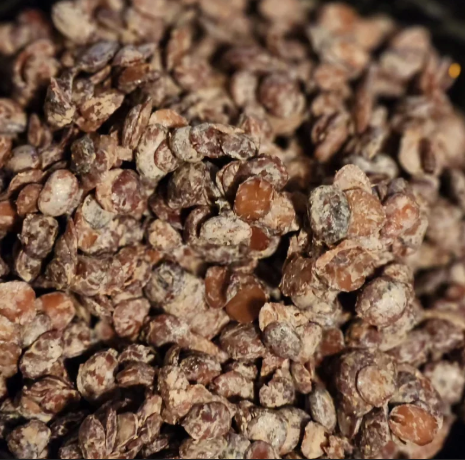
Fresh Locust Bean, popularly known as Iru in Nigeria, is one of the most culturally important traditional food seasonings in West African culinary trade. In Nigerian markets, the word Iru immediately signals a fermented locust bean product used to flavour soups, stews, sauces, and several indigenous dishes. When the product is sold in its fresh or moist state rather than dried form, it is often referred to in practical commercial language as Fresh Locust Bean or Fresh Iru. Its botanical source is primarily Parkia biglobosa, the African locust bean tree, a species long associated with traditional food processing and regional seasoning culture.
For everyday consumers, Fresh Locust Bean is a familiar kitchen ingredient. For serious buyers, however, it is also a highly specific food commodity that requires careful handling, clear understanding of fermentation, and disciplined logistics. Unlike many dry pantry goods, Fresh Iru is a live trade challenge in the sense that moisture, aroma, shelf life, hygiene, packaging, and transit time all matter greatly. If handled properly, it is a commercially valuable traditional seasoning with strong local and diaspora demand. If handled poorly, it can deteriorate quickly, lose market value, and create serious customer complaints.
One of the reasons Fresh Locust Bean remains important in trade is that many consumers prefer its softer texture, more immediate usability, and characteristic fermentation profile over the dried version. In some households and food-service settings, fresh Iru is seen as more authentic, more aromatic, and better suited to specific recipes. This preference creates stable demand in domestic Nigerian trade and in select export channels serving diaspora customers who want traditional cooking ingredients in familiar forms.
At the same time, Fresh Locust Bean is not a commodity that can be sourced casually. It is a fermented food ingredient with a naturally strong smell, short handling tolerance compared with dried goods, and significant variation in quality across different producers. Processing hygiene, fermentation control, moisture condition, freshness, storage temperature, contamination risk, and packaging method all affect the final trade outcome. A buyer may receive product that looks acceptable on the surface but performs poorly because it was over-fermented, badly stored, contaminated during processing, or kept too long before shipment.
Commercially, Fresh Iru occupies a different position from Dried Locust Bean. While dried Iru is valued for shelf stability and wider-distance distribution, Fresh Iru is valued more for immediate culinary use and sensory authenticity. This means it appeals strongly to nearby markets, quick-turn retail channels, food-service operators, and diaspora buyers who can manage faster stock rotation. But it also means the buyer must think much more carefully about transit time, preservation, packaging, and destination turnover.
In Nigeria, Fresh Locust Bean is sold in open markets, traditional food ingredient stalls, neighbourhood retail points, and bulk food-service channels. It may be packed loosely, shaped into portions, wrapped traditionally, or repacked in containers depending on the market. For export or formal trade, however, a more controlled packaging approach is usually necessary. International buyers typically need clearer food-safety handling, more hygienic packing, and stronger confidence about freshness.
Another reason this product requires professional attention is that not every buyer correctly understands the smell and appearance of properly fermented Fresh Iru. The product naturally carries a pungent aroma, but that does not mean all strong-smelling product is acceptable. There is a meaningful difference between the expected fermented note of well-made Iru and the unpleasant signs of spoilage, contamination, or poor storage. Buyers unfamiliar with the product can make mistakes in both directions. They may reject good product because it smells strong, or they may accept bad product because they assume all strong odour is normal.
For importers, wholesalers, distributors, and food businesses, this means Fresh Locust Bean sourcing should begin with clarity. What exact form do you want? What shelf-life window can you work with? Will the product be air-shipped, quickly distributed locally, or repacked and chilled? What hygiene standard is acceptable? What packaging preserves both product quality and surrounding cargo? What documents will be required? And what realistic price range should buyers expect in 2025 to 2026 conditions?
This guide looks at Fresh Locust Bean from a practical buyer-focused perspective. We will explain what it is, how it is made, what it is used for, its health benefits, the realistic side effects and risks attached to poor handling, the main producing and importing countries, how to source safely, where to find reliable exporters, realistic international price ranges, common payment structures, shipping and delivery considerations, practical trade specifications, and the documents serious buyers should request. The goal is simple: to help you buy Fresh Locust Bean more safely, more profitably, and with fewer avoidable sourcing mistakes.
Trade Overview of Fresh Locust Bean (Iru)
Fresh Locust Bean is a fermented food seasoning made from the processed seeds of the African locust bean tree. In Nigeria and much of West Africa, it is widely used to season soups, sauces, and traditional meals. In practical commercial terms, Fresh Iru is a high-demand cultural food ingredient rather than a generic spice or bean commodity. It is traded because consumers know exactly what it contributes to food and often insist on it where authentic flavour matters.
From a trade perspective, Fresh Iru is more sensitive than the dried version. Because it retains more moisture, it has a shorter practical shelf-life window and higher risk of deterioration if hygiene or storage is poor. That means local and regional buyers often have an easier time trading it than long-distance exporters. Still, export trade is possible where logistics are well managed, packaging is controlled, and the buyer has a clear plan for rapid turnover after arrival.
Quality in Fresh Locust Bean trade is shaped by fermentation balance, product cleanliness, moisture condition, aroma, handling hygiene, and freshness at the time of sale. The product should not be confused with spoiled material simply because it has a strong fermented smell. However, neither should buyers assume that any pungent lot is acceptable. Distinguishing authentic fermentation from deterioration is one of the most important commercial skills in this trade.
The product is attractive to wholesalers, food-service operators, African grocery distributors, and diaspora importers because of its repeat demand and strong cultural loyalty. But it is not a commodity where the lowest price is usually the best deal. Good Fresh Iru requires better process control, better packaging, and faster logistics discipline than many first-time buyers realise.
| Product Name | Fresh Locust Bean (Iru) |
|---|---|
| Botanical Name | Parkia biglobosa |
| Common Names | Iru, Fresh Iru, Fresh Locust Bean, Fermented Locust Bean |
| Nigerian Market Reference | Iru |
| Product Form | Fresh fermented locust bean seasoning in moist or soft form |
| Primary Uses | Soup seasoning, stew seasoning, sauce flavouring, traditional food preparation, food-service use |
| Main Supply Origin | Nigeria and other West African countries |
| Trade Quality Factors | Freshness, fermentation balance, hygiene, moisture condition, aroma quality, contamination-free handling, packaging integrity |
| Typical Packaging | Food-grade containers, sealed packs, pouches, plastic tubs, lined trays, or custom fresh-food packaging |
| Main Buyer Categories | Local wholesalers, food-service operators, African grocery distributors, diaspora importers, traditional food retailers |
Request a Quote or Speak With Our Team About Fresh Locust Bean (Iru)
Ready to source Fresh Locust Bean (Iru) with confidence? Submit your RFQ for detailed specifications and formal quotations, or chat on WhatsApp for fast responses and quick clarification.
What Is Fresh Locust Bean (Iru)?
Fresh Locust Bean is a fermented seasoning made from the seeds of the African locust bean tree, Parkia biglobosa. In Nigeria, it is widely known simply as Iru and is a major flavouring ingredient in many traditional dishes. Unlike the dried version, Fresh Iru retains moisture and is sold in a softer, more immediately usable form that many consumers prefer for its texture, aroma, and direct cooking convenience.
In practical commodity language, Fresh Iru is a processed traditional food ingredient, not a raw agricultural seed. The original seeds are harvested from locust bean pods and then boiled, dehulled, fermented, and prepared into the familiar seasoning used in cooking. This makes the product part agricultural, part artisanal, and part food-processing commodity. Buyers should think of it accordingly.
Fresh Locust Bean is different from Dried Locust Bean mainly in moisture content, shelf-life behaviour, and logistics requirements. The fresh form is more perishable but often more desirable to consumers who want the traditional sensory profile they are used to. That makes it valuable in fast-turn markets and for customers who prioritise authenticity over extended shelf stability.
The appearance of Fresh Iru can vary depending on production method and regional style. It may appear in clusters, loose soft particles, shaped portions, or compact units. Colour typically reflects fermentation and may range through dark brown fermented tones. Texture should feel moist and soft but not watery, slimy in a spoiled sense, or visibly mouldy. The smell should be pronounced and fermented, but not rotten, putrid, or contaminated by external odours.
One of the most important buyer lessons is that Fresh Iru is not interchangeable across all quality levels. Some lots are hygienically processed, well balanced in fermentation, and suitable for premium retail or fast turnover export distribution. Others are suitable only for informal local sale where expectations are lower and turnover is immediate. Serious buyers need to know which segment they are buying for.
How Fresh Locust Bean (Iru) Is Made / Processed
The commercial quality of Fresh Locust Bean depends heavily on how it is processed. Fermentation alone does not create a good product. Every stage, from seed preparation to packing, affects safety, flavour, and trade performance.
1. Harvesting the Mature Locust Bean Pods
The process begins with harvesting mature pods from the African locust bean tree. Mature pods provide the seeds used for further processing. Harvest maturity matters because poor raw material can weaken the entire production chain.
2. Removing the Sweet Pulp and Isolating the Seeds
The harvested pods contain a yellow sweet pulp surrounding the seeds. This pulp is removed, and the seeds are collected for processing. Clean handling at this stage is important because food contamination introduced early can carry forward into the final product.
3. Boiling the Seeds Thoroughly
The hard seeds are boiled for a long period to soften them. Proper boiling is essential for later dehulling and fermentation. Inadequate boiling can reduce product quality, while dirty water or poor hygiene can create avoidable food-safety risk.
4. Dehulling the Seeds
After boiling, the tough outer coats are removed. The dehulled inner cotyledons are the edible portions that will later ferment into Iru. Better dehulling produces a cleaner finished product with fewer husk-related impurities.
5. Washing and Sorting the Dehulled Material
The dehulled beans are washed and sorted to remove hull fragments, dirt, defective pieces, and other foreign matter. This is a very important food-quality stage. Suppliers who cut corners here often produce dirty or unstable product later.
6. Controlled Fermentation
The cleaned cotyledons are then fermented under conditions that allow the characteristic Iru aroma, taste, and texture to develop. Fermentation is the heart of the product. It must be managed with experience because under-fermented product may taste weak, while badly handled fermentation may produce unacceptable deterioration rather than desirable flavour.
7. Monitoring Maturity of the Fermentation
Experienced processors assess the progress of fermentation by smell, softness, and overall maturity. This is where craftsmanship strongly affects trade value. Better processors know when the product has reached acceptable balance and when it has crossed into quality decline.
8. Portioning or Forming for Sale
Fresh Iru may be portioned, shaped, loosely packed, or prepared into practical selling units depending on the target market. Some local markets accept loosely handled portions, but export or modern retail markets usually require more controlled and hygienic presentation.
9. Cooling, Packing, and Short-Term Preservation
Because the product is fresh and moisture-rich, proper packing after fermentation is extremely important. Packaging may include food-grade containers, sealed pouches, tubs, or other protective formats that limit contamination and help preserve product condition during short transit windows.
10. Storage and Rapid Distribution
Unlike dried goods, Fresh Iru is not meant for long careless storage. It should be moved quickly through the supply chain, ideally under conditions that reduce heat exposure and contamination risk. The longer it sits in poor conditions, the greater the chance of quality loss.
For buyers, the core lesson is this: Fresh Locust Bean quality depends on both good fermentation and good post-fermentation handling. A supplier may ferment well but still ruin the product through weak hygiene, bad packing, or poor storage discipline.
What Is Fresh Locust Bean (Iru) Used For?
Fresh Locust Bean is used primarily as a traditional seasoning, but it serves several distinct commercial roles depending on the buyer type.
Use in Traditional Soups
The best-known use of Fresh Iru is in traditional soups where it contributes deep savoury flavour, fermented richness, and culinary authenticity. In many Nigerian kitchens, it is a standard ingredient rather than a specialty item.
Use in Stews and Sauce Bases
Fresh Iru is also used in stews and sauce preparations where cooks want stronger flavour depth than ordinary seasonings can provide. It is especially valued in dishes where traditional profile matters.
Use in Food-Service Kitchens
Restaurants, caterers, and food-service operations serving West African food often prefer Fresh Iru because it is easy to use directly and delivers the flavour profile expected by customers familiar with the ingredient.
Use in Traditional Market Retail
Fresh Iru is sold extensively in local and regional markets in Nigeria and West Africa, where consumers buy it in small units for immediate or short-term household use. This is one of its strongest and most consistent sales channels.
Use in Diaspora Food Supply
In overseas markets, Fresh Iru is bought by diaspora consumers who specifically want the fresh form rather than dried alternatives. This can make it commercially attractive to importers with fast distribution channels.
Use in Value-Added Traditional Food Packs
Some processors or ethnic food businesses include Fresh Iru in curated traditional food packs for convenience cooking or recipe-based meal preparation. In such uses, careful packing becomes particularly important.
Its uses are therefore not limited to simple home cooking. Fresh Iru supports retail, hospitality, cultural food distribution, and specialty ingredient trade where authenticity is highly valued.
Health Benefits of Fresh Locust Bean (Iru)
Fresh Locust Bean is mainly purchased for flavour and culinary relevance, but it also carries nutritional value and traditional food importance that support its demand.
1. It Provides Plant-Based Protein
Because it originates from locust bean seeds, Fresh Iru contributes plant-based protein. Although used in modest amounts in many recipes, it still adds nutritional value beyond flavour.
2. It Is a Fermented Traditional Food
Fermented foods are valued in many traditional diets for flavour development and potential digestive advantages compared with raw unprocessed forms. Fresh Iru’s identity is built on this fermentation process.
3. It Contributes Minerals
Fresh Locust Bean is associated with useful minerals such as calcium, magnesium, potassium, and iron in varying amounts. This supports its longstanding reputation as more than just a flavouring.
4. It Adds Nutritional Depth to Meals
When used in soups and sauces, Fresh Iru contributes not only savoury flavour but also some nutritional substance, which helps explain why it has remained important in household cooking systems.
5. It Supports Traditional Dietary Patterns
Traditional ingredients like Iru help maintain food systems based on indigenous knowledge and locally valued flavour sources. This has both cultural and nutritional relevance.
6. It Delivers Strong Seasoning Impact in Small Quantities
Because Fresh Iru is potent in flavour, relatively small amounts can season larger volumes of food effectively. This practical efficiency is one reason it remains widely used.
7. It Preserves Culinary Identity
One of its understated benefits is cultural. Foods made with Fresh Iru carry a recognisable taste that connects consumers to traditional cuisine. This matters strongly in diaspora food markets.
These benefits should still be presented carefully. Fresh Locust Bean is a valuable traditional ingredient, but responsible buyers and sellers should focus on freshness, hygiene, and accurate representation rather than exaggerated health claims.
Side Effects of Fresh Locust Bean (Iru)
Fresh Locust Bean also comes with realistic side effects and trade risks, especially because it is moist, fermented, and sensitive to poor handling.
1. Poor Hygiene Can Cause Spoilage
If the product is prepared or packed under unhygienic conditions, it may deteriorate quickly or become unsafe for food use. This is one of the biggest risks in Fresh Iru trade.
2. Excess Moisture Shortens Shelf Life
Because Fresh Iru is not dried, it can spoil faster if moisture balance is poor or if it is held too long at unsuitable temperature. Buyers must therefore consider turnover speed carefully.
3. Fermentation Can Become Excessive
If the product continues degrading beyond acceptable fermentation, the smell and flavour can become unpleasant rather than desirable. This is especially likely where storage is weak or transport is slow.
4. Contamination Risks Are Higher Than in Dry Goods
Fresh products generally face more handling risk than dry products. Dirty water, poor surfaces, careless touching, bad containers, or weak storage can all introduce contamination.
5. Strong Odour Can Affect Handling and Acceptance
The product’s natural smell is part of its identity, but it can also create packaging, storage, and consumer-acceptance challenges in mixed retail environments. Poor odour containment can create trade problems.
6. Some Consumers May Be Sensitive to Fermented Foods
Not every consumer tolerates fermented ingredients equally. Some may find the smell or intensity too strong, especially if they are unfamiliar with the product.
7. Spoilage May Be Harder for Inexperienced Buyers to Detect
Because the product is expected to smell pungent, inexperienced buyers may find it difficult to distinguish good fermentation from actual spoilage. This makes supplier trust and sampling particularly important.
Most of these risks can be controlled through disciplined sourcing, proper packaging, short supply chains, hygienic handling, and clear understanding of the product’s normal sensory profile.
Top Producing & Exporting Countries of Fresh Locust Bean (Iru)
Fresh Locust Bean is closely associated with West African food systems and with the ecological zone of the African locust bean tree. Production and trade relevance are concentrated in the region.
1. Nigeria
Nigeria is the strongest market reference for Fresh Iru because the product is deeply embedded in everyday cooking and traditional seasoning trade. It is widely understood, processed, and sold across the country.
2. Benin Republic
Benin also has strong regional familiarity with locust bean products and contributes to the cross-border trade in traditional West African seasonings.
3. Ghana
Ghana is relevant within the broader West African culinary system where fermented seed seasonings and indigenous food ingredients remain important in household and market trade.
4. Burkina Faso
Burkina Faso lies within the ecological region where the African locust bean tree grows and can contribute to raw material availability and traditional processing activities.
5. Mali
Mali is another relevant West African producer zone linked to locust bean availability and traditional processing, although formal export structures may vary.
6. Other Savanna Belt West African Countries
Additional countries across the West African savanna and Sahel belt may contribute to locust bean production and local processing, but Nigerian Iru remains the strongest commercial reference in many markets.
For export buyers, Nigeria usually remains the clearest sourcing identity because the term Iru is strongly linked to Nigerian food culture and diaspora demand.
Top Importing Countries of Fresh Locust Bean (Iru)
Import demand for Fresh Iru is more selective than demand for dried versions because freshness and logistics matter more. Still, certain markets remain commercially relevant.
1. United Kingdom
The United Kingdom is one of the strongest diaspora markets for Nigerian and West African foods. Fresh Iru can find demand there where buyers have fast-moving specialty distribution channels.
2. United States
The United States also has important African diaspora demand, especially in cities with established ethnic food retail networks. However, freshness management and compliance expectations can be significant.
3. Canada
Canada is a smaller but relevant destination for African food ingredients, especially where importers are able to distribute quickly to concentrated urban diaspora markets.
4. Germany
Germany’s African food retail sector continues to grow, making it a possible destination for carefully handled fresh traditional products where turnover is well managed.
5. Netherlands
The Netherlands serves both as a consumer market and as a logistics point in Europe. This can make it useful for some fresh African food distribution arrangements.
6. France
France has African diaspora communities and specialty food channels that can support demand for culturally specific ingredients, though freshness handling remains critical.
7. Regional African Urban Markets
Beyond overseas trade, fresh Iru also moves within Africa itself, especially into nearby urban markets where transport time is shorter and traditional demand is strong.
Import demand for Fresh Iru is therefore strongest where there is both cultural familiarity and a practical logistics model for moving a perishable traditional product quickly.
How To Safely Source for Your Fresh Locust Bean (Iru) Produce
Safe sourcing for Fresh Locust Bean requires more discipline than many dry commodities because the product is fermented, moist, and shelf-life sensitive. Buyers who treat it like an ordinary pantry ingredient often face avoidable losses.
Start With the Exact Product Form
First, confirm that the supplier understands you want Fresh Iru, not dried Iru. The distinction must be clear in every quote, invoice, sample, and contract because the shelf-life and shipping implications are completely different.
Define Freshness Expectations in Writing
State how fresh the product should be at dispatch, how it should be packed, and what transit window is acceptable. A buyer with a three-day distribution plan can work with a different product profile than a buyer whose shipment will spend weeks in uncontrolled movement.
Request a Representative Sample
Because Fresh Iru is a sensory product, a representative sample is essential. Check smell, softness, visible cleanliness, packaging behaviour, and how the product performs over a short holding period. A one-time visual photo is not enough.
Evaluate Fermentation Quality Properly
Do not rely on general comments like “strong aroma means good quality.” Work with someone who actually knows Iru. Proper fermentation has a characteristic profile, but over-fermented, dirty, or deteriorating product can mislead inexperienced buyers.
Ask About Water and Surface Hygiene
Because the product is moist and handled after fermentation, hygiene matters greatly. Ask what water is used, what surfaces the product touches, how containers are cleaned, and how contamination is prevented during packing.
Check Packaging Suitability
Fresh Iru needs packaging that protects against leakage, contamination, and uncontrolled odour spread. Packaging should match both the transport method and the buyer’s retail or food-service intention. Weak packaging is one of the fastest ways to lose value in this trade.
Inspect the Storage Environment
If possible, inspect or have a representative inspect the storage environment. Fresh Iru should not be held in dirty, hot, poorly ventilated, or pest-prone conditions. Storage tells you a lot about how seriously the supplier takes quality.
Plan Logistics Before You Buy
Unlike dried goods, Fresh Iru should not be bought first and routed later. Logistics planning must come early. You should already know how the product will move, how long it will take, and how it will be stored at destination.
Use Quick Turnover Channels
Only buy commercial quantities if you have a realistic fast-turn distribution route. Fresh Iru is better suited to buyers who can move stock quickly than to those who need long shelf life in warehouse.
Consider Temperature and Handling Risk
Depending on the route and destination climate, buyers may need chilled handling, faster air movement, or especially protective short-haul distribution methods. The right decision depends on the exact trade model.
Use Pre-Shipment Inspection Where Possible
For meaningful commercial quantities, pre-shipment inspection or at least verified final-lot review is valuable. This can help confirm hygiene, packaging, visible condition, and dispatch readiness.
Clarify Claims and Shelf-Life Responsibility
Your contract should explain what happens if the product arrives already deteriorated, leaking, mouldy, contaminated, or clearly outside the approved freshness standard. Because the commodity is perishable, claims terms should be especially clear.
In practice, safe sourcing for Fresh Iru is not just about price or supplier relationship. It is about aligning processing quality, packaging, logistics, and destination turnover in one disciplined commercial plan.
Where To Find Reliable Exporters for Fresh Locust Bean (Iru)
Reliable exporters of Fresh Locust Bean are usually harder to find than exporters of shelf-stable dried goods because the product demands stronger logistics discipline and better understanding of freshness-sensitive trade. The best suppliers are often agro-exporters or African food distributors who already handle traditional food products and understand that fresh fermented items require more careful packing and faster movement.
One practical route is to work with suppliers already serving diaspora markets with perishable or semi-perishable traditional ingredients. These exporters are more likely to understand hygienic packing, odour-aware packaging, transit timing, and the need for careful dispatch scheduling. This experience matters because Fresh Iru punishes weak logistics more quickly than dried versions do.
Another route is to work through a sourcing partner who can verify processors, inspect finished product, coordinate packing, and ensure the consignment leaves promptly under the right handling conditions. This is especially useful for overseas importers without local staff in Nigeria or West Africa.
Buyers can also identify suppliers through traditional food wholesale networks, ethnic grocery distribution contacts, market referrals, and food exhibitions. But such channels should be treated as lead sources, not proof of reliability. The real proof is whether the exporter can show representative samples, explain handling methods, and deliver the product in usable condition repeatedly.
When screening exporters, ask practical questions. Have they exported Fresh Iru before? What is their maximum dispatch window after packing? What packaging format do they use? How do they prevent leakage and contamination? Can they support rapid logistics? Can they provide recent production photos and sample lots? Do they understand your destination market’s expectations?
Reliable exporters generally answer these questions directly and specifically. That kind of practical detail is often the clearest sign that the supplier understands the difference between local market selling and proper commercial supply.
International Price of Fresh Locust Bean (Iru) Per Metric Ton
The international price of Fresh Locust Bean per metric ton depends on freshness, fermentation quality, hygiene level, packaging style, dispatch speed, order size, destination route, and whether the product requires specialised handling. Because it is a fresh fermented food ingredient, its price structure is not the same as dried locust bean or dry pantry spices.
In practical 2025 to 2026 market terms, lower-end loosely packed Fresh Iru intended for nearby informal markets may trade far below carefully packed export-oriented fresh product. Packaging and transit readiness add real cost. So does the risk of spoilage. Buyers comparing offers should therefore be careful to compare like with like.
As a broad commercial planning range, Fresh Locust Bean may trade around US$900 to US$1,700 per metric ton for structured supply, though actual export-ready fresh lots with specialised packing or faster handling may move above this range depending on route and dispatch basis. Regional and nearby-market transactions may fall toward the lower end, while premium fresh product prepared for demanding diaspora channels can price higher. The Incoterm matters greatly because EXW, FOB, air-freight-assisted, or delivered fresh-food pricing can vary significantly.
Buyers should not focus on headline price alone. A cheap Fresh Iru offer may mean weak hygiene, poor packing, advanced fermentation age, or inadequate transport planning. Because deterioration risk is real, an apparently cheaper lot can become the most expensive choice once spoilage and rejection are considered.
Request a Quote or Speak With Our Team About Fresh Locust Bean (Iru)
Ready to source Fresh Locust Bean (Iru) with confidence? Submit your RFQ for detailed specifications and formal quotations, or chat on WhatsApp for fast responses and quick clarification.
How To Pay For Your Fresh Locust Bean (Iru) Produce
Payment in Fresh Locust Bean trade should reflect the product’s perishability and the need for fast, disciplined execution.
Advance Payment for Small Trial Orders
Small trial consignments may be done on advance payment where the buyer has approved a sample and is testing the supplier’s ability to deliver fresh product in good condition.
Deposit Plus Balance on Dispatch Milestones
A common structure is partial advance payment to support sourcing and packing, with the balance tied to agreed dispatch milestones, final packaging review, or immediate shipping evidence.
Inspection-Linked Release Where Practical
Because quality changes quickly in fresh-food trade, some buyers prefer payment release linked to final-lot verification shortly before dispatch. This can help reduce the risk of paying for old or poorly packed product.
Use Fast and Clear Payment Channels
Fresh products do not benefit from slow payment systems that delay movement after packing. Both sides should use payment methods that allow the shipment to move quickly once the agreed stage is reached.
Ensure Document Consistency
The contract, invoice, pack details, and shipment references should all align exactly. In perishable trade, even small administrative delays can affect product quality by slowing dispatch or clearance.
The strongest payment structures for Fresh Iru are the ones that protect the buyer while still supporting fast operational movement.
Shipping & Delivery Terms
Shipping and delivery terms are particularly important for Fresh Locust Bean because product quality is closely tied to time and handling conditions.
EXW for Nearby Buyers With Immediate Pickup
Ex Works may work for local or nearby regional buyers who can collect immediately and control transport themselves. It is less suitable for distant buyers without strong local coordination.
FOB or Airport Handover for Structured Export
Where export is involved, a structured handover point such as FOB or airport delivery may be practical, but only if the product and route support fast movement and the buyer can manage onward logistics reliably.
Rapid Transit Is Usually Better Than Slow Ocean Movement
Because the product is fresh and fermented, longer transit methods can be risky unless packaging and preservation strategy are exceptionally strong. Faster routes often make more sense for quality preservation.
Packaging Must Prevent Leakage and Odour Problems
Fresh Iru should be packed so that it does not leak, absorb contamination, or create avoidable issues for adjacent cargo. Packaging is therefore both a product-quality issue and a logistics issue.
Storage on Arrival Must Already Be Planned
Delivery terms should not end with arrival alone. Buyers should already know where the product will go immediately after receipt and how it will be stored, portioned, or sold.
Transit Timing Should Match Retail Turnover
Fresh Iru works best when shipping time, customs clearance, and retail turnover are all aligned. A good product can still fail commercially if it arrives into a slow-moving channel.
With Fresh Locust Bean, logistics are part of quality. The best trade outcomes come from delivery terms that reflect that reality.
Our Typical Trade Specifications For Fresh Locust Bean (Iru)
Actual specification depends on buyer market, route, and packaging requirement, but a practical reference may look like the following.
| Parameter | Typical Export / Trade Range |
|---|---|
| Product | Fresh Locust Bean (Iru) |
| Botanical Source | Parkia biglobosa |
| Form | Fresh fermented locust bean seasoning |
| Colour | Natural fermented brown to dark brown appearance |
| Odour | Characteristic fermented Iru aroma; free from rotten or contaminated smell |
| Texture | Moist and soft, but not excessively wet or visibly spoiled |
| Contamination | Free from stones, dirt, visible mould, and foreign matter beyond agreed tolerance |
| Infestation | Absent |
| Processing Condition | Properly fermented, hygienically handled, freshly packed |
| Packing | Food-grade tubs, pouches, sealed trays, lined containers, or custom fresh-food packs |
| Shelf-Life Expectation | Subject to packaging, storage condition, and route planning |
| Application | Soup seasoning, stew seasoning, food-service use, fast-turn retail distribution |
Expected Shipping Documents
Fresh Locust Bean shipments should be accompanied by a clear and practical document set that supports customs clearance, payment, and product traceability.
Commercial Invoice
The commercial invoice should show the seller, buyer, product description, quantity, value, and payment terms. It must align exactly with the actual shipment prepared for dispatch.
Packing List
The packing list should describe the number of cartons, tubs, pouches, trays, or containers, as well as net and gross weight where applicable. It helps the buyer understand the structure of the shipment.
Bill of Lading or Air Waybill
Depending on the transport mode, the relevant carriage document should confirm the shipment route, consignee, and transport status. For fresh products, air transport documentation may often be more relevant than standard ocean documents.
Certificate of Origin
Where required, the certificate of origin confirms the country from which the product was exported. This may be relevant for customs and buyer traceability.
Phytosanitary or Relevant Food Export Documentation
Depending on destination-market rules, the shipment may require phytosanitary or related food-export documentation. Buyers should confirm this early, especially for fresh food products.
Inspection Certificate
If independent pre-shipment inspection is used, the certificate may confirm visible condition, packaging, and quantity at dispatch. This can be helpful in managing claims for fresh goods.
Quality or Handling Confirmation
Some buyers request a supplier quality note or handling declaration covering freshness, packing date, or hygiene status. This is especially useful where the product is moving into formal retail systems.
Insurance Certificate
If the delivery structure includes cargo insurance, an insurance certificate may form part of the document set. Buyers should review the coverage carefully because fresh goods may require particular attention.
For Fresh Iru, documentation is not a minor administrative detail. It is part of the product-control system that helps ensure the shipment moves quickly and with fewer avoidable disputes.
Request a Quote or Speak With Our Team About Fresh Locust Bean (Iru)
Ready to source Fresh Locust Bean (Iru) with confidence? Submit your RFQ for detailed specifications and formal quotations, or chat on WhatsApp for fast responses and quick clarification.