

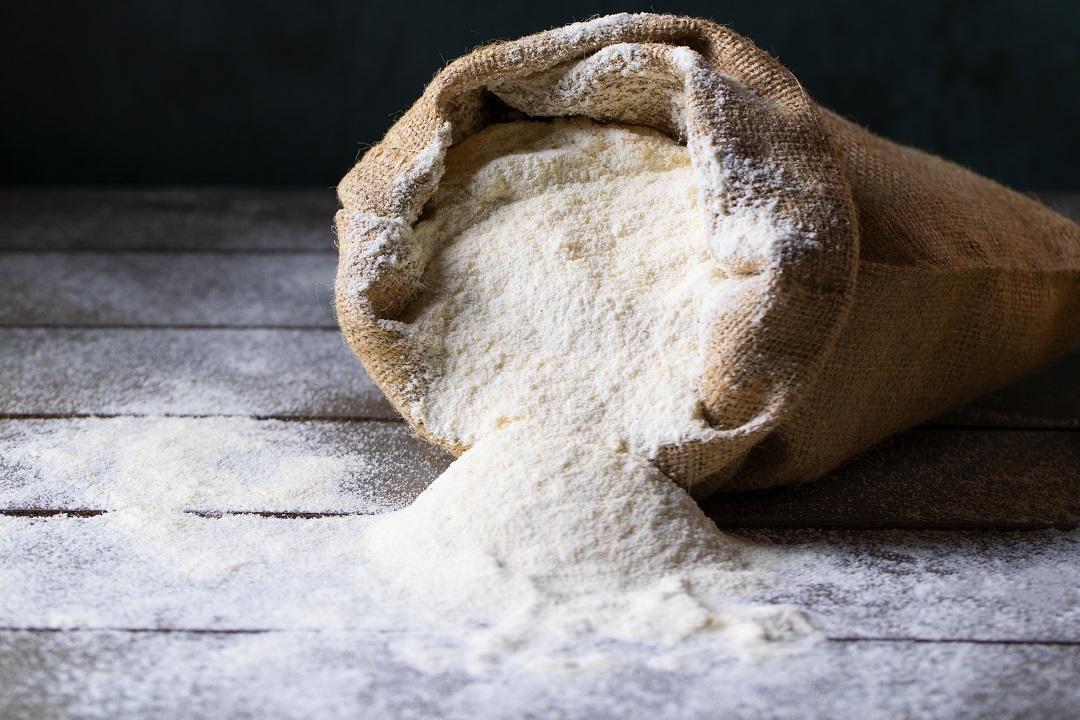
Cocoyam Flour is one of the more commercially overlooked but increasingly useful value-added root crop products in the African food trade. For importers, distributors, private-label food companies, ethnic grocery buyers, food service operators, and specialty ingredient traders, it offers a practical balance of shelf stability, cultural familiarity, and versatile food application. In fresh form, cocoyam is a useful staple crop in many producing regions, but once processed into flour, it becomes a far easier product to store, transport, market, and distribute across local and international supply chains.
In Nigeria and many other West and Central African markets, cocoyam is a familiar food crop consumed in several forms. When processed into flour, it becomes a more durable ingredient that can serve traditional food uses, composite flour applications, porridge mixes, thickening systems, convenience food production, and a range of household and specialty food channels. In local and export markets, buyers may hear references to cocoyam flour, taro flour, old cocoyam flour, or root flour depending on the exact raw material and regional naming style. That is why serious buyers should not rely on names alone. They should always confirm the precise product identity before placing an order.
Botanically, cocoyam in trade can refer to more than one closely related root crop type, most commonly within the genera Colocasia and Xanthosoma. In practical Nigerian market usage, cocoyam may refer to species such as Colocasia esculenta or Xanthosoma sagittifolium, depending on region, local naming, and culinary use. From a commercial standpoint, however, what matters most is not the Latin name alone but the functional identity of the flour. Buyers need to know the source root type, colour, flavour profile, particle size, moisture condition, and intended application.
The reason Cocoyam Flour deserves more attention in trade is simple. It converts a bulky, perishable root crop into a shelf-stable product with more manageable logistics and wider commercial reach. Fresh cocoyam can face handling losses, storage issues, and transportation constraints. Flour solves many of those problems. It is easier to pack, easier to measure, easier to move across borders, and easier to position into both household and industrial markets.
Commercially, Cocoyam Flour can be attractive for several kinds of buyers. Traditional food importers value it because it connects with familiar food culture. Ingredient distributors value it because it can work in composite blends and food processing. Health-oriented retailers may value it as a root-based alternative flour. Diaspora grocery networks may value it because it provides access to a culturally recognized staple in a more convenient format. The more flexible a flour is in end use, the easier it becomes to build repeat trade around it.
Even so, this is not a product that should be sourced casually. Cocoyam Flour quality varies widely depending on raw material selection, peeling quality, drying method, milling hygiene, moisture control, and storage practice. Two suppliers may both claim to sell Cocoyam Flour while offering products that differ significantly in colour, smell, flowability, cooking behaviour, and shelf stability. A disciplined buyer therefore approaches Cocoyam Flour as a specification-based processed food product rather than a cheap agricultural side item.
Another important trade issue is product clarity. In some markets, cocoyam-related naming overlaps with taro, eddoe, tannia, and other root crop references. Some suppliers also market blended products without being clear about the ratio or even the true raw material base. That creates risk for importers, especially those supplying customers who already know what cocoyam should taste like and how it should behave in cooking. Good sourcing starts with clear naming, clear specifications, and sample approval.
This guide explains the trade overview of Cocoyam Flour, what the product is, how it is made, what it is used for, the health benefits and side effects buyers should understand, the top producing and importing markets, how to source it safely, where to find reliable exporters, what realistic 2025 to 2026 international price ranges look like, how payment is commonly structured, which shipping terms matter, what trade specifications are usually expected, and which shipping documents buyers normally require in cross-border transactions.
Trade Overview of Cocoyam Flour
| Commodity | Cocoyam Flour |
|---|---|
| Botanical Name | Colocasia esculenta, Xanthosoma sagittifolium, or related cocoyam trade types depending on origin |
| Common Names | Cocoyam Flour, Taro Flour, Cocoyam Powder, Root Flour |
| Nigerian Market Reference | Cocoyam Flour, often linked to traditional food preparation, thickening use, porridge, and composite food applications |
| Primary Raw Material | Fresh cocoyam corms or cormels, depending on species and local supply base |
| Main Export Form | Fine flour or powder in retail packs, lined bulk sacks, or private-label packaging |
| Typical Buyers | Importers, wholesalers, ethnic grocery chains, ingredient distributors, private-label brands, food processors |
| Key Trade Factors | Moisture, colour, odour, fineness, purity, root identity, packaging quality, microbiological stability |
| Main Origin Markets | Nigeria, Ghana, Cameroon, Uganda, Rwanda, China, India and other cocoyam-producing regions |
| Typical End Uses | Porridge, soup thickening, composite flour, traditional foods, household cooking, specialty ingredient use |
| Commercial Positioning | Value-added root crop flour for household, diaspora, food service, and specialty ingredient channels |
From a commercial perspective, Cocoyam Flour is not merely a dried crop product. It is a processed food ingredient whose value depends on the quality of the root, the discipline of the processor, and the clarity of the final specification. Buyers are not just buying cocoyam in powdered form. They are buying how well it was cleaned, peeled, dried, milled, packed, and stored.
One of the strongest advantages of Cocoyam Flour is that it extends the value of cocoyam beyond the constraints of fresh-root marketing. Fresh cocoyam is useful, but it is still a root crop with storage and transport limitations. Flour processing reduces those limitations and helps the crop move into broader domestic and international value chains. For exporters, that means more practical logistics. For buyers, it means easier stockholding and lower spoilage risk.
The product also benefits from multiple layers of demand. At one level, it fits into traditional food culture in Africa and diaspora markets. At another level, it can serve functional food applications such as thickening and flour blending. In some premium or wellness-focused channels, it can also be marketed as a root-based alternative flour. That range of uses gives it a wider commercial base than many single-purpose agricultural products.
In Nigeria, Cocoyam Flour is commercially relevant because cocoyam is already understood in local food systems, and root crop processing continues to attract interest as part of value-addition strategies. This gives the product room to grow in both household consumption and export trade. But the strongest export suppliers are not merely those with access to cocoyam. They are the ones with disciplined production and dependable packaging and documentation systems.
Request a Quote or Speak With Our Team About Cocoyam Flour
Ready to source Cocoyam Flour with confidence? Submit your RFQ for detailed specifications and formal quotations, or chat on WhatsApp for fast responses and quick clarification.
What Is Cocoyam Flour?
Cocoyam Flour is a milled food product made from cocoyam roots that have been cleaned, peeled, sliced, dried, and ground into flour or powder. The exact character of the flour depends on the cocoyam type used, the processing method, and the target market. Some products are made for household thickening and traditional foods. Others are made for porridge, baby-food concepts, composite flours, or industrial ingredient use.
At its core, Cocoyam Flour is a way of preserving cocoyam and turning it into a more flexible commercial ingredient. Fresh cocoyam may be appreciated for direct cooking, but it is far less convenient for long-distance trade than flour. Once milled and properly packed, the product becomes much easier to ship and sell in retail and wholesale channels.
In the Nigerian market, Cocoyam Flour may be associated with traditional dishes, weaning food concepts, swallow preparation in certain communities, soup thickening, and general root-flour use. In export markets, especially in diaspora food channels, the flour may be purchased by consumers already familiar with cocoyam or by food processors using it in specialty formulations. These are not exactly the same buying motivations, which is why the right specification must match the target market.
It is also important to distinguish Cocoyam Flour from starch extracts, flakes, instant cereal mixes, and blended root-flour products. Some suppliers use the word “flour” loosely, even when the product has been mixed with other ingredients. Others use “taro flour” and “cocoyam flour” interchangeably without clarifying the exact botanical source. For some buyers that may be acceptable, but for serious commercial transactions the raw material identity should always be confirmed.
A good buyer will therefore ask several basic questions before ordering. What exact cocoyam type is used? Is the flour plain or blended? What is the colour range? What is the target mesh size? What is the intended food application? What is the maximum moisture level? What is the packaging style? These questions may sound technical, but they help prevent very practical business problems later.
Another reason clear product definition matters is customer expectation. Consumers who buy Cocoyam Flour for traditional use often have very specific ideas about taste, aroma, colour, and cooking behaviour. A mismatch between label and actual product can damage brand trust quickly. This is especially true in diaspora markets where customers compare purchased products to what they know from home.
How Cocoyam Flour Is Made / Processed
The commercial quality of Cocoyam Flour depends heavily on the processing chain. Root crops are sensitive to handling quality, and flour can easily lose value if drying or storage is poor. Buyers who understand how the flour is made are more likely to select dependable suppliers and avoid preventable quality claims.
1. Raw Cocoyam Selection
The process starts with selecting sound cocoyam corms or cormels. Good processors choose mature roots with acceptable size, good internal quality, and low spoilage. Roots that are rotten, mouldy, severely bruised, waterlogged, or infested are generally unsuitable for quality flour production because they affect flavour, colour, shelf life, and processing yield.
For export-grade supply, raw material selection is especially important. If a processor begins with weak-quality roots, the flour will usually reflect that weakness no matter how attractive the final packaging may look. This is why buyers should ask not only where the cocoyam comes from but how it is sorted before processing begins.
2. Washing and Cleaning
Because cocoyam is a root crop, it often arrives from the farm with significant soil, sand, and field residues. The roots are washed thoroughly to remove surface contamination before further processing. In a good processing environment, washing is done with clean water and on clean surfaces that minimize recontamination.
This stage may appear basic, but it matters commercially. Buyers do not want flour with gritty particles, dirt traces, or avoidable hygiene issues. Poor washing at the beginning can still show up later in customer complaints, especially in high-trust retail markets.
3. Peeling
After washing, the cocoyam is peeled. This may be done manually or semi-mechanically depending on processor scale. Careful peeling matters because excessive peel carryover can darken the final flour and affect taste, while rough handling can increase wastage and introduce contamination.
For lighter-coloured and cleaner flour, processors usually handle the peeling stage carefully and move quickly into the next stages to reduce unnecessary deterioration. Buyers seeking premium appearance should pay attention to how well this step is controlled.
4. Slicing or Chipping
The peeled cocoyam is cut into slices or chips to prepare it for drying. Uniform thickness is preferred because it supports more even drying. If the slices are too thick in some places and too thin in others, moisture removal becomes inconsistent, which can reduce the quality and stability of the finished flour.
A processor with poor slicing control often ends up with unevenly dried material. That later affects milling, flowability, and shelf life. The buyer may never see the slicing process directly, but its effects show up in the final product.
5. Drying
Drying is one of the most important stages in Cocoyam Flour processing. The sliced pieces must be dried to a safe moisture level in hygienic conditions. Depending on the processor, drying may involve cabinet dryers, hot-air systems, mechanical dryers, improved solar systems, or other controlled methods. Open drying may still exist in some smaller operations, but buyers targeting export-quality product should approach it carefully unless the supplier can prove consistent hygiene and moisture outcomes.
Poor drying creates several risks. It can cause caking, shorten shelf life, encourage mould development, and reduce the product’s ability to survive shipment. Good drying, by contrast, supports cleaner flavour, more stable moisture, and safer storage.
6. Milling
Once the cocoyam slices are properly dried, they are milled into flour. The target fineness depends on the intended use. Household cooking, porridge, and thickening applications may tolerate one texture, while more formal food processing or private-label retail channels may require a finer and more standardized flour.
Milling hygiene is critical at this stage. Dirty equipment can introduce metal fragments, grease odours, mixed-product residues, or other contaminants. Buyers should ask whether the supplier uses routine cleaning, sieving systems, and basic physical contamination controls such as magnets where relevant.
7. Sieving and Standardization
After milling, the flour is usually sieved to remove coarse particles and standardize particle size. This improves appearance, helps cooking performance, and supports more predictable behaviour in food applications. A flour that is not standardized can feel rough, behave inconsistently, and create dissatisfaction among users who expect a smoother product.
For export buyers, especially those supplying branded or premium retail channels, standardized flour is usually preferred because it reduces batch-to-batch variation and makes consumer experience more consistent.
8. Cooling and Quality Check
Before packing, the flour may be allowed to cool where necessary and then checked for moisture, odour, colour, visible cleanliness, and texture. More disciplined processors may also perform microbiological analysis, moisture verification, and foreign matter checks before final release. This stage is often where serious processors separate themselves from casual local sellers.
A buyer who wants repeatable results should ask what quality checks are performed before a batch is approved. If the answer is vague or overly casual, the sourcing risk is generally higher.
9. Packing
The finished flour is packed into suitable food-grade materials such as laminated pouches, poly-lined sacks, multi-layer bags, or buyer-specified private-label formats. Packaging must protect the flour from moisture, odour absorption, puncture, and physical damage. In export trade, weak packaging can destroy an otherwise good product before it reaches the market.
Good packaging is not just about presentation. It is part of product integrity. Buyers should therefore assess sealing quality, material strength, carton strength where used, and overall pack suitability for the intended route and storage conditions.
10. Storage Before Dispatch
After packing, the flour should be stored in a clean, dry, pest-controlled warehouse away from damp walls, direct sunlight, and odorous goods. Flour can absorb moisture and surrounding smells if stored poorly. A buyer that ignores warehouse conditions is taking unnecessary risk, especially for sea freight shipments.
In short, export-grade Cocoyam Flour comes from disciplined control of the entire chain, not from one stage alone. Good raw material, good drying, good milling, good packaging, and good storage all contribute to a safe and commercially useful shipment.
What Is Cocoyam Flour Used For?
Cocoyam Flour has several commercial uses, and that multi-use value is one reason it deserves more attention from buyers. It is not only a traditional household flour. It can also serve broader ingredient and food-processing roles depending on its quality and specification.
Traditional Household Cooking
One of the main uses of Cocoyam Flour is in household cooking. In communities where cocoyam is already familiar, the flour provides a more convenient way to access the crop without depending on fresh-root availability. It can be used in porridge, soft meals, and other traditional food preparations depending on local preference.
Soup Thickening and Sauce Applications
Cocoyam is traditionally known in many food cultures for its thickening qualities. As flour, it may be used to thicken soups, sauces, and stews where smoothness and body are required. This is commercially relevant because thickening applications often create steady household and food service demand.
Composite Flour Blends
Food processors may use Cocoyam Flour in composite flour systems, blending it with cereals, legumes, or other root flours to achieve a particular functional or nutritional profile. In this type of use, consistency in moisture, particle size, and flavour becomes especially important.
Porridge and Weaning Food Concepts
In some markets, Cocoyam Flour is used in porridge and infant or family meal concepts because of its smoothness and familiarity in soft-textured foods. This does not mean every cocoyam flour product is automatically suitable for every nutritional application, but it does show how versatile the ingredient can be.
Specialty and Diaspora Retail
In diaspora grocery channels, Cocoyam Flour can serve consumers who want access to a familiar ingredient in a shelf-stable, portable format. This can be especially valuable in markets where fresh cocoyam is not easily available or is too expensive to stock consistently.
Bakery and Alternative Ingredient Use
Although Cocoyam Flour is not a universal one-to-one replacement for all common bakery flours, it can be used in some alternative ingredient systems and blended applications. This may appeal to buyers looking to diversify ingredient portfolios or create specialized product lines.
Food Service and Institutional Cooking
Restaurants, caterers, and some institutional kitchens may also use the flour where cocoyam-based preparations are part of the menu. In this channel, ease of storage, fast preparation, and portion control can be significant advantages over fresh roots.
Health Benefits of Cocoyam Flour
Cocoyam Flour is first and foremost a food product, not a miracle product. Still, there are several practical benefits that help explain why it maintains appeal in both traditional and specialty markets. Buyers serving health-conscious or nutrition-aware consumers often position these benefits carefully without exaggeration.
1. It Provides Food Energy from a Familiar Root Crop
Cocoyam Flour is a root-based carbohydrate food that helps provide food energy in a form already known to many consumers. This makes it a useful pantry ingredient in households that prefer familiar staple foods with dependable satiety.
2. It Can Fit Smoothly into Soft-Textured Food Applications
Because Cocoyam Flour can produce smooth preparations, it is often valued in porridge, thickened foods, and other soft-texture dishes. This practical ease of use supports its role in a wide range of food routines and is one reason it remains commercially useful.
3. It Helps Preserve a Traditional Crop in a More Convenient Form
One major practical benefit is convenience. Instead of depending on fresh cocoyam, consumers can access the crop in a flour format that stores more easily and can be portioned as needed. This kind of convenience is commercially important because it supports repeat household use.
4. It May Contribute Dietary Fibre Depending on Processing
As with many root-derived flours, Cocoyam Flour may contribute dietary fibre depending on how it is processed and how refined it is. This can support the product’s position as a more natural root-based food ingredient rather than a highly refined starch alone.
5. It Broadens Flour Diversity in the Food System
One reason alternative root flours matter commercially is that they diversify food systems and give consumers and food manufacturers more options. Cocoyam Flour expands the range of non-cereal ingredient choices available in both household and product development settings.
6. It May Appeal to Consumers Seeking Non-Wheat Ingredients
Many consumers intentionally look for flour options outside the standard wheat category. Cocoyam Flour can fit into that preference in selected food applications. This does not mean it behaves exactly like wheat flour in all formulations, but it does increase ingredient choice.
7. It Supports Better Shelf Use of Cocoyam Than Fresh Root Alone
Fresh cocoyam is useful, but not always convenient to store or transport. Flour allows consumers and distributors to keep the crop available in a longer-lasting form. That household and commercial utility is a real practical benefit in the food market.
Side Effects of Cocoyam Flour
No responsible trade article should present Cocoyam Flour as universally perfect. Like other root flours and staple ingredients, it has limitations, and those limitations may be influenced by portion size, product quality, and processing method. Buyers who understand these issues are better equipped to market the product responsibly.
1. Poor Processing Can Affect Digestive Comfort
If the flour is poorly processed, inadequately dried, stale, or contaminated, consumers may find it unpleasant to use or digest. This is one reason why supplier discipline matters. The problem is often not the cocoyam itself but the quality of the finished flour.
2. Excess Consumption Can Increase Overall Calorie Intake
Cocoyam Flour is still a staple food ingredient, and very large portions can contribute significant calorie intake depending on how it is consumed. Balanced marketing should therefore treat it as a normal food, not as something free from ordinary dietary considerations.
3. Poor Moisture Control Can Lead to Caking or Spoilage
If moisture is too high or the packaging is weak, the flour may cake during storage and shipment, develop off-odours, or face mould risk. This is one of the most important trade-related side effects because it directly affects shelf life and sellability.
4. Cross-Contamination Can Occur in Mixed Facilities
Although Cocoyam Flour itself is a root-based product, the actual processing facility may handle other ingredients such as cereals, nuts, or legumes. Buyers serving more sensitive markets should therefore ask about cross-contact control rather than assuming the line is dedicated.
5. Product Identity Confusion Can Mislead Buyers
One of the biggest commercial risks in this category is mislabeling or loose naming. A flour described as cocoyam may actually come from a different root type or be blended without clear disclosure. This can create customer dissatisfaction and brand damage, especially in markets where buyers already know the traditional ingredient well.
6. Taste and Colour Can Vary More Than Some Buyers Expect
Different cocoyam types and processing styles can produce different tastes, colours, and textures. If a buyer expects a pale, neutral flour but receives a darker or stronger-flavoured batch, the result may be disappointment even if the product is technically usable. Clear specification helps prevent this.
7. Some Applications Require Formulation Adjustment
Cocoyam Flour is versatile, but it is not a universal direct substitute in every food application. Some processors or product developers may need to adjust water ratios, blend percentages, or cooking methods to achieve desired results. This is not necessarily a negative feature, but it is a practical limitation buyers should understand.
Top Producing & Exporting Countries of Cocoyam Flour
The commercial supply of Cocoyam Flour comes mainly from countries that have established cocoyam cultivation, strong local familiarity with the crop, or growing agro-processing capacity. Not every producing country exports large amounts of cocoyam flour specifically, but several are highly relevant in the wider value chain.
1. Nigeria
Nigeria is one of the most commercially relevant origins for Cocoyam Flour in West Africa because cocoyam is already integrated into local food systems and root crop processing is an active area of value addition. For buyers interested in African-origin supply, Nigeria is especially important when the supplier combines raw material access with disciplined processing and export readiness.
2. Ghana
Ghana remains a key agricultural and processed-food origin in West Africa and has relevance in cocoyam and root crop trade. Buyers already sourcing African food products often consider Ghana because of its organized export channels and familiarity with packaged food supply.
3. Cameroon
Cameroon is important in the regional cocoyam economy and has strong relevance in Central and West African food systems. As with any origin, however, the supplier’s real capability matters more than the country label alone.
4. Uganda
Uganda is commercially relevant in the broader root-crop and food-processing space and may serve as a useful East African origin for cocoyam-related products where processing capacity and buyer requirements align.
5. Rwanda
Rwanda’s growing agro-processing sector and attention to food value chains make it relevant in discussions around root crop processing, including cocoyam and related flour products.
6. China
China has broad significance in root crop production and food ingredient processing. Where taro- and cocoyam-related flour products are concerned, it remains an important industrial-scale reference point in global trade.
7. India
India is also relevant because of its agricultural base, regional cocoyam and taro use, and active food-processing sector. Buyers exploring Asian-origin supply may encounter Indian exporters in the broader cocoyam and taro ingredient space.
Top Importing Countries of Cocoyam Flour
The main import markets for Cocoyam Flour are usually driven by diaspora demand, specialty food channels, and ingredient buyers seeking alternative root flours. Because it is more niche than some larger staple flours, the trade is often relationship-based rather than purely commodity-based.
1. United States
The United States is one of the strongest destination markets because it combines diaspora food demand, specialty grocery channels, online food retail, and alternative ingredient interest. Buyers in this market range from ethnic food importers to health-oriented brands and ingredient distributors.
2. United Kingdom
The United Kingdom is commercially important because of strong African diaspora demand and established ethnic food retail networks. Well-packed Cocoyam Flour can perform steadily here when quality and labeling meet buyer expectations.
3. Canada
Canada’s multicultural retail system and growing market for African and specialty foods make it a useful destination for Cocoyam Flour, especially in consumer-packed or distributor-ready formats.
4. Germany
Germany is relevant through specialty food channels, multicultural distribution, and broader interest in alternative food ingredients. Buyers in this market tend to be more particular about documentation and product quality support.
5. Netherlands
The Netherlands is valuable both as a local consumer market and as a redistribution hub for goods entering Europe. For some exporters, it serves as a strategic entry point for regional distribution.
6. France
France is relevant because of its African community links, structured food import channels, and openness to specialty ingredients. Product presentation and compliance matter strongly in this market.
7. United Arab Emirates
The UAE serves as both a consumer market and a re-export hub. African food products, specialty flours, and packaged staple ingredients can all move through this market when shelf life and packaging are strong enough.
How To Safely Source for Your Cocoyam Flour Produce
Safe sourcing begins with product clarity. Cocoyam-related naming can vary by country and by supplier, so the buyer must define exactly what is required before asking for price. Is the target plain Cocoyam Flour, taro-type flour sold under cocoyam language, a traditional-use flour, a thickening flour, a porridge flour, or a finer ingredient flour for blending? The clearer the product definition, the safer the purchase.
The first practical step is supplier qualification. A credible supplier should be able to explain where the cocoyam comes from, what root type is used, how the roots are sorted, how they are dried, what moisture range is targeted, what packaging format is available, and what shelf life can realistically be supported. Suppliers who answer these questions clearly are usually easier to work with than those who rely only on generic sales language.
The second step is to request a representative sample. Buyers should evaluate not only the dry flour but its actual performance in the intended application. Check colour, odour, flowability, visible cleanliness, cooking behaviour, and overall texture. If the product will be used in a formulation, test it in that formulation before scale purchase. Sample approval should always become the quality reference for the main order.
The third step is to lock specifications in writing. A good proforma invoice or supply contract should state product identity, raw material type where relevant, colour expectation, moisture maximum, mesh size or fineness, packaging material, net weight, shelf life, storage condition, and any microbiological requirements if necessary. Written expectations reduce disputes.
The fourth step is facility and hygiene due diligence. If possible, inspect the processing site physically or through a third party. Look at the washing area, drying method, milling system, packing station, and warehouse. Export-grade flour does not come from guesswork. It comes from controlled production conditions.
The fifth step is packaging review. Flour is vulnerable to moisture, odours, and handling damage. Confirm whether the supplier uses proper liners, laminated pouches, strong sealing, and sturdy export cartons where needed. Weak packaging can destroy profitability because even good flour can arrive in compromised condition.
The sixth step is document verification. Confirm in advance which shipping and quality documents the supplier can provide. Depending on the market, this may include invoice, packing list, certificate of origin, test reports, ingredient declaration, and other food-safety support documents. Many shipment delays and claims begin because paperwork is treated as an afterthought.
The seventh step is warehouse assessment. Ask how finished goods are stored before dispatch. Flour should be kept in a dry, clean, pest-controlled environment away from damp walls and strong odours. Poor storage can reverse the benefit of good processing very quickly.
The eighth step is logistics planning. Decide whether the product will ship as LCL or FCL, whether inner protection is sufficient, and whether the shelf-life window is long enough for transit and distribution. Long-route buyers should be especially cautious about moisture and packaging.
The ninth step is payment risk management. New supplier relationships should usually begin with controlled payment structures rather than blind trust. Deposits, staged payments, inspection-linked balance release, or document-supported payment structures often reduce the risk of avoidable loss.
The tenth step is arrival review. After the first shipment lands, compare the delivered flour with the approved sample and written specification. Was the flour still free-flowing? Did the packaging survive? Did the smell remain clean? Did the product behave properly in cooking? This feedback loop is essential for building reliable long-term sourcing relationships.
In real trade, safe sourcing means resisting the temptation to buy on low price alone. Cocoyam Flour is a product where hidden quality problems can quickly erase any initial savings. A cheaper but poorly dried or poorly packed shipment can cost far more once complaints, returns, or weak sell-through begin.
Where To Find Reliable Exporters for Cocoyam Flour
Reliable exporters are usually found through a combination of agricultural processing networks, trusted referrals, B2B trade contacts, food exhibitions, commodity sourcing agents, and established African food exporters. The strongest suppliers are often those already handling processed staple foods rather than traders dealing only in fresh produce.
One good source is established agro-processing firms that already export root-flour products, packaged traditional foods, or other value-added crop ingredients. Such firms are more likely to understand how to manage export packaging, documentation, and quality communication. Another source is processors already supplying formal local supermarkets or regional distributors, since these suppliers are often more familiar with structured product standards.
Referrals remain especially valuable in this category. Importers already buying African flours, root-crop products, or traditional packaged foods often know which exporters are dependable and which ones struggle with consistency. A good referral can reduce sourcing risk far more effectively than open-market searching.
Trade platforms and directories can still be useful for identifying leads, but they should be treated only as a starting point. A polished online profile does not prove that the supplier can meet export-grade moisture control, packing quality, or documentation requirements. Samples, inspection, and contract clarity remain essential.
Some buyers also work through export facilitators or sourcing companies that understand both the origin market and the destination market. This can be helpful for first-time importers, small private-label brands, and buyers entering the cocoyam category without local oversight in the producing country.
In practice, reliable exporters tend to show the same positive signs across many commodities. They can explain the product honestly. They are comfortable with specification questions. They do not resist sampling. They understand packaging. They know what documents buyers will request. Those practical signs matter more than how impressive a supplier’s marketing language may sound.
International Price of Cocoyam Flour Per Metric Ton
International pricing for Cocoyam Flour varies depending on origin, exact root identity, quality level, packaging type, order size, and shipment basis. A standard bulk food-grade flour will price differently from a premium retail-packed or tightly standardized private-label product. Freight structure, inland haulage, testing costs, and packaging material costs also influence the final offer.
As a realistic working range for 2025 to 2026, standard export-oriented Cocoyam Flour often falls around US$900 to US$1,650 per metric ton for many wholesale transactions, depending on origin, drying quality, fineness, pack format, and commercial terms. More specialized, premium, or smaller-volume retail-ready products may price above that range, while unusually low offers may indicate weaker processing quality, poor packaging, or unclear raw material identity.
Buyers should be careful not to compare quotes without comparing specifications. A low number may exclude lined bags, carton packaging, testing, port delivery, or documentation support. Another quote may appear higher but include better moisture control, better packaging, and lower real risk. In food ingredient trade, the correct comparison is not simply price per ton but usable value per landed ton.
Seasonal raw material availability can influence pricing, especially in smaller origin markets. Energy costs, drying costs, exchange rates, labour costs, and port logistics also affect offers. Repeat buyers usually do better when they work with dependable suppliers who update pricing transparently rather than chasing unstable low quotes from new or unproven sellers.
The commercial lesson is straightforward. A product like Cocoyam Flour earns its margin through consistency. A stable, clean, properly packed shipment is usually more profitable than a cheaper shipment that creates customer complaints or cannot be reordered confidently.
Request a Quote or Speak With Our Team About Cocoyam Flour
Ready to source Cocoyam Flour with confidence? Submit your RFQ for detailed specifications and formal quotations, or chat on WhatsApp for fast responses and quick clarification.
How To Pay For Your Cocoyam Flour Produce
Advance Payment for Small or Custom Orders
Some suppliers may request full or significant advance payment for small-volume transactions or custom private-label orders. This can be understandable where custom packaging or low-volume runs are involved, but buyers should still insist on a clear written proforma and agreed specification before any payment is made.
Deposit and Balance Arrangement
A deposit with balance before shipment or against agreed shipment evidence is one of the more practical payment structures in processed agricultural trade. It gives the supplier working capital while reducing full upfront exposure for the buyer. For new relationships, this is often a safer middle ground.
Document-Linked Payment
For more formal or higher-value transactions, some buyers prefer payment against shipping documents or structured banking arrangements. This can improve discipline in the transaction and provide stronger confidence that the shipment has actually moved as agreed.
Inspection-Supported Payment Control
Where quality risk is a major concern, buyers may tie final payment release to pre-shipment inspection or agreed quality verification. This is especially useful in first transactions or in cases where the product must meet a very specific application standard.
Currency and Transfer Clarity
Before payment is made, both parties should agree on invoice currency, receiving bank details, transfer charges, payment references, and timeline. Clear banking communication reduces unnecessary delays and misunderstandings during production and dispatch.
Shipping & Delivery Terms
Ex Works Supply
Under Ex Works arrangements, the buyer takes responsibility for the goods from the supplier’s facility or named pickup point. This may suit experienced buyers with strong logistics control, but it can be demanding for newer importers.
FOB Shipment
FOB terms are often practical where the supplier handles inland movement and origin-side export procedures up to the port of loading. This allows the buyer to control the freight booking while reducing some of the supplier-side uncertainty.
CFR or CIF Shipment
Some buyers prefer CFR or CIF quotes because these make landed-port budgeting easier. Under CIF, insurance is also included to the named destination port. Buyers should still clarify who will handle customs clearance, terminal charges, and inland delivery after arrival.
LCL and FCL Considerations
Smaller orders may travel as LCL, but flour products are safer when packaging is strong because mixed cargo environments can expose goods to humidity or foreign odours. Larger orders often perform better as FCL where the cargo environment is easier to control.
Transit Time and Shelf Life Management
Shipment planning should consider production time, inland haulage, port handling, vessel schedules, customs clearance, and destination warehousing. Buyers should make sure enough shelf life remains after arrival to allow for profitable distribution and sale.
Our Typical Trade Specifications For Cocoyam Flour
| Parameter | Typical Export Range / Expectation |
|---|---|
| Product Name | Cocoyam Flour |
| Botanical Reference | Colocasia esculenta, Xanthosoma sagittifolium, or agreed cocoyam trade type |
| Raw Material | Fresh cocoyam corms or cormels |
| Colour | Off-white to light cream or light beige depending on variety and process |
| Odour | Clean, characteristic, free from sourness, mustiness, or foreign odours |
| Taste | Mild, typical of cocoyam, free from stale or rancid notes |
| Texture | Fine to medium-fine flour, free-flowing |
| Moisture | Commonly not more than 10% to 12%, subject to contract |
| Foreign Matter | Nil or within strict food-grade tolerance |
| Infestation | Free from live insects and visible infestation |
| Microbiological Status | In line with buyer market requirements and agreed test parameters |
| Packaging | Laminated retail pouches, poly-lined sacks, or buyer-specified private-label format |
| Net Weight | Retail or bulk pack sizes as agreed by contract |
| Shelf Life | Typically 9 to 18 months depending on processing, packaging, and storage |
| Storage | Cool, dry, clean, pest-controlled environment |
These are typical trade expectations only. Final shipment requirements should always be aligned to the buyer’s intended use, destination market, and written contract terms.
Expected Shipping Documents
Commercial Invoice
The commercial invoice records the goods sold, quantity, unit price, total contract value, seller information, buyer information, and shipment terms. It is central to customs processing and payment administration.
Packing List
The packing list shows how the goods are packed, including number of bags or cartons, net and gross weights, and shipment layout. This supports inspection, logistics handling, and customs review.
Bill of Lading or Airway Bill
This is the transport document issued by the carrier or freight operator. It is essential for shipment tracking and cargo release at destination.
Certificate of Origin
Many buyers request a certificate of origin to confirm the country from which the cargo was exported. This may affect customs procedures, trade preferences, and general buyer assurance.
Health or Food Safety Support Documents Where Required
Depending on the importing market and product use, buyers may request health-related declarations, laboratory support, or additional food safety documentation. These needs should be confirmed before shipment rather than after the goods have arrived.
Laboratory Test Report
For more formal retail or ingredient markets, laboratory reports may be needed to confirm moisture, microbiological status, or other agreed quality parameters. This can be especially useful for private-label and industrial buyers.
Inspection Report
Where independent inspection is part of the transaction, the inspection report helps confirm visible quality, packing condition, and quantity before dispatch. This can reduce disputes and improve buyer confidence in first-time transactions.
Cocoyam Flour remains a commercially useful value-added root crop product because it combines cultural familiarity, practical shelf stability, and multiple food applications in one ingredient. For importers, distributors, and brand owners, the real opportunity lies in sourcing it with clarity rather than assumption. When the raw material identity is clear, the moisture is controlled, the flour is clean and consistent, the packaging is strong, and the documentation is complete, Cocoyam Flour can serve household, retail, wholesale, and specialty food markets with solid repeat-business potential.
Request a Quote or Speak With Our Team About Cocoyam Flour
Ready to source Cocoyam Flour with confidence? Submit your RFQ for detailed specifications and formal quotations, or chat on WhatsApp for fast responses and quick clarification.