

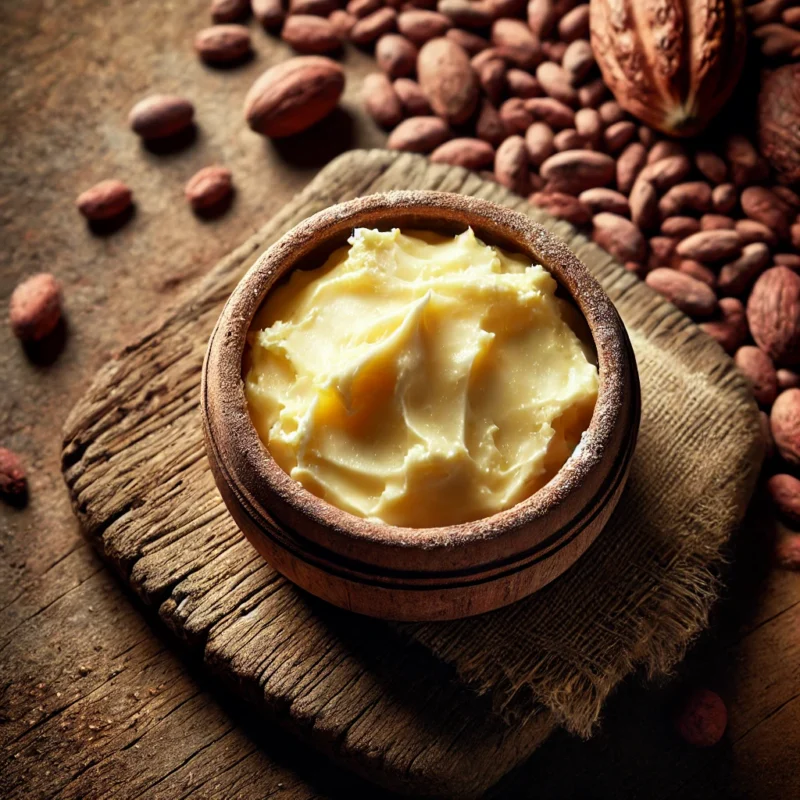
Cocoa Butter: Uses, Health Benefits, Price Per Ton & How To Safely Source
Cocoa butter is one of the most valuable natural vegetable fats used in the global food, cosmetics, and pharmaceutical industries. Extracted from cocoa beans, cocoa butter is responsible for the smooth texture, glossy finish, and unique melting properties of chocolate. It is also widely used in skincare products, medicinal creams, body butters, soaps, lip balms, pharmaceuticals, and several consumer goods used around the world every day.
For serious buyers, cocoa butter is not just a commodity; it is a strategic input. A chocolate manufacturer that gets cocoa butter wrong will struggle with tempering, snap, shine, and mouthfeel. A skincare brand that gets cocoa butter wrong will struggle with odour, texture, stability, and user experience. A trader that gets cocoa butter wrong can lose money through poor specifications, shipment delays, substandard quality, or supplier fraud. This is why sourcing cocoa butter is both a buying decision and a quality-control decision.
Over the last century, cocoa butter has become one of the most important derivatives of cocoa beans in global trade. As demand for premium chocolate, personal care products, and natural ingredients has continued to rise, cocoa butter has become a critical commodity for processors, manufacturers, wholesalers, and importers.
Today, cocoa butter is traded across continents and used by multinational food companies, cosmetics manufacturers, pharmaceutical producers, contract formulators, and commodity traders. Because of its unique physical and chemical properties, it is difficult to replace cocoa butter with other vegetable fats without affecting product performance. That is one of the main reasons cocoa butter remains highly valuable in global supply chains.
In this complete guide, you will learn what cocoa butter is, how cocoa butter is made, what cocoa butter is used for, the health benefits and side effects, the top producing and importing countries, the international price of cocoa butter per metric ton, where to buy cocoa butter wholesale, how to find reliable cocoa butter suppliers, how to pay for cocoa butter in international trade, and how to safely source and import cocoa butter without getting scammed or receiving substandard material.
Trade Overview of Cocoa Butter
Before diving deeper into cocoa butter, it helps to understand how this commodity is typically traded internationally. This overview gives buyers a practical snapshot of the typical order sizes, packaging, delivery terms, and inspection standards that usually apply when sourcing cocoa butter wholesale.
| Commodity | Cocoa Butter |
|---|---|
| Common Forms | Natural Cocoa Butter / Deodorized Cocoa Butter |
| Typical MOQ | 1–5 Metric Tons (higher volumes available on request) |
| Packaging | Usually 25kg cartons; bulk food-grade options available on request |
| Lead Time | Typically 2–4 weeks depending on volume, specs, and inspection requirements |
| Trade Terms | EXW / FOB / CIF (as agreed) |
| Inspection | Third-party inspection available (SGS, Cotecna, Bureau Veritas, Intertek, etc.) |
Request a Quote or Speak With Our Team About Cocoa Butter
Ready to source Cocoa Butter with confidence? Submit your RFQ for detailed specifications and formal quotations, or chat on WhatsApp for fast responses and quick clarification.
What Is Cocoa Butter?
Cocoa butter is the natural fat extracted from cocoa beans, which are the seeds of the cacao tree (Theobroma cacao). The cacao tree grows mainly in tropical regions close to the equator, especially in West Africa, Latin America, and Southeast Asia. Each cocoa pod contains beans surrounded by a sweet pulp. Those beans contain a high percentage of fat, usually around 50% to 55% by weight. When the beans are processed, the fat portion becomes cocoa butter and the remaining solids can be processed into cocoa powder.
Cocoa butter is highly valued because of its rare combination of properties. It is solid at room temperature but melts just below body temperature. That is one of the main reasons chocolate made with real cocoa butter has the classic “melt-in-the-mouth” quality. It also has a smooth texture, a long shelf life when handled correctly, and a useful level of stability in both food and cosmetic formulations.
In international trade, cocoa butter is not all the same. Buyers will usually encounter two main forms:
- Natural Cocoa Butter: This usually retains a mild cocoa aroma and a more recognisable chocolate note. It is often preferred in confectionery where flavour and aroma matter.
- Deodorized Cocoa Butter: This has gone through additional processing to reduce odour and flavour. It is often preferred for cosmetics, pharmaceuticals, and some food applications where a neutral profile is important.
That difference matters a lot. A cosmetics company making unscented body butter may prefer deodorized cocoa butter. A chocolate manufacturer may prefer natural cocoa butter depending on the formulation. If a buyer does not specify what type is needed, the quotations received may not be comparable, and the buyer may end up with the wrong material.
How Cocoa Butter Is Made
Many buyers search for “how cocoa butter is made” because the production process affects quality, odour, colour, stability, and suitability for different industries. Understanding the process also helps buyers ask better questions, interpret COAs more intelligently, and spot suppliers who are not really in control of quality.
1) Harvesting of Cocoa Pods
Cocoa pods are harvested from mature cacao trees. The pods are cut open, and the cocoa beans are removed along with the sticky pulp surrounding them. Harvest timing matters because immature or overripe pods can affect the final quality of the beans.
2) Fermentation
Fresh cocoa beans are usually fermented for several days. This is a critical stage because it develops flavour precursors and reduces bitterness. Even though cocoa butter is mainly fat, fermentation still influences the sensory profile of the beans, especially for natural cocoa butter.
3) Drying
After fermentation, the beans are dried to reduce moisture. Proper drying is important because badly dried beans can develop mould, off-notes, and quality defects that later affect cocoa derivatives. Moisture control is one of the quiet but important foundations of cocoa quality.
4) Roasting
The dried beans are roasted to enhance flavour and reduce microbial load. Roasting also makes it easier to separate the shell from the nib. In practical terms, well-controlled roasting contributes to better aroma and more consistent processing.
5) Winnowing and Grinding
The shells are removed, leaving the cocoa nibs. The nibs are then ground into cocoa liquor (also called cocoa mass). This is the stage where the cocoa material becomes a thick paste containing both cocoa solids and cocoa fat.
6) Pressing
The cocoa liquor is placed into hydraulic presses that separate the fat from the solids. The fat extracted is cocoa butter. The press cake left behind can later be milled into cocoa powder.
7) Optional Refining and Deodorization
Some cocoa butter is further refined and deodorized to reduce odour and improve neutrality. This stage matters particularly for buyers in cosmetics and personal care, where strong cocoa aroma may be undesirable.
In short, how cocoa butter is made affects what you are actually buying. If you buy without understanding processing, you are buying blind.
What Is Cocoa Butter Used For?
Cocoa butter is not a niche material. It is used across several industries because it performs functions that many other fats do not perform as well.
Chocolate and Confectionery Production
This is the biggest use of cocoa butter globally. Cocoa butter is responsible for much of chocolate’s texture, gloss, snap, and mouthfeel. If you remove cocoa butter from real chocolate and replace it poorly, the result is often obvious. The product may feel waxy, melt badly, look dull, or lack the clean finish consumers expect.
Chocolate manufacturers use cocoa butter to:
- Bind cocoa solids, sugar, and milk particles together
- Create a smoother mouthfeel
- Improve melting behaviour
- Enhance gloss and snap after tempering
- Support product stability during storage
Premium chocolates often use more cocoa butter than lower-end products because better fat performance usually produces a more luxurious eating experience.
Cosmetics and Skincare Products
Cocoa butter is widely used in skincare because it forms a protective barrier on the skin and helps reduce moisture loss. In cosmetic formulations, it also contributes richness, body, and smooth application.
Common cosmetic and personal care uses include:
- Body butters and body creams
- Lip balms
- Stretch mark creams
- Hand and foot creams
- Soaps and cleansing bars
- Hair conditioners and specialty treatments
For many brands, cocoa butter also has a marketing advantage because consumers recognise it as a natural ingredient associated with hydration and skin comfort.
Pharmaceutical Applications
Cocoa butter is used in certain pharmaceutical preparations, especially as a base in some suppositories and ointments. Because it melts around body temperature, it can be useful in formulations where controlled melting and compatibility are needed.
Food and Bakery Products
Beyond chocolate, cocoa butter can also be used in premium bakery fillings, specialised coatings, desserts, and selected plant-based products. In these contexts, its clean mouthfeel and stability make it useful when product quality matters.
Health Benefits of Cocoa Butter
Although cocoa butter is mostly fat, it is still associated with several practical benefits, especially in topical use. Buyers in skincare and wellness often market cocoa butter for these reasons, so understanding the real benefits helps both sellers and buyers communicate more credibly.
1) Skin Hydration and Moisture Retention
Cocoa butter is rich in fatty acids that help reduce moisture loss from the skin. This is why it is often used for dry skin, cracked skin, and harsh weather conditions. It does not “magically heal” skin, but it does help create a barrier that improves comfort and hydration.
2) Improved Skin Feel and Softness
One of the reasons cocoa butter is so common in body creams is the way it makes skin feel after application. In product formulation, texture matters. Consumers may not know the chemistry, but they know when a product feels rich, smooth, and comforting.
3) Antioxidant-Related Benefits
Cocoa butter contains minor antioxidant compounds. While it should not be exaggerated as a miracle ingredient, those components contribute to its appeal in natural skincare and wellness products.
4) Support for Skin Elasticity
Many people use cocoa butter during pregnancy or during periods of weight change to help support skin comfort and reduce the appearance of dryness associated with stretching. Results vary by person, but this remains one of the most popular uses in the retail market.
Side Effects of Cocoa Butter
No honest guide should talk only about benefits. Buyers and end users should also understand possible downsides.
1) High Calorie Content When Consumed
Cocoa butter is almost entirely fat. In food products, that means it contributes calories like other fats. This does not make it “bad,” but it does mean that overconsumption of products high in cocoa butter can contribute to excess calorie intake.
2) Skin Sensitivity for Some Users
Some users may experience mild irritation or sensitivity, especially when cocoa butter is part of a broader formula that also contains fragrance or active ingredients. Patch testing remains a good practice for sensitive skin.
3) May Feel Heavy on Acne-Prone Skin
Cocoa butter can feel too rich for some facial skin types, particularly oily or acne-prone skin. Many people tolerate it well on body skin but not necessarily on the face.
Top Producing & Exporting Countries of Cocoa Butter
Cocoa butter production is tied closely to cocoa bean production and processing infrastructure. A country may grow a lot of cocoa beans but still export less cocoa butter if it lacks sufficient processing capacity. On the other hand, a country with strong processing may play a large role in cocoa butter exports even if its role in bean production is smaller.
Some of the leading producing and exporting countries of cocoa butter include:
Côte d’Ivoire
Côte d’Ivoire is the largest cocoa-producing country in the world and a key player in the global cocoa derivatives market. Because of its scale, developments in Côte d’Ivoire often affect cocoa butter availability and pricing worldwide.
Ghana
Ghana has a strong reputation for cocoa quality and is a major origin for cocoa beans and cocoa derivatives. Buyers often associate Ghana with better quality discipline and stronger bean reputation, which can positively influence cocoa butter perception.
Indonesia
Indonesia remains an important cocoa producer and processor in Southeast Asia. For some buyers, Indonesian supply provides regional diversification away from West Africa.
Nigeria
Nigeria is one of Africa’s notable cocoa-producing countries. Buyers sourcing from Nigeria should focus strongly on supplier verification, process discipline, and documentation, just as they should when sourcing from any other origin.
Ecuador
Ecuador is known for fine-flavour cocoa. For buyers making premium confectionery, this can matter. For neutral cosmetic applications, the focus may be more on refining and deodorization than bean flavour character.
The practical point for buyers is this: do not choose a supplier only because the country has a good reputation. Choose a supplier because the supplier has the right documentation, process control, and proven delivery capability.
Top Importing Countries of Cocoa Butter
The largest importing countries of cocoa butter are usually countries with strong chocolate manufacturing, food processing, or cosmetics industries. These countries buy cocoa butter either because they use it directly in finished goods or because they process and re-export value-added products.
- United States
- Germany
- Netherlands
- Belgium
- United Kingdom
- France
- Switzerland
- Japan
European countries remain especially important because Europe has some of the world’s largest chocolate and confectionery industries. Importing into those markets may involve stricter traceability, food safety, and sustainability requirements, so supplier experience becomes even more important.
How To Safely Source for Your Cocoa Butter Produce
If you find the right export company, buying directly from them can make the purchase process easy and stress-free, when compared with doing the sourcing on your own. That said, there are few things to note when dealing with an export company in Nigeria or Africa. The specific requirements for Nigeria are listed below, but they mostly apply to other African countries:
- The exporting company must be registered with the Corporate Affairs Commission (CAC) to make sure the company is registered and permitted to carry out business operations.
- The export company must also be registered with the Nigerian Export Promotion Council (NEPC).
- The company must possess a domiciliary account to accept international payments.
- The company should get all necessary export-related documentation done before the shipment leaves the port of origin.
Some of the documents are:
- Certificate of origin
- Bill of lading
- Inspection Certificate (SGS, Cotecna, Bureau Veritas, Intertek, etc.)
- Certificate of Analysis (COA)
- Phytosanitary certificate (where applicable)
- Fumigation certificate (where applicable)
Beyond registration and documentation, a serious buyer should also verify whether the supplier has actually handled cocoa butter before. Ask for shipment history, references, recent COAs, packaging details, and realistic lead times. Many inexperienced buyers make the mistake of focusing only on price. That is often the fastest route to low quality or outright fraud.
It is also wise to align carefully on whether you want natural or deodorized cocoa butter, whether you require food-grade or cosmetic-grade standards, how you want the product packed, and what inspection standard will apply before shipment.
Where To Find Reliable Exporters
An important question that still needs to be answered is how to find cocoa butter exporters. You can use any of the methods listed below:
- Attend trade fairs
- Use search engines like Google, Yahoo, etc.
- Search for agents on LinkedIn
- Sign up on trade platforms (e.g. Alibaba, Tradeford, Go4WorldBusiness)
However, “finding” exporters is only the first step. The harder part is verification. A supplier with a website is not automatically a real exporter. A LinkedIn profile is not proof of export capability. A low quotation is not proof of value. Buyers must verify company identity, documentation, product specifications, and delivery ability.
Neogric offers a reliable global order fulfilment solution for cocoa butter and other agric produce. Our end-to-end supply chain solution makes the export of quality cocoa butter easy, quick and safe. From the point of placing your order till it successfully gets delivered, we ensure you have nothing to worry about.
International Price of Cocoa Butter Per Metric Ton
The unit price ($ per kg) of cocoa butter in the international market depends on a host of different factors including:
- The grade/type of the produce (usually the more processing or specialization involved, the higher the price)
- The price of the raw material (cocoa beans)
- Processing quality and odour profile
- The quantity ordered (the greater the quantity, the cheaper you may get it per ton)
- Harvest season and global supply situation
- Freight & haulage cost
- Percentage of markup
- Import duties
- Distance from the country of origin
- Technology/Infrastructure available in country of origin
- Relationship between the buyer and seller
That said, as at October 2023, Cocoa Butter costs between $6,500 and $9,000 per metric ton (1,000 kilograms) in the international market (i.e. $6.5/kg to $9/kg).
Buyers should treat this as a directional market range, not an automatic quote. The real landed price you will pay depends on your exact specs, your chosen incoterm, your packaging, your destination, and your order size.
Request a Quote or Speak With Our Team About Cocoa Butter
Ready to source Cocoa Butter with confidence? Submit your RFQ for detailed specifications and formal quotations, or chat on WhatsApp for fast responses and quick clarification.
How To Pay For Your Cocoa Butter Produce
You can pay for your cocoa butter using different methods, but three of the popular ways of paying for your agric produce are:
- Bank (T/T) Payment
- Advance Payment
- Letter of Credit (LC)
Bank Payment (T/T)
Bank payment is also known as T/T, “Telegraphic Transfer” or “Telex Transfer” In other words, it is an international wire of funds from the buyer’s bank to the seller’s bank.
A T/T is technically not the same as a wire transfer, which is often done through the SWIFT network. However, when a seller or supplier asks for a T/T payment, a wire transfer is what they are really asking for.
The wire transfer based on the SWIFT system is the most common payment method in international trade. Typically, it takes 3-5 working days to clear, and generally costs between 25 and 50 USD, depending on your agreement with the commercial department in your bank.
Advance Payment
There are sellers that will demand anywhere from 30% to 50% advance payment, and for good reason. If both parties have done deals in the past, sellers can ask for a percentage of the sales (about 30%) before they ship the produce and they can request for the remaining amount after a scanned copy of the Bill of Lading has been sent to the buyer.
It is the safest option for exporters and it also guarantees that they will have some funds to help with sourcing. It is popular among manufacturers on B2B marketplaces and also with commodity traders.
However, advance payment carries considerable risk for the importer (buyer) because the exporter (seller) might not be under as much pressure to ensure quality checks compared with a stricter form of payment. Some might even disappear entirely.
Having said that, advance payment is very useful and is widely used. For instance, the seller might need to secure the commodity in the face of increased competition. It can also be used when the exporter needs some money for sourcing the produce or for processing raw materials.
The most important thing is for both importer and exporter to build mutual trust by having a track record of successful deals with each other or other known companies.
Letter of Credit
Letter of Credit is an agreement generated by the bank of the buyer, guaranteeing payment once certain conditions are met. It is one of the safest types of payment available to both buyer and seller.
Some of the types of Letter of credit are:
- Commercial Letter of Credit,
- Sight Letter of Credit
- Transferrable or Non-Transferable Letter of Credit
- Standby Letter of Credit (SBLC)
- Usance or Deferred Payment Letter of Credit
- Revocable or Irrevocable Letter of Credit
- Confirmed or Unconfirmed Letter of Credit
- Revolving Letter of Credit
- Green Clause Letter of Credit
- Red Clause Letter of Credit
L/Cs are not totally safe (for either buyer or seller) too. For instance, sellers can ship substandard products or those that are different from the ones agreed upon. In this case, the seller gets paid and the buyer receives goods he cannot use.
And speaking of the dangers of L/Cs for the exporter, the conditions in the Letter of credit might be practically impossible to fulfil; if an exporter agrees to such, he might be unable to receive payment.
Shipping & Delivery Terms
When shipping your products, it is important to take note of a few factors:
Order Quantity
For smaller shipments, airfreight is often the preferred option but as the order volume increases, sea freight could become significantly cheaper. Usually when the order is close to a full container load (20 ft), sea freight is used.
Cost of Delivery
When the order is of a large volume, sea freight often turns out cheaper than air freight. In fact, airfreight could be up to 6 times more costly than sea freight if the volume is large enough.
Time of Delivery
Sometimes, time will be more important to the buyer than the cost of delivering the produce. In this case, air freight will be the logical option (as stated above, the cost will be more). But if you have more time as a buyer, you should strongly consider using sea freight.
Incoterms
Incoterms refer to generally accepted shipping and payments terms. For example, buyers that have representatives in the source country or that can negotiate with the freight company can use the Free on Board (FOB) terms, since it gives them more control and can save them some money.
However, if the shipment is small or the buyer doesn’t have an extensive network to effectively handle payment for freight, insurance and port charges, he will be better off choosing the Cost-Insurance-Freight (CIF) payment option.
Our Typical Trade Specifications For Cocoa Butter
Below are common reference specifications. Final contract specs can be adjusted based on buyer needs.
| Parameter | Typical |
|---|---|
| Product | Cocoa Butter |
| Type | Natural / Deodorized |
| Color | Pale yellow to light cream |
| Odor | Characteristic cocoa (Natural) / Neutral (Deodorized) |
| Moisture | Typically ≤ 0.2% |
| Packaging | Usually 25kg cartons |
| Trade Process | EXW / FOB / CIF |
| Payment Method | TT or L/C |
| Shipping Time | Usually 2–4 weeks after agreement and readiness |
Expected Shipping Documents
- Bill of Lading
- Certificate of Origin
- Inspection Certificate
- Certificate of Analysis
- Commercial Invoice
- Packing List
- Phytosanitary Certificate (where applicable)
- Fumigation Certificate (where applicable)
Request a Quote or Speak With Our Team About Cocoa Butter
Ready to source Cocoa Butter with confidence? Submit your RFQ for detailed specifications and formal quotations, or chat on WhatsApp for fast responses and quick clarification.