

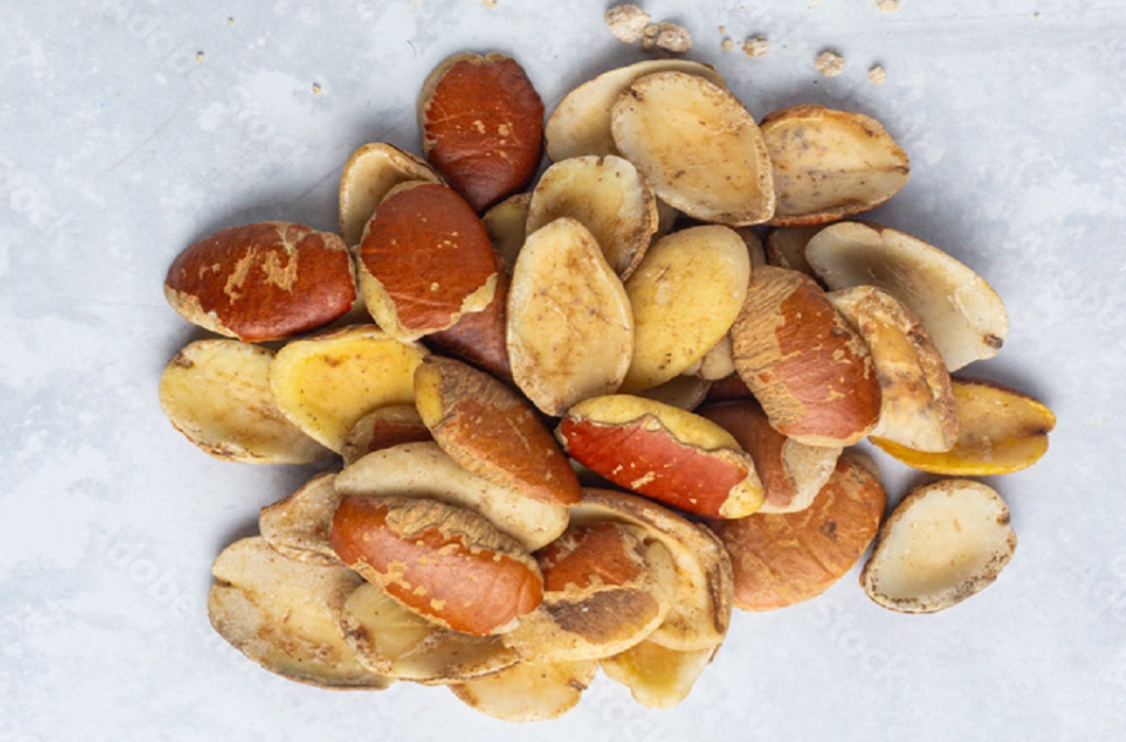
Ogbono is one of the most commercially important indigenous food commodities in Nigerian and West African trade. In local market language, the name Ogbono is widely understood to mean the seed or kernel obtained from wild mango, bush mango, or African mango, which is highly valued for its unique thickening quality in soup and sauce preparation. In export markets, the product may be described as Ogbono seed, wild mango seed, African mango kernel, or bush mango kernel. Its botanical name is Irvingia gabonensis, although related species may also appear in trade depending on the sourcing region and local classification.
For buyers, Ogbono is far more than a traditional soup ingredient. It is a culturally anchored food commodity with consistent household demand, strong diaspora market pull, repeat-purchase behaviour, and practical export value. Across Nigeria and much of West Africa, Ogbono soup is not a niche meal. It is part of everyday food culture, which means the commodity benefits from strong baseline demand even outside high-end food channels. This makes it attractive to importers, grocery distributors, repackers, wholesalers, food-service operators, and ethnic food retailers serving African consumers around the world.
Commercially, Ogbono sits in an interesting position because it is both a familiar staple ingredient and a premium quality-sensitive food seed. Buyers want it for its drawability, natural thickening ability, aroma, oil content, and culinary identity. At the same time, poor quality becomes obvious very quickly. If the kernels are damp, mouldy, adulterated, under-cleaned, over-smoked, poorly dried, or mixed with excessive debris, the product will fail in retail, processing, and end-consumer use. In other words, Ogbono is a product where quality control is not optional.
One of the reasons serious buyers pay attention to Ogbono is its adaptability across several forms of trade. It can be bought as whole seed in shell, cracked seed, shelled kernel, hand-cleaned kernel, machine-cleaned kernel, or milled Ogbono powder depending on the target market. Some buyers prefer raw kernels for re-cleaning and repacking. Some want ready-to-mill kernels for packaged flour or soup base production. Others buy in bulk for direct distribution into African grocery channels. This flexibility increases the product’s commercial value but also means the buyer must define the exact required grade before placing an order.
Nigeria remains one of the strongest origin references for Ogbono because the product is deeply embedded in Nigerian food systems and wholesale trade. But strong local demand also means export buyers are often competing with domestic consumption. During tighter seasons, prices can rise sharply and lower-grade product can circulate more aggressively. That is why professional buyers do not simply ask for “Ogbono” in general terms. They specify moisture level, cleanliness, kernel size, foreign matter tolerance, packaging style, odour condition, infestation status, and whether the product should be in-shell, shelled, or milled.
Another important point is that Ogbono is a food-trade commodity with storage sensitivity. Because it contains natural oil, it can degrade in quality if warehoused badly or held in hot, humid, or poorly ventilated conditions. Rancidity, mould, insect activity, and odour contamination can all reduce value. A shipment can look acceptable in a supplier’s photos and still disappoint on arrival if the storage and packing conditions were weak. This is one reason sample approval, supplier verification, warehouse inspection, and pre-shipment quality checks matter so much in Ogbono trade.
Internationally, Ogbono demand is driven mainly by African diaspora food markets in Europe, North America, and other global cities with established West African consumer bases. However, the product is also relevant within regional African trade and increasingly valuable to businesses exploring African-origin food ingredients. Its demand pattern is culturally resilient, which makes it commercially attractive to traders who understand the market.
In this guide, we will look at Ogbono from a practical buyer and trade perspective. We will explain what it is, how it is processed, what it is used for, the health benefits often associated with it, the likely side effects and handling concerns, the top producing and importing countries, how to source safely, where to find reliable exporters, the realistic international price range per metric ton in 2025 to 2026 market conditions, how payment is usually handled, what shipping terms are common, what trade specifications buyers should request, and what documents should accompany the shipment. The goal is straightforward: to help buyers source Ogbono more safely, more confidently, and with fewer avoidable mistakes.
Trade Overview of Ogbono
Ogbono is a dried edible seed commodity derived from the kernels of wild mango or African mango fruits. It is widely traded within Nigeria and neighbouring West African markets and has a strong export presence in African food supply chains serving diaspora communities. In practical commercial terms, Ogbono is known for its culinary functionality. It thickens soup in a distinctive way and gives a smooth, stretchy texture that is highly valued by consumers familiar with the product.
From a trade perspective, Ogbono behaves like a culturally important food seed rather than a general-purpose industrial raw material. Buyers care deeply about quality factors such as dryness, colour, cleanliness, aroma, kernel integrity, and freedom from stones, shell fragments, insect damage, or mould. The product may be traded in shell, but shelled kernels are more common in many export-facing transactions because they reduce labour at destination and are easier to mill or repack.
Nigeria is a major commercial reference point for Ogbono trade because the product is widely consumed and well understood in local wholesale markets. It is sold in open markets, food ingredient channels, rural aggregation systems, and urban distribution hubs. Exporters usually source from producing belts, aggregate quantities, clean and sort the product, and then prepare it for domestic distribution or overseas shipment. Buyers who understand this chain are better placed to request the right grade and avoid low-quality supply.
Ogbono is attractive to buyers because it has stable demand, strong identity, and repeat consumption patterns. But it is also quality-sensitive. A good Ogbono shipment can move quickly and build customer loyalty. A poor one can generate complaints, returns, and re-cleaning losses. That is why sourcing discipline is especially important for this product.
| Product Name | Ogbono |
|---|---|
| Botanical Name | Irvingia gabonensis |
| Common Names | Wild Mango Seed, African Mango Kernel, Bush Mango Kernel, Ogbono Seed |
| Nigerian Market Reference | Ogbono |
| Product Forms | In-shell seed, cracked seed, shelled kernel, cleaned kernel, milled Ogbono powder |
| Primary Uses | Soup thickening, food ingredient processing, retail packing, bulk distribution, culinary blends |
| Main Supply Origin | Nigeria and other West/Central African producing zones |
| Key Trade Quality Factors | Moisture, cleanliness, aroma, oil freshness, foreign matter, absence of infestation, kernel integrity |
| Typical Packaging | 25 kg and 50 kg PP bags, food-grade lined sacks, bulk cartons or custom packs |
| Buyer Categories | Importers, African grocery distributors, wholesalers, food manufacturers, caterers, repackers, diaspora retailers |
Request a Quote or Speak With Our Team About Ogbono
Ready to source Ogbono with confidence? Submit your RFQ for detailed specifications and formal quotations, or chat on WhatsApp for fast responses and quick clarification.
What Is Ogbono?
Ogbono is the edible seed or kernel obtained from the fruit of the African mango tree, most commonly linked to Irvingia gabonensis. In everyday Nigerian trade and cuisine, the word Ogbono refers to the seed used mainly for making a characteristic draw soup. Once dried and processed, the kernels are sold whole or milled and used as a thickener and flavour-bearing food ingredient.
In practical commodity language, Ogbono is not just a household soup item. It is an established African food seed with wholesale, retail, and export significance. It moves through farm collection, cracking, shelling, cleaning, sorting, bagging, warehousing, transport, and final distribution to markets that range from local open-air stalls to international ethnic food shelves. This makes it a serious agricultural trade product, not simply a domestic kitchen staple.
Depending on how it is traded, Ogbono may appear in several forms. Unshelled or in-shell material is less common in formal export channels but still relevant where buyers want to control shelling themselves. Shelled kernel is the most recognisable form for many international food buyers. Milled Ogbono powder is another market format, especially for convenience retail or soup base preparation. Each form has different quality risks, cost structures, and shelf-life considerations.
Good-quality Ogbono should look dry, mature, reasonably uniform, and clean for its grade. It should have a natural seed aroma and should not smell mouldy, rancid, smoky to excess, or chemically tainted. The kernels should not be mixed heavily with dust, shell particles, gravel, sand, insect debris, or shrivelled low-quality material. For buyers serving sensitive retail markets, appearance and aroma matter almost as much as cooking performance.
One of the strongest commercial properties of Ogbono is its distinctive culinary functionality. When ground and cooked, it thickens in a way that is unique and familiar to consumers who grew up with the ingredient. That specific food behaviour is what gives Ogbono much of its market resilience. Buyers are not simply purchasing a seed. They are purchasing a traditional food experience that consumers recognise immediately.
How Ogbono Is Made / Processed
The quality of Ogbono in trade depends heavily on how it is harvested, dried, cracked, cleaned, and stored. Buyers who understand the processing chain are usually better at identifying serious suppliers and avoiding claims later.
1. Harvesting the Wild Mango Fruits
The process starts with the collection or harvesting of ripe wild mango fruits from producing areas. Depending on the supply structure, fruits may come from wild collection systems, semi-cultivated environments, or organised rural harvest networks. Maturity matters because underdeveloped fruits may yield poor-quality kernels with lower commercial value.
2. Removing the Fruit Pulp
Once harvested, the fleshy outer pulp is removed so that the inner stone containing the seed can be accessed. In some local systems, this stage is handled manually and may occur close to the harvest zone. Hygienic handling is important because poor sanitation at this stage can introduce contamination early in the chain.
3. Drying the Stones or Seed Units
After pulp removal, the stones or seed-containing units are dried to make later cracking and storage easier. Drying should be done in a controlled, clean environment. If the product is dried on dirty surfaces or exposed to excessive moisture after drying, contamination and spoilage risks rise sharply.
4. Cracking and Kernel Extraction
The dried stones are cracked to extract the edible kernels. This can be labour-intensive and is one reason well-processed Ogbono commands value. Careless cracking can break kernels excessively or introduce shell particles into the lot. Buyers purchasing shelled kernels should ask suppliers about their cracking method and defect rates.
5. Preliminary Sorting
After extraction, the kernels are sorted to remove obvious shell fragments, dirt, defective pieces, and damaged material. At this stage, serious suppliers begin separating cleaner, fuller kernels from lower-grade product. Better sorting improves the final commercial value considerably.
6. Further Cleaning and Winnowing
Additional cleaning may involve handpicking, sieving, winnowing, or other simple mechanical means to reduce shell residues, dust, and extraneous matter. In export-focused processing, this stage should be taken seriously because consumers and repackers are quick to notice contamination in Ogbono.
7. Controlled Dryness Check
Before bagging, the product should be sufficiently dry to prevent mould growth and to preserve quality in storage and transit. Ogbono that looks acceptable but carries hidden moisture can deteriorate during shipment, especially in humid conditions. Dryness is therefore one of the most important pre-shipment checks.
8. Optional Milling Into Powder
For some markets, Ogbono is milled into powder after the kernels are cleaned. This creates a convenience product for consumers and food-service users. However, milled Ogbono has even greater sensitivity to moisture pickup, odour contamination, and packaging weakness, so strict hygiene and packing quality become even more important.
9. Packing the Product
Once the kernels or powder are ready, they are packed into sacks, food-grade lined bags, cartons, or retail packs depending on the target market. The choice of packaging affects shelf life, presentation, and transport resilience. Export buyers usually prefer better packing than what may be used in informal local trade.
10. Safe Storage Before Shipment
Final storage should be dry, clean, well ventilated, and protected from pests, moisture, and strong odours. Because Ogbono contains natural oil, poor storage can quickly affect freshness. Bags should not be placed directly on damp floors or against wet walls, and warehouses should be monitored for infestation and leakage.
In commercial sourcing, the key lesson is simple. Ogbono quality is created step by step. The better the handling at each stage, the more likely the shipment will satisfy the buyer at destination.
What Is Ogbono Used For?
Ogbono has strong culinary and commercial versatility within African food trade. Its main value lies in food use, but even within that category, it serves multiple buyer needs.
Use in Traditional Soups
The most widely recognised use of Ogbono is in soup preparation. When ground and cooked, it thickens soup into the well-known draw texture valued across many Nigerian and West African communities. This remains the product’s core commercial identity.
Use in Retail Grocery Packing
Many importers and repackers buy Ogbono kernels or powder in bulk and repackage them into smaller branded units for sale in African grocery stores and supermarkets. In this format, cleanliness, aroma, and visual quality are especially important because the product is bought directly by end consumers.
Use in Food-Service and Catering
Restaurants, caterers, and food-service kitchens use Ogbono regularly where West African menus are served. Bulk supply to these buyers depends on consistency, functional cooking performance, and dependable availability rather than premium retail appearance alone.
Use in Soup Base and Culinary Blends
Ogbono may also be used in pre-mixed soup bases or traditional culinary blends, especially where food businesses want to provide convenience products. In this case, milled Ogbono or finely prepared kernels are often preferred.
Use in Diaspora Food Distribution
For many distributors in overseas markets, Ogbono is one of the essential African pantry items that drives repeat customer visits. It sits alongside products like Egusi, crayfish, garri, stockfish, and pepper-based ingredients in diaspora food retail.
Use in Value-Added Packaging
Some processors create premium packs, ground ready-to-cook versions, or combined ingredient packs built around Ogbono. This use expands the product’s commercial reach beyond simple bulk kernel sales.
The key trade point is that Ogbono is a function-driven food ingredient. Buyers purchase it because consumers know exactly what it does and actively seek it out for familiar meals.
Health Benefits of Ogbono
Ogbono is purchased mainly as a culinary commodity, but its nutritional reputation also supports its market value. Like many edible seeds, it is associated with useful nutritional properties when properly handled and consumed as part of a balanced diet.
1. It Provides Beneficial Plant-Based Fats
Ogbono kernels contain natural oils, which contribute to both the texture of the soup and the product’s food value. These fats are part of what gives Ogbono its richness and satisfying cooking quality.
2. It Contributes Plant Protein
As an edible seed, Ogbono also contributes plant protein. This helps explain why soups made with it are often seen as more substantial than soups thickened with purely starchy ingredients.
3. It Supports Energy Intake
The combination of natural oil and protein gives Ogbono meaningful energy value in meals. This has practical importance in households that use it as part of regular food preparation.
4. It Contains Dietary Fibre Components
Seed-based food ingredients often contribute fibre-related benefits, particularly depending on the form in which they are milled and consumed. This can support the nutritional appeal of Ogbono in traditional diets.
5. It Provides Useful Minerals
Ogbono is associated with mineral content that may include magnesium, calcium, potassium, phosphorus, and related micronutrients in varying amounts. This supports its long-standing reputation as a nourishing indigenous food ingredient.
6. It Helps Create More Satisfying Meals
Because of its rich, thickening nature, Ogbono often makes meals feel fuller and more satisfying. For many consumers, this is part of its practical food value rather than just its taste appeal.
7. It Supports Traditional Food Diversity
Beyond nutrient content alone, Ogbono helps preserve indigenous food systems and supports the continued use of traditional African ingredients. This matters in markets where consumers actively seek culturally familiar foods instead of generic substitutes.
These health benefits should still be presented responsibly. Ogbono is a nutritious traditional food ingredient, but it is not a miracle product. Its value depends on freshness, safe storage, correct preparation, and overall dietary balance.
Side Effects of Ogbono
Like other edible seeds and oil-bearing food products, Ogbono can present side effects or trade-related concerns if it is mishandled, overconsumed, or poorly processed. Buyers should understand these risks clearly.
1. It May Trigger Seed Sensitivities in Some Individuals
Although Ogbono is widely consumed, individual sensitivities to seed-based foods can occur. Retailers and food-service buyers should remain aware of allergen-related caution in relevant markets.
2. Poor Storage Can Lead to Rancidity
Because Ogbono contains oil, exposure to heat, moisture, bad air circulation, or prolonged poor storage can cause it to become stale or rancid. Rancid Ogbono loses flavour, aroma, and customer acceptance quickly.
3. Damp Product Can Develop Mould
If drying is incomplete or the product absorbs moisture in storage, mould growth can occur. This is one of the most serious risks in Ogbono trade because it affects both quality and food safety.
4. Shell Fragments and Foreign Matter Can Create Processing Problems
Poorly cleaned Ogbono may contain shell pieces, stones, sand, or dust. These contaminants can cause consumer complaints, reduce milling quality, and damage trust in a retailer or brand.
5. Insect Infestation Can Ruin Marketability
Seeds stored carelessly are vulnerable to insect activity. Once infestation occurs, the product becomes much more difficult to sell, especially in export or packaged retail channels.
6. Heavy Consumption May Feel Rich for Some Consumers
Because Ogbono is naturally rich and oily, very heavy preparations may not suit every consumer equally. This is more a dietary usage point than a trade flaw, but it still shapes food preference in some markets.
7. Adulteration Is a Real Commercial Risk
As with many high-demand food commodities, there is risk of adulteration or excessive blending with inferior materials. That may include under-cleaned kernels, excessive fragments, old stock mixed into fresher lots, or misrepresented grades.
Most of these problems can be avoided with strong sourcing discipline. Quality testing, representative sampling, inspection, and proper storage are the main tools for managing side-effect risks in Ogbono trade.
Top Producing & Exporting Countries of Ogbono
Ogbono is closely associated with West and Central African ecological zones where African mango trees grow and the seed is part of established food systems. While trade names may differ slightly, several countries are relevant to production and export.
1. Nigeria
Nigeria is the strongest commercial reference point for Ogbono because the product has deep culinary importance, widespread market recognition, and an active distribution structure. It is the most common origin reference for many diaspora buyers who specifically ask for Ogbono.
2. Cameroon
Cameroon is also an important producing zone for African mango and related seed trade. The product is relevant in local cuisine and regional commerce, making Cameroon a notable origin in this commodity space.
3. Ghana
Ghana participates in the wider West African trade environment for traditional food ingredients and may serve as a relevant supply source or redistribution market depending on season and availability.
4. Côte d’Ivoire
Côte d’Ivoire and surrounding producing zones can contribute to regional movement of African food seeds and kernels. Formal export structure may vary, but the country remains relevant in the broader sourcing picture.
5. Benin Republic
Benin is often important in regional cross-border commodity movement. Depending on market linkages, it may appear in aggregation or transit channels connected to Nigerian and wider West African food trade.
6. Other Central and West African Forest Belt Origins
Additional producing areas across the forest belt of West and Central Africa may contribute to the availability of African mango seeds. However, for buyers specifically seeking the well-recognised Ogbono identity, Nigerian origin remains the most commercially familiar.
For many international importers, Nigerian origin carries the strongest product recognition and retail value, especially where consumers are used to buying the product under the name Ogbono.
Top Importing Countries of Ogbono
Import demand for Ogbono is shaped mainly by West African diaspora populations, ethnic retail channels, and specialty food distribution systems.
1. United Kingdom
The United Kingdom is one of the strongest markets for African food imports and has a well-developed network of grocery stores and wholesalers serving Nigerian and wider West African consumers. Ogbono is a standard pantry item in many of these outlets.
2. United States
The United States is another important destination for Ogbono, especially in cities with strong African diaspora communities. The product moves through ethnic grocery stores, repackers, online sellers, and restaurant supply chains.
3. Canada
Canada continues to grow as a destination market for African food staples, with Ogbono appearing in multicultural grocery channels and diaspora-focused food distribution networks.
4. Germany
Germany is relevant due to its growing African consumer base and specialty import sector. Buyers there may focus on bulk kernels for repacking or ready-packed retail products.
5. Netherlands
The Netherlands functions as both a consumer market and a logistics hub for food products entering Europe. African food distributors there can play an important role in onward supply.
6. France
France has African diaspora-driven demand and multicultural food channels where traditional West African food ingredients, including Ogbono, can find strong market acceptance.
7. Regional African Markets
In addition to overseas trade, there is meaningful movement of Ogbono within Africa itself. Urban demand, cross-border trade, and regional wholesale distribution all contribute to import activity in nearby markets.
The most important lesson for exporters is that Ogbono demand is not random. It follows cultural food consumption and community familiarity, which makes market targeting more predictable than it may first appear.
How To Safely Source for Your Ogbono Produce
Safe sourcing is where professional Ogbono trading is won or lost. Because the product is meant for food use and is highly quality-sensitive, buyers should never treat it as a casual commodity purchase.
Start With the Exact Product Form
First, decide whether you need in-shell seed, shelled kernel, or milled Ogbono powder. Each form has different risks and cost implications. Shelled kernel is convenient but more exposed to rancidity and contamination if handled poorly. Powder offers convenience but demands stronger hygiene and packaging control.
Define the Grade in Writing
Do not ask for “clean Ogbono” without written detail. State the acceptable moisture level, maximum foreign matter, acceptable level of broken pieces, odour requirement, infestation-free status, and packaging format. If you need a retail-grade product, say so clearly. If you need bulk food-service grade, define that too.
Request a Representative Sample
Sample approval is essential. The sample should reflect the actual lot or normal production standard, not just a handpicked top-grade portion. Examine the sample visually, smell it, and if possible grind or cook it to test quality and performance.
Inspect for Aroma and Freshness
Good Ogbono should smell natural and fresh for the product. Avoid stock that smells damp, smoky to excess, mouldy, fermented, or rancid. Aroma is one of the quickest ways to identify weak storage conditions.
Check Moisture Carefully
Moisture is a major hidden risk. A product can look dry but still carry enough moisture to create trouble later. Hidden moisture can lead to mould, clumping, or heating during shipment. Moisture testing or at least disciplined dryness checks should be part of procurement.
Ask About the Cracking and Cleaning Method
Find out how the kernels were extracted and cleaned. Manual cracking may preserve kernel size but can leave more shell fragments if sorting is weak. Mechanical methods may improve throughput but must still be followed by careful cleaning. This matters greatly for buyer satisfaction.
Inspect the Warehouse
If possible, inspect the warehouse or have a local representative do so. Check whether bags are stacked on pallets, whether there are signs of dampness, insects, rodents, or odour contamination, and whether different grades are being mixed together. Warehouse condition often tells you more than a supplier’s marketing message.
Use Pre-Shipment Inspection
For meaningful commercial volumes, independent pre-shipment inspection is a wise safeguard. Inspection can confirm quantity, packing, visible quality, and loading condition. This helps reduce disputes after arrival.
Clarify Shelf-Life Expectations
Because Ogbono contains oil, storage time matters. Ask how old the stock is, how long it has been held, and under what conditions. Freshness should be part of the procurement conversation, especially for shelled kernels and powder.
Specify Packaging for the Route
Choose packaging that matches the transit route and destination use. Standard woven bags may suit some bulk transactions, but food-grade lined bags or stronger packaging may be better for longer export routes or higher-value retail use.
Define Claims Procedure in the Contract
Your contract should state what happens if the product arrives with excessive foreign matter, rancidity, mould, infestation, or obvious deviation from the sample standard. This protects both parties and reduces confusion later.
Understand Domestic Market Competition
Strong local demand can tighten supply and raise prices. Buyers who plan early, confirm specification clearly, and build repeat supplier relationships usually do better than buyers who enter the market late and expect premium stock at bargain rates.
Safe sourcing is ultimately about discipline. Ogbono rewards buyers who pay attention to quality details and penalises those who focus only on headline price.
Where To Find Reliable Exporters for Ogbono
Reliable Ogbono exporters are usually found through agricultural export companies already active in African food commodities, trusted referrals from existing buyers, diaspora supply networks, commodity aggregators with established origin relationships, and sourcing partners that understand food-grade handling requirements. The main challenge is not finding someone who claims to sell Ogbono. The real challenge is finding someone who can deliver the right quality consistently.
One practical route is to work with exporters that already handle multiple Nigerian food staples and understand how to prepare edible seed products for export. These suppliers are more likely to appreciate issues such as moisture control, shell-fragment reduction, odour management, storage hygiene, and export documentation.
Another route is to source through a procurement partner that manages aggregation, sorting, inspection, and loading on behalf of the buyer. This can be especially helpful for overseas importers without a local sourcing office. A good sourcing partner can reduce the risk of adulteration, mixed grades, and last-minute quality surprises.
Trade exhibitions, commodity introductions, African food distribution networks, and market referrals can also help identify exporters. However, these should be treated as starting points rather than proof of quality. Serious validation still depends on samples, warehouse checks, written specifications, and track record.
When evaluating exporters, ask practical questions. Have they supplied Ogbono for export before? What kernel form do they specialise in? Can they provide recent sample lots? What cleaning method do they use? How do they manage freshness and moisture? Can they handle inspection and export documentation? Can they maintain repeated quality, not just a successful first shipment?
Reliable exporters usually welcome detailed questions because they already understand the demands of serious buyers. That transparency is often one of the clearest signs that the supplier is commercially mature.
International Price of Ogbono Per Metric Ton
The international price of Ogbono per metric ton depends on product form, quality grade, kernel cleanliness, freshness, moisture level, season, domestic demand pressure, packaging style, and export logistics. Ogbono is not priced like a generic bulk seed because it is driven strongly by cultural food demand and quality-sensitive retail channels.
In practical 2025 to 2026 market terms, shelled and well-cleaned export-grade Ogbono usually commands a higher price than loosely sorted or partially processed stock. Powdered Ogbono may also carry different pricing depending on the degree of processing and the packaging format. Peak domestic demand periods, tighter harvest conditions, and high inland logistics costs can all push prices upward.
As a broad commercial planning range, buyers may expect Ogbono to trade around US$1,700 to US$2,800 per metric ton for bulk export-oriented transactions depending on grade, cleanliness, packaging, and shipment basis. Premium food-grade stock with stronger sorting and fresher quality may rise above that range, while lower-grade or less refined material may price below it. The quotation basis matters greatly, since EXW, FOB, CFR, and delivered prices can differ significantly once bagging, inland haulage, inspection, customs handling, and freight are included.
Buyers should compare offers carefully. A very cheap Ogbono quote may conceal poor freshness, excessive shell content, weak cleaning, bad storage, or mixed lots. In practice, the cheapest quote is often not the most economical shipment once re-cleaning losses, consumer complaints, and inventory rejection are considered.
Request a Quote or Speak With Our Team About Ogbono
Ready to source Ogbono with confidence? Submit your RFQ for detailed specifications and formal quotations, or chat on WhatsApp for fast responses and quick clarification.
How To Pay For Your Ogbono Produce
Payment structure matters greatly in Ogbono trade because the product is quality-sensitive and often purchased across long supply chains.
Advance Payment for Small Trial Orders
For samples or small first-time trial shipments, some suppliers may request advance payment. This may be workable where the quantity is limited and the buyer has already reviewed an acceptable sample.
Deposit Plus Balance Against Agreed Milestones
A more balanced structure for commercial trade is part payment upfront with the balance tied to milestones such as lot preparation, inspection, or shipping documents. This gives both buyer and seller a clearer framework.
Letter of Credit for Larger Structured Deals
For larger or recurring institutional transactions, a documentary letter of credit may provide stronger payment security. It can be more complex but helps formalise expectations and reduce exposure.
Inspection-Linked Payment Release
Many buyers prefer to release part or all of the balance only after independent inspection confirms quantity and visible quality. This is especially sensible when buying shelled kernels or powder for food markets.
Full Document Consistency Is Essential
The invoice, contract, bank details, packing list, and shipping documents should all align exactly. Any mismatch in names, quantities, or payment references can create avoidable trade risk.
The best payment structure is the one that protects quality expectations while remaining commercially workable for both parties.
Shipping & Delivery Terms
Ogbono is usually shipped as a dry edible commodity, but it requires sensible logistics because of its oil content and quality sensitivity.
EXW for Buyers With Strong Local Control
Ex Works may suit buyers who already have local transport, inspection, and export coordination capacity. This gives the buyer more control but also transfers responsibility earlier.
FOB for Standard Export Trade
FOB is often practical because the seller manages inland haulage, export handling, and loading to vessel, while the buyer controls ocean freight. Many experienced importers prefer this arrangement.
CFR or CIF for Simpler Landed Planning
Some buyers want CFR or CIF pricing to simplify freight planning and obtain a clearer landed-cost estimate from the supplier side. This can work well where the exporter has reliable freight arrangements.
Container Condition Must Be Checked
The shipping container should be dry, odour-free, structurally sound, and free from contamination. A bad container can ruin even a well-prepared Ogbono lot, especially during longer transit.
Packing Should Match Transit Risk
Bulk sacks may be adequate for some routes, but higher-value food use may require improved packaging, liners, or more protective outer handling. Buyers should match the packing to the route and destination market.
Transit Time Affects Freshness Planning
Because Ogbono can lose freshness under poor conditions, buyers should consider route length, climate, and inventory turnover when planning shipment size and delivery terms.
Strong shipping terms reduce confusion, help preserve quality, and make claims easier to manage if issues arise.
Our Typical Trade Specifications For Ogbono
Actual specification depends on whether the product is in-shell, shelled, or milled, but a typical export framework may look like the following.
| Parameter | Typical Export Range |
|---|---|
| Product | Ogbono |
| Botanical Source | Irvingia gabonensis |
| Form | In-shell seed, shelled kernel, or milled powder |
| Colour | Light brown to darker natural kernel shade, depending on processing and origin |
| Odour | Natural Ogbono aroma; free from rancid, mouldy, sour, or offensive smell |
| Moisture | Typically 8% to 12% max, depending on form and buyer requirement |
| Foreign Matter | Low; subject to contract and intended use |
| Shell Fragment Tolerance | As agreed by contract for shelled lots |
| Broken Pieces | Within agreed commercial tolerance |
| Mould | Absent |
| Infestation | Absent |
| Packing | 25 kg, 50 kg, food-grade lined sacks, cartons, or custom packs |
| Application | Soup thickening, retail packing, food-service use, bulk distribution, food processing |
Expected Shipping Documents
Ogbono export requires a practical document set that supports customs clearance, payment release, and shipment traceability.
Commercial Invoice
The commercial invoice identifies the seller, buyer, product description, quantity, unit price, total value, and payment details. It should match the contract and final shipment exactly.
Packing List
The packing list shows the number of bags or cartons, packaging type, net and gross weights, and any shipping marks used. It helps the buyer understand the cargo layout.
Bill of Lading
The bill of lading confirms shipment details, consignee, ports, and carriage information. It remains one of the key shipping documents in the transaction.
Certificate of Origin
Where required, this confirms the product’s country of origin. It may be relevant to customs processing or trade preference arrangements.
Phytosanitary or Relevant Agricultural Clearance
Depending on destination rules, phytosanitary or related agricultural documentation may be needed. Buyers should confirm these requirements before cargo preparation begins.
Inspection Certificate
Where independent inspection is used, an inspection certificate may confirm quantity, visible quality, packing condition, and loading status. This is particularly useful in larger transactions.
Quality Certificate or Test Report
Some buyers require supplier-issued or lab-based confirmation of moisture, cleanliness, or other agreed parameters. This can support quality assurance and internal compliance.
Insurance Certificate
For shipments handled under CIF or related insured terms, an insurance certificate may form part of the document package. The scope of cover should always be checked.
Well-prepared documentation supports smoother customs clearance, better payment control, and stronger dispute prevention. In food commodity export, documentation is part of the professionalism of the shipment.
Request a Quote or Speak With Our Team About Ogbono
Ready to source Ogbono with confidence? Submit your RFQ for detailed specifications and formal quotations, or chat on WhatsApp for fast responses and quick clarification.