

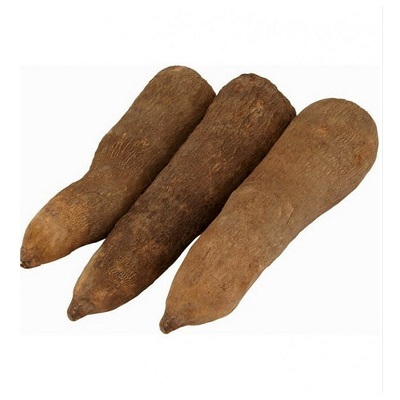
Yam tuber is one of the most commercially important staple food crops traded across West Africa and increasingly discussed in wider regional and diaspora food markets. For many buyers, it is not just another agricultural commodity. It is a deeply familiar food product with strong household demand, broad cultural acceptance, and year-round commercial relevance in both wholesale and retail channels. In local and international trade conversations, yam tuber is valued because it serves several market classes at once. It is a staple food, a fresh produce commodity, a processing raw material, a foodservice supply item, and in some cases, a diaspora export product with premium demand when handled properly.
Buyers who are new to yam trade often assume the product is simple to source because it is common in many Nigerian and West African markets. In reality, yam tuber requires more sourcing care than many people expect. A shipment can look attractive at origin and still perform poorly in storage or transit if maturity, curing, grading, bruising, ventilation, loading method, or storage history are not properly controlled. In the fresh produce trade, especially for bulky tubers, the buyer’s margin is often protected not by the cheapest price, but by the quality of handling and by the supplier’s discipline.
In Nigeria and surrounding markets, yam is one of the best-known staple crops and appears in several forms of trade. It is sold fresh in open markets, assembled in bulk for regional trade, supplied to food processors, and used as the raw material for yam flour, poundo yam flour, chips, flakes, starch applications, and institutional food supply. In everyday commercial language, buyers may refer to it simply as yam, white yam, fresh yam, ware yam, or yam tuber depending on market context. These names are familiar, but the actual trade requirements can vary significantly depending on whether the buyer wants domestic bulk supply, supermarket-grade presentation, foodservice stock, or export-ready fresh tubers.
The botanical identity most commonly associated with commercially traded yam tubers in West Africa is Dioscorea rotundata, especially for white yam, although yam trade more broadly can include other species within the Dioscorea genus. This matters because the product is not one uniform commodity in practice. Species, variety, size, shape, skin colour, flesh texture, storability, cooking quality, and market preference all influence value. A buyer sourcing yam for household wholesale may accept a different grade from a buyer serving premium ethnic grocery channels abroad. In the same way, a buyer sourcing yam for flour processing will evaluate the product differently from a buyer selling table yams to final consumers.
What keeps yam tuber commercially attractive is the combination of strong demand and wide usability. It is boiled, fried, roasted, pounded, dried, milled, and processed into different food formats. Unlike some niche agricultural products that depend heavily on trend cycles, yam sits inside an established food culture. That makes it commercially resilient. The demand pattern may change by season and destination, but the product remains relevant because people already know how to cook it, store it, and sell it.
Still, trade success in yam depends on understanding the physical realities of the crop. Yam tubers are living agricultural produce. They can sprout, bruise, rot, lose weight, or suffer handling damage. They are not sourced in the same way as dry grains, powders, or shelf-stable herbs. A buyer needs to think about harvest timing, maturity, curing, grading, ventilation, haulage, warehouse conditions, and loading pattern from the beginning. These are not minor technical details. They shape whether the shipment arrives in strong saleable condition or ends up creating costly losses.
For importers, wholesalers, distributors, foodservice buyers, and processors, the most useful approach is to treat yam tuber as both an agricultural commodity and a fresh produce logistics product. The sourcing decision should cover the farm base, aggregation system, supplier discipline, quality control, transport route, documentation, and payment method together. Once those pieces are aligned, yam can be a highly rewarding commodity to trade. This guide explains the trade overview, processing pathway, uses, health value, side effects, major producing and importing countries, sourcing approach, exporter selection, pricing logic, payment methods, shipping terms, quality specifications, and documentation expected when buying yam tuber commercially.
Trade Overview of Yam Tuber
| Product Name | Yam Tuber |
|---|---|
| Botanical Name | Dioscorea rotundata and related Dioscorea species |
| Common Names | Yam, White Yam, Fresh Yam, Ware Yam, Yam Tuber |
| Nigerian / Common Market Reference | Yam, White Yam, Fresh Market Yam, Table Yam, Processing Yam |
| Typical Form | Fresh whole tubers, graded ware yam, export yam, processing yam |
| Typical Appearance | Firm elongated or rounded tubers with rough brown outer skin and white to cream flesh depending on variety |
| Main Commercial Uses | Household food, foodservice, wholesale retail, pounding, frying, roasting, flour processing, flakes and starch-related processing |
| Primary Buyer Segments | Wholesalers, distributors, fresh produce exporters, ethnic grocery importers, foodservice operators, processors, institutional buyers |
| Key Quality Drivers | Maturity, firmness, low bruising, freedom from rot, proper curing, good skin condition, correct size grading, careful transport handling |
| Packaging / Handling | Bulk loading, ventilated crates, export cartons, palletised fresh produce handling, depending on market destination |
| Trade Risks | Bruising, sprouting, weight loss, rot, poor ventilation, weak grading, rough transport handling, delayed delivery |
Request a Quote or Speak With Our Team About Yam Tuber
Ready to source Yam Tuber with confidence? Submit your RFQ for detailed specifications and formal quotations, or chat on WhatsApp for fast responses and quick clarification.
What Is Yam Tuber?
Yam tuber is the edible underground storage organ of yam plants in the Dioscorea family. In commercial trade, it is usually sold as a fresh whole tuber harvested from the field, cured, sorted, and moved through local or export supply channels. It is one of the most familiar staple food products in many parts of West Africa and remains central to household food systems, hospitality supply, ceremonial food culture, and traditional food retail.
From a buyer’s point of view, yam tuber is valuable because it combines staple demand with processing flexibility. It can be sold for direct household consumption, supplied to restaurants and caterers, or diverted into processing streams that produce yam flour, pounded yam derivatives, or other yam-based food products. That gives traders several commercial outlets depending on season, location, and market preference.
Not all yam tubers in trade are the same. Some are preferred for boiling, some for pounding, some for frying, and some for drying or industrial-style food processing. Differences in variety affect flesh texture, water content, mealiness, sweetness, colour, pounding performance, and storability. Because of this, a buyer should never approach yam tuber as a completely generic produce item. It is more accurate to treat it as a family of related fresh products with different commercial strengths.
In Nigerian markets, white yam is especially prominent and is often the benchmark for trade conversations. Buyers may also hear specific local variety names depending on the region, but in export-facing trade, the broader reference “yam tuber” usually remains acceptable so long as the exact grade, variety preference, and use case are clarified in the contract.
One important feature of yam tuber is that it is harvested as a living food crop rather than manufactured into a shelf-stable commodity. This means its condition continues to change after harvest. Skin damage, internal bruising, storage stress, excess moisture, heat buildup, and delayed transport can all affect value. A buyer who understands this will ask better questions, negotiate better protection, and avoid many of the common losses seen in fresh yam trade.
Commercially, yam tuber sits between staple produce and export specialty food. In domestic trade, it may move in very large volumes under informal or semi-formal systems. In export trade, especially for diaspora markets, the expectations become more structured. Buyers may request size range, visual presentation, food safety handling, traceability, phytosanitary compliance, and better packaging. The supplier who serves these markets successfully is not simply selling yam. They are selling reliable fresh-produce performance.
How Yam Tuber Is Made / Processed
Yam tuber is not “manufactured” in the same way as a flour or spice, but it still goes through a production and post-harvest process before it becomes commercially suitable for trade. Understanding this process helps buyers judge whether the supplier is selling a fresh and properly handled crop or simply moving mixed field stock without real quality control.
1. Land preparation and planting
Yam production begins with land selection and field preparation. Farmers usually prepare ridges or mounds depending on local agronomic practice and plant yam setts or seed yam. Good planting material, proper spacing, soil health, weed control, and staking practices all influence the final quality of the harvested tubers. A strong sourcing chain often begins with farmers who already understand quality expectations rather than those producing only for distressed spot-market sales.
2. Field growth and crop management
As the crop develops, the plant requires careful management to produce healthy tubers of useful size and shape. Weed pressure, pests, disease, poor staking, and poor soil structure can affect yield and marketability. Tubers that develop under stressful conditions may be undersized, malformed, or more vulnerable to post-harvest problems. Buyers sourcing through organised aggregators often prefer suppliers who know the farm history because this provides clues about the likely performance of the crop in storage and transport.
3. Maturity assessment before harvest
One of the first major commercial decisions is harvest timing. Yam harvested too early may have poor keeping quality, weak skin set, lower dry matter, or inferior cooking performance. Yam harvested too late may face increased field losses or handling complications. Mature tubers are usually preferred for serious trade because they hold up better after harvest and generally deliver stronger food quality. A buyer should be cautious when a supplier offers unusually cheap fresh yam very early without explaining maturity status.
4. Harvesting the tubers
Harvesting is a delicate stage because yam tubers can be bruised, cut, or cracked if handled roughly. Mechanical injury may not always be visible immediately, but it often shows up later during storage or transit as rot or internal damage. In premium trade, careful digging, lifting, and field handling matter a great deal. Buyers who expect export-grade or long-distance haulage performance should not underestimate the cost of bad harvest practice.
5. Field sorting and first selection
After lifting, the tubers are usually sorted by visible quality. Broken, diseased, heavily scarred, insect-damaged, or undersized pieces may be separated from market-grade tubers. This first selection is important because once poor tubers are mixed into larger lots, the buyer may end up paying transport and storage cost on produce that was never truly saleable.
6. Curing and skin hardening
Freshly harvested yam often benefits from a curing phase that allows minor surface wounds to dry and the skin to harden. This stage improves storability and helps reduce rapid deterioration. In stronger supply chains, curing is treated as part of quality preparation rather than as an afterthought. Buyers dealing in fresh yam for more than immediate same-day sale should ask how long the product has been rested after harvest and under what conditions.
7. Cleaning and presentation preparation
Yam tubers are usually cleaned of loose soil before sale, but they should not be over-washed or handled in a way that encourages moisture problems unless the exact market system supports that method. For many fresh produce buyers, the goal is not polished appearance at any cost. The goal is a sound tuber with acceptable external presentation and low risk of decay. Overhandling can do more harm than good.
8. Grading by size and market class
At this point, the tubers are sorted into grades based on size, shape, visual quality, and intended market use. Retail and diaspora export channels may prefer more uniform sizing and better-looking tubers. Local bulk wholesale may tolerate wider variation. Processing buyers may focus more on soundness and dry matter than on visual perfection. Grading discipline is one of the clearest signs that the seller understands commercial supply rather than simply pushing farm output into the market.
9. Packing and loading
Fresh yam can be moved in different ways depending on the market. Domestic trade may use bulk loading on trucks, while more careful regional and export systems may use crates, ventilated cartons, or structured pallet arrangements. Whatever the method, the key principles are the same. The tubers should be protected from crushing, overheating, and excessive abrasion. Poor loading can erase the value created by good farming and good grading.
10. Storage and dispatch
Before dispatch, yam may be held briefly in storage or sold almost immediately depending on the trade model. Because yam is a living tuber, storage conditions matter. Excess heat, trapped moisture, poor airflow, and stacking pressure all increase deterioration risk. The best suppliers understand the timing between harvest, aggregation, loading, and delivery and do not allow the product to sit carelessly while waiting for transport decisions.
What Is Yam Tuber Used For?
Yam tuber is commercially attractive because its uses are broad and familiar. The product serves direct food markets and processing markets at the same time, which gives buyers flexibility when positioning stock.
For household food consumption
The most common use of yam tuber is direct household cooking. It is boiled, fried, roasted, or turned into pounded yam and other traditional dishes. This steady household demand is one reason yam remains commercially resilient. It is not dependent on novelty. It is part of regular food culture in many markets.
For restaurant and catering supply
Hotels, restaurants, food vendors, canteens, and event caterers buy yam tubers because they can be prepared in multiple ways and serve different meal formats. Foodservice buyers usually care about consistency in size, cooking quality, and waste ratio. They do not want a lot full of tubers that look large but peel badly or cook unevenly.
For pounding applications
Some yam varieties and grades are preferred specifically for pounded yam because of their texture, elasticity, and final meal quality. In regions where pounded yam is a high-value meal, this use case strongly shapes buyer behaviour. A buyer serving this channel will usually pay attention to variety and cooking performance rather than buying on appearance alone.
For frying and roasting
Yam is widely used in fried slices, chips, and roasted formats sold by street food operators, quick-service kitchens, and home cooks. This segment values tubers that cut cleanly, maintain structure, and deliver a good eating texture after cooking. These qualities can vary by variety and maturity.
For yam flour and powder processing
Processors use yam tuber as the raw material for yam flour and related dried yam products. In this segment, the buyer may accept tubers that are less visually premium than supermarket or diaspora-export stock, provided the tubers are sound and suitable for drying and milling. Processing demand helps absorb production and expands the crop’s commercial relevance beyond the fresh market.
For pounded yam derivatives and convenience foods
Modern food businesses also process yam into instant pounded yam products, flakes, powders, and convenience food formats. This allows the crop to move into packaged retail and export channels with longer shelf life. Fresh tuber quality still matters because the input affects the final product’s colour, taste, texture, and consumer acceptance.
For ethnic grocery and diaspora markets
In several international markets, especially where African and Caribbean communities create strong demand for familiar staples, yam tuber is sold through ethnic grocery chains and specialist produce distributors. Here, presentation, freshness, phytosanitary compliance, and controlled logistics become more important. The product is no longer competing only on staple value. It is also competing on reliability in an import environment.
Health Benefits of Yam Tuber
Yam tuber is not only a commercially important staple. It also carries nutritional value that supports its continued relevance in household and retail food markets. Buyers who understand the health positioning of the product can market it more effectively and align it with the needs of different consumer groups.
1. It is an important energy-giving staple food
Yam tuber is widely consumed because it provides a dependable source of carbohydrate-based energy. In practical food markets, this matters because consumers still value foods that are filling, familiar, and useful as the centre of a meal. That basic energy role is one reason yam remains commercially strong even in markets with many competing staples.
2. It supports dietary variety
For households and foodservice operators, yam contributes variety to the diet. Consumers do not want every meal to depend on the same staple. Yam gives buyers a way to supply a familiar alternative that fits breakfast, lunch, dinner, snack, and ceremonial meal formats. This supports repeat demand across market segments.
3. It contains fibre that supports digestive comfort
Yam tuber contributes fibre, especially when prepared in less heavily refined formats. This supports digestive balance and makes yam commercially attractive to consumers who want traditional foods that still align with broader interest in wholesome eating.
4. It provides useful micronutrients in everyday diets
Yam contains naturally occurring vitamins and minerals that add value to its role as more than just a filling staple. Buyers do not usually market fresh yam like a fortified specialty product, but the fact that it contributes useful nutrients strengthens its image as a sound everyday food.
5. It is suitable for several cooking methods
Because yam can be boiled, roasted, fried, pounded, or dried and reprocessed, it fits a wide range of meal patterns. This flexibility supports healthier cooking choices as well. Consumers who want to avoid overly processed foods can still prepare yam in simple ways at home, which helps the product retain long-term consumer trust.
6. It can fit into culturally familiar balanced meals
In many markets, yam is eaten with vegetables, soups, stews, sauces, fish, or meat. This makes it easy to integrate into balanced meal structures that consumers already understand. Foods that fit naturally into existing meal culture tend to sell more sustainably than products that require consumer re-education.
7. It remains attractive as a natural staple rather than a fad product
One of the biggest strengths of yam is that it does not need a trend cycle to justify demand. Its health value is tied to being a natural, widely accepted, minimally transformed staple. For serious buyers, that type of product can be more dependable commercially than a niche ingredient whose popularity depends on short-term marketing excitement.
Side Effects of Yam Tuber
Although yam tuber is widely consumed and generally accepted as a staple food, buyers should still understand the realistic concerns that can arise from poor handling, inappropriate consumption patterns, or low-quality stock. This is especially important when trading fresh produce at commercial scale.
1. Poor storage can lead to spoilage and food safety concerns
The biggest commercial risk with yam tuber is deterioration after harvest. Rotting yam is not simply a commercial inconvenience. It creates food safety and quality concerns and can damage neighbouring tubers in the same lot. Buyers should therefore treat storage and transit control as part of safe consumption, not only as a logistics matter.
2. Sprouting reduces market appeal and usable value
Yam that is held too long or under poor storage conditions may sprout. While sprouting does not always make the tuber immediately unusable, it reduces commercial appeal, contributes to weight loss, and signals ageing stock. Buyers who want strong retail turnover should avoid lots already showing active sprouting.
3. Bruised tubers may look acceptable externally at first
Internal bruising is one of the hidden problems in yam trade. A tuber may look fine on the outside and still carry damage that later becomes visible as softening, darkening, or rot. This is why careful harvest and loading practices matter. The side effect is less about the crop itself and more about what rough handling does to the crop.
4. Some consumers may not tolerate very large portions comfortably
As with many starchy staples, extremely heavy servings may feel too dense for some consumers depending on the cooking method and accompanying foods. This is not unique to yam, but it is relevant for product positioning. Health-conscious buyers often market yam as part of a balanced meal rather than as an unlimited staple.
5. Improperly processed derivatives can disappoint the market
Where yam is being bought for drying, flour production, or instant pounded yam processing, poor raw tubers can result in off-colour flour, weak texture, or unpleasant taste. In that sense, the side effect of bad raw yam extends beyond the fresh product and into the processed product line.
6. Contaminated handling environments can damage quality quickly
Fresh produce is vulnerable to dirty loading surfaces, poor warehouse hygiene, pest exposure, and contaminated transport. A buyer who ignores handling conditions may receive tubers that are technically yam but commercially weak and difficult to defend in the market.
7. Variety mismatch can create consumer dissatisfaction
Not every yam performs the same way in the kitchen. A buyer may source a visually strong lot that fails in pounding quality or texture. This can produce dissatisfaction even where the product is not spoiled. For markets with strong culinary expectations, variety and end-use fit are part of product safety in a broader commercial sense.
Top Producing & Exporting Countries of Yam Tuber
Yam production is heavily concentrated in West Africa, and this shapes the trade geography of the product. For buyers, the most commercially important producing regions are those with both strong yam culture and enough aggregation capacity to support bulk movement.
1. Nigeria
Nigeria is widely recognised as the largest yam-producing country in the world and remains the central commercial reference point for yam tuber trade. Its scale, cultural familiarity with the crop, and broad farming base make it highly relevant to both domestic and regional buyers. For export buyers, Nigeria offers major sourcing opportunity, but it also requires disciplined supplier selection because production scale alone does not guarantee export readiness.
2. Ghana
Ghana is another important yam-producing country and plays a visible role in regional and international yam supply. Ghanaian exporters are often active in diaspora fresh-produce channels, and the country is commercially relevant for buyers seeking organised export participation in yam trade.
3. Côte d’Ivoire
Côte d’Ivoire has a strong role in yam production and regional trade. Its supply base contributes meaningfully to West African yam availability, and buyers looking at the broader regional picture should not ignore it. Depending on route and buyer preference, it can serve both nearby markets and selected export programs.
4. Benin
Benin is also part of the major yam-producing belt of West Africa. It contributes to regional supply and trade movement, especially in cross-border and neighbouring market channels. For some buyers, Benin may be more relevant for regional trade than for highly structured overseas export, but it remains a notable producing source.
5. Togo
Togo participates in the West African yam economy and can be commercially relevant in regional supply patterns. While not always the first country mentioned in global trade conversations, it still matters in the subregional yam market.
6. Cameroon
Cameroon also produces yam and contributes to regional availability in Central and West African market flows. Buyers serving nearby markets may encounter Cameroonian supply in certain trade channels.
7. Other producing countries with niche relevance
Outside the main West African belt, yam is grown in additional tropical regions, but commercial fresh-tuber trade remains most strongly associated with West Africa. Buyers should therefore expect the most mature cultural and aggregation knowledge to come from that region.
Top Importing Countries of Yam Tuber
Fresh yam import demand is shaped by diaspora population, ethnic food retail growth, and the ability of importers to manage a fresh tropical root crop. The market is not always measured in the same way as dry commodity flows, but several destinations are commercially important.
1. United Kingdom
The United Kingdom is one of the best-known markets for imported yam in diaspora and ethnic grocery channels. Strong West African and Caribbean communities help sustain demand, and importers serving this market often look for consistent quality, phytosanitary compliance, and dependable arrival condition.
2. United States
The United States is another important market because of its diverse immigrant communities, ethnic grocery infrastructure, and broad produce distribution capability. Buyers in this market may operate through specialty importers, regional wholesalers, and urban ethnic food chains. Handling quality matters greatly because fresh produce claims can be expensive.
3. Canada
Canada has commercially relevant demand in major urban centres where diaspora and ethnic food retail channels are active. Buyers here typically value good presentation, correct paperwork, and product that arrives with enough remaining shelf life for retail turnover.
4. Netherlands
The Netherlands is commercially important both as a consumer market and as a logistical gateway in Europe. Some fresh produce entering the Netherlands may also feed wider distribution networks. This means exporters targeting Dutch buyers should think carefully about packaging, pallet quality, and onward distribution expectations.
5. France
France has meaningful demand in ethnic and international produce channels and is relevant for tropical food importers. Suppliers serving France may need to align with strong quality expectations and documentation discipline.
6. Spain and other European produce markets
Spain and other parts of Europe can also show demand where ethnic food consumption and tropical produce distribution are established. In these markets, the supply program usually succeeds when the importer has clear knowledge of consumer preferences and the exporter understands fresh-produce logistics.
7. Regional African deficit and urban markets
Beyond overseas destinations, yam also moves across African borders into markets where local production may not fully match urban demand. These regional flows can be commercially large even when they are less formally documented than intercontinental shipments.
How To Safely Source for Your Yam Tuber Produce
Safe sourcing for yam tuber begins with understanding that the product is highly vulnerable to handling damage and time loss. A buyer who uses the same sourcing attitude they would use for a dry grain or flour will likely face avoidable problems. The safer approach is to combine produce-quality evaluation with trade-risk control from the very beginning.
Define the exact market class you need
Before speaking with suppliers, define whether you need local wholesale yam, table-grade yam, foodservice yam, export-grade diaspora yam, or processing yam. These are not the same commercial product even though they share the same crop base. Size range, visual quality, acceptable skin marks, and transport method all differ depending on the target market.
Clarify the variety and intended use
If you need yam for pounding, say so. If you need yam for supermarket shelf presentation, say so. If you need yam for flour processing, state that clearly as well. One of the biggest causes of trade disappointment is end-use mismatch. The buyer expects one performance profile, while the supplier delivers another that is still “yam” but not the right yam for the business need.
Buy from suppliers with aggregation discipline
Fresh yam trade is often fragmented. The best suppliers are not always those with the loudest market presence. They are usually the ones who can aggregate from reliable farm networks, sort properly, separate bad tubers, and load consistently. A supplier who simply buys from wherever stock is cheap on the day may struggle to maintain uniformity across the lot.
Inspect harvest freshness and curing status
Ask when the yam was harvested and how long it has been held before sale. Freshly harvested yam that has not been allowed to cure properly may be more vulnerable in transit. On the other hand, stock that has been sitting too long in poor conditions may already be ageing, dehydrating, or sprouting. The best supply is usually neither rushed immature harvest nor stale old stock.
Check for bruising, cuts, rot, and hidden weaknesses
Visual inspection should go beyond surface cleanliness. Examine whether the tubers show cuts, soft spots, wet areas, insect attack, deep scars, or signs of internal bruising. Ask for cross-sections on sample tubers where appropriate. For larger deals, in-person inspection or third-party inspection is often worth the cost because hidden quality problems in fresh produce can become expensive very quickly.
Demand proper grading before loading
A mixed lot of oversized, undersized, scarred, immature, and sound tubers is difficult to sell efficiently. Good grading improves marketability and reduces disputes. Ask the supplier how the lot has been sorted and whether it meets a written size and condition standard. If there is no real grading system, the buyer is absorbing extra risk.
Control loading and transport conditions
Yam should not be crushed under careless stacking or packed into poorly ventilated spaces that trap heat and moisture. Whether you are moving the product within Nigeria, across borders, or overseas, loading method matters. Ask for vehicle or container condition, stacking pattern, ventilation approach, and expected transit time. Do not leave this entirely to chance.
Plan for speed, not delay
Fresh yam is not a commodity you want sitting around while paperwork, payment disagreements, or haulage issues are being sorted out. The safest transactions are the ones where the commercial and logistics plan is already clear before the tubers leave the assembly point. Delays create loss, especially in hot or humid conditions.
Use clear written specifications
Even for fresh produce, a specification sheet is useful. It should define the product, variety if relevant, size range, acceptable defects, maturity, soundness, packaging or loading method, quantity, delivery point, and claims process. In export trade, it should also reference any documentation requirements. Clear specifications reduce arguments after delivery.
Start smaller with new suppliers
For first-time relationships, it is usually safer to begin with a trial quantity rather than a very large shipment. This gives the buyer a chance to test the supplier’s sorting discipline, loading quality, communication speed, and document accuracy under real commercial conditions. A successful smaller deal creates a better foundation for scaling up.
Think about the sale after arrival
Safe sourcing is not only about buying correctly. It is also about whether the product can still be sold efficiently on arrival. Consider how many days of viable selling time remain after transit, unloading, customs clearance, and warehouse handling. A shipment that reaches destination but has too little commercial life left is not truly a good purchase.
Protect payment with evidence and timing
Because fresh produce quality can change rapidly, payment structure should be linked to clear evidence of readiness and shipment. Photos, inspection reports, dispatch confirmations, and agreed document flow all matter. The more perishable the product, the more important timing discipline becomes.
Where To Find Reliable Exporters for Yam Tuber
Reliable yam exporters are usually found through a combination of produce experience, regional trade networks, and proven export discipline. The ideal supplier is not simply a farmer or a local market trader. The ideal supplier is one that can bridge the gap between farm aggregation and delivery performance.
One useful place to start is with produce exporters that already handle African staple crops for diaspora markets. These businesses are more likely to understand packaging, phytosanitary requirements, and buyer expectations in formal import channels. They may also have stronger experience with palletisation, carton selection, airfreight or seafreight coordination, and claims reduction.
Another route is through trusted aggregators and commodity sourcing companies that have direct access to yam-producing regions and can organise grading at source. This can be particularly useful for regional trade and for buyers who need larger fresh volumes but do not want to negotiate separately with many small suppliers.
Trade fairs, diaspora food distribution networks, ethnic produce wholesalers, and B2B sourcing platforms can also help identify potential exporters. However, discovery is not the same as verification. A supplier may advertise export ability without having the systems needed for consistent performance. Buyers should therefore request product photos, loading records, packaging examples, reference documents, and where possible, evidence of previous shipment history.
Referrals from importers, retailers, restaurant supply buyers, and produce wholesalers can also be valuable. Fresh produce trade often depends on trust built through repeated performance. A supplier who has already served a similar buyer successfully is often safer than one with only attractive online marketing.
In practical terms, reliable exporters are identified by behaviour as much as by product. They answer clearly, grade honestly, communicate timing realistically, document their supply properly, and do not become evasive when questions turn from price to quality details. Those signals matter in yam trade because once the product is in motion, mistakes are expensive to reverse.
International Price of Yam Tuber Per Metric Ton
The international price of yam tuber per metric ton varies widely depending on origin, season, variety, size grade, packing method, destination market, and whether the supply is regional bulk fresh produce or a more structured export shipment into premium diaspora retail channels. Unlike many standardised dry commodities, fresh yam does not move on one clean universal benchmark. The commercial range can shift materially based on post-harvest handling and the route to market.
For practical trade planning in 2025 to 2026, buyers can generally expect broad fresh yam price discussions to fall in the region of US$350 to US$1,100 per metric ton for mainstream wholesale and export-oriented transactions, with tighter local-origin truckload pricing often sitting near the lower end and carefully selected, better packed, premium export-ready product moving much higher depending on destination and handling intensity.
At the lower end of the range, the buyer is often looking at bulk regional trade, limited packaging, looser grading, or farm-gate to nearby-market movement. At the middle of the range, the lot may already include better sorting, more reliable loading, stronger aggregation, and more structured trade handling. At the upper end, premiums are commonly driven by quality selection, export preparation, scarcity in the destination market, seasonal tightness, and higher logistics cost associated with maintaining acceptable fresh condition.
Buyers should also remember that freight and handling can become a major part of the landed cost. A yam shipment quoted cheaply at origin may still end up expensive if the produce suffers heavy damage or loss before sale. This is why the most important comparison is not just origin price per metric ton, but saleable yield after arrival. A slightly more expensive well-handled lot can be far more profitable than a cheaper lot with high spoilage or poor retail acceptance.
Whenever possible, ask suppliers to quote on a clearly defined basis such as farm-gate, warehouse, EXW, FOB, CFR, or CIF, and make sure the quote refers to the same grade, size range, and packaging method when comparing offers. Without that discipline, price comparisons in fresh yam trade quickly become misleading.
Request a Quote or Speak With Our Team About Yam Tuber
Ready to source Yam Tuber with confidence? Submit your RFQ for detailed specifications and formal quotations, or chat on WhatsApp for fast responses and quick clarification.
How To Pay For Your Yam Tuber Produce
Payment planning for yam tuber should take into account the perishability and timing sensitivity of the product. The right method depends on the size of the order, the maturity of the supplier relationship, and the speed required for dispatch.
1. Bank transfer for tested supplier relationships
Direct bank transfer is common in agricultural trade and can work well where the buyer already knows the supplier’s performance. In yam trade, however, payment timing should be coordinated carefully with loading and dispatch because the product should not sit idle while funds are being reconciled.
2. Deposit and balance structures for new orders
For many fresh produce deals, buyers use a deposit to secure sourcing and aggregation, with the balance paid against agreed evidence of readiness or dispatch. This can work well when the supplier needs working capital but the buyer still wants some protection before releasing the full amount.
3. Documentary structures for larger trade
Where transaction size is larger and the supply chain is more formal, documentary payment structures may be used. These are more common when the buyer wants stronger control around shipment evidence and commercial paperwork. They are useful, but only if both parties understand the administrative process clearly.
4. Payment should match perishability risk
Because yam is a fresh agricultural product, slow payment systems that create dispatch delays can damage commercial value. The buyer should select a method that still provides protection without causing avoidable time loss. A perfectly secure structure that delays loading too long may not be practical for fresh produce.
5. Use evidence-based milestones
Whatever payment method is chosen, it is smart to link payment milestones to practical evidence such as inspected stock, packed quantity, truck readiness, container loading, or dispatch documents. This reduces confusion and helps both parties stay aligned on timing and expectations.
Shipping & Delivery Terms
Shipping and delivery terms for yam tuber should reflect the realities of a bulky, fresh, easily bruised produce item. The transport plan is part of the quality plan.
1. Local and regional truck delivery
For domestic and regional African trade, truck delivery is often the most practical method. In these cases, the buyer should confirm loading style, route duration, weather exposure, and unloading arrangements. A rough, delayed truck movement can damage more value than a small price difference ever saves.
2. FOB for buyers managing international freight
Where yam is exported through ports, FOB can work for buyers who prefer to control the ocean freight onward. This requires the buyer to understand fresh-produce shipping realities and ensure that the shipping plan matches the expected shelf-life window.
3. CFR and CIF for simplified landed planning
Some buyers prefer the seller to arrange freight under CFR or CIF terms. This can simplify transaction planning, especially for buyers who do not have strong freight control at origin. Even so, the buyer should still verify what packaging, loading, and insurance terms are included rather than assuming they are automatically suitable.
4. Packaging and ventilation are essential
Fresh yam should be moved in a way that reduces compression damage and allows reasonable airflow. Whether the product travels in crates, cartons, pallets, or controlled bulk loading, ventilation and stacking logic matter. Buyers should discuss this before shipment, not after losses occur.
5. Transit time must suit the market window
Even a well-handled yam lot can lose value if transit is too long or poorly timed. Importers should map the time from dispatch to shelf, including customs and warehouse handling, and compare that with the condition needed for profitable sale.
6. Delivery claims should be pre-agreed
If there is damage, spoilage, or major quality mismatch on arrival, the buyer and seller should already know how evidence will be presented and how claims will be assessed. Fresh produce disputes are easier to manage when the claims framework is agreed before shipment.
Our Typical Trade Specifications For Yam Tuber
| Parameter | Typical Export / Trade Specification |
|---|---|
| Product | Fresh Yam Tuber |
| Botanical Source | Dioscorea rotundata or agreed commercial yam variety |
| Form | Whole fresh tubers |
| Appearance | Firm, mature, sound tubers with characteristic brown skin |
| Flesh | White to cream, depending on variety |
| Maturity | Well matured and suitable for trade handling |
| Condition | Free from serious rot, deep cuts, wet damage, and excessive bruising |
| Size Grade | As agreed, commonly uniform medium to large ware tubers |
| Sprouting | Minimal to none at shipment |
| Foreign Matter | Reasonably clean and free from excess soil, stones, and debris |
| Pest Damage | Absent or within agreed tolerance |
| Packaging / Loading | Bulk, crates, cartons, or palletised fresh produce format as agreed |
| Labelling | Origin, pack date where applicable, lot reference, net weight or unit count as agreed |
| Storage | Cool, dry, ventilated environment away from direct wetting and crushing pressure |
| Shelf-Life Expectation | Dependent on variety, maturity, and handling conditions |
Expected Shipping Documents
Documentation for yam tuber shipments should be treated as an important part of the trade, especially in formal cross-border and overseas supply. Fresh produce buyers need paperwork that supports customs clearance, traceability, and claims management.
1. Commercial invoice
The commercial invoice should clearly identify the product, quantity, agreed grade, price basis, and trade terms. It should align fully with the contract and other shipping records.
2. Packing list
The packing list should show the package count, weight or count basis, and loading structure where relevant. This helps with customs review, warehouse receiving, and arrival reconciliation.
3. Bill of lading or airway bill
The transport document confirms the shipment route and cargo movement. Buyers should make sure the consignee, notify party, and cargo description are accurate to avoid clearance problems.
4. Certificate of origin
A certificate of origin may be required to confirm the source country of the yams. This can matter for customs, tariff treatment, and commercial assurance.
5. Phytosanitary certificate
For fresh agricultural produce like yam tuber, the phytosanitary certificate is often especially important. Many importing markets require it, and buyers should confirm the exact document format and authority requirements before shipment is arranged.
6. Inspection report where required
Some buyers request a pre-shipment inspection report to confirm the visible condition, quantity, or conformity of the produce before dispatch. This can reduce disputes and provide evidence if any major issue arises later.
7. Health or sanitary-related documentation where applicable
Depending on the destination market and buyer type, additional sanitary or health-related documents may be requested. This is more likely in formal retail or institutional channels.
8. Insurance certificate where applicable
If the cargo is sold on insured terms, the buyer should receive an insurance certificate showing the scope of coverage. Fresh produce buyers should understand that insurance terms vary and may not automatically cover every quality-related loss.
9. Export permits or additional regulatory paperwork where required
Some shipments may require additional export permits, customs declarations, or destination-specific import support documents. These should be identified early in the transaction because fresh produce does not benefit from last-minute paperwork surprises.
Request a Quote or Speak With Our Team About Yam Tuber
Ready to source Yam Tuber with confidence? Submit your RFQ for detailed specifications and formal quotations, or chat on WhatsApp for fast responses and quick clarification.