

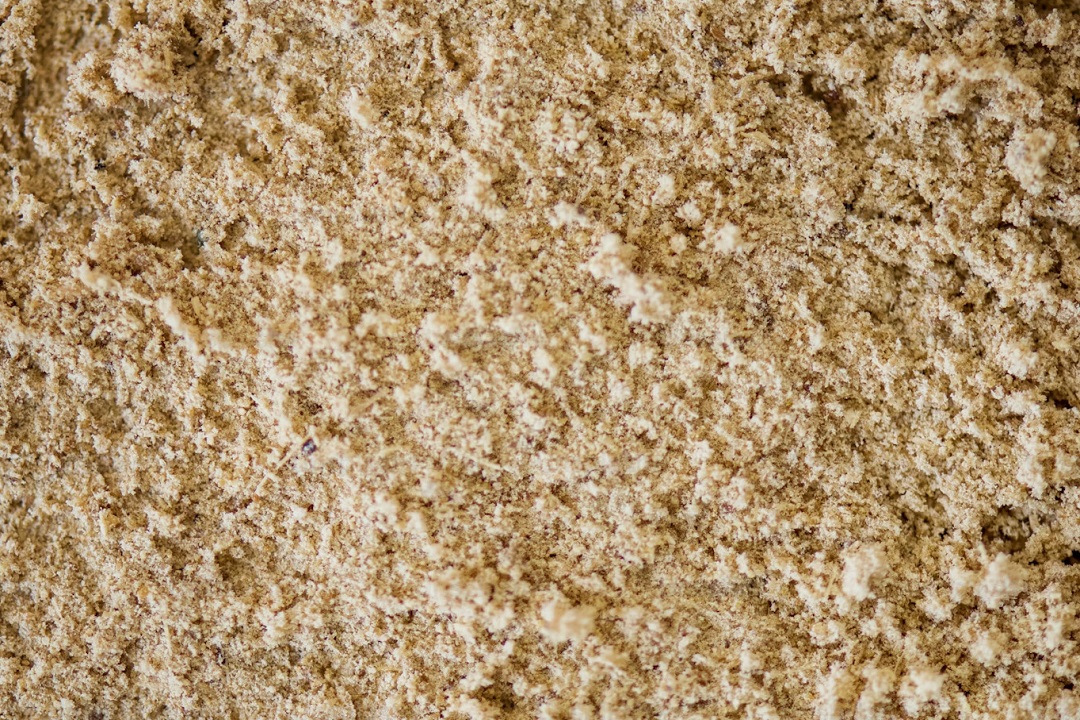
Bean Flour is one of the most commercially practical food-processing commodities in the wider grains, pulses, and specialty flour trade. It sits at an interesting point in the market because it serves both traditional food systems and modern industrial demand. For buyers in food manufacturing, ethnic food distribution, bakery supply, gluten-conscious product development, quick-service meal production, and export trading, bean flour is not a niche product. It is a versatile, protein-bearing, pulse-based flour with growing commercial relevance across multiple markets.
In practical trade terms, Bean Flour is valued because it helps processors convert dried beans into a shelf-stable, easy-to-handle, easy-to-use flour that can be incorporated into different food applications. Depending on the type of bean used and the processing method applied, the final flour may be sold for akara mixes, moi-moi production, bakery blends, instant food manufacturing, thickening systems, baby food formulations, protein-fortified products, snacks, and ethnic retail use. For many buyers, it is attractive because it combines convenience with nutritional value and can be positioned as a plant-based ingredient with broad commercial flexibility.
For international buyers, one of the first things to understand is that Bean Flour is not one single standardised commodity across all suppliers. Two exporters may both offer “Bean Flour,” but the actual product may differ significantly in bean variety, colour, flavour intensity, fineness, moisture level, microbial load, packaging quality, shelf stability, and suitability for a particular food application. This is why experienced buyers do not buy bean flour only by product name. They buy it by specification, intended use, and process confidence.
In Nigeria and across several African markets, Bean Flour has a strong everyday relevance because it is tied directly to familiar food uses. It is commonly associated with the production of bean-based foods such as akara and moi-moi, and in many local commercial conversations it may simply be called beans flour, bean powder, or flour for akara and moi-moi depending on the market. But in formal export trade, buyers usually go further than this. They want to know the bean type used, whether the flour is dehulled or not, whether it has been roasted or not, whether it is pure or blended, how fine the milling is, and what packaging and storage controls were used after production.
This product also attracts commercial attention because it helps reduce labour in food preparation. A household, restaurant, foodservice operator, or food processor that would ordinarily soak, dehull, dry, and mill beans manually can instead buy ready-made flour and move directly into production. That convenience value matters in both domestic and export markets. It also creates room for premium pricing when the product is clean, fine, properly packed, and backed by dependable supply.
At the same time, sourcing bean flour carelessly can create avoidable problems. A flour that is too moist may cake or spoil. A flour milled from poor-quality beans may carry off-odours, discolouration, or inconsistent flavour. A badly packed lot may absorb moisture during shipment. A supplier that does not manage hygiene properly may expose the buyer to microbiological and quality risks that become expensive later in the chain. For this reason, serious buyers in the bean flour trade place great emphasis on process visibility and export discipline.
Another reason Bean Flour continues to gain commercial traction is that it fits well into current market trends. Food manufacturers are actively exploring plant-based ingredients, pulse flours, alternative flours, and protein-supportive raw materials. Retail and foodservice buyers also appreciate ingredients that simplify preparation while retaining traditional use cases. This means bean flour can serve both heritage food demand and modern product development at the same time.
In this guide, we will look at the trade overview of Bean Flour, what it is, how it is made and processed, what it is used for, the health-related value that makes it attractive in food systems, its side effects and handling concerns, the leading producing and importing markets, how to source it safely, where to find dependable exporters, what realistic international price ranges look like in 2025 to 2026, how payment is commonly structured, what shipping terms buyers usually encounter, what a practical trade specification looks like, and which shipping documents should be expected before cargo leaves origin.
Trade Overview of Bean Flour
From a trade standpoint, Bean Flour is a processed food commodity made by cleaning, preparing, and milling dried beans into flour. Its market value comes from convenience, functionality, shelf stability, and nutritional relevance. Unlike raw beans, the flour is already adapted for direct use in food preparation and manufacturing. This makes it attractive to food processors, distributors, restaurants, retailers, and importers who want a ready-to-use ingredient rather than a raw pulse requiring further handling.
The trade can be approached from different market angles. One segment is the ethnic and traditional food market, where bean flour is bought for foods such as akara, moi-moi, bean cakes, porridges, and related preparations. Another segment is industrial food processing, where the flour may be used in flour blends, bakery systems, snack development, plant-based food lines, and specialty ingredient applications. A third segment is wholesale and retail redistribution, where importers buy in bulk and then repack for supermarkets, specialty stores, or foodservice channels.
The biggest commercial variables in this trade are bean variety, process quality, flour fineness, moisture control, and packaging. A buyer sourcing for instant akara flour will assess the product differently from a buyer sourcing a neutral pulse flour for food manufacturing. This is why reliable suppliers usually ask what the buyer intends to use the product for before issuing a final offer. The application determines the acceptable colour, odour, particle size, and shelf-life expectation.
In Nigeria, Bean Flour is also commercially important because it translates an abundant food staple into a higher-value processed product. Instead of moving only whole beans, processors can create a product with more convenience value, better branding potential, and broader foodservice relevance. For exporters, this means there is room to move beyond simple commodity supply and into value-added agricultural trade.
| Trade Item | Details |
|---|---|
| Product Name | Bean Flour |
| Botanical Reference | Usually derived from common bean, cowpea, or related edible bean varieties depending on market and origin |
| Common Names | Bean Flour, Beans Flour, Bean Powder, Pulse Flour |
| Nigerian / Common Market Reference | Bean Flour, Beans Flour for Akara and Moi-Moi, Processed Bean Powder |
| Typical Forms | Fine flour, medium flour, dehulled flour, whole bean flour, blended bean flour, retail packs, bulk packs |
| Primary Uses | Akara, moi-moi, bakery blends, thickening, snacks, food manufacturing, plant-based products, wholesale retail supply |
| Key Buying Factors | Bean type, particle size, colour, moisture, odour, purity, microbiological quality, packaging, shelf stability |
| Typical Packaging | 1 kg, 5 kg, 10 kg, 25 kg bags, paper-lined sacks, laminated pouches, bulk food-grade bags by agreement |
| Main Trade Concern Areas | Moisture, caking, insect contamination, stale stock, poor milling hygiene, mixed lots, weak packaging |
| Main Buyer Segments | Food processors, distributors, ethnic food importers, retailers, restaurants, private-label brands, ingredient buyers |
Request a Quote or Speak With Our Team About Bean Flour
Ready to source Bean Flour with confidence? Submit your RFQ for detailed specifications and formal quotations, or chat on WhatsApp for fast responses and quick clarification.
What Is Bean Flour?
Bean Flour is a flour made from dried edible beans that have been cleaned, prepared, and milled into powder form. The exact flour profile depends on the bean used. In many African and Nigerian trade settings, it is often associated with cowpea or similar beans used in traditional foods, while in broader global trade it may also refer to flour produced from other food-grade beans depending on the product specification.
Commercially, Bean Flour exists because many buyers want the nutritional and culinary value of beans without the time, labour, and process burden involved in soaking, dehulling, drying, and milling them manually. By turning beans into flour, processors create a product that is easier to measure, easier to mix, easier to store in standard packaging, and easier to integrate into food preparation and manufacturing systems.
The flour can be produced from dehulled beans or from whole beans depending on intended use. Dehulled bean flour is often preferred where a smoother texture, lighter colour, and cleaner consumer finish are required. Whole bean flour may still be acceptable in some formulations, but its fibre level, colour, and mouthfeel can differ. Buyers therefore need to know exactly which version they are purchasing.
Bean Flour may also be sold as a single-ingredient flour or as part of a prepared mix. In some retail and foodservice cases, processors add seasonings or additional ingredients for specific food applications. However, in export trade and bulk ingredient procurement, buyers often prefer pure flour with clearly stated composition so they can control final formulation themselves.
From a commercial point of view, Bean Flour is not just a processed version of beans. It is a convenience ingredient, a functional food input, and, in some markets, a nutritional positioning tool. That is why serious buyers usually move quickly from asking “what is it?” to asking “how was it processed?” because process determines commercial value.
How Bean Flour Is Made / Processed
The way Bean Flour is processed affects colour, flavour, functionality, shelf stability, and food safety. Buyers who want repeatable quality should understand how the flour was made and should not treat processing details as minor technical points. In this product category, process quality is product quality.
1. Selection of dried beans
The process begins with dried edible beans selected for food use. Good flour starts with good beans. If the raw material is old, dusty, mouldy, broken, insect-damaged, or mixed with foreign matter, the finished flour will reflect those weaknesses. Export-oriented processors therefore begin with cleaned, mature, food-grade beans that have suitable moisture and reasonable uniformity.
2. Cleaning and removal of foreign matter
Before any further processing, the beans are cleaned to remove stones, dust, chaff, sticks, metal particles, and damaged material. This is a critical stage because flour tends to hide contamination that would have been more obvious in whole-bean form. Better processors use sorting, sieving, aspiration, and magnetic checks where necessary to improve lot purity before milling.
3. Washing where applicable
Depending on the product style, some processors wash the beans before dehulling or further processing. This can help reduce surface dirt and improve final flour cleanliness. However, once washing is introduced, drying control becomes especially important. If the beans are not dried properly afterward, the finished flour may have weak shelf stability.
4. Soaking and dehulling for smoother flour
For many food applications, especially those linked to traditional preparations such as akara and moi-moi, the beans may be soaked and dehulled to remove the outer coat. This helps produce a smoother, lighter-coloured flour with improved texture in downstream cooking. Dehulling also affects fibre level and the visual appearance of the final flour, which is why buyers should ask whether the product is dehulled or not.
5. Drying after wet processing
If soaking or washing has been used, the beans must be dried again before milling. This is one of the most important control points in the process. Moisture that remains too high will reduce shelf life and increase the risk of caking, spoilage, microbial growth, and quality deterioration. Good processors dry the beans thoroughly and evenly before grinding begins.
6. Roasting or pre-treatment where relevant
Some bean flours are lightly pre-treated or roasted depending on intended use. In certain applications this may help flavour development, reduce beany notes, or support a particular culinary profile. But this must be controlled carefully because excessive heat can darken the flour, alter flavour too strongly, or reduce suitability for buyers seeking a neutral ingredient.
7. Milling into flour
The prepared beans are then milled into powder form. This stage determines particle size, consistency, and handling performance. A fine flour may be preferred for smooth batters and premium retail products, while a coarser flour may fit some industrial or regional food uses. Milling equipment must be clean and food-grade because contamination introduced here can affect the entire lot.
8. Sieving and particle-size control
After milling, the flour is often sieved to achieve the desired fineness. Better processors control mesh size and remove oversized particles to deliver more consistent product. This matters especially for food manufacturers who want predictable mixing and processing behaviour from shipment to shipment.
9. Cooling, quality checks, and packing
Freshly milled flour is checked for colour, odour, dryness, and basic quality before it is packed. Good pack-out practice matters because flour can absorb ambient moisture and odours quickly if left exposed. The product is therefore packed into food-grade bags, pouches, or sacks suited to the intended market.
10. Storage and dispatch readiness
Once packed, the flour must be stored in a cool, dry, hygienic environment away from pests, chemicals, strong odours, and excessive humidity. Unlike whole beans, flour has more exposed surface area and is generally more sensitive to moisture absorption and quality drift. Export-worthy storage is therefore a core part of the processing chain, not a separate afterthought.
What Is Bean Flour Used For?
The usefulness of Bean Flour is one of the main reasons it is commercially attractive. It serves both direct food consumption and ingredient-based manufacturing. However, the exact use depends on bean variety, process style, and specification.
Traditional food preparation
One of the most widely recognized uses of Bean Flour in West African and Nigerian markets is for traditional foods such as akara and moi-moi. Because the flour has already undergone much of the labour-intensive preparation associated with beans, it allows households, restaurants, food vendors, and caterers to prepare these foods more efficiently. This use case gives the commodity strong, recurring demand in ethnic retail and diaspora markets.
Convenience mixes and quick-preparation foods
Bean Flour is also used in convenience food systems where the goal is to reduce preparation time. This may include instant or semi-instant food mixes, restaurant prep systems, and retail products designed for consumers who want a faster path to bean-based dishes. In this segment, consistency, fineness, and pack quality are especially important.
Bakery and flour blending
Food processors may incorporate bean flour into bakery blends and composite flour systems to improve nutritional positioning, alter texture, or diversify product formulation. It can be used in flatbreads, snacks, pancakes, fritters, or fortified flour blends depending on the target product. Buyers serving this segment usually care about neutral odour, controlled moisture, and predictable particle size.
Plant-based food development
As demand for plant-based ingredients grows, Bean Flour is increasingly relevant in product development for alternative foods. It may be explored for protein contribution, body, binding, or flour diversification in plant-based food concepts. This gives the product commercial relevance beyond traditional ethnic use alone.
Snack and extruded food applications
Some processors use pulse-based flours, including bean flour, in snack production and similar systems where nutrition, texture, and ingredient differentiation matter. In this segment, the flour is usually evaluated as a functional ingredient rather than a simple household staple.
Infant, household, and nutritional food systems
In some markets, Bean Flour may be included in household or nutritional food systems where plant protein and convenience are valued. Buyers in this category tend to focus more strongly on hygiene, microbiological quality, storage stability, and regulatory fit because the consumer sensitivity is higher.
Wholesale redistribution and private label
Importers, wholesalers, and private-label brands also purchase Bean Flour for onward distribution in retail packs or foodservice formats. For these buyers, packaging strength, shelf life, and product presentation matter just as much as the flour itself because resale quality drives repeat business.
Health Benefits of Bean Flour
When discussing health benefits in a buyer-focused bean flour article, it is important to stay grounded in practical food value rather than exaggerated claims. Bean Flour is valued because it retains many of the useful characteristics of beans while making them easier to use in modern food systems. This nutritional profile helps explain why food manufacturers and health-conscious buyers continue to show interest in pulse flours.
1. It is a useful plant-protein ingredient
One of the most commercially relevant benefits of Bean Flour is that it contributes plant protein to food products. This makes it attractive to processors looking to build more protein-supportive foods without relying entirely on animal-derived ingredients. In practical trade terms, this is one of the strongest reasons bean flour fits well into current food-market trends.
2. It supports fibre-focused food positioning
Because beans naturally contain fibre, Bean Flour can help food brands and processors develop products that align with fibre-conscious consumer demand, depending on the degree of dehulling and processing used. Even where the flour is dehulled, it can still retain nutritional interest that makes it commercially attractive in balanced food systems.
3. It offers gluten-free formulation potential
For many buyers, especially in specialty food markets, Bean Flour is attractive because it can function as part of a gluten-free or wheat-reduced product strategy. It is not always used alone, but it can contribute to alternative flour systems where wheat avoidance or diversification is desired.
4. It helps improve the nutritional story of convenience foods
Convenience foods are often criticised for losing nutritional depth, but Bean Flour gives processors a way to create easier-to-prepare products without moving entirely away from pulse-based food value. This makes it useful in markets where convenience and nutrition both matter.
5. It supports satiety-oriented food development
Foods made with pulse flours are often positioned around fullness, substance, and meal-like satisfaction. From a commercial standpoint, this gives Bean Flour relevance in meal replacement concepts, snack development, and home-style food applications where consumers want something more substantial than a purely refined starch ingredient.
6. It aligns with plant-based and pulse-focused consumer trends
Another important advantage is market positioning. Consumers are paying increasing attention to legumes, pulses, alternative flours, and plant-based ingredient stories. Bean Flour fits neatly into that broader trend, giving food brands and distributors a product that is both practical and commercially timely.
Side Effects of Bean Flour
Every serious buyer should also understand the side effects, limitations, and practical handling concerns attached to Bean Flour. Some of these are nutritional or digestive considerations. Others are storage, processing, and trade risks. Together, they shape how the product should be sourced and sold.
1. Digestive sensitivity in some consumers
Because bean-derived products naturally contain components associated with digestive response in some people, foods made from Bean Flour may not suit every consumer equally. This is not unique to bean flour, but buyers developing finished products should still think carefully about labelling, consumer communication, and recipe balance.
2. Beany flavour can be too strong for some applications
One of the practical side effects of bean flour is flavour carryover. Depending on the bean type and process used, the flour may have a pronounced beany or earthy note. This can work well in traditional foods, but it may be unsuitable for more neutral bakery or snack applications unless the flour is processed carefully or blended with other ingredients.
3. Moisture sensitivity and caking risk
Flour is highly sensitive to moisture exposure. If Bean Flour is packed badly or stored in humid conditions, it can cake, clump, lose free-flowing character, and become vulnerable to spoilage. This is one of the biggest commercial risks in export handling and warehouse storage.
4. Shorter practical shelf confidence than whole beans
Because the product has already been milled, it generally has less protective structure than whole beans. This means buyers should pay closer attention to freshness, pack date, and storage conditions. Old flour can lose quality more quickly than properly stored whole-bean stock.
5. Microbiological and hygiene risk from weak processing
If the flour is produced in poor hygienic conditions, microbial concerns become more relevant. This is especially important for buyers supplying retail food, ready mixes, or regulated food-manufacturing environments. Clean milling and packing are therefore essential.
6. Inconsistent functionality across suppliers
Not every Bean Flour behaves the same in food systems. Different bean varieties, milling profiles, and dehulling methods produce different textures and mixing characteristics. Buyers who switch suppliers without testing may discover that their recipe or process no longer performs as expected.
7. Contamination risk from poor raw material cleaning
Since dried beans often arrive with stones, dust, and agricultural debris, weak cleaning before milling can leave the final flour contaminated. Once the product is milled, this contamination may be less visible but still commercially unacceptable. This is why process auditing matters.
8. Allergen and facility-cross-contact considerations
Although Bean Flour is a pulse product rather than a universally restricted ingredient, buyers serving sensitive food markets should still pay attention to cross-contact and facility declarations. Shared processing lines can matter a great deal depending on the destination market and final consumer group.
Top Producing & Exporting Countries of Bean Flour
Bean Flour availability is linked to both bean production and food-processing capacity. Countries that produce large volumes of edible beans and also have milling or food-processing infrastructure are the most relevant commercial origins. The exact export strength depends on whether processors are set up to meet food-grade export expectations.
1. Nigeria
Nigeria is one of the strongest reference markets for Bean Flour because of its large bean consumption culture, food-processing relevance, and natural commercial fit with bean-based traditional foods. As value-added food exports expand, Nigeria remains a logical origin for buyers looking for bean flour tied to West African food applications and diaspora demand.
2. India
India is commercially relevant because of its large pulse economy and deep food-processing sector. Its experience with legume-based food ingredients makes it an important reference point in the wider pulse-flour market.
3. China
China matters in the broader processed-food ingredient landscape because of its large-scale food manufacturing capacity and export-facing ingredient sector. Depending on the bean type and end use, Chinese suppliers can be active in pulse-flour categories.
4. United States
The United States is relevant because of both bean production and the growth of pulse-based ingredient markets. It is especially important as a reference market for plant-based and alternative-flour innovation.
5. Canada
Canada is a major pulse-origin country with strong agricultural export systems. While it is better known for peas, lentils, and other pulse categories, its importance in the wider pulse ingredient conversation still makes it relevant when buyers compare alternative flour sources.
6. Ethiopia and East African pulse markets
Several African origins with meaningful bean production can also become relevant where local processing is available. The commercial question is usually not only whether beans are grown there, but whether exporters can supply food-grade flour to consistent specification.
7. Turkey and regional processors
Turkey and other regional processors can also play a role in specialty flour and ingredient trade depending on bean type, intended use, and nearby market demand.
Top Importing Countries of Bean Flour
Import demand for Bean Flour is driven by food manufacturing, ethnic retail, diaspora food consumption, bakery innovation, plant-based product development, and convenience food demand. Importing markets usually value consistency and clear food-safety handling.
1. United States
The United States is a major destination because of its large ethnic food market, health-focused ingredient sector, and growing interest in plant-based and alternative flour systems. Buyers there often require stronger documentation, packaging, and microbiological assurance.
2. United Kingdom
The United Kingdom is important because of its strong African and international diaspora food markets. Bean flour sold into this space often serves both household and specialty retail demand.
3. Canada
Canada is commercially relevant for similar reasons, especially in multicultural food retail and foodservice sectors where convenient, traditional ingredients are in demand.
4. Germany
Germany is important because of its role in European food import distribution and ingredient processing. Buyers there often pay close attention to product integrity, food-safety standards, and technical specification.
5. Netherlands
The Netherlands often functions as a trade and redistribution hub for food products entering Europe. Even where final consumption occurs elsewhere, Dutch logistics and import channels can still matter.
6. France
France is relevant because of both food manufacturing and the presence of consumer communities that purchase culturally familiar pulse-based foods and ingredients.
7. Middle Eastern and African diaspora markets
Several Middle Eastern and diaspora-focused markets can also be commercially attractive for Bean Flour where demand exists for convenient bean-based food ingredients and prepared food systems.
How To Safely Source for Your Bean Flour Produce
Safe sourcing is where successful Bean Flour trade is won or lost. The product may look straightforward, but quality failures can be expensive because the buyer is purchasing a ready-to-use food ingredient rather than a raw commodity that will undergo heavy cleaning later. If the flour is weak, dirty, stale, too moist, or microbially unsafe, the buyer may have little room to rescue the shipment after arrival.
The first rule is to define the exact intended use before requesting offers. Are you buying for akara flour, bakery blending, retail packs, food manufacturing, restaurant supply, or ingredient distribution? The more clearly the end use is defined, the easier it becomes to specify colour, flavour, fineness, purity, and packaging correctly.
The second rule is to state whether you want dehulled or non-dehulled flour. This one decision affects colour, texture, fibre content, consumer acceptance, and how the flour behaves in food preparation. Buyers who skip this step often receive a product that is technically bean flour but commercially wrong for their market.
The third rule is to buy on specification rather than pictures alone. Your purchase request should define the bean type, moisture target, flour fineness, colour expectation, packaging format, additive status, impurity tolerance, and shelf-life expectation. A generic request for “Bean Flour” gives the supplier too much room to send whatever is convenient to produce.
The fourth rule is to verify the processing environment. Since this is a milled food ingredient, hygiene is critical. Ask the supplier how the beans are cleaned, whether the flour is sieved, how moisture is checked, how equipment is cleaned between runs, and whether the packing area is food-grade and pest-controlled.
The fifth rule is to request a lot-specific certificate of analysis where possible. Depending on the buyer’s needs, this may include moisture, microbial data, ash where relevant, appearance, particle size, and composition details. Generic older test results are not enough for serious procurement, especially in retail or manufacturing supply.
The sixth rule is to ask for representative product samples. A sample can reveal colour, smell, fineness, caking tendency, and overall finish. It can also show whether the flour is truly dehulled, how uniform the grind is, and whether the lot feels fresh. If the sample already has a stale smell or uneven texture, the full lot deserves caution.
The seventh rule is to inspect packaging closely. Flour needs moisture-resistant, food-grade packaging with proper sealing and clear labelling. Weak bags, vague markings, poor stitching, or no inner liner can all create avoidable risk during transport and storage.
The eighth rule is to confirm storage conditions before shipment. The flour should be held in a cool, dry, clean, odour-free warehouse away from chemicals, pests, and humid exposure. Because flour absorbs surrounding conditions quickly, weak warehousing can ruin otherwise good product.
The ninth rule is to agree on inspection and claims procedures before loading. If the flour arrives caked, off-odour, underweight, or off specification, what happens next? A price adjustment clause, sampling protocol, or inspection-based acceptance standard can save both parties significant conflict later.
The tenth rule is to look at landed value rather than only FOB price. A cheaper flour with poor moisture control or bad packaging can end up being the costliest option once spoilage, rejection, or repacking is considered. In food ingredients, the cheapest quote is often not the best buy.
The eleventh rule is to start with a trial order where the supplier relationship is new. Even experienced buyers benefit from a trial shipment because Bean Flour is specification-sensitive and consumer-facing. A smaller first order reveals how well the supplier handles communication, sampling, packing, documentation, and actual delivered quality.
The twelfth rule is to keep full records from each shipment. Retain sample references, analysis certificates, photos, invoices, batch details, and arrival inspection notes. Strong documentation supports repeat-order confidence and makes claims handling more professional if any issue arises.
The thirteenth rule is to think about shelf-life reality, not only stated shelf life. Ask how recently the flour was milled, when it was packed, and how long it has already been in storage. Freshness is especially important for flour-based food ingredients because age can affect smell, functionality, and customer acceptance.
Where To Find Reliable Exporters for Bean Flour
Reliable exporters for Bean Flour are usually found where food-grade bean supply, hygienic milling, packaging discipline, and export readiness come together. Buyers should look beyond polished branding and focus on whether the supplier can explain the raw material source, the process route, and the quality checks used before shipment.
One useful route is to work with exporters who are directly linked to bean processors or who operate their own milling and packing systems. Such suppliers are usually in a stronger position to maintain consistency than intermediaries who only buy packed flour after the fact and cannot fully explain how it was produced.
Trade fairs, commodity directories, ethnic food distribution networks, B2B sourcing platforms, and direct referrals can all help identify suppliers, but the screening process matters more than the discovery channel. Ask for recent shipment references, product analysis, packaging photos, process descriptions, and the markets they currently serve.
Transparency is one of the best indicators of reliability in this trade. Strong exporters are usually willing to explain bean type, dehulling process, milling standard, moisture control, and packaging method. Weak suppliers often rely on generic sales language and avoid technical detail. In food ingredients, that difference matters.
Another good sign is responsiveness after technical questions begin. A dependable exporter will still respond clearly when the buyer asks about mesh size, microbial standards, sample retention, shelf life, or warehouse conditions. That is often where real trade competence becomes visible.
For buyers that want less sourcing risk, working with a structured sourcing partner can also help. A good sourcing partner adds value not just by locating suppliers, but by helping match the right grade to the right market, improving inspection coordination, and reducing the chance of commercially unusable cargo.
International Price of Bean Flour Per Metric Ton
The international price of Bean Flour depends on bean variety, dehulling status, flour fineness, food-grade handling quality, packaging, order size, origin, and destination market expectations. It is not a single benchmark-traded commodity, so buyers should expect price ranges rather than one fixed global number.
As a practical commercial range for 2025 into early 2026, standard food-grade Bean Flour commonly trades around US$800 to US$1,500 per metric ton for bulk conventional lots, depending on origin and specification. Lower-priced lots are more likely to reflect basic local processing, simpler packaging, or less specialized food applications. Higher-priced lots usually reflect better dehulling, finer milling, cleaner packaging, smaller premium batches, stronger food-grade controls, or more demanding destination markets. :contentReference[oaicite:0]{index=0}
For buyers sourcing from Nigeria and surrounding West African origins, the actual quoted level will usually depend on whether the flour is supplied as standard bulk food-grade material, export-packed consumer-ready stock, or a more specialized flour intended for premium retail or food manufacturing channels. As with most processed agricultural products, custom packaging and lower-volume orders tend to push the price upward. :contentReference[oaicite:1]{index=1}
It is also important to compare offers on landed value rather than headline FOB price alone. A cheaper offer can quickly become more expensive if the flour arrives caked, off-odour, underweight, weakly packed, or commercially unsuitable for the intended application. In this product category, quality assurance and packaging discipline are part of the price, not separate from it.
Request a Quote or Speak With Our Team About Bean Flour
Ready to source Bean Flour with confidence? Submit your RFQ for detailed specifications and formal quotations, or chat on WhatsApp for fast responses and quick clarification.
How To Pay For Your Bean Flour Produce
Payment structure in Bean Flour trade should reflect order value, buyer-seller relationship, food-grade risk, and documentation requirements. Because this is a processed food commodity rather than a raw field crop alone, both sides benefit from clear terms and document discipline.
Advance payment for small or trial orders
For small trial transactions or customized pack runs, suppliers may request full advance payment or a strong upfront deposit. This is common where the processor is producing to the buyer’s order rather than drawing only from open inventory. Buyers choosing this option should ensure that specification, pack style, and delivery timing are clearly documented first.
Deposit and balance against shipping documents
A widely used commercial structure is a deposit before production or loading, followed by the balance against scanned shipping documents. This works well when trust is developing and both parties want a practical middle ground between full prepayment and more bank-intensive trade structures.
Letter of credit for structured larger transactions
For larger shipments, first-time deals, or higher-control procurement environments, a letter of credit may be suitable. This is especially relevant when the buyer requires strict documentary compliance and the exporter has the experience to manage bank-handled trade smoothly.
Quality-linked payment awareness
Since Bean Flour is sold on food-grade specification, payment should not be disconnected from quality expectations. Even where the payment method is simple, the contract should still reflect what moisture, packaging, and basic quality profile are being sold.
Currency and compliance considerations
Most international transactions are handled in US dollars, although regional trade may vary. Buyers should verify beneficiary details carefully, confirm the legal exporting entity, and complete compliance checks before remitting funds. Avoidable payment errors can delay food shipments and create planning problems at both origin and destination.
Shipping & Delivery Terms
Shipping terms for Bean Flour should be selected with full awareness that flour is moisture-sensitive, packaging-sensitive, and food-grade. The right delivery term depends on the buyer’s logistics capacity and the transit route involved.
FOB arrangements
FOB is common where the buyer wants more control over ocean freight and already has a shipping network. Under this structure, the exporter handles local delivery to port and loading, while the buyer takes over marine movement and destination logistics. This works best for experienced importers.
CIF arrangements
CIF can be attractive for buyers who want the exporter to arrange freight and basic marine insurance to the destination port. It simplifies the purchasing structure, but it does not remove the need to review pack-out quality and container condition carefully.
Container cleanliness and dryness
Container condition is especially important for Bean Flour. The container should be clean, dry, odour-free, and checked for leaks. Any prior contamination, roof leak, or floor moisture can damage flour badly during transit.
Bagged cargo handling
Most bulk bean flour shipments move in bags or sacks. The stacking pattern should protect bag integrity and reduce crushing or moisture migration. Some buyers may also request pallets, liners, or desiccants depending on the route and climate.
Transit-time planning
Longer transit times increase exposure to humidity and storage risk, so the age and moisture of the flour at loading matter greatly. A lot that is already too old or too moist at origin may arrive in poor commercial condition even if the voyage itself is routine.
Destination storage readiness
Importers should prepare a clean, dry warehouse before the cargo arrives. Good origin packing can still be undermined by poor destination storage, especially when the flour is held in inventory before redistribution or repacking.
Our Typical Trade Specifications For Bean Flour
Exact specifications vary by buyer and intended use, but the table below reflects a practical export template for commercial discussion. Final terms should always be confirmed in the sales contract and linked to the agreed inspection standard.
| Specification Item | Typical Export Range / Requirement |
|---|---|
| Product | Bean Flour |
| Raw Material | Food-grade beans, often cowpea or agreed edible bean variety |
| Origin | Nigeria or agreed origin |
| Form | Fine flour or medium flour as agreed |
| Dehulling Status | Dehulled or non-dehulled as contractually agreed |
| Colour | Typical cream to light beige depending on bean type and process |
| Odour | Characteristic, fresh, free from musty or rancid smell |
| Moisture | Usually around 10% max or buyer-defined export-safe limit |
| Foreign Matter | Minimal, buyer-defined tolerance |
| Particle Size | By agreed mesh or fineness standard |
| Additives | None unless specifically agreed in a prepared mix format |
| Microbiological Status | As required by buyer and destination food regulations |
| Infestation | Free from live infestation |
| Packing | 1 kg to 25 kg food-grade packs or bulk sacks as agreed |
| Labelling | Product name, batch number, net weight, origin, production or packing date where required |
| Shelf Condition | Fresh, dry, clean, export-worthy, fit for food shipment |
Expected Shipping Documents
Document quality is a major part of shipment quality in Bean Flour trade. Even if the flour itself is acceptable, weak or inconsistent paperwork can delay customs, disrupt payment, or create food-compliance problems at destination. Buyers should agree on required documents before production is finalized.
Commercial invoice
The commercial invoice should state the seller, buyer, product description, quantity, unit price, total value, and agreed delivery term. The product description should match the contracted product clearly, including whether the flour is pure bean flour, dehulled flour, or a prepared mix.
Packing list
The packing list should show the number of bags or cartons, net weight, gross weight where required, and the packaging format used. This supports customs handling and warehouse reconciliation.
Bill of lading
The bill of lading confirms shipment loading and carriage details. Buyers should check consignee details, notify party, product description, and shipment references carefully before final release.
Certificate of origin
This document confirms the country of origin of the product. It may matter for customs treatment, internal buyer policy, or trade preference considerations.
Certificate of analysis
For food-grade flour, the certificate of analysis is especially important. It should be tied to the actual lot shipped and reflect the key quality parameters agreed in the contract, particularly moisture and, where required, microbiological or compositional data.
Inspection certificate
If the buyer requests third-party verification, an inspection certificate may be issued to confirm quantity, packing, condition, or agreed quality points according to the scope purchased.
Phytosanitary or food-related compliance documentation where applicable
Depending on the destination market and how the product is classified, certain food or agricultural compliance documents may be requested. These requirements should be confirmed before loading rather than after the cargo is already in transit.
Insurance certificate
If the transaction is sold under CIF or another insured arrangement, the insurance certificate should be issued in line with the agreed terms and shared with the buyer in time. Buyers should confirm the actual cover rather than assume all marine insurance is the same.
Request a Quote or Speak With Our Team About Bean Flour
Ready to source Bean Flour with confidence? Submit your RFQ for detailed specifications and formal quotations, or chat on WhatsApp for fast responses and quick clarification.