

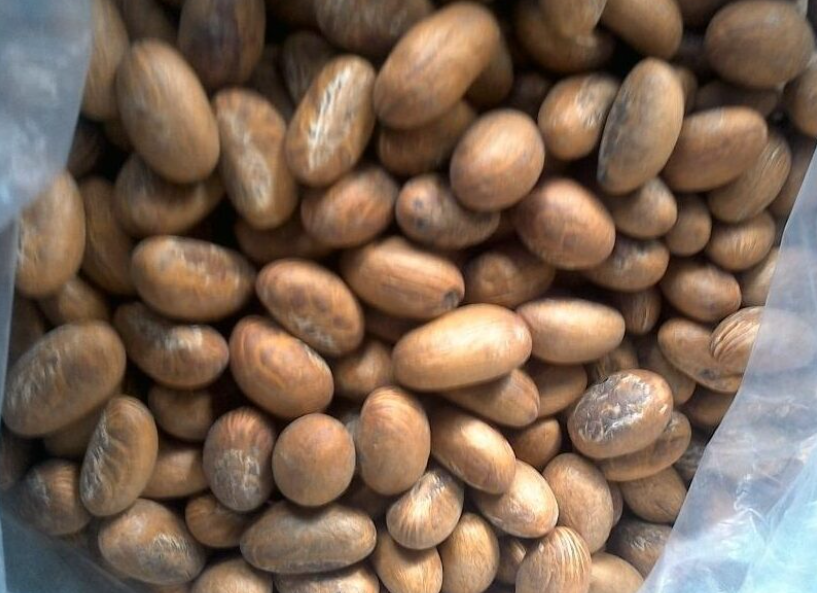
Bitter Kola is one of the most commercially recognizable traditional tree products traded from West and Central Africa into regional and niche international markets. In Nigeria, it is not just known as a medicinal or cultural item. It is also a specialty agricultural commodity that moves through produce markets, traditional raw-material channels, herbal supply chains, cross-border trade corridors, and selected export routes. For importers, wholesalers, distributors, herbal traders, ethnobotanical buyers, and African-produce merchants, Bitter Kola remains a product with real commercial value, but also one that requires careful sourcing.
Unlike many mainstream nuts and seeds, Bitter Kola is not usually bought as a generic commodity where one lot can easily replace another. Buyers often care about the origin, size, freshness, dryness, bitterness strength, cleanliness, and storage history of the product. Some markets prefer fresh whole nuts. Others prefer semi-dried or dried forms for better keeping quality. Some buyers are sourcing for direct chewing and traditional retail. Others are buying for herbal resale, powdering, extraction, repacking, or further value-added use. This means Bitter Kola trade is specification-sensitive from the start.
In Nigerian markets, Bitter Kola is widely recognized under its common local trade identity and is often sold through agricultural and medicinal-product networks rather than only through standard food channels. That gives the product a mixed commercial character. It sits partly in the produce trade, partly in the traditional medicine trade, and partly in the specialty botanical trade. For a serious buyer, this mixed identity is important because it affects how suppliers present the goods, how the product is packed, how it is documented, and what end users expect.
One reason Bitter Kola continues to attract attention is that it already has a strong demand base. Consumers familiar with the product know what it is, what it tastes like, and why they buy it. This reduces the market-education burden that often comes with more obscure botanicals. At the same time, the product is frequently oversimplified by inexperienced traders. A seller may say the goods are fresh, export grade, clean, or premium, but without showing the actual condition of the lot, those words mean very little. Poorly handled Bitter Kola can become soft, mouldy, insect-affected, undersized, mixed with defects, or unsuitable for its target market.
That is why safe sourcing matters. Serious buyers need more than a quotation. They need clarity on whether the lot is fresh or dried, how the product was harvested, how it was cleaned, how it was stored, what the packaging looks like, what percentage of defects is tolerated, and whether the supplier understands export documentation. The difference between a commercially usable shipment and a problematic shipment often comes down to details that should have been clarified before money changed hands.
For businesses looking to source from Nigeria or other producing areas in West and Central Africa, Bitter Kola should be approached as a specialty produce item with botanical, cultural, and commercial significance. The buyer who treats it like an ordinary open-market product is more likely to face quality complaints, shelf-life issues, or weak documentation. The buyer who treats it like a structured agricultural trade product usually gets better results.
In this guide, we will break down what Bitter Kola is, how it is processed, what it is used for, the health benefits commonly associated with it, the possible side effects buyers and resellers should not ignore, the main producing and importing countries, how to source it safely, where reliable exporters can be found, how international price ranges are typically discussed, how payment arrangements are often structured, what shipping terms buyers should understand, what trade specifications are commonly requested, and which shipping documents should accompany a professional shipment.
For importers, wholesalers, and trade-focused buyers, the objective is straightforward. Source the right Bitter Kola, in the right condition, from the right supplier, at a price that still makes commercial sense after handling, freight, documentation, and destination-side costs are included. That is how the trade becomes sustainable.
Trade Overview of Bitter Kola
Bitter Kola is the common trade name for the seeds of Garcinia kola, a tropical African plant widely known in Nigeria and neighbouring countries. It is distinct from kola nut from Cola species, even though both products are important in West African markets and are sometimes confused by new buyers. In practical trade terms, Bitter Kola is treated as a specialty nut-like produce item used for direct chewing, herbal resale, traditional applications, and botanical supply. It is commonly sold fresh, semi-dried, or dried depending on market demand.
Commercially, Bitter Kola is best understood as a specialty agro-botanical commodity rather than a mass standardized nut trade. The buyer usually cares about appearance, bitterness profile, size, moisture condition, and cleanliness. A lot destined for direct consumer chewing may need better visual quality than a lot meant for powdering or further processing. Some buyers request large whole pieces. Others accept mixed sizes at a discount. Some buyers prefer freshly harvested nuts because of perceived potency or texture, while others prefer dried stock because it travels better. These details matter because they influence both price and market suitability.
In Nigeria, Bitter Kola is traded across multiple channels. It may be found in major produce markets, regional aggregation points, medicinal-plant markets, and local wholesale networks. Export movement usually passes through traders or processors who already understand agricultural shipments and specialty botanical handling. The best exporters are usually those who know both the product and the paperwork. It is one thing to source Bitter Kola locally. It is another thing entirely to sort, pack, document, and ship it in a way that satisfies an international buyer.
For commercial buyers, the main quality questions are usually simple. Is the product truly Bitter Kola and not mixed with weak or poor-quality lots? Is it fresh or dried as agreed? Is it mould-free? Is it insect-free? Has it been stored properly? Is the packaging suitable for the route? A supplier who cannot answer those questions clearly is not ready for serious export trade.
| Commodity Name | Bitter Kola |
|---|---|
| Botanical Name | Garcinia kola |
| Common Names | Bitter Kola, Garcinia Kola, Bitter Cola, Akiilu, Orogbo depending on market context |
| Nigerian Market Reference | Widely traded in produce, medicinal-plant, and specialty agricultural markets across Nigeria |
| Product Forms | Fresh whole nuts, dried nuts, split nuts, powder-ready lots, bulk wholesale lots |
| Main Commercial Uses | Direct chewing, herbal trade, traditional wellness supply, powdering, botanical ingredient trade |
| Trade Type | Domestic wholesale, regional African trade, diaspora export, specialty botanical supply |
| Quality Drivers | Correct species, bitterness strength, freshness or dryness as specified, low defects, mould-free condition, proper packaging |
| Typical Packaging | Woven sacks, lined sacks, cartons, pouches, ventilated packs, buyer-specified packaging |
| Buyer Risks | Poor storage, soft or mouldy nuts, insect damage, mixed grades, shrinkage, weak documentation |
Request a Quote or Speak With Our Team About Bitter Kola
Ready to source Bitter Kola with confidence? Submit your RFQ for detailed specifications and formal quotations, or chat on WhatsApp for fast responses and quick clarification.
What Is Bitter Kola?
Bitter Kola is the seed of Garcinia kola, a tree native to tropical Africa and especially well known in West and Central Africa. It is widely consumed and traded in Nigeria, where it has long-standing cultural, social, and herbal significance. Unlike the more common kola nut from Cola species, Bitter Kola belongs to a different botanical group and has its own distinct taste, texture, and commercial identity. The name comes from its characteristically bitter taste, which is one of the product’s most recognizable features.
From a commercial perspective, Bitter Kola is a specialty produce and botanical item. It can be sold as a whole nut for chewing, offered in dried form for longer storage, ground into powder, or traded as a raw material for traditional and herbal product channels. This diversity of uses makes it commercially attractive, but it also means the buyer must be clear about the end purpose before placing an order. Fresh nuts for chewing and dried nuts for powdering are not the same trade proposition, even when they come from the same plant.
In Nigerian market language, Bitter Kola is often treated as a familiar traditional product. That familiarity gives it strong recognition in domestic and regional trade. Consumers generally know what the product is and why they buy it. For exporters, this is an advantage because diaspora and tradition-linked markets often already understand the product. There is less need to educate the consumer from zero. What matters more is product quality and reliability of supply.
Bitter Kola is also known in herbal and wellness-related trade because it is associated with a range of traditional uses. While commercial messaging should always remain responsible, the product’s established reputation contributes to its enduring market demand. This is why it moves not only through food and produce channels but also through medicinal-plant and specialty botanical channels.
For the serious buyer, the safest way to define Bitter Kola is not by name alone but by specification. Is it fresh or dried? Whole or split? Large or mixed size? Cleaned or uncleaned? Export packed or market packed? Moisture-controlled or not? Those are the questions that turn a generic product name into a commercially workable purchase.
How Bitter Kola Is Made / Processed
The commercial quality of Bitter Kola starts in the field and continues through harvesting, extraction, cleaning, drying where required, sorting, packing, and storage. The exact process depends on whether the buyer wants fresh nuts, dried nuts, or material intended for powdering or further processing. Good suppliers understand that post-harvest handling can change the entire value of the lot.
1. Cultivation and tree maturity
Bitter Kola comes from mature Garcinia kola trees grown in tropical environments suited to the crop. These trees require time to establish and produce harvestable seeds. Because the product is tree-based and often collected in semi-structured supply chains, orchard source and grower experience can influence consistency. For buyers, this means sourcing origin matters more than many first-time traders realize.
Suppliers connected to producing communities or dependable aggregation systems are usually better positioned to offer consistent lots than opportunistic traders buying random market stock. While not every buyer will visit farms, understanding that quality begins at source is still important.
2. Harvesting the fruit
The seeds are obtained from mature fruit harvested from the tree. Harvest timing matters. Fruit picked too early may yield seeds that are underdeveloped. Fruit handled roughly may lead to physical damage or contamination during extraction. Since many markets prefer whole Bitter Kola with strong visual and chewing quality, careless harvest practice can lower commercial value before the nuts even reach the market.
Experienced handlers usually move the harvested fruit for extraction quickly rather than leaving it exposed unnecessarily. This helps reduce quality loss and supports better downstream handling.
3. Opening the fruit and removing the seeds
After harvest, the fruit is opened and the seeds are removed. This stage requires care because damage during extraction can reduce the amount of marketable whole product. If the target market values intact nuts, rough handling will reduce the grade. The seeds are then separated from surrounding material and prepared for cleaning.
This stage is particularly important for buyers wanting direct-consumption or premium lots. A consignment full of cut or crushed units often indicates weak post-harvest practice.
4. Cleaning and primary sorting
Once extracted, Bitter Kola is cleaned to remove fruit residue, dirt, and visible debris. At the same time, obvious defective pieces may be removed. This can include mouldy, rotten, insect-affected, split, or badly stained units. Some suppliers also begin size separation here, especially when buyers want larger or more uniform lots.
For a buyer, this stage shows whether the supplier is doing real quality work or simply bagging whatever was available. A serious exporter should be able to describe how sorting is done and what types of defects are removed.
5. Fresh handling or drying depending on market need
Not all Bitter Kola is sold in the same condition. Some markets want fresher nuts for chewing and rapid resale. Other markets need dried stock because it handles longer transit better and suits storage or processing. If drying is used, it should be controlled. Under-dried stock may spoil later. Poorly handled drying may also affect appearance and acceptance.
This is one of the most commercially important stages. Buyers must know whether they are buying fresh or dried Bitter Kola and what that means for shelf life, freight, and storage. A mismatch here creates immediate commercial problems.
6. Final grading and size selection
Before packing, many suppliers perform a final grading stage. This may involve separating large nuts from small ones, removing broken or unattractive pieces, and selecting according to the intended market. Buyers serving premium chewing or retail channels often value larger, cleaner, whole units. Buyers sourcing for processing may accept mixed commercial grade at a lower price.
Clear grading is one of the best signs that the supplier understands trade quality. Vague language like “normal market quality” usually leaves too much room for dispute.
7. Packaging for market or export distribution
Bitter Kola may be packed in sacks, lined bags, cartons, pouches, or buyer-specified formats. Packaging should be chosen according to the product condition and route. Fresh product may need ventilation considerations, while dried product needs better moisture protection. Export buyers should not assume ordinary local-market packing will be good enough for long-distance transit.
Strong packaging helps preserve weight integrity, reduce contamination risk, and protect the goods from unnecessary handling damage. This is especially important where the goods will move through multiple transfer points.
8. Storage and shipment readiness
After packing, the goods should be stored in clean, dry, well-managed conditions. Bad storage can cause softening, mould growth, insect attack, or odour contamination. A lot that was acceptable at packing can still become unacceptable before dispatch if storage discipline is weak.
Buyers should ask for recent stock photos, packing details, and where appropriate confirmation that the stored lot still matches the approved sample. This step matters even more when the product will travel by sea over longer periods.
What Is Bitter Kola Used For?
Bitter Kola has a broad range of uses across traditional, commercial, and specialty channels. This wide demand base is one reason the product remains relevant in both local and export trade.
Direct chewing and traditional consumption
One of the best-known uses of Bitter Kola is direct chewing. Consumers who are familiar with the product often buy it specifically for this purpose. In this market, freshness, firmness, bitterness profile, and whole-nut quality matter. Traders supplying direct-use channels usually prefer lots with better visual appeal and fewer defects.
Herbal and traditional wellness trade
Bitter Kola is widely used in traditional wellness and herbal product channels. It may be sold whole, split, or powdered depending on how the end user intends to consume or process it. This is one of the largest commercial demand drivers in many West African markets and in diaspora trade.
Powdering and formulation use
Some buyers purchase Bitter Kola for conversion into powder or inclusion in botanical blends. In this case, the requirements may focus more on dryness, cleanliness, and correct species identity than on premium appearance. Even so, poor raw material still creates poor powder, so sourcing discipline remains important.
Regional redistribution trade
In West and Central Africa, Bitter Kola is often moved from producing zones into wholesale urban markets and onward into neighbouring countries. For many traders, this regional redistribution is a key commercial use of the product. The trade can be fast-moving when supply and demand align well.
Ethnic and diaspora retail channels
Outside Africa, Bitter Kola may be sold through ethnic groceries, botanical stores, traditional-goods outlets, and African produce suppliers. These channels often demand smaller commercial packs, cleaner presentation, and more dependable documentation than purely local-market trade.
Specialty botanical ingredient supply
Some buyers see Bitter Kola as a specialty botanical ingredient and source it for ethnobotanical or plant-product lines. This is usually a more niche market, but it can support strong interest when the product is clean, correctly identified, and professionally packed.
Health Benefits of Bitter Kola
Bitter Kola is widely associated with traditional wellness use and is one of the reasons the product continues to enjoy commercial demand. Buyers should still present the product responsibly, but several commonly recognized associations shape its market appeal.
1. It is strongly associated with traditional immune and wellness use
One of the reasons Bitter Kola is so well known in Nigerian and West African markets is its strong traditional wellness reputation. Consumers often buy it because they already associate it with everyday traditional use. This familiarity supports ongoing trade demand.
2. It is often linked with digestive support in traditional use
In some traditional settings, Bitter Kola is used in ways associated with digestion and general internal balance. For resellers and herbal traders, this contributes to the product’s identity and makes it commercially easier to position in markets where consumers already understand it.
3. It contains botanically active compounds of commercial interest
Bitter Kola attracts attention in herbal and botanical trade because it contains compounds that make it relevant beyond simple cultural consumption. This contributes to its value in ingredient supply and traditional-product channels.
4. It is associated with respiratory and general traditional applications
In many communities, Bitter Kola is recognized in traditional practice for broad wellness use, including uses that relate to the throat, chest, and general physical well-being. Buyers serving these established markets often benefit from the fact that consumers already know the product’s reputation.
5. It supports strong consumer recognition in African and diaspora markets
A practical benefit from a commercial standpoint is familiarity. Unlike lesser-known botanicals that require heavy explanation, Bitter Kola often enters a market where the consumer already understands why they are buying it. That lowers the barrier to sale and supports repeat purchase behaviour.
6. It can support value-added processing and product positioning
Because of its strong traditional identity, Bitter Kola can support powdering, repacking, and herbal formulation channels. That gives traders more than one way to make commercial use of the product, which can improve market flexibility.
Side Effects of Bitter Kola
Like many strongly bioactive botanicals, Bitter Kola is not without possible side effects or caution points. Responsible buyers and resellers should not ignore this section because realistic product positioning is part of good trade practice.
1. Its intense bitterness may not suit all consumers
The very feature that gives Bitter Kola its identity can also limit acceptance in some markets. Its strong bitterness may be too intense for consumers who are unfamiliar with it. This is commercially relevant where the product is being introduced beyond its traditional user base.
2. Some users may experience digestive discomfort
Although Bitter Kola is traditionally associated with digestive use in some communities, not every user responds the same way. Some individuals may experience stomach discomfort or irritation depending on quantity and personal tolerance. This is why claims should always remain sensible.
3. Excessive use may not be suitable for everyone
Products with strong traditional or bioactive reputations are often overused by enthusiastic consumers. Heavy use may not be appropriate for everyone, and resellers should avoid communicating the product as though more is always better.
4. It may interact poorly with some consumer conditions or preferences
Because Bitter Kola is treated by many consumers as a functional natural product rather than just a snack, it may be unsuitable for some individuals depending on their health context or sensitivities. Retail and herbal sellers should keep this in mind when describing the product.
5. Poorly stored product creates an added safety risk
Not every problem comes from the product’s natural character. Soft, mouldy, insect-affected, or contaminated Bitter Kola creates a separate and serious quality risk. This is why supply-chain discipline matters so much in the trade.
6. Weak documentation can create trade-side problems
For exporters, one major “side effect” of careless sourcing is regulatory trouble. Missing plant-health papers, unclear product descriptions, poor packing declarations, or weak invoices can delay customs clearance and damage commercial trust. In export trade, documentation problems are often just as serious as physical product defects.
Top Producing & Exporting Countries of Bitter Kola
Bitter Kola production and trade are concentrated in tropical African countries, especially in West and Central Africa. Some countries are better known for production, while others matter more in regional redistribution or export handling.
1. Nigeria
Nigeria is one of the most important commercial references for Bitter Kola. The product is widely known, consumed, traded, and redistributed across the country. For many buyers, Nigeria is the first origin considered because of product availability, market familiarity, and the presence of experienced produce traders and exporters.
2. Cameroon
Cameroon is also strongly associated with Bitter Kola production and regional movement. It remains relevant in both local consumption and broader trade supply, especially for buyers working within Central African and cross-border networks.
3. Ghana
Ghana contributes to the wider Bitter Kola market and remains commercially relevant depending on route and buyer requirements. It can serve both as an origin and as part of regional distribution systems.
4. Côte d’Ivoire
Côte d’Ivoire participates in the broader tropical tree-product trade landscape and can appear in discussions around traditional botanical exports and regional agricultural movement. Buyers looking at West African supply options often monitor it as part of the wider market picture.
5. Other producing origins in West and Central Africa
Other countries within the rainforest belt also contribute to supply. These origins may be more visible in regional trade than in formal long-distance export data, but they still matter in practical market terms.
Top Importing Countries of Bitter Kola
Bitter Kola imports are shaped by diaspora demand, traditional-product demand, botanical trade, and intra-African redistribution. Formal trade data may not always capture every route equally well, especially where the product moves through informal regional channels, but some markets are consistently relevant.
1. United States
The United States is an important destination because of African diaspora demand, ethnobotanical trade, specialty grocery channels, and natural-product retailers. Buyers serving this market usually need stronger packaging and clearer documentation than regional buyers.
2. United Kingdom
The United Kingdom remains commercially meaningful because of strong African community demand and active ethnic retail distribution. Bitter Kola is often already known by the target consumer base in this market.
3. Canada
Canada also matters in diaspora and specialty African-product trade. Buyers importing into this market often focus on smaller commercial lots with cleaner presentation and dependable freight handling.
4. Germany and the Netherlands
These markets can be relevant in the broader specialty botanical and diaspora trade picture. They may serve both direct consumers and redistribution channels within Europe.
5. Regional African markets
Neighbouring African countries remain extremely important because Bitter Kola is already culturally recognized across several of them. For many traders, regional African distribution remains more practical and consistent than long-haul export alone.
How To Safely Source for Your Bitter Kola Produce
Safe sourcing begins with defining the exact product specification. Bitter Kola should not be purchased simply as “bitter kola” without clarifying whether the buyer wants fresh whole nuts, dried nuts, mixed commercial grade, large premium nuts, or material intended for powdering. The intended end use should shape the purchase request. Direct consumer chewing markets need a different grade from industrial powdering or herbal formulation buyers.
The next step is verifying the actual source and supply base. Ask the supplier where the goods come from, whether they work directly with producers or through aggregation networks, and whether they can maintain similar quality over repeat orders. Buyers should be cautious of sellers who speak confidently about quantity but vaguely about origin and handling. In specialty produce trade, vague origin often leads to inconsistent product.
Sampling is essential. A proper sample lets the buyer assess size, bitterness strength, cleanliness, dryness or freshness, odour, firmness, visible defects, and overall commercial suitability. The approved sample should be tied directly to the shipment standard. Buyers should make it clear that shipment quality must match the approved sample, not exceed it in defects because the exporter assumes the buyer will accept variation.
Storage verification matters even more than some buyers realize. Bitter Kola can soften, mould, or attract pest damage if stored badly. Ask how the goods are kept before shipment, whether they are stored off the floor, how moisture is controlled, and how long the current stock has been held. Recent stock photos or inspection images can be very useful here.
Packaging should also be agreed before the deal is finalized. For dried goods, better moisture control may be needed. For fresher goods, ventilation and faster movement may matter more. If the buyer needs lined bags, cartons, retail packs, palletization, or buyer-marked outer packaging, all of this should be written into the trade discussion before packing begins. Assumption is one of the most common causes of avoidable trade disputes.
Documentation readiness should never be left until the last minute. A professional exporter should be able to provide a commercial invoice, packing list, certificate of origin, and any plant-health support required by the destination market. Depending on the route, inspection and fumigation support may also be relevant. Buyers should ask these questions before paying, not after the goods are already moving to port.
Trade terms need to be clear in writing. Is the price quoted ex-warehouse, FOB, CFR, or CIF? Does it include inland transport? Who pays for export handling, freight, insurance, and destination delivery? Many buyers lose money because they compare prices that are not based on the same trade term.
For first-time supplier relationships, payment discipline is very important. Many prudent buyers prefer staged payments linked to sample approval, packing completion, inspection, or shipping readiness. Paying the full amount too early creates unnecessary exposure, especially when the supplier has not yet earned long-term trust.
Independent inspection can make sense for larger or more sensitive orders. A pre-shipment inspection or loading review can confirm that the lot matches the agreed standard and that weights and packaging are correct. This is particularly useful when the buyer cannot visit the warehouse directly.
Finally, build the supplier relationship gradually. A supplier who performs once may be promising, but the supplier who performs consistently across several orders is the one worth keeping. Repeatability is what turns sourcing into a real business advantage.
Where To Find Reliable Exporters for Bitter Kola
Reliable exporters are usually found through structured agricultural trade networks, trusted referrals, verified commodity suppliers, and export facilitators familiar with Nigerian and West African produce. Public online listings can help identify names, but they should never be treated as proof of real capability.
One strong route is to work with exporters who already handle traditional African produce, medicinal plant products, or specialty agro-botanicals. These suppliers are more likely to understand sorting, packaging, storage, and documentation than casual market traders who only know how to source locally.
Trade referrals remain extremely valuable. Buyers already importing African products, herbs, or ethnobotanical materials often know which exporters are dependable and which ones create problems. A supplier with a verified trade history is usually safer than a new seller offering unusually low prices with little supporting evidence.
Export facilitators and sourcing firms can also help, especially for first-time importers. A good facilitator can verify stock, compare supplier claims, review sample quality, and reduce communication gaps between origin and destination. This can be especially useful where the buyer is unfamiliar with the local trade environment.
Whatever sourcing route is used, buyers should still verify the basics independently. Ask for company details, export history, stock photos, packaging examples, sample readiness, and document capability. In Bitter Kola trade, reliability is demonstrated by preparation and follow-through, not by promotional language alone.
International Price of Bitter Kola Per Metric Ton
The international price of Bitter Kola per metric ton depends heavily on product condition, origin, season, lot size, freshness or dryness, grade, packaging method, documentation readiness, and delivery basis. Unlike exchange-traded mainstream commodities, Bitter Kola pricing is usually negotiated and can vary meaningfully from one deal to another.
Fresh whole nuts, premium large lots, and carefully selected export lots typically price differently from mixed commercial grades or dried processing lots. Buyers seeking direct consumer resale quality should expect stronger pricing than buyers willing to accept broader quality variation for processing use. Packaging also affects price. A simple bulk sack lot is not priced the same way as clean carton-packed or retail-ready product.
For 2025 to 2026, a practical working range for export-oriented Bitter Kola is often discussed around approximately US$2,200 to US$4,800 per metric ton for standard to stronger commercial lots, while premium large-size, better-selected, specialty-packed, or smaller niche consignments may move above that range depending on route, packaging, and market demand. Very low quotes should be treated carefully because they may hide poor storage, weak sorting, high defect rates, or incomplete export readiness.
Buyers should always confirm whether the quote refers to fresh or dried product, whether the lot is mostly whole or mixed with splits, and whether the price is EXW, FOB, CFR, or CIF. The difference between a seemingly attractive quote and the true landed cost can be substantial once inland haulage, export formalities, freight, insurance, and destination handling are added.
Price should never be assessed in isolation. In specialty trade, a cheap but problematic shipment can cost more in the end than a higher-priced but professionally handled one. The best buying decisions are made on usable landed value, not on headline price alone.
Request a Quote or Speak With Our Team About Bitter Kola
Ready to source Bitter Kola with confidence? Submit your RFQ for detailed specifications and formal quotations, or chat on WhatsApp for fast responses and quick clarification.
How To Pay For Your Bitter Kola Produce
Payment terms should reflect the order size, relationship history, and trade risk involved. Good payment discipline protects both the buyer and the seller and reduces room for misunderstanding.
For trial orders, staged payments are usually safer
For a first transaction, many buyers prefer a deposit-and-balance structure. The balance may be linked to inspection, packing completion, final shipment photographs, or loading confirmation. This reduces the risk of paying fully before the supplier has proven readiness.
For established suppliers, commercial flexibility improves
Once a supplier has demonstrated consistency across multiple orders, payment discussions usually become easier. Trust built on performance often leads to smoother transaction flow and stronger repeat business.
Bank transfer remains common in export produce trade
Direct bank transfer is common for agricultural exports, including specialty produce like Bitter Kola. Buyers should always verify the beneficiary details carefully and ensure that invoices and banking details match the contracting company.
Payment should always follow proper commercial paperwork
Every transfer should be tied to a clear proforma invoice showing product description, quantity, price basis, packaging details, and agreed trade term. A weak paperwork trail creates unnecessary exposure if any dispute later arises.
Larger transactions may justify stronger controls
For bigger consignments or new supplier relationships, buyers may prefer documentary controls or milestone-based release structures. The higher the deal value, the more sense it makes to strengthen payment discipline.
Shipping & Delivery Terms
Bitter Kola can move by road for regional trade, by air for urgent or smaller premium consignments, and by sea for larger export orders. The best method depends on product condition, urgency, and the buyer’s cost tolerance.
FOB works well for importers who control their freight
Under FOB terms, the supplier handles local preparation and export-side delivery to the agreed port, while the buyer manages international freight and insurance. This usually suits experienced importers with their own logistics arrangements.
CIF can simplify planning for some buyers
Some buyers prefer CIF because it includes freight and insurance in the quoted structure, making landed-cost planning simpler. Even then, the buyer should still verify the underlying assumptions and not assume the route is automatically optimal.
Airfreight is useful for smaller urgent shipments
Where speed matters, especially for smaller lots or time-sensitive fresh product, airfreight may be commercially justified. The trade-off is significantly higher cost, so the destination market must be able to support it.
Sea freight is more economical for tonnage orders
For larger commercial quantities, sea freight generally offers better cost efficiency. However, longer transit makes packaging, moisture management, and storage readiness even more important.
Successful delivery starts before loading
Shipping quality begins in the warehouse, not at the port. Weak packing, poor stock control, and incomplete documents often cause more trouble than the freight movement itself. Good delivery terms only work when the pre-loading stage has been managed properly.
Our Typical Trade Specifications For Bitter Kola
The final specification depends on the buyer’s intended market, but the framework below reflects the type of commercial expectations many serious buyers raise during negotiations.
| Specification Item | Typical Trade Expectation |
|---|---|
| Product Name | Bitter Kola |
| Botanical Identity | Garcinia kola |
| Product Form | Fresh whole nuts, dried nuts, or split nuts as specified |
| Grade | Standard export grade or premium sorted grade |
| Size | Uniform commercial size or mixed grade as agreed |
| Bitterness Profile | Characteristic and commercially acceptable |
| Moisture Condition | Fresh or dried condition as agreed and suitable for transit |
| Foreign Matter | Minimal and within agreed tolerance |
| Defect Tolerance | Low level of mouldy, soft, insect-damaged, broken, or spoiled units |
| Odour | Characteristic, clean, free from mustiness |
| Pest Status | Free from live infestation |
| Packaging | Woven sacks, lined sacks, cartons, pouches, or buyer-specified export packaging |
| Labelling | Product name, lot details, origin, net weight, and buyer marks where required |
| Inspection | Supplier QC or third-party pre-shipment inspection where agreed |
Expected Shipping Documents
Professional Bitter Kola exports should move with a clear documentation package. The exact list depends on destination country, shipment structure, and buyer requirements, but the following documents are commonly expected.
Commercial invoice
This confirms the transaction details, including seller, buyer, product description, quantity, unit price, total value, and agreed delivery basis.
Packing list
The packing list shows how the goods are packed, including the number of bags or cartons, package weights, and packaging format. It supports freight handling and customs review.
Certificate of origin
This identifies the country of origin and may be needed for customs purposes, commercial verification, or trade preference arrangements.
Phytosanitary certificate
Because Bitter Kola is an agricultural product, phytosanitary support may be required depending on the destination market and route. Buyers should confirm this early.
Fumigation certificate where applicable
Depending on the market and packaging method, fumigation documentation may be requested or required. This should be clarified before shipment is finalized.
Bill of lading or air waybill
This is the carrier-issued transport document needed for shipment tracking, release, and logistics administration.
Inspection or quality report where agreed
For larger, first-time, or more quality-sensitive transactions, the buyer may request an inspection report or quality certificate to confirm that the loaded goods match the agreed commercial standard.
Request a Quote or Speak With Our Team About Bitter Kola
Ready to source Bitter Kola with confidence? Submit your RFQ for detailed specifications and formal quotations, or chat on WhatsApp for fast responses and quick clarification.