

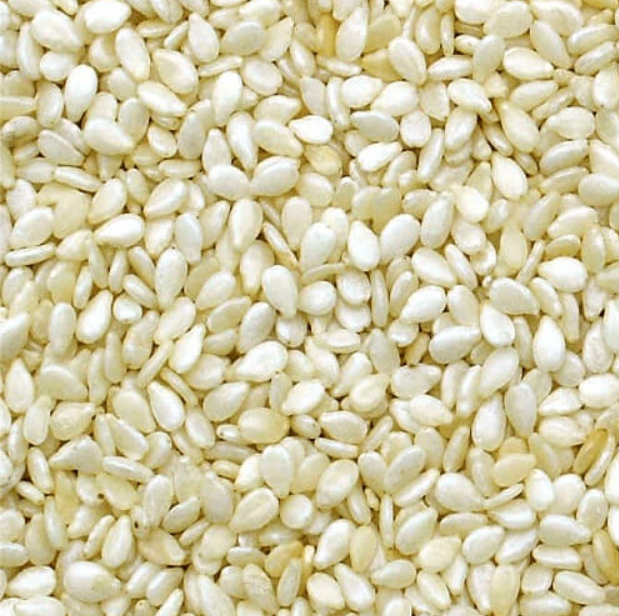
White sesame seed is one of the most commercially important seed commodities in the global food ingredients trade. Although sesame exists in different colours and grades, white sesame seed occupies a particularly strong position in international markets because of its broad acceptance in bakery production, confectionery, tahini manufacturing, retail seed packaging, spice blending, and edible oil processing. For many buyers, it is the preferred sesame grade when visual appeal, cleaner appearance, and food processing suitability matter just as much as price.
In practical trade terms, white sesame seed is not merely a small seed sold for culinary use. It is an active export commodity with a strong cross-border demand profile. Food processors buy it for buns, breads, crackers, cereal toppings, and snack applications. Tahini and paste manufacturers buy it for processing performance and flavour profile. Ingredient distributors buy it in bulk for supply into industrial and retail chains. Traders buy it because it is globally recognized, easy to market, and commercially flexible across different destination markets.
That commercial flexibility is exactly why sourcing white sesame seed requires more care than many first-time buyers expect. A buyer may receive multiple offers for “white sesame seed” from different suppliers, but those offers may not represent the same product quality at all. One lot may be machine-cleaned but still carry visible foreign matter. Another may be sortex-cleaned with stronger colour uniformity. One may be appropriate for oil extraction, while another may be more suitable for bakery topping or consumer food packaging. The words used in the quotation are often not enough. The trade detail underneath them is what really determines value.
In Nigeria and across major African export corridors, white sesame seed is widely recognized as a serious non-oil export commodity. It is aggregated from producing belts, cleaned to buyer requirement, bagged, and moved through export channels to destinations in Asia, Europe, the Middle East, and beyond. Nigerian-origin sesame has gained commercial recognition in world trade, and buyers regularly monitor African origins when comparing availability, price, and performance. But as with most agricultural exports, the right sourcing result depends less on the commodity name itself and more on the supplier’s process control, lot consistency, and contract discipline.
For importers, distributors, and food factories, the real business question is not simply whether white sesame seed is available. It is whether the shipment can arrive in the exact quality, packaging, and documentation format the buyer needs, without avoidable surprises. That means understanding the commodity from a buyer’s point of view: what it is, how it is processed, how it is used, why consumer markets value it, what risks it carries, which countries produce and import it most actively, how it should be sourced safely, how payment and shipping are normally structured, and what trade specifications should be agreed before loading.
This guide takes that practical trade-focused approach. Rather than treating white sesame seed as only a nutritional ingredient, it treats it as what it really is in international commerce: a buyer-sensitive, quality-dependent export commodity that can generate repeat business when sourced correctly and serious losses when handled casually. For wholesalers, food manufacturers, contract buyers, private-label brands, and industrial processors, that distinction matters.
If your business needs white sesame seed for topping, tahini, roasting, repacking, ingredient blending, or edible oil use, then the key to a profitable transaction is usually not finding the absolute lowest price in the market. The key is finding a supplier that can consistently meet your specification, document the shipment properly, and load a cargo that matches the commercial promise made at negotiation stage.
Trade Overview of White Sesame Seed
| Commodity | White Sesame Seed |
|---|---|
| Botanical Name | Sesamum indicum |
| Common Names | White Sesame, Sesame Seed, Benne Seed, Gingelly Seed, Til, Simsim |
| Nigerian Market Reference | Commonly traded as natural white sesame seed, cleaned white sesame seed, sortex white sesame seed, and export-grade white sesame |
| Commodity Type | Oilseed / Food Ingredient / Export Commodity |
| Primary Export Form | Natural dried seed, machine-cleaned seed, gravity-cleaned seed, sortex-cleaned seed, and sometimes hulled sesame for value-added channels |
| Main End Uses | Bakery topping, tahini production, halva, confectionery, roasting, retail packaging, edible oil extraction, spice and food ingredient blends |
| Typical Packaging | 25kg and 50kg PP bags, food-grade lined bags, kraft-lined sacks, or jumbo bags depending on buyer instruction |
| Common Trade Terms | FOB, CFR, CIF, EXW, and FCA depending on shipment structure |
| Key Buyer Concerns | Purity, colour uniformity, moisture, foreign matter, microbiological status, pesticide compliance, bagging quality, and documentation accuracy |
Request a Quote or Speak With Our Team About White Sesame Seed
Ready to source White Sesame Seed with confidence? Submit your RFQ for detailed specifications and formal quotations, or chat on WhatsApp for fast responses and quick clarification.
What Is White Sesame Seed?
White sesame seed is the pale or cream-coloured seed of the sesame plant, botanically known as Sesamum indicum. In commercial trade, the term usually refers to sesame that is naturally white or light cream in appearance, and that is preferred for food applications where visual presentation matters. Compared with darker sesame varieties, white sesame tends to attract stronger buyer interest in bakery, confectionery, tahini, and consumer food channels because it presents a cleaner and brighter appearance in finished products.
In the real market, however, “white sesame seed” can refer to different commercial levels. Some exporters use the term loosely for any light-coloured sesame. More disciplined suppliers use it for a specific grade defined by colour profile, cleaning standard, and impurity limits. This is why buyers should not rely on the product name alone. A proper inquiry should clarify whether the sesame is natural, machine-cleaned, sortex-cleaned, hulled, roasted-ready, or intended for oil processing.
White sesame seed is often chosen where the seed remains visible in the finished food product. A burger bun topped with bright sesame, a cracker with clean seed coverage, or a retail pouch of white sesame sold for home baking all depend heavily on appearance. In these markets, even minor issues such as mixed colour, dust, broken material, or excess foreign matter can reduce product acceptance and create commercial dissatisfaction.
At the same time, white sesame seed is not only a cosmetic commodity. It is also valued for its oil content, flavour profile, versatility, and wide consumer recognition. That is why it is used across both premium and industrial sectors. A bakery buyer may want very bright, well-cleaned, food-grade sesame. An oil mill may care more about oil yield and moisture control. A trader may buy a lower cleaning standard and reprocess at destination. The same basic commodity can therefore serve multiple commercial routes.
In Nigerian export trade, white sesame seed is commonly discussed as one of the more valuable agricultural export products because it combines international demand with relatively scalable procurement. But the commercial outcome depends strongly on post-harvest handling, cleaning quality, warehouse management, and exporter competence. Buyers should therefore think of white sesame seed not just as a seed commodity, but as a specification-driven food ingredient with an export risk profile that needs active management.
How White Sesame Seed Is Made / Processed
White sesame seed is an agricultural crop, but before it becomes export-ready it passes through several stages that directly affect its commercial quality. Understanding these stages helps buyers identify where the major quality risks enter the supply chain.
1. Field Cultivation and Variety Selection
The quality of white sesame seed starts in the field. Farmers select planting material, prepare land, sow the crop, manage weeds, and maintain the plants until the capsules mature. Variety choice and growing conditions influence seed colour, size, oil content, and uniformity. For buyers targeting bright white food-grade sesame, the origin region and seed type matter because not every production area yields the same visual result.
When an exporter consistently delivers a preferred white sesame profile, it is often because they source from specific farming zones rather than buying indiscriminately across all available regions.
2. Harvesting at Proper Maturity
Sesame plants are harvested when the pods reach the right maturity stage. If harvest is too early, the seeds may be underdeveloped and uneven. If harvest is delayed or poorly handled, seed loss and contamination risk can increase. Mature plants are usually cut and assembled for drying before threshing. This stage has a strong effect on final lot quality because careless harvesting often introduces mixed maturity, stained material, or excess debris.
For white sesame buyers, colour preservation begins here. Exposure to poor drying surfaces, dirty handling practices, or weather damage can reduce the brightness of the final product.
3. Drying and Moisture Reduction
After harvest, the sesame must be dried properly to reduce moisture to a level suitable for safe storage and export. This is one of the most critical control points in the trade chain. White sesame seed that is insufficiently dried may develop mould, caking, off-odours, or reduced shelf performance during storage and shipping. Overexposure to unhygienic drying conditions may also introduce dust, sand, stones, and microbial risks.
Buyers should never assume that a visually dry lot is commercially safe. Moisture is a measurable parameter and should be confirmed by test or inspection.
4. Threshing and Seed Extraction
Once the harvested plants are sufficiently dry, the seed is separated from the pods and plant material. Depending on the scale and location, this may be done manually or by mechanical support. At this stage the sesame is still raw and far from export-ready. It can contain chaff, stalk fragments, stones, immature seed, dust, and mixed material.
A buyer receiving only pictures of raw sesame at this point cannot yet judge the export quality of the eventual cargo. Processing value must still be added.
5. Initial Cleaning and Grading
Cleaning transforms white sesame from rough agricultural output into a commercially tradable food ingredient. Through sieving, aspiration, gravity separation, and other methods, the processor removes dust, stalk pieces, sand, stones, shrivelled seeds, and other foreign matter. Better processors also grade the sesame to improve uniformity and buyer acceptance.
This is where many supplier differences become visible. Some exporters carry out only basic cleaning and still market the lot aggressively. Others invest in stronger cleaning systems that make the seed more suitable for bakery, tahini, and food manufacturing use.
6. Colour Sorting and Sortex Processing
Because white sesame is often purchased for its visual appeal, colour sorting is especially important. Optical sorters can remove discoloured seeds, dark seeds, and visible defects, leading to a brighter and more uniform final cargo. Buyers who intend to use the seed as a topping or consumer-facing ingredient usually prefer sortex-cleaned lots for this reason.
However, colour sorting alone is not enough. A bright-looking lot can still fail if moisture, microbiological safety, or residue compliance is weak. Buyers should therefore view sortex as one part of quality control, not the whole quality story.
7. Bagging and Warehouse Handling
After cleaning, the sesame is weighed, bagged, stacked, and held for shipment. This stage may seem routine, but it is one of the easiest places for quality loss to occur. Clean seed can be recontaminated by damp floors, torn bags, rodents, poor ventilation, odour transfer, or careless stacking practices. White sesame is especially sensitive to visual downgrading, so warehouse discipline matters.
Professional exporters usually store white sesame in dry, organized spaces and keep lots separated by grade, origin, and buyer specification.
8. Pre-Shipment Preparation and Loading
Before export, the cargo may undergo final inspection, moisture testing, purity checks, sample confirmation, or third-party verification depending on the buyer’s needs. The loading container should be clean, dry, odour-free, and structurally suitable for food cargo. The bags should be properly stacked to reduce breakage and moisture exposure during transit.
Many trade complaints in sesame business are not caused by the seed itself but by poor shipment preparation. Good white sesame can arrive damaged if the loading process is handled carelessly.
9. Optional Hulling, Roasting, or Further Processing
In some supply chains, white sesame seed is processed further into hulled sesame, roasted sesame, tahini, sesame paste, or sesame oil. Hulled white sesame is especially relevant in premium food applications because removing the outer coat can improve texture, appearance, and processing suitability in certain product lines. Still, for most bulk commodity buyers, the starting point remains cleaned export-grade white sesame seed.
What Is White Sesame Seed Used For?
White sesame seed remains commercially attractive because it fits many end uses at once. This makes it a strong product for importers who serve multiple customer groups from one commodity base.
Bakery Toppings and Surface Applications
White sesame seed is widely used as a topping for burger buns, sandwich breads, crackers, bagels, breadsticks, rolls, biscuits, pastries, and savoury bakery products. In this application, the seed is visible, so brightness, cleanliness, and uniformity are extremely important. Bakers do not want excess dust, mixed colours, or stones that interfere with finished appearance or production line hygiene.
This is one of the strongest demand channels for high-quality white sesame, especially in markets where commercial baking is well developed.
Tahini and Sesame Paste Manufacturing
White sesame seed is a major raw material in tahini production. Because tahini is essentially a sesame-based paste, seed quality strongly affects flavour, aroma, colour, and processing yield. Processors serving premium foodservice or retail markets often prefer white or very light sesame because it contributes to a cleaner and more desirable finished product profile.
For buyers in this segment, consistency matters as much as price. A cargo that varies too much from lot to lot can affect manufacturing quality and customer confidence.
Halva and Confectionery Production
White sesame is used in halva, brittle, seed bars, sweets, and other confectionery items. In these products, the seed may be roasted, crushed, sweetened, combined with sugar or syrup systems, or blended with nuts and flavourings. The better the raw sesame quality, the easier it is to maintain a premium finish in the final product.
Confectionery buyers usually prefer lots with strong flavour integrity and minimal contamination because defects become very visible at retail stage.
Roasted Snack and Food Ingredient Use
White sesame is often roasted and used in packaged snacks, salad toppings, cereal blends, seed mixes, and garnish systems. It can also be incorporated into seasoning blends or finishing mixes for restaurants, foodservice businesses, and consumer packaged foods. In this route, both appearance and roast response matter.
A buyer who supplies this market is rarely looking for the cheapest available lot. They are looking for stable product behaviour during roasting and packaging.
Retail Repacking and Consumer Packaging
Many importers purchase white sesame seed in bulk and repackage it into smaller retail sizes for supermarkets, ethnic stores, natural food shops, and online channels. In this format, white sesame is sold for home baking, cooking, garnish, homemade tahini, salad use, and health-focused food preparation.
This market expects better visual quality and better food safety discipline than rough industrial trade. The importer is usually selling not just a seed, but a brand promise.
Edible Oil Extraction
White sesame seed is also used for oil extraction. Although some oil processors can work with less visually refined sesame grades, white sesame still participates actively in the edible oil chain because of its oil content and established culinary value. Oil buyers focus heavily on moisture, seed soundness, lot consistency, and contamination control.
Where food-grade visual perfection is less essential, the oil route can absorb grades that do not fit premium bakery presentation but still remain commercially useful.
Spice Blends, Ethnic Foods, and Specialty Products
White sesame appears in spice blends, dry condiments, ethnic bakery products, sushi toppings, sauces, and many traditional foods around the world. Because it bridges mainstream and cultural food systems, demand remains diversified. This broad demand base is one reason it stays relevant even when individual food categories slow down.
Health Benefits of White Sesame Seed
Part of white sesame seed’s commercial strength comes from its nutritional reputation. Consumer markets often see sesame as more than a flavour ingredient. They see it as a wholesome, seed-based food component that fits modern nutrition trends.
1. Valuable Source of Dietary Fats
White sesame seed is appreciated for its oil content, which contributes to its energy value, culinary richness, and commercial appeal in seed-based food systems. This fat content is one reason the seed performs well in roasting, tahini production, and edible oil extraction. For health-positioned products, this also supports the image of sesame as a nutrient-dense natural ingredient.
2. Useful in Plant-Based Food Formulation
As plant-based eating continues to influence product development, white sesame seed remains relevant because it fits naturally into vegetarian and vegan product ranges. It can be used in seed bars, plant-forward bakery items, sauces, spreads, and mixed-seed nutrition systems. This supports continued buyer demand from manufacturers serving wellness and alternative-diet markets.
3. Contributes Protein and Seed-Based Nutrition
White sesame seed is often valued for contributing protein alongside fat and general nutrient density. That makes it attractive to formulators who want ingredients that can bring both functionality and nutrition perception into the same product. In retail language, this helps sesame fit the “small ingredient with big value” story many brands like to tell.
4. Supports Mineral-Oriented Nutrition Marketing
Sesame is often discussed in relation to minerals that support general nutrition and wellness positioning. Buyers in the health food and retail seed category pay attention to this because consumers increasingly look for ingredients with broader nutritional appeal, not just flavour. White sesame’s strong consumer familiarity makes this easier to market than a more obscure seed ingredient.
5. Fits Clean-Label and Familiar Ingredient Trends
Modern packaged food buyers often want ingredients that are recognizable, simple, and accepted by consumers without much explanation. White sesame fits that demand well. It is familiar, easy to use, and versatile across many food categories. That helps manufacturers keep ingredient panels approachable while still adding flavour, texture, and visual value.
6. Useful in High-Value Food Development
Because white sesame can be sold whole, hulled, roasted, ground, or turned into paste or oil, it offers manufacturers flexibility in product innovation. It appears in spreads, nutrition snacks, seeded breads, crackers, cereals, toppings, sauces, and functional foods. This wide form flexibility supports long-term demand in the ingredient trade.
7. Broad Consumer Recognition Supports Repeat Demand
Unlike highly specialized seeds that require education before they sell, white sesame already has widespread consumer recognition. That matters commercially. Ingredients that consumers already understand are easier to move through retail, foodservice, and industrial channels. This supports repeat buying and makes white sesame attractive for both established products and new launches.
Side Effects of White Sesame Seed
Even though white sesame seed has broad food value, a realistic commercial guide must also address the risks and limitations that matter to importers, manufacturers, and end users.
1. Sesame Allergy Exposure
Sesame is a recognized food allergen, and this has real implications for importers and food processors. Businesses selling or using white sesame in packaged foods must pay attention to allergen labelling, plant segregation, and cross-contact controls. A buyer who overlooks allergen obligations is not just facing a technical issue. They may be creating a serious regulatory and commercial risk.
2. Microbiological Risk in Poorly Handled Lots
Like many dry agricultural ingredients, white sesame can become a microbiological concern when harvested, dried, cleaned, or stored under poor hygienic conditions. If warehouses are damp, dirty, or exposed to pests, the commercial value of the lot can drop quickly. This is especially important for buyers supplying ready-to-eat or minimally processed food lines.
3. Moisture-Related Deterioration
White sesame with excessive moisture may cake, deteriorate, or develop off-odours during storage or transit. This risk increases in long sea shipments where container conditions fluctuate. Moisture disputes are particularly damaging because the buyer may not discover the true extent of the issue until the cargo arrives and is opened at destination.
4. Foreign Matter and Visual Defects
White sesame is often bought partly for visual appeal, so foreign matter problems are especially damaging in this product class. Dust, stones, sand, stalk residue, insect-damaged seed, dark seed admixture, and broken material can reduce value significantly. For bakery and retail channels, these are not small defects. They affect customer acceptance directly.
5. Pesticide and Compliance Concerns
Destination-market compliance is a major part of sesame sourcing. Depending on the importing country, buyers may need to verify residue limits, testing standards, traceability, and related food safety documents. A supplier may have enough stock to ship, but not enough compliance strength to satisfy stricter market entry rules. Buyers should confirm this before committing to volume.
6. Rancidity or Odour Problems from Poor Storage
Although white sesame is relatively stable when dry and well stored, quality can still decline if it is exposed to heat, moisture, dirty air, chemical odours, or poor warehouse practice. A good seed cargo can lose value simply because it was stored in the wrong environment before shipment. This is why buyer audits and warehouse pictures can be useful during supplier screening.
7. Cross-Contamination in Mixed Commodity Facilities
Where a supplier handles multiple crops in the same facility without strong controls, white sesame can be contaminated by other seeds, dust, odours, or bag mix-ups. This is a bigger problem than many new buyers realize. Once cross-contamination happens, sorting and claims become more expensive, and confidence in the supplier often drops permanently.
8. Colour Drift and Grade Inconsistency
Because white sesame is often sold on appearance, one of the hidden risks is inconsistent lot colour across multiple shipments. A supplier may send a bright lot for the first shipment and a mixed or duller lot later. Without tightly written specifications and approved samples, the buyer may find it difficult to enforce consistency. This is why repeat trade in white sesame works best with disciplined exporters.
Top Producing & Exporting Countries of White Sesame Seed
White sesame is traded under the wider sesame seed category in international trade, but certain countries stand out strongly as supply origins because of scale, processing strength, and market recognition.
1. India
India remains one of the most important sesame exporters globally and is a major reference origin in the international sesame trade. It is well known for supplying food-grade sesame into multiple destination markets and has significant processing capability. Buyers often compare Indian-origin sesame against African origins when assessing price, grade, and availability.
2. Nigeria
Nigeria is one of the leading sesame exporters in the world and remains especially important for buyers looking at African-origin supply. Nigerian sesame has a strong presence in major import markets and continues to attract attention from food processors and international traders. For white sesame buyers, Nigeria offers serious sourcing potential when the exporter has strong cleaning, moisture control, and documentation systems.
3. Brazil
Brazil has become increasingly relevant in world sesame exports and is now one of the major players in overall sesame trade. Its growing export role makes it a notable origin in supply planning, especially for buyers diversifying beyond traditional sources.
4. Pakistan
Pakistan is an important sesame exporter with significance in both regional and international markets. It remains a useful comparison origin for buyers assessing value, specification, and timing options for food and ingredient applications.
5. Tanzania
Tanzania is a recognized African sesame supplier and continues to matter in international export flows. For buyers comparing East African and West African supply opportunities, Tanzania often appears in origin review because of its established export relevance.
6. Mozambique
Mozambique is another notable African exporter in the sesame trade. It has become commercially relevant in global supply patterns and is part of the wider African sesame sourcing landscape considered by international buyers.
7. Turkey and Other Re-Export or Processing Hubs
Some countries matter not only as growers but also as processors, traders, and re-export hubs. Turkey is commercially relevant in sesame trade because of its strong domestic use and active movement of sesame into food manufacturing and related channels.
Top Importing Countries of White Sesame Seed
White sesame seed demand is driven by countries with strong bakery, tahini, confectionery, and ingredient-processing sectors. In broader sesame trade, several markets stand out consistently.
1. China
China is one of the most important sesame destinations in the world and remains central to global demand dynamics. Its consumption base is large, and its buying activity can influence availability and pricing from multiple origins. Buyers in other regions often feel the effect when Chinese demand strengthens.
2. Turkey
Turkey is a major sesame-importing market due to strong use in bakery, tahini, confectionery, and wider food manufacturing. It remains one of the most commercially visible sesame destinations and is often watched closely by exporters and traders alike.
3. Japan
Japan is a significant sesame destination known for demanding quality and consistency. Buyers serving Japan usually face tighter expectations around cleanliness, food safety, and presentation, which is why the market often rewards disciplined exporters more than opportunistic sellers.
4. Greece
Greece is an important sesame destination and a useful example of how European demand continues to support the trade. For some origins, Greece is a visible buyer market in the 2024 trade data and remains relevant in Mediterranean sesame use.
5. European Union Food Markets
The wider European food market remains important for white sesame because of bakery, retail, ethnic food, and health food demand. Importers supplying these channels typically place strong emphasis on traceability, cleanliness, and compliance readiness.
6. South Korea and Other Asian Ingredient Buyers
Several Asian markets outside China and Japan also maintain active sesame demand. These markets support bakery, food manufacturing, and packaged ingredient use, helping sustain the broader trade base for white sesame.
7. Middle Eastern Processors and Tahini-Focused Markets
Middle Eastern markets continue to play a strong role in white sesame demand because of tahini, halva, bakery, and traditional food consumption. Buyers serving these markets usually pay close attention to flavour, processing suitability, and lot consistency.
How To Safely Source for Your White Sesame Seed Produce
Sourcing white sesame seed safely requires a structured approach. This commodity is widely available on paper, but not every exporter offering it can actually supply the right grade, documents, and shipment quality needed for repeat business. Safe sourcing therefore begins before the quote is accepted.
Start with a Detailed Product Brief
A buyer should first define the exact requirement. Is the request for natural white sesame or sortex-cleaned white sesame? What colour tolerance is acceptable? Is the seed intended for bakery topping, tahini production, roasting, retail repacking, or oil extraction? What purity level is required? What moisture limit must be met? Is microbiological testing required? Is a specific pesticide or residue standard important?
The clearer the product brief, the easier it becomes to separate serious exporters from vague traders.
Ask for the Right Samples
Representative sampling is critical in white sesame trade. A hand-picked bright sample that does not reflect the commercial lot is of little value. Buyers should ask for lot-representative samples and inspect them for colour, smell, cleanliness, foreign matter, broken material, and general suitability. If the cargo will enter regulated food systems, lab testing may also be required before commitment.
Verify the Exporter’s Real Capability
Not every supplier with access to stock has the ability to execute export-grade performance. Buyers should verify company registration, export track record, warehouse access, cleaning ability, loading experience, and responsiveness. It is also useful to ask how the exporter manages moisture, sorting, lot separation, bagging, and inspection. Vague answers here are often a warning sign.
Check the Cleaning Standard Carefully
White sesame is especially sensitive to visible defects. Buyers should inspect whether the offered grade is truly suitable for the intended use. A bakery-grade requirement is not the same as a lower industrial cleaning standard. It is often cheaper in the long run to buy the right cleaned product than to save a little upfront and absorb re-cleaning costs later.
Control Moisture from Contract Stage
Moisture should be written clearly into the contract and confirmed before shipment. Buyers should ask how the moisture is measured and whether the exporter will allow pre-shipment verification. In white sesame, moisture problems are especially expensive because they can damage both safety and appearance.
Confirm Colour and Uniformity Expectations
Because the commodity is specifically white sesame, buyers should define acceptable colour range and lot consistency. Some exporters may blend lots or source from varied origins within a season. If visual appearance is central to the buyer’s use case, sample approval and shipment consistency clauses are commercially sensible.
Use Inspection When the Order Size Justifies It
Independent inspection can be one of the simplest ways to reduce disputes in white sesame trade. Pre-shipment checks may cover quantity, moisture, purity, bag count, container condition, and visual quality. For some buyers, that small extra cost is far cheaper than handling a bad container after arrival.
Review Warehouse and Packaging Conditions
White sesame can lose value quickly in poor storage. Buyers should ask how the goods are stored after cleaning, whether bags are food-safe where needed, whether the warehouse is dry and organized, and whether lots are protected from pests and moisture. The cleaner the warehouse discipline, the lower the chance of recontamination before stuffing.
Match Supplier to Destination Market
An exporter that performs adequately in one destination may not be suitable for another. Buyers importing into strict jurisdictions should choose suppliers that understand those compliance expectations from the beginning. It is much easier to work with an exporter who already knows the market than to teach a supplier under shipment pressure.
Write Strong Commercial Terms
The contract should clearly define the product description, quality parameters, quantity tolerance, trade term, shipment period, inspection basis, packaging, documents, and payment process. Ambiguity usually creates friction. Strong contracts do not make trade unfriendly. They make performance measurable.
Build Long-Term Supply Relationships Once Performance Is Proven
White sesame sourcing becomes safer and more profitable when the buyer has a performing supplier relationship. Once an exporter proves quality consistency, honest communication, and clean execution, repeat business becomes easier to manage. Constantly switching suppliers over marginal price differences often increases risk far more than it reduces cost.
Where To Find Reliable Exporters for White Sesame Seed
Reliable white sesame exporters are usually found through structured sourcing channels rather than casual online price searching alone. Professional commodity exporters, ingredient supply houses, agri-export networks, trade exhibitions, chamber-backed referrals, and trusted sourcing intermediaries are often better starting points than anonymous offers from unverified contacts.
The best exporters are typically those who can do more than send a quotation. They can explain their origin base, cleaning process, moisture control approach, warehouse practice, bagging format, inspection options, and documentation capability. They understand why a bakery buyer, a tahini producer, and an oil processor may all ask for different quality levels even when buying the same commodity name.
For Nigerian-origin white sesame in particular, reliable exporters tend to be those who understand aggregation, post-harvest handling, export documentation, and shipment preparation in a disciplined way. They usually know the difference between simply buying available stock and preparing export-grade white sesame to buyer specification.
Importers should also pay attention to communication quality. A reliable exporter does not only respond when chasing payment. They respond clearly during sampling, contract review, production updates, loading coordination, and document dispatch. Good communication is often one of the clearest early signs of operational seriousness.
In practice, the right exporter is not just the one with stock. It is the one who can consistently convert stock into a shipment that matches the buyer’s specification, arrives in good condition, and supports repeat trade instead of avoidable claims.
International Price of White Sesame Seed Per Metric Ton
International pricing for white sesame seed depends on a combination of factors, including origin, crop season, cleaning level, colour brightness, purity, oil content, moisture, shipment size, trade term, and destination market requirements. This means there is rarely one universal price that applies across all transactions.
In the market, natural or lower-cleaning sesame may trade at a lower level than bright, sortex-cleaned white sesame intended for bakery or tahini use. Freight also changes the picture significantly. A supplier quoting FOB may appear cheaper than another supplier quoting CIF, but the comparison is not meaningful until both offers are converted to the same trade basis.
For realistic 2025 to 2026 commercial discussions, many bulk white sesame seed transactions can reasonably fall in a broad working range of about US$1,800 to US$2,700 per metric ton, depending on origin, grade, and delivery basis. Premium food-grade white sesame with tighter colour control, better purity, and stronger compliance support may price above the lower industrial end of the market. Meanwhile, more basic natural or lightly cleaned white sesame may sit closer to the lower portion of the range.
For Nigerian and African-origin white sesame, pricing often moves with harvest dynamics, exporter stock position, demand from major Asian buyers, cleaning standard, and the level of competition among origins. Buyers should therefore treat white sesame pricing as specification-driven rather than purely commodity-driven. A bright, food-grade lot with low impurity and stronger documentation support is not directly comparable to an ordinary cleaned lot sold mainly on price.
The most useful price is not the number found casually online. The most useful price is the one attached to a formal specification, a real quantity, a shipment window, a destination, and an agreed trade term. That is the only basis on which buyers can compare offers properly and protect their margins.
Request a Quote or Speak With Our Team About White Sesame Seed
Ready to source White Sesame Seed with confidence? Submit your RFQ for detailed specifications and formal quotations, or chat on WhatsApp for fast responses and quick clarification.
How To Pay For Your White Sesame Seed Produce
Payment structure should match both the risk level of the deal and the maturity of the buyer-supplier relationship. White sesame is widely traded, but payment problems can still disrupt an otherwise workable transaction if terms are not agreed clearly.
Advance Payment
Advance payment is sometimes used for trial shipments, small orders, or established supplier relationships. It can simplify execution, but buyers should be cautious if the supplier has not yet proven performance. In unfamiliar relationships, full advance payment is often riskier than necessary.
Part Payment with Balance Against Documents
This structure is common in agricultural trade. The buyer pays an initial portion to support procurement or preparation, and the balance is settled against agreed shipping documents after loading. This can work well when both parties are credible and the document list is clearly defined in advance.
Letter of Credit
For larger shipments or more structured buyer relationships, a letter of credit can provide stronger commercial protection. It aligns payment with documentary compliance and can reduce distrust. However, it must be drafted carefully so that the exporter can perform the conditions realistically without unnecessary dispute.
Cash Against Documents Through Banking Channels
Some buyers prefer document-linked payment through bank channels without the full complexity of an LC. This can be a useful middle ground where both parties want additional transaction control but also need practical execution flexibility.
Why Clear Payment Terms Matter
The payment term should specify timing, trigger documents, bank procedure where relevant, and the consequence of delay or discrepancy. In many commodity deals, the payment clause is where misunderstandings begin. The clearer it is from the start, the smoother the transaction usually becomes.
Shipping & Delivery Terms
White sesame seed is commonly exported in bags by container, and shipping terms should be chosen based on the buyer’s logistics strength and risk preference.
FOB Delivery Structure
Under FOB terms, the exporter prepares and loads the goods on board the vessel at the named port, while the buyer controls the main freight. This is often preferred by experienced importers who already manage shipping lines, freight rates, and destination logistics.
CFR and CIF Delivery Structure
Under CFR and CIF arrangements, the exporter organizes the ocean freight, and under CIF also provides the agreed insurance cover. These terms can be convenient for buyers who want a more bundled supply option, but they still need to check what freight service and insurance scope are actually included.
Container Cleanliness and Stuffing Practice
The loading container should be clean, dry, odour-free, and suitable for food cargo. Bags should be stacked properly to reduce movement and tearing during transit. In white sesame trade, poor container hygiene can ruin an otherwise good shipment.
Transit Time and Shipment Planning
Buyers should ask about the loading port, likely vessel route, estimated transit time, and any seasonal logistics issues that may affect timing. While white sesame is more stable than highly perishable products, delays can still create inventory pressure, customer dissatisfaction, or extra storage cost.
Arrival Coordination and Document Dispatch
Successful delivery depends not only on the vessel movement but also on timely document dispatch, arrival notice coordination, and destination clearance readiness. Exporters that manage shipping communication well usually create much smoother trade experiences for buyers.
Our Typical Trade Specifications For White Sesame Seed
| Parameter | Typical Export Range / Target |
|---|---|
| Product | White Sesame Seed |
| Botanical Name | Sesamum indicum |
| Colour | White to cream, buyer-specified brightness and uniformity |
| Purity | Typically 98% to 99.95% depending on grade and processing level |
| Moisture | Usually 6% to 9% max depending on contract and destination |
| Foreign Matter | As low as possible, contract-defined tolerance |
| Admixture | Buyer-specified tolerance for mixed colour and other seed material |
| Processing Level | Natural, machine-cleaned, gravity-cleaned, sortex-cleaned, optional hulling for value-added channels |
| Packaging | 25kg or 50kg PP bags, food-grade inner lining where required, jumbo bags on request |
| Inspection | Seller, buyer, or third-party inspection as agreed |
| Testing | Moisture, purity, microbiology, pesticide residues, and market-specific analysis where required |
| Origin | Nigeria or other agreed origin |
| Shelf Consideration | Best maintained under cool, dry, hygienic, odour-free storage conditions |
Expected Shipping Documents
The exact shipping document set for white sesame seed depends on the destination, the bank arrangement, and the buyer’s regulatory needs. However, a standard export shipment usually includes a practical set of commercial and compliance documents.
Commercial Invoice
The commercial invoice states product description, quantity, unit price, total value, seller and buyer information, and the agreed trade term. It is one of the most fundamental commercial documents in the transaction and must match the contract and shipment accurately.
Packing List
The packing list shows bag count, net and gross weights, package type, and the physical structure of the consignment. It helps freight handlers, customs teams, and the buyer verify how the cargo has been prepared.
Bill of Lading
The bill of lading is a key shipping document confirming carriage of the goods. It is central to cargo release procedures and often one of the main documents used in bank-linked payment arrangements.
Certificate of Origin
The certificate of origin confirms the country from which the white sesame seed shipment originates. This can matter for customs, buyer compliance, and in some cases preferential trade treatment or sourcing transparency.
Phytosanitary Certificate
As an agricultural product, white sesame may require phytosanitary certification depending on the destination market. Buyers should confirm the applicable rules early so the exporter can prepare the document set correctly.
Inspection Certificate
Where quantity or quality inspection forms part of the contract, an inspection certificate may be issued to confirm the agreed shipment parameters. This can strengthen trust between buyer and seller and reduce the chance of disputes after arrival.
Laboratory Analysis Report
For regulated or quality-sensitive markets, laboratory reports covering moisture, purity, microbiology, or residue-related requirements may be requested. For many food manufacturers, this is not optional. It is part of responsible procurement.
Insurance Certificate
Where the seller is responsible for arranging insurance under the agreed trade term, the insurance certificate should form part of the shipping document set sent to the buyer or bank.
Request a Quote or Speak With Our Team About White Sesame Seed
Ready to source White Sesame Seed with confidence? Submit your RFQ for detailed specifications and formal quotations, or chat on WhatsApp for fast responses and quick clarification.