

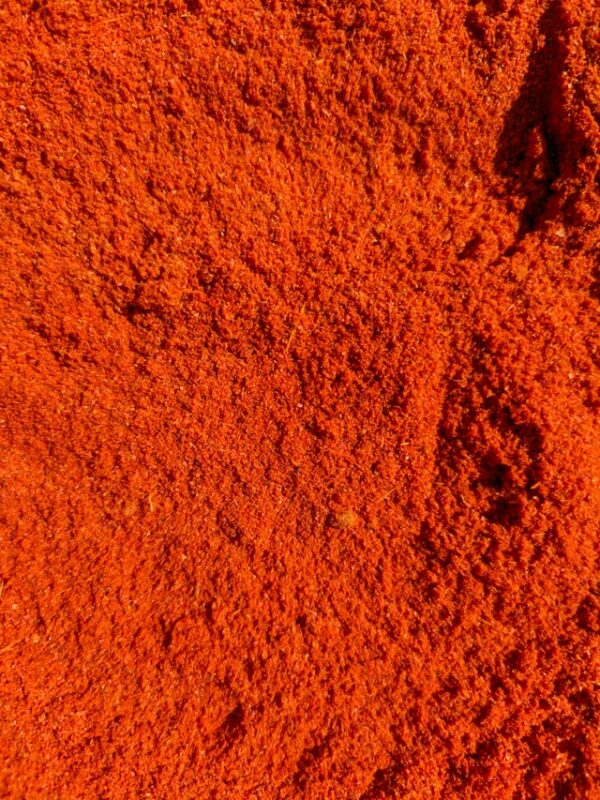
Red chili powder is one of the most commercially active spice ingredients in domestic and international food trade. It is used across seasoning manufacturing, snack flavouring, sauces, spice blending, processed foods, ready meals, restaurant supply, foodservice packaging, retail spice jars, and wholesale ingredient distribution. Unlike whole dried chili, which gives the buyer more room for post-import processing, red chili powder is already a finished or semi-finished spice input. That means buyers care intensely about colour strength, pungency, mesh size, dryness, cleanliness, and authenticity before they commit to volume.
For importers, food manufacturers, spice brands, industrial blenders, repackers, and distributors, red chili powder is not simply ground pepper. It is a performance ingredient. A good lot should deliver the expected heat level, stable colour, clean aroma, acceptable microbiological status where required, low moisture, and consistent particle size. A poor lot can cause batch inconsistency, customer complaints, regulatory trouble, or direct financial loss if it is diluted, contaminated, stale, mouldy, or badly packed.
That is why red chili powder sourcing is more technical than many first-time buyers assume. Once a chili product is ground, it becomes much harder to verify visually. The buyer can no longer judge the raw pods easily. At that point, trust shifts to sampling, specification, process control, lab testing where necessary, documentation, and the exporter’s honesty. A brightly coloured powder may still be weak in flavour. A hot powder may still be contaminated. A cheap offer may still become an expensive mistake after cargo arrives.
Commercially, red chili powder remains attractive because demand is deep and diversified. It serves mainstream food markets, ethnic retail channels, private-label spice brands, industrial food factories, and regional wholesalers. Its demand is not limited to one cuisine or one geography. It moves into everyday cooking, processed-food manufacturing, meat seasoning, instant food products, snacks, and table spice systems. That broad demand keeps it relevant in bulk commodity trade.
For suppliers and exporters, the most important lesson is simple: red chili powder must be treated as a specification-led spice ingredient, not as a loose generic commodity. Buyers want to know the heat profile, colour quality, moisture level, mesh size, packaging standard, storage logic, and whether the product is pure and compliant. If the seller cannot answer those questions clearly, the transaction becomes risky immediately.
This guide explains red chili powder in practical trade terms. It covers what it is, how it is made, what it is used for, its commercial and health relevance, likely risks, major producing and importing markets, indicative international price expectations, safe sourcing methods, payment and delivery structures, common specifications, and the documents buyers should request before shipment.
Trade Overview of Red Chili Powder
| Trade Item | Details |
|---|---|
| Product Name | Red Chili Powder |
| Botanical Source | Ground dried chili peppers, commonly from Capsicum species |
| Common Names | Red Chili Powder, Chilli Powder, Ground Red Pepper, Ground Chili |
| Commercial Forms | Fine powder, medium powder, custom mesh powder, hot or mild grade |
| Primary Buyer Segments | Spice blenders, food factories, wholesalers, repackers, seasoning brands, restaurant suppliers |
| Main Commercial Uses | Seasonings, sauces, snacks, meat rubs, soups, ready meals, retail spice packs |
| Key Quality Drivers | Heat level, colour, purity, aroma, moisture, mesh size, cleanliness |
| Main Trade Risks | Adulteration, artificial colour, contamination, mould risk, stale aroma, poor packing |
| Preferred Packaging | Food-grade lined bags, laminated sacks, paper bags with liners, cartons for premium lots |
| Export Positioning | Processed spice ingredient requiring strong quality assurance |
Red chili powder trades well because it offers direct usability. Buyers do not need to clean, de-stem, mill, or sieve whole chilies if they buy the powder already prepared to specification. That convenience creates value, but it also increases risk. The buyer depends on the supplier’s raw-material choice, grinding hygiene, and packing discipline much more than in whole-pod trade.
For larger transactions, specification discipline becomes essential. A processor making snacks may want one heat range and one mesh size. A spice brand may prioritise strong red colour. A sauce manufacturer may care more about pungency and purity. A budget wholesaler may accept a broader tolerance. Good trade starts when both sides define those expectations clearly.
Request a Quote or Speak With Our Team About Red Chili Powder
Ready to source Red Chili Powder with confidence? Submit your RFQ for detailed specifications and formal quotations, or chat on WhatsApp for fast responses and quick clarification.
What Is Red Chili Powder?
Red chili powder is the ground form of dried red chili peppers, usually produced from selected chili varieties that have been dried, cleaned, and milled into powder. Depending on the intended market, the powder may be hot, medium, or mild. It may also be sold primarily for pungency, primarily for colour, or as a more balanced culinary spice. This distinction matters because not all red chili powders are created for the same commercial purpose.
A good red chili powder should show a natural red to deep red colour, a characteristic chili aroma, acceptable dryness, and a consistent texture. The flavour and heat should match the grade being sold. It should not smell smoky unless intentionally produced that way. It should not smell mouldy, stale, or chemically treated. It should also be free from visible infestation, off-notes, and obvious foreign material.
From a trade perspective, red chili powder sits between a raw spice and a finished ingredient. It can be sold in bulk to industrial processors, packed into consumer retail formats, blended into complex seasoning systems, or used in foodservice packs. That commercial flexibility makes it one of the most traded spice powders in the food sector.
Buyers should also understand that “red chili powder” is not one universal grade. Some powders are valued mainly for strong heat. Others are chosen for bright natural colour and mild pungency. Some are made from one variety, while others are blended. Some are pure ground chili. Others in weaker supply chains may be diluted or misrepresented. This is why serious trade conversations always begin with a written specification instead of a vague request for chili powder.
How Red Chili Powder Is Made / Processed
The commercial value of red chili powder depends on the quality of the raw chili and the discipline of the processing chain. Because the powder is already milled, any defect introduced during processing becomes part of the final product. That is why buyers should understand how the product was made, not just how it looks in a sample photo.
1. Raw chili selection
The process starts with dried red chili peppers. The quality of these chilies determines the quality of the final powder. If the raw material is weak, discoloured, contaminated, under-dried, or stale, the powder will reflect those defects. Good processors choose mature, reasonably clean, well-dried chilies with the required pungency and colour profile for the target market.
This stage matters because some poor suppliers grind low-value chili stock that could not sell well in whole form. Milling does not transform poor raw material into premium powder. It simply hides some visible defects while preserving the underlying quality problems.
2. Cleaning and sorting
Before grinding, the dried chilies should be cleaned to remove dust, stones, stems, plant debris, and other foreign matter. Depending on the buyer’s requirement, the processor may also sort for colour or remove defective pods. This improves purity and reduces the risk of unwanted material entering the final powder.
Good pre-cleaning protects both the machinery and the buyer’s confidence. Poor cleaning can lead to contamination issues that become much harder to detect once the product is ground.
3. Drying and moisture control
Chilies must be properly dried before milling. If the product carries too much moisture, the powder may cake, develop mould risk, lose shelf stability, or deteriorate during transport. Proper moisture control is especially important because red chili powder often travels through hot and humid logistics conditions.
At the same time, the processor must avoid overheating the product. Excess heat during drying or grinding can damage aroma, affect colour, and reduce overall sensory quality. The best processors balance dryness with flavour preservation.
4. De-stemming and pre-milling preparation
In more disciplined systems, stems and unwanted hard parts are removed before grinding. This helps improve texture, purity, and commercial acceptance. A buyer paying for pure chili powder does not want excessive stalk content or unnecessary filler material from sloppy preparation.
5. Grinding or milling
The cleaned chili material is milled into powder according to the desired mesh size. Some buyers want a fine powder for retail packs or seasoning systems. Others want a slightly coarser grind for specific food applications. Milling conditions matter greatly. Excessive heat or careless milling can flatten aroma and affect colour stability.
This stage is also where authenticity risk becomes more serious. Because the product is now powdered, visual inspection is less reliable. That is why strong suppliers use controlled processes and serious buyers rely on samples, testing, and documentation.
6. Sieving and standardization
After milling, the powder is usually sieved to remove oversize particles and standardise texture. This improves consistency and allows the exporter to meet agreed particle-size expectations. In industrial food applications, mesh uniformity can matter a lot because it affects blending, appearance, dispersion, and mouthfeel.
7. Quality control and purity checks
Red chili powder should be checked for aroma, moisture, colour, purity, and where necessary for microbiological safety, residue profile, and adulteration indicators. This is especially relevant in regulated markets or for branded food use. Buyers that ignore this stage may later face claims, recalls, or brand damage.
8. Packaging and storage
Once approved, the powder should be packed in food-grade packaging that protects it from moisture, contamination, light exposure, and odour transfer. It should then be stored in a cool, dry, clean environment until shipment. Since chili powder has more exposed surface area than whole chili, quality decline can happen faster when storage is poor.
What Is Red Chili Powder Used For?
Red chili powder has wide commercial application because it delivers heat, colour, and recognisable flavour in a format that is ready for direct use. It is active across both retail and industrial channels.
Spice blending and seasoning systems
One of the biggest uses of red chili powder is in spice blending. It appears in curry powders, dry rubs, bouillon seasonings, snack coatings, meat seasonings, barbecue blends, stew bases, pepper mixes, and countless region-specific spice systems. Depending on grade, it may contribute heat, colour, or both.
Food manufacturing
Food factories use red chili powder in sauces, soups, noodles, snacks, ready meals, marinades, processed meats, canned foods, and frozen products. It is attractive because it disperses easily and supports standardised production.
Retail spice packaging
Red chili powder is a major retail spice product in sachets, pouches, jars, and refill packs. Retail buyers generally care about visual appeal, pungency, purity, and shelf performance because consumers judge the product quickly once opened.
Foodservice and restaurant supply
Restaurants, caterers, and foodservice suppliers value the powder because it saves preparation time and integrates easily into recipes. It is used in sauces, soups, meat preparations, stews, rice dishes, and table seasoning applications.
Snack flavouring
Snack manufacturers use chili powder in coatings for chips, nuts, crackers, corn snacks, and extruded savoury products. In these applications, consistency matters greatly because even small variation can change the final flavour profile.
Sauce and paste production
Red chili powder can also be used in sauces, pastes, spice concentrates, and marinades where a stable source of heat and colour is needed without using fresh chili.
Health Benefits of Red Chili Powder
Red chili powder is mainly traded as a flavour and colour spice, but it also carries health-oriented commercial relevance in some markets. These benefits should be communicated responsibly and within the labelling rules of the buyer’s destination.
1. It is valued for its naturally stimulating flavour profile
Red chili powder is widely appreciated because it adds intensity and sensory impact to food. This makes it useful in products that want bold flavour without relying only on salt or artificial flavour systems.
2. It contains naturally occurring plant compounds associated with chili peppers
As a product derived from dried chilies, red chili powder contains naturally occurring compounds linked with the plant’s characteristic heat and colour. This supports its appeal in natural-ingredient and spice-based food positioning.
3. It helps build flavour in low-moisture seasoning systems
Food developers use chili powder to strengthen flavour in dry blends and ready-to-use seasonings. Its effectiveness in small quantities makes it commercially useful in formulation work.
4. It fits consumer demand for recognisable spice ingredients
Consumers generally understand what chili powder is, which helps brands position it as a familiar kitchen ingredient. This supports demand in natural, ethnic, and clean-label food categories.
5. It supports diversified product development
One raw spice input can be used in snacks, sauces, meals, meat products, and tabletop spices. That makes red chili powder commercially efficient for manufacturers and wholesalers.
Side Effects of Red Chili Powder
Red chili powder is widely used in food, but responsible trade discussions should also recognise its practical limitations and supply-chain risks. Many buyer complaints arise not from the spice itself, but from bad quality control or poor sourcing.
1. High pungency may not suit every consumer
Hot chili powder can be too intense for some product categories or consumer groups. Buyers should therefore match heat level to market preference rather than assuming more heat is always better.
2. Quality defects can create negative user reactions
If the powder is mouldy, stale, contaminated, or chemically tainted, the consumer may react badly and blame the brand or importer. This makes source quality extremely important.
3. Adulteration risk is significant
Powdered chili is one of the spice categories where adulteration risk can be serious. In weak supply chains, non-declared fillers, low-grade material, or colour manipulation may appear. Buyers should therefore treat unusually cheap offers with caution.
4. Artificial colour misuse can become a regulatory and safety problem
Some low-integrity suppliers may try to improve appearance with non-permitted colouring practices. This is a major trade risk and one reason lab testing may be necessary in sensitive markets.
5. Moisture and mould risk
If the powder is under-dried or badly packed, it may cake, deteriorate, or develop spoilage problems in storage. A visually good lot at origin can become a complaint at destination if moisture control was poor.
6. Residue and contamination concerns
As with many spice products, pesticide residues, microbiological issues, or contamination from processing environments may affect trade acceptance. Importers selling into strict markets should match testing and supplier selection to this risk.
Top Producing & Exporting Countries of Red Chili Powder
Red chili powder trade follows chili cultivation patterns, but powder export strength depends not only on agricultural output. It also depends on processing capacity, cleaning discipline, milling quality, packaging standards, and export documentation.
1. India
India is one of the most recognised countries in global chili and chili powder trade. It has large cultivation, active spice-processing infrastructure, major domestic consumption, and deep export networks. Many international buyers use Indian market behaviour as a reference point for chili powder pricing and availability.
2. China
China also plays an important role in pepper and spice ingredient trade, including processed chili products. Buyers often watch Chinese supply conditions when comparing industrial spice sourcing options.
3. Turkey
Turkey is relevant in chili and pepper processing discussions, especially for regional markets and value-added spice applications. It remains part of the broader supply picture in international spice trade.
4. Spain
Spain has a recognised role in pepper-based spice products, especially where colour-driven paprika and related pepper powders are concerned. Depending on the exact product type, it may also be relevant to buyers comparing red pepper powder sources.
5. Other regional processing hubs
Additional countries participate through cultivation, processing, or re-export. However, not every producing country is automatically a reliable chili powder source. The exporter’s process discipline matters more than origin claims alone.
Top Importing Countries of Red Chili Powder
Demand for red chili powder is broad because spicy food systems exist across multiple continents. Import demand is shaped by retail spice use, food manufacturing, snack production, restaurant supply, and ethnic market distribution.
1. United States
The United States is a major market for spice blends, sauces, snacks, and ethnic foods, making it commercially relevant for red chili powder imports. Buyers here often care about food safety, purity, and packaging performance.
2. United Kingdom
The United Kingdom remains a strong market because of multicultural food demand, spice retail, and industrial seasoning use. Chili powder is widely used across home cooking and foodservice channels.
3. Middle Eastern markets
Several Middle Eastern markets have strong spice consumption and active demand for chili-based products in both wholesale and industrial channels.
4. European food-processing markets
Continental Europe remains commercially relevant for buyers needing controlled quality, documented compliance, and ingredient consistency for packaged foods and spice systems.
5. African regional markets
There is also room for active intra-African trade in chili powder for wholesale, foodservice, seasoning repacking, and growing urban food demand.
How To Safely Source for Your Red Chili Powder Produce
Safe red chili powder sourcing starts with one rule: never buy it like a casual commodity. Because it is already processed, the risk of hidden quality problems is higher than with whole dried chili. Buyers need stronger discipline from the beginning.
Start with a written technical specification
State the required heat profile, colour expectation, mesh size, moisture tolerance, intended use, packaging format, and any required testing. If the product is for retail, say so. If it is for industrial blending, say so. Specificity protects both buyer and seller.
Ask what raw material was milled
This question matters. Some exporters mill clean fresh chili. Others grind downgraded or old stock. The final powder may still look acceptable, but performance can be poor. Buyers should ask directly what type of chili was used and how recent the milling was.
Request a representative sample
Test the aroma, colour, pungency, texture, and overall cleanliness. For larger or sensitive transactions, use laboratory checks where justified. A real sample reduces the chance of buying blind.
Assess authenticity and adulteration risk
Because the product is powdered, buyers should ask about purity controls, process flow, and whether the processor handles additives or colour agents. In higher-risk deals, authenticity testing may be sensible.
Verify moisture and packaging
Moisture control should never be assumed. Ask how it was measured and what packaging is being used. Inner liners and food-grade protection often matter, especially for sea freight and humid routes.
Review hygiene and contamination control
Find out how the processor handles cleaning, segregation, and cross-contamination in the plant. This becomes even more important when the product is destined for branded food channels.
Use sensible payment terms
Do not overpay too early to an unproven powder supplier. Safer structures include deposit plus balance against documents, escrow where practical, or documentary credit for larger transactions.
Use inspection or testing where justified
For first deals or larger lots, pre-shipment inspection or agreed testing can reduce avoidable disputes. The right scope depends on the risk level of the destination and the size of the transaction.
Protect the logistics chain
Red chili powder should move in a clean, dry, odour-free container. Good product can still arrive compromised if the shipment environment is poor.
Where To Find Reliable Exporters for Red Chili Powder
Reliable exporters are usually found among established spice processors, disciplined food-ingredient suppliers, and exporters that understand both raw-material sourcing and processed-spice quality control. The best suppliers are usually the ones that can discuss product details clearly, not just price.
Potential exporters may be identified through commodity trade networks, spice exhibitions, B2B sourcing platforms, referral chains, and export-focused agribusiness contacts. But discovery is only the first step. Reliability still has to be tested through sample quality, communication, documentation readiness, and consistency in how the supplier describes the product.
A serious red chili powder exporter should be able to explain the heat profile, colour standard, milling process, moisture control, packaging method, and likely documentary support. Suppliers who cannot answer these questions clearly often create problems later.
International Price of Red Chili Powder Per Metric Ton
Red chili powder pricing depends on origin, chili variety, heat level, colour value, purity, mesh size, packaging type, order volume, and destination compliance requirements. Prices can vary sharply between standard commercial grades and more tightly controlled premium or high-pungency grades.
As an indicative bulk-trade guide rather than a live quoted benchmark, standard export-grade red chili powder often falls around US$1,200 to US$2,400 per metric ton, while premium, high-colour, high-pungency, or more compliance-sensitive lots can move higher depending on origin and contract conditions.
Buyers should be careful with unusually cheap offers. A low quote may indicate weak raw material, poor purity, faded colour, excessive stem content, adulteration risk, stale stock, or weak packaging. In chili powder trade, the cheapest offer is often not the cheapest after claims, rejections, or reprocessing loss.
It is also important to separate the product price from the landed cost. Freight, inspection, documentation, testing, insurance, customs, and destination handling all affect final economics. A sound buyer focuses on usable value, not only the headline quote.
Request a Quote or Speak With Our Team About Red Chili Powder
Ready to source Red Chili Powder with confidence? Submit your RFQ for detailed specifications and formal quotations, or chat on WhatsApp for fast responses and quick clarification.
How To Pay For Your Red Chili Powder Produce
Payment terms should reflect the fact that red chili powder is a processed spice ingredient with quality-sensitive trade risk. The more technical the buyer’s requirements, the more important it becomes to structure payment responsibly.
Trial orders and first transactions
For first deals, deposit-plus-balance arrangements are common, but the deposit should remain practical and tied to actual production or stock allocation. The buyer should not fund excessive risk before shipment can be verified.
Recurring supply relationships
Once a supplier has demonstrated consistency and reliability, smoother payment terms may become possible. Even then, the milestones should be written clearly into the contract.
Larger formal transactions
For larger contracts, documentary credit structures may be appropriate where both parties want stronger banking and document control.
Document-based discipline
Even where direct bank transfer is used, the transaction should still be supported by a clear proforma invoice, commercial invoice, packing details, shipment evidence, and agreed quality references.
Shipping & Delivery Terms
Red chili powder should be shipped under terms that clearly assign logistics responsibility and preserve product quality through transit. Processed spice powders are sensitive to moisture, odour contamination, and rough handling.
FOB for freight-controlled buyers
FOB works well for experienced importers that already manage freight and destination clearance. The exporter handles production, packing, export clearance, and delivery to the port of loading.
CFR for easier cost planning
CFR can help buyers that want freight included to the destination port. This may simplify budgeting, although the buyer should still understand which destination charges remain outside the quote.
CIF where insurance is preferred
CIF may suit first-time or higher-risk routes where the buyer wants marine insurance included by the seller up to the named port.
Transit protection
The cargo should move in a clean, dry container fit for food-related cargo. If humidity or condensation risk is likely, protective measures should be considered.
Our Typical Trade Specifications For Red Chili Powder
Exact specifications vary by market and application, but the table below reflects the kind of commercial framework many serious buyers use.
| Specification Item | Typical Export Expectation |
|---|---|
| Product | Red chili powder from dried chili peppers |
| Colour | Natural red to deep red, reasonably uniform |
| Aroma | Characteristic chili aroma, free from mouldy or chemical off-notes |
| Pungency | As agreed in contract |
| Particle Size | Fine or custom commercial mesh as agreed |
| Moisture | Typically 10% to 12% max depending on contract |
| Purity | Pure chili powder, no undeclared additives or fillers |
| Infestation | Free from live insects |
| Adulteration | Not acceptable |
| Packing | Food-grade lined bags or equivalent agreed export packaging |
| Storage | Cool, dry, hygienic, odour-free environment |
These figures are working trade expectations, not automatic promises. Final numbers should be agreed in writing and matched to the destination market.
Expected Shipping Documents
Documentation is an important part of red chili powder trade because processed spice products often move into regulated food channels. Product quality without proper documents can still create clearance and payment problems.
Commercial invoice
The invoice should clearly show seller and buyer details, product description, quantity, price, value, and shipment references.
Packing list
The packing list should state the number of bags or cartons, weight details, packaging type, and lot references where applicable.
Bill of lading
The transport document should correctly reflect shipment identity, consignee structure, notify party, and freight terms.
Certificate of origin
This may be required for customs and buyer verification purposes and should accurately reflect the trade arrangement.
Phytosanitary certificate where applicable
Depending on market rules, a phytosanitary certificate may still be requested. This should be clarified in advance.
Fumigation certificate where applicable
Some routes or destinations may request fumigation-related documentation. Buyers and sellers should align on this early.
Laboratory reports where required
For sensitive markets, the buyer may request moisture, microbiological, residue, or authenticity-related reports. These should be agreed before shipment.
Inspection certificate where agreed
If third-party inspection is part of the deal, the certificate should reflect the agreed scope such as quantity, packing, or visible condition.
Request a Quote or Speak With Our Team About Red Chili Powder
Ready to source Red Chili Powder with confidence? Submit your RFQ for detailed specifications and formal quotations, or chat on WhatsApp for fast responses and quick clarification.