

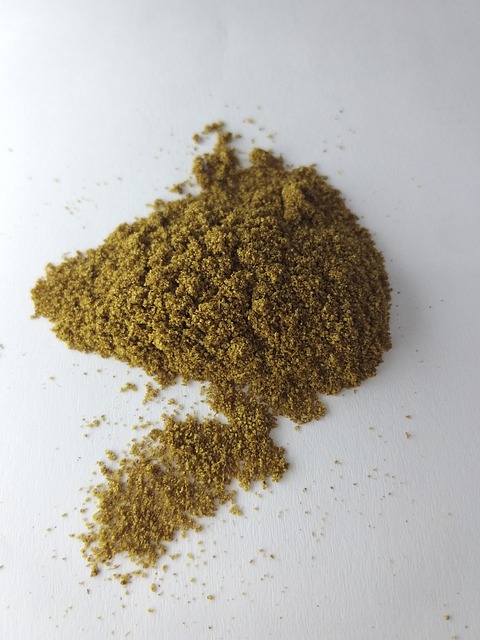
Coriander powder is one of the most commercially useful spice ingredients in the global food and seasoning trade. It is widely used in spice blending, packaged food manufacturing, seasoning systems, marinades, snack coatings, processed meat flavouring, soup mixes, sauce bases, retail spice packaging, and selected herbal product lines. While whole coriander seed remains an important traded commodity, coriander powder serves a different commercial purpose. It is a processed spice ingredient designed for direct formulation, immediate blending, and faster integration into production systems.
For industrial buyers, coriander powder is not simply ground seed. It is a specification-sensitive product whose value depends on aroma strength, particle size consistency, freshness, colour uniformity, cleanliness of the raw seed, milling quality, moisture control, and the exporter’s ability to prevent adulteration, clumping, aroma loss, or contamination before shipment. These concerns are far more important in powder trade than in whole-seed trade because once the product is milled, visual verification becomes harder and buyer complaints become more difficult to resolve casually.
That is why serious importers, seasoning manufacturers, spice brands, food processors, contract blenders, and wholesale repackers treat coriander powder as a quality-controlled input rather than as a low-attention commodity. A strong coriander powder lot should have a characteristic warm, citrusy, slightly nutty aroma, a clean and even appearance, low moisture, good flowability, and a flavour profile that holds up in culinary or industrial use. A weak lot may look acceptable in a photo and still fail once opened, especially if the aroma is flat, stale, dusty, overheated, or diluted by poor raw material.
In cross-border trade, coriander powder is attractive because it saves downstream buyers time and labour. Importers who do not want to clean, mill, sieve, and process whole seed themselves often prefer ready-to-use powder. However, this convenience also increases the sourcing risk. Powdered spices demand a higher level of trust, better documentation, stronger process control, and clearer technical specification than many whole-spice transactions.
For exporters and commodity suppliers, the commercial lesson is simple. Coriander powder should never be marketed as just a cheaper or easier version of coriander seed. It is a finished or semi-finished spice ingredient. That means the conversation must cover mesh size, aroma retention, storage, packaging integrity, contamination control, and sometimes microbiological or residue testing depending on the destination market. Buyers are not just asking whether the product is available. They are asking whether it is fit for direct commercial use.
This guide explains coriander powder in practical trade terms. It covers what it is, how it is made, what it is used for, its health relevance, likely risks, major producing and importing countries, realistic international pricing, safer sourcing methods, common payment and shipping structures, typical specifications, and the core shipment documents that serious buyers should request before closing a transaction.
Trade Overview of Coriander Powder
| Trade Item | Details |
|---|---|
| Product Name | Coriander Powder |
| Botanical Source | Ground dried seed of Coriandrum sativum |
| Common Names | Ground Coriander, Coriander Powder, Dhania Powder |
| Primary Commercial Forms | Fine powder, medium grind, custom mesh grind |
| Primary Buyer Segments | Spice blenders, food manufacturers, repackers, wholesalers, seasoning producers, retail brands |
| Main Commercial Uses | Spice blends, seasoning systems, sauces, soups, snacks, marinades, ready meals, retail packs |
| Key Quality Drivers | Aroma, freshness, grind consistency, moisture, cleanliness, colour, authenticity |
| Major Trade Risk Points | Adulteration, stale aroma, poor milling, clumping, excess moisture, contamination, weak packaging |
| Preferred Packaging | Food-grade lined bags, laminated sacks, kraft-lined bags, bulk cartons, private-label packs |
| Typical Shelf-Life Concern | Faster aroma decline than whole seed if stored badly |
| Export Positioning | Processed spice ingredient requiring stronger quality assurance than whole seed |
Coriander powder trades best when the seller understands that the buyer is purchasing a ready-to-use ingredient with limited room for correction after arrival. If whole coriander seed arrives slightly dusty, the buyer may be able to clean it. If coriander powder arrives weak, stale, or adulterated, recovery options are much more limited. This is why the supplier’s milling discipline and raw-material integrity are central to trade success.
From a commercial standpoint, coriander powder is usually bought for speed, standardization, and convenience. That makes it particularly relevant to food factories, seasoning formulators, and repackers who want a stable ingredient that can move directly into production. It also makes it one of the spice categories where sourcing shortcuts can become expensive very quickly.
Request a Quote or Speak With Our Team About Coriander Powder
Ready to source Coriander Powder with confidence? Submit your RFQ for detailed specifications and formal quotations, or chat on WhatsApp for fast responses and quick clarification.
What Is Coriander Powder?
Coriander powder is the milled form of dried coriander seed from the plant Coriandrum sativum. The powder is produced by cleaning, drying where necessary, and grinding the seed into a controlled particle size suitable for food use, retail packing, or industrial spice formulation. In trade language, coriander powder may also be referred to as ground coriander or dhania powder depending on the market and buyer background.
Although it comes from the same seed as whole coriander, the powder behaves differently in storage, handling, and sourcing. Whole seed usually retains aroma longer and allows the buyer to grind close to use. Powder delivers convenience but loses aroma faster if poorly handled. It is also harder to verify visually once ground, which increases concern around dilution, stale stock, and non-declared mixing. For that reason, serious buyers often request more process detail for powder than they do for whole seed.
A good coriander powder should have a fresh, clean, characteristic aroma and a warm, mildly citrusy flavour profile. The colour is usually light brown to tan, though it may vary slightly depending on seed origin, roasting exposure if any, and milling conditions. It should be free from visible foreign matter, musty odour, excessive dustiness beyond normal powder behaviour, insect evidence, and moisture-related caking.
Commercially, coriander powder occupies an important middle ground between a raw agricultural spice and a finished ingredient. It can be sold in bulk for industrial blending, packed into consumer sachets or jars, or incorporated into more complex seasoning systems. This gives it a wide buyer base across wholesale, retail, private label, and manufacturing channels.
For exporters, one key reality should always be understood: coriander powder is judged not only on what it is, but on how honestly and competently it was made. Buyers want to know that the raw seed was clean, that milling did not burn off aroma, that no undeclared material was added, and that the powder was packed in a way that preserves quality through transport and warehousing.
How Coriander Powder Is Made / Processed
The commercial quality of coriander powder depends heavily on process control. Because the powder is already milled before export, any defect introduced during processing will travel with the shipment. This is why industrial buyers usually care deeply about how the powder was produced, not just how it looks in the final bag.
1. Raw seed selection
The process begins with dried coriander seed. This step matters more than many traders admit. Weak, old, immature, contaminated, or poorly dried seed will produce weak powder no matter how clean the final packaging looks. Good coriander powder starts with seed that has decent aroma, proper maturity, acceptable moisture, and a reasonable level of cleanliness before it ever reaches the grinder.
Buyers should remember that grinding poor seed does not create a premium product. It simply hides visual defects while preserving quality problems. That is why experienced importers often ask what grade of seed was used and whether the exporter mills from fresh lots or from leftover stock that could not move as whole seed.
2. Cleaning before milling
Before grinding, the seed should be cleaned to remove stones, stems, dust, husk, and other foreign matter. This is essential for food quality, machinery protection, and buyer confidence. If the pre-milling cleaning stage is weak, the resulting powder may carry unwanted particles that become difficult to detect and even harder to remove later.
For export-quality powder, machine cleaning and sieving are often expected. Better processors may also use destoning and more controlled separation steps depending on buyer requirements and target market sensitivity.
3. Dryness and moisture control
Moisture control is critical before milling. If coriander seed enters the grinder with excess moisture, the powder may cake, lose flowability, develop storage instability, or deteriorate faster in transit. Proper drying and moisture measurement help protect both the milling process and the final shelf-life performance of the powder.
Under-dried product is risky. Overheated product is also risky. The best processors aim for a balance that preserves aroma while achieving safe handling and storage conditions.
4. Grinding or milling
The cleaned coriander seed is then milled to the desired texture. Some buyers want a fine retail-grade powder. Others want a coarser industrial grind. Particle size should be discussed before production because mesh inconsistency can create issues in blending, texture, appearance, and end-use dispersion.
Milling temperature also matters. Excess heat during grinding can reduce aroma strength and flatten the flavour profile. This is a common but under-discussed problem in spice trade. Powder that has been milled aggressively may smell weaker than the seed from which it was produced. A good supplier understands this and uses milling methods that protect flavour as much as possible.
5. Sieving and standardization
After grinding, the powder is often sieved to achieve a more uniform particle size. This improves product consistency and helps the exporter meet agreed specifications. A buyer that fills retail jars or formulates seasoning blends usually wants predictable texture, not random coarse particles mixed into a fine powder lot.
At this stage, the processor may also separate oversize material or regrind as needed to align with contract requirements. This is one of the differences between casual grinding and true commercial spice processing.
6. Quality checks and contamination control
Because coriander powder is a ready-to-use product, quality checks should go beyond appearance. Depending on the buyer and market, checks may include aroma review, moisture reading, visual cleanliness, colour consistency, and where necessary microbiological or residue analysis. The more regulated the destination, the more important this stage becomes.
Cross-contamination control is also important. Spice processors handling chili, turmeric, cumin, pepper, garlic, or allergen-relevant materials in the same environment should manage cleaning and segregation carefully. Buyers importing bulk powder for branded food use will care about this.
7. Packaging into food-grade export units
Once the powder is approved, it should be packed into suitable food-grade materials that limit moisture ingress, odour transfer, light exposure where relevant, and physical damage. Powdered spices are more vulnerable than whole spices to environmental exposure, so packaging should be chosen with care. A flimsy bag may still carry the product, but it may not preserve the quality.
Depending on the buyer, common packaging options include kraft-lined sacks, laminated woven bags with inner liners, multi-layer paper bags, bulk cartons with liners, or custom retail-ready packs. The right packaging should reflect transit length, humidity risk, storage conditions, and intended end use.
8. Storage and dispatch
Finished coriander powder should be stored in a dry, cool, clean environment away from direct sunlight, damp surfaces, chemicals, and strong odours. Because powder has more exposed surface area than whole seed, it loses quality faster when handled badly. A disciplined exporter ships fresh milled stock where possible and does not hold powder for unnecessary periods under poor conditions.
What Is Coriander Powder Used For?
Coriander powder is widely used because it offers convenience and immediate formulation value. Unlike whole seed, it can move directly into production, blending, and retail packaging without additional milling. This makes it commercially attractive across multiple sectors.
Seasoning and spice blends
One of the biggest uses of coriander powder is in spice blending. It is a standard component in curry powder, masala systems, meat rubs, dry marinades, bouillon seasonings, barbecue blends, shawarma mixes, soup seasonings, snack flavouring systems, and many region-specific spice combinations. Its mild warmth and subtle citrus character help round out stronger spices without dominating them.
Food manufacturing
Food manufacturers use coriander powder in processed meats, ready meals, sauces, soups, instant noodles, frozen foods, savoury snacks, coatings, and convenience foods. It provides flavour consistency and works well in batch production because it disperses more easily than whole spice material.
Retail spice packaging
Coriander powder is also common in retail jars, sachets, pouches, and private-label spice lines. Retail buyers usually care about colour, aroma, flowability, and shelf stability because consumer acceptance depends on both sensory appeal and convenience.
Restaurant and foodservice supply
Foodservice suppliers prefer coriander powder because it saves preparation time in professional kitchens. Restaurants, caterers, and ready-food businesses use it in sauces, stews, curries, soups, rice dishes, and seasoning mixes where quick dispersion matters.
Snack and coating systems
Coriander powder can be used in flavoured coatings for chips, crackers, nuts, and savoury snack products. In these applications, grind size and aroma consistency are especially important because the powder becomes part of a highly standardized flavouring system.
Herbal and wellness blends
In some product categories, coriander powder is included in digestive blends, herbal preparations, and wellness-oriented formulations. Buyers in this segment may request stronger documentation around handling, hygiene, and sometimes microbial profile depending on the intended use.
Health Benefits of Coriander Powder
Coriander powder is primarily traded as a culinary and industrial spice ingredient, but it also carries wellness relevance that supports its use in health-positioned products. These benefits should be discussed carefully and never exaggerated beyond what food labelling rules allow in the target market.
1. It is traditionally associated with digestive support
Coriander has long been used in traditional food systems where spices are valued not only for flavour but also for digestive comfort. This makes coriander powder commercially relevant in digestive spice blends, wellness teas, and health-focused culinary formulations.
2. It contributes flavour without relying entirely on salt or heat
Coriander powder helps food developers build flavour depth in a natural way. It can support more balanced seasoning systems and may reduce dependence on stronger flavour drivers in some formulations. That makes it useful in cleaner-label or more naturally positioned products.
3. It contains naturally occurring aromatic plant compounds
As a spice derived from coriander seed, the powder carries the plant’s characteristic aromatic compounds, which contribute to both flavour and broader natural-ingredient appeal. This supports demand among buyers that want recognisable, plant-based flavour inputs.
4. It works well in functional and herbal food concepts
Because coriander is familiar to consumers and associated with traditional wellness use, it fits easily into health-conscious product development. Brands selling natural foods, spice infusions, or digestive blends often see this familiarity as a commercial advantage.
5. It supports ingredient versatility
Coriander powder can serve both flavour and positioning functions. A buyer may use it in a mainstream seasoning blend, a premium natural spice mix, or a wellness-oriented food product. That versatility makes it attractive across multiple market categories.
Side Effects of Coriander Powder
Although coriander powder is widely used in food applications, responsible product communication should recognise its limitations and sourcing-related risks. Most trade concerns are not about the spice itself in normal culinary use, but about how the powder was processed, stored, or represented.
1. Sensitivity in some consumers
Like many spices, coriander may not suit every consumer equally. Some individuals may experience sensitivity or allergic-type reactions. This is not common for most users, but finished-product brands should still manage labelling and cross-contact practices properly.
2. Overuse in concentrated formulations
While coriander powder is generally straightforward in culinary amounts, concentrated intake through herbal products or very heavy formulations may not suit every consumer. Exporters should avoid making medicinal claims around food-grade powder.
3. Quality defects can create user complaints
If coriander powder is stale, mouldy, contaminated, overheated, or badly stored, the resulting consumer complaints may be blamed on the product rather than on the supply chain. This is why safe sourcing and correct storage are so important.
4. Adulteration risk
Powdered spices are more vulnerable to adulteration than whole spices because the buyer cannot easily inspect the raw form visually after milling. A dishonest supplier may dilute coriander powder with inferior material, husk, stale powder, or other undeclared matter. This is one of the biggest trade-side risks in coriander powder sourcing.
5. Moisture-related spoilage
Powder that absorbs moisture may cake, lose aroma, develop off-odours, and create shelf-life problems. It may still appear sellable at first and then fail during storage or after distribution. This is why moisture control and packaging quality matter so much.
6. Residue or contamination risk
As with many spice commodities, coriander powder may face pesticide, microbiological, or contamination concerns if the raw seed or the processing environment was poorly managed. Importers serving regulated markets should match their due diligence to the risk level of the destination.
Top Producing & Exporting Countries of Coriander Powder
Coriander powder trade follows the broader coriander seed supply chain, but not every producing country is equally strong in processed spice exports. Powder trade depends not only on agricultural supply, but also on cleaning, milling, packaging, food processing capability, and export documentation strength.
1. India
India is one of the most recognised sources for coriander and coriander-based spice products globally. It has large spice-processing capacity, strong domestic familiarity with coriander, active export networks, and well-established participation in bulk spice trade. For many buyers, India remains a reference market for coriander powder pricing and specification expectations.
2. Eastern European and Russian supply-linked regions
These regions are better known for coriander seed production than for consumer-facing powder trade, but they still influence global raw material availability. Processors sourcing seed from these origins may feed into powder markets depending on the commercial structure.
3. Morocco and North African supply channels
North African supply routes can also play a role in coriander trade, especially for buyers comparing regional sourcing options. However, powder export reliability depends more on processor discipline than on crop origin alone.
4. Canada
Canada is recognised in agricultural export systems and contributes to coriander supply discussions, especially where structured export agriculture and traceability matter. Its relevance to powder trade often comes through the seed side and downstream processors.
5. Other specialised spice-processing hubs
Some countries may not dominate coriander cultivation but still participate in coriander powder exports through processing, blending, or re-export systems. Buyers should therefore distinguish between where the seed was grown and where the powder was processed.
In powder trade, the exporter’s processing system is often more important than origin branding alone. A country may produce coriander, but that does not automatically mean every supplier from that country can deliver a clean, consistent, export-ready powder.
Top Importing Countries of Coriander Powder
Coriander powder demand is strongest in markets with active spice consumption, food manufacturing, ethnic retail channels, and private-label seasoning businesses. These markets often prefer powder because it integrates more easily into commercial production.
1. United States
The United States remains an important market for coriander powder because of strong retail spice demand, foodservice usage, ethnic cuisine distribution, and industrial food processing. Buyers here often pay close attention to food safety, residue compliance, and packaging integrity.
2. United Kingdom
The United Kingdom is commercially relevant due to its strong multicultural food market, retail spice demand, and private-label packaging sector. Coriander powder is widely used across household, restaurant, and food-manufacturing channels.
3. Middle Eastern markets
Many Middle Eastern buyers use coriander powder in spice systems, wholesale trade, and processed food applications. These markets often value aroma, practical pricing, and dependable supply consistency.
4. Southeast Asian markets
Parts of Southeast Asia remain active users of coriander in both whole and powdered forms. Powder can be attractive where food manufacturing and packaged seasoning demand are strong.
5. European food-processing markets
Wider European markets remain important import destinations, especially where ethnic foods, spice blends, and packaged meal systems are well developed. These markets may require stronger technical and documentary compliance.
6. African regional distribution markets
Intra-African trade opportunities also exist for coriander powder, particularly where urban food demand, seasoning repacking, and regional wholesale networks are expanding.
How To Safely Source for Your Coriander Powder Produce
Safe coriander powder sourcing begins with accepting one important reality: powder is a higher-risk buying decision than whole seed. Because the product is already processed, the buyer has less visibility into what went into it and less room to correct issues after arrival. That means sourcing discipline must be stronger from the start.
Define the technical specification clearly
Do not request “coriander powder” as a vague product. Specify mesh size or grind type, target moisture, aroma expectation, colour tolerance, packaging format, intended use, and any required testing. If the powder is going into retail packs, seasoning systems, or regulated markets, say so clearly. The more specific the brief, the safer the sourcing process becomes.
Ask what raw seed quality was used
This question is essential. Some suppliers produce powder from strong, clean seed. Others grind downgraded or ageing stock that was not attractive in whole form. The final powder may still look acceptable in a bag but perform poorly in use. Buyers should therefore ask directly what type of seed was milled and how recently it was processed.
Request a representative sample
A real sample is one of the best safeguards in spice powder trade. Evaluate aroma, flavour, particle consistency, colour, flowability, and the presence of off-notes. If the transaction is meaningful in size or the destination is strict, laboratory testing should be considered before commitment.
Assess adulteration risk
Because the product is powdered, authenticity matters. Buyers should work with suppliers who can explain their milling process, segregation practices, and quality checks. In sensitive cases, authenticity or contaminant testing may be appropriate. The goal is to reduce the risk of receiving diluted or non-genuine material.
Check moisture and packaging carefully
Powder that is slightly too moist or poorly packed can deteriorate quickly in transit. Ask how moisture is measured, what packaging is used, whether there is an inner liner, and how the goods are stored before shipment. Good powder in poor packaging can still arrive in compromised condition.
Review hygiene and process controls
Ask whether the milling environment is cleaned regularly, whether the processor handles other spices in the same line, and how cross-contamination is managed. This matters especially for retail brands, food manufacturers, and buyers selling into regulated markets.
Use sensible payment structures
Avoid paying too much too early to an unproven powder supplier. Safer structures include deposit plus balance against documents, escrow where workable, or documentary credit for larger deals. Powder trade carries quality risk, so payment exposure should reflect that risk.
Use inspection or testing where justified
For larger or first-time orders, independent inspection or agreed lab testing can provide extra protection. This may cover product identity, moisture, visual condition, packaging, or other agreed parameters. Not every deal needs full testing, but higher-risk deals usually justify stronger checks.
Control the logistics environment
Coriander powder should ship in a clean, dry, odour-free container. Moisture exposure, chemical odours, and rough handling can damage value quickly. The exporter should demonstrate that the powder is packed and loaded like a food ingredient, not like a generic dry cargo.
Where To Find Reliable Exporters for Coriander Powder
Reliable coriander powder exporters are usually found among established spice processors, disciplined food-ingredient exporters, and traders with real control over cleaning, milling, and packing. The most dependable suppliers are not always the loudest marketers. They are often the ones who can answer technical questions precisely and provide evidence of process competence.
Buyers can identify potential suppliers through specialised spice trade networks, export-focused agribusinesses, commodity referrals, industry exhibitions, and B2B sourcing platforms. However, discovery is only the first step. Reliability must still be tested through sample quality, communication discipline, packaging detail, and document readiness.
For African and emerging-market sourcing, buyers should look for exporters that understand both raw agricultural procurement and processed-spice expectations. A good exporter bridges the gap between local sourcing and international ingredient quality. They know how to clean seed, mill carefully, preserve aroma, and prepare powder for export without introducing avoidable trade risk.
One simple way to assess exporter quality is to listen to how they describe the product. A serious supplier talks about mesh size, seed freshness, moisture, packaging, and storage. A weak supplier talks mostly about price and “best quality” with little detail behind those claims.
International Price of Coriander Powder Per Metric Ton
Coriander powder pricing usually sits above whole coriander seed pricing because it includes additional cleaning, milling, handling, packaging, and quality-control work. The exact price depends on origin, raw seed quality, freshness, particle size requirement, packaging type, order volume, and destination compliance obligations.
As a practical bulk-trade guide, standard export-grade coriander powder commonly falls around US$1,000 to US$1,600 per metric ton for mainstream commercial lots, while more tightly processed, fresher, cleaner, or more specification-sensitive powder can move higher depending on market conditions and buyer requirements.
Extremely low offers should be treated carefully. Cheap coriander powder may indicate stale raw seed, weak aroma, poor cleaning, non-uniform milling, diluted product, low-grade packaging, or a seller who is quoting aggressively before later changing terms. In spice powder trade, the cheapest quotation is often the least reliable one.
Buyers should also separate ex-works or FOB powder price from full landed cost. Ocean freight, inland transport, packaging upgrades, documentation, inspection, lab testing, insurance, customs, and destination handling all influence final economics. A powder lot that looks attractively priced on paper may be less competitive once these costs are added.
For most buyers, especially on first transactions, a sound commercial strategy is to prioritise predictable quality and clean execution over the lowest nominal ton price. Reliable coriander powder usually produces better downstream margin than problematic powder bought too cheaply.
Request a Quote or Speak With Our Team About Coriander Powder
Ready to source Coriander Powder with confidence? Submit your RFQ for detailed specifications and formal quotations, or chat on WhatsApp for fast responses and quick clarification.
How To Pay For Your Coriander Powder Produce
Payment structure should reflect the higher quality sensitivity of coriander powder compared with whole seed. Since buyers are purchasing a processed ingredient, payment terms should be aligned with trust level, lot size, and the degree of technical assurance required.
Trial orders and first transactions
For initial orders, deposit-plus-balance arrangements are common, but the deposit should be reasonable and tied to actual production or stock reservation. Buyers should avoid funding an unknown supplier too heavily before the product and documents are verifiable.
Recurring business relationships
Once a supplier has demonstrated consistency, payment terms may become more flexible. Repeated successful orders can justify smoother milestone structures, but even then, the contract should clearly define when payment is due and what documentation triggers each stage.
Larger formal transactions
For bigger coriander powder contracts, a letter of credit can help manage risk where both parties want stronger documentary protection. This is particularly relevant when the transaction involves regulated food markets or higher-value packaging and testing obligations.
Document-based control
Where bank transfer is used, the buyer should still insist on formal commercial documentation. Proforma invoice, final invoice, packing details, shipment records, and agreed quality references should all align. Processed spice trade should not run on informal promises alone.
Shipping & Delivery Terms
Coriander powder should be shipped under terms that clearly assign responsibility and protect product quality in transit. Because it is a milled food ingredient, packaging and container condition matter even more than with many raw agricultural products.
FOB for buyers with freight control
FOB is often suitable for experienced importers that want control over ocean freight and destination handling. The exporter remains responsible for production, export clearance, and port delivery, while the buyer manages the freight chain beyond that point.
CFR for simplified landed planning
CFR can work well where the buyer wants freight included up to the destination port. This can make budgeting easier, though the buyer should still clarify exactly which charges remain payable after arrival.
CIF when added insurance matters
CIF may be useful in first transactions or routes where cargo protection is a bigger concern. However, buyers should confirm the level of insurance being provided rather than assuming all marine cover gives the same protection.
Transit protection
The container should be clean, dry, food-safe in condition, and free from strong odours. If the route involves high humidity or condensation risk, the exporter should take reasonable measures to reduce moisture-related problems during transit.
Shipment timing
Freshness matters more in powder than in whole seed. Buyers should therefore avoid unnecessarily long warehousing periods before dispatch. Clear shipment windows help reduce the chance that product quality declines before cargo even leaves origin.
Our Typical Trade Specifications For Coriander Powder
Exact figures vary by buyer and destination, but the table below reflects the type of practical framework commonly used in coriander powder sourcing.
| Specification Item | Typical Export Expectation |
|---|---|
| Product | Coriander powder from dried coriander seed |
| Botanical Source | Coriandrum sativum |
| Colour | Light brown to tan, reasonably uniform |
| Aroma | Fresh, characteristic, warm, slightly citrusy, free from mustiness |
| Particle Size | As agreed, often fine or standard commercial mesh |
| Moisture | Typically 10% to 12% max depending on contract |
| Foreign Matter | Not expected in normal commercial presentation |
| Adulteration | Not acceptable |
| Infestation | Free from live insects |
| Odour | Free from mouldy, stale, chemical, or smoky off-notes |
| Packing | Food-grade lined bags or equivalent agreed packaging |
| Storage Condition | Cool, dry, hygienic, odour-free environment |
These are guideline expectations, not automatic promises. Final specifications should always be written into the sales contract and matched to the buyer’s destination and intended application.
Expected Shipping Documents
Shipping documents for coriander powder should be agreed before production is completed. Since powder often moves into food processing or branded retail channels, documentation is part of the quality package, not a side issue.
Commercial invoice
The invoice should state seller and buyer details, product description, quantity, unit price, total value, and shipment references clearly. Product naming should be consistent across all documents.
Packing list
The packing list should show the number of bags or cartons, weights, packaging style, and any lot references needed for verification and warehouse control.
Bill of lading
This transport document should accurately reflect consignee details, notify party, freight status, and shipment identity. Errors here can delay release and create unnecessary complications.
Certificate of origin
Where required, the certificate of origin should be issued correctly and reflect the actual trade arrangement. This can affect customs treatment and buyer acceptance.
Phytosanitary certificate where applicable
Depending on destination rules and product classification, a phytosanitary certificate may be requested even for processed spice products. This should be clarified early.
Fumigation certificate where applicable
Some destinations or buyers may request fumigation-related documentation. This should be discussed in advance since it is not handled identically across all trade routes.
Laboratory or quality reports where required
For more quality-sensitive markets, the buyer may ask for moisture results, microbiological analysis, residue checks, authenticity assurance, or other agreed reports. These should be defined before shipment so that both parties are working to the same standard.
Inspection certificate where agreed
If third-party inspection forms part of the contract, the certificate should reflect the agreed scope, whether that covers quantity, packaging, visible condition, or lot verification.
Request a Quote or Speak With Our Team About Coriander Powder
Ready to source Coriander Powder with confidence? Submit your RFQ for detailed specifications and formal quotations, or chat on WhatsApp for fast responses and quick clarification.