


Hibiscus is one of the most commercially recognizable botanical products in the global herbal and food ingredient trade, especially in markets where natural beverages, herbal infusions, functional food ingredients, plant-based colorants, and traditional wellness products continue to attract strong buyer interest. In international trade, the product is commonly sold as dried hibiscus flower, dried hibiscus calyx, roselle, roselle calyx, or Hibiscus sabdariffa. In Nigeria and across much of West Africa, many commercial buyers and domestic consumers also know it through the everyday market reference zobo, especially when the product is being discussed in relation to beverages and dried red calyces used for infusion.
For importers, distributors, tea companies, food manufacturers, beverage processors, and private-label brands, hibiscus is not simply another dried agricultural product. It is a versatile specialty ingredient with strong consumer familiarity, visual appeal, and broad commercial utility. It can move into tea blends, beverage concentrates, natural color applications, herbal formulas, culinary seasoning concepts, syrups, jams, extracts, and health-focused retail products. Because of that broad use range, demand often comes from different buyer segments at the same time, and each of those segments may require a slightly different grade, moisture level, cut style, color intensity, cleanliness standard, and packaging format.
One of the reasons hibiscus continues to hold a strong place in cross-border trade is that it sits comfortably between traditional use and modern commercial demand. It has a long history in beverages and household use in many parts of Africa, the Middle East, Latin America, and Asia, but it also fits very well into modern consumer trends such as botanical beverages, functional drinks, naturally colorful ingredients, and clean-label food concepts. Buyers like products that already have cultural familiarity, and hibiscus offers exactly that. It is both traditional and commercially adaptable.
In the Nigerian market, hibiscus is especially important because it is already well known locally, relatively easy to reference in trade conversations, and strongly connected to export opportunity. Buyers may refer to it as hibiscus, roselle, dried hibiscus flower, hibiscus calyx, or zobo leaves, even though what is typically traded for beverage and ingredient use is the dried calyx rather than the botanical leaf. That distinction matters in commercial sourcing. A serious buyer should always define exactly what plant part is being supplied. In most trade cases, when the market says hibiscus, it means the dried calyces of Hibiscus sabdariffa, not the leaves or stems.
This distinction is important because a surprising number of sourcing misunderstandings come from loose product descriptions. Some sellers market hibiscus broadly without clarifying whether they are offering whole dried calyces, broken calyces, tea-cut material, powder, extract-grade raw material, or mixed-grade bulk. Others may use household language that makes sense in local trade but does not provide enough clarity for international shipment. For that reason, importers and wholesale buyers should avoid ordering by name alone. They should order against a properly defined commercial specification.
Another reason hibiscus deserves careful sourcing is that product quality is highly visible. Buyers can usually tell very quickly whether the lot was handled properly. Bright, well-dried, clean calyces usually create confidence. Dull color, excessive seed matter, poor sorting, dust, mold risk, and weak packaging usually do the opposite. Unlike some commodities where defects remain hidden until processing begins, hibiscus often reveals its quality very early. That makes supplier selection even more important because a poor-quality lot can be difficult to reposition or rescue after arrival.
Price is another major factor, but it should never be the only one. In international hibiscus trade, the lowest quote is often not the best deal. A low offer may reflect poor sorting, high moisture, mixed grades, weak traceability, or light documentation support. A buyer who chooses only on price may later pay more through rejection, delayed customs clearance, re-cleaning costs, poor beverage performance, or lost customer trust. In most practical trade settings, buyers get better long-term outcomes when they compare price together with color quality, impurity level, drying condition, packaging reliability, and document readiness.
Commercially, hibiscus is appealing because it has multiple demand drivers at once. Beverage producers value its flavor and color. Herbal tea companies value its recognition and infusion performance. Food processors value its acidity and natural pigment profile. Wellness brands value its traditional reputation. Retailers value the fact that many consumers already know what it is. This mix of familiarity and flexibility gives the product unusually broad market relevance for a dried botanical commodity.
For exporters and sourcing partners, this creates opportunity, but only if the supply side is managed properly. The product must be botanically correct, clean, dry, well packed, and suitable for its intended buyer segment. The supplier should understand not just how to collect or dry hibiscus, but also how to discuss grade, shipment terms, analysis expectations, and commercial documentation in a professional way. This is particularly important when serving buyers in Europe, North America, and other quality-sensitive destinations.
This article explains hibiscus from that practical buyer-focused perspective. It is written for importers, tea companies, food ingredient traders, beverage producers, processors, wholesalers, retailers, and commercial sourcing teams that want to understand the product clearly before placing orders. Instead of treating hibiscus as just a colorful dried flower, the goal here is to show what it is in trade, how it is processed, what it is used for, what sourcing risks matter, where major supply and demand come from, what realistic price ranges look like, and how buyers can source it safely and repeatedly.
Trade Overview of Hibiscus
Hibiscus in international commodity trade usually refers to the dried fleshy calyces of Hibiscus sabdariffa, a plant widely known as roselle. These calyces are commercially valued for their deep red color, tart flavor profile, natural pigment content, and versatility across food, beverage, tea, and wellness markets. Although the plant has several usable parts, the export trade is primarily centered on the calyx because that is the portion most widely demanded for infusions, concentrates, powders, extracts, and ingredient blending.
From a trade standpoint, hibiscus is a specialty agricultural ingredient rather than a fully standardized exchange commodity. This means there can be considerable variation between suppliers even when they appear to be offering the same product. Some lots are brighter and cleaner. Some are darker and more brittle. Some are whole calyx grades, while others are cut, broken, or more suitable for extraction than for premium tea presentation. Commercial value therefore depends not only on origin but also on sorting quality, moisture control, stem and seed matter level, cleanliness, color retention, packaging method, and document support.
Most serious buyers divide hibiscus into commercial categories such as whole dried calyces, broken calyces, tea-cut grade, powder, and industrial or extract-grade raw material. Whole calyces are often preferred in premium tea and retail markets because appearance matters. Broken or smaller grades may still be useful for tea bags, concentrates, foodservice, extraction, or industrial processing. Powdered hibiscus serves a different buyer category altogether. Because these grades behave differently in use and command different prices, they should never be treated as interchangeable in a purchase order.
Demand for hibiscus is broad and geographically diverse. It is strong in tea markets, beverage manufacturing, natural ingredient channels, traditional beverage sectors, and health-oriented retail spaces. This diversity helps support year-round trade activity, although harvest timing and regional crop conditions still influence availability and price. Buyers often value suppliers who can maintain continuity of quality between seasons or supplement origin supply strategically when one region becomes tight or inconsistent.
In Nigeria, hibiscus has a well-established commercial profile and is one of the country’s more visible non-oil agro-export opportunities. It is familiar in local use and widely recognized internationally, making it easier to position than many niche botanicals. The common Nigerian market reference often includes zobo or zobo flower, although export documentation and buyer specifications usually rely on the more formal product names hibiscus, roselle, or dried hibiscus flower. For international trade, the safest approach is to combine the common market reference with the botanical identity and exact commercial form.
| Trade Item | Details |
|---|---|
| Primary Product Name | Hibiscus |
| Common International Trade Names | Dried Hibiscus Flower, Dried Hibiscus Calyx, Roselle, Roselle Calyx, Hibiscus Flower |
| Botanical Name | Hibiscus sabdariffa |
| Plant Family | Malvaceae |
| Common Nigerian / Market Reference | Hibiscus, Zobo, Zobo Flower, Dried Hibiscus Flower |
| Main Commercial Part Traded | Dried calyces |
| Commercial Forms | Whole dried calyces, broken grade, tea-cut grade, powder, extract-grade raw material |
| Main Buyer Segments | Tea companies, beverage processors, food ingredient buyers, wellness brands, botanical wholesalers, private-label packers |
| Typical Packaging | PP bags with inner liner, kraft sacks with food-grade liner, cartons for premium grades, customized retail-ready packs where required |
| Key Buying Criteria | Bright color, low moisture, low foreign matter, low seed contamination, correct grade, clean drying, export-ready documentation |
| Main Trade Risks | Mold, dull color, adulteration, poor sorting, contamination, high moisture, weak packaging, unclear grade definition |
Request a Quote or Speak With Our Team About Hibiscus
Ready to source Hibiscus with confidence? Submit your RFQ for detailed specifications and formal quotations, or chat on WhatsApp for fast responses and quick clarification.
What Is Hibiscus?
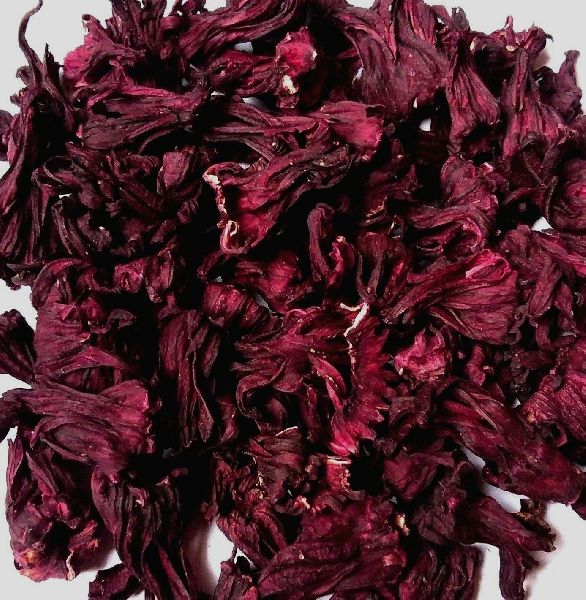
Hibiscus, in the context of commercial trade, is usually the dried calyx of the roselle plant, botanically known as Hibiscus sabdariffa. The calyx is the fleshy red structure that surrounds the seed capsule after the flower develops. Once harvested and dried, it becomes the bright red to dark crimson product used in teas, beverages, concentrates, syrups, powders, and various food and wellness applications.
It is important to clarify this because the general word hibiscus can refer to many ornamental and botanical species in casual conversation. In commercial sourcing, however, the relevant product is usually roselle, and more specifically the dried calyx of Hibiscus sabdariffa. A supplier who cannot confirm that distinction should not be treated as fully reliable for export-scale business.
Common names vary by region. Buyers may encounter roselle, sorrel, karkade, carcade, flor de Jamaica, bissap, or zobo depending on the market. These names reflect how widely the product is used across different cultures, especially in beverages and traditional food systems. In Nigeria, zobo is one of the strongest local references, particularly for drinks made from the dried calyces. In formal trade and export documentation, though, hibiscus flower, dried hibiscus calyx, and roselle are often easier terms for cross-border transactions.
Properly dried hibiscus is known for its intense red color, tart fruity taste, and strong infusion performance. Depending on the drying method and grade, the material may range from bright ruby red to deeper maroon. Premium lots usually show better color retention, cleaner calyx shape, less dust, less stem matter, and a more attractive overall presentation. Lower-grade material may be darker, more fragmented, and more suitable for industrial processing than premium retail use.
Because hibiscus is used across several industries, the commercial meaning of quality depends partly on the final application. A premium whole-calyx lot for retail tea may need strong visual appeal and careful sorting. A lot intended for extract or beverage concentrate may tolerate more breakage if the color and composition remain strong and the material is clean. A powder buyer may focus more on moisture stability, milling suitability, and laboratory parameters than on whole-piece appearance. Buyers therefore need to define quality in relation to end use rather than relying on general product labels.
In addition to its visual and flavor profile, hibiscus has strong market recognition. Consumers in many countries already associate it with refreshing drinks, herbal teas, and natural wellness traditions. That familiarity helps drive demand, but it also raises expectations. Buyers usually want consistency. If one shipment produces a vivid, clean infusion and the next shipment is dull, dusty, or contaminated, the difference will be noticed immediately. That is why serious sourcing depends on much more than a simple name match.
For commercial buyers, the key definition is therefore straightforward. Hibiscus is a dried botanical ingredient, usually the calyx of Hibiscus sabdariffa, traded for beverage, tea, food, ingredient, and wellness use. It is common enough to be recognized widely, but specialized enough that grade, moisture, sorting, and packaging still determine whether a shipment succeeds or fails in the market.
How Hibiscus Is Made / Processed
The commercial quality of hibiscus depends heavily on how the crop is harvested, separated, dried, sorted, and packed. Buyers sometimes assume it is a simple product because the finished good appears natural and minimally processed. In reality, several handling stages determine whether the material will meet export expectations. Even small processing mistakes can affect color, impurity level, moisture stability, and customer acceptance.
Harvesting the Mature Calyces
The process begins in the field with correct crop maturity and selective harvesting. The commercially valuable part is the fleshy calyx that develops after flowering. Harvesting too early can reduce yield and product quality, while harvesting too late can increase fibrousness, seed issues, weather damage, and color decline. Good suppliers understand the harvest window that gives the best commercial result for the target grade.
At this stage, field hygiene already matters. If the crop is collected in dirty conditions, exposed to soil splash, or handled carelessly in the field, impurity levels rise and the product becomes harder to clean later. Buyers often underestimate how much early field handling affects final export quality in botanical products.
Separating the Calyx from the Seed Pod
Once harvested, the fleshy calyces must be separated from the seed capsules. This can be done manually or with simple mechanical support, depending on scale and processing setup. A clean separation is important because excess seed content or rough tearing can reduce product value, affect appearance, and complicate drying consistency.
From a buyer’s perspective, this stage matters because poorly separated lots often contain unwanted internal plant matter, excessive broken seed pieces, and variable calyx shape. In premium grades, buyers usually expect more careful handling and cleaner separation. In industrial grades, some variation may be tolerated, but cleanliness still remains important.
Initial Sorting and Cleaning
After separation, the calyces are usually sorted to remove visibly damaged pieces, foreign material, stones, stems, leaf fragments, excessive seed residue, and any discolored or mold-suspect material. Early sorting improves the efficiency of later stages and helps preserve the quality profile of the lot.
Where sorting is weak, suppliers may attempt to compensate later, but the results are usually less convincing. For buyers, the final appearance often tells the story. Lots that have been sorted properly look more uniform, show stronger visual confidence, and generally produce fewer receiving complaints.
Drying Under Controlled Conditions
Drying is one of the most critical steps in hibiscus processing. The calyces must be dried enough to reach safe storage moisture without losing too much color, flavor, or structural integrity. Drying may be done through solar methods, shade-assisted systems, controlled airflow, or mechanical drying depending on the region and processor capacity.
Buyers should care deeply about this stage because too much heat can dull the color and reduce commercial appeal, while too little drying can leave the product vulnerable to mold during storage and transit. Hibiscus is especially sensitive because color is a central part of its value. A shipment that infuses poorly or looks brownish instead of red may be commercially disappointing even if it is technically the correct product.
Grading by Size and Intended Use
Once dried, the product may be classified into different grades. Whole calyx grades often go to premium tea or retail channels. Broken grades can serve foodservice, beverage production, extraction, and tea bag programs. Smaller or irregular material may be directed toward powdering or industrial use if still clean and commercially acceptable.
This stage should be linked directly to the purchase agreement. If the buyer is expecting premium whole hibiscus and receives a heavily broken industrial lot, the transaction becomes problematic even if the botanical identity is correct. The safest suppliers are those that discuss grade clearly before the lot is packed.
Final Sieving and Foreign Matter Removal
Before packing, many processors sieve or screen the dried hibiscus again to reduce dust and remove remaining fragments that do not fit the agreed grade. This is an important step for export readiness. High dust levels make the product look weak, create handling complaints, and can lower infusion clarity depending on use.
Foreign matter removal is equally important. Buyers should not hesitate to ask about target impurity tolerance, especially for higher-value markets. A clean lot does not happen by accident. It is usually the result of deliberate process discipline.
Batch Review, Testing, and Packing
In serious trade, the lot should be reviewed before shipment for moisture condition, appearance, odor, foreign matter, and any buyer-required analyses such as microbiological status, heavy metals, or residue expectations. Not every market requests the same testing depth, but quality-sensitive destinations increasingly expect more than visual acceptance alone.
After approval, the product is packed in dry, clean, food-contact-appropriate packaging, usually with an inner liner that protects against ambient moisture. Storage before shipment should be cool, dry, and free from pests, strong odors, and humidity swings. Poor post-packing storage can undo good processing work very quickly, which is why buyers should evaluate warehouse practices as part of the total quality picture.
What Is Hibiscus Used For?
Hibiscus has one of the broadest commercial use profiles among dried botanical commodities. Its tart flavor, deep red infusion, and strong cultural familiarity make it useful in several industries at once. Buyers should understand these use channels because the final application affects the most suitable grade and sourcing standard.
Herbal and Fruit Tea Blends
One of the most important uses of hibiscus is in tea. It is sold as a single-ingredient infusion and as a component in fruit teas, wellness blends, refreshing iced tea lines, and herbal sachet programs. Tea buyers usually want bright color, strong infusion performance, low moisture, good cleanliness, and a grade that matches their filling or blending process.
In premium retail tea, whole or mostly whole calyx appearance may matter more. In tea bag or foodservice formats, a more broken but clean grade may still be perfectly suitable. This is why the intended tea format should be discussed before shipment.
Beverage Manufacturing
Hibiscus is widely used in beverage manufacturing because it produces a naturally vibrant red drink with a tart profile that works well in ready-to-drink beverages, concentrates, syrups, and traditional drink bases. In many markets, hibiscus beverages already have strong consumer acceptance, which gives manufacturers confidence in product development.
For beverage processors, consistency is essential. They often care deeply about color yield, flavor strength, cleanliness, and the absence of off-notes. A low-cost lot that produces inconsistent beverage output can quickly become more expensive than a better-specified supply.
Natural Food and Beverage Color Applications
The intense red pigment profile of hibiscus makes it attractive in clean-label product development, especially where manufacturers want a plant-based ingredient that supports both color and flavor. Some buyers purchase hibiscus for this dual role. It is not always used as a pure colorant in the narrow industrial sense, but it can still contribute attractive color to beverages, confections, syrups, sauces, and specialty food concepts.
Jams, Syrups, Preserves, and Culinary Uses
Outside tea and drinks, hibiscus is also used in culinary applications. It may appear in jams, preserves, compotes, syrups, dessert products, and regional food traditions. For buyers serving this market, tartness, color, and purity matter, but the visual requirement may differ from premium tea. A clean broken grade may be commercially acceptable if it performs well in cooking or extraction.
Powders, Extracts, and Ingredient Blends
Food ingredient companies and wellness brands may use hibiscus powder or purchase raw hibiscus for further extraction. In these channels, the product becomes part of capsule blends, powdered beverage mixes, ingredient systems, or formulated wellness products. For such buyers, whole-piece appearance may matter less than moisture stability, purity, and suitability for downstream processing.
Traditional Wellness and Botanical Product Lines
Hibiscus also retains strong market value because it is familiar within traditional wellness practice. It is often positioned in natural product and botanical retail spaces where consumers already recognize it as a plant-based ingredient with traditional use relevance. This consumer familiarity helps brands reduce education cost when launching hibiscus-based offerings.
Health Benefits of Hibiscus
Commercial demand for hibiscus is shaped not only by taste and color but also by its reputation in traditional wellness and modern health-oriented markets. Buyers and marketers should still communicate responsibly and remain compliant with destination-market rules, but it is useful to understand the benefit themes that support demand.
Traditionally Associated with Refreshing Wellness Drinks
One of the most commercially useful strengths of hibiscus is that it already occupies a familiar place in traditional beverages associated with refreshment and everyday wellness. This cultural familiarity supports marketability because consumers often see hibiscus drinks as both enjoyable and functional.
Recognized for Its Rich Plant Compound Profile
Hibiscus is widely discussed in the market because of its naturally occurring plant compounds, especially pigments and polyphenol-related components. Buyers in wellness, tea, and functional beverage sectors often value ingredients that carry this kind of natural positioning, as it fits well with consumer expectations around plant-based products.
Commercial Appeal in Heart-Health and Blood-Pressure Conversations
In many consumer markets, hibiscus is associated with heart-health and blood-pressure support discussions. Responsible brands are usually careful not to overstate claims, but the association itself remains commercially important because it contributes to repeated demand from health-conscious consumers.
Useful in Clean-Label and Plant-Forward Product Concepts
Hibiscus fits easily into clean-label product development because it is recognizable, naturally colorful, and versatile across beverages and food concepts. Buyers in this segment often prefer ingredients that do more than one job at once. Hibiscus can contribute flavor, appearance, and consumer-friendly plant identity in a single ingredient story.
Supports Portfolio Diversification for Tea and Wellness Brands
From a trade perspective, another practical benefit is that hibiscus helps buyers diversify their product portfolio without moving into a completely unfamiliar ingredient category. It is recognizable enough to be commercially safe yet flexible enough to support innovation. That balance is attractive for importers and brand owners alike.
Strong Consumer Recognition Helps Sales Velocity
Not all benefits in trade are purely biological. Some are commercial. Hibiscus benefits from strong consumer recognition in many regions, and that recognition can help products move more easily in stores and online channels. Buyers appreciate ingredients that require less market education, especially in competitive retail environments.
Side Effects of Hibiscus
Responsible sourcing and product development always require a realistic view of potential limitations and caution points. Hibiscus is a widely used food and botanical ingredient, but that does not mean buyers should market it carelessly or ignore quality-related risk factors.
Excessive Health Claims Can Create Regulatory Problems
One of the biggest commercial risks is not the product itself but the way it is marketed. Because hibiscus has strong traditional wellness associations, some sellers are tempted to make exaggerated medicinal claims. This can create serious regulatory exposure in many destination markets. Importers and brands should keep positioning responsible and properly aligned with local rules.
Poorly Dried Product Can Develop Mold Risk
Hibiscus is a dried product, and like many dried botanicals, it becomes risky when moisture is not well controlled. If the lot is packed too early or stored in humid conditions, microbial spoilage becomes a real concern. Buyers should therefore treat moisture and packaging as safety factors, not just cosmetic factors.
Color and Flavor Deterioration Can Affect Customer Acceptance
Although not a medical side effect in the strict sense, one important commercial downside of poor-quality hibiscus is weak performance. Dull color, stale odor, or harsh off-flavor can make a product difficult to sell or use, even if it remains technically within basic commodity description. For many buyers, this performance risk is one of the most important practical concerns.
Some Consumers May Need Extra Caution
As with many herbal and food ingredients, cautious positioning is generally sensible for consumers with specific medical conditions, medication routines, pregnancy concerns, or other sensitivities. Importers and marketers do not need to dramatize this, but they should avoid careless universal language that ignores normal consumer caution.
Adulteration and Mixed Lots Are Real Trade Risks
In fragmented supply chains, hibiscus can sometimes be mixed with excessive stem matter, poor-grade fragments, dust, or unrelated plant material. This is less about the plant and more about the supply chain, but it still affects buyer safety and confidence. Strong supplier control remains the best defense.
Acidity Profile May Limit Some Product Applications
Hibiscus has a naturally tart profile, which is one of its strengths, but it can also be a limitation in certain formulations if the buyer has not planned for it properly. Product developers need to understand how the acidity profile fits the intended use so that the ingredient adds value rather than formulation imbalance.
Top Producing & Exporting Countries of Hibiscus
Hibiscus is produced in several tropical and subtropical regions, but a relatively smaller group of countries tends to stand out in commercial export conversations because of crop familiarity, scale, climate suitability, and established trade channels. Since trade can shift with weather, demand, and season, buyers should view these countries as major commercial origins rather than as a rigid ranking for all times.
Nigeria
Nigeria is one of the most visible hibiscus suppliers in the global trade, particularly for dried red calyces destined for tea, beverage, and ingredient markets. The country is well known for commercial hibiscus production and export activity, and Nigerian hibiscus is already familiar to many international buyers. For local exporters, this recognition creates an advantage, but only when the product is properly cleaned, dried, and documented.
Sudan
Sudan has long been associated with hibiscus production and trade, especially in markets where karkade or carcade beverage traditions are strong. Buyers often recognize Sudanese hibiscus for its historical presence in regional and export supply channels. Depending on market conditions, it remains an important origin in commercial sourcing discussions.
Egypt
Egypt is another important hibiscus origin, especially in the dried export market. Its role is supported by strong trade infrastructure, established agricultural export experience, and market familiarity with hibiscus beverage traditions. Buyers sourcing for premium and mainstream beverage channels often review Egyptian supply options alongside West African origins.
Thailand
Thailand is relevant in hibiscus production and ingredient supply, particularly in Asian trade channels. Buyers seeking diversified origin options sometimes include Thailand because of its broader agricultural export systems and experience with processed plant ingredients.
India
India appears in the hibiscus market both through cultivation and through its broad herbal ingredient trade ecosystem. Even when not the first origin buyers think of for dried hibiscus calyces, India remains commercially relevant because it supports a wide range of botanical exports and ingredient forms.
China and Other Asian Supply Channels
China and some neighboring Asian supply networks also participate in hibiscus trade, especially where the product is positioned within a larger portfolio of herbal tea and botanical ingredients. Buyers interested in processed formats, powders, and broader ingredient basket sourcing may encounter these channels more often.
Top Importing Countries of Hibiscus
Hibiscus demand is spread across many countries, but some markets stand out because of their scale in herbal tea, beverage manufacturing, wellness retail, and botanical ingredient use. Import patterns also differ depending on whether buyers are purchasing premium tea grade, industrial beverage input, or broader food ingredient supply.
United States
The United States is one of the most important hibiscus destination markets because of its strong herbal tea sector, natural products industry, functional beverage innovation, and large specialty retail landscape. Hibiscus is already familiar to many consumers there, which helps sustain import demand across multiple channels.
Germany
Germany remains a major market for herbal teas and plant-based ingredients. Buyers in this market often expect disciplined quality control, consistent documentation, and commercially reliable supply. Hibiscus fits well into the country’s strong tea and natural product traditions.
United Kingdom
The UK is also an important importing market for hibiscus, especially through tea, wellness, and food ingredient channels. Retail familiarity with fruit and herbal teas supports continued demand, and importers tend to value suppliers who can provide steady replenishment and dependable documents.
Spain
Spain is commercially relevant both as a direct market and as part of broader European trade flows involving herbal ingredients and botanical products. Buyers serving Mediterranean and wider European markets may route or consolidate through Spanish trade relationships depending on their sourcing model.
Mexico
Mexico has a strong consumer relationship with hibiscus, particularly through beverage and culinary use, making it an important market in global hibiscus demand. This consumer familiarity gives the product a stable cultural foundation that supports both domestic use and commercial import activity where needed.
Canada and Other Health-Oriented Retail Markets
Canada and similar health-oriented retail markets remain important because hibiscus aligns naturally with tea, botanical beverage, and clean-label product categories. Buyers in these markets often combine commercial interest with strong quality expectations, particularly for food safety and labeling support.
How To Safely Source for Your Hibiscus Produce
Safe sourcing begins with clarity. Hibiscus is familiar enough that many buyers assume procurement is straightforward, but that familiarity can create false confidence. The most successful buyers are usually the ones who approach hibiscus as a quality-sensitive botanical ingredient, not merely as a colorful dried commodity.
Confirm the Botanical Identity and Plant Part
The first step is to confirm exactly what is being sold. A professional supplier should state clearly that the product is the dried calyx of Hibiscus sabdariffa. Do not rely only on the word hibiscus. The plant part matters, and export specifications should reflect that.
Define the Grade Before Requesting Final Pricing
Buyers should define whether they want whole calyces, broken calyces, tea-cut grade, powder, or industrial-grade material. Many price misunderstandings come from grade confusion. A quotation is only meaningful when both sides are discussing the same quality and form.
Request Current Photos and Lot Video
Current visual evidence helps buyers filter suppliers quickly. Ask for images of raw material, cleaned material, packaging, and warehouse storage. Short lot video is even better because it reveals movement, density, dust level, and packing reality more clearly than still photos alone.
Review Color, Moisture, and Foreign Matter Carefully
Hibiscus value is strongly tied to color and cleanliness. Buyers should ask about moisture level, seed matter, stem content, visible foreign matter, dust, and color quality. A red, attractive lot usually commands more value and performs better than a dull, mixed lot, even if both are described as dried hibiscus.
Take Sample Evaluation Seriously
No serious buyer should commit to a meaningful shipment without first examining a representative sample. The sample should be checked for color, odor, tartness profile, impurity level, cut size, infusion quality, and general commercial acceptability. Where relevant, it should also be tested in the intended production format.
Understand Drying and Storage Conditions
Ask how the product was dried, how long it was stabilized before packing, and where it is stored. Poor storage can compromise even a well-dried lot. Warehouses should be clean, dry, pest-controlled, and protected from humidity. Hibiscus easily loses value when stored badly.
Clarify Whether the Product Is Machine-Cleaned or Hand-Sorted
This affects the likely consistency and impurity level of the lot. Some premium buyers prefer hand-sorted presentation grades, while industrial buyers may accept mechanically cleaned bulk if it meets agreed standards. The key is not which method sounds better, but whether the method supports the intended outcome.
Review Laboratory and Compliance Needs Early
If the destination market expects certain analyses, the buyer should raise that requirement early. Depending on market and end use, this may include moisture, microbiology, residues, heavy metals, or other buyer-specific parameters. It is far easier to align these expectations before cargo preparation than after shipment.
Specify Packaging in Detail
Packaging should be clearly agreed, including liner type, bag strength, pack weight, labeling, lot coding, pallet method where needed, and suitability for air or sea shipment. Many avoidable losses in botanical trade begin with weak packaging rather than weak product.
Put All Commercial Terms in Writing
The purchase agreement or proforma invoice should state the product clearly, including botanical identity, commercial form, quantity, price basis, incoterm, delivery timeline, packing format, and required documents. Written clarity reduces disputes and helps prevent selective memory later in the transaction.
Use Trial Orders for New Supplier Relationships
Even when a supplier seems credible, a trial order remains wise. It allows the buyer to evaluate true shipment behavior, communication quality, document accuracy, and product consistency before expanding volume. In specialty ingredients, this cautious start often saves money and protects brand quality.
Consider Pre-Shipment Inspection for Larger Deals
For larger orders, pre-shipment inspection or third-party verification can be worthwhile. It helps confirm that the packed goods match the approved specification and reduces the chance of unpleasant surprises after arrival.
Know Your Destination Rules Better Than the Supplier
Suppliers may understand the product well, but buyers must understand the destination market. That includes customs requirements, phytosanitary expectations, labeling rules, and acceptable product claims. Safe sourcing works best when buyer knowledge and supplier discipline support each other.
Choose Suppliers Who Communicate Precisely
Communication quality is one of the simplest predictors of transaction quality. Reliable suppliers answer directly, stay consistent, provide documents on time, and do not become vague when technical questions arise. Buyers should treat poor communication as a serious sourcing signal, not a minor inconvenience.
Where To Find Reliable Exporters for Hibiscus
Reliable hibiscus exporters are usually found where product knowledge, processing discipline, and trade execution meet. The best suppliers are not always the loudest online. They are often the ones who understand both the agricultural side and the buyer side of the transaction.
A practical place to begin is with exporters already active in dried botanicals, tea ingredients, or specialty agricultural exports. Suppliers operating in these categories are more likely to understand moisture control, foreign matter reduction, traceability, export documentation, and grade differentiation than opportunistic traders who simply react to market demand.
Trade fairs, ingredient networks, B2B sourcing platforms, and export directories can be useful lead sources, but none of them should be treated as proof of reliability. A profile can attract attention, but it cannot replace product samples, consistent communication, and evidence of real shipment capability. Buyers should therefore use online visibility as a starting point rather than a final validation.
Another strong route is referral-based sourcing. Freight forwarders, ingredient consultants, beverage processors, tea blenders, and other established buyers often know which exporters perform consistently and which ones create avoidable problems. In niche and specialty agricultural products, trusted referral can be more valuable than a long list of unverified website contacts.
Reliable exporters also tend to show a recognizable pattern. They can identify the product correctly. They can explain grade without confusion. They can provide representative samples and realistic shipment timelines. They understand documents. They do not hide behind vague promises. These may sound like simple traits, but in cross-border botanical trade they are often the clearest markers of professionalism.
For buyers looking to reduce sourcing friction, working with an experienced export partner can also help. A competent trade partner does not only supply product. They help translate the product into a workable transaction by aligning quality expectations, grade definitions, shipping terms, and document readiness. In a product like hibiscus, that commercial discipline can be just as valuable as the raw material itself.
International Price of Hibiscus Per Metric Ton
The international price of hibiscus depends on several variables, including origin, grade, color quality, moisture level, impurity level, whether the lot is whole or broken, certification status, order volume, and the seriousness of export support. Because hibiscus is a specialty botanical ingredient rather than a tightly standardized exchange commodity, buyers should expect pricing differences across markets and suppliers.
As a practical trade guide for 2025 to 2026, conventional dried hibiscus in exportable commercial grades may trade roughly from about US$1,700 to US$4,800 per metric ton, depending on origin, quality, and packing standard. Lower-end quotes are more likely to reflect basic bulk grades, lighter sorting, or large industrial volumes. Mid-range and higher-end offers usually reflect brighter color, cleaner calyces, better grading, lower impurity levels, improved packaging, or stronger documentation support.
Premium whole-calyx grades, organic lots, residue-conscious supply, and smaller-batch specialty presentations can move above that range. Conversely, very low offers should be reviewed carefully because they may indicate high moisture, weak color, mixed grades, poor sorting, or limited export readiness. In most real transactions, price must be judged together with usable quality, not in isolation.
Freight can also affect the landed economics in a meaningful way. Hibiscus is lighter and more voluminous than many dense agricultural commodities, so pack style, bag size, moisture stability, and container utilization all influence the real delivered cost. Buyers who compare only FOB figures may miss important differences in total commercial outcome.
The safest way to read the market is therefore to compare like with like. Ask what grade is being quoted, what moisture level is expected, whether cleaning is manual or mechanical, what impurity tolerance applies, how the product is packed, and what documents will accompany the cargo. Only then does a hibiscus price become commercially meaningful.
Request a Quote or Speak With Our Team About Hibiscus
Ready to source Hibiscus with confidence? Submit your RFQ for detailed specifications and formal quotations, or chat on WhatsApp for fast responses and quick clarification.
How To Pay For Your Hibiscus Produce
Payment terms should be chosen according to shipment size, supplier history, and transaction risk. In hibiscus trade, good payment structure helps protect both quality expectations and document discipline.
Telegraphic Transfer for Trial Quantities
For small initial orders or commercial samples, telegraphic transfer is often practical. Many buyers use a deposit-before-processing structure with the balance tied to shipping documents or another clearly defined milestone. This works best when the supplier has already passed sample approval and basic due diligence.
Letter of Credit for Larger or More Sensitive Orders
For larger-volume shipments or first-time high-value transactions, a letter of credit may be a better option. It provides clearer document discipline and can reduce ambiguity about the conditions required before payment is released. Although it adds cost and procedure, that structure can be worthwhile for more substantial trades.
Structured Split Payments
Some buyers prefer an intermediate structure with partial payment at order confirmation, another portion after inspection or batch approval, and the balance against agreed shipment documents. This can create a more balanced commercial relationship, especially when both parties want to share performance responsibility.
Escrow or Platform-Based Protection in Limited Cases
In some cases, protected settlement systems or platform-based escrow tools may be available. These are not universal in agricultural trade, but when they fit the deal size and platform environment, they can reduce first-transaction anxiety for both buyer and seller.
Payment Should Follow Defined Commercial Triggers
Whatever method is used, it should be linked to clear commercial events. These may include sample approval, confirmed specification, pre-shipment review, document availability, or cargo dispatch. Payment should not depend on vague reassurance alone.
Avoid Informal or Last-Minute Banking Changes
Buyers should be careful if a supplier suddenly changes banking details, requests payment through unrelated third parties, or asks for settlement into personal accounts without a clear business reason. These are standard trade warning signs and should always be resolved before funds are sent.
Shipping & Delivery Terms
Shipping terms for hibiscus should balance cost efficiency with product protection. Because the commodity is dry, colorful, and sensitive to moisture, logistics choices affect more than delivery speed. They affect quality outcome.
EXW for Buyers with Strong Origin Control
Ex Works may suit buyers who already have trusted agents, consolidation capacity, and export handling control at origin. It offers flexibility but also places more responsibility on the buyer. This term is usually best suited to experienced importers.
FOB for Standard Export Trade
Free On Board is often a practical term in commercial hibiscus trade. The supplier handles product preparation and port delivery, while the buyer manages main carriage. This gives the buyer more visibility over shipping cost and carrier selection without requiring full origin-side logistics control.
CIF for Simpler Logistics
Cost, Insurance, and Freight can work well for buyers who prefer a more bundled transaction. Under CIF, the supplier arranges the ocean shipment and basic insurance to the destination port. Buyers should still review the exact scope of insurance and destination-side costs before accepting the quotation.
Air Freight for Samples and Urgent Small Orders
When timing matters more than unit freight cost, air freight may be appropriate for samples, early trial orders, or specialized small-volume requirements. The transit is faster, but the economics usually suit only limited quantities.
Sea Freight for Bulk Commercial Volumes
For regular tonnage, sea freight is typically the preferred option. In this case, moisture-resistant packaging and good container loading practice become especially important because the product will be exposed to longer transit periods and changing environmental conditions.
Lead Time Should Be Agreed Realistically
Buyers should discuss preparation time honestly with the supplier. Cleaning, grading, moisture stabilization, bagging, inspection, and documentation all take time. Unrealistic shipment pressure often leads to quality shortcuts, and those shortcuts usually appear later as commercial problems.
Destination Receiving Should Be Planned Before Arrival
The buyer should be ready for customs clearance, unloading, inspection, and proper warehouse storage before the cargo lands. Hibiscus that arrives in good shape can still lose value if it is left in poor receiving conditions or exposed to moisture after arrival.
Our Typical Trade Specifications For Hibiscus
Trade specifications for hibiscus vary by buyer and destination market, but professional transactions usually center around a clearly agreed quality framework. The following table represents a common commercial reference point for dried hibiscus calyx supply.
| Specification Item | Typical Trade Range / Requirement |
|---|---|
| Product Name | Hibiscus / Dried Hibiscus Calyx / Roselle |
| Botanical Name | Hibiscus sabdariffa |
| Commercial Part | Dried calyces |
| Product Form | Whole calyces, broken grade, tea-cut grade, powder, or extract-grade raw material as agreed |
| Color | Natural red to deep crimson, appropriate to grade and drying method |
| Odor | Characteristic fruity-tart botanical odor, free from moldy or stale odor |
| Moisture | Typically 10% to 12% maximum, or as contractually agreed |
| Foreign Matter | Low and within agreed tolerance |
| Seed / Stem Matter | Minimal and controlled according to grade |
| Dust Content | Within agreed tolerance for the intended use |
| Microbiological Status | As required by buyer or destination-market standard |
| Pesticide / Residue Status | As required by buyer or destination market |
| Heavy Metals | As required by buyer or destination market |
| Packing | Food-grade inner liner with strong export-grade outer sack or carton |
| Shelf Life | Typically 18 to 24 months under proper storage conditions |
| Storage Condition | Cool, dry, clean environment away from sunlight, odors, pests, and humidity |
Expected Shipping Documents
Professional hibiscus export shipments should move with a complete and coherent document set. The exact paperwork may vary by country and incoterm, but buyers should not treat documentation as an afterthought. It is part of transaction quality.
Commercial Invoice
The commercial invoice should state the product clearly, including product name, quantity, value, seller details, buyer details, and shipment terms. The wording should align with the purchase agreement and customs requirements.
Packing List
The packing list should describe how the cargo is arranged, including bag or carton count, net and gross weights, and batch references where useful. This helps both customs handling and warehouse receiving.
Bill of Lading or Air Waybill
This is the transport document for the shipment. Sea freight usually moves under a bill of lading, while air shipments use an air waybill. Buyers should confirm that all shipment details are consistent across transport and commercial documents.
Certificate of Origin
Many importers require a certificate of origin for customs treatment, procurement rules, or trade preference reasons. The supplier should know whether this is required and arrange it properly where applicable.
Phytosanitary Certificate
Because hibiscus is a plant-derived agricultural commodity, some markets require phytosanitary documentation. Buyers should verify this requirement before shipment, especially where agricultural inspection rules are strict.
Certificate of Analysis
Where quality parameters are contractually important, a certificate of analysis may be required. Depending on the market, this can include moisture, microbiological status, or other agreed analytical points.
Inspection or Treatment Records Where Applicable
Some transactions may also call for third-party inspection reports, fumigation-related paperwork, or other supporting documents depending on destination rules and buyer policy. These requirements should be defined before the shipment is finalized.
Insurance Certificate Where Covered in the Sale
If the agreed trade term includes insurance, the supplier should provide the relevant insurance evidence as part of the document package. This is especially important in CIF transactions and similar shipment structures.
Hibiscus remains one of the most commercially attractive botanical export products because it combines strong consumer recognition, broad application, and clear visual value. For buyers, however, the product rewards careful sourcing more than casual purchasing. The best outcomes usually come from defining the grade properly, verifying the plant part and botanical identity, checking color and moisture seriously, insisting on representative samples, and working only with suppliers who understand both the product and the practical realities of export trade.
Request a Quote or Speak With Our Team About Hibiscus
Ready to source Hibiscus with confidence? Submit your RFQ for detailed specifications and formal quotations, or chat on WhatsApp for fast responses and quick clarification.