Verbascum Leaf is steadily gaining commercial attention across the herbal trade, especially among buyers involved in botanical ingredients, herbal tea production, traditional wellness blends, natural product retail, and specialty raw material distribution. In many international markets, the product is more commonly recognized as mullein leaf, while some buyers may refer to it as dried mullein leaf, common mullein leaf, or great mullein leaf. Regardless of which trade name is used, the underlying commercial interest is the same. Buyers want a clean, properly dried, correctly identified botanical raw material that can move safely into blending, repacking, extraction, and distribution channels.
For importers and wholesale buyers, Verbascum Leaf is not the kind of product that should be sourced casually. It may look simple at first because it is a dried leaf commodity, but in practice, there are several technical and commercial details that determine whether the product performs well in trade. The color can vary significantly depending on the drying method. The leaf can become too dusty if handled roughly. The natural hairs on the leaf can affect usability if the product is not processed and prepared properly for the intended application. Moisture management also matters a great deal because dried leaf products are vulnerable to storage damage if they are packed before reaching a stable condition.
In the Nigerian market, Verbascum Leaf is still more of a specialty herbal product than a broad household staple, which means buyers may encounter it under different commercial descriptions depending on the seller. It may be called Verbascum Leaf, mullein leaf, dried mullein herb, or simply herbal tea raw material. That market flexibility creates opportunity, but it also makes product identity verification even more important. When a commodity is sold under a range of common names, serious buyers should always bring the conversation back to the correct botanical name, the exact product form, and the practical quality specification.
Commercial demand for Verbascum Leaf is closely connected to the growing global interest in traditional herbal ingredients and plant-based wellness products. Herbal tea blenders value it as a specialty tea herb. Botanical distributors value it as a recognized traditional plant product. Wellness brands use it in blends and botanical formulas. Some processors purchase it as raw material for extraction or repackaging. These different markets do not all buy the exact same grade, which is why a professional supplier should understand not only what the herb is, but also how the buyer intends to use it.
Another reason this product is attracting more trade attention is that it fits naturally into the wider clean-label and botanical wellness movement. Consumers in many regions are increasingly interested in traditional herbs with simple product stories, recognizable plant identity, and flexible use in tea, infusion, and natural product categories. This does not automatically mean every lot is commercially equal. In fact, the opposite is often true. As demand rises, the difference between well-processed export-grade material and weak, poorly handled supply becomes even more obvious.
Buyers also need to understand that Verbascum Leaf is not typically traded with the same level of rigid global standardization seen in some high-volume agricultural commodities. It is a specialty herb. Because of that, price, quality, cut size, cleanliness, moisture level, packaging style, and documentation can differ sharply from one supplier to another. A quotation that looks attractive on paper may turn out to be expensive once re-cleaning, rejection risk, slow documentation, or poor shipment condition is taken into account. The safest approach is not to buy by description alone, but to buy against a defined commercial standard.
For companies involved in import, contract packing, distribution, or retail-ready herbal production, the best sourcing decisions usually begin with product understanding. That means understanding what Verbascum Leaf is, how it is processed, what it is commonly used for, which quality issues matter most, where it is produced, which markets import it, what realistic price ranges look like, and what documentation should accompany an export shipment. When those details are clear, negotiation becomes easier and risk becomes easier to control.
This article provides that practical trade view. It is written for importers, distributors, processors, tea blenders, herbal product manufacturers, and commercial buyers who want to source Verbascum Leaf more confidently. Rather than discussing the product in abstract terms, the goal here is to explain its commercial role in a way that helps buyers make better sourcing decisions, compare suppliers more intelligently, and build more dependable supply relationships over time.
Trade Overview of Verbascum Leaf
Verbascum Leaf is a dried botanical raw material derived mainly from Verbascum thapsus, a herb widely known in the international botanical trade as mullein. It is traded primarily as a specialty herbal ingredient rather than as a mainstream culinary leaf. In most commercial settings, buyers purchase it for herbal teas, botanical wellness blends, traditional herb formulations, extraction programs, retail repacking, or specialty ingredient distribution.
From a trade perspective, this product sits in the medicinal and aromatic plant category, where quality is influenced not only by origin but also by botanical accuracy, handling discipline, post-harvest cleaning, drying method, and packaging standards. It is sold in several commercial forms, including whole dried leaf, rubbed leaf, cut-and-sifted leaf, tea-bag-cut grade, powder, and sometimes extract-oriented raw material. The right form depends on the buyer’s end use. A tea blender may prefer a visibly clean, moderately cut leaf, while an extract buyer may focus more on identity, dryness, and process suitability.
Because Verbascum Leaf is a specialty botanical rather than a heavily standardized exchange commodity, quotations can vary widely. Price differences often reflect grade, cut size, cleanliness, certification, origin, lot size, and supplier professionalism. This means buyers should not compare offers only on headline price. A cheap quotation on dusty, poorly packed, weakly identified product is not equivalent to a properly prepared export-grade lot backed by coherent documentation.
In practical trade terms, the product appeals to several buyer groups. Herbal tea companies value it for inclusion in wellness tea lines. Botanical wholesalers stock it as a recognizable traditional herb. Nutraceutical and natural product brands may incorporate it into broader formulations. Retail repackers buy it in bulk and break it down into consumer units. Some buyers also explore private-label opportunities where the herb forms part of a broader wellness portfolio.
For Nigerian exporters and suppliers, the product presents a niche opportunity rather than a mass-volume commodity play. It requires more care, more education, and more attention to detail than some more familiar agricultural exports. However, buyers who can offer the correct botanical material, a commercially workable grade, proper drying, acceptable packaging, and dependable documentation can still compete meaningfully in the wider herbal trade.
| Trade Item | Details |
|---|---|
| Primary Product Name | Verbascum Leaf |
| Common International Trade Names | Mullein Leaf, Dried Mullein Leaf, Common Mullein Leaf, Great Mullein Leaf |
| Botanical Name | Verbascum thapsus |
| Plant Family | Scrophulariaceae |
| Common Nigerian / Market Reference | Verbascum Leaf, Mullein Leaf, Dried Herbal Tea Raw Material |
| Commercial Forms | Whole dried leaf, rubbed leaf, cut-and-sifted leaf, tea-cut grade, powder |
| Main Buyer Segments | Herbal tea blenders, botanical wholesalers, nutraceutical companies, herbal product brands, repackers, extract manufacturers |
| Typical Packaging | Food-grade inner liner with outer carton, kraft sack, or PP bag depending on contract terms |
| Key Buying Criteria | Correct identity, low moisture, acceptable cleanliness, low foreign matter, suitable cut size, safe packing, traceable batch records |
| Main Trade Risks | Botanical confusion, excessive dust, moisture damage, contamination, poor packaging, weak documentation |
Request a Quote or Speak With Our Team About Verbascum Leaf
Ready to source Verbascum Leaf with confidence? Submit your RFQ for detailed specifications and formal quotations, or chat on WhatsApp for fast responses and quick clarification.
What Is Verbascum Leaf?
Verbascum Leaf is the dried leaf of the mullein plant, most commonly Verbascum thapsus, a traditional herb known across many herbal systems and specialty botanical markets. The plant is recognized by its soft, velvety leaves and tall flowering spike. In trade, the leaf is the main part commonly sold for tea, botanical blending, and herbal raw material use.
One of the first things buyers should understand is that common-name trading can create confusion. Some sellers use mullein leaf, some use common mullein, some use great mullein, and others may simply describe it as dried herb leaf for tea applications. That is why the botanical name matters so much. A buyer who does not anchor the order to Verbascum thapsus may invite unnecessary ambiguity into the purchase.
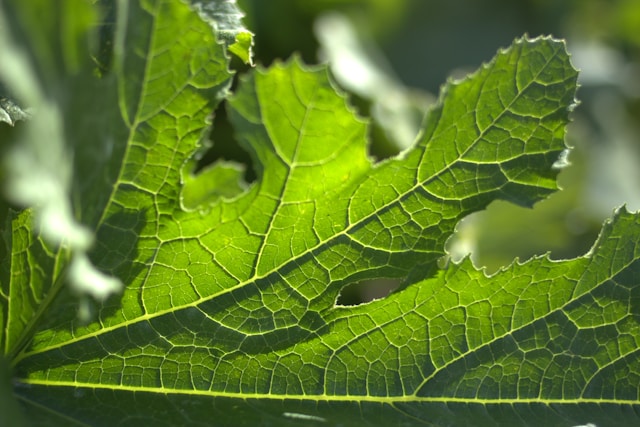
Commercially, properly dried Verbascum Leaf is usually light green, grey-green, or greenish-silver in appearance depending on harvest stage and drying method. The leaf has a natural fuzzy texture because of its surface hairs. This characteristic helps identify the plant but also affects processing, especially where the buyer needs a clean and user-friendly tea or infusion ingredient. The product should not smell moldy, stale, smoky, or fermented. It should carry a mild, herbaceous aroma consistent with a dried botanical leaf.
The product is rarely traded fresh in international commerce. Drying is essential because it stabilizes the leaf for storage, allows it to be packed economically, and makes shipment over distance practical. Once dried, the herb can be left relatively whole, rubbed down, cut into a tea-grade fraction, or milled further depending on the order specification. This flexibility makes Verbascum Leaf useful across different buyer categories, but it also means a supplier must understand the requested commercial form clearly.
Another important point is that Verbascum Leaf is not usually bought for the same reasons as common culinary herbs. It sits more firmly in the herbal wellness and traditional plant product category. The buyer profile is therefore different. Instead of seasoning companies, the typical customer may be a herbal tea manufacturer, a wellness brand, a botanicals distributor, an herbal apothecary supplier, or a natural product repacker. That difference influences everything from packaging expectations to documentation standards.
In the wider market, the herb’s commercial reputation is tied strongly to traditional wellness use, especially in respiratory-support positioning within herbal culture. Buyers do not all market or process it the same way, and responsible destination-market compliance still matters, but the traditional recognition of the herb is one reason it continues to attract interest globally.
For trade buyers, the key takeaway is simple. Verbascum Leaf is a specialty dried herb where botanical identity, appearance, moisture condition, cleanliness, and processing quality all matter. It is not enough for a seller to say they have mullein leaf. They should be able to show that the product is the correct material, prepared in a commercially suitable way, and backed by a level of documentation that matches the seriousness of the transaction.
How Verbascum Leaf Is Made / Processed
The commercial quality of Verbascum Leaf depends heavily on how the raw material is harvested, cleaned, dried, graded, and packed. Because it is a leaf product, it responds quickly to rough handling, poor drying discipline, and weak storage practices. Buyers who understand the process are usually better at spotting supplier weaknesses before placing a substantial order.
1. Harvesting the Correct Leaf Material
The process begins with correct plant identification and proper harvesting of the leaf. This sounds basic, but it is not a detail buyers should take for granted. Specialty herbs sold through loose supply channels can sometimes be mixed, misdescribed, or collected with too little botanical control. A serious supplier should be able to state clearly that the material comes from Verbascum thapsus and that the leaf portion being harvested matches the intended commercial use.
Harvest timing matters as well. Leaves collected too late, too early, or in poor field condition may not dry well or may show weaker visual appeal. In most practical settings, exporters and processors want leaves that are healthy, relatively clean, and suitable for drying without major discoloration or decomposition risk.
2. Initial Sorting and Field Cleaning
After harvest, the material should be sorted to remove soil, stones, damaged leaves, excessive stems, weeds, and unrelated plant matter. This stage is important because once a leafy herb becomes heavily mixed with foreign material, recovery becomes harder and more expensive. Good field handling also helps preserve leaf structure and reduces excessive dust generation later in the chain.
Where collectors or workers are careless, the lot may already lose value before drying even begins. Buyers should therefore ask whether sorting is done at collection stage, at processing stage, or both. The best answer is usually both, because early removal of unwanted matter improves final consistency.
3. Controlled Drying
The leaves then move into drying. This is one of the most critical stages for product quality. Drying may be done in shade, in covered airflow systems, or using low-temperature mechanical methods depending on the processor’s capacity and the commercial grade being targeted. The objective is to bring moisture down to a stable level without scorching the material or leaving hidden dampness inside the batch.
Leafy herbs are especially vulnerable here. If dried too aggressively, the product may darken and become brittle. If dried too slowly or packed too soon, mold risk increases. If dried in an unhygienic area, the material may absorb dust, odors, or contaminants. Buyers should therefore ask not only whether the herb is dried, but how it is dried and under what kind of environmental control.
4. Rubbing, Cutting, or Milling
Once sufficiently dried, the product may be left as whole leaf or processed into the required grade. Some buyers want relatively whole or loosely rubbed leaf for premium herbal presentation. Others want cut-and-sifted material suitable for tea filling lines or blending systems. Some industrial users may request powder for formulation or extraction support.
The supplier should match this stage to the actual contract. Sending coarse leaf when the buyer wants tea-cut material creates operational problems. Sending overly dusty or heavily milled product when the buyer wants a visually attractive herb also creates complaints. This is why the commercial form must be defined before production is finalized.
5. Sieving and Final Cleaning
After size reduction or grading, the herb is usually screened or sieved to remove excess dust, overly large fragments, heavy stems, and remaining foreign particles. For many buyers, this stage is a strong indicator of supplier seriousness. A supplier that invests effort in final cleaning is more likely to understand export expectations than one that simply fills bags with whatever came out of the drying area.
Cleaned lots generally store better, blend better, and perform better in downstream production. They also reduce the likelihood that the importer will need to spend time and money reworking the product after arrival.
6. Batch Review and Quality Checks
Before packing, the material should be reviewed for moisture, appearance, odor, cleanliness, and where necessary, microbiological condition or other laboratory parameters required by the buyer. Not every buyer requests the same testing panel, but professional herb trade increasingly depends on more than visual acceptance alone. Especially where the product is entering regulated markets, buyers often need at least a basic quality assurance file.
Batch coding and traceability also matter. Even when the supply chain is relatively simple, a supplier should be able to identify which lot was packed, when it was packed, and from which procurement or harvest batch it originated. This helps protect both parties if later questions arise.
7. Packing and Storage
The final stage is packing the product in suitable materials with adequate moisture protection and then storing it correctly until shipment. The packaging should be clean, dry, and strong enough for the selected transport mode. Most buyers prefer food-contact-appropriate liners inside an outer sack or carton. The material should then be stored in a cool, dry environment away from direct sunlight, pests, excess humidity, and strong odors.
For Verbascum Leaf, this final stage is especially important because dried herbal leaves can deteriorate quietly if storage conditions are poor. A lot that looked acceptable at packing can become a problem by the time it arrives if the warehouse environment is damp or the packaging is weak. Good suppliers understand that storage is part of product quality, not a separate issue.
What Is Verbascum Leaf Used For?
Verbascum Leaf has a range of commercial applications within the herbal and botanical trade. The exact use determines what quality features matter most, which is why importers should always define the end use clearly before sourcing in bulk.
1. Herbal Tea Production
One of the most common uses of Verbascum Leaf is in herbal tea production. It may be sold as a single-herb tea or blended with other botanicals in wellness formulations. Buyers serving this segment usually want low-dust, visually clean, and moderately uniform material that infuses well and presents acceptably in retail tea formats.
2. Botanical Wellness Blends
Many brands use Verbascum Leaf as one component in larger botanical wellness products. These may be sold in loose form, sachets, pouches, capsules, or other plant-based formats. In such products, the herb contributes both functional identity and traditional recognition, making it attractive to formulators building herbal portfolios around established plant ingredients.
3. Raw Material for Repacking
Botanical wholesalers and natural product retailers often purchase Verbascum Leaf in bulk and repack it into smaller consumer-ready packs. In this channel, appearance and consistency matter a great deal because the product often remains visible to the end buyer. A shipment that contains too much dust, darkened leaf, or visible contamination can damage retailer confidence quickly.
4. Input for Herbal Extraction
Some processors purchase the dried leaf as raw input for extraction or other industrial processing. In that case, the aesthetic standard may differ slightly from premium retail leaf, but identity, dryness, cleanliness, and contaminant control remain important. Extract buyers often focus closely on raw material reliability because poor input quality can disrupt processing yields and product consistency.
5. Traditional Herbal Supply Channels
In many markets, Verbascum Leaf continues to move through traditional herbal channels where consumers already know mullein by name. These channels may include herbal stores, specialty wellness retailers, apothecary-style suppliers, and natural remedies distributors. Even where the trade language is more traditional, serious buyers still expect modern handling and commercially safe supply practices.
6. Ingredient for New Wellness Concepts
Newer wellness brands sometimes use Verbascum Leaf in tea kits, seasonal herbal bundles, clean-label plant collections, or thematic natural support products. This type of buyer may pay close attention to product story, origin explanation, and the visual character of the material. For such customers, supplier communication becomes almost as important as raw price.
Health Benefits of Verbascum Leaf
Verbascum Leaf is commercially important partly because of its long-standing place in traditional herbal use. Buyers and marketers should still communicate carefully and remain aware of destination-market regulatory rules, but it is useful to understand the benefit language that drives commercial interest around the product.
1. Traditionally Associated with Respiratory Support
The most widely recognized market association for Verbascum Leaf is its traditional use in respiratory-support herbal practice. This historical reputation is a major reason it remains visible in tea blends, herbal product lines, and botanical wellness ranges. For many buyers, this association is central to the product’s commercial appeal.
2. Valued in Soothing Herbal Infusions
Verbascum Leaf is often seen as a mild herb within the herbal tea category, which makes it useful in soothing and comforting infusion concepts. This gentle profile is one reason tea blenders continue to include it in products designed around traditional wellness and plant-based simplicity.
3. Supports Multi-Herb Formulation Flexibility
From a formulator’s perspective, one practical benefit of Verbascum Leaf is that it combines well with a range of other herbs. This makes it useful for brands that build broad botanical blends rather than relying on a single dominant ingredient. Its flexible place in blends adds to its commercial usefulness.
4. Strong Recognition in Traditional Wellness Markets
Some herbs create demand because of active market education. Others benefit from long-standing consumer familiarity. Verbascum Leaf belongs more to the second category. In many herbal circles, mullein is already recognized as a traditional herb, and that familiarity gives brands and distributors a useful starting point when positioning the product.
5. Attractive for Clean-Label Botanical Storytelling
Modern consumers often respond well to products that appear simple, plant-based, and rooted in tradition. Verbascum Leaf fits neatly into that style of botanical storytelling. This gives it commercial value even beyond its technical application as a dried herb. It becomes part of a broader clean-label and natural wellness narrative.
6. Helps Buyers Diversify Herbal Product Ranges
For wholesalers, distributors, and herbal retailers, another practical advantage is product diversification. Verbascum Leaf allows buyers to expand beyond highly saturated mainstream herbs while still offering a plant with real market recognition. That balance between familiarity and niche appeal can be commercially valuable.
Side Effects of Verbascum Leaf
Buyers should understand that responsible herbal trade includes discussing product limitations as well as product appeal. Verbascum Leaf is a traditional herb, but that does not remove the need for realistic handling of potential concerns. Commercially, cautious communication protects both the supplier and the buyer.
1. Fine Leaf Hairs Can Affect User Experience
One of the best-known characteristics of mullein leaf is its hairy surface. If the material is not processed appropriately for the intended use, these fine hairs can affect user comfort in crude preparations. This is one reason why processing, filtering, and grade selection matter. The plant’s natural structure should be respected during product development and use.
2. Sensitivity or Allergic Reaction Is Possible
As with many botanical products, some individuals may experience sensitivity during handling or use. This does not make the product unsuitable for trade, but it does mean sellers should avoid presenting it as universally problem-free. Responsible labeling and reasonable user guidance remain important in consumer-facing channels.
3. Poorly Dried Product Can Present Safety Risks
Many problems associated with herbal products are actually supply-chain problems rather than plant problems. If Verbascum Leaf is packed with too much moisture, exposed to damp storage, or shipped in weak packaging, microbial issues and quality deterioration can follow. Buyers must therefore treat drying and storage standards as safety issues, not just appearance issues.
4. Botanical Misidentification Is a Real Trade Risk
Because specialty herbs often move through fragmented sourcing chains, there is always some risk of botanical confusion where the supplier is weak. This is especially relevant in informal markets where common names are used loosely. Importers should never rely on trade name alone when buying in commercial quantity.
5. Weak Marketing Claims Can Cause Regulatory Problems
Even if the herb has a long traditional history, destination-market rules may restrict how benefits are described. Buyers and brands should be careful not to convert traditional herbal use into unsupported therapeutic claims. A well-sourced product can still become commercially problematic if the marketing language is careless.
6. Some Consumer Groups Require Extra Caution
As with many herbal products, more cautious positioning is generally advisable for pregnant users, nursing mothers, people on medication, or individuals with existing health conditions. From a commercial perspective, this means importers and marketers should think not only about supply quality but also about product stewardship after sale.
Top Producing & Exporting Countries of Verbascum Leaf
Verbascum Leaf is produced and traded through regions with established medicinal and aromatic plant activity, especially where mullein grows naturally or where botanical processing networks already exist. Because it is a specialty product, trade may involve both wild collection and organized cultivation depending on origin.
1. Albania
Albania is well known in the wider medicinal and aromatic plants trade and is frequently associated with specialty herbs collected or processed for European buyers. Buyers often explore this origin because of its wider herbal trade experience and regional supply networks.
2. Bulgaria
Bulgaria has a longstanding reputation in botanical and aromatic plant export. It remains relevant for buyers seeking herbs from Eastern Europe where drying, cleaning, and processing knowledge already exists within the wider herb trade.
3. Turkey
Turkey continues to be an important hub for herbs, spices, and plant-based raw materials. Its export infrastructure and broad agricultural trade network make it relevant for buyers seeking flexible supply options for specialty botanicals.
4. Poland and Other European Processing Hubs
Not all trade flows originate in the same country where the herb is collected. In some cases, countries such as Poland become visible because of reprocessing, cleaning, warehousing, or redistribution into wider European channels. Buyers should therefore distinguish between origin country and supply hub.
5. India
India is a major global participant in herbal ingredient trade and processing. Even where mullein is not thought of as a signature Indian botanical, Indian exporters can still appear in the market because they handle broad herb portfolios and have established experience serving international buyers.
6. United States and Smaller Premium Origins
The United States also has smaller-scale growers and specialty herbal suppliers, especially in premium, niche, and organic markets. While these supply channels may not always compete on bulk price, they can matter in higher-value segments where traceability or domestic processing is emphasized.
Top Importing Countries of Verbascum Leaf
Import demand for Verbascum Leaf is strongest in countries with developed herbal tea, botanical wellness, natural products, and traditional herb retail markets. The trade may be fragmented, but certain destination markets remain especially important.
1. United States
The United States is one of the most important destination markets for herbal raw materials, dietary supplement ingredients, natural product blends, and tea botanicals. Mullein has broad recognition in herbal retail there, making the market highly relevant for exporters who can meet documentation and quality expectations.
2. Germany
Germany has deep consumer familiarity with herbal teas and plant-based wellness products. Buyers in this market often focus strongly on quality documentation, clean processing, and regulatory alignment, which makes it attractive but demanding.
3. United Kingdom
The UK remains an active market for specialty herbs, herbal teas, and wellness-oriented natural products. Consistency and dependable replenishment tend to matter as much as raw price, especially for buyers operating branded retail lines.
4. Canada
Canada’s natural health and herbal tea sectors make it an important importer of specialty botanical ingredients. Buyers often expect good traceability and practical compliance support, especially where repacking or consumer-facing labeling is involved.
5. France
France has an established culture around herbal infusions and botanical products, which supports demand for recognized traditional herbs. Buyers here may pay close attention to residue concerns, presentation quality, and professional supplier conduct.
6. Netherlands and Other Distribution Gateways
Some countries function not only as consumption markets but also as logistics gateways. The Netherlands is important in that sense because shipments entering there may later move onward into other European markets through distribution and warehousing networks.
How To Safely Source for Your Verbascum Leaf Produce
Safe sourcing for Verbascum Leaf begins with discipline. Buyers who assume all mullein leaf is commercially similar usually discover the opposite once samples arrive. The safest sourcing approach is built around verification, specification, and practical caution long before final payment is made.
1. Confirm the Botanical Name Before Discussing Price
The first step is identity confirmation. Ask the supplier to state clearly that the product is Verbascum thapsus. Do not let the conversation remain at the level of common names only. If the supplier cannot answer directly on botanical identity, that is a serious warning sign.
2. Define the Exact Product Form
Buyers should clarify whether they want whole leaf, rubbed leaf, cut-and-sifted leaf, tea-cut grade, or powder. A surprising number of sourcing misunderstandings come from product-form assumptions rather than from actual fraud. Clear grade language reduces confusion and improves price comparability.
3. Request Current Photos and Batch Video
Fresh images help, but short video is often even better. Video makes it easier to judge handling conditions, packaging, color consistency, and whether the lot actually exists in the form described. For leafy herbs, this visual confirmation can save time and filter out weak suppliers quickly.
4. Ask About Harvest and Supply Model
Is the product wild collected, cultivated, or mixed source? Is the supplier processing the material directly or buying from collectors? These questions matter because they affect batch consistency, traceability, and sometimes price. A supplier who understands their own chain clearly is easier to work with than one who speaks vaguely about sourcing.
5. Review Moisture, Foreign Matter, and Dust Tolerance
Buyers should not assume acceptable moisture or cleanliness levels. These should be discussed explicitly. Ask about moisture range, stem content, visible foreign matter, and dust level. A leafy herb can look fine in a general photo while still being commercially unsuitable once opened and handled.
6. Insist on a Representative Sample
For specialty herbs, a representative sample is one of the strongest protections available to the buyer. It should reflect the actual lot style to be shipped, not a carefully selected premium handful prepared just for the inquiry. Samples should be checked for cut size, cleanliness, odor, color, dust, and overall suitability for the intended use.
7. Consider Third-Party Testing Where Needed
Where the destination market is quality-sensitive or regulated, buyers may choose to test the sample for moisture, microbiology, heavy metals, pesticides, or other parameters relevant to the product category. Not every order requires the same level of testing, but the more demanding the market, the less wise it is to rely on visual inspection alone.
8. Review Drying and Storage Practices
Ask how the product is dried and how it is stored before shipment. Shade drying, controlled drying, and hygienic warehouse storage generally produce more stable commercial results than loosely managed exposure methods. A damp or poorly ventilated storage environment can quietly damage product quality even after the leaf was initially dried well.
9. Examine the Packaging Standard Carefully
Packaging must be treated as part of the product. Ask about inner liners, outer packing material, pack weight, labeling, palletization if relevant, and suitability for sea or air shipment. A good herb packed badly can still arrive in compromised condition.
10. Verify Documentation Early
Buyers should ask early whether the supplier can provide invoice, packing list, certificate of origin, phytosanitary support if required, and any quality documents or analysis reports needed for the destination market. Documentation problems are easier to solve before payment than after cargo arrival.
11. Put the Specification in Writing
All major details should appear in writing. That includes botanical name, commercial form, moisture expectation, packaging format, quantity, price basis, shipment timeline, and required documents. Verbal assurance has limited value once a dispute begins. Written clarity protects both sides.
12. Use Pre-Shipment Review for Larger Orders
When order size justifies it, a pre-shipment inspection or quality review before dispatch can help confirm that the packed goods match the approved sample and contract terms. This step is particularly useful when working with a new supplier or a specialty herb that has visible grade sensitivity.
13. Start with a Trial Shipment if the Supplier Is New
Even a strong-looking supplier should usually be tested with a manageable first order. A trial shipment reveals much more than a sales conversation. It shows how the supplier performs under real commercial conditions, including communication, document accuracy, packing discipline, and shipment follow-through.
14. Evaluate Supplier Communication as a Risk Indicator
Suppliers often reveal their reliability through communication quality. Serious exporters answer clearly, provide specifications directly, and do not become evasive when technical questions arise. Confused or inconsistent communication before payment usually signals greater problems later.
15. Understand the Rules of Your Destination Market
Importers should never assume the supplier fully understands destination-market regulatory limits, labeling rules, or acceptable benefit language. It is the buyer’s job to know what is required at the point of entry and in final market use. Good sourcing combines strong supplier control with strong importer preparedness.
Where To Find Reliable Exporters for Verbascum Leaf
Reliable exporters are usually found by focusing on capability rather than on the cheapest visible offer. In specialty herb trade, the most dependable suppliers are often those already active in medicinal and aromatic plant commerce, because they are more likely to understand cleaning, drying, traceability, export packing, and lot-based documentation.
Trade fairs, herb and ingredient directories, botanical sourcing networks, and specialist B2B platforms can all be useful starting points. However, none of these should be treated as proof of reliability on their own. A polished profile or professional website is only a lead source. The real validation comes from sample quality, documentation readiness, responsiveness, and the supplier’s ability to define the product accurately.
Another practical route is to work with exporters who already serve tea blenders, herbal product brands, natural ingredient distributors, or contract packers. Suppliers that support these buyer groups tend to understand the difference between a general commodity enquiry and a real quality-sensitive herb order. They are also often better prepared for repeat supply planning.
Buyers may also find reliable exporters through referrals from existing importers, freight forwarders familiar with herb cargo, botanical consultants, or ingredient brokers. Referral-based sourcing can be especially valuable in niche categories where public listings do not always tell the full story of supplier performance.
In practice, the most promising exporters are usually the ones who can do several things well at once. They can identify the product correctly. They can explain the grade clearly. They can send a representative sample. They can discuss moisture, packaging, and shipment terms without confusion. They can provide documents without last-minute improvisation. These are the suppliers that deserve serious attention.
For buyers who want reduced sourcing friction, it is often wise to work with an export partner that understands both the commodity side and the buyer side of the transaction. A strong trade partner helps align specifications, quality expectations, logistics, and documentation before the order becomes complicated. In specialty herbs, that support can be more valuable than saving a small amount on the initial price.
International Price of Verbascum Leaf Per Metric Ton
The international price of Verbascum Leaf is influenced by origin, grade, cleaning level, moisture condition, lot size, certification, and the seriousness of documentation support. Because it is a specialty botanical rather than a fully standardized bulk commodity, pricing can vary more than first-time buyers often expect.
As a practical trade guide for 2025 to 2026, conventional bulk Verbascum Leaf may trade roughly in the range of US$4,700 to US$9,400 per metric ton for standard commercial export grades, depending on origin and quality level. Material at the lower end of that range is more likely to be basic bulk product with limited processing, lighter documentation, or larger industrial-style volumes. Material at the higher end is more likely to be cleaner, more carefully graded, better packed, or sold into more demanding botanical channels.
Premium grades, organic supply, residue-conscious lots, or smaller-batch specialty presentations can price above that range. At the same time, quotations below the normal commercial range should be reviewed carefully because they may reflect lower cleanliness, weaker identity control, poor packaging, or limited documentation support rather than genuine sourcing efficiency.
Buyers should also think in landed-cost terms rather than source-price terms only. Because dried leaf material is relatively light and can be volume-sensitive in freight planning, the practical shipping configuration affects the real cost. A slightly higher-priced supplier with better packing density, lower rejection risk, and stronger documentation may produce a better commercial outcome than a cheaper supplier whose cargo creates problems after arrival.
The safest way to interpret price is therefore to read it together with specification. A quote should be judged against product form, cleanliness, moisture, batch consistency, packaging method, testing support, and documentary readiness. That is the only meaningful way to compare competing offers in this category.
Request a Quote or Speak With Our Team About Verbascum Leaf
Ready to source Verbascum Leaf with confidence? Submit your RFQ for detailed specifications and formal quotations, or chat on WhatsApp for fast responses and quick clarification.
How To Pay For Your Verbascum Leaf Produce
Payment terms should match the size of the order, the history between the parties, and the buyer’s confidence in the supplier’s documentation and quality systems. Because Verbascum Leaf is a specialty herb, structured payment is especially important.
1. Telegraphic Transfer for Small Trial Orders
For initial trial volumes, telegraphic transfer is often used. This may involve a deposit before production or packing and the balance against agreed shipping documents. Where the order is small and the supplier has already provided an approved sample, this can be commercially practical.
2. Letter of Credit for Larger Transactions
For bigger or more sensitive orders, a letter of credit can help impose discipline on the transaction. It requires clarity around documents, shipment timing, and contractual performance. Although it adds some banking cost and process complexity, it can be worthwhile when the order value is substantial.
3. Split-Payment Structures
Some buyers prefer a staged arrangement, such as part payment on confirmation, another portion after lot approval, and the final balance against documents. This can work well where both parties want a balanced sharing of risk without relying entirely on a single payment trigger.
4. Escrow or Platform-Based Protection
Where available, some buyers may use protected settlement systems for early-stage relationships. This is more common for moderate-size transactions on supported trade platforms. It is not suitable for every deal, but it can help reduce uncertainty when a new supplier relationship is still being tested.
5. Never Pay Against Vague Assurances
Whatever payment structure is used, it should be tied to clearly defined milestones such as sample approval, packing confirmation, inspection result, or document availability. Payment should not rest on unclear verbal promises. Specialty herb trade works best when the commercial basis is explicit.
6. Watch for Irregular Banking Requests
Buyers should be cautious if a supplier suddenly requests payment to a personal account, changes banking details without proper explanation, or asks for funds to be routed through unrelated third parties. These warning signs should be resolved fully before money is transferred.
Shipping & Delivery Terms
Shipping terms for Verbascum Leaf should be structured in a way that protects product quality while keeping the transaction commercially manageable. Because the product is dry, relatively light, and quality-sensitive, good logistics planning makes a meaningful difference.
1. EXW for Buyers with Strong Origin Control
Ex Works may suit buyers who already have trusted collection, forwarding, and export management at origin. It provides more buyer control but also places more operational responsibility on the importer or their agent. This is usually best for experienced buyers.
2. FOB for Standard International Trade
Free On Board is often a practical structure for regular commercial orders. The supplier handles export-side preparation and delivery to port, while the buyer controls the main carriage. Many experienced importers prefer this because it gives them visibility over freight selection and shipping coordination.
3. CIF for Simpler Freight Management
Cost, Insurance, and Freight can be useful where the buyer wants a more bundled offer. The supplier arranges freight and insurance to the destination port, reducing some logistics workload for the buyer. However, the buyer should still confirm exactly what charges remain payable after arrival.
4. Air Freight for Samples and Urgent Orders
For samples, trial packs, or urgent small-volume orders, air freight may be the most practical option. It costs more per kilogram than sea freight, but the faster transit time may justify the expense for time-sensitive commercial needs.
5. Sea Freight for Bulk Commercial Volumes
For larger quantities, sea freight is typically more economical. In sea shipment, packaging integrity and moisture protection become even more important because the cargo will face longer transit periods and more variable environmental conditions.
6. Agree on Lead Time Realistically
Buyers should not assume every lot can be packed immediately. Specialty herbs may require time for aggregation, sorting, cleaning, drying adjustment, or laboratory review. A realistic shipment schedule usually produces a better result than pushing the supplier into rushed dispatch.
7. Plan Destination Handling in Advance
Arrival is not the end of the job. The buyer should already have customs clearance, warehouse receiving, quality check, and onward storage plans in place. A product that arrives in good condition can still be compromised by poor handling after landing.
Our Typical Trade Specifications For Verbascum Leaf
Trade specifications for Verbascum Leaf vary depending on destination market and intended use, but serious transactions usually revolve around a clearly defined commercial standard. The figures below represent a typical trade-oriented framework rather than a universal legal standard.
| Specification Item | Typical Trade Range / Requirement |
|---|---|
| Product Name | Verbascum Leaf / Mullein Leaf |
| Botanical Name | Verbascum thapsus |
| Product Form | Whole dried leaf, rubbed leaf, cut-and-sifted leaf, tea-cut grade, or powder as agreed |
| Color | Natural light green to grey-green, appropriate to drying style and grade |
| Odor | Characteristic mild herbal odor, free from off-notes |
| Moisture | Typically 10% to 12% maximum, or as contractually agreed |
| Foreign Matter | Low and within agreed tolerance |
| Stem Content | Controlled according to grade and end use |
| Dust Content | Within agreed tolerance for buyer application |
| Microbiological Standard | As required by destination market or buyer specification |
| Pesticide / Residue Status | As requested by buyer or required by regulation |
| Heavy Metals | As requested by buyer or required by regulation |
| Packing | Food-grade inner liner with strong outer sack or carton |
| Shelf Life | Usually 18 to 24 months under proper storage conditions |
| Storage Condition | Cool, dry, clean area away from sunlight, odors, pests, and humidity |
Expected Shipping Documents
The exact shipping document set for Verbascum Leaf depends on destination-market rules, shipment mode, and commercial terms, but serious export transactions should come with a coherent file of core documents. Buyers should clarify these requirements before final payment and before cargo dispatch.
1. Commercial Invoice
The commercial invoice should describe the product clearly and consistently, including product name, quantity, value, seller details, buyer details, and agreed shipment terms. The wording should align with both contract terms and customs expectations.
2. Packing List
The packing list should show how the cargo is arranged, including number of bags or cartons, weights, and where relevant, lot references. This document is important for both customs handling and warehouse receiving.
3. Bill of Lading or Air Waybill
This is the core transport document. Sea freight shipments will generally use a bill of lading, while air shipments use an air waybill. Buyers should verify that shipment details on the transport document match the invoice and packing list.
4. Certificate of Origin
Many buyers require a certificate of origin for customs treatment, internal procurement policy, or trade preference reasons. The supplier should know whether this is needed and how it will be obtained.
5. Phytosanitary Certificate
Because Verbascum Leaf is a plant-based agricultural product, some destination markets may require a phytosanitary certificate or related plant health documentation. This should be clarified early in the transaction rather than left until the cargo is already packed.
6. Certificate of Analysis
Where quality parameters are part of the contract, buyers may require a certificate of analysis showing moisture or other agreed test results. In more demanding channels, microbiological and contaminant reports may also be requested.
7. Inspection or Treatment Documents Where Applicable
Some shipments may also require inspection records, fumigation-related paperwork, or other supporting documents depending on buyer policy and destination rules. These should be discussed in advance, not improvised later.
8. Insurance Evidence Where Included in the Sale
If insurance is part of the agreed delivery term, the buyer should receive the relevant insurance evidence as part of the shipment document package. This is especially relevant under CIF or similar arrangements.
Verbascum Leaf may be a niche product in some markets, but the trade principles around it are straightforward. Buyers who verify identity, define grade clearly, request representative samples, insist on practical documentation, and work with disciplined suppliers usually achieve better commercial outcomes. In herbal trade, the safest buying decisions are rarely the most hurried ones. They are the ones built on product understanding, written clarity, and consistent supply control.
Request a Quote or Speak With Our Team About Verbascum Leaf
Ready to source Verbascum Leaf with confidence? Submit your RFQ for detailed specifications and formal quotations, or chat on WhatsApp for fast responses and quick clarification.