

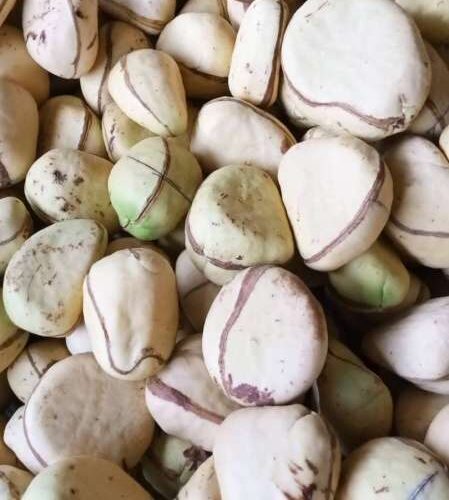
White Kola Nut is one of the most commercially recognized variants of kola traded across West Africa and into select international markets. In practical trade language, many buyers use the term to distinguish lighter-coloured kola nuts from red or mixed lots, especially when product presentation, cultural preference, chewing quality, and market familiarity matter. In Nigeria, White Kola Nut is known in traditional markets, regional redistribution chains, and specialty export channels, and it remains a product with both cultural depth and commercial value.
For importers, wholesalers, produce merchants, ethnic store distributors, herbal raw material buyers, and regional commodity traders, White Kola Nut sits in an interesting category. It is not a mass-market industrial nut in the same way cashew or almond is traded. It is also not just a ceremonial item. It is a specialty agricultural commodity with real demand, but one that must be sourced carefully because quality varies widely depending on variety, freshness, grading, storage condition, and post-harvest handling.
Many first-time buyers make the mistake of assuming that White Kola Nut is easy to procure as long as a supplier can show photographs and quote a price per metric ton. In reality, the difference between a commercially successful shipment and a problematic one often comes down to details that were ignored too early. Buyers need to know whether the lot is truly white kola or simply mixed kola presented selectively. They need to know whether the nuts are fresh, semi-cured, or dried. They need to know whether the supplier understands export-grade sorting, moisture management, packaging suitability, and documentation readiness. Without those details, the risk of shrinkage, spoilage, or destination rejection increases quickly.
White Kola Nut also remains relevant because it bridges several markets at once. It serves ceremonial and cultural demand within West Africa and among diaspora communities. It supports direct chewing markets where appearance, bite quality, and stimulant value matter. It also enters herbal and specialty botanical trade where buyers care about identity, consistency, and cleanliness. Because of this wide market base, the commodity continues to attract trade attention even though it is not always visible in mainstream global nut discussions.
In Nigeria and surrounding producing regions, White Kola Nut usually moves through a network that includes farmers, orchard owners, harvesters, local collectors, aggregators, market wholesalers, cross-border traders, and exporters. The quality of a shipment can depend on which part of that chain is strongest and which part is weakest. A good orchard source can still produce a bad export lot if the nuts are badly stored. A well-packed shipment can still disappoint if the goods were poorly sorted before loading. That is why experienced buyers approach White Kola Nut not as a casual purchase, but as a trade operation that requires specification discipline.
For businesses that want to source White Kola Nut from Nigeria or West Africa, the real question is not only how much it costs. The more important question is how to get the right grade, in the right condition, with the right packaging, under the right delivery terms, from a supplier who can actually perform. That is the commercial logic behind this guide.
In the sections below, we will break down what White Kola Nut is, how it is processed, what it is used for, its health-related value and possible side effects, the major producing and importing countries, how buyers can source it safely, where reliable exporters may be found, how international price ranges are typically discussed, how payment terms are usually structured, what shipping arrangements are common, what trade specifications buyers often request, and which shipping documents should be expected in a properly handled export transaction.
For any buyer who wants repeatable results rather than one-off luck, White Kola Nut should be approached with the same seriousness applied to any specialty export commodity. When the product is right, the supplier is competent, and the trade terms are clear, it can be a commercially attractive item for both regional and international markets.
Trade Overview of White Kola Nut
White Kola Nut refers to a commercially preferred kola nut presentation, commonly associated with lighter-coloured nuts from kola species such as Cola nitida and, in some contexts, Cola acuminata. In market language, buyers usually distinguish White Kola Nut from red kola or mixed kola lots because colour, visual appeal, and cultural preference can influence demand. In Nigeria, the product is traded in farm belts, produce markets, inter-state distribution channels, border trade routes, and specialty export supply chains.
Commercially, White Kola Nut is best classified as a specialty nut and botanical trade commodity. It is not simply bought and sold by weight alone. Product form, freshness, sorting, firmness, cleanliness, and storage history all play a major role in determining whether a consignment is accepted easily or becomes a complaint issue. Buyers serving chewing markets often prefer visually attractive whole nuts with minimal damage. Buyers serving herbal and ingredient channels may accept a slightly different commercial profile, but they still require clean, consistent, correctly identified lots.
The Nigerian market remains one of the most important commercial references for White Kola Nut because Nigeria is deeply linked to kola cultivation, local consumption, regional trade, and cultural use. However, buyers should understand that local market familiarity does not automatically translate to export readiness. A trader may know how to source kola from a market but still lack the discipline needed to sort, pack, document, and ship it properly for overseas delivery. That is why the best suppliers are those who combine origin access with export competence.
For many importers, White Kola Nut is attractive because it carries cultural demand, stimulant value, and specialty botanical relevance all at once. At the same time, it can become risky if moisture, mould, pest exposure, or weak grading are ignored. The safest commercial approach is to treat it as a high-attention product where quality control begins before quotation and continues until dispatch.
| Commodity Name | White Kola Nut |
|---|---|
| Botanical Name | Cola nitida and sometimes Cola acuminata, depending on origin and market description |
| Common Names | White Kola Nut, White Kola, Cola Nut, Kolanut |
| Nigerian Market Reference | Widely traded in kola-producing and redistribution markets across Nigeria, especially for domestic, regional, and specialty export demand |
| Product Forms | Fresh whole nuts, cured nuts, dried nuts, graded whole export lots, custom-packed trade lots |
| Main Commercial Uses | Direct chewing, ceremonial trade, traditional use, herbal raw material, specialty distribution |
| Trade Type | Domestic wholesale, regional West African redistribution, diaspora export, specialty botanical supply |
| Quality Drivers | Correct variety, white appearance, freshness, firmness, low moisture, low defects, mould-free condition, proper packaging |
| Typical Packaging | Woven sacks, lined sacks, cartons, ventilated cartons, buyer-specified export packs |
| Buyer Risks | Mixed-colour lots, poor storage, insect attack, moisture damage, inconsistent grading, weak documents |
Request a Quote or Speak With Our Team About White Kola Nut
Ready to source White Kola Nut with confidence? Submit your RFQ for detailed specifications and formal quotations, or chat on WhatsApp for fast responses and quick clarification.
What Is White Kola Nut?
White Kola Nut is a lighter-coloured commercial type of kola nut that comes from kola-bearing trees native to tropical Africa, especially species such as Cola nitida and Cola acuminata. In practical trade usage, buyers and traders often distinguish white kola from red kola because the market may prefer one over the other depending on cultural demand, handling tradition, and resale channel.
The product is best known for its stimulant character, which comes from natural compounds such as caffeine and related phytochemicals. For generations, kola nuts have been chewed in many West African communities, not only for stimulation but also for social, ceremonial, and hospitality purposes. White Kola Nut benefits from that same long market history and is often viewed as a trusted, recognizable product rather than a newly introduced commodity.
From a commercial standpoint, White Kola Nut is not a standardized global nut product with a single fixed grade. It can be sold fresh, semi-cured, or dried. It can be sorted carefully or packed as a mixed commercial lot. It can be intended for ceremonial resale, direct chewing, or botanical ingredient use. Because of this, two lots described as White Kola Nut may differ significantly in appearance, moisture, firmness, and market value.
For this reason, serious buyers should define White Kola Nut by specification, not by name alone. A reliable purchase request should state the desired colour profile, acceptable size range, moisture condition, defect tolerance, packing style, intended use, and shipment basis. Without that clarity, the buyer is not purchasing a defined commodity. The buyer is only purchasing a name, and that is where most avoidable sourcing problems begin.
In Nigerian market language, White Kola Nut is often treated as a familiar product with clear consumer recognition. That familiarity helps sustain domestic and regional demand. It also supports export opportunities to communities and buyers who already understand the commodity’s value. In other words, White Kola Nut is not difficult to explain to the right market. The real challenge is sourcing it well enough to meet commercial expectations.
How White Kola Nut Is Made / Processed
The commercial quality of White Kola Nut begins long before export packing. It starts in the orchard and continues through harvest, pod opening, separation, cleaning, curing or drying, sorting, grading, packing, storage, and dispatch preparation. Buyers who understand this usually ask not only where the nuts came from, but how they were handled at each stage.
1. Orchard Cultivation and Maturity
White Kola Nut comes from mature kola trees grown in tropical conditions suitable for kola production. The trees require time, climate stability, moisture, and appropriate agronomic attention before they produce commercially useful pods. The orchard environment matters because it affects pod health, seed size, and overall harvest quality.
For buyers, this stage matters mainly because orchard-linked sourcing usually produces better consistency than opportunistic market buying. A supplier connected to actual growing zones often has more control over variety and product condition than a trader who assembles mixed lots from open markets after the fact.
2. Harvesting the Mature Pods
When the pods reach maturity, they are harvested and prepared for opening. Harvest timing is important. If pods are picked too early, the nuts may be underdeveloped. If harvested too late or handled poorly, physical damage and early deterioration may occur. Buyers serving chewing or ceremonial markets especially care about intact whole nuts, so damage during harvest can reduce grade quickly.
A good exporter usually understands that harvest discipline affects final marketability. Even though the buyer may never see the orchard, the consequences of careless harvesting can show up later in the form of bruising, cracking, or weakened shelf life.
3. Pod Opening and Nut Extraction
After harvest, the pods are opened and the nuts are removed carefully. This stage should be done in a way that reduces breakage, contamination, and rough handling. Since White Kola Nut is often sold partly on visual quality, extraction damage is a real commercial issue.
In better-managed supply chains, extracted nuts are taken quickly into cleaning and sorting so that they are not left exposed unnecessarily to dirt, heat, or poor handling conditions. Speed and care here both contribute to better downstream quality.
4. Cleaning and Initial Separation
Once removed from the pod, the nuts are cleaned to remove plant residue and visible debris. Initial separation may also happen at this stage, especially where white nuts are being distinguished from red or mixed-colour nuts. Any clearly damaged, rotten, mouldy, or insect-affected nuts should be removed early.
For export buyers, this stage is one of the clearest indicators of professionalism. A supplier who cannot show evidence of actual sorting is unlikely to deliver consistent shipment quality. Good lots look sorted because they have been sorted.
5. Fresh Handling, Curing, or Drying Depending on Market Needs
Not every White Kola Nut buyer wants the same product condition. Some markets prefer fresher nuts with preserved chewing quality. Others prefer a more stable dried or semi-dried lot that can tolerate longer transit. A serious exporter should understand the target market before deciding how the goods will be handled after extraction.
Where drying is required, it must be controlled carefully. Overdrying may affect texture and acceptance in some resale channels. Poor drying creates a much bigger problem by allowing moisture retention, mould development, or spoilage during storage and transit. This is why moisture level is one of the most important points to verify before shipment.
6. Grading and Colour Selection
White Kola Nut is often sold based on its colour identity, so grading and colour selection are commercially important. Better suppliers separate white nuts from mixed or discoloured lots and may also grade by size and soundness. This is especially useful for buyers who need the product for direct consumer sale or ceremonial distribution, where uniform appearance adds value.
When a supplier claims to be offering White Kola Nut, the buyer should ask whether the lot is fully white, predominantly white, or mixed commercial grade. This simple question can prevent major disputes later.
7. Final Sorting and Defect Removal
Before packing, the supplier should perform a final review to remove broken nuts, soft nuts, mouldy nuts, stained pieces, and insect-damaged units. Defect control is part of export preparation, not an optional finishing step. If a shipment is loaded without disciplined final sorting, the buyer may end up paying premium money for mixed commercial waste.
This stage is also where the exporter should confirm that the approved sample still matches the actual stock to be loaded. Smart buyers insist on this alignment.
8. Packing for Local, Regional, or International Trade
White Kola Nut can be packed in woven sacks, lined sacks, cartons, ventilated cartons, or buyer-specified formats. Packaging should reflect the product condition and the route. Sea freight usually needs stronger moisture and compression management than quick local distribution. Air shipments may call for lighter but more protective packing for niche orders.
Packaging is not a minor detail. It affects airflow, physical protection, product integrity, and how well the goods survive handling. A supplier who says “we use normal bags” without understanding the route is not giving a satisfactory export answer.
9. Storage and Dispatch Control
After packing, the goods should be stored in a dry, clean, well-managed environment pending dispatch. Bad storage can destroy a good lot quickly, especially in humid climates. White Kola Nut should not be exposed to dampness, pest pressure, direct heat, or careless stacking.
Before shipment, buyers should ask for recent stock photographs, packing details, and where appropriate an inspection check so that dispatch quality reflects what was agreed at the quotation stage.
What Is White Kola Nut Used For?
White Kola Nut serves several demand channels at the same time, which is one reason it remains commercially relevant in Nigerian and regional trade and still finds export opportunities in niche global markets.
Direct chewing and stimulant use
One of the most common uses of White Kola Nut is direct chewing. Consumers who value the product often do so because of its stimulant effect and familiar traditional character. This channel depends strongly on freshness, firmness, and visual appeal, which is why well-sorted white lots can attract better buyer interest than mixed or lower-grade lots.
Ceremonial and hospitality use
In many West African communities, kola nut has ceremonial significance and plays a role in greetings, hospitality, marriages, meetings, and traditional events. White Kola Nut benefits from this cultural demand, especially where certain colours or presentations are preferred. This market helps support stable turnover outside purely industrial usage.
Regional trade and market redistribution
White Kola Nut is widely traded from production and aggregation centres into urban wholesale markets and neighbouring countries. This makes it an important redistribution commodity, particularly for traders who operate in West African corridors where consumer familiarity is already strong.
Herbal and ethnobotanical trade
Some buyers source White Kola Nut for traditional botanical markets, herbal raw material supply, or specialty wellness trade. In this segment, cleanliness, correct botanical identity, and low contamination risk become especially important. Buyers in this category are less tolerant of mixed or poorly stored stock.
Specialty ethnic grocery channels
Outside Africa, White Kola Nut may be sold through ethnic groceries, cultural goods stores, traditional product outlets, and diaspora-focused retailers. These channels often demand smaller lots, cleaner packaging, and more dependable documentation because the product is intended for direct retail movement.
Ingredient interest in specialty applications
Although modern large-scale cola beverage manufacturing no longer depends on raw kola nut in the traditional way, the commodity still attracts niche interest as a botanical ingredient. This tends to be a smaller, more specialized market, but it can support premium demand where buyers value authenticity and origin.
Health Benefits of White Kola Nut
White Kola Nut is widely recognized for its stimulant profile and traditional functional use. Buyers should still present any health-related claims responsibly and in line with destination-market rules, but the product remains commercially associated with several potential benefits.
1. It is commonly valued for alertness
Because White Kola Nut contains natural stimulants such as caffeine, it is widely used by consumers seeking wakefulness or improved alertness. This is one of the strongest reasons it remains commercially relevant in direct-use markets.
2. It is traditionally linked with reduced fatigue
Many users chew White Kola Nut when they want to stay active or mentally engaged. This traditional association with reducing tiredness is part of the product’s longstanding reputation and contributes to repeat demand in familiar markets.
3. It is associated with appetite and digestive support in traditional use
In some communities, kola nut is used before or after meals and is associated with digestive support or appetite-related effects. While claims should not be exaggerated in commercial marketing, this traditional usage helps explain why the product still attracts interest beyond its stimulant value alone.
4. It contains botanically interesting compounds
White Kola Nut contains caffeine and related phytochemicals that make it relevant to herbal and ethnobotanical trade. For some buyers, this phytochemical identity supports its appeal as a recognized traditional botanical raw material rather than just a culturally symbolic nut.
5. It offers strong consumer familiarity in traditional markets
One commercial benefit that should not be overlooked is recognition. White Kola Nut already has a known identity in its core markets. That reduces the amount of education required to sell it compared with unfamiliar botanicals. In many cases, the product already has a built-in user base.
6. It can support specialty product positioning
For distributors, herbal traders, and ethnic retailers, White Kola Nut has a strong story. It combines origin identity, cultural relevance, stimulant character, and traditional use. This helps it stand out in specialty channels where authenticity matters.
Side Effects of White Kola Nut
Like other stimulant-containing botanicals, White Kola Nut is not suitable for careless use, and its trade profile should be presented honestly. Responsible suppliers and distributors do not pretend the product has only advantages.
1. Excess consumption may cause overstimulation
Because of its caffeine content, heavy consumption may lead to restlessness, agitation, or a generally overstimulated feeling in some users. This is especially relevant for consumers who are sensitive to stimulants.
2. It may interfere with sleep
White Kola Nut can affect sleep quality when consumed late or in high quantity. Retailers and distributors serving consumer markets should avoid positioning it as harmless for unrestricted use.
3. Some users may experience stomach discomfort
Although kola nut is traditionally linked with digestive use in some settings, some consumers may experience irritation or discomfort depending on how much they consume and their personal tolerance. This variation is important in buyer-facing product communication.
4. It may not suit consumers avoiding caffeine
People who are limiting caffeine or who respond poorly to stimulants may not tolerate White Kola Nut well. This should be kept in mind by importers who sell into health-conscious retail or regulated markets.
5. Poor storage can create quality and safety concerns
A major risk in White Kola Nut trade is not only the natural effect of the nut itself, but also what happens when the product is poorly stored. Excess moisture, mould, insect activity, or contamination can turn a commercially useful lot into a liability. In this sense, supply-chain side effects are just as important as consumption-related ones.
6. Weak documentation can create shipment problems
For export buyers, incomplete plant-health documents, poor labelling, and vague product identity can create customs or compliance problems. That may not be a health side effect in the consumer sense, but it is a serious trade side effect that buyers should anticipate and manage.
Top Producing & Exporting Countries of White Kola Nut
White Kola Nut trade follows the broader kola nut production geography of tropical Africa, especially West Africa. Some countries are more visible in production, while others may show stronger performance in formal exports or cross-border redistribution.
1. Nigeria
Nigeria remains one of the most important commercial origins for kola nut and is a central reference point for White Kola Nut sourcing. The country has strong domestic familiarity with the commodity, active regional trade, and a broad network of market actors from growers to exporters. For many buyers, Nigeria is the first sourcing origin considered because of product access and cultural alignment.
2. Côte d’Ivoire
Côte d’Ivoire is also a major player in the kola nut trade and is often visible in international trade statistics. It remains commercially relevant for buyers looking at West African origin options beyond Nigeria.
3. Cameroon
Cameroon plays a meaningful role in both production and movement of kola nut within regional and export channels. For some buyers, it is a supplementary origin with useful market presence.
4. Ghana
Ghana contributes to the wider kola ecosystem and remains part of the regional supply landscape. It may not dominate every trade discussion, but it is still a useful origin to understand, especially for buyers sourcing within West Africa.
5. Sierra Leone and nearby producing areas
Smaller producing origins also feed the broader kola nut market. These may be especially relevant in regional trade, even if they are less visible in formal international export summaries.
Top Importing Countries of White Kola Nut
White Kola Nut moves into markets shaped by diaspora demand, regional African consumption, traditional use, and niche botanical trade. Formal import statistics often reflect the broader kola nut category rather than the white subtype specifically, but the same commercial destinations are highly relevant.
1. United States
The United States is an important destination because of diaspora retail demand, ethnobotanical interest, and specialty import channels. Buyers serving this market usually need stronger packaging, cleaner presentation, and proper documentation.
2. Burkina Faso
Burkina Faso is commercially important in the wider kola nut trade, especially through regional consumption and cross-border movement. This type of market matters greatly for suppliers focused on African redistribution rather than only overseas exports.
3. Italy
Italy appears as a relevant import destination in the wider kola nut trade picture, reflecting the role of ethnic commerce and specialized distribution networks in Europe.
4. Spain
Spain is another European market that can be relevant for diaspora-oriented and specialty agricultural imports. Like other EU markets, it tends to place more emphasis on documentation and clean supply.
5. Germany, Belgium, the Netherlands, and the United Kingdom
These countries can matter because of immigrant-community demand, specialty grocery trade, and botanical retail channels. Volumes may vary, but they remain commercially meaningful destinations for disciplined exporters.
6. Neighbouring West African markets
Several surrounding African countries also remain important destinations, particularly where kola consumption is already culturally embedded. In practice, these markets often move substantial volumes through regional channels whether or not every flow appears neatly in formal overseas trade data.
How To Safely Source for Your White Kola Nut Produce
Safe sourcing begins with specification clarity. White Kola Nut should never be bought on assumption alone. Before asking for a final quote, define whether you need fresh or dried stock, the colour standard you require, the acceptable size range, the maximum defect tolerance, the preferred packaging format, and the intended end use. A chewing market may reject what a herbal processor might accept. A ceremonial buyer may demand appearance that a bulk wholesaler can tolerate less strictly. Without a specification, the supplier will default to whatever stock is easiest to move.
Next, verify the supplier’s real source. Is the exporter sourcing from orchard-linked growers, from dedicated aggregators, or from open produce markets? There is no single correct answer, but the reliability of the answer matters. Suppliers with structured access to producing areas generally have better control over consistency than traders who buy opportunistically after receiving an order.
Then insist on a representative sample. This is not negotiable for serious buyers. A White Kola Nut sample should be evaluated for colour consistency, firmness, cleanliness, odour, visible defects, moisture stress, breakage, and evidence of pest activity. If the target market is appearance-sensitive, sample review becomes even more important. Buyers should also tie sample approval explicitly to shipment quality so that the supplier cannot later claim that the sample was “just an example.”
After the sample stage, ask detailed questions about sorting and grading. Is the lot fully white or predominantly white? Was colour selection done manually? What percentage of broken nuts is allowed? Are soft nuts removed? Is mould screening done before packing? A supplier who cannot answer these questions clearly is not ready for specification-driven export trade.
Storage verification is equally important. White Kola Nut can deteriorate quickly if kept in humid, pest-prone, or poorly ventilated conditions. Ask how long the current batch has been stored, what type of store is used, whether stock is kept off the floor, and whether the storage area is dry and protected. Recent stock photos and warehouse visuals can help support the supplier’s claims.
Packaging should also be settled before invoice approval. Sea shipments, air shipments, and regional truck shipments all create different risks. If you need lined bags, ventilated cartons, palletized units, printed labels, or buyer-specific markings, all of that should be agreed before packing begins. Many cargo issues do not start with the product itself but with packaging that was too vague or too weak.
Documentation should be reviewed before payment terms are finalized. At minimum, many buyers will need a commercial invoice, packing list, certificate of origin, and phytosanitary certificate where applicable. Depending on route and destination, additional inspection or fumigation support may also be needed. Ask early whether the supplier can provide these documents, not after the truck is already heading to the port.
Trade terms should also be written clearly. Does the seller’s quote cover goods at warehouse level only, or does it include delivery to port? Is the offer EXW, FOB, CFR, or CIF? What is the net weight basis? Who pays for inland haulage, port handling, customs processing, freight, and insurance? In specialty produce trade, misunderstandings around incoterms can destroy an otherwise profitable deal.
For new supplier relationships, payment discipline is essential. Avoid paying the full order value simply because the seller sounds confident. Many cautious buyers use staged payment structures linked to sample approval, packing completion, inspection, or dispatch readiness. The exact arrangement depends on trust level and deal size, but the basic principle is the same: payment should follow evidence, not only promises.
Where order volume justifies it, independent verification is wise. A pre-shipment inspection, warehouse check, or loading report can save far more money than it costs. This is especially useful for White Kola Nut because product identity and grade can vary so much from one lot to another. A good inspection confirms not only quantity, but also whether the actual cargo matches the agreed appearance and condition.
Finally, build supplier relationships gradually. A supplier who performs well on one shipment deserves continued consideration, but not blind dependence. Start with manageable volume, evaluate consistency, and scale only after repeat performance. Long-term reliability is more valuable than one attractive quote.
Where To Find Reliable Exporters for White Kola Nut
Reliable exporters are usually found through a combination of trade referrals, verified agricultural export networks, origin-country supplier screening, and direct engagement with experienced commodity handlers. Online listings can help identify prospects, but they should not be treated as proof of credibility.
One strong route is to work with exporters that already handle specialty Nigerian or West African agricultural products. These firms are more likely to understand grading, moisture control, plant-health paperwork, and shipment coordination than casual market traders. The best suppliers are often not the loudest advertisers. They are the ones who can answer detailed operational questions and provide evidence of readiness.
Trade referrals remain particularly useful in White Kola Nut sourcing. Buyers already importing ethnic foods, botanicals, or traditional goods often know which exporters are reliable and which are not. A referral backed by actual shipment history is usually safer than a cold offer from an unknown trader promising premium product at an unusually low price.
Export facilitation firms and commodity sourcing partners can also help, especially for first-time importers. A competent facilitator can verify stock, cross-check supplier claims, review samples, and help align quality expectations before money is committed. This is especially useful where the buyer is unfamiliar with local market structure in Nigeria or surrounding countries.
Whichever route is used, basic verification should still be done independently. Ask for company registration details, export history, warehouse visuals, sample capability, current stock evidence, trade references where available, and a clear explanation of packing and documentation process. In White Kola Nut trade, reliability is shown in how a supplier prepares and delivers, not in how attractive the initial sales message sounds.
International Price of White Kola Nut Per Metric Ton
The international price of White Kola Nut per metric ton depends on the same variables that shape the broader kola nut market, but with an added premium factor where white colour selection, cleaner presentation, and better sorting are required. In other words, White Kola Nut is often not priced exactly the same as an ordinary mixed kola lot, especially where the buyer wants a clear white grade suitable for resale or ceremonial channels.
Price is usually affected by origin, harvest period, product condition, colour consistency, freshness, moisture level, defect rate, packaging style, order volume, and delivery basis. A fresh, carefully selected white lot packed for a niche export buyer will not price the same way as a more general commercial lot intended for nearby regional redistribution.
For 2025 to 2026, a practical buyer range for export-oriented White Kola Nut is often discussed from roughly US$1,800 to US$3,500 per metric ton for commercially acceptable to premium sorted lots, while smaller specialty shipments and higher-specification orders may move above that range depending on route, handling requirements, and packaging detail. Lower-quality or loosely assembled market lots may quote below this level, but buyers should treat very low pricing carefully because it often reflects compromises in grading, freshness, documentation, or storage history.
When evaluating price, buyers should confirm whether the quote refers to fresh product or dried product, whether the lot is fully white or mostly white, whether broken and discoloured nuts have been minimized, and whether the price is EXW, FOB, CFR, or CIF. These details affect the true commercial value far more than the headline number alone.
Many buyers also underestimate how much packaging and logistics affect White Kola Nut landed cost. Because the product is relatively quality-sensitive, protective packing, inspection, freight, and destination handling can significantly change the final margin. The best buying decisions are made on landed value and resale suitability, not on the cheapest visible quote.
Request a Quote or Speak With Our Team About White Kola Nut
Ready to source White Kola Nut with confidence? Submit your RFQ for detailed specifications and formal quotations, or chat on WhatsApp for fast responses and quick clarification.
How To Pay For Your White Kola Nut Produce
Payment terms should reflect relationship history, order volume, and risk exposure. In specialty agricultural trade, a good product can still become a bad deal if payment is released without control.
For first orders, staged payment is usually safer
Many buyers prefer to structure first transactions around a deposit and balance system linked to real milestones. This may include sample approval, pack readiness, inspection result, or dispatch confirmation. The exact model varies, but the goal is the same: reduce exposure before evidence of performance is available.
Repeat suppliers may qualify for more flexible terms
Once a supplier has demonstrated consistency across multiple transactions, payment terms often become easier to negotiate. At that point, trust is being built on performance rather than only on sales claims.
Bank transfer remains standard in many export transactions
For many White Kola Nut export deals, bank transfer remains a common payment method. Buyers should verify the beneficiary details carefully and ensure the banking information matches the contracting business entity before any transfer is made.
Documentation should support every payment
No payment should be released without a clear proforma invoice that states product description, quantity, price basis, packaging format, delivery term, and seller identity. This paperwork trail is essential if any dispute later arises.
Larger orders may require more structured payment control
For larger consignments, some buyers prefer payment methods tied more closely to shipping documentation or controlled release structures. The right choice depends on the parties involved, but higher-value orders deserve stronger transaction discipline.
Shipping & Delivery Terms
White Kola Nut can move through regional African road routes, airfreight channels, and sea freight export systems. The right mode depends on volume, product condition, urgency, and margin tolerance.
FOB works well for buyers who control freight
Under FOB terms, the supplier prepares the goods and handles export-side delivery to the agreed port. The buyer then takes over freight and insurance responsibilities. This gives experienced importers greater control over logistics cost and carrier selection.
CIF may suit buyers who want a more bundled arrangement
Some importers prefer CIF because the supplier includes freight and insurance in the quote structure. This can simplify planning, especially for smaller or less experienced buyers, although the cost assumptions should still be reviewed carefully.
Airfreight is suitable for urgent or smaller specialty consignments
Where fast delivery is required, especially for niche orders or time-sensitive fresh product, airfreight may be commercially justified. The trade-off is cost. Buyers must be sure the destination market can carry that extra logistics burden.
Sea freight is more practical for tonnage orders
For larger commercial volumes, sea freight usually offers better cost efficiency. However, it also demands stronger attention to packing, moisture control, and transit protection because White Kola Nut must remain commercially acceptable through a longer journey.
Successful delivery starts before loading
Good shipping is not only about finding a vessel or flight. It starts with correct packing, strong documentation, sound product preparation, and clear communication between supplier and buyer. Many cargo problems begin in the warehouse, not at the port.
Our Typical Trade Specifications For White Kola Nut
The final specification always depends on buyer needs, but the following table reflects the kind of trade framework commonly discussed when White Kola Nut is being sourced professionally.
| Specification Item | Typical Trade Expectation |
|---|---|
| Product Name | White Kola Nut |
| Botanical Identity | Cola nitida and/or Cola acuminata as agreed |
| Product Form | Whole nuts, fresh or dried as specified |
| Colour Grade | White or predominantly white lot as agreed |
| Grade | Standard export grade or premium sorted grade |
| Size | Uniform commercial size or buyer-specified size range |
| Moisture Condition | Suitable for transport and storage under agreed trade conditions |
| Foreign Matter | Minimal and within agreed tolerance |
| Defect Tolerance | Low level of broken, mouldy, insect-damaged, or discoloured nuts |
| Odour | Characteristic, clean, free from mustiness or spoilage smell |
| Pest Status | Free from live infestation |
| Packaging | Woven sacks, lined sacks, cartons, ventilated cartons, or buyer-specified packing |
| Labelling | Product name, origin, lot details, net weight, and buyer marks where required |
| Inspection | Supplier QC or third-party pre-shipment inspection where agreed |
Expected Shipping Documents
White Kola Nut export shipments should move with a full and professionally prepared document package. The exact list can vary by country and route, but the following documents are among the most commonly expected.
Commercial invoice
This document shows the seller, buyer, product description, quantity, unit price, total value, and agreed trade basis. It is central to both customs and payment records.
Packing list
The packing list explains how the goods are packed, including number of packages, net and gross weights, and package details. It supports both logistics handling and customs review.
Certificate of origin
This document confirms the country of origin of the White Kola Nut and may be required for customs processing or trade preference purposes.
Phytosanitary certificate
As an agricultural export, White Kola Nut may require phytosanitary documentation to show compliance with plant-health standards applicable to the destination market.
Fumigation certificate where required
Some destinations or buyers may require fumigation support documents depending on the nature of the cargo and packaging. This should be clarified before shipment.
Bill of lading or air waybill
This is the transport document issued by the carrier. It is essential for cargo release, tracking, and shipping administration.
Inspection or quality certificate where agreed
For larger or more sensitive transactions, the buyer may request a pre-shipment inspection report or quality certificate to confirm that the loaded cargo matches agreed standards.
Request a Quote or Speak With Our Team About White Kola Nut
Ready to source White Kola Nut with confidence? Submit your RFQ for detailed specifications and formal quotations, or chat on WhatsApp for fast responses and quick clarification.