

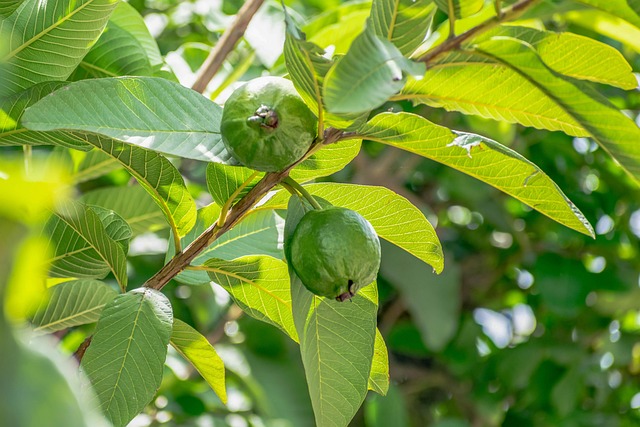
Guava Leaf is steadily gaining commercial attention in the international herbal and botanical ingredients trade, especially in markets where herbal tea, wellness products, natural extracts, botanical formulations, and plant-based consumer goods continue to expand. In trade, the product may be sold as guava leaf, dried guava leaves, guava leaf tea, guava herb, or Psidium guajava leaf depending on the supplier and the intended end use. In many commercial conversations, the wording changes slightly from one market to another, but the basic buying interest remains the same. Buyers want a clean, properly dried, correctly identified botanical raw material that can move safely into tea blending, wellness packaging, extraction, repacking, and broader herbal ingredient channels.
For importers, herbal tea brands, botanical distributors, extract processors, nutraceutical companies, and private-label wellness businesses, Guava Leaf is not simply a familiar orchard by-product. In professional trade, it is treated as a specialty dried botanical ingredient whose value depends heavily on identity, leaf quality, drying method, cleanliness, moisture stability, packaging, and documentation discipline. This matters because many buyers are drawn to guava leaf precisely because it feels familiar and approachable. The guava plant itself is widely known, and that familiarity often makes the leaf easier to position in tea and wellness markets than a completely obscure herb. However, familiarity should never be confused with commercial simplicity.
One of the main reasons Guava Leaf is attracting more trade attention is that it sits naturally between traditional use and modern clean-label product development. In many regions, guava leaves have long been known in home-based herbal practice. In today’s market, that traditional recognition helps buyers and brands use the ingredient in packaged teas, simple wellness formulations, herbal blends, and botanical product lines without needing to spend too much effort educating the customer from the beginning. That is commercially useful. Consumers are often more open to a plant ingredient when they recognize the source plant already, and guava is a widely familiar fruit tree in many parts of the world.
In the Nigerian market, guava as a fruit is well known, and guava leaves are also recognizable in local use. However, the conversion of guava leaf into a dedicated export-grade herbal ingredient requires a different level of discipline than casual household use. Buyers may hear the product described as guava leaf, dried guava leaves, herbal tea leaves, guava tea leaf, or simply medicinal leaves depending on who is speaking. For serious trade, though, buyers should keep the conversation anchored to the botanical name, the plant part, and the exact commercial form being offered. That reduces ambiguity and makes later documentation far easier.
Commercial demand for Guava Leaf is supported by several overlapping buyer groups. Herbal tea producers use it in single-herb or mixed botanical blends. Wellness brands include it in traditional support formulas. Botanical processors may source it as raw material for milling or extraction. Retail herbal stores and online sellers stock it because the name already carries some cultural and consumer recognition. This diversity of end use helps support repeat demand, but it also means that the quality expectations of different buyers are not always identical. A visually attractive tea-grade lot may not be the same thing as an extract-oriented industrial lot, and a competent supplier should understand that difference clearly.
Another reason the product deserves careful sourcing is that leafy botanical materials often reveal quality weaknesses very quickly. Excess moisture, darkening, mold risk, dust, foreign matter, insect damage, or poor handling can reduce commercial value fast. A lot that looks acceptable at a glance may still underperform badly in tea blending or retail repacking if the leaves are too broken, too dirty, or too old. Buyers who focus only on price usually discover later that apparently small quality details matter much more in practice than they first assumed.
For buyers, the core issue is not whether Guava Leaf has demand. It does. The more important question is how to source it in a way that protects quality, compliance, and repeat commercial value. That means understanding what the product is in trade, how it is processed, what it is used for, what benefit themes drive demand, what caution points matter, which producing and importing countries are commercially relevant, how to source it more safely, and what realistic price ranges look like in the 2025 to 2026 trade environment.
It also means avoiding exaggerated assumptions. A product with strong traditional recognition can still create commercial problems if the botanical identity is vague, the lot is poorly dried, the documentation is weak, or the product claims become too ambitious for the destination market. Good trade outcomes usually come from combining realistic product positioning with disciplined sourcing, clear specifications, and suppliers who understand the expectations of professional buyers.
This guide explains Guava Leaf from that practical, buyer-focused perspective. It is written for importers, tea companies, herbal product processors, botanical distributors, natural wellness brands, wholesalers, and commercial sourcing teams that want a clearer view of the product before they commit to volume. Rather than discussing guava leaf only in traditional or abstract terms, the goal here is to explain how it works as a real traded botanical, how quality is created or lost, what commercial applications matter most, and how buyers can make safer and more intelligent sourcing decisions.
Trade Overview of Guava Leaf
Guava Leaf is a dried botanical raw material obtained from the leaves of the guava plant, most commonly identified as Psidium guajava. In international herbal trade, the product is sold mainly for tea, infusion, wellness formulation, extraction, raw botanical supply, and retail repacking. Although guava fruit itself belongs to a very familiar agricultural category, the leaf enters the market through a more specialized herbal ingredients route, and that changes how buyers should evaluate quality and commercial suitability.
From a trade standpoint, Guava Leaf belongs to the medicinal and aromatic plant category rather than the mainstream fresh produce or fruit ingredient category. That distinction matters. Buyers are not sourcing it as a general agricultural side stream. They are sourcing it as a botanical product intended for further formulation, infusion, retail presentation, or extraction. That means practical quality factors such as dryness, color, foreign matter, identity, odor, leaf integrity, packaging, and traceability carry much more weight than they would in a casual agricultural setting.
Commercial forms may include whole dried leaves, broken leaf grade, cut tea grade, powder, and extract-grade raw material. Whole leaves may appeal to buyers who want a more natural presentation. Cut grades are often useful for tea filling or blending. Powder may serve formulation or ingredient manufacturing. Extract-oriented buyers may care less about leaf shape and more about consistent identity and raw material condition. Since these forms perform differently, buyers should never assume that one Guava Leaf quote is directly comparable to another unless the specification basis is clearly aligned.
Demand is spread across several sectors. Tea blenders use guava leaf in single-herb or mixed herbal tea programs. Botanical wholesalers sell it in bulk to smaller repackers and wellness stores. Natural product brands include it in broader health-support product concepts. Extract processors buy it as feedstock for further concentration or formulation. In some markets, direct-to-consumer herbal retailers also sell it as a recognizable single botanical product. This spread of demand helps support market activity but also makes grade clarity essential.
In Nigeria and similar markets, the commercial opportunity around Guava Leaf is supported by the local familiarity of the guava plant itself. However, turning familiar plant material into a reliable export-grade ingredient requires significantly more discipline than informal gathering or household herbal use. Buyers looking to build real trade around Guava Leaf should therefore work with suppliers who understand botanical handling, moisture control, sorting, packing, and the basic expectations of cross-border herbal commerce.
| Trade Item | Details |
|---|---|
| Primary Product Name | Guava Leaf |
| Common International Trade Names | Dried Guava Leaves, Guava Leaf Tea, Guava Herb, Guava Tea Leaf |
| Botanical Name | Psidium guajava |
| Plant Family | Myrtaceae |
| Common Nigerian / Market Reference | Guava Leaf, Dried Guava Leaf, Herbal Tea Leaf, Medicinal Guava Leaves |
| Main Commercial Part Traded | Dried guava leaves |
| Commercial Forms | Whole dried leaves, broken leaf, cut tea grade, powder, extract-grade raw material |
| Main Buyer Segments | Herbal tea companies, botanical wholesalers, wellness brands, herbal retailers, private-label packers, extract processors |
| Typical Packaging | Food-grade lined cartons, kraft sacks with inner liner, PP bags with liners, smaller presentation packs for premium grades |
| Key Buying Criteria | Correct identity, low moisture, low foreign matter, acceptable color, clean leaf appearance, suitable cut size, export-ready documents |
| Main Trade Risks | Adulteration, mold, darkened leaves, excess dust, mixed plant matter, poor drying, weak packaging, inconsistent batches |
Request a Quote or Speak With Our Team About Guava Leaf
Ready to source Guava Leaf with confidence? Submit your RFQ for detailed specifications and formal quotations, or chat on WhatsApp for fast responses and quick clarification.
What Is Guava Leaf?
Guava Leaf is the dried leaf of the guava plant, most commonly Psidium guajava, a tropical and subtropical fruit tree known widely for its edible fruit and its long-standing place in traditional plant use. In trade, the leaf itself is the part being purchased, not the fruit, bark, or root. This sounds straightforward, but serious buyers should still define the plant part clearly because informal sourcing channels sometimes use the plant name broadly without specifying exactly which material is being sold.
Commercially, properly prepared Guava Leaf is generally green to olive-green, sometimes with slightly brownish tones depending on drying method, maturity, and storage age. Good lots are dry, relatively clean, and free from excessive stems, twigs, soil, insect-damaged material, or unrelated leaves. Depending on the customer’s needs, the product may be supplied as fairly whole leaves, broken leaves, cut tea material, or powder.
One of the product’s commercial advantages is that it comes from a plant consumers already know. Guava fruit has broad global familiarity, and that makes the leaf easier to position in botanical wellness markets than many obscure herbs. Buyers often like ingredients that can be explained simply. A product connected to a well-known fruit tree usually feels more accessible to retailers and end users.
Common trade names can vary by region. Some suppliers use dried guava leaf. Others say guava tea leaf or guava herbal leaf. In wellness or traditional channels, the product may be described more loosely as medicinal guava leaves. This is why it is always safer to anchor the purchase order to Psidium guajava and the exact form required, especially where the lot is being sourced through multiple collection points.
The product is rarely traded fresh across borders because drying is what makes storage, transport, and later use commercially practical. Once dried and stabilized, the material can be handled like other specialty herbal leaves. That said, the fact that it is a leaf still matters. Leaves are vulnerable to moisture, crushing, discoloration, and contamination. Good drying and careful storage are therefore central to the product’s commercial success.
For trade buyers, the most useful definition is this: Guava Leaf is dried leaf material from Psidium guajava, supplied as a botanical ingredient for tea, infusion, wellness formulations, and extraction-oriented use. It is familiar enough to attract buyer interest easily, but specialized enough that quality, identity, and handling still determine whether the shipment succeeds commercially.
How Guava Leaf Is Made / Processed
The commercial value of Guava Leaf depends heavily on how the leaves are harvested, sorted, dried, cleaned, graded, and packed. Because it is a leaf product, it responds quickly to poor handling. Buyers who understand the processing flow are better able to judge suppliers and better equipped to reduce sourcing risk.
Harvesting Suitable Leaves
The first step is harvesting suitable leaves from the correct guava plant source. Healthy leaves are preferred because they dry more consistently and present better commercially. If the leaves are harvested from poorly maintained or contaminated environments, the resulting lot may already be compromised before processing even begins.
Timing matters here as well. Leaves that are too old, diseased, damaged, or excessively fibrous may not dry or present well. A serious supplier should understand the difference between simply gathering leaves and harvesting leaves that are appropriate for botanical trade.
Initial Sorting and Removal of Unwanted Material
After collection, the leaves should be sorted to remove twigs, insect-damaged pieces, foreign leaves, heavily discolored material, soil, and other unwanted matter. This early sorting stage is important because once low-quality material becomes deeply mixed into the lot, full recovery becomes more difficult and more expensive.
For buyers, visible contamination or excessive mixed plant matter often signals a weak supply chain. Good sorting at this stage usually leads to a cleaner and more consistent finished lot later.
Drying Under Controlled Conditions
Drying is one of the most important stages in Guava Leaf processing. The leaves need to be dried sufficiently to reach safe storage moisture while preserving acceptable appearance and avoiding mold risk. Shade drying, airflow-assisted drying, or low-temperature mechanical drying may all be used depending on the processor’s scale and the quality target.
If the leaves are dried too aggressively, they may darken, become brittle, and lose commercial appeal. If they are dried too slowly or packed too early, moisture-related spoilage can become a serious risk. Since dried leaves are sensitive to both heat and humidity, buyers should always ask about drying discipline, not just final moisture claims.
Cleaning and Secondary Screening
After drying, the material is often screened or cleaned again to reduce dust, remove fragments that do not fit the agreed grade, and eliminate remaining foreign matter. This stage can make a major difference in presentation quality. A leaf lot that has been cleaned properly is easier to market, easier to blend, and less likely to generate complaints.
Secondary cleaning is particularly important for herbal tea applications, where dust and debris can make the finished product look weak and create problems in both filling and consumer acceptance.
Cutting, Sizing, or Milling
Depending on the order, the leaves may be left relatively whole, broken to a smaller format, cut into tea grade, or milled into powder. The chosen form should align with the buyer’s actual use. A tea bag manufacturer may need a more uniform cut than a loose botanical wholesaler. A powder buyer will have different priorities again.
Suppliers should never assume one form suits every buyer. Grade mismatch is one of the most common avoidable causes of dissatisfaction in herbal ingredient trade.
Batch Review and Quality Checks
Before packing, the lot should be reviewed for visual condition, odor, moisture, cleanliness, and where relevant, microbiological status and other required analyses. Different markets expect different levels of analytical support, but serious trade increasingly requires more than visual approval alone.
Lot coding and traceability are also useful here. Buyers should ask whether the shipment can be linked to identifiable batches and whether retain samples or source records exist. Even modest traceability shows a more disciplined supply system.
Packing and Storage for Export
Once approved, the product is packed in clean, dry, food-contact-appropriate packaging, often with an inner liner to reduce moisture pickup and contamination risk. Storage should be in a cool, dry environment protected from pests, direct light, and strong odors. Good storage is part of product quality, not an afterthought. A decent lot can lose value quickly if it is stored badly before shipment.
Well-processed Guava Leaf should arrive with stable dryness, acceptable visual cleanliness, a characteristic leaf odor, and packaging that supports safe transport and commercial confidence. That is the standard buyers should seek.
What Is Guava Leaf Used For?
Guava Leaf has a range of commercial uses across tea, wellness, botanical retail, and ingredient processing channels. The intended application determines which grade is most suitable, so buyers should always source with the end use in mind.
Single-Herb Tea and Infusions
One of the most direct uses of Guava Leaf is as a standalone herbal tea or infusion ingredient. In this format, buyers generally want relatively clean, low-dust material with a natural-looking leaf appearance and stable dryness. The product should present well enough to support direct retail or foodservice herbal tea use.
Ingredient in Botanical Tea Blends
Many tea companies use guava leaf as part of broader botanical blends. In these blends, the ingredient contributes both a familiar plant identity and a traditional herbal association. Cut tea grade is often preferred for this purpose because it blends more uniformly and fills tea bags or loose tea packs more efficiently.
Wellness Formulations
Wellness brands may use Guava Leaf in loose herbal mixes, powdered systems, or broader support formulations. Here, the product’s value lies partly in traditional recognition and partly in its fit within plant-based product narratives. For such buyers, consistent quality and documentation usually matter more than decorative appearance alone.
Raw Material for Extraction
Some processors buy dried Guava Leaf for extraction. This may involve turning the raw leaf into liquid extracts, powders, or other processed botanical ingredients. In this channel, leaf shape may matter less than identity, dryness, cleanliness, and chemical consistency. Even so, poor raw material still creates downstream processing problems.
Herbal Retail Repacking
Botanical retailers and natural product stores may purchase Guava Leaf in bulk and repackage it into smaller consumer units. These buyers value consistency because their customers expect repeat quality. A shipment that varies too much from one order to the next makes retail trust more difficult to maintain.
Traditional Herbal Supply Channels
In some markets, Guava Leaf continues to move through traditional herbal channels where consumers already recognize the ingredient. These channels still benefit from modern quality control. Traditional familiarity should support professional trade, not replace it.
Health Benefits of Guava Leaf
Commercial interest in Guava Leaf is closely tied to its traditional recognition and its fit within modern herbal wellness markets. Buyers and brands should still communicate responsibly and within the rules of the destination market, but the benefit themes around guava leaf help explain why the product continues to attract demand.
Strong Traditional Herbal Recognition
One of the biggest commercial strengths of Guava Leaf is that it already has a place in traditional plant use in several regions. This gives it a consumer familiarity advantage over lesser-known botanicals and can help brands position it more easily.
Useful in Gentle Wellness Product Positioning
Guava leaf is often seen as a relatively approachable herbal ingredient rather than an extreme or niche one. This makes it commercially useful in brands that prefer a simple, familiar, plant-forward wellness tone.
Fits Clean-Label Botanical Storytelling
Because guava is widely known as a fruit tree, the leaf benefits from built-in recognizability. This helps it fit comfortably into clean-label and plant-based product narratives, which remain commercially important in tea and wellness markets.
Supports Product Diversity in Herbal Portfolios
For wholesalers and brands, Guava Leaf offers a way to diversify beyond the most saturated mainstream herbs while still offering something customers can understand. That balance between familiarity and differentiation is commercially valuable.
Appeals to Traditional and Natural Retail Channels
In both traditional herbal shops and modern natural product stores, Guava Leaf can occupy a useful middle ground. It feels both traditional and contemporary, which helps broaden its retail relevance.
Flexible Across Tea and Ingredient Formats
Another practical advantage is flexibility. The same raw material can move into tea, cut herb formats, extraction, and broader botanical systems. That makes it easier for buyers to integrate into multi-product strategies.
Side Effects of Guava Leaf
As with any botanical ingredient, responsible trade requires attention to both commercial appeal and caution points. Guava Leaf may be familiar and widely discussed in traditional contexts, but that does not remove the need for careful sourcing and careful communication.
Poor Drying Can Create Safety Risks
The most immediate practical risk is poor post-harvest handling. If guava leaves are dried improperly or packed before reaching a stable moisture level, mold and quality deterioration can follow. Buyers should therefore treat drying and packaging as core safety issues.
Mixed Plant Matter and Adulteration Are Real Concerns
In loosely organized supply chains, Guava Leaf may be mixed with excessive stems, foreign leaves, or debris. This reduces both quality and buyer confidence. It also creates avoidable risk in regulated or quality-sensitive markets.
Exaggerated Product Claims Can Create Compliance Problems
Because Guava Leaf has traditional herbal associations, some sellers may be tempted to overstate its effects. Buyers and brand owners should avoid this. Unsupported claims can create regulatory problems even when the raw material itself is acceptable.
Old or Poorly Stored Stock Can Harm Product Performance
Even if the product was originally processed well, poor storage can darken the leaves, weaken the aroma, and increase dust. This may not always be an obvious safety issue, but it can reduce commercial usability significantly.
Some Consumers May Need Extra Caution
It is prudent for marketers to recognize that some consumer groups may require extra caution with botanical products generally. Responsible labeling and realistic product positioning help reduce avoidable problems.
Weak Quality Can Damage Brand Trust
A dusty, dirty, or inconsistent lot may not always trigger an immediate rejection, but it can still create long-term commercial harm. In visible herbal products, customers notice quality quickly, and trust is not easily rebuilt once lost.
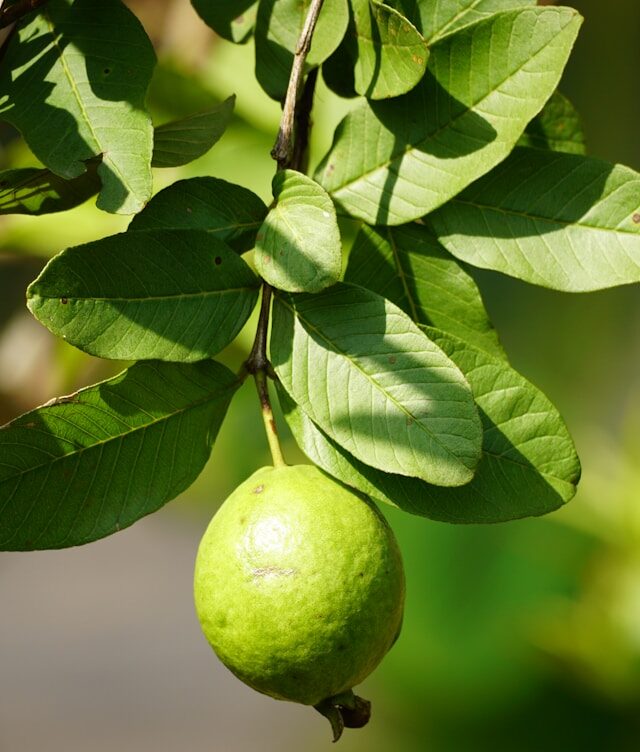
Top Producing & Exporting Countries of Guava Leaf
Guava Leaf is associated with regions where guava trees are common and where some degree of herbal ingredient processing already exists. However, not every guava-growing country is equally relevant in export trade. Commercial relevance usually depends on the ability to collect, process, and document the leaf as a specialty product.
India
India is one of the most visible countries in broader herbal ingredient trade and is often relevant for Guava Leaf because of its large botanical-processing ecosystem and established experience in supplying herbal raw materials to global markets.
Nigeria and Other West African Supply Channels
Nigeria has broad familiarity with guava and can be commercially relevant where value-added handling is organized properly. The opportunity exists, but export-grade Guava Leaf depends on processing discipline rather than simple availability of the plant.
China
China remains commercially relevant in many botanical categories and can also appear in Guava Leaf trade through its broad herbal processing and export systems.
Thailand
Thailand has a visible herbal and botanical product sector and may appear in Guava Leaf supply conversations, especially where the product is linked to broader traditional herbal product portfolios.
Indonesia
Indonesia is relevant because guava is familiar there and botanical ingredient markets are active. As with other origins, the real trade value depends on processing quality and export readiness rather than raw plant availability alone.
Other Tropical and Subtropical Herbal Processing Origins
In practice, several other guava-growing countries may also participate in Guava Leaf trade where collection, drying, and export handling are organized with sufficient professionalism. The key is not just the presence of guava trees, but the seriousness of the herbal ingredient supply chain.
Top Importing Countries of Guava Leaf
Demand for Guava Leaf tends to follow countries with active herbal tea, botanical wellness, and natural product markets. Because the product is a specialty botanical rather than a mass retail staple, import demand may be fragmented but still commercially significant.
United States
The United States is an important destination market because of its large natural products industry, herbal retail sector, and strong interest in plant-based wellness ingredients.
Germany
Germany remains highly relevant in botanical trade due to its herbal tea culture, quality-sensitive ingredient market, and strong emphasis on documentation and product consistency.
United Kingdom
The UK market supports specialty herbal teas and wellness products, making Guava Leaf commercially relevant where it is positioned within broader botanical categories.
Canada
Canada’s natural health and botanical retail sectors make it a meaningful import destination, especially for buyers who value traceability and product consistency.
France
France has a strong tradition of botanical interest and natural ingredient use, especially in wellness and specialty retail channels. Products like Guava Leaf can fit naturally into these segments.
Netherlands and Other European Distribution Hubs
Distribution-oriented markets in Europe also matter because they may import Guava Leaf for onward movement into other countries. For exporters, this means some demand is indirect but still commercially important.
How To Safely Source for Your Guava Leaf Produce
Safe sourcing starts with refusing to treat Guava Leaf as a generic dried leaf. Buyers who do that usually receive exactly what such casual buying invites: inconsistent quality, weak documentation, and avoidable surprises after shipment.
Confirm the Botanical Identity First
The first step is to confirm that the product is Psidium guajava. Do not rely only on the common name guava leaf. Serious suppliers should be able to state the botanical identity directly and without hesitation.
Define the Product Form Before Comparing Prices
Buyers should clarify whether they want whole leaves, broken leaves, tea-cut grade, powder, or extraction material. Different forms serve different uses, and price only becomes meaningful once both parties are discussing the same grade basis.
Request Current Lot Photos and Video
Visual confirmation helps buyers screen suppliers more efficiently. Photos and short lot video can reveal color, cleanliness, dust level, packaging style, and whether the lot genuinely matches the description.
Insist on a Representative Sample
A sample remains one of the strongest buyer protections. It should be checked for color, odor, dryness, stem content, dust, foreign matter, and general commercial suitability. If the product is intended for tea, infusion testing is also useful.
Ask About Drying Method and Moisture Control
Suppliers should be able to explain how the leaves were dried and how they ensure stable moisture before packing. Buyers do not need unnecessary complexity, but they do need evidence of process discipline.
Review Foreign Matter and Stem Tolerance
Because mixed material is a common issue in dried leaves, buyers should discuss acceptable levels of stems, twigs, foreign leaves, and dust early in the negotiation. A cheap quote may simply reflect poor cleaning.
Clarify Whether the Product Is Conventional or Certified
If the buyer needs organic or another special compliance category, that requirement should be raised at the beginning. Supporting documents should exist before the commercial discussion goes too far.
Assess Storage and Handling Conditions
Ask where the product is stored and how it is protected from humidity, pests, strong odors, and contamination. Poor storage can damage a good lot quietly and quickly.
Raise Analytical Requirements Early
Where the destination market expects microbiology, residue, or other analysis, those expectations should be discussed before the lot is packed. Post-shipment surprises are costly and avoidable.
Specify Packaging in Writing
Packaging should support moisture protection and shipment stability. Inner liners, sturdy outer packing, clear labeling, and lot identification should all be part of the written agreement.
Use Trial Orders for New Suppliers
Even a promising supplier should usually be tested through a manageable trial order before larger commitments are made. This reveals how the supplier performs under real commercial conditions.
Consider Pre-Shipment Review for Larger Orders
Where the order value is meaningful, pre-shipment inspection or third-party review can help confirm that the packed goods match the approved sample and agreed terms.
Know the Destination Market Yourself
The buyer should understand the destination market’s labeling, claims, and import requirements independently. Safe sourcing works best when the buyer understands their own market as well as the supplier understands the raw material.
Choose Suppliers Who Communicate Clearly
Professional communication remains one of the strongest indicators of future transaction quality. Suppliers who define the product clearly, provide documents promptly, and answer technical questions directly are usually safer to build with.
Where To Find Reliable Exporters for Guava Leaf
Reliable exporters are usually found where botanical knowledge, drying discipline, and trade execution overlap. The ability to access guava leaves is not the same as the ability to supply export-grade Guava Leaf consistently.
A useful place to begin is with suppliers already active in dried herbs, specialty teas, medicinal and aromatic plants, or natural wellness raw materials. These exporters are more likely to understand grading, moisture control, documentation, and buyer expectations than opportunistic traders sourcing informally.
B2B marketplaces, botanical trade fairs, ingredient directories, and referral channels can all help identify leads. However, none of those should be treated as proof of reliability. Buyers still need samples, documents, and supplier responsiveness to judge real capability.
Referral-based sourcing can be especially valuable in specialty botanical trade. Existing importers, tea blenders, natural product companies, and freight forwarders often know which suppliers behave professionally and which ones create repeat problems.
The best exporters usually show clear signs of competence. They state the botanical identity without confusion. They explain the grade honestly. They provide realistic samples. They understand how the product is packed and documented. They do not become evasive when questions become technical. These are the suppliers worth taking seriously.
For buyers who want reduced friction, an experienced export partner can also help. A capable partner can match the buyer’s actual use with the appropriate grade, packing method, shipment structure, and document package before the transaction becomes difficult. In a product like Guava Leaf, that alignment often matters more than a slightly lower initial quote.
International Price of Guava Leaf Per Metric Ton
The international price of Guava Leaf depends on origin, form, cleanliness, moisture level, certification status, lot size, and the strength of export support. Because it is a specialty botanical and not a standardized exchange-traded commodity, price variation between suppliers can be meaningful.
As a practical market guide for 2025 to 2026, conventional dried Guava Leaf may trade roughly from about US$2,600 to US$6,800 per metric ton for exportable commercial grades, depending on whether the material is whole leaf, tea-cut grade, or more basic industrial botanical supply. Lower-end quotes are more likely to reflect simpler bulk grades, less stringent cleaning, or larger-volume industrial-style supply. Higher-end offers are more likely to reflect cleaner leaf selection, lower dust, more careful processing, smaller premium batches, or stronger documentation support.
Organic or especially presentation-sensitive lots can move above that range, particularly when the buyer is serving premium retail or quality-sensitive wellness channels. At the same time, very low quotations should be reviewed carefully because they may indicate weak drying, poor traceability, excessive mixed matter, or stock that was never really prepared for professional herbal trade.
Freight also shapes the real landed economics. Dried leaf material is relatively light and can be affected by poor packing, so buyers should not compare source price alone. A slightly higher-priced lot that is cleaner, more usable, and better packed may deliver a much better commercial outcome than a cheaper lot that arrives compromised.
The safest way to compare Guava Leaf pricing is to compare like with like. Buyers should ask about botanical identity, form, moisture, dust level, foreign matter tolerance, pack style, and included documents before trying to judge whether one quote is truly better than another.
Request a Quote or Speak With Our Team About Guava Leaf
Ready to source Guava Leaf with confidence? Submit your RFQ for detailed specifications and formal quotations, or chat on WhatsApp for fast responses and quick clarification.
How To Pay For Your Guava Leaf Produce
Payment terms should reflect the size of the transaction, the maturity of the supplier relationship, and the commercial risk involved. In specialty botanical trade, disciplined payment structures help protect both parties and reduce avoidable misunderstandings.
Telegraphic Transfer for Trial Orders
For smaller initial orders, telegraphic transfer is commonly used. This often means part payment before packing or shipment and the balance against agreed documents or another defined milestone. It can work well when the sample has already been approved and the supplier has shown reasonable reliability.
Letter of Credit for Larger Transactions
For larger or higher-risk orders, a letter of credit can add useful structure and force clarity around documents and shipment conditions. It adds complexity, but many buyers prefer that discipline for more valuable orders.
Split Payment Arrangements
Some buyers prefer staged payment, such as deposit at confirmation, another installment after inspection or lot approval, and balance against shipping documents. This can be practical in growing supplier relationships where both parties want a balanced structure.
Protected Settlement Where Available
In some trade environments, escrow or platform-assisted settlement tools may exist. These are not universal, but where available, they can reduce uncertainty in early transactions.
Payment Should Follow Clear Commercial Triggers
Whatever method is chosen, payment should be tied to clear events such as sample approval, inspection, lot confirmation, or release of the agreed shipping documents. Specialty botanicals should not be purchased on vague promises.
Avoid Irregular Banking Requests
Buyers should pause when banking details change unexpectedly, when payment is redirected through unrelated third parties, or when settlement is requested through personal accounts without a convincing explanation. These are classic warning signs in trade.
Shipping & Delivery Terms
Shipping terms for Guava Leaf should be chosen in a way that protects product quality and keeps the transaction manageable. Because the product is dry, light, and quality-sensitive, logistics can influence commercial success directly.
EXW for Buyers with Origin-Side Control
Ex Works can suit buyers who already have trusted agents or freight arrangements at origin. It offers control but puts more operational responsibility on the buyer, so it is usually better for experienced importers.
FOB for Standard Export Transactions
Free On Board is often a practical middle-ground structure. The supplier handles export-side preparation and port delivery, while the buyer manages the main carriage. This allows buyers to control freight while relying on the supplier for origin readiness.
CIF for Simpler Logistics
Cost, Insurance, and Freight can be attractive for buyers who prefer a bundled offer. Under CIF, the supplier arranges the main carriage and basic insurance to the destination port. Buyers should still verify what costs remain after arrival.
Air Freight for Samples and Urgent Small Orders
Where timing matters more than unit freight cost, air freight may be suitable for samples or urgent small-volume orders. The cost per kilogram is higher, but the speed may justify it.
Sea Freight for Commercial Quantities
For larger volumes, sea freight is typically more economical. In this case, packaging strength and moisture protection become even more important because the cargo may face longer transit and more varied environmental conditions.
Lead Time Should Be Realistic
Buyers should allow enough time for proper collection, drying, cleaning, packing, and documentation. Rushed botanical shipments often result in preventable quality weaknesses.
Destination Handling Matters Too
Warehouse receiving, customs clearance, inspection, and onward storage should be planned before the goods arrive. A good lot can still lose value if it is handled poorly after landing.
Our Typical Trade Specifications For Guava Leaf
Trade specifications vary by end use and destination market, but serious commercial transactions usually revolve around a defined quality basis. The following framework reflects a typical trade-oriented reference point for dried Guava Leaf.
| Specification Item | Typical Trade Range / Requirement |
|---|---|
| Product Name | Guava Leaf / Dried Guava Leaves |
| Botanical Name | Psidium guajava |
| Main Commercial Part | Dried leaves |
| Product Form | Whole leaves, broken leaf, tea-cut grade, powder, or extract-grade raw material as agreed |
| Color | Natural green to olive-green, appropriate to drying and age |
| Odor | Characteristic mild herbal leaf odor, free from musty or smoky notes |
| Moisture | Typically 10% to 12% maximum, or as contractually agreed |
| Foreign Matter | Low and within agreed tolerance |
| Stem / Twig Content | Controlled according to grade and intended use |
| Dust Content | Within agreed tolerance for the buyer application |
| Microbiological Status | As required by buyer or destination market |
| Pesticide / Residue Status | As required by buyer or destination market |
| Heavy Metals | As required by buyer or destination market |
| Packing | Food-grade inner liner with strong export-grade outer sack or carton |
| Shelf Life | Usually 18 to 24 months under proper storage conditions |
| Storage Condition | Cool, dry, clean environment away from sunlight, odors, pests, and humidity |
Expected Shipping Documents
Professional Guava Leaf shipments should be backed by a coherent documentation package. The exact set varies by destination market and incoterm, but serious trade requires more than casual paperwork.
Commercial Invoice
The commercial invoice should describe the product clearly, including product name, quantity, value, seller details, buyer details, and shipment terms. The wording should align with the contract and support customs clearance.
Packing List
The packing list should show bag or carton count, net and gross weights, and where useful, batch references. This document helps both customs handling and warehouse receipt.
Bill of Lading or Air Waybill
This is the cargo transport document. Sea freight uses a bill of lading, while air shipments use an air waybill. Buyers should ensure consistency across all documents.
Certificate of Origin
Many buyers require a certificate of origin for customs, procurement, or trade-preference reasons. Suppliers should know when it is needed and arrange it correctly.
Phytosanitary Certificate
Because Guava Leaf is a plant-derived product, some destination markets may require phytosanitary documentation. This should be clarified early in the transaction.
Certificate of Analysis
Where moisture, microbiology, or other quality parameters are part of the agreement, a certificate of analysis may be needed. The exact analytical scope depends on the market and intended use.
Inspection or Treatment Records Where Applicable
Some shipments may require third-party inspection or additional treatment-related paperwork depending on destination rules and buyer policy. These expectations should be agreed before dispatch.
Insurance Certificate Where Included in the Sale
If the sale includes cargo insurance, the relevant insurance certificate should be part of the final shipping file. This is especially important in CIF transactions and similar arrangements.
Guava Leaf may come from a familiar tree, but in trade it behaves like a specialty botanical ingredient. Buyers who source it well usually do so by confirming the botanical identity clearly, defining the grade precisely, testing representative samples, taking moisture and cleanliness seriously, and working only with suppliers who understand that familiar plant material still requires professional handling if it is to perform well in export markets.
Request a Quote or Speak With Our Team About Guava Leaf
Ready to source Guava Leaf with confidence? Submit your RFQ for detailed specifications and formal quotations, or chat on WhatsApp for fast responses and quick clarification.