

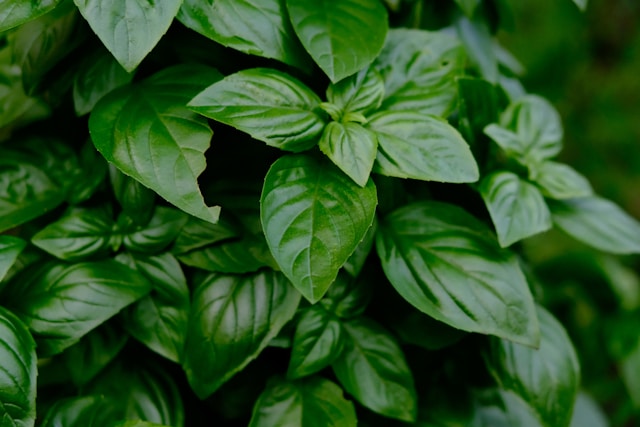
Basil, also called Scent Leaf or African Basil (Ocimum gratissimum) is one of the most commercially important aromatic herbs used in the global food, wellness, seasoning, nutraceutical, and personal care industries. Known for its distinctive aroma, versatility, and commercial value, basil is widely traded across fresh produce markets, dried herb supply chains, seasoning production, and botanical ingredient systems.
For serious buyers, basil is not just a kitchen herb. It is a structured agricultural commodity that requires careful sourcing, proper drying, quality control, and reliable export handling. A buyer who understands the trade characteristics of basil is far more likely to receive consistent, usable, and commercially viable product.
In practical trade terms, basil may be purchased by seasoning manufacturers, packaged herb brands, foodservice ingredient suppliers, herbal tea packers, natural product companies, botanical ingredient distributors, extractors, and global traders looking to build a reliable supply base. A food manufacturer buying basil for seasoning blends will care about aroma strength, leaf cleanliness, colour retention, and microbiological quality. A herbal tea packer may focus more on dryness, cut size, consistency, and shelf stability. A buyer who gets basil wrong may receive weak aroma, excessive stems, contamination, poor drying, faded colour, or an inconsistent product that underperforms in the final formulation.
That is why buying basil is not merely a price decision. It is a sourcing decision, a quality-control decision, and in many cases a brand-protection decision. Whether you are importing basil for foodservice, retail packs, manufacturing, extraction, seasoning blends, or bulk wholesale trade, it is important to understand what basil is, how it is grown and processed, what forms are typically traded internationally, what affects the price per metric ton, and how to safely source from reliable exporters.
Over time, demand for aromatic herbs has continued to rise as consumers and manufacturers increasingly prefer natural ingredients, clean-label products, flavour-forward formulations, and plant-based wellness products. Basil benefits directly from this broader market trend. It has an established place in culinary use, herbal preparations, seasoning blends, dried herb packs, infused oils, and selected medicinal or wellness applications. This broad demand base helps keep basil commercially relevant across many markets.
In this complete guide, you will learn what basil is, how basil is made ready for trade, what basil is used for, the health benefits and side effects, the top producing and importing countries, the international price of basil per metric ton, where to find reliable basil exporters, how to pay for basil in international trade, and how to safely source basil without receiving poor-quality or badly handled material.
Trade Overview of Basil
Before going deeper into basil, it helps to understand how this commodity is commonly traded in practical export terms. This trade overview gives buyers a working snapshot of the typical forms, order sizes, packaging formats, delivery timelines, and inspection standards that often apply when sourcing basil wholesale.
| Commodity | Basil |
|---|---|
| Common Forms | Fresh Basil / Dried Basil Leaves / Rubbed Basil / Basil Powder / Basil for Extraction |
| Typical MOQ | 1–3 Metric Tons for dried basil; smaller trial quantities may be available on request |
| Packaging | Usually 5kg, 10kg, or 25kg food-grade bags, cartons, or lined sacks depending on cut size and destination requirements |
| Lead Time | Typically 1–3 weeks depending on volume, moisture targets, packaging, and inspection requirements |
| Trade Terms | EXW / FOB / CIF (as agreed) |
| Inspection | Third-party inspection available (SGS, Intertek, Bureau Veritas, Cotecna, etc.) |
Request a Quote or Speak With Our Team About Basil
Ready to source Basil with confidence? Submit your RFQ for detailed specifications and formal quotations, or chat on WhatsApp for fast responses and quick clarification.
What Is Basil?
Basil is an aromatic herb from the mint family, most commonly associated with the species Ocimum basilicum. It is cultivated in many parts of the world and valued for its fragrant leaves, which are used fresh, dried, crushed, powdered, or processed further for oil or extract applications. While basil is most widely known in culinary use, in international trade it is also treated as a botanical raw material for seasoning blends, packaged herbs, herbal preparations, and selected natural ingredient markets.
The herb is commercially important because it combines familiarity with versatility. Consumers know basil. Manufacturers know how to use it. Retail herb brands can position it easily. Food processors can work it into sauces, soups, dry blends, and prepared foods. Herbal product companies can also position it inside broader botanical or wellness narratives. This broad acceptance helps basil remain relevant across more than one industry, which in turn gives it a more resilient commercial market than many lesser-known herbs.
In practical trade terms, basil is not just one product. It may be supplied as fresh basil, dried basil leaves, rubbed basil, basil flakes, basil powder, or feedstock for extraction. Each of these forms can serve a different type of buyer. A company buying fresh basil for a regional produce chain is buying something quite different from a manufacturer buying dried basil for spice blends. A herbal tea packer may care about leaf cleanliness and dryness. A seasoning producer may care more about cut size and aroma. An extractor may care about plant identity, maturity, and aromatic potential. This is why serious buyers should not ask only for basil. They should ask for the right form of basil.
Basil is also one of those products that can look simple but become complicated very quickly in real transactions. Two suppliers may both say they have export-quality basil, but one may offer bright, aromatic, properly dried material while the other may be offering a weaker product with too much stem, uneven drying, or less acceptable appearance. Because basil derives much of its value from aroma, cleanliness, and handling quality, poor post-harvest practice can reduce its commercial value significantly.
Buyers therefore need to understand basil as both a herb and a trade product. The botanical identity matters, but the commercial form matters just as much. The herb may be the same in name, but the quality basis, handling method, and processing discipline can produce very different market outcomes. This is one of the main reasons sourcing basil should be handled with more care than many first-time buyers assume.
How Basil Is Made Ready for Trade
Many buyers search for information about how basil is made or prepared for export because post-harvest handling has a direct effect on colour, aroma, dryness, cleanliness, microbial quality, and shelf stability. Understanding this process helps buyers ask better questions and compare quotations more intelligently. It also helps them identify suppliers who are merely offering basil as a generic herb and suppliers who actually understand what export buyers need.
1) Cultivation and Field Development
Basil is generally cultivated under warm conditions with sufficient sunlight, careful moisture management, and reasonably good agronomic discipline. Different climates and production systems can influence leaf size, aroma strength, and plant vigour. For buyers, cultivation may feel far removed from export trade, but it still matters because poor field management can lead to inconsistent leaf material, higher contamination, and weaker aroma potential before post-harvest processing even begins.
2) Harvesting
The herb is harvested once the leaves have developed sufficient size and aroma. Harvest timing matters. If the basil is harvested too early, the leaves may be lighter, less aromatic, or less commercially attractive. If harvested too late, the material may become tougher or less suitable for certain applications. In export trade, the stage of harvest can influence final yield, sensory quality, and overall buyer acceptance.
3) Sorting and Initial Cleaning
After harvest, basil is usually sorted to remove damaged leaves, weeds, excess stems, and visible foreign matter. This stage is especially important for dried-herb markets because the buyer is not just paying for plant material by weight. The buyer is paying for usable aromatic leaf matter. Poor sorting can lead to shipments that contain too much stem, too much dust, or too much visible contamination. These are common points of complaint in herb trade and can weaken the buyer’s confidence in the shipment.
4) Drying
If basil is being prepared for dried-herb export, drying becomes one of the most important stages in the process. The objective is to reduce moisture to a safe level while preserving colour, aroma, and overall integrity. Depending on the supplier and operating conditions, basil may be shade-dried, air-dried, or dried through a more controlled process. Each approach can affect the final quality.
Drying is where a great deal of value can be preserved or lost. If the process is too harsh, the herb may lose too much aroma. If it is too slow or poorly managed, the product may darken or be exposed to mould risk. If the final moisture is inconsistent, the basil may not store well. Buyers who care about quality should ask suppliers practical questions about drying, moisture targets, and storage conditions because these factors directly affect shelf life and market suitability.
5) Cutting, Rubbing, or Milling
Once dried, basil may be sold as larger leaves, rubbed basil, or powder. This stage depends on the target market. Retail herb buyers may prefer certain leaf sizes. Seasoning manufacturers may prefer rubbed or smaller-cut basil. Powder may be used in selected applications where a finer consistency is needed. The commercial implication is that the same herb can become different products based on how it is processed.
6) Sieving and Final Cleaning
After size reduction, the product may be sieved to improve consistency and reduce unwanted fragments. This can improve uniformity and make the final product more suitable for contract specifications. For buyers, this matters because uniformity often influences both operational convenience and perceived quality.
7) Packaging and Storage
Finally, the basil is packed into suitable food-grade packaging and stored in dry, clean conditions before shipment. Since basil is an aromatic herb, poor storage can reduce aroma strength and visual quality even after careful drying. This is why storage should be treated as part of the product, not merely as a logistics issue.
In practical terms, how basil is made ready for trade affects what you are actually buying. If you buy basil without understanding cultivation, drying, sorting, and storage, then you are buying with incomplete information. Buyers who understand the process are usually better positioned to avoid avoidable quality problems.

What Is Basil Used For?
Basil is used across several industries because it performs well as both a flavouring herb and a botanical ingredient. Its strongest use remains in food, but it also appears in wellness, extraction, and selected personal care segments.
Culinary and Food Manufacturing
Basil is widely used in sauces, soups, herb mixes, savoury products, marinades, seasonings, and prepared foods. Food manufacturers value it because consumers already recognise its aroma and flavour profile. In commercial use, consistency matters. A basil shipment that is weak in aroma or poor in cleanliness can affect the final product more than inexperienced buyers may expect.
Retail Herb Packs
Dried basil is also commonly packed into retail jars, sachets, and pouches. In this market, appearance and aroma matter strongly. Buyers often prefer greener leaves, low visible contamination, and a more attractive cut size because the product is sold directly to consumers.
Seasoning Blends and Spice Systems
Basil is frequently blended with other herbs and spices in commercial seasoning systems. In such uses, cut consistency, aroma retention, and moisture control become especially important because the herb must work well with multiple other ingredients.
Herbal and Wellness Products
Some basil materials are also used in herbal infusions, botanical products, and wellness-related formulations. In such cases, the supplier’s process hygiene and documentation can become more important than purely retail herb aesthetics.
Extraction and Aroma Applications
Basil can also serve as feedstock for extraction or aroma-focused applications. Buyers in this segment may evaluate the product differently from culinary buyers. What matters may include aromatic potential, plant identity, and source consistency rather than just visual appearance.
The practical point is that basil remains commercially relevant because it serves more than one market. A buyer who understands the intended end use will make better sourcing decisions and obtain more meaningful quotations.
Health Benefits of Basil
Basil is associated with several health-related and wellness-oriented benefits, especially in traditional use and natural ingredient markets. These benefits should be discussed responsibly. Basil is useful and commercially attractive, but it should not be positioned as a miracle ingredient.
1) Antioxidant-Related Appeal
Basil contains plant compounds that contribute to its positive image in wellness and natural food discussions. This is part of the reason the herb remains attractive in clean-label and botanical product markets.
2) Digestive Support Association
In traditional use, basil has often been associated with digestive comfort. This can support its broader appeal in herbal products and wellness positioning, especially when communicated conservatively.
3) Aromatic Freshness and Natural Positioning
Basil’s aroma itself contributes to its wellness value in the eyes of many consumers. Aromatic herbs tend to carry a strong sense of freshness and naturalness, and that has real commercial value even where the claims remain modest.
4) Botanical Wellness Relevance
Because basil is a familiar herb with a long history of use, it is easier for brands and buyers to position than many unfamiliar botanicals. This commercial familiarity makes it more useful in ingredient systems where consumer recognition matters.
Side Effects of Basil
No balanced guide should speak only about benefits. Buyers and end users should also understand that basil, like many herbs, may not suit every use case equally.
1) Possible Sensitivity
Some individuals may be sensitive to herbs or herb-based preparations, especially when used in more concentrated forms or alongside other active ingredients.
2) Quality Risks from Poorly Handled Product
One of the more practical trade risks is not basil itself but badly handled basil. Poor drying, contamination, and weak storage conditions can reduce safety and commercial suitability.
3) Overstated Claims
Another commercial risk is exaggerated health positioning. Responsible communication is usually better for long-term credibility than overstatement.
Top Producing & Exporting Countries of Basil
Basil is cultivated in many parts of the world, but some countries are more commercially visible than others because they combine cultivation with drying, handling, and export readiness.
India
India remains one of the major players in herb and spice trade and is an important source of aromatic plant materials.
Egypt
Egypt has built a notable reputation in dried herbs and aromatic plants and is often associated with large-scale herb processing and export.
Nigeria
Nigeria has agricultural potential in herb production where cultivation and post-harvest systems are organised effectively. Buyers sourcing from Nigeria should focus strongly on supplier verification and handling discipline.
Kenya
Kenya also has relevance in horticultural and herb supply where export systems support consistent product handling.
Vietnam
Vietnam remains relevant in global spice and herb trade and can be part of a diversified sourcing strategy.
Top Importing Countries of Basil
The largest importing countries of basil are generally countries with strong food processing, herb retail, and seasoning industries.
- United States
- Germany
- United Kingdom
- France
- Netherlands
- Canada
- Japan
- Italy
How To Safely Source for Your Basil Produce
If you find the right export company, buying basil can become significantly easier and less risky than trying to source through unclear or unverified channels. That said, serious buyers should still pay close attention to exporter verification, product form, processing method, packaging standards, and documentation readiness before any funds are committed.
The first thing to understand is that basil should not be bought as though it were a completely generic herb. The exact form you need matters. Do you need dried basil leaves, rubbed basil, basil powder, or a different product standard entirely? If you do not define this from the beginning, you may receive quotations that look attractive but are not directly comparable. One supplier may quote a cleaner, greener, lower-stem product, while another may quote a cheaper grade that is weaker, dirtier, or less suitable for your intended use.
It is also important to verify whether the exporting company is properly registered and capable of carrying out international trade professionally. A serious exporter should be commercially traceable, able to communicate clearly about quality specifications, and able to provide realistic timelines and documentation. In many cases, buyers make avoidable mistakes by focusing only on price instead of asking the practical questions that reveal whether the supplier truly understands the product.
Some of the issues buyers should verify include:
- What exact form of basil is being offered?
- What is the expected moisture range?
- How much stem content is typical in the grade being quoted?
- How was the basil dried and stored?
- What packaging will be used for shipment?
- Is third-party inspection available?
- Can samples, photos, or recent product videos be provided?
- Can the exporter provide the expected shipping documents?
Beyond these practical checks, buyers should also make sure the supplier is aligned with the destination market. A shipment acceptable in one market may not be acceptable in another if food safety, packaging, or traceability expectations are different. This becomes even more important where the basil is intended for food retail, branded herb products, or markets with stricter import requirements.
Some of the documents that may be relevant in a basil export transaction include:
- Certificate of Origin
- Bill of Lading
- Inspection Certificate
- Certificate of Analysis
- Commercial Invoice
- Packing List
- Phytosanitary Certificate where applicable
- Fumigation Certificate where applicable
From a buyer’s perspective, the best way to reduce sourcing risk is to align carefully on the product, verify the exporter, inspect where necessary, and insist on clarity before payment. Many trade problems are not caused by fraud alone. They are caused by ambiguity, poor specification, weak communication, and assumptions that were never checked. Basil may be a familiar herb, but that familiarity should not make buyers careless.
Where To Find Reliable Exporters for Basil
An important question that still needs to be answered is how to find reliable basil exporters. Buyers can use several practical routes to identify possible suppliers:
- Attend agricultural trade fairs and ingredient exhibitions
- Use search engines and supplier directories
- Search for exporters and trade professionals on LinkedIn
- Use trade platforms and B2B marketplaces
- Work through a sourcing company with exporter verification capability
However, finding exporters is only the first step. Verification is the more important task. A supplier with a website is not automatically a serious exporter. A trading profile is not proof of product control. A low quotation is not proof of value. Buyers should verify company identity, product handling knowledge, documentation capability, and actual ability to deliver the contracted basil in the right form and quality.
Reliable exporters are usually able to explain their process clearly. They can describe how the basil is sourced, how it is dried, how it is packed, what their normal moisture or packaging standards are, and what documents can be issued. They are also more likely to understand the commercial difference between different basil forms and different buyer requirements.
Neogric offers a reliable global order fulfilment solution for basil and other agricultural produce. Our end-to-end supply chain solution helps buyers move from enquiry to delivery with greater clarity, stronger verification, and reduced sourcing stress.
International Price of Basil Per Metric Ton
The international price of basil per metric ton depends on a range of factors, and buyers should avoid assuming there is one universal market price for all basil. The real price depends on what is being bought, how it has been processed, how it has been packed, and what delivery conditions apply.
Some of the main factors that affect the price include:
- The form of the basil (fresh, dried leaves, rubbed basil, or powder)
- The quality of drying and aroma retention
- The cleanliness of the leaves and the level of foreign matter
- The colour and visual quality of the product
- The amount of stem content
- The quantity ordered
- The packaging requirement
- The destination country or port
- The trade term used (EXW, FOB, CIF, etc.)
- Inspection and quality-control requirements
- Freight and haulage costs
- The relationship between buyer and seller
As a broad directional market guide, dried export-grade basil may trade in the range of roughly $2,000 to $4,500 per metric ton, depending on quality, cut, packaging, and origin. Cleaner, greener, better-dried, and better-presented material may command stronger pricing than weaker grades with less attractive sensory or physical characteristics.
Buyers should treat this range as a market guide rather than an automatic quotation. The real landed price depends on your exact specifications, your destination, your packaging, your chosen incoterm, and your order size. A serious buyer should therefore request a quotation only after clarifying the required form and specification of the basil being sourced.
Request a Quote or Speak With Our Team About Basil
Ready to source Basil with confidence? Submit your RFQ for detailed specifications and formal quotations, or chat on WhatsApp for fast responses and quick clarification.
How To Pay For Your Basil Produce
You can pay for your basil produce using different methods, but three of the most common payment methods in agricultural export trade are Bank Transfer (T/T), Advance Payment, and Letter of Credit (LC). Each method has practical advantages and risks depending on the volume, supplier relationship, and structure of the transaction.
Bank Payment (T/T)
Bank payment, often called T/T, is one of the most widely used payment methods in international trade. It is practical, familiar, and relatively straightforward. In many basil transactions, especially smaller or mid-sized orders, T/T may be the preferred method where both parties are comfortable with the transaction structure. That said, it still requires supplier verification and commercial trust.
Advance Payment
Some suppliers may request partial or full advance payment before procurement or processing begins. This can happen where the exporter needs funds to secure raw material, prepare the herb, or complete packing. While this may be commercially understandable, the buyer should not agree to advance payment casually. The more verified and experienced the supplier, the easier it is to justify. The weaker or less known the supplier, the more risk the buyer carries.
Letter of Credit
Letter of Credit remains one of the more structured payment options in international trade. It can help reduce risk when properly drafted and when the supplier is capable of satisfying documentary requirements. However, an LC does not automatically solve all problems. If the product is poor or the contract specification is weak, the buyer can still face commercial issues even where payment security is structured.
Shipping & Delivery Terms
When shipping basil, buyers should take into account order quantity, dryness, packaging, transit conditions, and the economics of different transport options. Because basil is an aromatic herb, storage stability and packaging discipline matter during transit.
Order Quantity
Smaller volumes may be moved by air where speed is more important than shipping cost. Larger dried-basil shipments are more likely to move by sea where freight economics are stronger. The right option depends on urgency, volume, and landed cost expectations.
Cost of Delivery
Sea freight is usually more cost-effective for larger commercial quantities, while airfreight may only be reasonable for urgent or relatively small orders. Buyers should compare the total landed economics rather than assume the faster option is always the better one.
Time of Delivery
Where a buyer needs rapid supply for production or market demand, airfreight may become the preferred choice. Where lead time is less urgent and shipment volumes are larger, sea freight often becomes the more practical route.
Incoterms
Incoterms matter because they affect who handles freight, insurance, and certain logistics obligations. Buyers with stronger logistics arrangements may prefer FOB. Buyers who want a more managed shipment structure may prefer CIF depending on the shipment size and destination.
Our Typical Trade Specifications For Basil
Below are common reference specifications for basil. Final contract specifications can be adjusted depending on the buyer’s exact requirement and the product form being sourced.
| Parameter | Typical |
|---|---|
| Product | Basil |
| Type | Dried Basil Leaves / Rubbed Basil / Basil Powder |
| Color | Green to olive green depending on drying method and grade |
| Odor | Characteristic aromatic basil smell |
| Moisture | Typically <= 12% or as agreed |
| Foreign Matter | Low, subject to buyer specification |
| Stem Content | As agreed by grade and use case |
| Packaging | Usually 5kg–25kg food-grade lined bags or cartons |
| Trade Process | EXW / FOB / CIF |
| Payment Method | T/T or L/C |
| Shipping Time | Usually 1–3 weeks after agreement and readiness |
Expected Shipping Documents
- Bill of Lading
- Certificate of Origin
- Inspection Certificate
- Certificate of Analysis
- Commercial Invoice
- Packing List
- Phytosanitary Certificate (where applicable)
- Fumigation Certificate (where applicable)
Request a Quote or Speak With Our Team About Basil
Ready to source Basil with confidence? Submit your RFQ for detailed specifications and formal quotations, or chat on WhatsApp for fast responses and quick clarification.