

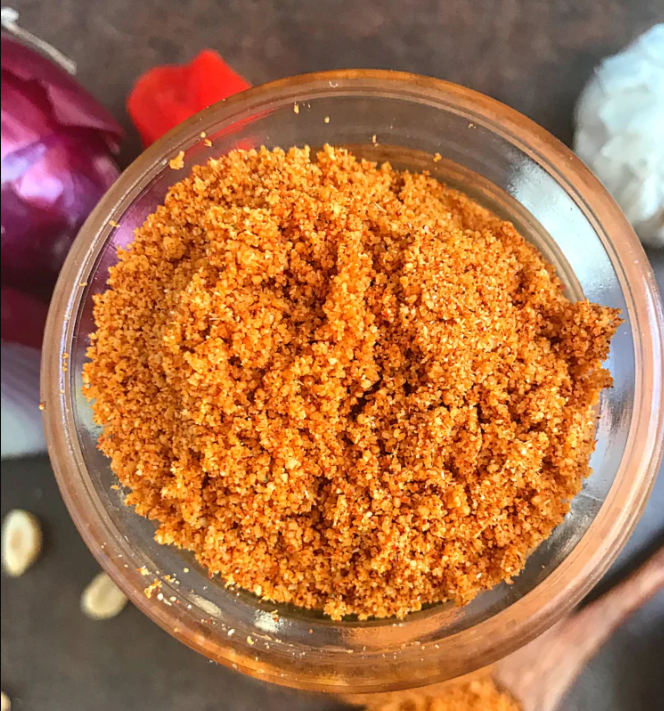
Suya Spice is one of the most commercially recognisable traditional spice blends in the Nigerian food trade. It is closely associated with suya, the famous spiced grilled meat enjoyed across Nigeria and in many African diaspora markets, but the commercial value of the blend reaches far beyond roadside barbecue. For importers, wholesalers, African food distributors, restaurant suppliers, seasoning brands, and private-label businesses, Suya Spice represents a product with strong cultural identity, repeat retail demand, and clear room for premium positioning when the blend is processed and packed properly.
In Nigerian markets, Suya Spice is not treated as a generic seasoning powder. Buyers usually expect a very specific sensory profile. It should have the nutty depth associated with groundnut, the dry heat of pepper, the warm lift of ginger and related spices, the savoury structure expected in meat seasoning, and the unmistakable aroma that instantly reminds the consumer of properly made suya. In practical trade terms, that means this is a product where authenticity matters. A cheap blend that looks good in a bag but lacks the right aroma or flavour will struggle to win repeat orders.
For commercial buyers outside Nigeria, Suya Spice sits at the meeting point of heritage food and modern packaged seasoning. It can be sold in bulk to foodservice operators, packed into consumer pouches for African stores and supermarkets, positioned as a barbecue rub, or adapted as an African-inspired seasoning line for specialty brands. That flexibility is one reason the product has attractive trade value. It works in traditional cuisine, convenience cooking, restaurant kitchens, and creative fusion products.
Another reason Suya Spice has become commercially important is that it can be standardised into different quality and formulation tiers. Some buyers want a classic Hausa-style suya yaji profile with visible groundnut body and strong pepper heat. Others want a cleaner retail-oriented blend with milder heat, finer texture, and stricter allergen declaration. Some prefer a formula with more groundnut presence for coating performance on grilled meat, while others want a reduced-groundnut version for different handling or shelf-life reasons. That means successful exporters do not just sell a spice. They sell a blend designed for a known market use.
Because Suya Spice is a mixed spice product, the quality of the finished blend depends heavily on the quality of the raw materials used in production. If the groundnut is stale, rancid, or poorly roasted, the final product will disappoint. If the ginger is fibrous, the pepper dusty, or the milling environment unhygienic, the buyer will likely face complaints even if the shipment arrives on time. In this category, low pricing alone is not a winning strategy. Product integrity, flavour retention, and consistency are what protect long-term trade relationships.
From a buyer’s perspective, safe sourcing for Suya Spice means looking beyond the surface. It means knowing what is inside the blend, how it was processed, how moisture was managed, how allergens are declared, how consistent the sensory profile is, and whether the supplier understands export-grade packaging and documentation. A serious buyer should treat Suya Spice as a structured food product, not as an informal seasoning bought casually from the open market without clear specifications.
This guide explains Suya Spice from a practical, commercial, and buyer-focused angle. We will look at what the product is, how it is produced, what it is used for, the health-related demand drivers behind consumer interest, the side effects and buyer risks that should not be ignored, the major producing and importing markets, realistic international price expectations, sourcing strategy, payment structure, shipping terms, trade specifications, and the documentation buyers normally expect when importing the product.
Trade Overview of Suya Spice
Suya Spice is a traditional West African mixed spice blend used primarily for seasoning and coating meat before grilling, roasting, or barbecuing. In Nigerian trade language, it is often linked with suya yaji, the spice mixture used by suya sellers and barbecue operators to deliver the smoky, peppery, nutty flavour profile associated with authentic suya. Commercially, it can be classified as an ethnic seasoning blend, meat spice mixture, or traditional mixed spice product.
The product has strong cultural recognition in Nigeria and steady export opportunity in diaspora-led food channels across the United Kingdom, the United States, Canada, Europe, and the Middle East. It is commonly traded through open markets, spice processors, packaged-food suppliers, ethnic supermarkets, e-commerce shops, and restaurant supply chains. In international markets, it can be sold either as a culturally specific product under its original name or repositioned as an African barbecue spice, meat rub, or grilled-protein seasoning.
One of the most important commercial realities in this trade is that formulations vary significantly. Some blends include groundnut as a major body ingredient. Some are more pepper-forward. Some have deeper notes from ginger, garlic, onion, cloves, or local aromatics. Some include salt while others are deliberately unsalted for commercial buyers who want formulation control. As a result, serious buyers should always treat Suya Spice as a specification-based product rather than assuming every supplier is selling the same thing.
For exporters, the product offers strong value because it combines cultural relevance with packaging flexibility. It can be shipped in retail sachets, stand-up pouches, jars, catering packs, or bulk bags for industrial use. For importers, the appeal lies in repeat consumer demand, shelf recognition in African stores, cross-selling potential with meat and barbecue categories, and room for brand differentiation.
| Trade Item | Details |
|---|---|
| Product Name | Suya Spice |
| Product Type | Traditional mixed spice blend / meat seasoning / ethnic barbecue spice |
| Common Market Names | Suya Spice, Suya Yaji, Suya Pepper Mix, Nigerian Suya Spice, Suya Seasoning |
| Nigerian Market Reference | Suya spice sold in spice stalls, open markets, supermarkets, and processing outlets across Nigeria |
| Botanical Reference | Composite blend commonly built from ingredients such as Arachis hypogaea, Zingiber officinale, Capsicum species, Allium species and other local spice materials depending on formulation |
| Common Form | Fine powder, medium powder, or coarse dry blend |
| Typical Buyers | Importers, wholesalers, African food distributors, restaurants, butcheries, caterers, private-label seasoning brands, food processors |
| Primary Commercial Use | Seasoning and coating meat for suya, barbecue, grilling, roasting, and related savoury applications |
| Trade Advantage | Strong cultural demand, diaspora appeal, flexible packaging, good private-label potential, repeat retail use |
Request a Quote or Speak With Our Team About Suya Spice
Ready to source Suya Spice with confidence? Submit your RFQ for detailed specifications and formal quotations, or chat on WhatsApp for fast responses and quick clarification.
What Is Suya Spice?
Suya Spice is a traditional seasoning blend widely used in Nigeria and across West African food culture to flavour meat before grilling or roasting. It is best known as the defining spice mixture behind suya, the thinly sliced, skewered, and grilled meat product that has become one of Nigeria’s most recognisable street foods. While the exact formulation varies from one processor, region, or suya operator to another, the blend is generally expected to deliver a combination of nuttiness, dry heat, savoury depth, and warm aromatic complexity.
Unlike single-ingredient spices such as paprika, cumin, or turmeric, Suya Spice is not tied to one botanical species. It is a blended product. Its identity comes from the sensory balance of its ingredients rather than from a strict universal formula. In many commercial blends, groundnut powder plays a major role by contributing body, richness, and the coating effect associated with traditional suya. Pepper ingredients provide heat, ginger provides warmth and lift, while onion, garlic, cloves, or other seasonings may contribute further depth depending on the producer’s house recipe.
In Nigerian commerce, Suya Spice is recognised not merely as a dry condiment but as a complete flavour system. Consumers do not buy it only to add heat. They buy it because it recreates the familiar suya taste profile they know from roadside grills, festive meat platters, and home barbecue preparation. That consumer memory is what gives the product commercial power. It is not enough for the blend to be spicy. It has to taste like suya.
From a botanical point of view, Suya Spice usually draws on plant ingredients such as Arachis hypogaea, known as groundnut or peanut, Zingiber officinale, known as ginger, and Capsicum species, known broadly as chilli peppers. Depending on the formulation, it may also involve allium ingredients such as onion and garlic, and additional aromatic spices. This makes the blend highly adaptable but also introduces technical considerations such as allergen handling, oxidation risk, and flavour consistency.
Commercially, Suya Spice may be sold as a market-style powder for direct traditional use, as a refined export-grade seasoning, as a retail-ready barbecue rub, or as a private-label product for ethnic and specialty food brands. What separates a premium blend from an average one is the freshness of the ingredients, the balance of the formulation, the cleanliness of processing, and the ability of the product to deliver the expected flavour result in actual cooking.
How Suya Spice Is Made / Processed
The processing method used for Suya Spice has a major effect on flavour, shelf stability, texture, allergen management, and buyer confidence. Since this is a mixed spice product and often contains groundnut, buyers should pay close attention to how each stage of processing is handled. A well-managed production line protects aroma and food safety. A careless one creates risk quickly.
1. Raw Material Selection
The process begins with raw material sourcing. A strong Suya Spice blend starts with clean, mature, well-dried ingredients. If groundnut is included, it must be fresh, free from rancidity, and properly selected to reduce the risk of mould or poor flavour. Pepper ingredients should be vibrant and pungent, not dusty and stale. Ginger should be mature, aromatic, and properly dried if used in powder form. Where garlic, onion, cloves, or other components are included, they also need to be sound, clean, and free from spoilage.
This stage matters because poor inputs cannot be fully corrected later. A processor may try to cover stale groundnut with extra pepper or stronger flavouring, but experienced buyers and end users can usually detect imbalance. The safest export product begins with quality control at the ingredient level.
2. Cleaning and Sorting
After sourcing, each ingredient is cleaned and sorted. Stones, dust, shell fragments, fibrous matter, broken debris, and foreign material are removed. In products containing groundnut, additional care is usually needed because damaged nuts, over-roasted particles, or poor-quality kernels can negatively affect flavour and shelf life. Good sorting reduces contamination risk and gives the final blend a cleaner visual appearance.
For export buyers, this is one of the easiest places to distinguish between market-grade and export-grade operations. Suppliers focused on serious food trade will have defined cleaning procedures. Casual traders may simply mill whatever they bought that week. The difference becomes obvious in the finished product.
3. Drying, Roasting, or Conditioning
Depending on the formula, some ingredients may be dried further, gently warmed, or lightly roasted before blending. Groundnut, in particular, is often processed carefully to develop the desired nutty character and reduce raw taste. However, this stage must be controlled. Excess roasting can create bitterness, burnt flavour, or quicker flavour deterioration. Inadequate drying can increase moisture problems and reduce shelf stability.
Good processors do not over-handle the spices. They aim for a controlled sensory result rather than aggressive treatment. In export trade, controlled processing usually performs better than heavily roasted formulations because it gives more consistent flavour and a longer commercial shelf life.
4. Formula Measurement and Blending Design
This stage gives the product its identity. Ingredients are measured according to the processor’s house formula or the buyer’s custom specification. Serious suppliers do not rely on rough estimation. They use repeatable ratios to ensure the same flavour profile appears in every batch. This is especially important for restaurant chains, retail brands, and importers who want consistent consumer experience.
Some suppliers maintain several Suya Spice formulas. One may be designed for classic Nigerian suya sellers. Another may be intended for export retail packs. Another may reduce heat for general barbecue use. Some buyers may request an unsalted blend, while others may prefer a finished seasoning with salt already included. Because the market uses vary, formulation control becomes a commercial advantage.
5. Grinding and Milling
Once the ingredients are prepared and measured, they are milled to the required texture. Some buyers want a fine powder that coats meat evenly and blends smoothly. Others want a slightly coarser texture with visible body for a more traditional appearance. The real issue is not whether the powder is fine or coarse, but whether the milling is clean, even, and well controlled.
Too much heat during grinding can damage aroma, especially in pepper-rich blends. Groundnut-containing products also need sensible temperature control because fat-bearing ingredients can cake or lose freshness faster when mishandled. Good milling protects the commercial value of the spice rather than simply increasing processing speed.
6. Sieving and Texture Standardisation
After milling, the blend may be sieved to remove oversized particles and improve texture uniformity. This is where suppliers align the batch to the buyer’s expected mesh or mouthfeel. Restaurants using the product as a rub may prefer a slightly fuller body. Retail buyers may want a smoother, more uniform powder for consumer convenience. A private-label brand may want a specific texture for visual consistency across every pouch.
Texture is more important than many first-time buyers realise. It affects coating performance, pack appearance, aroma release, and cooking behaviour. That is why good exporters treat sieving and texture control as part of the product specification, not as an afterthought.
7. Quality Review and Allergen Awareness
Before packing, the finished Suya Spice should be reviewed for colour, aroma, taste balance, texture, and general cleanliness. If groundnut is part of the blend, allergen management becomes especially important. Suppliers should know exactly whether peanut is present and should communicate that clearly. In many export markets, poor allergen declaration is not just a commercial mistake. It is a compliance issue.
At this stage, professional processors may also check moisture, collect retained samples, record batch numbers, and compare the batch against a reference profile. These are simple practices, but they help build trust in the trade.
8. Packaging and Storage
The final stage is packaging. Suya Spice may be packed in sachets, pouches, jars, foodservice bags, or bulk-lined bags depending on the buyer’s needs. Because the blend can contain fat-bearing ingredients such as groundnut, packaging quality matters even more than it does in some dry spice categories. Oxygen, heat, humidity, and poor sealing can damage flavour more quickly than buyers expect.
Storage conditions should be cool, dry, clean, and protected from strong light and odours. In practical trade terms, packaging is part of quality. A good blend in weak packaging becomes a weaker product by the time it reaches the shelf.
What Is Suya Spice Used For?
Suya Spice has a broader commercial application profile than many non-African buyers first imagine. While its most famous use is in suya itself, the blend performs well in a range of meat, poultry, fish, snack, and flavour-development applications. That flexibility makes it commercially useful across multiple buyer categories.
Suya Meat Preparation
The most direct use of Suya Spice is in preparing suya. Thinly sliced beef, chicken, ram meat, or other proteins are coated with the spice and grilled until the familiar smoky and peppery flavour develops. For traditional foodservice operators and suya sellers, the spice is the centre of the product identity. Without the right spice profile, the meat may be grilled, but it is not authentic suya in the consumer’s mind.
Barbecue and Grill Seasoning
Beyond traditional suya, the blend works very well as a barbecue rub for beef, lamb, goat meat, poultry, and even some seafood. Restaurants and home cooks use it to create a distinctive African-style grilled flavour. This application is especially important in export markets, where the product is often introduced first as a barbecue seasoning before consumers fully understand its cultural background.
Roasted Meat and Oven Applications
Suya Spice can also be used in oven-roasted meat dishes where the buyer wants a dry, warm, spicy, and nutty flavour profile. Caterers and household cooks often apply it to chicken parts, turkey, beef strips, or lamb before roasting. This expands demand beyond open-flame grilling and makes the product easier to market to home users.
Skewered Meat Products
The blend is naturally suited to skewered meat products because it adheres well and produces a strong flavour impact. Foodservice buyers may use it for kebab-style offerings, event catering platters, or grilled snack portions. In practical terms, this makes Suya Spice valuable to restaurant suppliers looking for culturally specific menu items.
Snack and Street Food Development
Some processors use Suya Spice in flavoured snacks such as roasted nuts, chips, popcorn, meat bites, or crackers. The product’s strong recognisable taste makes it suitable for innovation in African-inspired snack lines. This is commercially interesting because it allows buyers to move beyond the obvious meat market and into packaged consumer foods.
Marinades and Sauce Bases
Although it is often used as a dry seasoning, Suya Spice can be mixed into oil, stock, or marinade systems to create wet coatings and flavour pastes. Restaurants and food processors sometimes use it this way when they want easier coverage, stronger penetration, or better control during large-batch preparation.
Private Label and Retail Seasoning
For packaged-food brands, Suya Spice works as a stand-alone seasoning product with a strong story. It can be marketed to diaspora consumers as a taste-of-home blend or to mainstream adventurous consumers as an African barbecue spice. This dual retail potential makes it attractive for private-label buyers seeking differentiated products with cultural authenticity.
Health Benefits of Suya Spice
The commercial appeal of Suya Spice is driven mainly by taste and cultural relevance, but many consumers also value the health-related qualities associated with traditional spice ingredients. It is important to present these responsibly. Suya Spice is a culinary seasoning, not a medicine. Any benefit discussion should stay within normal food-use expectations and avoid exaggerated claims.
1. It Delivers Natural Flavour from Real Spice Ingredients
One of the product’s main strengths is that it can deliver strong flavour using traditional spice materials rather than relying entirely on synthetic flavour systems. When the blend is built from fresh groundnut, ginger, pepper, onion, garlic, and related ingredients, consumers often perceive it as a more natural way to season food. That perception supports demand, especially in markets where clean-label thinking is growing.
2. It Can Encourage More Interesting Protein Meals
Suya Spice is usually used with meat, poultry, or fish. By adding strong flavour and aroma, it can make protein meals more enjoyable and reduce the need for overly heavy sauces. For some consumers, this helps create more satisfying meal experiences with straightforward grilled or roasted foods rather than heavily processed alternatives.
3. It Contains Traditional Warming Spices
Ingredients commonly used in Suya Spice, especially ginger and pepper, are valued in many food cultures for their warming character. This does not make the blend medicinal, but it does help explain why consumers often associate it with lively, stimulating, comforting food. In retail language, that warmth is part of the product’s sensory attraction.
4. It May Support Appetite Through Aroma and Taste
Strong spice blends can improve the eating experience by making food more appealing. Suya Spice has a powerful aroma that can stimulate appetite and make grilled foods more attractive. This is one reason it performs well in hospitality, catering, and home cooking. People often reach for it when they want a meal to feel exciting rather than ordinary.
5. It Helps Build Flavour in Small Quantities
Because Suya Spice is concentrated, small amounts can create a noticeable flavour effect. From a practical point of view, that means consumers do not always need large serving quantities to enjoy its taste. This efficiency makes it useful in households and foodservice settings where seasoning cost and portion management matter.
6. It Fits Traditional Food Culture Better Than Generic Seasonings
For many Nigerian and West African consumers, Suya Spice carries cultural value that ordinary mixed seasonings do not. Traditional food culture itself is part of what consumers consider beneficial. They often prefer flavour systems that feel familiar, rooted, and authentic. In commercial terms, that cultural alignment is a powerful driver of repeat demand.
7. It Can Reduce Reliance on Bland or Over-Processed Meal Patterns
Consumers seeking more expressive home cooking often use spice blends like Suya Spice to make simple grilled meals more satisfying. When used thoughtfully, the blend can help turn basic proteins into flavourful dishes without requiring excessive culinary complexity. That practical usefulness contributes to its strong shelf movement in retail channels.
Side Effects of Suya Spice
A responsible commercial guide should also address side effects and usage concerns. Suya Spice is safe for many consumers when used normally as a seasoning, but it is still a concentrated mixed spice product and, in many cases, an allergen-containing blend. That means buyers should treat side-effect communication seriously.
1. It May Be Too Hot for Some Consumers
Many traditional Suya Spice blends are quite peppery. Consumers who are sensitive to heat may find the product too intense, especially if they are unfamiliar with Nigerian-style spice levels. This matters commercially because a blend suitable for traditional suya buyers may not suit mainstream supermarket consumers. Buyers should therefore align expected heat level with market demand before purchasing volume.
2. It Can Cause Digestive Discomfort in Sensitive Individuals
Because the blend often includes chilli and ginger, heavy consumption may cause digestive discomfort, reflux, or stomach irritation in some users. This is not unusual for strong spice products, but it should be recognised. Retail positioning should encourage proper culinary use rather than exaggerated consumption.
3. Peanut or Groundnut Content Creates Allergen Risk
This is one of the most important trade concerns. Many Suya Spice blends contain groundnut, which is a major allergen in many markets. Buyers cannot treat this casually. Ingredient transparency, allergen declaration, and cross-contact management are essential. A supplier who cannot clearly confirm whether the blend contains peanut or groundnut creates unnecessary commercial and compliance risk.
4. Poorly Processed Product May Go Rancid Faster
Where groundnut is present, Suya Spice is more vulnerable to flavour deterioration than some other dry spice blends. If the nuts are stale or the packaging weak, the product may develop off notes more quickly. That is why buyers should not judge Suya Spice the same way they judge purely dry seed or leaf spices. Oxidation control matters here.
5. Low-Quality Blends May Contain Fillers or Old Stock
Some low-end suppliers dilute mixed spices with excess starch, poor-quality powders, old nuts, too much husk material, or weak fillers. Even where these do not create direct health problems, they damage flavour, pack quality, and consumer trust. For a buyer, adulteration is a serious business risk because it leads to complaints and weak repeat sales.
6. Excess Salt in Some Formulations Can Be a Commercial Issue
Not all Suya Spice blends contain added salt, but some do. Where salt is used heavily to make the product seem stronger or more finished, it may not suit buyers who want more formulation control. It can also create label concerns in certain retail environments. That is why salt content should always be confirmed before purchase.
7. Poor Hygiene During Processing Increases Food Safety Risk
As with all mixed spice products, dirty processing conditions can introduce contamination, foreign matter, insect fragments, excessive moisture, or microbial problems. This risk increases when the supply chain is informal and the processor lacks food-grade discipline. Safe sourcing is the main way to manage this problem.
Top Producing & Exporting Countries of Suya Spice
Suya Spice is best understood as a culturally rooted West African seasoning blend supported by a broader international spice-mixture trade. The countries most relevant to production and export therefore include both the authentic cultural origin markets and the larger global spice-processing economies.
1. Nigeria
Nigeria is the most commercially important source market for authentic Suya Spice. The product is deeply rooted in Nigerian food culture, particularly in the long-established suya trade associated with northern Nigerian seasoning traditions and nationwide street-food demand. Nigeria provides the strongest combination of product familiarity, authentic formulation knowledge, and commercial recognition for export buyers who want a genuine Suya Spice profile.
2. Niger and Northern West African Supply Zones
While Nigeria is the primary commercial reference point, neighbouring West African trade zones also matter in the broader movement of ingredients and seasoning traditions. Northern regional trade routes influence the way spice blends, peppers, and related products circulate. This makes the wider West African sourcing environment relevant even when the final blend is produced in Nigeria.
3. Ghana
Ghana is commercially relevant because of its participation in West African food trade and its growing role in African packaged-food exports. Although Suya Spice is more strongly identified with Nigeria, Ghana can matter in distribution, regional blending, and diaspora food supply conversations.
4. India
When viewed through the wider category of spice mixtures and processed seasonings, India is a major global player. It has extensive expertise in spice processing, blending, packaging, and export logistics. However, buyers should separate general spice-mixture capability from actual knowledge of authentic Suya Spice flavour. India is relevant commercially, but not every Indian blend will reflect Nigerian consumer expectations.
5. China
China also plays a role in global mixed-spice and seasoning exports. For buyers comparing price levels and industrial packing capacity, China can appear relevant. Still, in a culturally specific category like Suya Spice, low-cost blending is not the same as authentic product performance. Buyers serving diaspora markets should be careful not to confuse general seasoning capacity with traditional flavour accuracy.
6. The Netherlands and Other Re-Export Hubs
Trade hubs such as the Netherlands may appear in broader seasoning and spice re-export flows because they receive, process, warehouse, and redistribute food products throughout Europe. While not a cultural origin point for Suya Spice, such countries can still matter in the movement of finished goods across regions.
Top Importing Countries of Suya Spice
The main importing destinations for Suya Spice are shaped by a mixture of diaspora demand, ethnic food retail, restaurant growth, and general interest in distinctive seasoning products. In practice, the best markets are usually those where Nigerian, West African, and broader African food channels are already active.
1. United Kingdom
The United Kingdom is one of the most important international markets for Nigerian and West African food products. Suya Spice performs well through African grocery stores, online ethnic food sellers, caterers, restaurant suppliers, and multicultural retail environments. The UK is often a first-choice export destination because consumer awareness is already strong.
2. United States
The United States offers substantial opportunity for Suya Spice through diaspora retail, online sales, restaurant supply, and specialty seasoning channels. It is also a market where the product can move in two directions at once: as an authentic African food ingredient for diaspora buyers and as an African barbecue seasoning for wider adventurous consumers.
3. Canada
Canada continues to grow in relevance for African food imports, particularly in urban areas with strong Nigerian and West African communities. Suya Spice benefits from this because it has high recognition among consumers looking for familiar home flavours. Retail pouches, private-label packs, and restaurant supply formats can all work here.
4. Germany
Germany is a significant market for imported seasonings and ethnic foods in Europe. While Suya Spice may still be a more specialised product there compared with the UK, it remains commercially promising through African food distributors and multicultural grocery channels.
5. Middle Eastern Markets
Selected Gulf and Middle Eastern markets can also support Suya Spice trade, especially where migrant communities and food-service businesses create demand for African products. In these markets, the product often performs through targeted ethnic retail channels rather than broad mainstream distribution at first.
6. Other European Diaspora Markets
Countries such as Ireland, France, Belgium, Italy, and the Netherlands can also support imports at modest but commercially useful scale. These markets usually grow through trusted ethnic distributors and community-led retail rather than through immediate supermarket scale, but they still matter for exporters building wider market reach.
How To Safely Source for Your Suya Spice Produce
Safe sourcing is where many buyers either protect their reputation or create future problems for themselves. Suya Spice is not a product that should be bought casually. Because it is a mixed spice and often an allergen-containing blend, buyers need a structured sourcing approach built on ingredient clarity, sensory approval, hygiene, packaging, and documentation.
Define the Exact Product Before Requesting Quotes
The first step is to define what kind of Suya Spice you want. Do you want a classic Nigerian market-style blend or a refined export retail blend? Should it contain groundnut or not? What heat level do you need? Should it be salted or unsalted? Do you want fine powder, medium texture, or a coarser traditional body? Buyers who skip these questions usually receive quotations for very different products and then struggle to compare price meaningfully.
Confirm the Ingredient Declaration
Never buy Suya Spice on assumption. Ask the supplier to provide the ingredient profile clearly. If groundnut is included, that must be stated. If onion, garlic, salt, or other components are present, those should also be known. The exact ratio may remain proprietary, but the identity of the ingredients should not be hidden from a serious buyer. Ingredient opacity is one of the fastest warning signs in this category.
Request and Test Physical Samples
Sampling is essential. A buyer should smell the blend, inspect its texture, and ideally cook with it on meat or another intended application. Suya Spice is a sensory product. It must be judged in actual use, not only by specification sheet. A good sample review should assess aroma strength, heat level, nuttiness, balance, aftertaste, and coating behaviour.
Assess Freshness and Rancidity Risk
If the blend contains groundnut, buyers should pay close attention to freshness. The product should not smell oily, stale, or flat. Weak packaging and old stock can create faster deterioration. Buyers importing to distant markets should discuss expected shelf life, oxygen protection, and storage conditions before signing a supply contract.
Inspect Production Standards
For serious volume, ask how the product is cleaned, blended, milled, and packed. Request production photos, videos, quality procedures, or third-party verification if site visits are not practical. Buyers do not need a perfect industrial factory in every case, but they do need evidence of food-grade discipline. Dirty facilities, vague answers, and inconsistent batch appearance are all warning signs.
Clarify Allergen Handling
This step is especially important if the product contains groundnut or is made in a facility that handles peanut-related ingredients. The supplier should be able to explain how allergens are managed and how labels will reflect them. In many international markets, poor allergen disclosure creates legal and commercial risk far beyond a normal quality complaint.
Specify Texture and Packaging Clearly
Do not assume the supplier understands your preferred texture or packaging style. Write it down. State whether you want powder or coarse blend, what pack size you want, whether you need retail labelling, whether you need foodservice bags, and what barrier quality the packaging should provide. In Suya Spice trade, packaging is not a decorative extra. It is a quality-protection tool.
Use a Written Purchase Specification
A proper purchase specification should include product name, ingredient basis, allergen declaration, grind size, colour expectation, aroma standard, moisture target where relevant, packaging format, label requirements, batch coding, shelf-life expectation, and document list. This reduces confusion and gives both sides a reference if any disagreement appears later.
Work with Exporters Who Understand Food Trade
Some traders can buy spice from the open market but do not understand export packaging, quality communication, or batch consistency. That may be acceptable for purely local trade, but it is risky in international business. Safe sourcing for Suya Spice usually requires suppliers who know how to combine traditional flavour knowledge with disciplined export execution.
Where To Find Reliable Exporters for Suya Spice
Reliable exporters for Suya Spice are usually found through commodity sourcing firms, Nigerian food-product exporters, packaged-seasoning processors, diaspora trade referrals, specialty food distributors, and repeat commercial networks built over time. The most dependable suppliers are not always the cheapest or the loudest. They are usually the ones who can explain their formulation approach, provide stable samples, and support the trade with documentation and predictable communication.
One effective route is to work with Nigerian exporters already handling dried food products, ethnic seasonings, and packaged grocery items for international markets. These suppliers usually have stronger awareness of export packaging, labelling, and commercial expectations than informal traders who mainly serve local open markets.
Another route is through sourcing companies that can aggregate and process on behalf of buyers. This can be helpful for private-label projects, mixed-container orders, or buyers who want a broader African food assortment alongside Suya Spice. In such cases, the supplier’s value lies not only in the product but also in coordination and fulfilment capability.
Trade fairs, food expos, diaspora retail networks, and existing importer referrals can also help identify reliable partners. In practice, many of the strongest supply relationships begin with a small test order and grow only after the buyer confirms flavour, documentation quality, delivery discipline, and batch consistency. That step-by-step approach is safer than jumping straight into a large first shipment.
Above all, reliable exporters are verifiable exporters. They should be able to provide company registration details, sample support, packaging details, product specifications, and a sensible explanation of how they maintain consistent flavour across batches. Where a supplier cannot answer simple technical questions about the blend, the buyer should proceed carefully.
International Price of Suya Spice Per Metric Ton
The international price of Suya Spice per metric ton depends heavily on formulation, especially whether groundnut is included, as well as on packaging type, heat level, processing quality, order size, and destination-market requirements. Because the product is a mixed seasoning rather than a globally standardised single spice, there is no universal fixed world price for every transaction.
For 2025 to 2026, a realistic export range for bulk Suya Spice from West Africa is often around US$2,900 to US$5,400 per metric ton for standard commercial grades, with lower figures generally linked to larger bulk orders, simpler formulations, and basic packaging, while higher figures usually reflect stronger ingredient quality, more disciplined processing, custom formulations, and better packaging protection.
Retail-ready, branded, or private-label Suya Spice can price much higher on a per-ton basis because pouching, printing, labour, quality checks, and compliance cost are built into the product. In that case, equivalent value may rise to US$5,800 to US$9,200 per metric ton or more depending on pack format, brand positioning, and destination market.
Several variables influence price. Groundnut quality, pepper intensity, whether the blend is salted or unsalted, texture requirements, oxygen-barrier packaging, label complexity, and shipment size can all move the number up or down. Buyers should also consider the commercial cost of weak quality. A low quote may seem attractive until the product arrives stale, poorly packed, or inconsistent with the approved sample.
In this category, the safest pricing approach is to evaluate value, not only the number on the pro forma invoice. Aroma strength, freshness, packaging integrity, allergen transparency, and repeatability matter just as much as headline price.
Request a Quote or Speak With Our Team About Suya Spice
Ready to source Suya Spice with confidence? Submit your RFQ for detailed specifications and formal quotations, or chat on WhatsApp for fast responses and quick clarification.
How To Pay For Your Suya Spice Produce
Payment terms for Suya Spice should protect both buyer and seller while reflecting the practical realities of the transaction. The right structure depends on order size, whether the product is standard or custom, and the level of trust between the parties.
Advance Payment for Small Trial Orders
Small trial consignments are often paid in advance, especially when the order is relatively low in value or when the supplier is preparing custom pack sizes. For many first transactions, this is commercially normal as long as the buyer has completed basic supplier verification and approved a sample beforehand.
Deposit and Balance for Medium Commercial Orders
A common structure is for the buyer to pay a deposit up front so the exporter can procure ingredients and packaging, with the remaining balance settled before dispatch or against agreed shipment evidence. This model works well where both parties want shared commitment without the administrative cost of a more formal banking instrument.
Letter of Credit for Larger Structured Deals
For large orders or new relationships involving significant risk exposure, a letter of credit can help. It adds documentary discipline and reduces uncertainty, especially where the buyer needs stronger protection and the seller needs assurance that payment will be made against compliant shipping documents.
Bank Transfer Tied to Milestones
Many practical food exports are settled by bank transfer against milestones such as sample approval, production completion, inspection clearance, or bill of lading release. The important point is that payment should be linked to something measurable. Clear milestones reduce the chance of misunderstanding on both sides.
Custom Packaging Requires More Structured Terms
If the order involves private-label printing, exclusive formulations, or other custom work, payment terms should reflect that added supplier commitment. Exporters usually need stronger deposit coverage in such cases because custom materials cannot easily be sold elsewhere if the buyer changes direction.
Shipping & Delivery Terms
Shipping Suya Spice successfully means preserving flavour, protecting packaging, and matching the delivery method to the buyer’s commercial plan. Because many formulations contain groundnut or other sensitive ingredients, buyers should think about shelf-life protection as part of logistics planning.
FOB Supply for Experienced Importers
Many established importers prefer FOB terms because they already have freight partners and want more control over shipping cost and vessel routing. In this arrangement, the supplier delivers the cargo to the port of loading and the buyer manages the ocean freight.
CIF Terms for Simpler Budget Planning
Some buyers prefer CIF terms because they want a clearer landed cost structure up to the destination port. This can make planning easier, especially for smaller or less experienced importers. Even so, buyers should still clarify what charges remain payable at destination.
Air Freight for Samples and Urgent Retail Stock
Air freight can be useful for product samples, urgent replenishment, market testing, or small high-value retail packs. It is more expensive per kilogram than sea freight, but it reduces the lead time significantly and can be valuable when a buyer needs to validate the product quickly.
Sea Freight for Bulk Commercial Orders
For full commercial volume, sea freight is usually the economical choice. Suya Spice may move in cartons, sacks, or palletised loads depending on the packaging format. Buyers should ensure the packaging has enough barrier protection to preserve the product during transit and storage.
Transit and Shelf-Life Management
Because Suya Spice can contain fat-bearing ingredients such as groundnut, long transit time, heat exposure, weak packaging, and poor warehouse conditions can damage quality faster than expected. Buyers should therefore monitor production dates, best-before windows, packaging seal integrity, and container conditions carefully. Good logistics are part of product quality in this trade.
Our Typical Trade Specifications For Suya Spice
Different buyers may use different specifications, but the table below reflects the type of commercial standard commonly discussed in export-oriented Suya Spice trade.
| Specification Item | Typical Export Requirement |
|---|---|
| Product Name | Suya Spice |
| Form | Fine powder, medium powder, or coarse blend depending on buyer request |
| Colour | Brownish red to reddish brown depending on formulation |
| Aroma | Warm, peppery, nutty, savoury, and typical of traditional suya seasoning |
| Taste | Spicy, rich, balanced, authentic, free from stale, rancid, or musty notes |
| Allergen Status | Clearly declared, especially where groundnut or peanut is present |
| Foreign Matter | Minimal to none, subject to contract specification |
| Ingredient Declaration | Clearly declared according to buyer and destination-market requirement |
| Packaging | Food-grade sachets, stand-up pouches, jars, catering packs, lined bags, or bulk bags |
| Labelling | Batch code, net weight, origin, date marking, ingredient list, allergen declaration, storage instruction |
| Shelf Life | Commonly 6 to 18 months depending on formulation and packaging |
| Storage | Store in a cool, dry place away from heat, moisture, strong odours, and direct sunlight |
Expected Shipping Documents
The exact shipping document set depends on the buyer’s market, the product format, and local import rules, but reputable exporters should be able to provide a clear and commercially useful document package.
Commercial Invoice
The commercial invoice shows the product description, quantity, unit value, total value, agreed trade term, and seller and buyer details. It is one of the core documents for customs and payment processing.
Packing List
The packing list explains how the cargo is arranged, including carton count, bag count, pack sizes, and shipment weights. It helps customs officers, warehouse teams, and importers verify the structure of the shipment.
Bill of Lading or Air Waybill
For sea freight, the bill of lading is the key transport document. For air shipments, the equivalent is the air waybill. These documents are central to cargo movement and release procedures.
Certificate of Origin
Where required, a certificate of origin helps confirm the producing or exporting country of the Suya Spice. This may matter for customs treatment, buyer assurance, or trade programme eligibility.
Food Safety or Related Export Documentation
Depending on the destination country and the way the product is classified, the importer may require health, phytosanitary, or related food export documentation. Buyers should confirm this with the exporter before shipment rather than waiting until the goods are already in transit.
Quality or Analysis Reports
Some buyers, especially those serving formal retail or foodservice channels, may request analysis reports, moisture data, microbiological results, or internal quality certificates. These are not always mandatory, but they can improve confidence and reduce the chance of post-arrival disputes.
Label and Traceability Support Files
For retail-packed Suya Spice, buyers may also need supporting files such as final label approvals, ingredient statements, allergen declarations, barcode references, and batch traceability records. These are commercially important even where they are not always listed as classic shipping documents.
Request a Quote or Speak With Our Team About Suya Spice
Ready to source Suya Spice with confidence? Submit your RFQ for detailed specifications and formal quotations, or chat on WhatsApp for fast responses and quick clarification.