

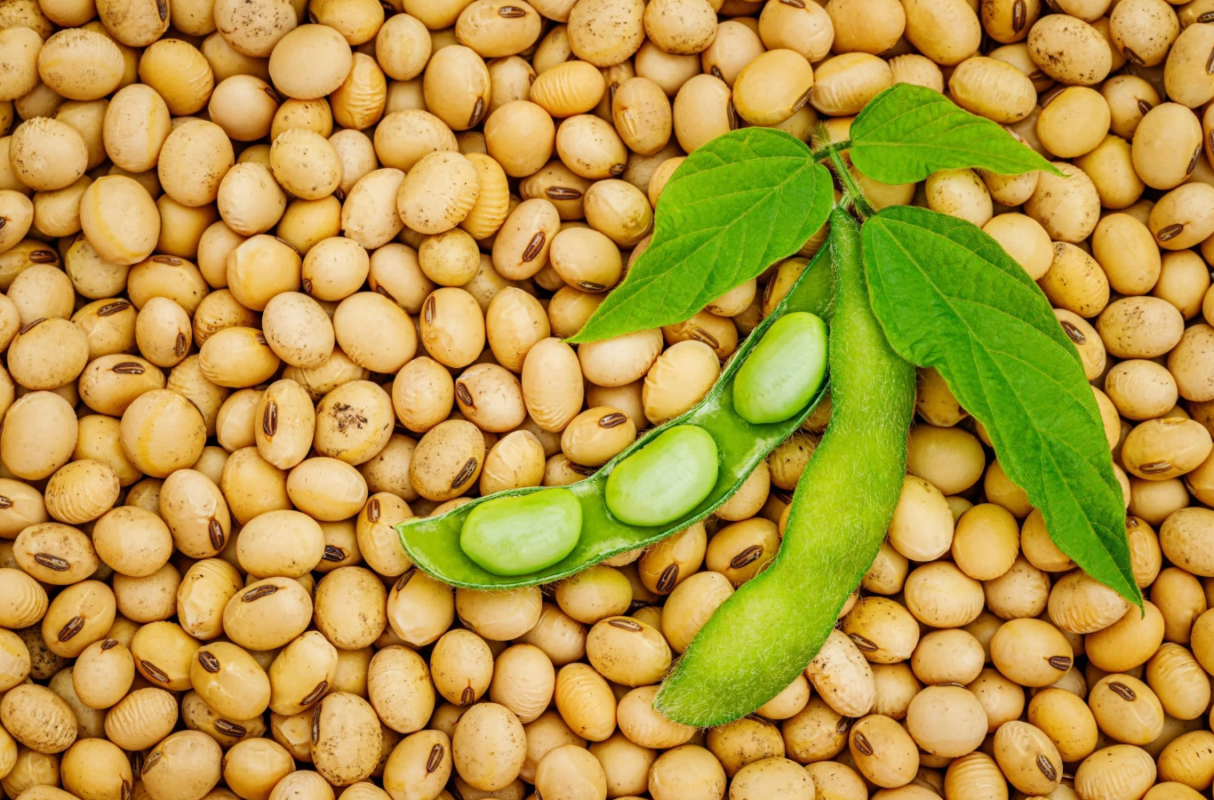
Soybean is one of the most commercially important agricultural commodities in the global food and feed trade. It is not only a major oilseed, but also one of the most versatile raw materials used in food manufacturing, animal feed production, edible oil extraction, protein processing, industrial applications, and international commodity trading. For many buyers, soybean is attractive because it supports several large downstream industries at once. It can be crushed into oil and meal, processed into flour, converted into protein ingredients, fermented into food products, and used in both wholesale and industrial supply chains.
That broad relevance is exactly why soybean should never be treated as a generic commodity with only one quality standard. A soybean buyer must first understand the intended use of the cargo. A crushing plant buying for oil and meal is not buying the same thing as a manufacturer sourcing soybeans for soy milk, tofu, flour, or direct food processing. A feed producer may focus heavily on protein yield, moisture, and cleanliness. A food processor may be stricter on grain appearance, odour, contamination, and documentation. A buyer supplying a regulated import market may also care deeply about residue compliance, traceability, and storage discipline.
In practical trade, the difference between a good soybean transaction and a problematic one often comes down to details that are easy to ignore at inquiry stage. Moisture, impurity, mould damage, split grains, storage condition, bagging, contract wording, and exporter capability all matter. A low-priced lot may appear attractive at the quotation stage but become expensive later if it arrives with excessive foreign matter, poor storage condition, or a quality profile that does not match the buyer’s actual production need.
In Nigeria and across several African agricultural trade discussions, soybean is increasingly recognized as a commercially relevant crop because of its importance in food, livestock feed, and industrial processing. It is already widely known in larger global markets, and the international soybean economy is shaped by huge supply flows, especially from major producing countries in the Americas. Still, even when buying from smaller or non-traditional origins, the same commercial truth applies: soybean sourcing works best when the buyer starts with a precise specification and works only with suppliers that understand quality control, handling, and export execution.
For importers, distributors, processors, manufacturers, and contract buyers, the real goal is not simply to buy soybeans at the lowest possible offer. The real goal is to secure a lot that fits the intended use, moves under acceptable trade terms, arrives with sound quality, and supports profitable repeat business. That is why a serious commercial guide should not stop at describing the commodity. It should explain how the product is made export-ready, what drives demand, where buyers usually face risk, how payment and shipping are commonly handled, and what specifications matter most before the cargo is loaded.
This guide approaches soybean from that practical and buyer-focused angle. It explains what soybean is, how it is grown and processed, what it is used for across food and industrial markets, why its nutritional profile supports steady demand, what risks buyers should take seriously, which countries dominate production and trade, how to source soybean safely, how international prices are typically framed, and what documents and trade terms usually shape export transactions.
For wholesalers, food ingredient buyers, crushers, feed mills, oil processors, private-label businesses, and agribusiness traders, soybean remains one of the most strategically relevant bulk commodities in world trade. The key is to buy it correctly.
Trade Overview of Soybean
| Commodity | Soybean |
|---|---|
| Botanical Name | Glycine max |
| Common Names | Soybean, Soya Bean, Soy Bean, Soya |
| Nigerian Market Reference | Commonly traded as soybean grain for feed mills, oil extraction, food processing, flour production, and wholesale agribusiness trade |
| Commodity Type | Oilseed / Protein Crop / Food Ingredient / Feed Ingredient / Export Commodity |
| Primary Export Forms | Natural dried soybean grain, cleaned soybean, graded soybean, food-grade soybean, crushing-grade soybean |
| Main End Uses | Edible oil extraction, soybean meal production, livestock feed, tofu, soy milk, soy flour, protein concentrate, soy protein isolate, industrial processing |
| Typical Packaging | 25kg and 50kg PP bags, jumbo bags, bulk shipments, or buyer-specified packaging |
| Common Trade Terms | FOB, CFR, CIF, EXW, FCA |
| Key Buyer Concerns | Moisture, protein level, oil content, foreign matter, mould, split grains, storage condition, residue compliance, and documentation quality |
Request a Quote or Speak With Our Team About Soybean
Ready to source Soybean with confidence? Submit your RFQ for detailed specifications and formal quotations, or chat on WhatsApp for fast responses and quick clarification.
What Is Soybean?
Soybean is the seed of the soybean plant, botanically known as Glycine max. It is one of the most commercially significant legumes in the world, but in trade it is usually treated as an oilseed and protein crop because of its major role in edible oil production and animal feed formulation. Unlike many crops that serve only one major commercial pathway, soybean participates in several high-volume value chains at the same time. That is one reason it remains central to global agriculture, food manufacturing, livestock nutrition, and commodity trading.
At its simplest, soybean is a grain-like seed harvested from mature soybean pods. However, its commercial identity depends on what the buyer intends to do with it. In one market, soybean is bought mainly for crushing into oil and soybean meal. In another, it is bought for direct food applications such as tofu, soy milk, soy flour, and fermented soy products. In still another, it is valued as a protein and energy component in feed manufacturing. These different uses create different pricing levels and quality preferences within the same broad soybean category.
Some soybean buyers prioritize protein content. Others prioritize oil yield. Food-grade buyers may pay closer attention to uniformity, cleanliness, grain soundness, and processing behaviour. A crushing plant may be more interested in bulk efficiency and extraction value. That is why soybean should never be sold or purchased as a vague one-size-fits-all product if the buyer wants predictable results.
In world trade, soybean occupies a strategic position because its downstream products are so widely consumed. Soybean oil is a major edible oil. Soybean meal is one of the most important protein ingredients in livestock feed. Soy-derived ingredients appear in bakery systems, beverages, protein products, health foods, processed meals, and industrial formulations. This deep integration into modern supply chains means soybean demand remains structurally important even when one specific end-use market slows temporarily.
For buyers, this commercial strength is both an opportunity and a responsibility. The opportunity is obvious: soybean is a recognized, liquid, globally traded commodity with multiple demand channels. The responsibility is that quality, use case, and contract clarity must be handled carefully from the beginning.
How Soybean Is Made / Processed
Soybean is an agricultural crop, but before it becomes a commercially useful export commodity or industrial raw material it moves through a series of production and post-harvest stages. Each of these stages can affect quality, storage stability, and market suitability.
1. Land Preparation and Planting
The soybean production cycle begins with land preparation, seed selection, and planting. Farmers choose soybean varieties based on yield potential, maturity period, disease resistance, local climate, and intended market use. Some varieties are more attractive for high-yield industrial supply, while others may be more suitable for food-oriented or local processing markets. Soil quality, rainfall pattern, fertilizer management, and agronomic discipline all influence the eventual grain quality.
From a buyer’s standpoint, this stage matters because poor field management often leads to lower-quality grain later. Weak crop establishment can contribute to uneven seed size, lower yields, more field contamination, and weaker commercial value.
2. Crop Growth and Field Management
As the soybean plants develop, farmers manage weeds, pests, diseases, and nutrient conditions. Good field management helps produce fuller pods, more consistent grain fill, and better harvest quality. Poor crop care can increase the likelihood of damaged grains, lower protein or oil performance, and more post-harvest sorting challenges.
Buyers do not always see this stage directly, but its effects show up later in the lot. That is why origin and supplier experience matter. Exporters that source from disciplined farming zones often deliver more consistent quality than those buying indiscriminately from mixed and poorly managed supply pools.
3. Harvesting at Correct Maturity
Soybeans are harvested when the plants and pods reach suitable maturity and the grains have dried enough for safe handling. If harvested too early, moisture may be too high and the beans may be less stable in storage. If harvested too late, field losses, weather exposure, and grain damage may increase. Harvesting can be manual or mechanized depending on the production system and scale.
This stage affects commercial value significantly because grain damage often starts here. Broken beans, stained lots, mixed moisture, and dirt contamination frequently become harder to correct after harvest.
4. Drying and Moisture Reduction
After harvest, soybean must be dried to a commercially safe moisture level. This is one of the most important post-harvest steps. Soybeans that are too moist can develop mould, heat damage, caking, and storage instability. This is especially serious in export trade where the cargo may spend extended time in warehouses, ports, and containers before reaching the buyer.
Professional sourcing requires that moisture be measured, not guessed. A seller’s verbal assurance that the beans are “well dried” is never enough for a careful buyer. The moisture target should be stated in the contract and verified before shipment.
5. Threshing and Grain Separation
Once harvested and adequately dried, the beans are separated from pods, stalk residue, and field debris. Depending on the production system, this may be done through manual, mechanical, or semi-mechanized methods. At this point the soybeans are still raw agricultural output and may contain dust, broken particles, pod fragments, stones, and other foreign matter.
This means that not every harvested soybean lot is automatically suitable for direct export. Cleaning and grading are needed to transform rough farm output into a commercially acceptable shipment.
6. Cleaning and Foreign Matter Removal
Cleaning removes dust, stalks, chaff, stones, sand, and unwanted debris from the soybean lot. Exporters may use sieves, air systems, gravity tables, and related equipment to improve the quality of the cargo. Buyers should care deeply about this stage because a lot described as “clean soybean” can vary widely in real quality depending on how thorough the cleaning process actually was.
Food processors and regulated market buyers tend to be stricter here than basic industrial or feed users, but no serious buyer wants preventable contamination problems. Poor cleaning raises cost, slows production, and weakens confidence in the supplier.
7. Grading and Lot Selection
Some soybean lots are graded by size, colour consistency, damage level, split ratio, moisture, and intended use. Food-grade soybean may require stronger visual quality and more careful lot selection. Crushing-grade soybean may focus more on oil and protein performance than on appearance. In either case, a supplier that understands the difference between grades is easier to work with than one that markets every lot as universally suitable.
Good grading helps align the actual cargo with the buyer’s production purpose. This is one of the most overlooked ways to reduce disputes before they happen.
8. Storage and Warehouse Management
Once cleaned and graded, soybean must be stored correctly. This is crucial because oil-rich and protein-rich commodities can deteriorate in poor conditions. Moisture ingress, pest infestation, rodent exposure, bad ventilation, chemical odour contamination, and careless stacking can all reduce quality. A clean soybean lot can still become commercially weak if warehouse control is poor.
Exporters with strong storage discipline usually separate lots clearly, keep facilities dry, monitor moisture, and protect the bags or bulk stock from contamination. Buyers should treat storage quality as part of supplier credibility.
9. Optional Crushing and Value Addition
Many soybeans are not sold only as raw grain. They are crushed into soybean oil and soybean meal, processed into soy flour, converted into soy protein concentrate and isolate, or used in food ingredients such as tofu and soy milk. These value-added forms are important in the wider soybean economy, but most bulk commodity buyers still begin with raw soybean grain and then process further based on their own business model.
That is why even when a buyer intends to purchase only raw soybean, it is still useful to understand the downstream value chain. It helps explain why different buyers care about different parts of the specification.
What Is Soybean Used For?
Soybean is one of the most commercially flexible crops in agriculture. It serves multiple industries and therefore supports several demand channels at once.
Edible Oil Extraction
One of the biggest uses of soybean is oil extraction. Soybean oil is widely used in household cooking, commercial frying, processed foods, margarine systems, and food manufacturing. Because soybean oil is such a major edible oil in many markets, a large portion of global soybean trade is tied directly to crushing and oil production. For buyers in this segment, oil content, grain soundness, moisture, and extraction efficiency are more important than cosmetic perfection.
Soybean Meal for Livestock Feed
After crushing, the remaining soybean meal becomes one of the most important protein ingredients in livestock and poultry feed. This is one of the reasons soybean holds such a dominant position in agricultural trade. Even when a shipment is purchased mainly for oil, the meal still has major commercial value. Feed mills and integrated animal nutrition businesses therefore monitor soybean supply closely because it influences ration cost and protein availability.
Food Processing and Human Consumption
Soybean is also used directly in food manufacturing. It can be processed into tofu, soy milk, tempeh, soy flour, soy grits, textured vegetable protein, and other soy-based foods. Buyers in this channel typically care more about food-grade suitability, odour, appearance, storage discipline, and in some cases varietal characteristics. This use channel often requires stronger quality control than commodity crushing alone.
Protein Ingredients and Industrial Food Systems
Soybeans are processed into soy protein concentrate, soy protein isolate, and other functional protein ingredients used in bakery systems, snacks, beverages, meat alternatives, nutrition products, and prepared foods. These markets are commercially important because they allow soy to move beyond traditional commodity uses into value-added ingredient systems. Buyers serving this sector often pay close attention to supply consistency and processor competence.
Bakery, Flour, and Ingredient Blends
Soy flour and related derivatives are used in bread, snacks, premixes, fortified foods, and specialty ingredient blends. In some markets, soybean contributes to nutrition enhancement, texture improvement, or cost-effective protein formulation. This supports an additional layer of demand beyond oil and feed.
Industrial Applications
Soybean and soybean oil also appear in a range of industrial applications such as biodiesel, inks, coatings, and other manufactured products depending on the market. While not every soybean buyer participates in these sectors directly, these uses still matter because they influence overall demand and price behaviour in the wider soybean economy.
Seed and Agribusiness Trading
Soybean also functions as a bulk traded commodity in its own right. Traders, aggregators, and distributors may buy and sell soybean based on origin, season, expected crushing demand, feed market direction, or export opportunity. In these transactions, logistics performance, contract structure, and quality consistency are often just as important as the commodity itself.
Health Benefits of Soybean
Soybean’s strong market position is also supported by its nutritional reputation. For food and retail buyers, this nutritional profile often helps sustain long-term consumer demand.
1. Rich Source of Plant Protein
Soybean is widely recognized as one of the strongest plant protein crops available at commercial scale. This makes it particularly valuable in food manufacturing, livestock nutrition, and plant-based product development. For buyers, that high protein reputation is one reason soybean remains relevant in both mainstream and health-oriented food categories.
2. Useful in Plant-Based Food Development
As plant-based eating and alternative protein products continue to shape parts of the food market, soybean remains commercially important because it can be turned into multiple protein-rich food ingredients. It is used in soy milk, tofu, textured products, and formulated foods where plant-based protein is central to the product concept.
3. Supports Oil and Energy Nutrition Markets
Soybean is also valued for its oil content. This dual identity as both a protein crop and an oil crop gives it unusual commercial strength. Buyers serving food markets can position soybean products around both nutrition and functionality, depending on the product form.
4. Widely Recognized by Consumers
Unlike lesser-known niche ingredients, soybean is familiar to consumers in many parts of the world. That familiarity matters commercially because products based on soy often require less consumer education than products built around unfamiliar raw materials. Food brands and processors benefit from this recognition.
5. Supports Functional Food and Ingredient Use
Soy ingredients are used in fortified foods, nutrition formulations, beverages, bakery products, and protein systems. This flexibility helps soybean participate in functional food trends rather than remaining only a bulk commodity crop.
6. Useful Across Income Segments
Another strength of soybean is that it works in both mass-market and premium segments. It can support affordable protein products in some markets and more specialized ingredient systems in others. That wide accessibility helps keep demand diversified.
7. Commercially Relevant for Both Food and Feed Security
Because soybean contributes to human food systems and livestock feed supply at the same time, it holds a strategic place in broader nutrition and food security discussions. For buyers, this means soybean often remains an essential commodity even when market conditions become volatile.
Side Effects of Soybean
Like every major traded agricultural product, soybean also has practical caution points that buyers and processors should take seriously.
1. Soy Allergy Risk
Soy is a known allergen for some consumers, and this matters especially in food manufacturing and retail markets. Buyers handling soybean for food use must pay attention to allergen labelling, plant segregation, and destination-market rules. This is not a small issue. It has direct implications for packaging, processing, and regulatory compliance.
2. Moisture and Mould Risk
If soybean is stored or shipped with excessive moisture, mould development, off-odours, and quality loss may occur. This is one of the most common avoidable risks in soybean trade. A cargo that looks acceptable at loading can arrive in poor condition if moisture was not properly controlled.
3. Heat Damage and Storage Deterioration
Improper storage can lead to heat build-up, caking, and reduced grain quality. For food and feed buyers alike, this can reduce usability and create disputes. Heat damage is especially concerning in lots that are stored too long under poor ventilation or high humidity.
4. Foreign Matter and Dirty Lots
Poorly cleaned soybean may contain stones, sand, pod fragments, dust, stalk residue, and broken material. These issues reduce commercial value and may increase production cost for the buyer. A supplier that does not take cleaning seriously is often a high-risk supplier in other parts of the transaction as well.
5. Pest and Insect Exposure
Weak warehouse control can expose soybean to pests, insect damage, and rodent contamination. This is especially problematic for shipments destined for food use or tightly regulated markets. Buyers should therefore examine storage practices, not just samples.
6. Residue and Compliance Concerns
Some destination markets require strict compliance around pesticide residues, contaminants, and traceability. Buyers importing into such markets should verify supplier capability early. Availability of stock is not the same thing as compliance readiness.
7. Grade Mismatch Risk
One of the most frequent commercial issues in soybean trade is not spoilage but mismatch between the sold grade and the buyer’s real use. A crushing-grade lot sold into a food-grade expectation, or an ordinary bulk lot sold as premium soy, can create avoidable dissatisfaction. This is why use case must be defined clearly before purchase.
Top Producing & Exporting Countries of Soybean
Soybean production and export are dominated by a relatively small number of major countries, and these origins shape global supply, pricing, and trade direction.
1. Brazil
Brazil is one of the largest soybean producers and exporters in the world. It plays a major role in global soybean trade and is often central to international supply discussions. For buyers, Brazilian soybeans are commercially important because they influence market availability, export competition, and seasonal price direction.
2. United States
The United States is another dominant force in soybean production and export. Its scale, logistics capacity, and role in global agricultural trading make it one of the most watched origins in the market. Many buyers benchmark global soybean trade partly through US crop conditions and export movement.
3. Argentina
Argentina is a major soybean producer and also highly significant in soybean processing. It is especially important in global soy oil and soybean meal markets, which means its role extends beyond raw bean supply into the wider value-added soybean economy.
4. Paraguay
Paraguay is smaller than the largest global players but remains an important soybean exporter. It is part of the broader South American supply complex that strongly shapes world soybean trade.
5. Canada
Canada also contributes to soybean production and export, and is often relevant in food-grade and specialty soybean discussions depending on the buyer’s market and application.
6. Ukraine
Ukraine has developed significance in soybean production and export and remains part of the wider European-origin supply picture. For some markets, it can offer meaningful sourcing opportunities depending on logistics and season.
7. Nigeria and Other Emerging Regional Suppliers
Although not on the same scale as the biggest global exporters, Nigeria and some other regional suppliers remain commercially relevant in local and regional soybean trade. For buyers sourcing outside the major global flow, these markets may be important where freight, regional demand, or local processing structures create opportunity.
Top Importing Countries of Soybean
On the import side, global soybean demand is concentrated in countries with large feed, crushing, and food manufacturing sectors.
1. China
China is by far one of the most significant soybean import markets in the world. Its feed demand, crushing industry, and food processing scale make it central to global soybean trade. For exporters and traders everywhere, Chinese demand is one of the strongest forces influencing soybean pricing and trade flows.
2. European Union Markets
The European Union remains a major soybean-importing region due to livestock feed demand, food manufacturing, and broader agri-food trade. Buyers supplying the EU often face stricter expectations around quality, compliance, and documentation.
3. Mexico
Mexico is an important soybean-importing market, particularly due to feed and food industry needs. It remains commercially relevant in the Western Hemisphere soybean trade structure.
4. Egypt
Egypt is a meaningful soybean importer in several trade discussions, especially because of feed and crushing demand. For exporters, it represents one of the active demand points in North Africa and the Middle East region.
5. Thailand
Thailand participates in soybean imports for food and feed purposes and remains commercially relevant in Asian soybean demand patterns.
6. Japan
Japan is important in soybean trade, especially where quality, traceability, and food-related use cases matter. Buyers serving Japan often operate under stricter quality expectations than purely bulk industrial markets.
7. Indonesia and Other Asian Feed and Food Markets
Several Asian markets continue to import soybean for crushing, feed, and food use. Together they form a broad demand base that helps support soybean’s central place in international agricultural trade.
How To Safely Source for Your Soybean Produce
Sourcing soybean safely requires a structured buying process. Because soybean serves different end uses and moves in large volumes, small mistakes at inquiry stage can become expensive after loading.
Start with a Detailed Specification
The buyer should first define the actual requirement. Is the soybean for crushing, feed milling, food processing, tofu, soy milk, flour, or ingredient manufacture? What moisture level is acceptable? What foreign matter tolerance is allowed? Is there a target protein or oil level? Are split grains a concern? Is the market compliance-sensitive? The clearer the inquiry, the easier it becomes to separate relevant suppliers from generic traders.
Match the Product to the Intended Use
This is one of the biggest safeguards in soybean trade. Food-grade requirements differ from ordinary crushing-grade or feed-grade expectations. A buyer that fails to define the intended use often receives quotations that are technically correct for the seller but commercially wrong for the buyer.
Verify the Exporter’s Real Capability
Not every company offering soybean can actually manage export-quality execution. Buyers should verify company identity, facility access, storage conditions, cleaning capability, export experience, and documentation discipline. Ask how the goods are cleaned, how the moisture is checked, how lots are stored, and whether the supplier can support inspection. Reliable suppliers are usually comfortable answering these questions clearly.
Request Representative Samples
Representative samples are essential. The buyer should inspect them for colour, smell, visible contamination, broken grains, mould signs, and general suitability. If the order value is high or the destination market is sensitive, laboratory testing may also be justified. A hand-picked sample that does not represent the commercial lot is worse than no sample at all.
Control Moisture from the Contract Stage
Moisture should be written directly into the contract and verified before shipment. This single factor can determine whether the cargo arrives sound or problematic. A serious buyer should never treat moisture as a casual verbal issue.
Inspect Cleaning and Lot Condition Carefully
Even if the soybean is mainly for crushing or feed, avoidable foreign matter is still a cost. Stones, sand, pod residue, and dusty lots reduce value and may damage equipment or force re-cleaning. Buyers should inspect cleaning quality carefully and not assume that all suppliers use the term “cleaned soybean” in the same way.
Review Storage and Warehouse Practice
Storage conditions matter just as much as processing. A supplier may show a good sample, but if the stored stock is in a damp or contaminated warehouse, the real shipment quality may drift before loading. Buyers should ask about storage method, lot separation, ventilation, pest control, and bag condition.
Use Pre-Shipment Inspection Where Appropriate
For larger orders or more sensitive trade routes, pre-shipment inspection can help reduce risk. Quantity confirmation, moisture testing, packaging checks, and container inspection can catch problems early enough to prevent more serious destination disputes.
Confirm Compliance for the Destination Market
If the soybeans are entering a market with residue or food safety requirements, that must be addressed before contracting. Buyers should confirm whether the supplier can support the necessary standards and documentation. It is much easier to screen suppliers properly than to solve compliance problems after loading.
Use Clear Commercial Terms
The contract should state product description, quantity, grade, moisture, impurity tolerance, packaging, trade term, shipment period, documents, inspection basis, and payment arrangement. Clear terms reduce argument and make performance measurable.
Build Relationships with Performing Suppliers
Once a supplier demonstrates consistency, quality control, and honest communication, that relationship becomes valuable. Constant switching between suppliers for small price differences often creates more risk than savings in bulk agricultural trade.
Where To Find Reliable Exporters for Soybean
Reliable soybean exporters are usually found through structured commodity channels rather than random price hunting alone. Commodity traders, oilseed processors, agribusiness exporters, chamber-backed introductions, trade exhibitions, and trusted supply referrals often produce better sourcing outcomes than unknown online contacts offering unusually low prices.
The best exporters are usually those that can explain their stock quality, storage conditions, cleaning process, moisture controls, loading capability, and document handling clearly. They understand that soybean buyers do not all want the same thing. A feed mill buyer, a tofu processor, and a crusher may all buy soybeans, but they do not buy them to the same standard.
Buyers should also judge communication quality. Reliable exporters respond clearly during sampling, specification review, contract negotiation, loading coordination, and document dispatch. Suppliers that are vague before payment often become even less dependable once money is involved.
In practical terms, the right exporter is not always the one with the cheapest offer. It is the one that can consistently convert available stock into a shipment that matches the agreed specification and arrives with minimal surprises.
International Price of Soybean Per Metric Ton
International soybean pricing depends on origin, crop season, futures market direction, protein and oil expectations, shipment basis, destination demand, and whether the soybean is ordinary bulk crushing grade or a more specialized food-grade lot. Freight plays a major role as well, so buyers should not compare FOB, CFR, and CIF prices as if they were the same thing.
In broad practical trade terms, soybeans in 2025 to 2026 can often be discussed in a working range of about US$380 to US$620 per metric ton depending on origin, grade, and delivery basis. Bulk crushing-grade cargoes often sit toward the lower or middle part of the range depending on the market, while specialty food-grade soybeans, more controlled lots, or destination-specific shipments may move higher.
For buyers, the more important point is not the exact generic number but the basis of the quote. A soybean offer must be tied to a clear specification, quantity, shipment window, and Incoterm before it becomes commercially meaningful. A headline internet price is not a reliable purchasing basis if it does not define whether the cargo is FOB, CIF, food grade, crushing grade, cleaned, or ordinary bulk stock.
In practical sourcing, buyers should always compare like with like. A low-priced soybean offer with weak moisture control or unclear grade may not actually be cheaper once handling loss, re-cleaning, claims, and process inefficiency are considered. For this reason, experienced buyers usually ask for a detailed quotation attached to measurable parameters rather than asking only for “best price per ton.”
Request a Quote or Speak With Our Team About Soybean
Ready to source Soybean with confidence? Submit your RFQ for detailed specifications and formal quotations, or chat on WhatsApp for fast responses and quick clarification.
How To Pay For Your Soybean Produce
Payment terms in soybean trade should reflect the order size, relationship maturity, and commercial risk on both sides. The objective is to protect the transaction while keeping execution practical.
Advance Payment
Small or trial soybean orders may sometimes be done on advance payment, especially where the buyer already knows the supplier or the transaction value is limited. While this can simplify the deal, it is best used only where supplier performance risk is already well understood.
Part Payment with Balance Against Shipping Documents
This is common in agricultural trade. The buyer pays an agreed upfront amount to support procurement or preparation, and the balance is paid after shipment against the agreed document set. This can work well where trust is reasonable and the contract is clearly written.
Letter of Credit
For larger soybean contracts, a letter of credit can provide stronger security by linking payment to documentary compliance. It is particularly useful where both sides need stronger structure, though the conditions should be drafted realistically to avoid unnecessary friction.
Cash Against Documents Through Banking Channels
Some buyers prefer a document-linked banking route without the full complexity of an LC. This can provide a useful balance between flexibility and control in certain trade relationships.
Why Payment Clarity Matters
The payment term should specify timing, required documents, banking arrangement where relevant, and the treatment of discrepancies or delay. Many avoidable trade problems begin when payment language is vague. Clear terms make the transaction easier for both sides.
Shipping & Delivery Terms
Soybean is commonly moved in bags or in larger bulk-oriented structures depending on the route and quantity. The right delivery term depends on the buyer’s logistics capability and commercial preference.
FOB Shipments
Under FOB terms, the exporter handles the goods up to loading on board at the named port while the buyer controls the main freight. This is often suitable for experienced importers and trading houses with existing freight arrangements.
CFR and CIF Shipments
Under CFR or CIF terms, the exporter arranges ocean freight, and under CIF also provides the agreed insurance cover. These structures can be attractive to buyers who want a more bundled supply arrangement, but the exact freight and insurance scope should still be checked carefully.
Container and Cargo Readiness
The loading container should be clean, dry, odour-free, and fit for cargo. Bags should be strong and properly stacked to reduce tearing and moisture problems. Poor container hygiene can damage even a good soybean lot during transit.
Transit and Timing Planning
Buyers should ask about loading port, routing, likely sailing schedule, and expected transit time. Soybean is more stable than highly perishable commodities, but delay can still disrupt factory planning, crushing schedules, or inventory management.
Delivery Coordination
Successful delivery depends not only on vessel movement but also on timely document dispatch, shipment notice, and proper communication. Exporters that manage these details well usually create far better trade experiences for buyers.
Our Typical Trade Specifications For Soybean
| Parameter | Typical Export Range / Target |
|---|---|
| Product | Soybean |
| Botanical Name | Glycine max |
| Type | Crushing grade, feed grade, or food grade depending on buyer request |
| Form | Natural dried grain, cleaned soybean, graded soybean |
| Moisture | Usually contract-defined, often around 10% to 13% max depending on origin and intended use |
| Foreign Matter | As low as possible, contract-defined tolerance |
| Damaged / Split Grains | Buyer-specified tolerance depending on use |
| Protein / Oil | As agreed, especially important for crushing and feed applications |
| Processing Level | Raw, cleaned, graded, or food-selected depending on supply chain |
| Packaging | 25kg or 50kg PP bags, jumbo bags, or buyer-specified bulk arrangement |
| Inspection | Buyer, seller, or third-party inspection as agreed |
| Testing | Moisture, impurities, protein, oil content, residues, microbiology, or destination-specific checks where required |
| Origin | Nigeria or other agreed origin |
Expected Shipping Documents
The exact document set for soybean exports depends on the destination, contract structure, and bank arrangement, but a standard soybean shipment usually includes several core documents.
Commercial Invoice
The commercial invoice states product description, quantity, unit price, total value, seller details, buyer details, and the agreed trade term. It is a foundational commercial document and must align with the contract and shipment.
Packing List
The packing list shows bag count, package type, net and gross weights, and shipment structure. It helps the buyer and logistics chain understand how the cargo has been presented.
Bill of Lading
The bill of lading is one of the key shipping documents in ocean freight trade and is central to cargo release and many payment arrangements.
Certificate of Origin
This confirms the origin country of the soybean shipment and may be relevant for customs, sourcing transparency, and trade preference reasons.
Phytosanitary Certificate
Because soybean is an agricultural commodity, phytosanitary documentation is often required depending on destination rules. Buyers should confirm this requirement early in the process.
Inspection Certificate
Where pre-shipment inspection forms part of the contract, an inspection certificate may confirm quantity, quality, loading condition, or other agreed shipment parameters. This can help reduce disputes later.
Laboratory Analysis Report
Depending on the market and intended use, lab reports may be requested for moisture, protein, oil content, residues, microbiology, or other quality indicators. This is especially common where food-grade or regulated-market trade is involved.
Insurance Certificate
If the agreed trade term requires the seller to arrange insurance, the insurance certificate should be part of the shipping document package sent to the buyer or bank.
Request a Quote or Speak With Our Team About Soybean
Ready to source Soybean with confidence? Submit your RFQ for detailed specifications and formal quotations, or chat on WhatsApp for fast responses and quick clarification.