

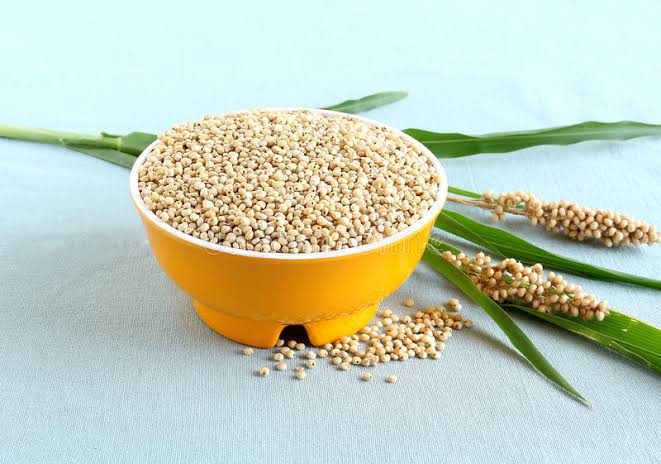
Sorghum is one of the most commercially important cereal grains in the global agricultural trade, especially across Africa, Asia, and parts of the Americas where it is used as a staple food, feed ingredient, industrial raw material, brewing grain, and processing input. For importers, food processors, grain merchants, feed formulators, industrial buyers, wholesalers, and exporters, sorghum is not just another grain in the market. It is a versatile commodity with multiple end-use channels, steady regional demand, and quality characteristics that can directly affect how profitable a transaction becomes.
In Nigeria and across several African markets, sorghum is a familiar crop both in domestic consumption and commercial trade. It is used in flour, meal, porridge, traditional foods, malt production, beverages, industrial starch channels, and feed formulations depending on the quality and color of the grain. In many local markets, buyers may refer to it as sorghum grain, guinea corn, red sorghum, white sorghum, or simply grain sorghum. In Nigerian trade conversations especially, guinea corn is one of the most recognized common market references for sorghum, and many buyers still use that name when discussing bulk sourcing, local aggregation, or grain processing.
Botanically, sorghum belongs to Sorghum bicolor. Common names include sorghum, grain sorghum, guinea corn, milo, red sorghum, and white sorghum depending on the region and market type. In commercial practice, the buyer usually cares less about the botanical label itself and more about the grain’s end-use suitability. A brewer may care about specific grain qualities and consistency. A flour processor may care about cleanliness and milling performance. A livestock-feed buyer may tolerate different visual standards than a food-grade buyer. That is why sorghum should never be sourced casually simply because the product description sounds familiar.
Like many grains, sorghum can appear simple from a distance but become highly technical when money is on the line. Moisture, storage condition, insect activity, mould exposure, foreign matter, grain color, broken kernels, bagging quality, and inspection standards all matter. A low quotation can become expensive if the cargo later shows caking, poor dryness, high contamination, or a specification mismatch that limits its usefulness after arrival.
This guide is written for serious buyers who want a practical, commercial, and sourcing-focused understanding of sorghum as a tradable commodity. It explains what sorghum is, how it is grown and processed, how it is used, the main health benefits attached to it, the realistic side effects and trade risks to keep in mind, the leading producing and importing markets, how international pricing is usually framed, what safe payment structures look like, how shipping terms are handled, and how to reduce risk when sourcing from exporters or aggregators.
Trade Overview of Sorghum
Sorghum is one of the world’s major cereal grains and remains commercially important because it serves several markets at once. It is used as a staple food in many regions, especially in Africa and parts of Asia. It is also used in animal feed, brewing, alcohol and malt processing, flour production, food ingredient manufacturing, and some industrial grain applications. This wide demand base gives sorghum a strong place in the agricultural trade, even though it often receives less public attention than rice, wheat, or maize.
From a trade perspective, sorghum is highly functional but specification-sensitive. The same commodity name can cover grain with very different qualities. One lot may be suitable for brewing. Another may fit direct food processing. Another may be better suited to feed use. The exact value depends on color, cleanliness, moisture, kernel uniformity, foreign matter, mould risk, age of stock, and overall storage discipline. This is why experienced buyers do not compare sorghum quotations by price alone. They compare them by intended use, quality, inspection basis, and supply-chain reliability.
In Nigeria, sorghum plays an important role in both household consumption and industrial processing. It is used in local food systems, traditional beverages, and more structured commercial processing channels. The grain is also relevant in northern grain markets where production, aggregation, and wholesale movement remain active. For buyers serving African food channels or industrial grain users, sorghum remains a very practical commodity because it can move across both traditional and formal value chains.
| Commodity | Sorghum |
|---|---|
| Botanical Name | Sorghum bicolor |
| Common Names | Sorghum, grain sorghum, guinea corn, milo, red sorghum, white sorghum |
| Nigerian Market References | Guinea corn, sorghum grain, red guinea corn, white guinea corn |
| Main Commercial Forms | Whole dried grain, food-grade grain, brewing-grade grain, feed-grade grain, milled sorghum flour, meal, malt inputs |
| Main Buyers | Food processors, brewers, wholesalers, grain merchants, distributors, feed millers, institutional buyers, exporters |
| Typical Packaging | 25 kg, 50 kg, jumbo bags, or bulk grain depending on contract structure |
| Trade Focus | Moisture, grain cleanliness, foreign matter, kernel soundness, insect activity, mould risk, colour consistency, odour |
| Common Delivery Modes | Ex-warehouse, truck delivery, FOB, CFR, CIF, containerized or bulk shipments |
Request a Quote or Speak With Our Team About Sorghum
Ready to source Sorghum with confidence? Submit your RFQ for detailed specifications and formal quotations, or chat on WhatsApp for fast responses and quick clarification.
What Is Sorghum?
Sorghum is a cereal grain obtained from plants in the species Sorghum bicolor. It is one of the most adaptable grains in agriculture and is especially valued in semi-arid regions because it can perform under drier conditions better than some competing cereals. Commercially, it is a grain that can serve multiple roles at the same time. It is used in staple food systems, flour and meal production, brewing, malt-based processing, livestock-feed channels, and industrial grain applications depending on the quality and grade being traded.
Unlike a commodity that has only one dominant market channel, sorghum has several commercial identities. In one country it may be treated mainly as a food staple. In another it may be valued primarily by brewers. In another it may move into feed formulations. That flexibility is one of the reasons it remains important in trade. It allows suppliers to redirect grain into different market channels depending on quality, demand, and seasonal pricing.
In the Nigerian market, sorghum is often recognized under the broader trade name guinea corn, especially in regional grain commerce. Buyers may distinguish between red and white types depending on the destination use. Some processors prefer one color type over the other. Some local food applications are linked more strongly to specific regional preferences. This means a buyer should not simply ask for sorghum without clarifying the type and intended use.
Commercially, sorghum is usually traded as dried whole grain after harvesting, threshing, drying, cleaning, sorting, and bagging. The finished grain may be sold for direct consumption, industrial processing, flour milling, brewing, feed formulation, or wholesale redistribution. The more clearly the end-use is defined, the easier it becomes to source the correct grade and avoid costly mismatches.
How Sorghum Is Made / Processed
The final commercial quality of sorghum depends heavily on how it is grown, harvested, dried, cleaned, stored, and packed. A good field crop can still lose market value if post-harvest handling is careless. For buyers, that makes process discipline almost as important as production volume.
1. Cultivation and varietal selection
Sorghum begins with the choice of the right variety for the target environment and intended market. Different varieties may produce different grain colours, sizes, and performance characteristics. Agronomic decisions such as seed selection, soil preparation, fertilizer use, weed control, pest management, and harvest planning all affect final grain quality.
For trade-oriented supply chains, field consistency matters. Buyers sourcing for repeat processing use usually prefer grain from operators or aggregation systems that can maintain reasonably stable quality from one lot to another, rather than random mixed stock with wide variation.
2. Harvesting at proper maturity
Sorghum intended for grain trade is harvested when the heads have matured and the kernels are sufficiently developed. Harvesting too early can increase moisture-related problems and reduce grain soundness. Harvesting too late can expose the crop to field weathering, pest pressure, and handling losses. Timing therefore matters in the same way it does for other staple grains.
For buyers, this stage becomes important later because poor harvest timing often shows up in reduced grain quality, uneven drying behaviour, or weakened storage stability.
3. Threshing and separation
After harvest, the grain is separated from the heads through threshing. Depending on the production scale, this can be done through manual methods or mechanical systems. For commercial lots, controlled threshing is important because rough handling can create excess breakage, dust, and contamination.
Well-handled threshing supports better grain appearance and lowers the burden on later cleaning and sorting.
4. Drying and moisture reduction
Drying is one of the most important parts of the sorghum trade. If the grain is stored too wet, it can heat, cake, mould, or develop off-odour. If it is dried unevenly or too aggressively, breakage can rise and grain integrity may suffer. Proper drying is therefore a central quality-control point.
For commercial buyers, moisture is not just a laboratory detail. It affects shelf life, transport safety, storage stability, weight integrity, and the practical usability of the grain after delivery. Pre-shipment verification should always include moisture checks.
5. Cleaning and foreign matter removal
Once dried, the grain is cleaned to remove dust, stalk fragments, stones, broken matter, and other unwanted materials. The better the cleaning process, the easier it is for the buyer to use the grain in food, brewing, or industrial processing. Poor cleaning may still be accepted in some lower-value channels, but it will usually not command the same commercial confidence.
In food-grade and brewing-oriented channels especially, cleanliness can strongly influence buyer preference and price negotiation.
6. Sorting and grading
Sorghum is then sorted or graded according to factors such as grain size, colour consistency, defect level, and suitability for the intended market. Red sorghum and white sorghum may be separated where market preference requires it. Some lots may be better suited to brewing, others to milling, and others to feed or bulk wholesale distribution.
This is where suppliers can improve value by matching product presentation to buyer expectation instead of selling all sorghum as one undifferentiated grain.
7. Bagging and controlled storage
After cleaning and sorting, the sorghum is bagged into the agreed package size or stored in bulk under controlled conditions. Warehouse discipline matters greatly. The grain should be stored in dry, clean, pest-managed, well-ventilated conditions with protection from water ingress and cross-contamination. Even good sorghum can deteriorate quickly in a poor warehouse.
For buyers, asking about storage method is a practical due-diligence step, not an unnecessary detail.
8. Loading and shipment preparation
Before dispatch, the grain is weighed, checked for bag integrity, and loaded into trucks or export containers. The loading environment should be clean and dry, and food-grade cargo should not be exposed to chemical odours, dirty surfaces, or wet transport equipment. Pre-shipment inspection at this stage can reduce disputes by confirming visible condition, bag count, weight, and general grain quality before final dispatch.
What Is Sorghum Used For?
Sorghum has strong commercial relevance because it serves multiple use cases. This broad utility helps maintain demand across different industries and regional trade channels.
Direct household food use
In many markets, sorghum is consumed directly as a staple grain. It may be cooked, milled into meal, prepared into porridge, or used in traditional dishes. This makes it an important household commodity in several African and Asian food systems.
Flour and meal production
Sorghum is widely milled into flour and meal for food processing. These products can then be used in porridges, baked applications, traditional staple foods, and composite flour blends. Buyers in this segment care strongly about dryness, cleanliness, and grain soundness because milling performance depends on them.
Brewing and malt-related processing
One of sorghum’s major commercial uses is in brewing and malt-related industries. Certain sorghum grades are used in beer, malt beverages, and traditional or commercial brewing systems. For this reason, brewers and malt processors often require more specific quality characteristics than general wholesale grain buyers.
Animal feed production
Sorghum can also be used in feed formulations, especially where price relationships make it competitive with other energy grains. Feed buyers may focus on dryness, energy value, and absence of visible spoilage rather than the same visual standards expected in premium food channels.
Industrial food processing
Food manufacturers may use sorghum in cereals, specialty flours, snack products, gluten-free formulations, and certain processed food lines. In these applications, consistency and contamination control matter more because the grain enters a more formal manufacturing environment.
Traditional beverages and local processing
In several African markets, sorghum is used in traditional drinks and artisanal processing systems. This supports a strong domestic demand layer that keeps the grain commercially relevant beyond formal export channels.
Wholesale redistribution and cross-border grain trade
Sorghum also moves in large volumes through simple wholesale redistribution. Traders, aggregators, grain merchants, and regional distributors buy and resell it across border corridors and major market hubs where food and brewing demand are active.
Health Benefits of Sorghum
Sorghum is not only commercially useful. It also has several nutritional qualities that make it attractive to food buyers and health-conscious consumers.
1. Reliable source of dietary energy
Sorghum contains carbohydrates that make it a dependable energy source in staple diets. This is one of the key reasons it remains important in household consumption and institutional feeding systems.
2. Contains fibre in less refined forms
When consumed in less refined or whole-grain-oriented forms, sorghum can contribute dietary fibre that supports digestion and helps improve satiety. This makes it attractive in more natural or less heavily processed food applications.
3. Naturally gluten-free in pure form
Pure sorghum is naturally gluten-free, which gives it relevance in certain food-processing categories designed for consumers avoiding gluten-containing grains. This commercial feature has helped increase interest in sorghum-based flours and specialty formulations.
4. Provides useful plant compounds
Sorghum contains naturally occurring plant compounds that contribute to its nutritional profile. Depending on the variety and level of refinement, these compounds can support health-oriented product positioning in some food markets.
5. Can support diversified grain consumption
As food markets become more interested in grain diversity, sorghum benefits from being a traditional crop with modern relevance. It gives households and processors an alternative to relying too heavily on the same few staple grains.
6. Useful in balanced meals
Sorghum can fit well into balanced diets when consumed alongside legumes, proteins, vegetables, and other nutrient sources. This makes it practical in both traditional food systems and more structured meal planning.
7. Valuable in minimally processed grain foods
Where consumers prefer less refined grain products, sorghum can offer a more wholesome profile than heavily processed alternatives, depending on how it is milled and prepared.
Side Effects of Sorghum
Like other grains, sorghum is widely consumed and generally useful, but responsible commercial writing should still address realistic limitations and handling concerns.
1. Overdependence may reduce dietary variety
Any staple grain can become limiting if it dominates the diet too heavily without enough supporting foods. Sorghum works best as part of a broader food pattern rather than as the sole base of nutrition.
2. Some forms may require proper processing for best digestibility
Depending on the end product and preparation method, sorghum may need proper milling, cooking, or processing to deliver the best eating quality and digestibility. This is more of a food-use consideration than a trade defect, but it matters to buyers serving consumer markets.
3. Poor storage can lead to mould, odour, and reduced usability
If sorghum is stored in damp or poorly ventilated conditions, it can develop mould growth, caking, heating, or unpleasant odour. These issues reduce both commercial value and end-use suitability.
4. Insect infestation can damage grain quality
Like other stored grains, sorghum can be attacked by storage pests if warehousing standards are weak. Insect activity reduces buyer confidence, damages kernels, and may lead to rejection or discounting.
5. Visual inconsistency can limit suitability for some buyers
Excessive discoloration, poor grain sorting, mixed varieties, or high broken content may not create a food-safety issue on their own, but they can still reduce the grain’s attractiveness to processors or brewers who expect consistent raw material.
6. Toxin or contamination risk can arise under poor handling conditions
Where drying and storage have been mishandled, sorghum can face the same broad contamination risks that affect other grains. This is why inspection, moisture verification, and warehouse diligence remain essential in commercial sourcing.
Top Producing & Exporting Countries of Sorghum
Sorghum is produced in many countries, but a smaller number of major producers and exporters shape the global trade flow.
1. United States
The United States is one of the most important players in the global sorghum trade. It has large-scale production and a significant export role, particularly in years when international demand is strong.
2. Nigeria
Nigeria is one of the world’s major sorghum producers and remains commercially relevant because of its large domestic grain economy, strong local use, and production base. Its position matters in African grain discussions even where much of the crop is consumed locally.
3. Sudan
Sudan has long been recognized as an important sorghum-producing country, particularly within African and regional food systems. Production performance can vary, but the crop remains highly significant in the country’s grain economy.
4. Ethiopia
Ethiopia is another major sorghum-producing country with strong local relevance. Its production base contributes to the crop’s importance across East Africa.
5. India
India remains an important sorghum producer, especially in food and feed contexts. Depending on internal demand and market conditions, it also influences broader trade sentiment around the crop.
6. Australia
Australia is commercially important in sorghum exports and is often watched by buyers due to its export-oriented grain systems, logistics capacity, and role in Asia-Pacific trade flows.
7. Argentina and other regional suppliers
Argentina and selected other producers can also enter the sorghum export conversation depending on crop conditions, trade flows, and buyer demand at a given time.
Top Importing Countries of Sorghum
Sorghum import demand is shaped by food demand, feed demand, brewing use, industrial needs, and the domestic crop performance of key consuming countries.
1. China
China has been one of the most important sorghum import markets in the world. Its demand has had a strong influence on global trade flow, especially when feed and industrial demand are supportive.
2. Mexico
Mexico is another relevant sorghum market because of its grain demand profile and its role in regional trade discussions involving feed and food grains.
3. Japan
Japan can be a relevant sorghum-importing market depending on industrial and feed requirements. Its importance lies partly in being a quality-sensitive destination.
4. African regional deficit markets
Some African countries import sorghum or participate in regional cross-border trade when local production falls short or where specific grain qualities are required for processing or food security needs.
5. Middle Eastern and specialty industrial buyers
Depending on the season and grain economics, some Middle Eastern or specialized industrial markets may also purchase sorghum for food, feed, or processing use.
How To Safely Source for Your Sorghum Produce
Safe sourcing is where successful grain buyers distinguish themselves from purely speculative traders. Sorghum may be a familiar crop, but each cargo must still be evaluated properly if the buyer wants to avoid avoidable loss.
Start with a clear written specification
A buyer should first define the intended use. Is the sorghum for flour milling, brewing, direct grain resale, food processing, feed use, or traditional beverage production? The specification should state colour preference, maximum moisture, acceptable foreign matter, packaging format, bag size, grain condition, inspection requirement, and any laboratory expectations where relevant.
Precise enquiries attract more useful quotations than vague requests for “your best price.”
Define whether the grain is food-grade, brewing-grade, or general commercial grade
Not every sorghum lot fits every use. A brewing buyer may want more uniformity and specific grain traits. A flour miller may prioritize cleanliness and kernel soundness. A wholesaler reselling into open markets may accept a broader commercial range. The buyer should define this early so the supplier does not quote a mismatched lot.
Ask about harvest period and stock age
The age of stored grain matters. Sorghum that has been held too long under poor conditions may develop storage problems even if it still appears acceptable at first glance. Ask when it was harvested, how long it has been stored, and whether it has been re-bagged or re-cleaned.
Request recent visual evidence
Buyers should ask for current grain photos, close-up kernel images, warehouse photos, and bagging visuals where applicable. This does not replace inspection, but it helps identify weak offers before a transaction goes too far.
Check moisture before shipment
Moisture is one of the most important trade control points in sorghum. Grain that is too wet is a storage and transport risk. Independent pre-shipment moisture testing is one of the most practical safeguards available.
Inspect for insects, mould, and odour
Visual and sensory inspection remains essential. Grain should be checked for live insects, mould traces, dusty deterioration, fermentation smell, caking, and any other signs of poor handling. Buyers dealing with food or brewing channels should be especially careful here.
Review cleaning quality and foreign matter level
Heavy foreign matter increases downstream processing cost and can undermine the buyer’s margin. It is better to confirm cleaning quality before shipment than to negotiate claims after arrival.
Check packaging strength and load security
Weak bags can cause spillage, weight loss, contamination, and handling claims. The buyer should agree on bag type, stitching quality, marking, net weight, and loading arrangement before dispatch.
Understand the supplier’s role in the chain
Is the supplier a farmer group, warehouse trader, aggregator, processor-linked supplier, or export trader? This matters because it helps the buyer understand who actually controls the stock and where the operational risk sits.
Use independent inspection where appropriate
Pre-shipment inspection is especially valuable for larger lots, export cargo, new supplier relationships, or more quality-sensitive applications. It helps verify condition before the cargo leaves origin control.
Use a contract that defines quality and claims clearly
The sales contract should cover product definition, quality parameters, quantity tolerance, packaging, inspection, shipment timing, document package, payment terms, and claims procedure. A clear contract is one of the strongest protections in commodity trade.
Do not buy on price alone
The cheapest sorghum quote may hide higher moisture, more foreign matter, mixed colours, weaker bagging, or more uncertain storage history. Buyers should compare offers on a like-for-like basis and focus on risk-adjusted value, not headline price alone.
Where To Find Reliable Exporters for Sorghum
Reliable sorghum exporters are usually found through established grain trade networks, export associations, agro-commodity merchants, warehouse-backed aggregators, chambers of commerce, trade referrals, processor-linked suppliers, and grain merchants with a real operating footprint. In many cases, the most dependable exporters are those who can demonstrate current stock control, proper warehousing, acceptance of inspection, and a working understanding of the destination market.
However, finding a name is not the same as finding a reliable exporter. Reliability is proven through behavior. A dependable supplier should be able to explain stock age, grain condition, moisture status, cleaning level, bagging format, documentation requirements, loading readiness, and the intended commercial grade without confusion. They should not treat every buyer as though the same sorghum quality fits all uses.
Buyers should also look at whether the supplier understands the specific end market. An exporter supplying brewing channels should speak differently from one supplying generic open-market grain buyers. That commercial awareness is often a good sign.
For first transactions, a manageable trial order can be a practical way to evaluate whether the supplier’s real performance matches their quotation. Communication quality, inspection openness, packaging discipline, and dispatch execution often reveal more than a brochure or pitch deck ever will.
International Price of Sorghum Per Metric Ton
International sorghum pricing depends on origin, crop size, exportable surplus, domestic demand in producing countries, freight conditions, end-use competition from maize and other grains, and the exact specification being traded. Food-grade, brewing-oriented, or cleaner exportable lots may command different values from more basic feed-oriented commercial lots.
As a practical guide for 2025 to 2026, sorghum can trade across broad bands depending on origin and delivery structure. In many commercial situations, mainstream exportable grain may move from around US$220 to US$340 per metric ton, while cleaner food-grade or more tightly specified lots, containerized shipments, or destination-delivered cargo may price above that range once bagging, freight, insurance, and documentation costs are included.
These should not be treated as fixed universal numbers. A lower-priced offer may refer to a less clean, less uniform, or more weakly controlled commercial lot. A stronger offer may include better preparation, clearer specification, more reliable shipment, and lower commercial risk. This is why buyers should always request current quotations against an exact specification and Incoterm rather than rely on headline commodity commentary alone.
Destination conditions also matter. Where local grain supply is tight or brewing and food demand is strong, buyers may become more active in import or regional sourcing. Where domestic crop conditions are favorable, import urgency may ease. Practical buying decisions should therefore be based on live offers, not old price assumptions.
Request a Quote or Speak With Our Team About Sorghum
Ready to source Sorghum with confidence? Submit your RFQ for detailed specifications and formal quotations, or chat on WhatsApp for fast responses and quick clarification.
How To Pay For Your Sorghum Produce
Payment terms in sorghum trade should reflect the size of the transaction, the trust level between the parties, and the quality sensitivity of the intended use.
Advance payment in proven relationships
Advance payment may work where the supplier relationship is already established and the buyer has confidence in the exporter’s performance. In new relationships, however, full advance payment is usually less comfortable unless strong controls are in place.
Deposit with balance tied to shipment conditions
A practical structure in many grain transactions is a deposit with the balance linked to agreed shipment milestones, inspection, or document presentation. This can help align incentives and reduce risk.
Letter of credit for larger formal contracts
For larger export deals, a letter of credit may provide stronger transactional discipline. It comes with more paperwork and banking cost, but it can improve comfort when both parties are experienced in documentary trade.
Documentary collection in selected trade relationships
Some sorghum transactions may be handled through documentary collection where trust and trading history already exist. Even then, the buyer should not treat documentation as a substitute for quality control.
Verify the supplier before moving funds
Before sending payment, the buyer should confirm the supplier’s company identity, banking details, operational role, access to stock, and ability to produce the required export documents. Prevention is much easier than recovery in commodity trade.
Shipping & Delivery Terms
Sorghum can move under multiple delivery structures depending on whether the trade is local, regional, or export-oriented.
Ex-warehouse supply
In local and regional grain trade, sorghum is often sold ex-warehouse. In that arrangement, the buyer takes over responsibility after collection or dispatch from the storage point. Quality at pickup should therefore be checked carefully.
Truck delivery
For inland and regional routes, suppliers may deliver by truck. Buyers should check truck cleanliness, weather protection, loading method, and unloading timing to reduce avoidable quality deterioration.
FOB shipments
Under FOB terms, the seller loads the cargo on board at the named port and the buyer takes over freight and insurance thereafter. This is useful for buyers with established freight control.
CFR shipments
Under CFR terms, the seller arranges freight to the destination port while insurance is typically for the buyer’s account. This can simplify logistics for buyers who want a more landed structure without directly fixing freight.
CIF shipments
Under CIF terms, the seller covers cost, insurance, and freight to the named destination port. Many buyers like this term because it provides a more complete delivery package, though the insurance scope should still be checked carefully.
Containerized and bulk movement
Depending on the lot size and route, sorghum may be shipped in containers or through bulk grain handling. Bagged containerized shipments are common for moderate export volumes, while larger trades may justify bulk logistics where infrastructure permits.
Arrival and destination handling
Good shipment planning should include customs clearance, port handling, warehouse receipt, and final inland transport at destination. Delays after arrival can create avoidable cost and expose the cargo to further quality risk.
Our Typical Trade Specifications For Sorghum
Exact specifications vary by buyer need, but a practical sorghum trade specification often includes the following parameters.
| Parameter | Typical Commercial Range / Requirement |
|---|---|
| Product | Sorghum / Grain Sorghum / Guinea Corn |
| Botanical Name | Sorghum bicolor |
| Grade Type | Food-grade, brewing-grade, feed-grade, or commercial grade as agreed |
| Colour | Red, white, or other agreed commercial type |
| Moisture | Typically max 12% to 14% depending on contract and destination |
| Foreign Matter | Low and within agreed tolerance |
| Damaged Kernels | Within agreed commercial tolerance |
| Broken Kernels | Within agreed commercial tolerance |
| Infestation | Free from live insects at shipment |
| Odour | Clean, natural, free from sour, mouldy, or chemical odour |
| Packing | 25 kg, 50 kg PP bags, jumbo bags, or bulk as agreed |
| Inspection | Pre-shipment inspection where required |
Expected Shipping Documents
Documentation is a critical part of sorghum trade. A commercially acceptable cargo can still become difficult if the document package is wrong or incomplete.
Commercial invoice
The commercial invoice states the seller, buyer, commodity description, quantity, unit price, total price, and delivery term. It must align with the contract and shipment details.
Packing list
The packing list shows the shipment breakdown, bag count where applicable, net and gross weight, and packing format. This supports customs and warehouse verification at destination.
Bill of lading
The bill of lading is one of the core transport documents in export trade. It confirms that the goods have been shipped and supports cargo release under the agreed transaction structure.
Certificate of origin
Many buyers require a certificate of origin to confirm where the sorghum was sourced. This can matter for customs clearance and trade documentation.
Phytosanitary certificate where applicable
Depending on the destination market and cargo route, a phytosanitary certificate may be required for agricultural import clearance.
Inspection certificate
Where independent inspection has been agreed, the inspection certificate helps confirm that the sorghum met the specified parameters before dispatch.
Fumigation or treatment documents where required
Some destinations or contracts may require fumigation or related treatment evidence. These requirements should be clarified before the cargo is loaded.
Insurance certificate where applicable
For CIF transactions or otherwise insured cargo, the insurance certificate should be part of the document package.
Other destination-specific compliance documents
Depending on the buyer’s market, further laboratory, food-safety, conformity, or customs-support documents may be required. These should be clarified before shipment to reduce destination-side problems.
Request a Quote or Speak With Our Team About Sorghum
Ready to source Sorghum with confidence? Submit your RFQ for detailed specifications and formal quotations, or chat on WhatsApp for fast responses and quick clarification.