

Peppermint is one of the most commercially important aromatic herbs used in the global food, beverage, pharmaceutical, herbal wellness, personal care, and natural ingredient industries. Although many people know peppermint mainly from chewing gum, tea, confectionery, toothpaste, menthol products, and herbal remedies, serious buyers understand that it is also a structured agricultural commodity with broad commercial relevance. It is cultivated, harvested, dried, processed, packed, and traded into multiple value chains that depend on aroma strength, leaf quality, cleanliness, processing discipline, and documentation.
For many buyers, peppermint seems straightforward because it is familiar and widely recognised. It carries a strong cooling association and a market-friendly freshness profile that many consumers already understand. But in actual trade, peppermint is not as simple as it appears. One shipment may have strong aroma, clean leaf material, good dryness, low stem content, and strong commercial value. Another may have weak smell, poor colour, too much stem, poor drying, contamination, or handling defects that reduce its usefulness in tea, flavouring, wellness products, retail herb packs, or extraction. These differences matter because peppermint is a quality-sensitive herb, and what looks fine in a quotation may perform poorly after delivery.
This is one of the reasons peppermint should not be sourced casually. A buyer purchasing peppermint for herbal teas, extraction, flavour systems, food manufacturing, personal care concepts, or wholesale herb distribution should approach the purchase as both a sourcing decision and a quality-control decision. If the peppermint is weak in aroma, badly dried, improperly stored, or poorly graded, the buyer may lose money through reduced product performance, customer dissatisfaction, delayed resale, or weakened brand value. If it is sourced correctly, however, peppermint can be one of the most versatile and commercially valuable herbs in an export portfolio.
Demand for peppermint remains strong because it fits naturally into several markets at once. It is relevant in herbal tea, confectionery, oral care, aromatics, personal care, flavouring, wellness products, and selected pharmaceutical or botanical systems. This broad demand base helps sustain its commercial strength and makes it attractive to growers, processors, exporters, and buyers across regions. It also means that peppermint is not dependent on one narrow application. It is a multi-channel herb with widespread consumer familiarity and strong sensory recognition.
In practical trade terms, peppermint may be bought by tea companies, flavour houses, extractors, pharmaceutical ingredient users, confectionery manufacturers, personal care brands, botanical product companies, retailers, and traders building dependable herb supply chains. A tea company may care about cut size, dryness, and aroma. A flavour or extraction buyer may focus more on aromatic intensity, botanical identity, and handling discipline. A retail herb brand may care more about visual appeal, cleanliness, and greener leaf presentation. This is why a serious buyer should not ask only for peppermint. The buyer should ask for the right peppermint, in the right form, at the right quality basis, for the right commercial use.
In this complete guide, you will learn what peppermint is, how peppermint is made ready for trade, what peppermint is used for, the health benefits and side effects, the top producing and importing countries, the international price of peppermint per metric ton, where to find reliable peppermint exporters, how to pay for peppermint in international trade, and how to safely source peppermint without ending up with weak, contaminated, or commercially unsuitable material.
Trade Overview of Peppermint
Before going deeper into peppermint, it helps to understand how this commodity is commonly traded in practical export terms. This overview gives buyers a working picture of the usual forms, packaging styles, order sizes, lead times, and inspection possibilities that often apply when peppermint is sourced wholesale. The exact details can vary depending on the supplier, the target market, and whether the buyer needs peppermint for tea, flavouring, extraction, or retail herb use, but the summary below reflects how dried peppermint is often presented in structured export trade.
| Commodity | Peppermint |
|---|---|
| Common Forms | Fresh Peppermint / Dried Peppermint Leaves / Peppermint Flakes / Peppermint Powder / Peppermint for Extraction |
| Typical MOQ | 1–3 Metric Tons for dried peppermint; smaller test quantities may be available by agreement |
| Packaging | Usually 5kg, 10kg, or 25kg food-grade bags, cartons, or lined sacks depending on the form and destination |
| Lead Time | Typically 1–3 weeks depending on processing readiness, packaging, inspection, and volume |
| Trade Terms | EXW / FOB / CIF (as agreed) |
| Inspection | Third-party inspection available (SGS, Intertek, Bureau Veritas, Cotecna, etc.) |
That trade overview matters because many buyers ask for peppermint quotations without clearly specifying the exact product form required. Fresh peppermint is not the same trade product as dried peppermint. Peppermint flakes are not identical to peppermint powder. A tea packer may prefer well-dried leaves with a specific cut size and a strong aroma. A retail herb brand may prefer greener leaves with low stem content. An extraction buyer may care more about aromatic strength and botanical quality than visible retail presentation. Better quotations usually come from more exact requests, and better requests usually lead to fewer misunderstandings later in the transaction.
Request a Quote or Speak With Our Team About Peppermint
Ready to source Peppermint with confidence? Submit your RFQ for detailed specifications and formal quotations, or chat on WhatsApp for fast responses and quick clarification.
What Is Peppermint?
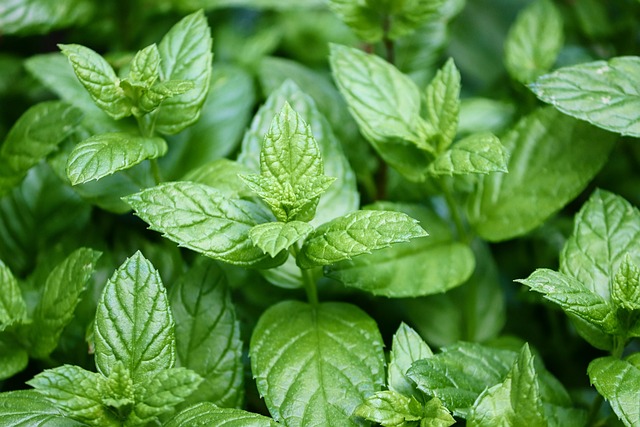
Peppermint is an aromatic herb from the mint family and is commonly associated with the species Mentha × piperita. It is widely valued for its strong, cool, and recognisable mint profile and is one of the best-known herbs in global flavour and botanical trade. Compared with spearmint, peppermint is often considered stronger, sharper, and more cooling in character. That stronger mint identity is one of the reasons it is commercially useful in tea, oral-care products, confectionery, pharmaceutical preparations, and botanical applications.
In everyday consumer use, peppermint is associated with mint tea, lozenges, sweets, gum, toothpaste, vapour products, herbal oils, and digestive remedies. In international trade, however, it is much more than a familiar household herb. It is a botanical raw material that can be sold fresh, dried, flaked, powdered, or prepared for extraction and oil-related uses. Each of these forms serves a different commercial purpose and a different category of buyer.
This difference matters because a buyer sourcing fresh peppermint for a culinary or near-market supply chain is not buying the same product as a tea company sourcing dried leaves or an extractor sourcing aromatic plant material. A confectionery manufacturer may care about flavour consistency and aromatic strength. A wellness brand may care more about identity, cleanliness, and the credibility of the sourcing process. A retail herb packer may care about visual appeal, colour, cut size, and how well the product presents in a jar or pouch. These are not small differences. They affect how the buyer should specify the product and how the supplier should prepare it.
Peppermint is also one of those herbs whose value depends heavily on sensory performance. The product must smell right. It must feel commercially strong. It must have enough freshness in character to justify its use in final products. A supplier may technically offer peppermint, but if the aroma is weak, the leaves are too dusty, the product is too stemmy, or the drying was poor, the shipment may be far less valuable than expected. This is why peppermint should be understood not only as a herb, but as a quality-sensitive trade product whose commercial value comes from proper handling as much as from botanical identity.
Another reason peppermint remains commercially attractive is that it is easy for buyers and end users to recognise. Consumers already understand peppermint. Brands already know how to position it. Manufacturers already know where it can be used. That familiarity reduces market friction and makes peppermint easier to place in finished products than many less familiar botanicals. But familiarity should not lead to weak sourcing discipline. In real trade, common herbs are often mishandled precisely because buyers assume they are simple.
In practical commercial terms, peppermint should therefore be approached as a versatile, high-recognition herb whose form, sensory strength, and handling quality directly affect whether it performs well in tea, food, wellness, flavour, and personal care markets.
It is also worth noting that peppermint may be commercially linked, directly or indirectly, with several different value chains. A dried herb packer may only need clean leaves. A tea company may need a specific cut. An extraction-oriented buyer may care about the herb as a feedstock rather than as a visual retail product. A trader may simply need dependable product that can be resold into different downstream uses. This is why asking the right questions at the beginning matters so much. A casual “peppermint quote” may not be specific enough to secure a useful commercial offer.
How Peppermint Is Made Ready for Trade
Many buyers want to understand how peppermint is made ready for trade because the post-harvest process affects nearly every quality result that matters in commerce. Aroma intensity, leaf colour, dryness, cleanliness, and final usability can all be influenced by how the herb is harvested, sorted, dried, processed, and stored. In practical terms, the way peppermint is handled after harvest often determines whether it becomes a commercially strong product or a weak one.
1) Cultivation and Field Development
Peppermint is cultivated under conditions that support healthy leafy growth and strong aromatic development. Climate, soil condition, irrigation, planting material quality, field hygiene, and agronomic discipline all influence the quality of the harvested herb. Buyers do not always think about field management when requesting quotations, but field-level discipline still matters because it affects contamination, leaf strength, and overall consistency before post-harvest handling even begins.
A supplier who understands agricultural quality usually stands a better chance of producing more dependable peppermint. Weak field management can lead to more weeds, more foreign matter, more uneven plant material, and less dependable aroma performance. That matters because peppermint often sells on strength of sensory identity, not merely on weight.
2) Harvesting
Peppermint is harvested when the plant has developed the desired leaf volume and aromatic profile. Timing matters. If harvested too early, the leaf material may not have enough aroma or sufficient usable yield. If harvested too late, the material may become less suitable for certain applications or harder to process into more attractive dried form. In export trade, harvest timing can therefore influence both volume and quality.
For buyers in tea, flavour, and wellness categories, this is important because a shipment that lacks aromatic strength may not perform well enough in production. A product may be technically peppermint but still fail commercially if the sensory character is too weak.
3) Sorting and Initial Cleaning
After harvest, peppermint is usually sorted to remove damaged leaves, unwanted stems, weeds, and visible foreign matter. This stage is especially important because buyers are paying for useful aromatic herb material, not just plant matter by weight. Poor sorting may lead to a shipment with too much stem, too much dust, or too much visible contamination.
This is one of the easiest places for a weak supplier to reduce quality without making it obvious on paper. A quotation may look attractive, but if the product arrives too stem-heavy or visibly inconsistent, the buyer may face avoidable losses or complaints. That is why buyers should ask about sorting and grading rather than assuming all dried peppermint is broadly the same.
4) Cleaning and Pre-Drying Handling
Depending on the supplier and the product form, peppermint may undergo careful cleaning before drying. At this stage, the herb should be handled in a way that minimises bruising, moisture-related issues, and contamination. Since peppermint is an aromatic herb, rough handling can reduce both leaf integrity and sensory value.
This is especially relevant where the product is intended for visible retail herb use or premium tea applications. A supplier who handles the product roughly may still deliver peppermint, but not peppermint that performs well in higher-value markets.
5) Drying
For dried peppermint, drying is one of the most important stages in the entire process. The aim is to reduce moisture to a safe storage level while preserving the distinctive peppermint aroma, acceptable colour, and overall integrity of the leaves. Drying may be done through shade drying, air drying, or a more controlled process depending on the supplier’s facilities and target quality level.
A great deal of value can be lost at this stage if drying is poorly managed. If the process is too harsh, aroma may be reduced. If the process is too slow or uneven, mould risk may increase or the product may darken more than desired. If final moisture remains too high, storage quality can be compromised. Buyers who care about quality should therefore ask suppliers how the product is dried, what moisture level is targeted, and how the herb is protected after drying.
From a commercial standpoint, drying quality is often one of the hidden differences between a high-value shipment and a cheap one. Two suppliers may both say they offer export-grade peppermint, but the one with better drying control may deliver a much stronger and more saleable product.
6) Cutting, Flaking, or Milling
Once the herb is dry, peppermint may be sold as larger leaves, chopped leaf material, flakes, or powder. The preferred form depends on the end use. Tea companies may want a certain leaf size or cut. Retail herb brands may prefer material that presents well visually. Industrial buyers may want more uniform flakes or powder for blending. This is why peppermint is not just one product in trade. The same herb becomes commercially different products depending on how it is processed.
7) Sieving and Final Cleaning
After cutting or flaking, the product may be sieved to improve uniformity and remove unwanted fragments. This can improve buyer acceptance and make the product easier to use in manufacturing or retail. In applications where visual consistency or blending performance matters, this stage is more important than some new buyers realise.
8) Packaging and Storage
Finally, peppermint is packed into food-grade packaging and stored in dry, clean, protected conditions before shipment. Because peppermint is an aromatic herb, poor storage can reduce its scent, freshness, and overall commercial value even after otherwise good processing. This is why storage should be treated as part of the product itself rather than simply a logistics issue.
In practical terms, how peppermint is made ready for trade affects what the buyer is actually buying. A quotation may say peppermint, but the commercial value depends on how that peppermint was cultivated, harvested, sorted, dried, processed, packed, and stored.
What Is Peppermint Used For?
Peppermint is used across several industries because it delivers a strong and commercially valuable mint profile. Unlike some herbs that depend heavily on one narrow market, peppermint fits naturally into tea, confectionery, flavouring, oral-care, wellness, and selected pharmaceutical or botanical applications. That broad flexibility is one of the reasons it remains a commercially important herb in international trade.
Herbal Tea and Infusions
One of the best-known commercial uses of peppermint is in herbal tea and infusions. Tea companies and tea blenders use it because consumers already know and enjoy peppermint’s cooling profile. In this application, aroma, dryness, cut size, and overall cleanliness matter strongly. Weak peppermint can reduce the quality of the tea experience and make the product feel less premium.
Confectionery and Mint-Flavoured Products
Peppermint is widely relevant in confectionery, especially in mint-flavoured sweets, gums, lozenges, and related products. In such channels, the aromatic profile associated with peppermint remains commercially important even if the herb is not always visible in the finished product. Buyers serving confectionery or flavour categories often care about sensory strength and consistency.
Food Manufacturing and Ingredient Systems
Peppermint may also be used in selected food products, syrups, dessert concepts, herb blends, and flavour systems. In these uses, the herb or its derived aromatic character can support freshness and recognisable mint identity in a finished product.
Oral-Care and Freshness-Positioned Products
Peppermint is especially important in products positioned around freshness. Although dried peppermint leaf is not the same thing as peppermint oil or menthol-based systems, the herb’s market identity supports product concepts in oral care and freshness-led categories. For some buyers, this broader market recognition helps justify sourcing peppermint as a botanical ingredient.
Wellness and Botanical Products
Peppermint is also strongly associated with wellness-oriented products. This is one reason it remains relevant in teas, herbal blends, and broader natural ingredient markets. Buyers in such channels may care more about botanical credibility, handling discipline, and clean presentation than about ordinary retail herb appearance alone.
Selected Personal Care and Botanical Concepts
In some markets, peppermint or peppermint-derived materials are also relevant to soaps, botanical products, and freshness-themed personal care concepts. This is not always the largest segment by volume, but it adds to peppermint’s commercial flexibility.
The main trade point is that peppermint serves several industries at once, but each industry values slightly different qualities. A tea buyer may want clean, aromatic leaf material. A flavour buyer may care more about sensory strength. A wellness brand may care more about clean handling and consumer recognisability. This is why the intended use should guide the sourcing decision from the start.
Another practical point is that peppermint’s sales strength comes partly from familiarity and partly from performance. It is easy to position in the market, but it still needs to perform well after purchase. That is why buyers should match the product form to the use case rather than assuming one grade fits all applications.
Health Benefits of Peppermint
Peppermint is associated with several wellness-oriented and traditional-use benefits, especially in tea, herbal, and botanical markets. These benefits should be communicated responsibly. Peppermint has genuine appeal, but it should not be marketed as a miracle solution. The strongest commercial approach is usually a believable one.
1) Commonly Linked to Digestive Relief
Peppermint has long been associated with digestive comfort, and that is one of the reasons it remains popular in tea and herbal markets. Consumers already understand this connection, and that makes peppermint easier to position in wellness-led products.
2) Known for Its Cooling and Soothing Character
One of peppermint’s biggest advantages is the cooling effect people associate with it. This does not only matter in taste. It also matters in how consumers perceive the herb. That cooling character is one of the reasons peppermint works so well in teas, lozenges, freshness-positioned products, and wellness concepts.
3) Strong Consumer Recognition in Herbal Products
Peppermint benefits from being easy to recognise and easy to understand. Buyers and brands do not need to do much work to explain what peppermint is or why people might want it. That consumer familiarity helps make sales positioning easier.
4) Works Well in Natural and Clean-Label Products
Peppermint is a familiar plant ingredient, and that makes it useful in clean-label product categories. Brands looking for ingredients consumers already know often find peppermint attractive because it carries both flavour value and a strong natural image.
5) Useful Across Multiple Market Segments
Another practical advantage is that peppermint is not locked into one single use. It works in tea, flavouring, confectionery, freshness-led products, and wellness products. That flexibility adds to its long-term commercial value.
Side Effects of Peppermint
No balanced guide should speak only about benefits. Buyers and end users should also understand that peppermint, like other herbs, is not automatically ideal in every situation. A realistic discussion of side effects helps support better sourcing, better formulation, and better product communication.
1) It May Not Be Ideal for Everyone
Some people may be sensitive to mint herbs or mint-based preparations, especially in stronger herbal products or concentrated forms. This does not make peppermint a weak product. It simply means that buyers and sellers should not assume one ingredient performs the same way for every consumer.
2) Poorly Handled Peppermint Can Cause More Trouble Than the Herb Itself
In practical trade, one of the biggest risks is not peppermint itself but weak product handling. If the herb is badly dried, contaminated, too damp, too dusty, or badly stored, the shipment may not be suitable for food, tea, or resale. This is a very real commercial risk because peppermint sells heavily on freshness and aromatic quality.
3) Weak Aroma Can Damage Product Value
A buyer may source peppermint expecting a clear, strong, cooling mint character and then receive a shipment that smells weak or stale. That is not a medical side effect, but in trade it is absolutely a downside. It affects tea quality, consumer perception, and resale value.
4) Too Much Stem Can Reduce Usability
Another common issue is excessive stem content. A shipment with too much stem may technically be peppermint, but it may not be the quality level the buyer thought was being purchased. That can affect blending, retail presentation, and end-product quality.
5) Overpromising Can Create Commercial Problems
Peppermint has real value, but sellers should avoid making exaggerated health claims. If a product is marketed too aggressively, that can create credibility problems and, in some markets, regulatory issues. A stronger approach is to present peppermint honestly as a versatile, recognisable herb with broad consumer appeal.
6) Bad Storage Can Lower Quality Very Quickly
Because peppermint is an aromatic herb, poor storage can weaken its scent and freshness faster than some buyers expect. Heat, moisture, contamination, and poor packaging can reduce commercial value quickly. For traders and importers, that is a serious issue because a weaker shipment is much harder to sell well.
Top Producing & Exporting Countries of Peppermint
Peppermint is cultivated in several parts of the world, but some countries are more visible in international herb and aromatic plant trade because they combine cultivation with drying, processing, and export capability.
India
India remains a major player in herb and spice trade and is relevant in many aromatic and botanical product categories. It is commercially important to buyers looking for plant ingredients with export availability and established trade channels.
Egypt
Egypt is well known in dried herb and aromatic plant supply. Buyers often associate Egypt with leafy herb processing and a stronger role in commercial herb exports.
Nigeria
Nigeria has agricultural potential in herb production where cultivation and post-harvest handling are organised effectively. Buyers sourcing from Nigeria should focus strongly on exporter verification, product quality, and process discipline.
Morocco
Morocco is also relevant in aromatic herb supply and may be part of a diversified sourcing strategy depending on supplier capability and market need.
Turkey
Turkey has commercial relevance in herb and spice supply and may be considered by buyers looking for additional sourcing options.
The key lesson for buyers is simple: country reputation can help, but supplier capability matters more. The buyer should choose based on process control, documentation, product quality, and ability to fulfil the transaction properly.
Top Importing Countries of Peppermint
The largest importing countries of peppermint are generally countries with strong tea, flavouring, confectionery, botanical ingredient, and freshness-positioned product markets.
United States
The United States remains important because of its broad demand for teas, flavour systems, wellness products, confectionery ingredients, and natural botanicals.
Germany
Germany is a major market for teas, botanical ingredients, and food-related natural products, making it commercially relevant in peppermint trade.
United Kingdom
The UK has steady demand in tea, herbal products, retail ingredients, and freshness-led products, which helps support continued relevance for peppermint.
France
France remains commercially relevant because of its food, botanical, and ingredient markets and wider European demand for herbs and natural flavour materials.
Netherlands
The Netherlands often plays a trade and redistribution role in Europe, which makes it a meaningful destination or transit point in herb and ingredient supply chains.
Japan
Japan remains relevant in selected tea and flavour markets where product consistency and quality can matter strongly.
European markets remain especially important because they often involve stronger quality, traceability, and packaging expectations. Buyers supplying these destinations should therefore pay close attention to supplier readiness and documentation.
How To Safely Source for Your Peppermint Produce
If you find the right export company, buying peppermint can become significantly easier and less risky than sourcing through unclear or unverified channels. That said, buyers should still approach the transaction carefully. Peppermint may be familiar, but the same herb can vary widely in aroma, dryness, cleanliness, and suitability depending on how it is handled.
The first step is to define the exact product form. Do you need fresh peppermint, dried leaves, flakes, powder, or extraction-grade material? If you do not define this clearly, quotations may not be comparable. One supplier may be quoting a stronger, cleaner, more aromatic grade, while another may be quoting a weaker and cheaper grade that is less suitable for your intended market.
It is also important to verify that the supplier is commercially traceable and capable of carrying out export transactions professionally. The exporter should be able to explain product form, moisture level, packaging, lead time, documentation, and inspection possibilities. A serious exporter should also understand the intended end use of the buyer and how that affects the specification.
Buyers should ask practical questions. What is the expected moisture range? What is the approximate stem content? How was the herb dried? What packaging will be used? Is inspection available? Can the supplier provide recent photos, samples, or videos? Can they issue the expected shipping documents? These are trade questions that directly affect whether the shipment will be commercially useful.
It is also important to align with the destination market. The same peppermint that is acceptable in one market may not be acceptable in another if food safety, packaging, or documentation expectations are different. This is especially relevant where the product is intended for tea, food retail, wellness products, or more formal ingredient systems.
Some of the documents that may be relevant include Certificate of Origin, Bill of Lading, Inspection Certificate, Certificate of Analysis, Commercial Invoice, Packing List, Phytosanitary Certificate where applicable, and Fumigation Certificate where applicable.
From a buyer’s perspective, the best way to reduce sourcing risk is to define the exact product, verify the supplier, inspect where necessary, and avoid making assumptions. Many trade problems are not caused only by bad actors. They are caused by weak specifications, unclear expectations, and poorly compared quotations.
It is also wise for buyers to compare quotations on a like-for-like basis. A cheaper price may not be attractive if it reflects weaker aroma, higher stem content, lower visual quality, poorer packaging, or a less reliable delivery process. What matters is not just the number on the quotation. What matters is the actual quality basis behind that number.
Where To Find Reliable Exporters for Peppermint
An important question for buyers is how to find reliable peppermint exporters. Buyers can use several routes such as agricultural trade fairs, supplier directories, search engines, LinkedIn, B2B marketplaces, and sourcing companies that can help verify suppliers.
However, discovery is not the same as verification. A supplier with a website is not automatically a strong exporter. A profile on a marketplace is not proof of process control. A low quotation is not proof of value. Buyers should verify company identity, product knowledge, documentation capability, and the supplier’s actual ability to deliver peppermint in the right form and quality.
Reliable exporters are usually able to explain how the herb is sourced, dried, packed, and stored. They understand the commercial differences between fresh and dried peppermint and can explain what kind of buyer each form is suitable for.
Neogric offers a reliable global order fulfilment solution for peppermint and other agricultural produce. Our end-to-end supply chain solution helps buyers move from enquiry to delivery with greater clarity, stronger verification, and reduced sourcing stress.
International Price of Peppermint Per Metric Ton
The international price of peppermint per metric ton depends on several factors, and buyers should avoid assuming that one universal price covers every peppermint product. The actual price depends on the form of the product, the quality of drying, aroma strength, cleanliness, packaging, destination, order size, inspection needs, and trade term.
Some of the main factors that affect price include product form, drying quality, aroma strength, leaf cleanliness, stem content, quantity, packaging, incoterm, destination, and general market conditions.
As a broad directional market guide, dried export-grade peppermint may trade in the range of roughly $2,200 to $5,200 per metric ton, depending on quality, cut, packaging, and origin. Better-dried, cleaner, stronger-smelling, and more attractive material may command stronger pricing than weaker grades.
Buyers should treat this range as a directional market guide rather than an automatic quote. The actual landed cost depends on the exact specification required, the destination, packaging, quantity, incoterm, and whether inspection is required.
Buyers should also remember that prices may move with harvest conditions, labour cost, drying cost, freight cost, and overall supply conditions. This is one reason why a serious buyer should request current quotations based on actual requirement rather than depend too heavily on broad reference ranges alone.
Request a Quote or Speak With Our Team About Peppermint
Ready to source Peppermint with confidence? Submit your RFQ for detailed specifications and formal quotations, or chat on WhatsApp for fast responses and quick clarification.
How To Pay For Your Peppermint Produce
You can pay for your peppermint produce using several methods, but three of the common options in agricultural export trade are Bank Transfer (T/T), Advance Payment, and Letter of Credit (LC).
Bank Payment (T/T)
T/T remains one of the most widely used payment methods in trade because it is practical and familiar. It is often preferred in smaller and medium-sized transactions where supplier trust and clarity already exist.
Advance Payment
Some suppliers may request advance payment, especially where they need to secure raw material or prepare the shipment. This may be commercially normal, but buyers should not agree casually unless supplier verification is strong.
Letter of Credit
LC remains one of the more structured trade payment methods. It can reduce risk when well drafted and when the supplier can satisfy documentary requirements, but it is not a substitute for product quality control.
Shipping & Delivery Terms
When shipping peppermint, buyers should consider order quantity, packaging, transit conditions, and the economics of air versus sea freight.
Order Quantity
Smaller quantities may move by air where speed matters, while larger dried-peppermint shipments are more likely to move by sea.
Cost of Delivery
Sea freight is usually more economical for larger quantities, while airfreight may only be justified for urgent or relatively small orders.
Time of Delivery
If speed is important, air may be the better choice. If landed cost is more important and lead time is available, sea freight often becomes more practical.
Incoterms
Incoterms matter because they determine who handles freight, insurance, and certain logistics responsibilities. Buyers with stronger logistics systems may prefer FOB, while buyers seeking more managed delivery may prefer CIF.
In commercial terms, the right delivery structure depends on the buyer’s priorities. Some buyers value speed more. Some value landed cost more. Some want control over freight. Others prefer simplicity. That is why delivery terms should be considered as part of the buying strategy, not just as a shipping detail at the end.
Our Typical Trade Specifications For Peppermint
Below are common reference specifications for peppermint. Final contract specifications can be adjusted depending on buyer requirement and product form.
| Parameter | Typical |
|---|---|
| Product | Peppermint |
| Type | Dried Peppermint Leaves / Peppermint Flakes / Peppermint Powder |
| Color | Green to olive green depending on drying method and grade |
| Odor | Characteristic strong mint aroma |
| Moisture | Typically ≤ 12% or as agreed |
| Foreign Matter | Low, subject to buyer specification |
| Stem Content | As agreed by grade and use case |
| Packaging | Usually 5kg–25kg food-grade lined bags or cartons |
| Trade Process | EXW / FOB / CIF |
| Payment Method | T/T or L/C |
| Shipping Time | Usually 1–3 weeks after agreement and readiness |
Expected Shipping Documents
- Bill of Lading
- Certificate of Origin
- Inspection Certificate
- Certificate of Analysis
- Commercial Invoice
- Packing List
- Phytosanitary Certificate (where applicable)
- Fumigation Certificate (where applicable)
Request a Quote or Speak With Our Team About Peppermint
Ready to source Peppermint with confidence? Submit your RFQ for detailed specifications and formal quotations, or chat on WhatsApp for fast responses and quick clarification.