

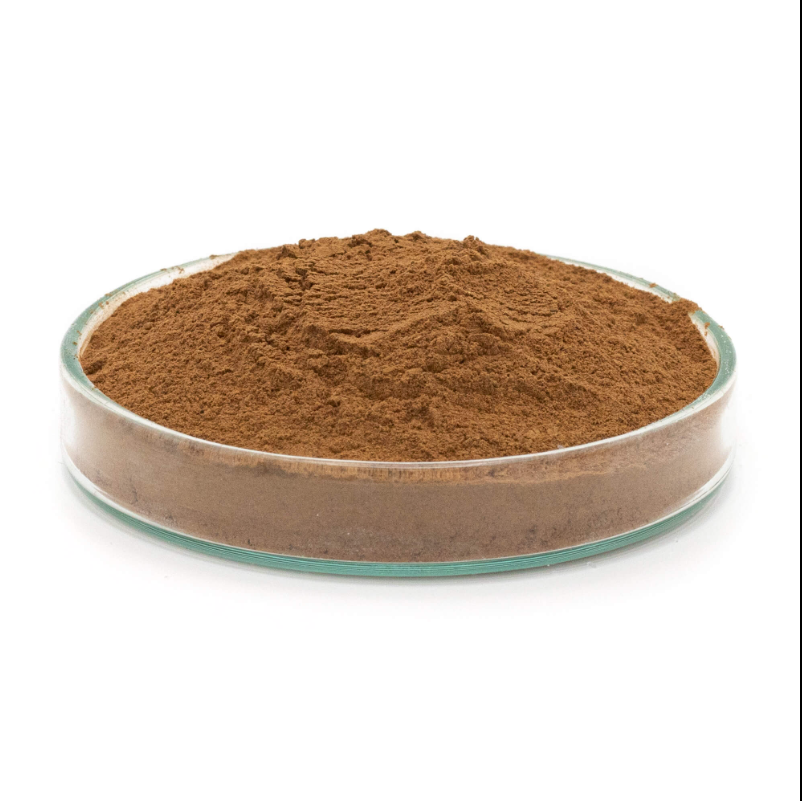
Kola Nut Powder is one of the more commercially flexible forms of kola traded in African produce markets and specialty international supply channels. While whole kola nut remains important in traditional use, ceremonial trade, and direct chewing markets, powder form gives the product a different kind of commercial advantage. It is easier to blend, portion, package, ship, and use as a raw material in herbal, nutraceutical, ethnobotanical, and specialty ingredient applications. For buyers who do not want to handle whole nuts, or who need a format better suited to formulation and resale, Kola Nut Powder can be the more practical option.
In Nigeria and across West Africa, kola has long been known as a culturally important and commercially recognizable commodity. Once it is processed into powder, however, the market conversation changes. The buyer is no longer looking only at the origin of the nut or whether the pieces are visually attractive. The buyer must also care about grinding quality, particle consistency, moisture control, contamination risk, packaging integrity, and whether the powder was produced under disciplined handling conditions. In other words, powder form can open more commercial uses, but it also demands tighter quality control.
That is one reason Kola Nut Powder should not be sourced casually. It is easy for a seller to describe a product as pure, finely milled, or export ready. It is much harder to prove that the powder came from sound raw nuts, that foreign matter was kept out during processing, that the product was not exposed to excessive moisture after milling, and that the packing method protects quality during storage and transit. For importers, wholesalers, private-label buyers, herbal distributors, and ingredient traders, these details matter because powder quality problems are usually harder to correct than whole-nut quality problems.
From a buyer’s standpoint, Kola Nut Powder sits at the intersection of culture, function, and industrial convenience. It carries the identity of kola as a stimulant botanical with deep African roots, yet it is also far easier to integrate into modern product workflows than raw whole nuts. It can be sold as a standalone powder, used in herbal blends, supplied to ingredient processors, or moved through specialty distribution networks that do not want the labour of cracking, cleaning, or milling whole stock themselves.
In Nigeria, Kola Nut Powder is known in herbal markets, traditional product channels, value-added agricultural trade, and niche export conversations. Buyers may request pure kola nut powder, fine grade powder, coarse ground kola nut, white kola powder, or powder derived from a particular kola type depending on the target market. That means the name alone is not enough. A supplier and buyer need to agree clearly on botanical identity, fineness, moisture condition, purity, packaging, intended use, and delivery basis before price discussions can become truly meaningful.
This commodity also attracts commercial attention because it can travel into markets that whole kola nut may not easily serve. Powder form fits better into retail sachets, capsules supply chains, tea and herbal blend channels, natural product shelves, and raw material sourcing arrangements. At the same time, this added commercial flexibility also increases the buyer’s responsibility. Once a product is milled, visual inspection tells you less than it would with whole nuts. If the raw material was poor, the powder may hide that fact more easily. This is why supplier credibility, sample testing, and process transparency matter so much in this trade.
For businesses looking to source from Nigeria or the broader West African region, Kola Nut Powder should be approached as a specialty processed agricultural product rather than a casual spice-like purchase. The right question is not only how much per ton the product costs. The more important question is whether the powder was prepared from good raw material, processed correctly, packed properly, and documented well enough to protect resale value at destination.
In the sections below, we will look at what Kola Nut Powder is, how it is processed, what it is used for, its health-related commercial appeal, the possible side effects that buyers should not ignore, the countries that produce and import kola-derived products, how to source the powder safely, where reliable exporters can be found, how international pricing is commonly discussed, how payment arrangements are usually structured, what shipping terms buyers should understand, what trade specifications are commonly requested, and which shipping documents should accompany a serious export transaction.
For importers, distributors, wholesalers, and product developers, the commercial objective should be simple. Source a clean, correctly milled, properly packed Kola Nut Powder from a supplier who understands both the product and the trade process. That is where real value begins.
Trade Overview of Kola Nut Powder
Kola Nut Powder is a processed form of kola nut produced by drying where necessary, cleaning, and milling the seeds of kola trees such as Cola nitida and Cola acuminata into powder. In trade language, it may also be called kola powder, cola nut powder, powdered kola nut, or herbal kola powder depending on the target market and the way the seller positions it. In Nigeria, it is most visible in herbal product circles, traditional ingredient trade, health-oriented retail, and specialty export channels that value plant-derived stimulant materials.
Commercially, this is not a bulk grain-type powder and it is not a casual open-market product once export trade is involved. It is a value-added botanical powder, which means buyers often expect a higher level of attention to purity, milling consistency, packaging, moisture control, and traceability than they might expect from an unprocessed nut. If the target market is herbal, nutraceutical, ethnobotanical, or private-label retail, the bar is even higher.
The Nigerian market remains a useful reference point because Nigeria is a major kola-producing country and an important cultural home for the commodity. However, turning kola into export-grade powder requires more than access to raw nuts. It requires a disciplined processing setup, good hygiene, controlled milling, and an understanding of how powder behaves differently from whole produce in storage and transit. Poorly milled powder can cake, absorb moisture, develop off-odours, or create complaints over texture and purity.
For international buyers, Kola Nut Powder is attractive because it offers convenience. It removes the need to crack, sort, and grind whole nuts after import. It can also be used in smaller consumer packs or blended into other products more easily. The trade-off is that the buyer must trust the processor more, because poor raw-material selection or sloppy handling may not be visible at first glance once the product is in powder form.
| Commodity Name | Kola Nut Powder |
|---|---|
| Botanical Name | Cola nitida and Cola acuminata |
| Common Names | Kola Nut Powder, Cola Nut Powder, Kola Powder, Powdered Kolanut |
| Nigerian Market Reference | Widely recognized in herbal markets, traditional raw-material channels, and value-added agricultural trade in Nigeria |
| Product Forms | Fine powder, coarse powder, retail-packed powder, bulk food-grade powder, custom milled lots |
| Main Commercial Uses | Herbal formulations, direct consumer powder sales, ingredient use, botanical blends, nutraceutical supply, ethnobotanical trade |
| Trade Type | Domestic wholesale, herbal trade, regional African distribution, diaspora export, specialty ingredient supply |
| Quality Drivers | Purity, low moisture, good milling consistency, correct raw material, clean odour, hygienic handling, strong packaging |
| Typical Packaging | Lined sacks, foil pouches, kraft bags with inner liner, cartons, private-label packs, buyer-specified packaging |
| Buyer Risks | Adulteration, poor milling hygiene, hidden foreign matter, moisture pickup, caking, weak documentation, inconsistent fineness |
Request a Quote or Speak With Our Team About Kola Nut Powder
Ready to source Kola Nut Powder with confidence? Submit your RFQ for detailed specifications and formal quotations, or chat on WhatsApp for fast responses and quick clarification.
What Is Kola Nut Powder?
Kola Nut Powder is the powdered form of kola nut produced after the nuts are cleaned, dried where necessary, and milled into a fine or coarse powder. The source material usually comes from kola species such as Cola nitida and Cola acuminata, both of which are well known in West Africa. Because kola naturally contains caffeine and related stimulant compounds, the powder is widely associated with alertness, traditional herbal use, and specialty botanical trade.
In practical terms, Kola Nut Powder is a processed botanical raw material. That distinction matters. Buyers are not only purchasing an agricultural product from the farm. They are purchasing a product that has already passed through a transformation stage. This means that product quality depends not just on the nut itself, but on how the nut was selected, how it was milled, how contamination was controlled, and how the finished powder was stored and packed. A weak processor can turn good raw nuts into poor powder, while a careful processor can create a reliable commercial product from sound material.
The powder form is valuable because it saves time and labour for downstream buyers. Whole kola nuts are harder to portion and process consistently. Powder allows easier use in capsules, sachets, bottled blends, tea mixtures, herbal formulations, and various specialty retail products. It is also more convenient for buyers who intend to resell in packaged form, because they do not need to operate their own grinding line.
At the same time, Kola Nut Powder is a product that requires stronger trust between buyer and seller. When buying whole nuts, the buyer can inspect the shape, colour, and level of damage directly. With powder, visual clues are limited. That is why serious buyers usually ask more questions about source material, sieving, particle size, drying level, purity, and processing method than they might ask when purchasing raw whole nuts.
In Nigerian and regional markets, Kola Nut Powder is often treated as both a traditional product and a modern convenience product. That dual identity is one of its strengths. It has deep cultural familiarity, yet it also fits today’s commercial preference for processed, easy-to-use botanical ingredients. For exporters and importers, that makes it a product with genuine market potential, provided it is sourced carefully.
How Kola Nut Powder Is Made / Processed
The production of Kola Nut Powder begins with raw kola nuts, but the final commercial quality depends on much more than the choice of nut alone. Good processors understand that powder quality is a chain result. Each stage affects purity, fineness, aroma, moisture condition, and customer acceptance. For buyers, understanding this process helps separate serious suppliers from sellers who simply buy, grind, and pack without quality discipline.
1. Sourcing and selection of raw kola nuts
The first stage is the selection of suitable kola nuts. Processors usually source from farmers, aggregators, or produce markets in kola-producing areas. The best powders come from sound, mature nuts that are free from major pest damage, excessive mould, and spoilage. If the raw material is weak, the finished powder will struggle to meet serious commercial expectations.
Buyers should remember that powder can conceal poor raw-material choices. A supplier using damaged or low-grade nuts may still produce a visually acceptable powder. That is why trust, sample review, and raw-material disclosure are important. A processor who cannot explain the quality of the nuts used should not be treated as a premium supplier.
2. Cleaning and removal of foreign matter
Before milling, the nuts should be cleaned carefully to remove dirt, husk residue, stones, plant debris, and any unwanted material. This stage is especially important because foreign matter in a powder product becomes harder to detect and more difficult to remove later. Good processors take this stage seriously, especially when supplying export or health-oriented markets.
For buyers, the relevance is straightforward. Clean powder begins with clean raw material. If the pre-milling cleaning process is weak, the risk of complaints rises quickly.
3. Drying or moisture stabilization
Depending on the condition of the raw kola nuts, drying or moisture adjustment may be needed before milling. The aim is to get the nuts to a condition suitable for grinding and stable storage. If the nuts contain too much moisture, the powder may clump, cake, spoil faster, or develop microbial risk. If the nuts are handled carelessly during drying, quality can still be lost.
This stage is one of the most important in Kola Nut Powder production. Powder is more sensitive to moisture problems than whole produce because increased surface area makes it easier for the product to take up moisture from the environment. That is why a processor who understands moisture control is usually a safer supplier than one who focuses only on grinding output.
4. Size reduction and milling
Once the raw nuts are ready, they are milled into powder. The milling system used can affect particle size, heat exposure, uniformity, and final texture. Some markets prefer a fine powder for capsule filling or smooth blending, while others may accept a coarser grind. A good supplier should know what specification the buyer wants and mill accordingly.
Heat generated during grinding is also relevant. Excessive heat can affect aroma, texture, and in some botanical products even some functional characteristics. Better processors manage milling conditions carefully so that the final product remains commercially acceptable.
5. Sieving and particle-size control
After milling, the powder is often sieved to improve uniformity and remove oversized particles. This is one of the stages that separates crude grinding from commercially prepared powder. Buyers who need a specific fineness should request this clearly. A supplier who only offers “normal powder” without a defined particle range may be unsuitable for more demanding markets.
Uniformity matters because it affects how the powder blends, packs, flows, and performs in downstream use. In private-label and ingredient trade, this can influence customer satisfaction directly.
6. Quality screening and purity check
Better processors carry out a final quality screening stage before packing. This may include checking for visible impurities, reviewing colour consistency, confirming dryness, assessing odour, and ensuring the powder remains free from obvious contamination. In some cases, more formal testing may be done depending on the target market.
For buyers, this stage is important because Kola Nut Powder is often sold into markets that care about purity. The supplier should be able to explain what internal quality checks are performed before goods are packed and shipped.
7. Packaging in moisture-protective materials
Once the powder is ready, it should be packed promptly in materials that reduce moisture uptake and protect against contamination. Common options include foil-laminated pouches, lined sacks, kraft bags with inner liners, cartons with sealed inner packs, and buyer-specific retail packaging. Powder products are more vulnerable than whole nuts to packaging failure, so this stage must not be treated lightly.
Strong packaging protects more than appearance. It helps preserve flowability, reduce caking, maintain cleanliness, and improve shelf-life performance during warehousing and transit.
8. Storage under controlled conditions
After packing, the product should be stored in a cool, dry, clean environment away from direct humidity, pest exposure, and strong odours. Powder can absorb moisture and odours more readily than whole nuts. That means poor storage can undo earlier quality work very quickly.
Buyers should ask how finished stock is stored, how long inventory has been held, and whether there is stock rotation. Processors who understand export trade usually have a clear answer to these questions.
9. Dispatch preparation and shipment readiness
Before shipment, the supplier should confirm weights, packaging count, batch identity, and documentation. For new suppliers or higher-value orders, buyers may also request sample retention, pre-shipment inspection, or lot photographs showing the actual packed goods. Since powder quality cannot always be judged through appearance alone, documentary and process confidence become even more important here.
What Is Kola Nut Powder Used For?
Kola Nut Powder is used across several commercial channels, which is why it remains relevant beyond traditional whole-nut trade. Its powder form creates flexibility that attracts a wider range of buyers.
Herbal formulations and traditional preparations
One of the most common uses of Kola Nut Powder is in herbal formulations and traditional botanical products. Because the powder is easy to portion and combine with other ingredients, it fits well into herbal-medicine and ethnobotanical supply chains. Buyers in this segment often care strongly about purity, consistency, and packaging suitability.
Direct retail sale as a powdered product
Some traders and distributors sell the powder directly to end users in pouches, bottles, sachets, or small wholesale packs. In this channel, presentation, cleanliness, aroma, and convenience all matter. Powder form gives the product a simpler route into retail than whole nuts in some markets.
Capsule and supplement-oriented supply
Kola Nut Powder can be used as a botanical raw material for encapsulation or supplement blending in markets where regulations and product positioning allow. For these buyers, fine grind, low moisture, and reliable purity are usually more important than traditional market appearance.
Tea, beverage, and botanical blend applications
In specialty product channels, the powder may be used in energy-oriented herbal blends, tea mixtures, or botanical drink concepts. These uses often require defined particle size and cleaner flavour control. Buyers in this segment are less tolerant of crude or inconsistent milling.
Ingredient supply for private-label brands
Private-label buyers sometimes prefer powder because it allows faster packaging into branded products. They do not need to process whole nuts themselves. This makes Kola Nut Powder commercially attractive to businesses focused on packaged natural products and niche retail.
Export supply to diaspora and specialty markets
Outside Africa, Kola Nut Powder may be sold through ethnic stores, traditional product retailers, wellness shops, or specialist botanical suppliers. The product fits these markets well because it is easier to stock and move than whole nuts, especially when retail-ready packaging is used.
Health Benefits of Kola Nut Powder
Kola Nut Powder remains commercially appealing partly because of the functional reputation attached to kola generally. Buyers should still position health-related messaging responsibly, but several commonly recognized associations help explain its demand.
1. It is widely associated with alertness
Kola nut naturally contains caffeine and related stimulatory compounds, which is why Kola Nut Powder is often associated with wakefulness and mental alertness. This remains one of the strongest commercial reasons the product is purchased in herbal and functional-product channels.
2. It is traditionally linked with reduced fatigue
Many traditional users see kola as helpful when they want to stay active or reduce tiredness. That perception continues to support demand and is one reason the powder form attracts buyers who want a convenient stimulant botanical ingredient.
3. It has a place in traditional digestive use
In some traditional contexts, kola is used around meals and is associated with digestion-related use. While commercial messaging should remain careful and compliant with market rules, this background contributes to the product’s established identity.
4. It offers convenience for controlled use
One practical advantage of powder form is portioning. Users and formulators can measure it more easily than whole nuts. This may help product developers standardize how much material goes into blends, capsules, or sachets.
5. It attracts interest as a botanical raw material
Kola Nut Powder is more than a cultural product. It is also a botanical ingredient of interest in stimulant-oriented and ethnobotanical markets. This broadens its commercial appeal beyond traditional chewing alone.
6. It benefits from strong consumer recognition in familiar markets
Unlike obscure plant powders that require heavy consumer education, Kola Nut Powder benefits from the known reputation of kola itself. In markets already familiar with kola, this recognition supports repeat sales and easier product positioning.
Side Effects of Kola Nut Powder
Like other caffeine-containing botanical powders, Kola Nut Powder is not without possible side effects. Serious buyers and sellers should not ignore this part of the profile, especially where the product will be marketed directly to consumers.
1. Excess use may cause overstimulation
Because the powder contains natural stimulants, excessive intake may lead to jitteriness, restlessness, or overstimulation in some users. Powder form can make overuse easier if the product is not measured properly, which makes sensible positioning important.
2. It may disturb sleep
Kola Nut Powder can affect sleep when taken in significant amounts or late in the day. This is a direct consequence of its stimulant character and should not be hidden in consumer communication.
3. Some users may experience digestive irritation
Although some traditional users associate kola with digestive use, others may find it irritating depending on how much is consumed and how their body responds. This is especially relevant when powder is used in concentrated blends.
4. It may not suit users avoiding caffeine
Consumers who are sensitive to caffeine or who intentionally avoid stimulants may not tolerate Kola Nut Powder well. Buyers serving health-conscious markets should keep this in mind when developing labels and messaging.
5. Poorly processed powder can create separate safety concerns
Not every risk comes from the botanical itself. If the powder is milled under poor hygienic conditions, stored badly, or packed weakly, contamination and moisture-related issues can become a serious problem. In powder trade, this supply-chain risk is just as important as the ingredient profile.
6. Weak documentation can become a trade liability
For export buyers, poor labelling, unclear botanical identity, missing phytosanitary support where required, or weak packing declarations can create clearance delays and regulatory issues. This is a very real commercial side effect of careless sourcing.
Top Producing & Exporting Countries of Kola Nut Powder
Kola Nut Powder follows the broader supply geography of kola production, with processing activity concentrated in countries that have access to kola nuts and active herbal or agricultural value-add sectors.
1. Nigeria
Nigeria remains one of the most important reference countries for kola-related trade because of its large kola production base, deep cultural familiarity with the product, and active herbal and agricultural-processing sectors. For many buyers, Nigeria is the first origin considered for both raw kola and processed kola powder.
2. Côte d’Ivoire
Côte d’Ivoire is another major kola-producing country and remains relevant in the wider trade picture. While not every export may move as powder, its raw-material importance makes it a country to watch in kola-derived supply.
3. Ghana
Ghana also contributes to kola production and regional trade. Buyers looking at West African sourcing alternatives may encounter Ghanaian product in both raw and processed channels.
4. Cameroon
Cameroon is part of the wider kola-producing region and can matter in regional trade and niche export supply. It remains relevant where buyers work across West and Central African sourcing routes.
5. Smaller regional processors and traders
Other countries in the region may also process kola into powder for local or regional sale, especially within herbal trade. These origins may be less visible internationally, but they still participate in the overall market.
Top Importing Countries of Kola Nut Powder
Kola Nut Powder imports are shaped by diaspora demand, botanical-ingredient trade, specialty wellness channels, and private-label supply opportunities. Powder often travels into markets that value convenience and processed ingredients.
1. United States
The United States is an important destination because of diaspora demand, ethnobotanical interest, supplement-oriented buyers, and specialty natural-product channels. Buyers in this market usually expect better packaging and more careful documentation.
2. United Kingdom
The United Kingdom remains relevant because of strong African diaspora communities and active ethnic retail networks. Kola-based traditional products can find a market here when they are presented correctly.
3. Germany
Germany is commercially meaningful in botanical and specialty ingredient trade. Buyers in this market may place a higher premium on purity, consistency, and documentation quality.
4. France and the Netherlands
France and the Netherlands are also relevant to diaspora commerce and specialty distribution. They can serve as both consumer destinations and redistribution hubs for niche products.
5. Regional African markets
Neighbouring African countries continue to matter strongly, especially where kola already has a cultural role and where powder is valued in herbal trade. For some suppliers, these regional markets are easier and faster to serve than long-haul export destinations.
How To Safely Source for Your Kola Nut Powder Produce
Safe sourcing starts with clarity of specification. Kola Nut Powder should never be bought simply under the general label of “kola powder.” The buyer should define the expected botanical identity, fineness level, moisture condition, packaging format, intended use, acceptable foreign matter level, and whether the product must be 100 percent pure kola powder or part of a broader formulation. This is the only way to compare quotes properly.
Next, verify the supplier’s raw-material quality. Ask where the kola nuts come from, whether they are white, red, or mixed, how they are selected before milling, and whether visibly poor raw nuts are rejected. Since powder hides defects more easily than whole produce, buyers should pay close attention to this stage. A supplier who cannot speak confidently about raw-nut quality should not be treated as a premium processing source.
Then ask detailed questions about the milling process. What grinding method is used? Is there sieving? What particle size range can be supplied? How is heat managed during grinding? What hygiene practices are followed before and after milling? Can the processor produce a fine powder for capsules or a coarser grind for herbal blends? The quality of the answers often reveals whether the supplier is operating like a real processor or simply grinding product informally.
Sampling is essential. Buyers should request a representative sample and review colour, aroma, fineness, flowability, visible impurities, and packaging quality. Where the market justifies it, laboratory testing can also be useful, especially for moisture, microbial load, heavy metals, or purity-related concerns. This is particularly important for buyers serving regulated retail or wellness-oriented markets.
Storage and packing must also be checked closely. Powder products are very sensitive to moisture. Even a well-milled lot can degrade if packed in weak materials or stored in a humid warehouse. Ask what packaging layers are used, whether liners are sealed properly, how the finished product is stored, and how long it usually remains in inventory before shipment. Buyers should prefer suppliers who understand that powder requires better barrier protection than many whole commodities.
Documentation readiness should be confirmed early. Depending on the destination market and how the product will be classified, the buyer may need a commercial invoice, packing list, certificate of origin, phytosanitary support, analysis information, ingredient declaration, and transport documents. If the supplier cannot explain the documentation path clearly, the buyer should be cautious.
Trade terms should be written clearly from the beginning. Is the quoted price EXW, FOB, CFR, or CIF? Does it include custom packaging? Does it include labelling? Is there palletization? Who is responsible for inland transport, export handling, and freight? In value-added produce trade, a cheap ex-warehouse quote can become expensive after all the missing services are added.
Payment discipline matters, especially for first-time deals. Buyers often prefer structured payments linked to sample approval, production readiness, packaging completion, inspection, or shipment milestones. This reduces exposure in a product category where trust is essential and product quality is harder to judge visually after milling.
Where the order size is significant, an independent inspection or quality review may be wise. This can include checking the packed goods, reviewing labels, confirming weights, and sometimes testing retained samples. Such checks are especially valuable in powder trade because mistakes or adulteration can create bigger downstream problems than in raw produce trade.
Finally, build supply relationships gradually. Start with a manageable order. Evaluate consistency. Confirm whether the supplier can reproduce the same quality across repeat batches. The exporter or processor that can deliver repeatable Kola Nut Powder quality is more valuable than one that only performs once under close supervision.
Where To Find Reliable Exporters for Kola Nut Powder
Reliable Kola Nut Powder exporters are usually found through agricultural value-add networks, herbal-product supply chains, trade referrals, and processors that already handle specialty West African botanicals. Public B2B listings can help identify prospects, but they should not be treated as proof of capability.
One of the best sourcing routes is through processors or exporters who already supply herbal powders, botanicals, or African agricultural ingredients. These companies are more likely to understand moisture control, hygienic milling, export-ready packaging, and destination documentation than traders who only know the raw-nut market.
Trade referrals remain one of the safest methods. Buyers already working in herbal, ethnic food, or natural product channels often know which suppliers deliver consistent quality and which ones create avoidable problems. A referral backed by actual shipment history is usually much safer than an online seller offering very low prices without supporting evidence.
Export facilitators and sourcing firms can also be valuable, especially for first-time importers. A good facilitator can verify stock, inspect packaging, confirm process capability, and help match the right processor to the buyer’s specification. This can reduce the risk of paying for a powder that looks acceptable but fails in real commercial use.
Whatever the sourcing route, buyers should still verify the core basics independently. Ask for company registration details, sample availability, photographs of processing and packing areas where possible, explanation of raw-material sourcing, proof of packaging format, and a clear documentation pathway. In powder trade, reliability is shown through process discipline as much as through product itself.
International Price of Kola Nut Powder Per Metric Ton
The international price of Kola Nut Powder per metric ton depends on raw-material cost, botanical type, milling standard, fineness, purity, packaging, order volume, and delivery basis. Because the product is processed, pricing usually sits above raw whole-kola pricing when the powder is properly milled, packed, and prepared for export-oriented trade.
Several variables affect commercial pricing. Fine powder often costs more than coarse powder because of the extra processing attention involved. Small private-label or retail-packed orders can also price much higher on a per-ton basis than simple bulk sacks. Purity matters as well. Buyers requesting pure kola powder with better screening, lower moisture, and tighter packaging should expect a stronger price than buyers taking mixed commercial-grade powder.
For 2025 to 2026, a practical commercial range for export-oriented Kola Nut Powder is often discussed around approximately US$2,000 to US$4,200 per metric ton for standard bulk to better-processed lots, with premium fine-milled, retail-oriented, or smaller specialized consignments moving above that level depending on packaging, testing, and delivery structure. Lower offers should be treated carefully because they may reflect crude milling, poor raw-material quality, high impurity risk, or insufficient export readiness.
Buyers should always confirm whether the quote covers bulk powder only or includes inner liners, cartons, labels, retail pouches, or pallets. They should also check whether the price is EXW, FOB, CFR, or CIF. In botanical powder trade, the difference between factory-gate cost and true landed cost can be substantial.
Most importantly, price should be judged together with quality risk. A cheap powder that cakes, smells off, tests poorly, or fails to meet customer expectation can destroy margin quickly. In many cases, slightly higher-quality product gives the buyer a far better commercial outcome than the lowest quote available.
Request a Quote or Speak With Our Team About Kola Nut Powder
Ready to source Kola Nut Powder with confidence? Submit your RFQ for detailed specifications and formal quotations, or chat on WhatsApp for fast responses and quick clarification.
How To Pay For Your Kola Nut Powder Produce
Payment terms should reflect the order size, the buyer-supplier relationship, and the level of processing involved. Since Kola Nut Powder is a value-added product, buyers should structure payments with care.
For first orders, staged payment is often the safest
Many buyers prefer to start with a deposit-and-balance model tied to clear milestones such as sample approval, production readiness, packaging completion, inspection, or shipment confirmation. This is especially wise when dealing with a new processor.
Repeat suppliers may earn more flexible terms
Once a supplier has proven quality consistency and delivery discipline across several orders, payment discussions often become more flexible. Even then, written terms remain essential.
Bank transfer is common in export trade
Direct bank transfer remains common for produce and botanical exports. Buyers should verify the beneficiary details carefully and ensure they match the contracting business entity before releasing funds.
All payments should follow a clear proforma invoice
Every payment should be tied to a proper proforma invoice that states product description, quantity, fineness or grade, packaging format, price basis, delivery term, and supplier identity. This reduces room for dispute later.
Larger orders may justify stronger documentary control
For bigger consignments, buyers may prefer payment structures tied more closely to inspection, batch readiness, or shipping documentation. The higher the value, the stronger the payment control should be.
Shipping & Delivery Terms
Kola Nut Powder can move by road for regional trade, by air for urgent or small higher-value consignments, and by sea for larger commercial quantities. The best method depends on volume, margin, and packaging format.
FOB works well for buyers with their own freight structure
Under FOB terms, the supplier handles local preparation and export-side delivery to the agreed port, while the buyer takes over freight and insurance. This suits importers who already control their logistics chain.
CIF can simplify the deal for some buyers
Some buyers prefer CIF because it offers a more bundled landed structure. This can simplify planning, particularly where the importer does not want to organize freight separately. Even so, the freight assumptions should be reviewed carefully.
Airfreight fits urgent or smaller value-dense shipments
Airfreight is useful where smaller lots are needed quickly, especially in retail-ready or tested specialty consignments. The trade-off is higher cost, so the destination market must be able to absorb that.
Sea freight is more cost-effective for tonnage orders
For larger shipments, sea freight is usually more economical. However, moisture-protective packaging and careful palletization become even more important over longer transit times.
Successful delivery depends on powder-ready packaging
In powder trade, delivery quality depends heavily on packaging. Weak seals, poor liners, and careless stacking can create leakage, moisture pickup, and caking. Buyers should treat packaging as part of shipping quality, not as a separate issue.
Our Typical Trade Specifications For Kola Nut Powder
The exact specification depends on the buyer’s intended use, but the framework below reflects the type of commercial detail serious buyers often request when sourcing Kola Nut Powder.
| Specification Item | Typical Trade Expectation |
|---|---|
| Product Name | Kola Nut Powder |
| Botanical Identity | Cola nitida / Cola acuminata as agreed |
| Product Form | Fine powder or coarse powder as specified |
| Purity | Pure kola nut powder unless otherwise agreed |
| Colour | Natural colour typical of kola-derived powder |
| Particle Size | Buyer-defined fineness or standard commercial grade |
| Moisture Condition | Low moisture and suitable for storage and transit |
| Foreign Matter | Minimal and within agreed tolerance |
| Odour | Characteristic, clean, free from mustiness and off-odours |
| Flowability | Free-flowing and not excessively caked at time of packing |
| Micro Condition | As agreed between buyer and supplier where testing is required |
| Packaging | Foil-lined sacks, pouches, kraft bags with inner liner, cartons, or buyer-specified packaging |
| Labelling | Product name, lot details, origin, net weight, and buyer marks where required |
| Inspection | Supplier QC or third-party inspection and testing where agreed |
Expected Shipping Documents
Kola Nut Powder export shipments should move with a clear and professional documentation package. The exact list depends on destination market and product use, but the following documents are commonly expected.
Commercial invoice
This confirms the sales details, including buyer, seller, product description, quantity, unit price, total value, and agreed delivery term.
Packing list
The packing list shows how the powder is packed, including package count, weight details, and package descriptions. It supports both freight handling and customs review.
Certificate of origin
This identifies the country of origin and is often required for customs processing and commercial verification.
Phytosanitary certificate where applicable
Depending on the destination market and how the product is classified, phytosanitary documentation may be required or requested. This should be clarified before shipment.
Product analysis or specification sheet where agreed
For botanical powder trade, buyers often request a product specification sheet or analysis summary confirming key product details such as particle size, moisture, or purity-related information.
Bill of lading or air waybill
This is the carrier-issued transport document used for tracking, release, and freight administration.
Inspection or quality report where agreed
For first-time, higher-value, or more regulated shipments, buyers may ask for a pre-shipment inspection or quality report to support acceptance confidence.
Request a Quote or Speak With Our Team About Kola Nut Powder
Ready to source Kola Nut Powder with confidence? Submit your RFQ for detailed specifications and formal quotations, or chat on WhatsApp for fast responses and quick clarification.