

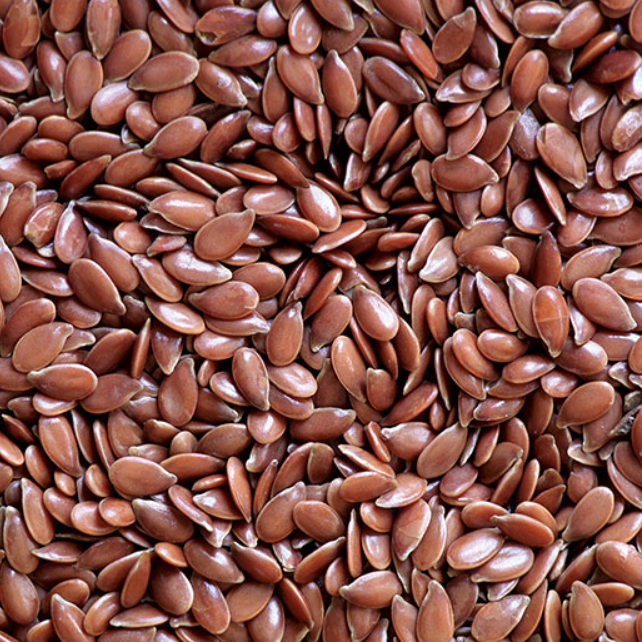
Flax Seed is one of those agricultural commodities that sits quietly between the food, wellness, feed, and industrial raw material markets, yet it keeps attracting steady commercial interest from serious buyers. In many markets, it is known both as a health-driven seed and as a processing input for oil extraction, bakery applications, cereal blends, livestock feed formulas, nutraceutical products, and specialty food manufacturing. For importers, wholesalers, processors, and private-label buyers, that wide usage base is what makes Flax Seed a practical product to source and trade.
In the international trade space, Flax Seed is valued for more than just its nutritional profile. It is also valued for its storability, ease of packaging, relatively straightforward shipping requirements, and demand across multiple regions. Depending on the destination market and buyer specification, Flax Seed may be traded as brown or golden seed, conventional or organic, machine-cleaned or sortex-cleaned, and for direct food use or industrial processing. That means buyers do not simply ask for “Flax Seed.” They usually ask for a clearly defined quality grade, moisture level, purity standard, packaging type, and shipment structure.
For African exporters and trade facilitators, Flax Seed is also an interesting commodity because it can be positioned as part of the broader oilseed and specialty seed trade conversation. Even where local cultivation is still developing, the Nigerian market reference remains commercially important. In Nigeria, buyers, distributors, herbal product merchants, health food sellers, and wellness-focused retailers often refer to Flax Seed in practical trade terms such as linseed, omega seed, or health seed, especially in urban natural food channels. That market language matters because it affects how suppliers present quality, documentation, packaging, and product applications to both domestic and export buyers.
Like many seed commodities, profitable sourcing of Flax Seed is not only about finding a supplier with stock. It is about finding the right quality at the right time, verifying whether the lot is food-grade or crush-grade, understanding what contaminants are acceptable or unacceptable, checking shipment viability, and ensuring that the commercial paperwork aligns with destination-country rules. A buyer that gets those details right usually protects margin, avoids claims, and builds a smoother repeat trade cycle.
This is why serious importers do not treat Flax Seed as a casual buy. They evaluate origin, harvest condition, post-harvest handling, cleaning standard, packaging strength, traceability, phytosanitary compliance, residue exposure, and loading discipline before funds move. They also pay attention to the intended end use, because a buyer sourcing for bakery blends may not accept the same standard that a crusher or feed operator would accept. In practical commodity trade, the use case determines the specification, and the specification determines the safe buying price.
In this guide, we will look at Flax Seed from a commercial and buyer-focused angle. We will cover what it is, how it is processed, what it is used for, the health benefits linked to it, likely side effects, major producing and importing markets, how to source it safely, where to find reliable exporters, realistic international price ranges per metric ton, payment structures, shipping terms, trade specifications, and the documents you should expect before shipment and at destination. The goal is simple: help you understand how to buy Flax Seed with better clarity and less risk.
Trade Overview of Flax Seed
| Product Name | Flax Seed |
|---|---|
| Botanical Name | Linum usitatissimum |
| Common Names | Flax Seed, Flaxseed, Linseed |
| Nigerian/Common Market Reference | Often referenced in wellness, herbal, baking, and specialty seed channels as Flax Seed or Linseed |
| Commodity Type | Oilseed / Specialty Seed |
| Common Commercial Forms | Whole brown flax seed, whole golden flax seed, cleaned seed, sortex-cleaned seed, organic flax seed, crush-grade flax seed |
| Primary Uses | Food processing, bakery, cereal blends, oil extraction, nutraceuticals, feed applications, wellness products |
| Typical Buyers | Importers, wholesalers, food processors, oil extractors, contract packers, health product brands, feed formulators |
| Packaging | 25kg bags, 50kg PP bags, kraft paper bags with liner, jumbo bags, private-label retail packs |
| Trade Concern Areas | Moisture, purity, foreign matter, pesticide residue, mold risk, adulteration, weak packaging, poor lot consistency |
| Shipment Mode | Primarily sea freight for bulk commercial trade; air freight only for samples or urgent specialty shipments |
From a trade standpoint, Flax Seed performs well because it is useful across different commercial sectors. A lot that does not fit one buyer segment may still fit another if the quality, documentation, and end-use positioning are clear. Food-grade buyers usually prioritize cleanliness, appearance, odor, and residue control. Oil processors often focus more on oil content, moisture, and lot uniformity. Feed buyers may work with lower visual standards, but they still care about safety, contamination, and stable delivery.
That flexibility creates opportunity, but it also means suppliers must avoid vague offers. When a seller sends an offer sheet that only says “Flax Seed available,” the offer is incomplete. The buyer needs the grade, origin, crop year, purity, moisture, packaging, loading plan, inspection status, and shipping terms. Serious commodity trade happens in details, not in broad promises.
Request a Quote or Speak With Our Team About Flax Seed
Ready to source Flax Seed with confidence? Submit your RFQ for detailed specifications and formal quotations, or chat on WhatsApp for fast responses and quick clarification.
What Is Flax Seed?
Flax Seed is the seed of Linum usitatissimum, a plant cultivated historically for both its seeds and its fiber. In commodity trade, the seed side is what matters here. The seeds are small, flat, and glossy, usually brown or golden depending on variety and market classification. They are widely recognized for their oil content and for their use in foods that target fiber, plant-based fats, and functional nutrition.
In many commercial markets, the name linseed is also used, especially where the product moves into industrial oil applications. In food and wellness channels, the term flaxseed is more common. Buyers should understand both names because suppliers, customs records, and trade databases may use them differently depending on geography and commercial purpose.
Flax Seed is commonly sold whole, but it may also be milled, cold-pressed for oil, or further processed into meal and value-added ingredients. Whole seed is often preferred in export trade because it stores better than ground seed, gives buyers more flexibility, and reduces the risk of shortened shelf stability. Once ground, the product becomes more sensitive to oxidation and requires more careful packaging and storage.
Commercially, Flax Seed belongs in the same larger conversation as sesame seed, sunflower seed, chia, mustard seed, and other functional oilseeds, but it has its own specific buyer appeal. It is not just a garnish seed. It is a formulation ingredient. That is why demand often comes from processors that need repeat quality rather than casual spot-market buyers alone.
For sourcing purposes, buyers usually classify Flax Seed according to color, origin, intended use, and cleaning quality. Brown flax seed is common in global trade and widely accepted across food and oil markets. Golden flax seed sometimes attracts attention in premium food channels because of visual preference, though availability and pricing can differ by season and origin. What matters most is not just color, but whether the lot matches the buyer’s end-use requirement.
How Flax Seed Is Made / Processed
Flax Seed does not pass through heavy industrial transformation before export in its common whole-seed form, but the quality of the finished trade lot still depends heavily on how it is grown, harvested, cleaned, and packed. A lot can look acceptable at first glance and still fail buyer expectations if post-harvest handling was poor. That is why understanding the processing chain is useful for every importer.
1. Cultivation and field development
Flax is cultivated in regions that can support healthy seed formation, proper maturation, and manageable harvest conditions. Agronomic practices influence the final commercial result in a big way. Seed size, cleanliness, color retention, moisture condition, and contamination exposure are all affected long before the crop reaches a warehouse. Buyers who want consistency should always pay attention to origin and crop management background, even if they are buying through a trader rather than directly from a farm cluster.
2. Harvesting at the right maturity stage
The crop is harvested when the seed has matured sufficiently and field conditions permit safe recovery. Harvest timing matters because overly wet harvesting can increase drying pressure and storage risk, while late harvesting can increase shattering losses, weather damage, and quality decline. In practical trade terms, poor harvest timing often shows up later as uneven color, higher breakage, weak storability, or elevated mold risk.
3. Drying and moisture stabilization
Once harvested, the seed may need drying or careful aeration to reach a commercially safe moisture range. This stage is critical. Seed packed with excess moisture can heat up in storage, lose quality, or develop mold issues during transit. A buyer may not detect the problem during a simple pre-shipment photo review, but it can become obvious when the cargo arrives with caking, odor, sweating, or visible spoilage. This is one reason moisture specification should never be treated as a formality.
4. Cleaning and foreign matter removal
After drying, Flax Seed is cleaned to remove dust, stones, broken plant material, weed seeds, and other foreign matter. The level of cleaning depends on the target market. Basic machine-cleaned lots may work for some industrial or lower-tier commercial use, while premium food buyers often expect higher purity and stronger visual presentation. Some shipments pass through gravity separation, sieving, aspiration, magnets, and optical sorting to improve final quality.
5. Grading and quality segregation
Not every lot harvested from the same source should be packed together. Good exporters segregate lots by moisture, purity, seed size, color consistency, and intended use. This is where professional handling makes a big difference. When lots are mixed carelessly, buyers receive uneven quality and claims become more likely. A disciplined seller matches each lot to the most suitable buyer specification instead of overselling average stock as premium food-grade product.
6. Packaging and lot identification
After grading, the seed is packed into the bag size agreed in the sales contract. For export trade, packaging must be strong enough to survive lifting, stacking, inland movement, port handling, and sea transit. Bags should be properly stitched, marked, and traceable to the lot. Markings typically include the product name, net weight, origin, crop year where relevant, lot or batch number, and exporter details if required. Weak packaging may look like a small issue, but it becomes expensive when bags burst, cargo gets contaminated, or quantity claims arise at destination.
7. Storage before shipment
Before loading, Flax Seed should be stored in a dry, clean, well-ventilated facility away from water ingress, strong odors, pests, fuel contamination, and direct exposure that may compromise the product. Warehousing discipline matters because seeds can absorb odor and lose commercial appeal. A careless warehouse can damage an otherwise good lot before it ever reaches the port.
8. Pre-shipment inspection and container loading
Professional exporters usually complete a final quality review before shipment and supervise loading into clean, dry containers. For some buyers, an independent inspection agency checks weight, condition, and conformity before dispatch. Proper container loading includes floor inspection, odor check, dryness verification, safe stacking, and use of liners or desiccants where necessary. This final stage is where many avoidable transit issues are either prevented or created.
What Is Flax Seed Used For?
Flax Seed has a broad application range, which is one reason it remains commercially attractive. It is not dependent on one single buyer category. That reduces some market concentration risk and makes it easier for traders to reposition stock if one segment slows down.
Food processing and bakery use
One of the most common uses of Flax Seed is in food manufacturing. Bakers and food processors include it in breads, crackers, granola, breakfast cereals, nutrition bars, and seed blends. In these applications, buyers often look for clean, food-grade seed with a stable appearance and reliable purity. Product presentation matters because the seed may be visible in the final packaged food.
Health and wellness formulations
Flax Seed is also used in the wellness segment, where it is marketed for fiber content and plant-based nutritional value. It may be sold as a whole seed, milled ingredient, smoothie addition, or packaged supplement component. Buyers in this category often demand better branding support, stronger residue assurance, and more detailed product information because the seed is sold closer to the end consumer.
Oil extraction
Another major use of Flax Seed is oil extraction. Flaxseed oil is valued in both food and industrial channels depending on the grade and processing route. Some buyers source seed specifically for crushing because they want oil yield, not table-quality appearance. In those situations, the commercial negotiation may focus more on oil content, moisture, and shipment economics than on cosmetic perfection.
Animal feed and feed ingredient blending
Flax Seed and its by-products can also enter feed channels. In some formulations, the seed or processed meal is valued as an ingredient with functional nutritional appeal. Buyers in this segment still care about safety and consistency, but the acceptable quality window may differ from premium human food use. That is why suppliers must state the intended trade purpose honestly and avoid presenting lower-grade stock as top-tier food-grade cargo.
Private-label retail packing
Retail packers and private-label health food brands purchase Flax Seed for consumer-facing products. These buyers tend to be more particular about packaging hygiene, cleaning standard, and documentation. They may also request smaller trial lots, custom labeling support, or stronger product traceability if they sell into regulated retail markets. For exporters, this can be a good value segment when quality systems are strong enough.
Traditional and herbal market channels
In some markets, including parts of Africa, Asia, and the Middle East, Flax Seed also moves through herbal and natural remedy channels. Here, the product may be sold in open markets, health stores, herbal shops, and specialty food outlets. The Nigerian/common market reference is important in this context because traders and retailers often position the seed for household consumption, digestive wellness blends, and natural food routines rather than purely industrial use.
Health Benefits of Flax Seed
Buyers in the food and wellness sectors often pay attention to the health claims associated with Flax Seed because consumer demand is strongly tied to perceived benefit. That said, responsible suppliers should avoid exaggerated medical promises. The better commercial approach is to understand the broad nutritional and functional reasons the product attracts demand, then market it within lawful labeling limits.
1. Commonly associated with dietary fiber support
Flax Seed is widely recognized in food and wellness markets for its fiber content. That association is one of the major reasons it is included in cereals, breads, and digestive wellness products. For commercial buyers, this matters because products positioned around fiber support usually require consistent seed quality and a clean, stable sensory profile.
2. Often valued for plant-based omega content
Flax Seed is also commercially attractive because it is associated with plant-based omega-3 nutritional interest. This is especially relevant in markets where consumers are seeking non-fish alternatives for plant-forward diets. Buyers who formulate functional foods or packaged seed blends often use that positioning to support premium shelf placement and stronger marketing language within regulatory boundaries.
3. Supports demand in heart-conscious food categories
Many consumer-facing products that contain Flax Seed are marketed into heart-conscious and lifestyle-focused categories. Even where buyers do not make direct health claims, the seed’s reputation supports demand. That commercial pull influences procurement because it pushes buyers to prioritize clean label-friendly raw materials that can fit modern nutritional narratives.
4. Useful in satiety and balanced diet positioning
Flax Seed is frequently included in meal plans, seed blends, porridges, smoothies, and baked products aimed at consumers who want fuller-feeling, nutrient-dense foods. For brands, this makes Flax Seed a useful ingredient in categories where texture, fiber, and nutritional story all matter. The more premium the final product, the more buyers tend to care about origin, lot uniformity, and supplier credibility.
5. Relevant to plant-based product development
Food developers working on plant-based products often use Flax Seed or flax derivatives in formulations because the ingredient fits current market demand for recognizable plant ingredients. This keeps demand alive not only in raw seed form, but also in milled, oil, and functional ingredient formats. Traders who understand this downstream demand can position their offers more effectively.
6. Strong consumer familiarity improves commercial movement
One practical benefit for traders is that Flax Seed already has consumer familiarity in many target markets. That reduces the education burden for importers and private-label brands. A product that consumers already recognize is easier to sell than a niche seed nobody understands. In trade terms, that familiarity helps stock move faster when quality and pricing are right.
Side Effects of Flax Seed
Even though Flax Seed is widely regarded as a useful food ingredient, every serious buyer should understand the side effect conversation around it. This is important for responsible sourcing, product positioning, and customer guidance. A good supplier does not oversell a commodity as if it has no limitations.
1. Digestive discomfort from excessive intake
Flax Seed may cause digestive discomfort in some users when consumed in excess, especially by people who suddenly increase intake without enough water or dietary adjustment. In commercial terms, this is why responsible labeling and usage guidance matter for retail and consumer-facing products. Buyers in wellness and packaged food channels should work with compliant wording and avoid careless over-promotion.
2. Possible sensitivity in some consumers
Like many natural food products, Flax Seed may not suit every individual equally. Some consumers may experience sensitivity or dislike the taste, texture, or digestive effect. This does not make the commodity unsafe when properly handled, but it does mean sellers should avoid presenting it as universally perfect for everyone.
3. Quality deterioration can create safety concerns
One of the most important commercial side effect issues is not the seed itself, but poor-quality seed. Rancid, mold-affected, damp, or contaminated Flax Seed can create real problems for buyers. If the cargo has been stored badly or exposed to moisture, it may develop odor, caking, spoilage, or reduced acceptability. This is why laboratory checks, pre-shipment inspection, and proper storage conditions matter so much.
4. Ground forms require more care than whole seed
Once Flax Seed is milled or crushed, it becomes more vulnerable to oxidation and quality decline. Buyers working with processed forms must pay extra attention to packaging, shelf stability, and storage conditions. Whole seed is generally easier to handle in trade, which is one reason many importers prefer to buy the seed whole and process it closer to their market.
5. Unsuitable claims can create regulatory risk
Another practical risk is commercial rather than physiological. When suppliers or distributors make exaggerated therapeutic claims, buyers can face labeling or compliance issues in regulated markets. A product can be high quality and still become a problem if it is marketed carelessly. This is especially important for exporters serving retail, nutraceutical, or natural health channels.
6. Contaminants and residues remain a buyer concern
Side effect conversations in global trade also include residues, foreign matter, and contamination. Food-grade buyers often want assurance that the lot is clean, properly handled, and suitable for its intended use. Even a visually decent cargo can create risk if pesticide residue, storage contamination, or hidden quality defects are ignored. Safe sourcing is therefore part of the side effect discussion, not separate from it.
Top Producing & Exporting Countries of Flax Seed
Knowing the major production and export origins helps buyers understand pricing, supply timing, quality profiles, and trade route dynamics. Different origins offer different strengths. Some are known for scale, some for price competitiveness, and some for established logistics into specific destination markets.
1. Russia
Russia has been a major force in Flax Seed production and export trade, especially in recent seasons. Large production volumes and strong export capacity make it a significant market driver. For buyers, Russian origin often matters because it influences global pricing direction, destination competition, and supply availability across Asia and Europe.
2. Kazakhstan
Kazakhstan is another important player in the Flax Seed market and has become especially relevant in regional and cross-border trade flows. Buyers frequently watch Kazakhstan because it can offer commercially meaningful export volume and competitive positioning, especially into nearby processing and importing hubs.
3. Canada
Canada remains a recognized and established Flax Seed origin, particularly in food and premium export channels. Its reputation, infrastructure, and long participation in oilseed trade make it a familiar source for many importers. Buyers who prioritize consistency, standardized handling, and strong export systems often look closely at Canadian origin.
4. China
China participates in the broader Flax Seed value chain as both a consuming and processing market, and it also influences regional trade structure through demand and internal utilization. For suppliers and traders, Chinese demand patterns can affect global pricing and route decisions significantly.
5. India
India is relevant in the Flax Seed conversation because of its large food sector, active ingredient trade, and role in seed and spice distribution channels. Depending on crop conditions and commercial orientation, it can be important as a producing, processing, or redistributing market in broader trade networks.
6. European trading hubs
Some European countries are notable in flax trade not only because of local use, but because they function as import, processing, and redistribution hubs. For buyers, these markets can matter when tracing final supply routes or evaluating re-export opportunities.
Top Importing Countries of Flax Seed
Import demand for Flax Seed is closely linked to food manufacturing, seed blending, oil extraction, health product packaging, and animal nutrition industries. Understanding the main importing markets helps exporters plan specification, packaging, and compliance strategy more carefully.
1. China
China stands out as one of the most important flax import destinations because of its scale and industrial processing relevance. A major share of trade attention often follows Chinese demand behavior, and changes in Chinese buying patterns can quickly affect international pricing sentiment.
2. Belgium
Belgium is significant as both an importing market and a European trade gateway. Buyers and sellers often pay attention to Belgian flows because the country acts as a distribution and processing point within the wider European commercial network.
3. Germany
Germany is an important destination because of its large food industry, health food segment, and strong demand for quality-controlled agricultural ingredients. Exporters serving the German market generally need stronger documentation, cleaner lots, and more reliable compliance discipline.
4. United States
The United States remains a relevant market for food, nutrition, and specialty ingredient applications. Buyers there often focus on labeling integrity, quality consistency, and traceability. Exporters that want access to this market usually need a more structured quality assurance approach.
5. Netherlands
The Netherlands matters in flax trade because of its role as a logistics and redistribution hub. Shipments entering the Dutch market may be intended for domestic use, onward processing, or distribution into the wider European region. That makes it commercially important beyond its domestic consumption size alone.
6. Other specialty food and processing markets
Several other countries across Europe, Asia, and the Middle East also import Flax Seed for niche food, seed blend, oil extraction, and health-product demand. For exporters, the lesson is simple: different markets require different quality positioning, and success depends on matching the cargo to the buyer type rather than trying to sell every lot to every destination.
How To Safely Source for Your Flax Seed Produce
Safe sourcing is where profitable trade is either protected or destroyed. A buyer can negotiate a good price and still lose money if the wrong lot is purchased. With Flax Seed, safe sourcing means understanding the commodity beyond the invoice. It means checking whether the product genuinely fits your intended use, whether the seller has real control over the cargo, and whether the shipment can move without quality or documentation trouble.
The first thing to clarify is the end use. Are you buying for food processing, oil extraction, feed formulation, retail packing, or wellness resale? That answer should shape everything else. A food-grade buyer should not use the same sourcing checklist as an industrial crusher, and a private-label retail packer should not rely on vague visual quality promises alone. End use determines purity expectations, cleaning level, traceability demand, documentation depth, and even packaging choice.
The second point is supplier verification. Before discussing shipment schedules in detail, verify whether the supplier is a grower, consolidator, processor, exporter, or broker. None of these roles is automatically bad, but you need to know who actually controls the stock. Many buyers run into trouble when dealing with middlemen who cannot guarantee quality, quantity, or loading timeline. Ask direct questions. Where is the stock currently held? Can a warehouse inspection be arranged? Are recent lot photos and videos available? Has the seller exported the commodity before? Can they support inspection and documentation?
Third, insist on a written specification before you move toward payment. The specification should cover product description, color type where relevant, crop year if important, moisture, purity, foreign matter, admixture, packaging, net weight, loading tolerance, and intended grade. If the lot is sold as food-grade, that should be clearly stated. If it is sold as crush-grade or industrial-use stock, that should also be clearly stated. Problems begin when sellers leave room for interpretation.
Fourth, request quality evidence that matches the stage of the deal. At minimum, buyers usually request recent product photographs, packing photos, and a basic specification sheet. For larger or more sensitive deals, laboratory analysis and independent pre-shipment inspection become more important. Depending on the destination market, residue testing, microbiological review, or heavy metal checks may also matter. The right level of testing depends on use case and regulation, but the principle is the same: never assume.
Fifth, review storage and packaging carefully. Flax Seed can be a stable commodity when handled properly, but poor storage can compromise an otherwise good lot. Ask how the stock was warehoused. Was it kept dry? Was it raised from the floor? Was it stored away from strong odors and pest exposure? What bag type is being used? Are the bags new and strong enough for export? Poor packaging becomes expensive very quickly once cargo is being lifted repeatedly through inland and port handling.
Sixth, check the loading plan, not just the product. A reliable exporter should be able to explain how many bags go into the container, how weight will be managed, whether pallets are used or not, whether container liners are available, and how container dryness is checked before loading. If the supplier becomes vague at this stage, that is usually a warning sign. Cargo losses often come from poor loading discipline rather than from poor seed quality alone.
Seventh, structure your payment around risk reduction. It is rarely wise to pay large amounts upfront to an unverified supplier simply because the offered price looks attractive. For new relationships, many buyers prefer instruments or staged payment methods that allow document review and shipment confirmation to play a role. The right payment structure depends on trust level, order size, country risk, and bank practicality, but the main principle is to keep commercial control aligned with actual transaction progress.
Eighth, know your destination requirements before the seller ships. This is a surprisingly common mistake. Some buyers purchase first and check import conditions later. That can lead to port delay, reconditioning costs, laboratory disputes, relabeling pressure, or even cargo rejection. Before shipment, verify whether your market requires a phytosanitary certificate, certificate of origin, fumigation record, residue compliance, organic certification, health certificate, or any special labeling support. The exporter should not be expected to guess your market rules for you.
Ninth, separate samples from shipment reality. Many disputes arise because a clean sample is approved, but the shipped lot is not held to the same standard. To reduce this risk, tie the commercial contract to an agreed specification and, where relevant, to final inspection. If the transaction is large enough, use a recognized inspection company at loading. The cost is usually cheaper than resolving a claim after arrival.
Tenth, document communication professionally. Use a proforma invoice, signed specification, payment agreement, packing details, and shipment timeline in writing. Casual phone assurances are not enough in commodity trade. A proper paper trail helps resolve misunderstandings before they become losses. It also helps serious suppliers stand apart from unreliable ones.
Finally, think beyond the first shipment. Safe sourcing is not just about avoiding one bad deal. It is about building a repeatable procurement channel. The best buyers identify suppliers that can maintain specification over time, communicate clearly, and support real shipment execution. Once you find that kind of exporter, the conversation becomes less about chasing the lowest headline price and more about protecting consistency, timing, and margin across repeated transactions.
Where To Find Reliable Exporters for Flax Seed
Reliable Flax Seed exporters are usually found through a mix of direct origin networks, trade facilitation firms, processing contacts, commodity exhibitions, inspected B2B introductions, and repeat commercial referrals. The challenge is that the internet makes many suppliers look stronger than they really are. A polished profile does not prove cargo control or shipment competence.
One of the better routes is to work with exporters that already understand agricultural documentation, export packaging, freight coordination, and inspection procedures. A supplier may have genuine stock and still fail the transaction if they do not know how to prepare a container, manage export documents, or respond to buyer compliance questions properly. That is why execution history matters almost as much as product access.
Buyers should also distinguish between traders who merely forward offers and exporters who can actually manage the shipment chain. The strongest counterparties usually answer practical questions directly. They can explain product specification, stock location, loading lead time, packaging type, available documents, and quality assurance steps without sounding uncertain. They also tend to communicate exceptions early instead of hiding problems until after payment.
Another useful approach is to begin with a trial order or smaller shipment where possible. This allows the buyer to evaluate documentation quality, shipment discipline, response speed, packaging integrity, and actual product conformity. A small but well-executed first shipment is often more valuable than a large but unstable deal offered at a tempting discount.
Where private-label or premium food-grade business is involved, it is wise to source from exporters that understand traceability and sample-to-shipment consistency. Where oil extraction or industrial use is the goal, you may prioritize volume reliability and economics more heavily. In either case, the right exporter is not simply the cheapest one. It is the one whose offer, documents, and shipment behavior reduce your operational risk.
International Price of Flax Seed Per Metric Ton
International pricing for Flax Seed is influenced by origin, crop size, destination demand, oilseed market sentiment, grade, cleaning standard, packaging, and freight conditions. Prices also differ materially between food-grade cleaned seed, premium retail-ready seed, and crush-grade or industrial-use stock. Buyers should therefore be careful with broad online price claims that do not specify grade or commercial basis.
As a realistic commercial guide for 2025 to 2026 trade discussions, conventional whole Flax Seed in export channels may commonly fall within a broad range of about US$560 to US$980 per metric ton, depending on origin, quality, market timing, and destination requirement. Lower-end ranges are more likely to appear in standard commercial or bulk trade under favorable supply conditions, while higher-end ranges tend to apply to cleaner food-grade lots, premium origins, specialty packaging, or more demanding destination markets.
For many mainstream bulk transactions, buyers may see workable offers cluster more often around the mid-range rather than the extremes. However, the real landed economics must also account for cleaning standard, lab testing, inland haulage, inspection, insurance, financing cost, and freight volatility. A cheap offer becomes expensive very quickly if the seed arrives wet, dirty, off-spec, or poorly documented.
It is also important to remember that flax pricing is not isolated from larger oilseed and agricultural commodity movements. Supply shifts in major producing countries, changes in demand from large importing markets, and regional trade policy adjustments can all influence pricing. For repeat buyers, the best approach is to compare current offers across at least two or three origins where practical and assess not just the nominal price per ton, but the delivered value of the lot.
Request a Quote or Speak With Our Team About Flax Seed
Ready to source Flax Seed with confidence? Submit your RFQ for detailed specifications and formal quotations, or chat on WhatsApp for fast responses and quick clarification.
How To Pay For Your Flax Seed Produce
Payment structure is one of the most sensitive parts of any Flax Seed transaction because it sits at the center of trust, financing, and risk allocation. The right payment method depends on order size, relationship history, banking access, country risk, and shipment timeline. There is no single perfect method for every transaction, but there are clear principles that help buyers avoid preventable losses.
Advance payment for small or trusted deals
Advance payment is sometimes used for small shipments, urgent repeat orders, or supplier relationships that have already been tested successfully over time. It can speed up execution, but it should be used carefully. For first-time deals, full prepayment is usually higher risk unless the supplier is strongly verified and the transaction value is manageable.
Part payment with balance against shipping documents
Many buyers prefer a structured approach where an initial deposit secures production or cargo allocation, and the balance is paid against agreed shipping documents. This method can work well when both sides want movement without taking extreme risk. The key is to define exactly which documents trigger balance payment and in what timeframe.
Letter of credit for larger structured trade
For larger or more formal transactions, a letter of credit can provide better commercial discipline. It helps align payment with document performance, though it also requires stronger banking coordination and careful drafting. If the LC terms are poorly written, even a good shipment can face documentary delay. Buyers using this route should make sure the contract and banking instructions are prepared by people familiar with commodity trade documentation.
Documentary collection in some trade relationships
Some transactions use documentary collection mechanisms where shipping documents move through banks under agreed terms. This can offer a middle ground in certain situations, though the practical suitability depends on the jurisdictions and counterparties involved. Buyers should not choose a payment method merely because it sounds formal. It must match the actual commercial risk and banking environment of the deal.
Payment discipline should mirror supplier verification
The most important principle is this: payment comfort should rise only when supplier credibility rises. If the supplier is new, little-known, or inconsistent in communication, your payment structure should protect you accordingly. If the supplier has already performed well over repeated shipments, payment can become more flexible over time. Good trade relationships are built progressively, not recklessly.
Shipping & Delivery Terms
Shipping terms for Flax Seed should be agreed clearly before proforma invoice acceptance. Many problems in commodity trade are not caused by the product itself, but by confusion around who is responsible for transport, insurance, loading, export clearance, and destination costs. Clear Incoterms help avoid that confusion.
FOB terms for buyers controlling freight
Under FOB arrangements, the seller is typically responsible up to loading the cargo on board at the named port of shipment, while the buyer controls the main ocean freight. This works well for buyers with freight experience or appointed logistics partners. It offers more control, but it also means the buyer must manage vessel booking and downstream shipping coordination properly.
CIF terms for simpler landed planning
Under CIF terms, the seller arranges freight and insurance to the named destination port. Many buyers prefer this when they want simpler landed cost planning or do not yet have strong freight coordination at origin. Still, buyers should review the freight assumptions carefully because not every CIF offer is equally competitive or equally transparent.
Container condition matters
Whether the sale is FOB or CIF, container condition is critical. The container should be dry, clean, odor-free, structurally sound, and suitable for agricultural cargo. If the container has holes, moisture, chemical smell, or weak flooring, the shipment is already at risk before loading begins. Good exporters inspect this before stuffing.
Transit protection and packing integrity
Even when Flax Seed itself is stable, sea transit can expose cargo to humidity, rough handling, compression, and bag stress. This is why packing quality, stack arrangement, and moisture discipline matter. Desiccant use, liners, and sensible loading patterns may help depending on route and season.
Delivery planning at destination
Buyers should also plan for arrival handling before the vessel sails. Who clears the cargo? Who pays demurrage or detention if there is delay? Is warehouse space ready? Are there laboratory or customs checks expected at destination? Smooth delivery depends on preparation at both ends, not just successful loading at origin.
Our Typical Trade Specifications For Flax Seed
| Parameter | Typical Export Specification |
|---|---|
| Product | Whole Flax Seed |
| Botanical Name | Linum usitatissimum |
| Type | Brown or golden, subject to contract |
| Grade | Food grade or crush grade, subject to buyer requirement |
| Purity | 98% minimum to 99.95% maximum, depending on contracted quality |
| Moisture | Typically 8% to 10% maximum, subject to origin and contract |
| Foreign Matter | Low and within agreed tolerance |
| Admixture | As per buyer-approved specification |
| Color | Natural characteristic color of agreed flax type |
| Odor | Clean, fresh, characteristic, free from objectionable odor |
| Condition | Sound, dry, clean, free from live infestation |
| Packaging | 25kg or 50kg new PP bags, kraft bags, or jumbo bags |
| Labeling | Buyer instruction or standard export marking |
| Inspection | Buyer option or as agreed in contract |
| Shelf Stability | Best maintained under cool, dry, hygienic storage conditions |
These specifications are only a typical trade guide. Real contracts should always define the exact quality parameters to avoid dispute. A buyer purchasing for retail food use may require tighter purity and stronger analytical documentation than a buyer purchasing for oil extraction or feed use. The specification must therefore reflect the destination and end use, not just a generic product description.
Expected Shipping Documents
Documents are not a side issue in Flax Seed trade. They are part of the cargo itself from a commercial standpoint. A shipment with poor documents can become just as problematic as a shipment with poor quality. Buyers should know what to expect and confirm document requirements before loading.
Commercial invoice
The commercial invoice states the seller, buyer, product description, quantity, unit price, total value, and trade terms. It should match the contract and shipping documents accurately. Inconsistency between the invoice and other documents often causes avoidable customs or banking complications.
Packing list
The packing list provides the shipment breakdown, including bag count, net weight, gross weight, and packaging structure. This helps with customs clearance, warehouse receipt planning, and cargo verification on arrival.
Bill of lading
The bill of lading is a core transport document in sea freight transactions. It confirms shipment details, vessel movement, and cargo carriage terms. Buyers should ensure that consignee and notify party information are correct and that the bill aligns with payment and clearance requirements.
Certificate of origin
Many buyers request a certificate of origin to confirm the source country of the Flax Seed. This can be important for customs treatment, buyer records, and market-specific compliance. If the origin is commercially sensitive, accuracy here is especially important.
Phytosanitary certificate
For many agricultural shipments, a phytosanitary certificate is important or mandatory. It indicates that the shipment meets plant health requirements as issued by the competent authority. Buyers should confirm whether this is required in the destination market before shipment is finalized.
Inspection certificate
Where independent quality or quantity verification is agreed, an inspection certificate may be issued by a recognized third-party agency. This can support trust, reduce disputes, and provide a useful quality checkpoint for larger transactions.
Laboratory analysis or quality certificate
Some buyers request laboratory results or a quality certificate showing moisture, purity, foreign matter, microbiology, or other agreed parameters. This is more common in food-grade and premium market transactions. The more regulated the destination, the more important this usually becomes.
Fumigation or treatment record where applicable
Depending on destination requirement and cargo condition, fumigation or related treatment records may be requested. Buyers should not assume this is always needed, but where it is required, it should be arranged properly and documented clearly.
Insurance certificate under CIF trade
Where the seller supplies on CIF basis, an insurance certificate is typically part of the document set. Buyers should review not just its existence, but whether the coverage is commercially meaningful for the shipment.
Flax Seed remains a commercially relevant oilseed for buyers who value flexibility, nutritional positioning, and wide downstream use. But as with most agricultural commodities, success in the trade depends less on market excitement and more on disciplined buying. When the specification is clear, the supplier is verified, the documents are correct, and the cargo is loaded professionally, Flax Seed can be a practical and repeatable product for importers, processors, and wholesalers across multiple markets.
Request a Quote or Speak With Our Team About Flax Seed
Ready to source Flax Seed with confidence? Submit your RFQ for detailed specifications and formal quotations, or chat on WhatsApp for fast responses and quick clarification.