

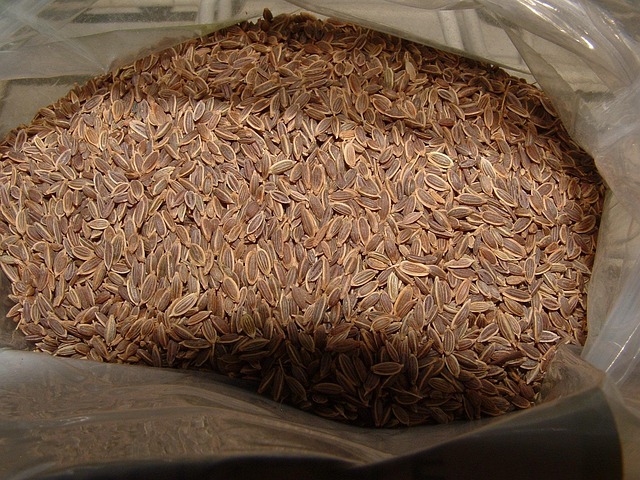
Dill Seed is one of those spice commodities that often receives less attention than it deserves in international trade. Many casual buyers know dill mainly from culinary use, especially in pickling and seasoning. Serious importers, food processors, herbal product manufacturers, spice blenders, and repackers, however, understand that Dill Seed is more than a kitchen ingredient. It is a commercially relevant spice seed with value across the food, beverage, herbal, extract, and specialty ingredient markets. When sourced well, it offers a distinctive aromatic profile, strong formulation value, and dependable usefulness in multiple product categories.
In practical trade, Dill Seed is bought by companies that need consistent aroma, clean seed, good maturity, low foreign matter, proper drying, and reliable documentation. These requirements matter because the end user usually expects the product to perform clearly in flavour-sensitive applications. A weak or stale Dill Seed lot may still look acceptable in a bag, but once it is added to seasoning blends, teas, pickles, spice jars, and processed food systems, its shortcomings become obvious. That is why experienced buyers usually focus on more than the quote price. They focus on the commercial quality behind the quote.
Across Nigeria and many African trade conversations, Dill Seed is usually treated as a specialty spice ingredient rather than a mainstream open-market staple. It is especially relevant in seasoning, hospitality, processed food, wellness, and diaspora-focused retail channels. In international trade, it is also attractive to importers because it can serve different markets at once. It can be sold as a culinary spice, a tea ingredient, a botanical raw material, or an extract input. This flexibility makes it commercially useful, but it also means buyers need clarity on the exact grade and intended use before they place an order.
Botanically, Dill Seed comes from Anethum graveolens. Common names include dill seed, dill, and in some commercial references, garden dill seed. In most export trade settings, Dill Seed refers to the mature dried seeds or seed-like fruits of the dill plant. It is important to separate Dill Seed from dill leaves or dill weed in procurement language because they are different traded forms with different uses, sensory strength, pricing patterns, and handling requirements. A buyer asking for dill without clarifying the product form may receive the wrong quotation or the wrong goods.
One reason Dill Seed remains commercially relevant is that it has a clear aromatic identity. It is warm, slightly sweet, herbaceous, mildly citrusy, and lightly caraway-like in certain applications. That flavour profile makes it useful in spice blends, savoury products, pickles, condiments, herbal mixtures, and selected tea concepts. It also gives processors a way to add a more rounded aromatic note without relying only on more common seed spices such as fennel, cumin, or coriander. This differentiating role helps sustain demand in premium and specialty food channels.
Like other spice seeds, Dill Seed can present avoidable sourcing risks when buyers focus too narrowly on price. Poorly cleaned lots may contain stalk material, dust, stones, or immature seeds. High-moisture lots may have mould risk, caking in storage, or reduced shelf life. Old stock may have lost much of its aromatic strength. Weak documentation can create customs and compliance issues in stricter importing markets. For that reason, the most successful buyers usually treat Dill Seed procurement as a controlled commercial process rather than a simple commodity purchase.
This guide explains Dill Seed from a buyer-focused trade perspective. It covers what the product is, how it is processed, what it is used for, its health benefits and side effects, major producing and importing countries, safe sourcing methods, how to identify reliable exporters, realistic international price expectations, payment structures, shipping terms, trade specifications, and the documents buyers should expect in a proper export transaction. The aim is to help buyers source Dill Seed more safely, more profitably, and with fewer avoidable problems.
Trade Overview of Dill Seed
| Product Name | Dill Seed |
|---|---|
| Botanical Name | Anethum graveolens |
| Common Names | Dill Seed, Dill, Garden Dill Seed |
| Nigerian/Common Market Reference | Specialty spice seed used in seasoning, pickling, herbal, wellness, and food processing channels |
| Product Form | Usually traded as dried whole seed; may also be sold as cracked seed, powder, tea cut, or extraction-grade material |
| Colour | Light brown to medium brown |
| Aroma Profile | Warm, herbaceous, slightly sweet, mildly citrusy, lightly caraway-like |
| Main Commercial Uses | Pickling, spice blends, seasoning systems, herbal teas, extracts, processed foods, retail repacking |
| Typical Buyers | Importers, spice blenders, food manufacturers, tea blenders, herbal brands, wholesalers, repackers |
| Common Packaging | 20kg to 25kg food-grade bags, PP sacks with liners, paper sacks, cartons for specialty grades |
| Trade Sensitivities | Moisture, aroma loss, purity, old stock, foreign matter, infestation, residue compliance, documentation gaps |
From a trade perspective, Dill Seed is a versatile aromatic seed that sits between mainstream spice trade and specialty botanical trade. Some buyers purchase it primarily for culinary use in pickles, dressings, sauces, marinades, and seasoning blends. Others buy it as a botanical ingredient for tea systems, herbal mixtures, and selected wellness products. This dual-use profile gives it a wider commercial base than some buyers first assume.
Another reason it matters commercially is that Dill Seed can be traded in several forms. Whole seed is the most common format, but some buyers want powder, cracked seed, or material for extraction and custom processing. That means price, packaging, and quality expectations can shift depending on the intended application. A good exporter will usually ask what the buyer plans to do with the product before recommending the most suitable grade or pack style.
In practical sourcing conversations, the most common quality questions around Dill Seed include how clean the lot is, whether the seed is mature, whether it has retained its natural aroma, what the moisture level looks like, how it was packed, and whether the supplier can support the required export documents. Those questions matter because the product’s commercial value depends on how well it performs after arrival, not just on how it looks in sample photos.
For serious buyers, the most useful way to think about Dill Seed is as a specification-driven spice ingredient. When it is clearly defined, sampled, and documented, it is relatively straightforward to trade. When it is purchased loosely, the risk of disappointment rises quickly.
Request a Quote or Speak With Our Team About Dill Seed
Ready to source Dill Seed with confidence? Submit your RFQ for detailed specifications and formal quotations, or chat on WhatsApp for fast responses and quick clarification.
What Is Dill Seed?
Dill Seed is the mature dried seed-like fruit of the dill plant, botanically known as Anethum graveolens. The plant belongs to the Apiaceae family, which also includes cumin, fennel, coriander, anise, and caraway. In spice trade, Dill Seed is valued for its distinctive aromatic character and its versatility across culinary and botanical applications.
The seed is generally small, flat, oval, and light to medium brown in colour. Its aroma is warm and herbaceous, with hints of sweetness and mild citrus character. Some buyers also notice similarities to caraway, though Dill Seed has its own clear identity. This flavour profile is what gives it commercial value in pickling systems, savoury products, spice mixes, teas, and specialty ingredient formulations.
In trade, Dill Seed is most commonly sold as a whole dried seed. However, it may also be processed into powder, broken seed, or extract-related raw material depending on the buyer’s needs. This is why product clarity is so important. Buyers should never assume that every supplier means the same thing by “dill.” The difference between dill seed and dill leaf is commercially significant. One is a seed spice; the other is a dried herb. They serve different uses, trade at different values, and require different quality expectations.
High-quality Dill Seed should be reasonably uniform, well dried, clean, aromatic, and free from objectionable foreign matter. It should not have a mouldy smell, signs of excess moisture, or evidence of insect activity. Very dull, dusty, weak-smelling lots often indicate age, poor storage, or weak post-harvest handling. Buyers serving flavour-sensitive markets should pay close attention to this because aroma decline is one of the easiest ways for a shipment to lose value.
From a commercial standpoint, Dill Seed is best seen as a value-bearing aromatic spice rather than a low-priority seed commodity. Its usefulness in food and botanical channels makes it attractive, but only when the product identity, condition, and export handling are managed properly.
How Dill Seed Is Made / Processed
The quality of Dill Seed in export trade depends on how the crop is handled from harvest to bagging. Buyers that understand the processing chain are usually better able to evaluate supplier claims and reduce avoidable sourcing mistakes. Good Dill Seed is not created at the final packing stage alone. It is the result of several controlled steps working together.
1. Cultivation and Field Management
Dill is cultivated in suitable regions where the plant can mature properly and develop seeds with acceptable flavour and physical quality. Good crop management supports better seed development, fewer contaminants, and stronger market value. Although buyers do not always see the farm stage directly, it has a major influence on what arrives later as export product.
2. Harvesting at Proper Maturity
The crop should be harvested when the seed heads reach suitable maturity. If harvesting takes place too early, the seeds may be underdeveloped and weaker in aroma. If it happens too late, quality loss, shattering, or field damage can increase. Good maturity is one of the foundations of dependable Dill Seed quality.
3. Drying and Moisture Reduction
After harvest, the material is dried to bring moisture down to a level suitable for safe storage and transport. This stage is critical because high moisture increases the risk of mould growth, spoilage, caking, and insect activity. Proper drying should preserve aroma while reducing the risk of storage-related damage.
4. Threshing and Seed Separation
Once dried, the seeds are separated from stems, umbels, and other plant material. Depending on the size of the operation, this may be done manually, mechanically, or with a combination of both. At this stage, the product still needs further cleaning before it is ready for most export markets.
5. Cleaning and Removal of Foreign Matter
The seed is then cleaned to remove dust, stalks, stones, immature seed, sand, and other foreign matter. This may involve sieving, aspiration, gravity separation, and manual sorting. Better cleaning improves not only appearance, but also usability in food processing and retail repacking.
6. Grading and Lot Selection
Suppliers may grade Dill Seed according to size, cleanliness, colour, and general quality. Some buyers want conventional bulk commercial grade, while others want premium cleaner lots for more sensitive end uses. Proper grading helps align the shipment to the buyer’s real application.
7. Optional Processing Into Powder or Cracked Form
Where required, whole Dill Seed may be milled or cracked into other product forms. This adds value, but it also introduces more sensitivity to moisture, aroma loss, and contamination. Processed forms should therefore be handled with tighter care than whole seed.
8. Quality Checks and Batch Control
Responsible suppliers inspect or test the lot for moisture, appearance, aroma, and general conformity before packing. Depending on the destination market, buyers may also require lab checks for microbiology, pesticide residues, or other parameters. Batch discipline reduces the likelihood of disputes after arrival.
9. Packing and Storage
The final step is packing the Dill Seed in food-grade export materials that help protect it from moisture, contamination, rough handling, and aroma decline. The packed goods should then be stored in a cool, dry, clean warehouse away from direct sunlight and strong odours. Poor storage can quickly reduce the value of even a well-produced lot.
For buyers, this chain matters because many shipment problems can be traced back to weak drying, weak cleaning, poor storage, or poor process control. The more transparent a supplier is about how the product is handled, the easier it is to trust the final offer.
What Is Dill Seed Used For?
Dill Seed has a broad range of uses across food, beverage, and botanical sectors. This versatility is one of the reasons it remains commercially relevant in international trade, even if it is not always discussed as often as larger spice categories.
In Pickling and Preserved Foods
One of the best-known uses of Dill Seed is in pickling. It helps flavour pickled vegetables, relishes, preserved foods, and condiment systems. In these applications, buyers usually want good aroma retention and clean seed because the spice plays a central sensory role.
In Seasoning and Spice Blends
Dill Seed is used in savoury seasoning systems, dry rubs, soups, sauces, and custom spice blends. It contributes an aromatic top note and helps create depth in formulations where a warm herbaceous character is desired. This makes it useful for spice manufacturers and industrial food processors.
In Bakery and Savoury Food Products
Some food systems use Dill Seed in breads, crackers, savoury biscuits, and selected artisanal products where aromatic seed notes are valued. Buyers in this category usually look for seed that is both clean and flavourful.
In Herbal Teas and Botanical Blends
Dill Seed is also used in herbal tea mixtures and botanical products, often alongside fennel, anise, ginger, chamomile, or cumin-type ingredients. In this segment, cleanliness, identity, and aroma stability matter strongly because the product may be sold in a more wellness-focused context.
In Retail Spice Repacking
Retail spice brands and wholesalers often buy bulk Dill Seed for repacking into pouches, jars, and sachets. In this channel, physical appearance, uniformity, shelf life, and pack stability all have direct commercial value.
In Extract and Botanical Ingredient Systems
Some buyers use Dill Seed as a raw material for extraction or specialised botanical ingredient applications. In these markets, the focus may shift more toward aroma strength, crop freshness, and raw material authenticity.
In Specialty Food and Diaspora Markets
Dill Seed also remains relevant in specialty food channels and diaspora grocery markets where traditional recipes and familiar spice profiles support repeat demand. In these channels, buyers often value dependable quality more than extreme price competition.
Health Benefits of Dill Seed
Dill Seed is often valued not only as a spice but also as a botanical ingredient with traditional wellness associations. Buyers should always communicate health-related points responsibly and within the legal framework of the target market. Even so, its longstanding reputation in food and traditional use helps support demand in multiple product categories.
1. Supports Digestive Comfort
Dill Seed is commonly associated with digestive support and is often included in traditional food and herbal preparations intended to support comfortable digestion after meals. This helps explain its place in spice blends and herbal tea products.
2. May Help Reduce Gas and Fullness
In traditional use, Dill Seed is often linked to relief from gas-related discomfort and a feeling of abdominal heaviness. This has commercial value because digestive-support ingredients remain attractive in botanical and tea markets.
3. Provides Aromatic Botanical Compounds
Like many seed spices, Dill Seed contains naturally aromatic compounds that contribute to its flavour and botanical character. This makes it attractive to buyers who prefer ingredients with both sensory appeal and traditional functional relevance.
4. Adds Botanical Value to Food Products
Even when no direct health claim is made, Dill Seed can improve the natural and wellness-oriented profile of a food product simply by being a recognised botanical ingredient rather than a synthetic flavouring component.
5. Useful in Traditional Herbal Preparations
Its long-standing use in herbal mixtures and home-style digestive preparations helps preserve its commercial relevance in botanical trade. Products with a traditional ingredient story often have stronger consumer appeal in some markets.
6. Supports Clean-Label and Natural Positioning
For many buyers, the health value of Dill Seed is partly commercial. It helps them build products that feel more natural, familiar, and ingredient-driven. That can be valuable in food, tea, and wellness categories where clean-label positioning matters.
The strongest commercial approach is to treat Dill Seed’s health profile carefully, honestly, and in compliance with local regulations rather than making exaggerated medical-style claims.
Side Effects of Dill Seed
Although Dill Seed is widely used in food and botanical settings, buyers should still understand the realistic side effects and product risks associated with it. This matters especially for repackers, ingredient brands, and exporters serving regulated or consumer-facing markets.
1. Ingredient Sensitivity or Allergy
Some consumers may be sensitive to dill or to botanically related spice-family ingredients. Accurate labelling and proper traceability therefore remain important, even if such reactions are not the most common trade issue.
2. Digestive Discomfort in Excessive Intake
While Dill Seed is often associated with digestive support, very high intake or highly concentrated use may not suit every individual. Balanced formulation remains the safest route in consumer products.
3. Product Quality Risks From Poor Storage
One of the most practical risks is not the seed itself but poorly stored seed. If the lot has absorbed moisture, developed mould risk, or lost aroma, it can create quality complaints and downstream performance issues. This is why storage and packaging deserve serious attention.
4. Adulteration or Weak Purity Control
In loosely controlled supply chains, seed lots can contain excess stalk material, dust, stones, or other impurities. Even if the shipment is still technically Dill Seed, poor purity can damage its value and increase complaints from processors or retail buyers.
5. Compliance Risks in Stricter Import Markets
Residue, microbiology, or documentation problems can create serious issues for importers serving stricter food markets. This is why buyers should not view testing and paperwork as optional extras. They are part of risk control.
6. Overstatement in Consumer Marketing
Because Dill Seed has traditional wellness associations, some marketers may be tempted to overstate its benefits. That creates avoidable reputational and regulatory risk. Responsible commercial language is always safer.
In real trade, most side-effect and risk concerns can be managed through proper sourcing, correct documentation, careful labelling, and fit-for-purpose quality checks.
Top Producing & Exporting Countries of Dill Seed
Dill Seed is cultivated and traded in several countries, though some origins are more prominent in international supply than others. Buyers should assess both the agricultural origin and the exporter’s practical ability to clean, pack, and document the product effectively.
1. India
India is one of the most important countries in seed spice production and export, and it remains highly relevant to Dill Seed trade. Buyers often source from Indian suppliers because of product range, spice-processing experience, and commercial familiarity.
2. Egypt
Egypt is well known in the international herbs and spices trade and is often relevant for aromatic seed supply. Buyers may look to Egyptian suppliers for access to established export channels and competitive offerings.
3. Turkey
Turkey’s position in agricultural trade and spice movement makes it relevant in the wider Dill Seed supply landscape. It can serve as a source or trade route depending on the market and the supplier network.
4. Eastern European Origins
Several Eastern European countries are associated with dill cultivation and use. Depending on season and commercial arrangement, buyers may encounter Dill Seed originating from these regions through regional traders and processors.
5. Russia and Wider Regional Supply Channels
Broader northern and eastern agricultural zones also contribute to dill-related supply in some seasons. Buyers should evaluate actual lot quality and exporter performance rather than relying only on origin reputation.
6. Other Herb and Seed Trade Hubs
Additional countries may appear in trade through re-export or specialist botanical channels. In many cases, the best commercial choice comes down to who can supply the cleanest, freshest, and most dependable product rather than who has the most familiar country name.
For buyers, origin should always be weighed alongside cleaning standards, logistics capability, and documentary strength.
Top Importing Countries of Dill Seed
Dill Seed is imported into several markets where pickling, seasoning, herbal use, and specialty food demand remain strong. The exact demand pattern varies depending on culinary culture, industrial food processing, and botanical product consumption.
1. United States
The United States is an important market because of its large food-processing sector, retail spice market, pickling industry, specialty grocery segment, and growing botanical product demand.
2. Germany
Germany is commercially important in herbs, spices, teas, and natural ingredient markets. Dill Seed fits well into this environment due to its food and botanical versatility.
3. United Kingdom
The United Kingdom is another relevant destination for specialty spices, seasoning systems, and retail-packed ingredients. Buyers there typically care strongly about quality consistency and documentation.
4. Middle Eastern Markets
Several Middle Eastern countries import aromatic seed spices for retail, foodservice, and wholesale trade. Dill Seed can find demand in culinary and herbal channels across the region.
5. North African Markets
North African trade routes also remain relevant where spice familiarity and regional food systems support ongoing demand for aromatic seeds and related botanical ingredients.
6. Other European Specialty Markets
Beyond the larger markets, smaller European importers also buy Dill Seed for private-label spice brands, tea blends, specialty foods, and health-oriented retail channels. In such markets, consistency can matter more than aggressive low pricing.
How To Safely Source for Your Dill Seed Produce
Safe sourcing is where buyers protect both margin and reputation. Dill Seed may seem simple on paper, but in real trade it is still vulnerable to quality drift, stale stock, weak purity, improper moisture control, and inconsistent documentation. Buyers who source with discipline usually avoid the most expensive mistakes.
The first step is to define the product clearly. State that you need Dill Seed, not dill leaves or dill weed. If you require a specific form such as whole seed, cracked seed, or powder, say so clearly in the initial enquiry. The more precise your product description is, the easier it becomes to compare quotations fairly.
The second step is to specify the intended use. Are you buying for spice blending, pickling, tea formulation, botanical extraction, or retail repacking? Each use can imply a slightly different quality priority. For example, tea buyers may care more about appearance and cleanliness, while industrial processors may care more about aroma consistency and technical conformity.
The third step is to request a proper specification sheet before negotiating too deeply on price. The specification should cover the product name, botanical name, form, origin, colour, aroma description, moisture expectation, purity level, foreign matter tolerance, packaging, shelf life, and storage guidance. If the supplier cannot provide these basics, that is already a sign to proceed cautiously.
The fourth step is to request recent photos and a representative sample. A sample is one of the best tools a buyer has. It helps reveal whether the lot is fresh, aromatic, mature, and properly cleaned. It can also show whether the seed is too dusty, too dull, or too weak for the intended market.
The fifth step is to ask direct handling questions. How was the product dried? What cleaning systems were used? Was the lot destoned? How is pest control managed in storage? Is the stock recent or old carryover material? Practical answers usually tell you more than broad marketing language.
The sixth step is to align food safety and compliance requirements early. If your market requires a certificate of analysis, residue review, microbiological data, or phytosanitary support, confirm all of this before the order is placed. Import problems are much easier to prevent than to fix.
The seventh step is to review packaging carefully. Since Dill Seed can lose value through moisture and odour exposure, it should be packed in suitable food-grade materials with proper protection. Buyers should confirm bag type, inner liners, sealing style, pallet options, and warehouse handling standards.
The eighth step is to clarify the full commercial terms. Confirm whether the price is EXW, FOB, CFR, or CIF. Confirm the port of loading, lead time, payment terms, minimum order quantity, and whether documents and inland transport are included in the quotation. Hidden gaps in trade terms often create unnecessary disputes.
The ninth step is to maintain batch control even after the first successful order. One good shipment does not guarantee every later shipment will be the same. Continue checking samples, specs, and documents, especially if crop season or source location changes.
The tenth step is to resist buying only on price. In spice trade, the cheapest shipment often becomes the most expensive after re-cleaning, reduced yield, delayed clearance, customer complaints, or quality rejection. Good buying is about dependable total outcome, not the lowest starting figure.
In practical terms, safe Dill Seed sourcing means clarity first, evidence second, and money third. Buyers who follow that order usually trade more safely.
Where To Find Reliable Exporters for Dill Seed
Reliable Dill Seed exporters are usually found where product knowledge, cleaning discipline, and export execution meet. A supplier may have stock, but that does not automatically mean they are a dependable exporter. In international spice trade, reliability is shown through performance, not just through availability.
Established spice exporters in major herbs and seeds corridors are often a good place to begin. These suppliers are more likely to understand drying, cleaning, batch control, and the document requirements of international buyers. They may also be able to support mixed spice sourcing, which is useful for buyers consolidating several items in the same shipment.
Trade shows, supplier directories, verified B2B sourcing platforms, spice associations, and referrals from other buyers can also help identify potential exporters. However, those channels should be treated as screening tools, not proof of approval. The real evaluation begins when you request a specification sheet, current product photos, sample support, packaging details, and clear commercial terms.
A reliable exporter should answer clearly and consistently. They should be able to state what the product is, where it is from, how it was cleaned, what the pack size is, what the lead time is, and what documents they can provide. If the communication is vague at the enquiry stage, it often becomes worse during execution.
It is also helpful when the exporter shows honesty about limitations. Good suppliers do not promise everything immediately. They explain what they can support, what needs extra cost, and what depends on destination requirements. That kind of transparency is usually a positive sign in agricultural trade.
In practice, reliable exporters are found by verifying process, reviewing samples, and starting with controlled business rather than oversized blind orders. Strong supply relationships are built on consistent evidence over time.
International Price of Dill Seed Per Metric Ton
The international price of Dill Seed per metric ton depends on origin, crop quality, cleaning level, aroma strength, seed maturity, packaging, volume, and shipment terms. Prices can also shift based on whether the buyer needs standard whole seed, premium cleaned seed, powder, or a more specialised processed form.
For 2025 to 2026 trade planning, a realistic broad range for export-grade whole Dill Seed may commonly fall around US$1,500 to US$2,900 per metric ton under normal commercial conditions. Cleaner premium grades, stronger aroma lots, tighter documentation, smaller customised packaging, or further processing can move higher than that range. Lower quotations may exist, but buyers should check carefully whether those offers reflect real, usable quality and not simply old stock or weakly cleaned material.
The landed cost also depends strongly on shipping structure. A low FOB offer may not remain the cheapest once freight, insurance, destination handling, customs charges, and local transport are included. Likewise, a slightly higher CIF quotation may create a better total landed result if the exporter’s logistics are stronger.
Another price factor is crop freshness. A newer, better-stored lot with stronger aroma may command more value than older inventory. Yet that premium can be worthwhile if it prevents complaints and improves finished-product performance. In spice trade, price should always be interpreted alongside sample quality and document readiness.
Request a Quote or Speak With Our Team About Dill Seed
Ready to source Dill Seed with confidence? Submit your RFQ for detailed specifications and formal quotations, or chat on WhatsApp for fast responses and quick clarification.
How To Pay For Your Dill Seed Produce
Payment terms should match the size of the order, the maturity of the supplier relationship, and the level of transaction risk. The right payment method is the one that balances execution speed with reasonable protection.
Advance Payment
For sample shipments or small trial orders, some suppliers may request full advance payment. This can work in lower-risk situations, but buyers should be careful about using it for large first-time transactions.
Part Advance, Balance Before Shipment
This is one of the more common trade structures in spice export. A deposit secures stock and packing, while the balance is paid after production or before shipment document release. It works best when the proforma invoice is precise and the supplier is already reasonably verified.
Letter of Credit
For larger or more formal transactions, a letter of credit can provide stronger documentary control and clearer performance structure. It is especially useful when both sides want more security or when the order value is substantial.
Documentary Collection and Similar Structures
Some buyers may prefer document against payment or similar bank-mediated arrangements. These can create more order than simple prepayment, although they also require accurate paperwork and better process discipline.
Practical Payment Advice
Whatever method is chosen, buyers should verify bank details independently, link payment terms clearly to the proforma invoice, and ensure the product description, quantity, packaging, and shipping terms are all correctly stated before funds move.
Shipping & Delivery Terms
Shipping terms define more than freight responsibility. They define risk transfer, cost structure, and how landed value should be understood. In Dill Seed trade, clear shipping terms reduce misunderstanding and make price comparison easier.
FOB Shipments
Under FOB terms, the supplier is responsible for the goods until they are loaded at the named port. The buyer then handles freight and insurance onward. This works well for buyers that already control their own shipping arrangements.
CFR Shipments
Under CFR terms, the supplier covers the ocean freight cost to the destination port, while insurance is arranged separately unless otherwise agreed. Some importers prefer this structure for easier planning.
CIF Shipments
Under CIF terms, the supplier covers cost, insurance, and freight to the destination port. Many buyers use CIF when they want a more complete landed-port quote, though local port charges and customs clearance are usually still separate.
Air Freight for Samples or Urgent Orders
Air freight is normally used for samples or urgent smaller consignments rather than bulk commercial tonnage. For most whole-seed trade, sea shipment remains more economical.
Packing and Container Management
Dill Seed should be shipped in dry, clean containers with no strong residual odours. The packaging should protect the product against puncture, humidity, and rough handling. Care in loading is part of maintaining commercial quality.
Our Typical Trade Specifications For Dill Seed
| Parameter | Typical Trade Range |
|---|---|
| Product | Dill Seed |
| Botanical Name | Anethum graveolens |
| Form | Dried whole seed, unless otherwise agreed |
| Colour | Light brown to medium brown |
| Aroma | Characteristic, warm, herbaceous, slightly sweet, free from off-odour |
| Taste | Typical dill seed flavour, clean and aromatic |
| Moisture | Typically not more than 10% to 12%, depending on contract |
| Purity | As agreed with buyer, generally high purity for export-grade lots |
| Foreign Matter | Minimal to nil as per contract specification |
| Infestation | Free from live insects and visible infestation at shipment |
| Packaging | 20kg or 25kg food-grade bags with liners, or as specified |
| Shelf Life | Usually 12 to 24 months under proper storage conditions |
| Storage | Cool, dry, clean conditions away from direct sunlight and strong odours |
| Origin | As declared by supplier and agreed in transaction documents |
These are typical trade-oriented parameters and should be adapted to the target market and end use. Buyers serving premium retail, industrial food manufacturing, or regulated botanical markets may require tighter standards and more detailed supporting documentation.
Expected Shipping Documents
A professional Dill Seed export transaction should be backed by a complete and consistent document set. Good documentation reduces delay risk, supports customs clearance, and helps the buyer confirm that the shipment matches the agreement.
Commercial Invoice
The commercial invoice should show the product name, quantity, unit price, total value, buyer and seller details, and the agreed shipping terms. Where needed, the botanical name should also be included for product clarity.
Packing List
The packing list indicates the number of bags or cartons, net and gross weights, and how the cargo is packed. It is useful for customs, warehouse handling, and post-arrival verification.
Bill of Lading or Air Waybill
The bill of lading is the key sea-freight transport document, while the air waybill performs that role for air cargo. Buyers should confirm that all shipment details are accurate before release.
Certificate of Origin
This document confirms the declared origin of the goods and may be important for customs, buyer requirements, or tariff-related purposes. It is especially useful where origin influences market acceptance.
Phytosanitary Certificate Where Required
Depending on the destination country and the form of the product, a phytosanitary certificate may be required for agricultural imports such as Dill Seed. Buyers should verify destination rules before shipment.
Certificate of Analysis
A certificate of analysis may include moisture, purity, microbiology, or other batch-specific parameters requested by the buyer. This document is especially valuable in food and botanical trade.
Fumigation or Treatment Certificate Where Applicable
Some destinations or shipment structures may require fumigation evidence or related treatment records. The need depends on the destination market and the cargo profile.
Insurance Certificate
Where the sale term includes insurance, the insurance certificate should be part of the document package. Buyers should review coverage details and insured value carefully.
Strong documentation does not merely support customs clearance. It also strengthens the commercial integrity of the transaction by reducing ambiguity and improving cargo control from origin to destination.
Request a Quote or Speak With Our Team About Dill Seed
Ready to source Dill Seed with confidence? Submit your RFQ for detailed specifications and formal quotations, or chat on WhatsApp for fast responses and quick clarification.