

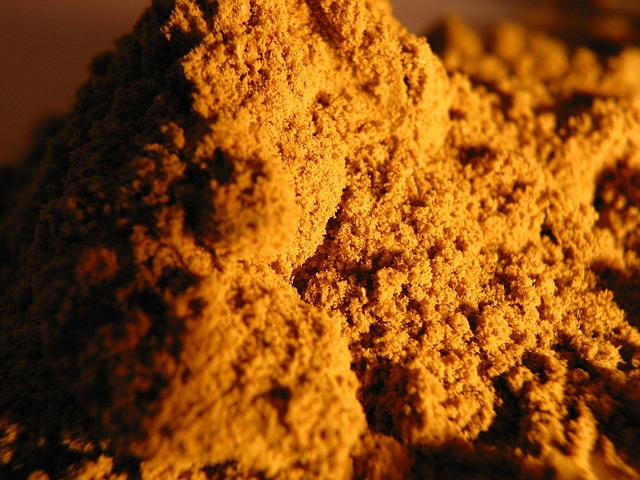
Cumin powder is one of the most commercially important spice ingredients in the global food and seasoning trade. It is used across spice blending, food manufacturing, ready-meal formulation, culinary retail, food-service packaging, wellness-oriented botanical products, and selected extract-based processing. While many consumers know cumin powder simply as a common kitchen spice, serious buyers, processors, and exporters view it as a specification-driven ingredient whose quality can directly affect flavour performance, shelf stability, contamination risk, and downstream product value.
For importers, wholesalers, spice blenders, contract manufacturers, and private-label food brands, cumin powder remains attractive because it combines broad culinary demand with immediate usability. Unlike whole cumin seed, it does not need further grinding before blending or filling. That makes it highly practical for seasoning plants, repackers, packaged-food factories, and retail spice brands that want a ready-to-use ingredient. At the same time, this convenience also raises the quality threshold because the buyer depends more heavily on the processor’s cleaning, milling, and hygiene discipline.
In Nigeria and many African trading environments, cumin powder is better known in spice retail and food ingredient channels than in large-scale domestic primary production. Internationally, however, cumin powder is already a deeply established traded spice. Buyers may refer to it as cumin powder, ground cumin, jeera powder, or cumin spice powder depending on the market. Its botanical source is Cuminum cyminum. In practical sourcing conversations, what matters most is not only the crop name but the powder’s aroma strength, grind uniformity, moisture level, cleanliness, colour consistency, and suitability for the intended end market.
This distinction matters because cumin powder is not simply whole cumin in a more convenient form. Once the spice is milled, buyer visibility drops and trust requirements rise. A weak raw lot, poor cleaning system, dusty mill, inconsistent mesh, or unsuitable packaging can all turn an otherwise marketable spice into a problem shipment. Two powders may look similar in a quotation and still differ sharply in aroma, foreign matter, caking tendency, and commercial usefulness.
Professional buyers therefore do not source cumin powder casually. They define the intended use first. Is it for seasoning blends, retail jars, instant noodles, marinades, soup bases, spice sachets, culinary repacking, or wellness-oriented botanical products? The answer determines the right grind size, acceptable moisture, cleaning level, packaging, and documentary expectations. A powder that may be good enough for one low-risk market may be unsuitable for a more demanding food-processing or export channel.
In practical trade terms, cumin powder should be treated as a specification-based ingredient rather than a generic spice label. The more disciplined the supplier’s process, the more commercially valuable the product becomes. Good cumin powder is not only about brown colour and strong smell. It is about reliable milling, low contamination risk, stable packaging, repeatable batch quality, and a supply chain that can withstand buyer scrutiny.
In this guide, we will examine cumin powder from a buyer and trade perspective. We will look at what it is, how it is processed, what it is used for, the health-related market appeal surrounding it, possible side effects, major producing and importing countries, safe sourcing methods, where to find reliable exporters, realistic international pricing, payment structures, shipping terms, trade specifications, and the documents buyers normally expect. Whether you are a wholesaler, importer, spice processor, food manufacturer, or sourcing company, this article is designed to help you source cumin powder more safely and more profitably.
Trade Overview of Cumin Powder
| Trade Item | Details |
|---|---|
| Product Name | Cumin Powder |
| Botanical Name | Cuminum cyminum |
| Common Names | Cumin Powder, Ground Cumin, Jeera Powder, Cumin Spice Powder |
| Common Nigerian Market Reference | Cumin powder, ground cumin, jeera powder |
| Main Commercial Forms | Fine powder, medium-grind powder, industrial seasoning grade, food-grade powder, blend input, extract input |
| Main End-Use Industries | Food manufacturing, seasoning blends, retail spices, culinary repacking, food service, herbal and wellness products |
| Typical Export Packaging | 10kg, 20kg, or 25kg food-grade lined cartons, kraft bags, laminated sacks, or buyer-specified packaging |
| Key Quality Signals | Strong aroma, low moisture, uniform grind, low foreign matter, hygienic milling, stable packaging |
| Common Buyer Concerns | Adulteration, weak aroma, inconsistent mesh, contamination, high microbial load, caking, poor packaging, documentation gaps |
| Primary Export Markets | United States, Europe, United Kingdom, Middle East, Asia, and global spice-processing markets |
Cumin powder trades well because it offers immediate usability. Manufacturers do not need additional grinding infrastructure before they can blend or fill it. This saves time and reduces process steps for seasoning companies, food factories, and repackers. It also allows suppliers to capture more value than they would by selling only whole seed.
At the same time, cumin powder carries higher trust requirements than whole cumin. Once the spice is milled, the buyer cannot inspect the original seed easily. This means supplier credibility, raw-material quality, milling hygiene, moisture control, and packaging discipline become more important than ever. The same product name can describe both a clean export-grade spice and a risky low-discipline powder.
For exporters, cumin powder creates an opportunity for value addition through cleaning, controlled grinding, sieving, and food-grade packing. A supplier who handles those stages well can serve more formal ingredient markets. A supplier who handles them poorly may still move volume in weaker channels, but that usually comes with more complaints and less buyer loyalty.
The commercial lesson is simple. Cumin powder should be sourced as a defined ingredient with a clear specification, not just as a spice name. The more exact the product definition, the safer the transaction.
Request a Quote or Speak With Our Team About Cumin Powder
Ready to source Cumin Powder with confidence? Submit your RFQ for detailed specifications and formal quotations, or chat on WhatsApp for fast responses and quick clarification.
What Is Cumin Powder?
Cumin powder is the ground form of the dried fruit, commonly traded as seed, of Cuminum cyminum, an annual aromatic plant in the parsley family. In culinary and ingredient trade, it is valued for its warm, earthy, slightly bitter, and strongly aromatic flavour profile. It is widely used in spice mixes, curry powders, savoury seasonings, marinades, snacks, soups, and many traditional food systems around the world.
Commercially, cumin powder differs from whole cumin because it is already processed into a destination-ready form. This makes it easier to use in production lines, but it also increases reliance on the processor. Once ground, the spice becomes more sensitive to moisture uptake, aroma loss, contamination, adulteration, and poor packaging. It also becomes harder for the buyer to verify the original seed quality visually.
In many markets, cumin powder is sold simply as ground cumin. In more formal trade conversations, buyers may ask for finer detail. They may want to know the mesh size, whether the raw cumin was machine-cleaned before milling, whether the powder is intended for retail or industrial use, how it is packed, and what level of quality support can be provided. These questions matter because cumin powder is used in both low-discipline loose-spice channels and more demanding formal food-manufacturing channels.
From a trade perspective, cumin powder should not be treated as a generic brown spice. A buyer needs to define the intended use, aroma expectation, grind consistency, moisture target, packaging type, and documentary requirements before serious negotiation begins. Without that clarity, quotations are often not truly comparable.
How Cumin Powder Is Made / Processed
The quality of cumin powder depends heavily on how the raw cumin is handled before and during milling. Good powder does not begin at the grinder. It begins with good seed, proper cleaning, controlled drying, hygienic milling, and suitable packing. Many buyer complaints in cumin powder trade begin with process failure rather than with the spice itself.
1. Harvesting and drying mature cumin fruits
The process begins with mature cumin fruits being harvested and dried properly. Harvest timing affects aroma strength, dryness, and overall commercial value. If the raw spice is harvested too early or dried poorly, the resulting powder may have weaker aroma and poorer storage stability.
Good drying is especially important because cumin that carries too much moisture into storage or milling can later produce caking, microbial concerns, or packaging failures.
2. Cleaning the raw cumin thoroughly
Before grinding, the cumin must be cleaned to remove dust, stones, stem fragments, light impurities, and other foreign matter. This stage is one of the most important commercial controls in the entire process. A powder made from poorly cleaned seed may still look acceptable in a photo, but it will often perform badly in the real world.
Better processors use screening, aspiration, gravity separation, and in some cases more advanced sorting systems to reduce impurities. The cleaner the raw seed, the better the final powder usually performs.
3. Sorting and grading before milling
After cleaning, the cumin may be graded according to boldness, uniformity, and general quality. This matters because the quality of the raw spice affects the consistency of the powder. A mixed, weak, or dusty raw lot rarely produces a premium powder simply because it has been ground finely.
For serious buyers, this is one of the practical reasons to ask how the raw spice was prepared before milling.
4. Grinding into powder
The cleaned cumin is then milled into powder using suitable grinding equipment. This stage is commercially sensitive because temperature, equipment hygiene, and mill condition all affect the final product. Excessive heat during grinding can reduce aroma quality and affect the spice’s commercial appeal. Poorly maintained equipment may introduce contamination or create inconsistent particle size.
For this reason, the best processors treat grinding as a controlled operation rather than a purely mechanical one.
5. Sieving and particle-size standardisation
After grinding, the cumin powder is usually sieved to remove oversized particles and standardise the grind. This is important because buyers do not want powder with random coarse fragments, uneven texture, or poor flow characteristics. Particle consistency affects blending performance, filling behaviour, and final product appearance.
For industrial buyers, mesh consistency is a real operational issue, not a minor cosmetic detail.
6. Moisture control and cooling
Freshly milled powder must be managed carefully so that it does not trap heat or moisture before packing. If the powder is packed too warm or handled carelessly, it may cake later or lose commercial stability. Good processors allow the powder to condition appropriately before final filling.
This stage often separates more disciplined factories from weaker operators.
7. Packing and storage
The final stage is packing the cumin powder in suitable moisture-protective materials such as lined cartons, kraft bags, laminated sacks, or other buyer-specified food-grade packaging. Storage should be dry, clean, ventilated, and protected from strong odours and humidity. Powder is more sensitive than whole seed, so warehouse discipline matters greatly.
In practical trade, a lot that leaves the mill in good condition can still lose value quickly if it is packed badly or stored carelessly before shipment.
What Is Cumin Powder Used For?
Cumin powder has broad commercial use, which is one reason it remains a stable and attractive product in international spice trade. It serves multiple industries and can move through both commodity and more value-added channels.
Spice blends and seasoning systems
One of its main uses is in spice manufacturing. Cumin powder is a major ingredient in curry powders, masalas, taco seasoning, chili blends, dry rubs, soup seasonings, instant noodles, and savoury mixes. Food companies value it because even modest quantities can define a finished product’s flavour character.
This makes cumin powder especially important for factories that need speed, consistency, and direct blend readiness.
Retail spice and food-service packaging
Cumin powder is also sold directly in retail jars, sachets, pouches, and food-service packs. In this segment, aroma, uniform grind, colour consistency, and pack stability matter because the product goes to end users with little or no additional processing. Buyers in this channel often care about visual presentation and consumer experience as much as price.
Ready meals and processed foods
Manufacturers of sauces, marinades, ready meals, snacks, soups, and frozen foods often use cumin powder because it disperses easily and provides predictable flavour integration. Compared with whole cumin, it fits automated production systems more easily.
This practical processing advantage helps explain its steady demand in industrial food manufacturing.
Herbal and wellness-oriented products
Cumin powder also appears in selected herbal blends, digestive-positioned products, and botanical formulas. Its traditional association with digestive use gives it a degree of commercial relevance in these markets. However, buyers serving formal wellness channels usually require stronger sourcing discipline than casual loose-spice trade would demand.
Oleoresin and ingredient processing
In some cases, cumin powder may also be used as an intermediate product for flavour extraction or ingredient development, though whole seed often remains preferable in certain extraction systems. Where powder is used, the buyer usually focuses on aroma, cleanliness, and process suitability rather than on visual appearance alone.
Health Benefits of Cumin Powder
Cumin powder has a strong health-market reputation, and that reputation adds to its commercial value. Responsible trade writing should avoid exaggerated medical claims, but it is still fair to say that cumin benefits from broad consumer association with digestive comfort, plant-based wellness, and everyday functional use. :contentReference[oaicite:0]{index=0}
1. It supports digestive-positioned product narratives
One of cumin powder’s strongest commercial advantages is its long association with digestive support in traditional culinary and herbal contexts. This helps brands use the ingredient in products positioned around everyday digestive comfort without making it feel exotic or overly technical. :contentReference[oaicite:1]{index=1}
2. It fits antioxidant and botanical ingredient stories
Cumin is commonly discussed in relation to aromatic compounds and broader plant-active composition, which makes cumin powder commercially useful in products built around natural-ingredient and antioxidant-oriented narratives. :contentReference[oaicite:2]{index=2}
3. It works well in daily-use products
Unlike some specialty botanicals, cumin powder fits naturally into everyday foods and seasonings. This makes it commercially practical for repeat-purchase products and helps support stable demand in mass-market food categories. :contentReference[oaicite:3]{index=3}
4. It combines culinary familiarity with traditional credibility
Cumin has the advantage of being both a well-known food ingredient and a spice with long traditional use. That dual identity helps brands position it across mainstream food, premium culinary, and selected wellness categories. :contentReference[oaicite:4]{index=4}
5. It can strengthen premium product perception
Finished products containing cumin powder often feel more authentic, more naturally seasoned, or more culinary-focused than products built around flatter flavour systems. In practical trade, buyers are often purchasing not just flavour but also stronger finished-product identity.
6. It supports cross-category demand
Cumin powder performs well because it is relevant in several overlapping markets at once, including mainstream food, ethnic cuisine, spice retail, seasoning blends, and selected herbal products. That broad demand base helps stabilize its commercial role. :contentReference[oaicite:5]{index=5}
Side Effects of Cumin Powder
Cumin powder is widely consumed as a food spice, but that does not mean buyers should ignore possible side effects, misuse issues, or supply-chain risks. In commercial sourcing, the most important concern is often not cumin alone, but how responsibly it is processed, positioned, and used.
1. Digestive irritation may occur in some cases
Although cumin is often associated with digestive comfort, high intake or concentrated use may still cause discomfort or sensitivity in some users. This is more relevant in concentrated botanical products than in ordinary culinary use. :contentReference[oaicite:6]{index=6}
2. Strong flavour may not suit every formulation
Cumin powder’s aroma is one of its main selling points, but overuse can unbalance a finished product. In seasoning development, the wrong intensity can become a commercial problem even when the spice itself is sound.
3. Concentrated wellness use requires caution
When cumin powder is sold as a normal spice, risk is usually straightforward. When it enters concentrated wellness categories, buyer responsibility increases. Careless health positioning can create expectation and compliance issues in stricter markets. :contentReference[oaicite:7]{index=7}
4. Quality-related complaints are often contamination problems
In bulk spice trade, many complaints blamed on cumin powder are actually caused by adulteration, poor cleaning, microbial issues, dusty milling, unsuitable storage, or weak packaging. A well-milled clean lot is very different from a poorly handled one, even if both are sold under the same product name.
5. Powder form increases risk sensitivity
Ground cumin typically carries higher quality-control sensitivity than whole seed because adulteration, mesh inconsistency, moisture issues, and microbial concerns become harder for the buyer to assess visually. That does not make powder undesirable, but it does raise the trust threshold.
6. Overstated health marketing can create regulatory problems
Because cumin has a traditional wellness reputation, some sellers are tempted to market it too aggressively. The safer long-term strategy is to present cumin powder as a trusted natural spice ingredient with culinary and traditional relevance, not as a cure-all.
Top Producing & Exporting Countries of Cumin Powder
Cumin powder is exported from several countries, but the most commercially important sources are usually those that combine raw cumin availability with established spice-processing capacity. Buyers should separate crop access from actual powder-processing credibility.
1. India
India is one of the most important countries in the global cumin trade and remains the leading reference point for cumin powder sourcing. It combines production scale, deep spice-processing infrastructure, and long export experience. :contentReference[oaicite:8]{index=8}
2. Turkey
Turkey is also relevant in the broader cumin market and can play a role in trade depending on grade, season, and buyer requirements. As always, the decisive factor is the supplier’s ability to deliver the required powder quality consistently.
3. Iran
Iran forms part of the wider cumin economy and may be relevant in regional and international spice trade depending on commercial conditions. Buyers usually weigh product quality alongside transaction practicality and market access.
4. Syria and the wider Middle East region
Parts of the Middle East have long historical relevance in cumin cultivation and trade. Depending on logistics and market conditions, these origins may remain commercially relevant in selected channels. :contentReference[oaicite:9]{index=9}
5. Other processing origins
Other countries may process or re-export cumin powder, but the most dependable source is usually the processor who can prove consistent cleaning, milling, packing, and batch stability rather than simply the country with available raw material.
Top Importing Countries of Cumin Powder
Cumin powder demand is spread across food manufacturing, culinary retail, spice blending, and selected botanical markets. The strongest importing countries are usually those with developed food-processing and spice-consumption sectors.
1. United States
The United States is an important market for cumin powder because of its broad use in seasoning systems, packaged foods, ethnic cuisine, and retail spice categories. Buyers there often focus strongly on food safety, cleanliness, and supplier reliability.
2. United Kingdom
The UK remains a strong market for cumin powder in food manufacturing, spice retail, and prepared seasoning channels. Consistency, aroma, and clean packaging are especially important in this market.
3. Germany and wider Europe
Germany and other European markets import cumin powder for spice blending, retail packs, food processing, and selected herbal products. European buyers often pay close attention to residues, cleanliness, and documentation.
4. Middle East and North Africa
Many markets in the Middle East and North Africa import cumin powder for household culinary use, food service, and commercial distribution. These regions remain commercially important where supply relationships are stable.
5. Asia and specialty culinary markets
Beyond the better-known destinations, cumin powder also moves into a range of Asian and specialty culinary markets where spice use is strong. For exporters, this means the opportunity is broad, but each destination values quality differently.
How To Safely Source for Your Cumin Powder Produce
Safe sourcing is especially important in cumin powder trade because milling reduces buyer visibility and increases dependence on the supplier’s process. Buying well therefore matters more than buying fast.
Define the exact use case first
Before requesting quotations, decide whether the powder is intended for seasoning blends, retail repacking, industrial food use, food service, or herbal products. That decision affects the right mesh size, aroma expectation, contamination tolerance, packaging, and documentation.
Ask how the raw cumin was cleaned before milling
Good powder begins with good seed. Ask whether the raw cumin was screened, aspirated, gravity cleaned, or otherwise prepared before grinding. A vague answer is often a warning sign.
Check grind size and consistency
Particle size affects blending, flow, and finished-product appearance. Ask what mesh standard is used and whether the powder is sieved after milling. Inconsistent powder creates avoidable operational problems later.
Evaluate aroma and visual quality together
Colour matters, but cumin powder is primarily an aroma-driven spice. A lot that looks acceptable but smells weak may be unsuitable for better-value food and retail channels.
Be alert to adulteration and contamination risks
Powder is easier to adulterate than whole seed, which is why unusually cheap offers deserve extra scrutiny. Buyers should be cautious with suppliers who cannot explain their raw-material source, milling process, or packing system.
Check moisture control and packaging carefully
Moisture is a major risk factor in cumin powder because it can lead to caking, microbial growth, off-notes, and storage instability. Good packaging with proper moisture barriers matters greatly.
Request a written specification sheet
A professional supplier should provide a written specification showing product identity, grind form, moisture target, packaging type, and basic quality expectations. Without that, it becomes harder to control disputes later.
Assess facility hygiene and storage discipline
Ask how the mill is cleaned, how cross-contamination is controlled, how finished lots are stored, and whether the product is packed promptly after grinding. Where possible, use an origin inspection or trusted local representative.
Match supplier strength to your destination market
A supplier acceptable for loose-spice trade may not be suitable for regulated food or formal retail channels. The stronger your destination market, the more careful your supplier selection must be.
Be careful with very cheap quotations
Extremely low prices may signal weak raw material, poor milling, loose hygiene, distressed stock, or inadequate packaging. In practical trade, correct product is usually more profitable than cheap product.
Where To Find Reliable Exporters for Cumin Powder
Reliable cumin powder exporters are usually found where raw cumin access, controlled processing, and export discipline come together. It is not enough for a supplier to know cumin traders, and it is not enough to operate a grinder. The real value lies in being able to convert raw cumin into a clean, consistent, commercially usable powder.
One route is to work with established spice exporters already active in cumin, coriander, fennel, and other seasoning ingredients. These firms are more likely to understand cleaning, milling, bagging, and shipping documentation. Another route is to work with sourcing companies that supervise raw-material preparation and powder production more closely.
Reliable exporters usually answer practical questions clearly. They can explain the source of their raw cumin, their cleaning process, the milling system, the mesh standard, and the pack format. They provide usable information rather than relying only on vague claims such as premium quality.
Trade fairs, verified B2B networks, spice-industry referrals, and sourcing firms can all help identify suppliers, but remote trust should still be earned. Where shipment value is meaningful, origin inspection or detailed pre-shipment verification is often worthwhile.
International Price of Cumin Powder Per Metric Ton
The international price of cumin powder depends on origin, raw-material quality, aroma strength, grind consistency, moisture, packaging, and documentation level. There is no single universal price because ordinary spice-grade powder and better-controlled export-grade powder do not trade at the same level.
As a practical 2025 to 2026 working range, conventional bulk cumin powder may often move around US$2,400 to US$4,000 per metric ton depending on origin, aroma, grind consistency, and order volume. Cleaner and more stable export-grade lots may trade higher, especially where buyers require stronger food-oriented handling and packaging.
For better-controlled cumin powder with stronger cleaning discipline, more reliable milling, and better suitability for formal food or retail channels, workable prices may move closer to US$4,000 to US$5,800 per metric ton depending on the exact grade, packaging basis, and shipment terms. These are working trade ranges rather than fixed benchmark quotations.
Buyers should always remember that EXW, FOB, CFR, CIF, and delivered quotations are not directly interchangeable. Inland haulage, milling, bagging, inspection, export handling, and freight all affect final landed cost. In real trade, usable quality matters more than the lowest headline number.
Request a Quote or Speak With Our Team About Cumin Powder
Ready to source Cumin Powder with confidence? Submit your RFQ for detailed specifications and formal quotations, or chat on WhatsApp for fast responses and quick clarification.
How To Pay For Your Cumin Powder Produce
Payment structure in cumin powder trade usually depends on order size, supplier relationship, and the level of commercial trust between both parties.
Advance payment for samples and trial orders
For small samples and pilot lots, suppliers often request full advance payment. Buyers should confirm specification, quantity, and shipment basis clearly before sending funds.
Deposit with balance before document release
A common commercial structure is part payment upfront with the balance settled after production and before release of shipping documents. This can work well while a relationship is still developing.
Letter of credit for larger formal transactions
For larger contracts, a letter of credit may be appropriate, especially where shipment value is substantial or banking control is preferred.
Negotiated documentary terms for repeat business
Where both sides know each other well, other documentary or negotiated payment structures may be agreed, but these should always be backed by a clear contract and correct paperwork.
Shipping & Delivery Terms
Cumin powder can be shipped by air or sea depending on volume and urgency, but most bulk movement is by sea because it is more economical for larger quantities.
Air freight for samples and urgent supply
Air shipment is typically used for samples, urgent replenishment, or smaller specialty orders where speed matters more than freight efficiency.
Sea freight for bulk commercial movement
Most cumin powder shipments move by sea in moisture-protective packaging. Containers should be dry, clean, and odour-free. Weak stuffing conditions can damage even a good lot.
Incoterms must be defined clearly
Buyers should always clarify whether the quotation is EXW, FOB, CFR, CIF, DAP, or another Incoterm so that the real cost basis is understood correctly.
Transit care and moisture protection matter
Because cumin powder is more sensitive than whole seed to caking and moisture uptake, packaging quality and dry loading conditions are especially important during shipment.
Our Typical Trade Specifications For Cumin Powder
| Specification Item | Typical Trade Expectation |
|---|---|
| Product Name | Cumin Powder |
| Botanical Name | Cuminum cyminum |
| Plant Part | Dried fruit (traded as seed), milled into powder |
| Commercial Form | Fine or medium-ground powder as agreed |
| Colour | Natural light brown to brown depending on raw material and grind style |
| Aroma | Characteristic strong cumin aroma, warm and earthy, free from musty odour |
| Moisture | Typically controlled to buyer requirement, often around 8% to 10% max or as agreed |
| Particle Size | As agreed by buyer mesh or grind standard |
| Foreign Matter | Minimal to buyer specification |
| Packaging | Food-grade inner liner with export carton, kraft bag, laminated sack, or buyer-specified packing |
| Shelf Life | Typically 18 to 24 months under proper dry storage, subject to packaging and handling |
| Storage | Store in a cool, dry, clean, ventilated environment away from moisture, pests, and strong odours |
These are typical trade specifications only and may be adjusted to match buyer application, destination requirements, and the agreed contract standard. More formal buyers may also request microbiological parameters, residue review, allergen statements, or other supporting documentation depending on the target market.
Expected Shipping Documents
Documentation is a core part of cumin powder export trade. Even a commercially good lot can face delay or dispute if the paperwork is incomplete or inaccurate.
Commercial invoice
The commercial invoice identifies the seller, buyer, product description, quantity, unit price, total value, payment terms, and shipment basis.
Packing list
The packing list shows how the cumin powder is packed, including number of bags or cartons, net weight, gross weight, and handling details.
Bill of lading or air waybill
This is the main transport document for sea or air shipment and is usually needed for customs, document release, and payment handling.
Certificate of origin
Many buyers require a certificate of origin to confirm where the product was sourced or exported from.
Phytosanitary certificate where applicable
Depending on the destination market and product form, a phytosanitary certificate may be required, so this should be confirmed early in the transaction.
Quality certificate or certificate of analysis
For stronger food and retail channels, a quality certificate or certificate of analysis may be expected, including moisture, microbiological quality, or other agreed parameters.
Additional destination-specific paperwork
Some shipments may also require packaging declarations, inspection reports, or other market-specific compliance documents depending on the destination.
In practical trade, strong documents reduce friction, support smoother payment, and provide a clearer basis for resolving issues if a dispute arises.
Request a Quote or Speak With Our Team About Cumin Powder
Ready to source Cumin Powder with confidence? Submit your RFQ for detailed specifications and formal quotations, or chat on WhatsApp for fast responses and quick clarification.