

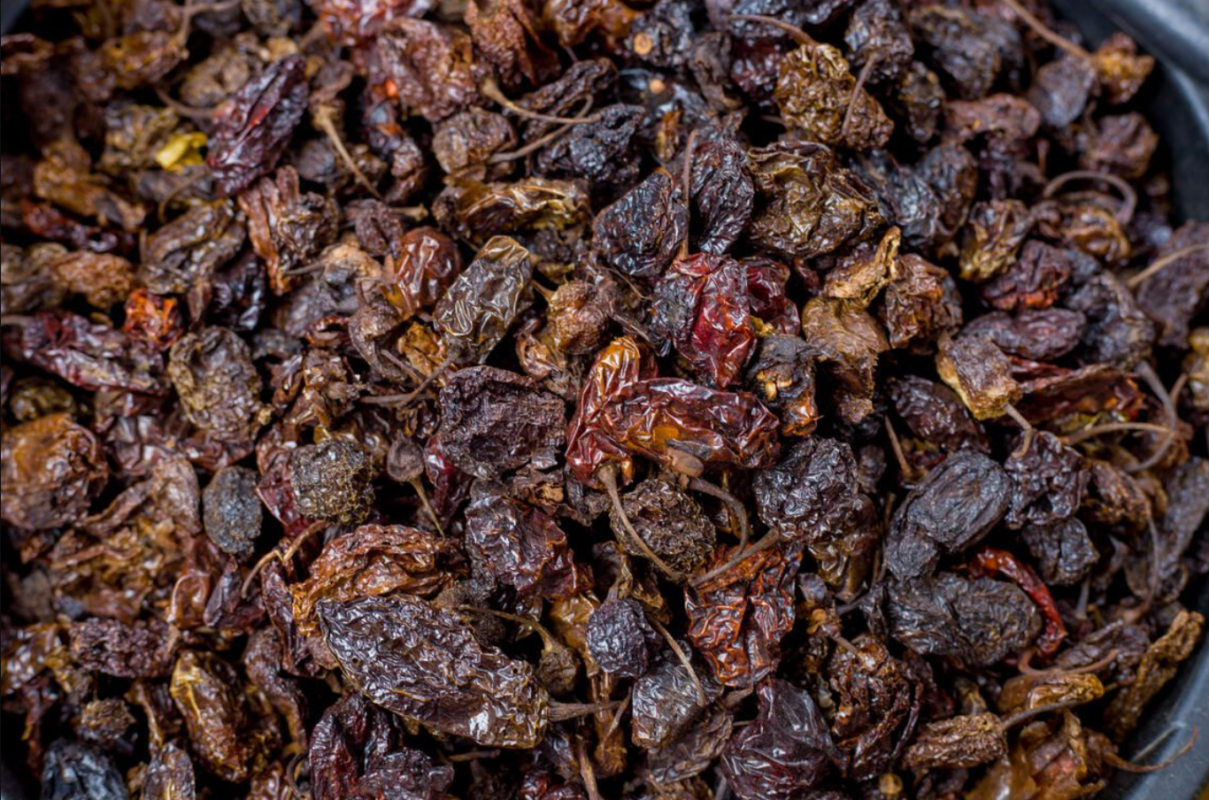
Cameroun Pepper is one of the most sought-after traditional hot pepper products in the West African spice trade. In Nigerian markets, it is widely recognised for its intense heat, distinctive smoky aroma, dark appearance, and strong flavour impact in soups, stews, sauces, meat dishes, and packaged seasoning applications. Although many consumers first encounter Cameroun Pepper in small retail packs at local spice stalls or African grocery stores, the product has quietly grown into a commercially relevant commodity for exporters, wholesalers, ethnic food importers, foodservice suppliers, and private-label seasoning brands.
What makes Cameroun Pepper commercially interesting is that it sits at the crossroads of culture, flavour, and trade practicality. For the end user, it is a familiar pepper product with a reputation for strength. For the buyer, it is a differentiated spice line that can command better attention than ordinary chilli powder when it is sourced well and positioned correctly. In diaspora markets especially, the product benefits from consumer familiarity and emotional recognition. Buyers are not just purchasing a hot pepper powder. They are purchasing a specific culinary identity.
In the Nigerian market, Cameroun Pepper is often associated with a hotter, darker, and more aromatic pepper profile than many standard red pepper powders. Some buyers specifically ask for it because of the depth it adds to cooking. Others prefer it because a small quantity can produce a significant heat effect. That efficiency matters in commercial kitchens and retail households alike. When the product is properly dried, milled, and packed, it becomes an attractive trade item because it offers high flavour intensity, broad culinary use, and flexible pack formats.
For international buyers, however, Cameroun Pepper should not be treated casually. Like many traditional pepper products traded informally across African markets, quality can vary significantly from one supplier to another. Some lots are clean, vibrant, and well processed. Others are dusty, over-smoked, poorly dried, or mixed with low-grade material. Some are sold as fine powder, while others are coarse, flaky, or only partially milled. This means the difference between a successful import and a disappointing one often comes down to how clearly the buyer defines the product before purchase.
Another important commercial point is that Cameroun Pepper can serve several market layers at once. It can move as a bulk spice ingredient for repackers. It can be sold in foodservice packs to restaurants and caterers. It can be packed into retail jars or pouches for African grocery shelves. It can also be used by seasoning blenders creating regional African spice lines. This wide applicability makes it suitable for buyers who want a product with repeat demand and room for product-line expansion.
From a sourcing perspective, buyers should understand that pepper is highly sensitive to handling conditions. If drying is poor, mould risk can rise. If milling is careless, aroma and colour can flatten quickly. If storage is humid, the product can cake, deteriorate, or lose shelf life. If packaging is weak, the spice can arrive with reduced potency. That is why serious sourcing for Cameroun Pepper should be based on specification, sample approval, moisture control, and supplier discipline rather than price alone.
In this guide, we will look at Cameroun Pepper from a practical trade and buyer perspective. We will explain what the product is, how it is processed, what it is used for, the consumer health appeal that helps support demand, the side effects and buyer risks that should not be ignored, the countries most relevant to production and export, the import markets that matter most, how to source safely, where to find reliable exporters, realistic international price ranges for 2025 to 2026, payment and shipping structures, common trade specifications, and the shipping documents buyers normally expect.
Trade Overview of Cameroun Pepper
Cameroun Pepper is a hot pepper product widely traded across Nigerian and West African spice channels. In practical market usage, it is usually sold as a dried and milled pepper with a dark colour, notable pungency, and a flavour character that many consumers consider deeper or more smoky than standard red chilli powder. It is commonly found in traditional food markets, spice shops, supermarkets serving African consumers, and export-oriented packaged food channels.
The product is often classified commercially under the broader family of dried hot peppers, chilli products, or ground spice ingredients, but in real market conversation it retains its own identity. Buyers do not usually ask for Cameroun Pepper as if it were identical to ordinary chilli powder. They ask for it because they expect a specific sensory performance. That difference is important. A product with strong cultural identity tends to hold customer attention better than a generic substitute when it is sourced and packed correctly.
In Nigerian trade, Cameroun Pepper is used by households, pepper soup sellers, soup ingredient traders, packaged spice vendors, restaurants, caterers, and food processors. It is also common in mixed baskets of traditional produce sold by exporters handling African food items. Because the product is lightweight, potent, and easy to package, it offers useful trade flexibility. Exporters can move it in small consumer packs, medium wholesale cartons, or larger ingredient volumes depending on the target buyer.
From a commercial perspective, the product’s main strengths are heat intensity, distinct aroma, recognisable market name, and strong crossover potential between ethnic retail and foodservice. Its main trade risks are inconsistency, adulteration, poor drying, and weak packaging. Buyers who address those risks early usually get better results than buyers who treat it as a simple low-cost spice.
| Trade Item | Details |
|---|---|
| Product Name | Cameroun Pepper |
| Product Type | Dried hot pepper product / ground spice ingredient / traditional chilli powder |
| Common Market Names | Cameroun Pepper, Cameroon Pepper, Hot Pepper Powder, Black Pepper Powder in some local market references, though not botanical black pepper |
| Nigerian Market Reference | Traditional hot pepper sold in open markets, spice sections, supermarkets, and African grocery channels |
| Botanical Reference | Typically based on dried Capsicum species, depending on the exact pepper variety and regional sourcing pattern |
| Common Form | Fine powder, medium powder, coarse powder, or crushed dried pepper |
| Typical Buyers | Importers, wholesalers, repackers, restaurants, caterers, African stores, spice blenders, private-label brands |
| Primary Commercial Use | Soups, stews, sauces, pepper soup, seasoning blends, marinades, meat dishes, traditional cooking applications |
| Trade Advantage | Strong heat, recognisable cultural identity, versatile usage, scalable packaging, repeat consumer demand |
Request a Quote or Speak With Our Team About Cameroun Pepper
Ready to source Cameroun Pepper with confidence? Submit your RFQ for detailed specifications and formal quotations, or chat on WhatsApp for fast responses and quick clarification.
What Is Cameroun Pepper?
Cameroun Pepper is a traditional African hot pepper product known in Nigerian markets for its strong pungency, dark appearance, and bold flavour impact. In everyday buying and selling, it is usually understood as a dried pepper that has been milled into powder or crushed form for cooking use. It is valued less as a formal botanical category and more as a market-recognised pepper product with a distinctive culinary identity.
Although the name suggests a geographical connection to Cameroon, the commercial use of the name in West African markets often functions as a product identity rather than a precise botanical or legal origin statement in every case. That is one reason buyers should define origin and processing clearly when sourcing for export. Some suppliers may sell pepper identified by this market name regardless of whether the raw pepper was fully sourced, milled, or packed in Cameroon itself. Others may use the name to describe a style of pepper rather than an origin-certified commodity. For international trade, clarity on this point matters.
In practical culinary terms, Cameroun Pepper is prized for intense heat and a fuller flavour profile than many ordinary ground pepper products. Depending on processing style, it may present smoky notes, earthy depth, or a darker finish that suits traditional soups and stews very well. Many consumers prefer it in dishes where they want a strong pepper effect without adding large volume.
Botanically, the product generally belongs within the Capsicum family, since it is a hot pepper product rather than Piper nigrum black pepper. This distinction matters because some local market descriptions may loosely refer to it in ways that can confuse new buyers. In proper trade language, Cameroun Pepper should be described as a hot dried pepper product, not as true black peppercorn. The exact Capsicum species or variety may differ depending on supplier practice and sourcing route.
Commercially, Cameroun Pepper may be sold in raw dried form for later milling, as a finished powder, as a spice blend component, or as a repacking ingredient for consumer retail. What gives it value is the combination of intensity, consumer familiarity, and culinary fit within African cooking. It is especially attractive to diaspora markets because it offers flavour memory that many customers actively look for when shopping.
How Cameroun Pepper Is Made / Processed
The way Cameroun Pepper is processed has a direct effect on heat strength, colour, aroma retention, cleanliness, and shelf stability. Because pepper is sensitive to moisture and handling conditions, the safest supply chain is one that controls each stage carefully rather than rushing the material from farm gate to market bag.
1. Pepper Selection and Harvesting
The process starts with selecting the pepper fruits used to make the final product. Good Cameroun Pepper begins with mature pepper pods that have developed the right flavour and pungency before drying. If underdeveloped peppers are used, the final powder may be weak. If overripe, damaged, or diseased pods are included, the blend may carry off notes, poor colour, or spoilage risk.
Serious processors choose pepper material based on maturity, dryness potential, cleanliness, and expected heat level. Buyers importing in bulk should always ask what raw pepper type is being used and whether the product comes from a defined sourcing region or an open-market aggregation system.
2. Sorting and Cleaning
After the pepper is collected, it is sorted to remove stalks, stones, dust, shrivelled pods, and foreign matter. This stage is one of the clearest differences between export-grade and casual market-grade supply. In informal systems, pepper may be milled with minimal cleaning. In disciplined systems, the raw material is screened and hand sorted to protect quality and reduce contamination risk.
For buyers, this step is not a small detail. It affects not only food safety and pack appearance but also freight value. No importer wants to pay international shipping rates on avoidable waste material.
3. Drying
Drying is one of the most critical stages in the process. The pepper must be dried enough to reduce moisture and support shelf stability, but it should not be scorched or handled so aggressively that aroma and colour deteriorate. Depending on supplier practice, drying may be done by sun drying, solar-assisted drying, or controlled mechanical drying.
Where drying is poor, the product becomes risky. Excess moisture can lead to mould growth, caking, dullness, and reduced shelf life. Over-drying or excessive heat can create an overly burnt or flattened character. A good exporter should be able to explain how dryness is controlled before milling and packing.
4. Optional Smoking or Traditional Flavour Development
Some market lots of Cameroun Pepper are valued partly because of a deeper aromatic character that may be influenced by traditional drying or handling methods. Where smoke exposure or traditional flavour development is part of the process, it should be controlled and consistent. Buyers should not assume every dark pepper is properly processed. In some cases, dark appearance may come from overexposure to heat or poor-quality raw material rather than from desirable flavour development.
This is why sample approval is essential. A buyer must distinguish between attractive depth and unpleasant harshness.
5. Milling or Grinding
Once properly dried, the pepper is milled into the buyer’s required texture. Some buyers want a fine powder suitable for consumer pouches and smooth blending. Others want a slightly coarser texture for traditional appearance and stronger visual presence. Milling quality matters because poor grinding can generate excess heat, which may reduce the freshness of the aroma and flatten the product.
For export-grade supply, the milling line should also be clean and food safe. Pepper powder easily picks up contamination when processing surfaces are dirty or when different spice materials are milled without good cleaning between batches.
6. Sieving and Texture Standardisation
After milling, the powder may be sieved to remove oversized particles and create a more consistent finish. This helps exporters meet buyer expectations on mesh size and texture. A retailer selling premium pouches generally prefers a more uniform pack appearance than a casual open-market trader. Food processors also want consistency because it affects blending behaviour in finished products.
Texture should therefore be discussed early in the transaction. It is a commercial parameter, not a minor detail.
7. Quality Check and Sensory Review
Before packing, the finished Cameroun Pepper should be reviewed for aroma, heat level, colour, dryness, and cleanliness. Experienced processors often know that the product must satisfy both visual and cooking expectations. The pepper should smell strong, look clean, and carry no stale or musty odour. If laboratory support is available, moisture and related quality checks may also be included.
Some exporters also retain reference samples by lot. This helps when buyers need traceability or want to compare future shipments against approved sensory standards.
8. Packaging and Storage
The final step is packaging. Cameroun Pepper may be packed in small sachets, pouches, jars, foodservice packs, or bulk bags with liners depending on the target market. Since pepper loses value when exposed to moisture, light, and air, packaging quality is part of the product itself. The best storage conditions are cool, dry, clean, and odour-free.
Where packaging is weak, the buyer may receive a powder that has lost strength by the time it reaches the destination shelf. For that reason, strong barrier packaging is one of the easiest ways to protect commercial value in this trade.
What Is Cameroun Pepper Used For?
Cameroun Pepper is a very versatile spice ingredient. Its strong heat and distinctive character allow it to move across both traditional and modern food applications, which is one reason it performs well in commercial trade.
Soups and Stews
The most common use of Cameroun Pepper is in soups and stews. It is added to traditional dishes where strong pepper flavour is expected, including meat soups, vegetable soups, fish soups, and richly seasoned home cooking. Because it has high intensity, many cooks use relatively small amounts while still achieving a strong result.
Pepper Soup Preparation
Cameroun Pepper is especially useful in pepper soup and related broth dishes. It brings heat and depth without requiring large bulk volume. Restaurants, caterers, and pepper soup vendors often value this because it lets them build a strong broth profile more efficiently.
Sauces and Dips
The pepper is also used in sauces, dipping mixtures, pepper sauces, and side condiments. In these applications, the product adds sharp heat and a recognisable African taste direction. For buyers in packaged food, this means Cameroun Pepper can move beyond dry spice shelves and into sauce or seasoning product development.
Meat, Fish, and Poultry Dishes
Cameroun Pepper works well in marinades, rubs, and cooked dishes involving meat, poultry, dried fish, stockfish, and assorted protein products. It is often chosen when the cook wants pepper impact that stays noticeable even in richly flavoured recipes.
Seasoning Blends
Spice processors may use Cameroun Pepper as a component in broader seasoning systems. It can be blended into soup mixes, meat seasonings, barbecue spices, pepper blends, or regional African flavour products. This is commercially important because it makes the product useful not just as a stand-alone retail spice but also as an industrial flavour input.
Retail Household Cooking
For household consumers, the product is a convenience ingredient. Instead of pounding fresh pepper or combining different hot pepper powders, the buyer can keep one strong dried pepper product on hand for everyday use. This convenience helps support strong repeat sales in ethnic grocery environments.
Private Label and Diaspora Retail
For importers serving African communities abroad, Cameroun Pepper is also a shelf-recognition product. Consumers often know the name, understand the intended use, and buy it specifically rather than substituting an unfamiliar pepper. That brandable cultural familiarity gives it value in private-label retail lines.
Health Benefits of Cameroun Pepper
The health appeal of Cameroun Pepper comes mainly from the general consumer interest in hot pepper products and the naturally occurring compounds found in Capsicum peppers. It is important to discuss these benefits responsibly. Cameroun Pepper is a food ingredient, not a medicine. Its health appeal should be framed around normal culinary consumption and not exaggerated therapeutic claims.
1. It Adds Strong Flavour Without Large Quantity
One practical advantage of a strong pepper like Cameroun Pepper is that a small amount can create major flavour impact. This means cooks often do not need to use large quantities of seasoning to achieve a satisfying result. For many consumers, that efficiency is one of the product’s quiet strengths.
2. It Contains Naturally Pungent Pepper Compounds
Hot peppers are valued for their naturally pungent compounds, which contribute their heat and sensory intensity. Consumers who prefer naturally strong foods often choose pepper products like this because they deliver real spice character rather than artificial flavour impressions.
3. It Can Help Make Meals More Appealing
Strong aroma and heat can increase appetite and make meals feel more satisfying. Cameroun Pepper is often used precisely because it wakes up otherwise simple dishes. For many consumers, especially those who enjoy spicy food, this improved meal appeal is part of the product’s value.
4. It Supports Traditional Warm-Meal Culture
Across many African food traditions, hot pepper is associated with warming meals, comforting soups, and deeply flavoured cooking. Cameroun Pepper fits well within that pattern. Buyers who understand this cultural context often market the product more effectively because they recognise that consumers are buying both flavour and familiarity.
5. It Can Encourage Simpler Flavour Building
Because it is powerful, Cameroun Pepper can help build a dish’s flavour profile without requiring a long list of extra hot ingredients. In household and foodservice settings, this simplicity can be practically useful. A well-made pepper product reduces preparation stress while still delivering strong taste.
6. It Fits Natural-Spice Consumer Preferences
Many consumers are actively drawn to products that feel closer to traditional spice use and less dependent on synthetic taste systems. Cameroun Pepper benefits from that preference because it is understood as a straightforward dried pepper ingredient with familiar culinary roots.
7. It Can Add Excitement to Protein and Vegetable Meals
Whether used in soups, sauces, meat dishes, or vegetable preparations, the product helps create more expressive meals. That sensory richness is part of what many consumers perceive as beneficial. Food that feels lively and satisfying tends to support repeat use.
Side Effects of Cameroun Pepper
No responsible buyer guide should discuss a hot pepper product without also addressing side effects and usage concerns. Cameroun Pepper is suitable for many consumers in normal culinary use, but it is a highly pungent product and can create issues if used carelessly or sourced poorly.
1. It May Be Too Hot for Sensitive Consumers
This is the most obvious concern. Cameroun Pepper is often purchased specifically because it is strong. Consumers who are sensitive to spicy food may find it too intense, especially if they mistake it for a milder pepper powder and use too much at once. Buyers selling into mixed consumer markets should consider labelling or usage guidance that reflects this reality.
2. It Can Cause Digestive Discomfort
Like many hot pepper products, heavy consumption may cause digestive irritation, reflux discomfort, or stomach sensitivity in some people. This is not unique to Cameroun Pepper, but its strength means the issue should not be ignored. Responsible retail positioning helps reduce misuse.
3. It May Irritate Eyes and Skin During Handling
Because the powder is strong, it can irritate the eyes, nose, or skin during handling, especially in bulk repacking or processing environments. Importers, warehouse staff, and packers should handle the powder carefully and avoid unnecessary direct exposure.
4. Poorly Dried Product Can Create Food Safety Risk
One of the biggest commercial risks is poor drying. If the pepper was not dried sufficiently before milling and packing, the shipment may have reduced shelf life, off odour, caking, or even spoilage issues. This is why moisture control and supplier discipline matter so much in this category.
5. Adulteration Can Damage Quality and Trust
Some low-grade spice suppliers dilute pepper powders with husk material, old stock, inferior peppers, or unrelated powders to reduce cost. Even where this does not create immediate safety problems, it damages product integrity, flavour strength, and consumer trust. Buyers should insist on sample approval and ingredient honesty.
6. Excess Smoke or Harsh Processing Can Affect Taste
Part of the product’s appeal may involve a deeper aromatic character, but poorly managed processing can push that into harshness. If the pepper tastes burnt, overly bitter, or dirty, the product may fail in the market even if it still looks strong. Buyers should therefore evaluate flavour, not only heat.
7. Weak Packaging Can Shorten Shelf Performance
When packed in poor-quality materials, the powder may lose aroma, absorb moisture, and arrive with reduced commercial value. This may not look like a direct side effect in the consumer sense, but it is a serious product-quality issue in trade. Good packaging protects both safety and sales performance.
Top Producing & Exporting Countries of Cameroun Pepper
Cameroun Pepper is tied to a West and Central African pepper culture, but the countries most relevant to production and export should be understood in both cultural and commercial terms. Some countries matter because of authentic product identity. Others matter because of broader dried pepper and spice export capacity.
1. Cameroon
Cameroon is the natural reference point for the product’s market name and is therefore central to the product’s cultural and trade identity. Buyers seeking origin-based storytelling or direct alignment with the product name often view Cameroon as a primary source point. Whether all market lots are formally origin-controlled is another matter, but Cameroon remains commercially important.
2. Nigeria
Nigeria is one of the biggest practical trade markets for Cameroun Pepper. Even where the raw product may connect to cross-border sourcing, Nigeria is a major consumption, aggregation, repacking, and export platform. For diaspora-focused exports, many buyers find Nigerian suppliers easier to engage because they already handle broader African grocery baskets.
3. Ghana
Ghana matters within the wider West African dried pepper and spice trade. It may not define the product identity in the same way, but it is commercially relevant in regional distribution and African food trade networks.
4. India
In the larger global dried chilli and spice market, India is a major exporter and important benchmark for pepper and chilli trade. For buyers comparing general spice-processing capability and price levels, India remains relevant. Still, generic chilli export capacity is not the same as culturally specific Cameroun Pepper supply.
5. China
China is also significant in the global pepper and spice processing landscape. It matters especially when buyers compare broader chilli trade dynamics and international competition. However, authenticity-driven buyers should distinguish between standard industrial chilli powder and a culturally recognised African pepper product.
6. Regional African Trade Hubs
Other West and Central African trade hubs may participate in aggregation, redistribution, and packaging of pepper products moving through informal and semi-formal channels. For buyers, this means supplier verification and declared origin should always be discussed clearly rather than assumed from the product name alone.
Top Importing Countries of Cameroun Pepper
The import demand for Cameroun Pepper is shaped mainly by diaspora consumption, ethnic food retail, restaurant demand, and growing interest in African spice products. In practical terms, the strongest markets are often the same ones that support other Nigerian and West African grocery lines.
1. United Kingdom
The United Kingdom is one of the most important markets for African food products, especially Nigerian and West African groceries. Cameroun Pepper performs well where there are established African stores, online diaspora retailers, caterers, and restaurant supply businesses.
2. United States
The United States offers strong potential for the product through African grocery stores, specialty importers, restaurant supply networks, and online ethnic-food channels. It is a good market for both branded retail packs and repacking ingredients.
3. Canada
Canada continues to grow as a destination for African foods, especially in urban centres with significant Nigerian and West African communities. Strong pepper products tend to perform well in these markets because consumers actively seek familiar ingredients they cannot easily replace with mainstream supermarket items.
4. Germany
Germany is commercially relevant due to its large food import sector and increasingly visible multicultural retail environment. Cameroun Pepper may still be more niche there than in the UK, but it can work well through targeted African food distributors.
5. Middle Eastern Markets
Selected Gulf and Middle Eastern markets also provide opportunity where African communities and food businesses support demand for traditional ingredients. These markets often grow through ethnic distribution first before broadening further.
6. Other European Diaspora Markets
Ireland, France, Belgium, Italy, and the Netherlands can also support imports at smaller but meaningful volumes. In these markets, success often depends on working with distributors who already understand African grocery movement and consumer behaviour.
How To Safely Source for Your Cameroun Pepper Produce
Safe sourcing is one of the most important parts of this trade. Cameroun Pepper may look like a straightforward product, but in practice it can vary greatly in quality, origin clarity, heat level, texture, cleanliness, and moisture condition. Buyers who source carefully tend to protect their margins and brand reputation. Buyers who rush for the cheapest available lot often face complaints later.
Start with a Clear Product Definition
Before contacting suppliers, define exactly what you want. Do you need fine powder or coarse powder? Do you want a smoky profile or a cleaner bright-hot profile? Do you require declared origin from Cameroon, or are you buying based on market style regardless of origin? Will the product be sold in retail packs, used in foodservice, or repacked for wholesale? These questions affect both price and supplier suitability.
Confirm the Raw Material Basis
Ask the supplier what pepper material is used to make the final product. Clarify whether it is a pure dried pepper product or a mixed product. Ask whether any fillers or anti-caking materials are included. A serious supplier should be able to answer directly. If they avoid the question, that is a warning sign.
Approve a Sample Before Contracting Volume
Sample approval is essential. The buyer should check colour, aroma, heat level, texture, dryness, and general cleanliness. If possible, test the sample in cooking rather than only by smell. Cameroun Pepper is bought for performance in the pot, not only for how it looks in a pouch.
Pay Attention to Moisture and Dryness
Moisture is a major risk in dried pepper trade. Ask how the product is dried and how dryness is checked before packing. If the powder feels damp, cakes easily, or smells stale, do not ignore it. The cost of one bad shipment can erase the benefit of a low buying price.
Assess Cleaning and Milling Standards
Find out how the pepper is cleaned and milled. Does the supplier remove stalks, stones, and dust properly? Is the milling environment hygienic? Do they sieve to consistent texture? Buyers importing for retail sale should especially insist on clean processing because consumer complaints spread quickly in packaged spice categories.
Clarify Origin and Commercial Description
Because the market name can sometimes be used loosely, clarify whether the product’s origin is Cameroon, Nigeria, or another sourcing route. Decide how the product should be described on labels and documents. This is especially important if origin claims matter for your market positioning.
Review Packaging Closely
Packaging should match the product’s journey. Retail pouches should have good sealing and barrier performance. Wholesale formats should include liners that reduce moisture risk. If the pepper is travelling long distance by sea, packaging strength becomes even more important. Weak packaging is one of the easiest ways to lose product value before arrival.
Use a Written Purchase Specification
Do not rely only on verbal descriptions such as hot, dark, or strong. Put your requirements in writing. Include product name, texture, colour expectations, ingredient purity, moisture standard where possible, packaging type, pack size, batch coding, label text, and required documents. This improves clarity and reduces disputes.
Buy from Exporters Who Understand Food Trade
Many traders can source pepper from the open market. Fewer can deliver export-grade spice with consistent quality, compliant labels, proper packaging, and reliable documents. The safest suppliers are usually the ones who understand both traditional product knowledge and formal export expectations.
Where To Find Reliable Exporters for Cameroun Pepper
Reliable exporters for Cameroun Pepper are often found through a combination of African food exporters, commodity sourcing companies, diaspora trade referrals, packaged spice suppliers, and repeat commercial networks. The best suppliers are not always the ones offering the lowest first quote. They are usually the ones who can explain their sourcing, provide stable samples, pack cleanly, and communicate clearly about quality and documents.
One practical route is to work with Nigerian exporters already handling African grocery products for overseas markets. These suppliers often have existing systems for pouches, cartons, export paperwork, and mixed-product shipments. If Cameroun Pepper is part of a wider product basket, such suppliers can be especially efficient.
Another route is to engage sourcing firms that specialise in West African food commodities and can assemble production to buyer specification. This works well for private-label projects or buyers who want related products such as soup spices, dried fish, seasonings, and pepper products in one shipment.
Trade fairs, food expos, and importer referrals can also help identify dependable exporters. In many cases, the smartest way to build a supply relationship is to begin with a sample order or a small trial shipment. That first transaction can reveal far more about a supplier’s reliability than a polished brochure ever will.
Above all, reliable exporters are verifiable exporters. They should be able to provide company identity, product specification, packaging detail, and sensible answers to technical questions. Where a supplier cannot explain origin, drying, or milling clearly, a careful buyer should slow down.
International Price of Cameroun Pepper Per Metric Ton
The international price of Cameroun Pepper per metric ton depends on several commercial variables, including origin clarity, heat level, colour quality, dryness, particle size, packaging format, order volume, and whether the product is being sold in bulk ingredient form or retail-ready packs. Because this is a culturally named pepper product rather than a globally standardised commodity with one universal grade, buyers should think in realistic negotiated ranges rather than one fixed world price.
For 2025 to 2026, a realistic export range for bulk Cameroun Pepper is often around US$2,700 to US$4,900 per metric ton for standard commercial grades, with lower prices usually linked to simpler bulk packaging and larger orders, while stronger prices are associated with cleaner processing, better colour and potency, more reliable drying, and tighter export packaging.
Retail-ready or private-label packed Cameroun Pepper can carry a significantly higher equivalent tonnage value because pack cost, labour, labelling, and compliance support are built into the product. In those cases, effective tonnage value may rise to US$5,200 to US$8,800 per metric ton or more depending on pack size, branding level, and market destination.
Price also shifts with crop conditions, raw pepper availability, freight assumptions, currency movement, and the degree of supplier standardisation. Buyers should remember that very low prices can sometimes indicate poor drying, adulteration, weak packaging, or inconsistent material. In a pungent product category like this, low quality may only become obvious after arrival and consumer use.
The safest way to judge price is not to compare quotations blindly. Compare them alongside sample performance, declared origin, texture consistency, packaging quality, and seller reliability. In this product, value is more important than the headline number alone.
Request a Quote or Speak With Our Team About Cameroun Pepper
Ready to source Cameroun Pepper with confidence? Submit your RFQ for detailed specifications and formal quotations, or chat on WhatsApp for fast responses and quick clarification.
How To Pay For Your Cameroun Pepper Produce
Payment terms for Cameroun Pepper should reflect order size, trust level, and whether the transaction is standard bulk trade or customised retail production. The right structure is the one that protects both sides without making the trade unnecessarily difficult.
Advance Payment for Small Trial Orders
Small test orders are often paid in advance, especially when the value is relatively low or when the supplier is producing custom retail packs. This can be commercially normal as long as the buyer has verified the supplier and approved a sample beforehand.
Deposit and Balance for Medium Orders
For medium-sized commercial orders, a deposit-and-balance model is common. The deposit helps the exporter procure raw material and packaging, while the balance is settled before shipment or against agreed shipping milestones. This structure works well where both parties want practical shared commitment.
Letter of Credit for Larger Deals
Where the order value is high or the buyer needs stronger documentary control, a letter of credit can make sense. It creates a structured payment process and can reduce uncertainty for both seller and buyer when the transaction is formal and sizeable.
Bank Transfer Against Defined Milestones
Many spice exports are settled by bank transfer tied to milestones such as sample approval, production completion, inspection release, or bill of lading issuance. The important point is to tie payment to something measurable and agreed in writing.
Custom Packaging Needs Clearer Terms
If the order involves private-label artwork, printed pouches, or a custom product format, payment terms should reflect that extra supplier exposure. Custom packaging usually requires stronger deposit coverage because the exporter cannot easily repurpose those materials if the buyer changes course.
Shipping & Delivery Terms
Shipping Cameroun Pepper successfully depends on protecting the product from moisture, loss of aroma, and packaging failure while also matching the transport terms to the buyer’s business model.
FOB Supply for Experienced Importers
Buyers with established freight arrangements often prefer FOB terms. In this structure, the supplier handles delivery to the port of loading while the buyer manages international freight and destination logistics. This gives experienced importers more control over routing and shipping cost.
CIF Terms for Simpler Planning
Some buyers prefer CIF because it provides a more complete landed structure up to the destination port. This can make budgeting easier, especially for new importers. Even so, buyers should still clarify which charges remain payable at the destination end.
Air Freight for Samples and Urgent Supply
Air freight is useful for samples, urgent replenishment, and smaller consignments where speed matters more than freight economy. It is especially helpful during product testing or early market entry.
Sea Freight for Bulk Volume
For serious commercial quantities, sea freight is usually more economical. Bulk Cameroun Pepper can move in lined bags, cartons, or palletised retail-ready cases. Packaging should be designed to withstand transit humidity and warehouse handling.
Transit Protection and Shelf-Life Management
Because pepper quality can deteriorate when exposed to heat, moisture, or weak seals, buyers should pay attention to production date, batch coding, packaging integrity, and container condition. A spice product is only as good as the condition in which it arrives.
Our Typical Trade Specifications For Cameroun Pepper
Each buyer may use different requirements, but the table below reflects the kind of trade specification commonly used in export-oriented Cameroun Pepper transactions.
| Specification Item | Typical Export Requirement |
|---|---|
| Product Name | Cameroun Pepper |
| Form | Fine powder, medium powder, coarse powder, or crushed dried pepper |
| Colour | Dark red to deep brownish red depending on variety and processing style |
| Aroma | Strong, pungent, characteristic hot pepper aroma, sometimes with deeper traditional notes |
| Taste | Very hot, clean, intense, free from stale, mouldy, or harsh burnt notes |
| Moisture | Buyer-specified, commonly controlled to support shelf stability |
| Foreign Matter | Minimal to none, subject to contract specification |
| Purity | Declared as pure dried pepper product unless otherwise agreed in writing |
| Packaging | Food-grade sachets, pouches, jars, lined cartons, or bulk bags |
| Labelling | Batch code, net weight, origin statement where applicable, date marking, storage instruction |
| Shelf Life | Commonly 12 to 24 months depending on dryness and packaging |
| Storage | Cool, dry, odour-free storage away from light and moisture |
Expected Shipping Documents
The exact document package depends on the destination market and shipment structure, but reputable exporters should be ready to provide the documents that help customs clearance and buyer verification proceed smoothly.
Commercial Invoice
The commercial invoice states the product description, quantity, value, agreed trade term, and seller and buyer information. It is one of the key documents for customs and payment processing.
Packing List
The packing list explains how the shipment is arranged, including the number of cartons or bags, pack sizes, net weight, and gross weight. It supports warehouse receiving and customs review.
Bill of Lading or Air Waybill
For sea shipments, the bill of lading is the main transport document. For air consignments, the equivalent is the air waybill. These documents are central to cargo movement and release.
Certificate of Origin
Where required, a certificate of origin helps confirm the exporting country or origin declaration used in the transaction. This can be especially important if origin positioning forms part of the product’s commercial value.
Phytosanitary or Related Food Export Documentation
Depending on the destination country and how the product is classified, the importer may require phytosanitary or related food export documents. Buyers should confirm document expectations before shipment rather than after the goods have left port.
Quality or Analysis Support
Some buyers request moisture reports, microbiological checks, or internal quality certificates, especially when supplying formal retail or foodservice channels. These are not always mandatory, but they can improve confidence and reduce disputes.
Label and Traceability Files
For retail-ready packs, buyers may also need label approval files, batch traceability records, and other supporting information tied to consumer packaging. These practical files are increasingly important in modern spice trade.
Request a Quote or Speak With Our Team About Cameroun Pepper
Ready to source Cameroun Pepper with confidence? Submit your RFQ for detailed specifications and formal quotations, or chat on WhatsApp for fast responses and quick clarification.