

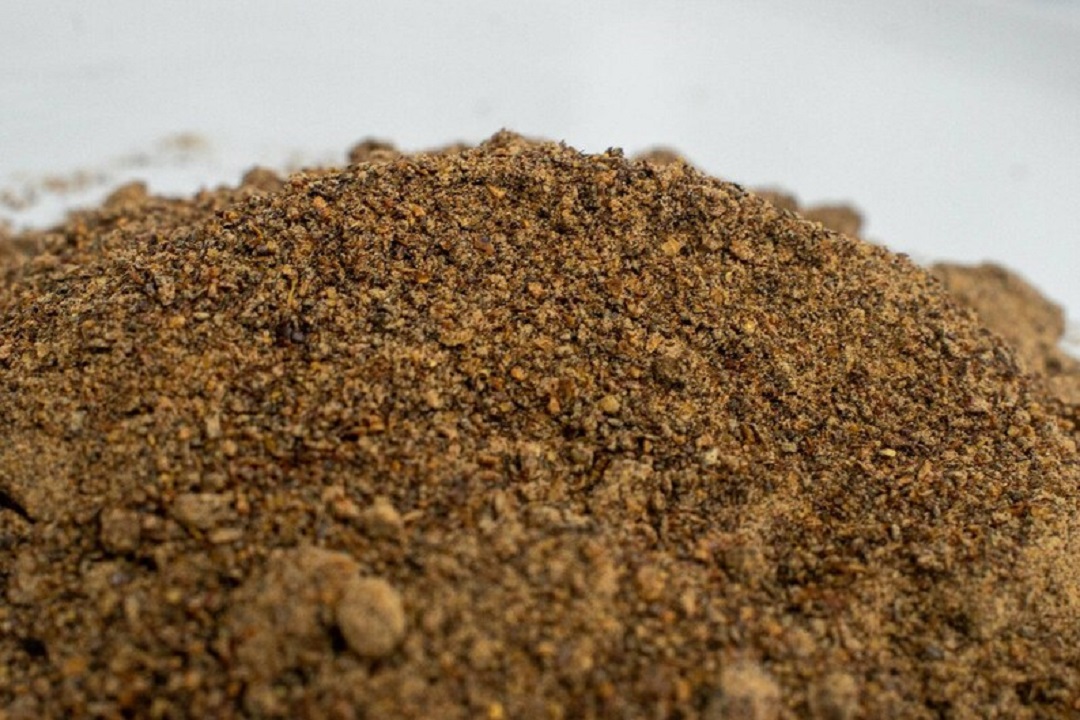
Banga Spice is one of the most commercially interesting indigenous spice blends in the African food ingredients trade. In local and regional markets, it is widely recognised for its role in preparing Banga soup and related palm fruit-based dishes. In broader commercial terms, however, it is much more than a traditional cooking ingredient. Banga Spice is a culturally rooted seasoning blend with value in retail spice packaging, foodservice supply, diaspora grocery channels, ethnic food manufacturing, restaurant distribution, and specialty export trade. For importers, wholesalers, repackers, and food brands, its real value lies not only in flavour, but in authenticity, consistency, processing quality, and the supplier’s ability to deliver a clean, dependable blend at scale.
In many trade conversations, Banga Spice sits in a different category from single-ingredient seed spices such as cumin, dill, or fenugreek. It is generally a formulated spice product rather than a single botanical item. That changes the way serious buyers should think about sourcing it. Instead of focusing only on one seed or one root, buyers need to assess formulation integrity, ingredient quality, aroma balance, particle size, contamination control, moisture level, packaging strength, and labelling accuracy. Because it is a blend, the risk profile is broader. If one component is poor, the finished product can still fail commercially even if the rest of the blend looks acceptable.
Across Nigeria and in wider African trade, Banga Spice is strongly associated with local culinary identity. It is particularly relevant in Delta, Edo, Urhobo, Itsekiri, and related culinary traditions, while also attracting demand in other Nigerian regions and diaspora communities abroad. In practical trade language, Banga Spice refers to a dry aromatic blend used to flavour palm fruit soup and similar dishes. Depending on the processor or seller, the exact formulation may vary, but the commercial purpose remains the same: to deliver the recognisable flavour profile expected in authentic Banga-style meals.
For buyers, this is where sourcing discipline becomes important. Banga Spice may be sold as a traditional artisanal blend, a commercial food-grade blend, a retail-ready product, or a bulk seasoning input for restaurants and food manufacturers. Each of these channels has different expectations. A small retail pack for diaspora consumers may be judged mainly by aroma, authenticity, and pack presentation. A bulk foodservice buyer may care more about batch consistency and price stability. A formal importer may also want specification sheets, shelf-life data, ingredient declaration, microbial awareness, and export-ready documentation. A supplier that cannot match the required buyer profile will usually create problems later, even if the initial sample smells good.
One reason Banga Spice remains commercially attractive is that it offers something many commodity spices do not: a ready-made cultural flavour system. It is not just one spice with one note. It is a blend built around a recognisable traditional taste experience. That gives it strong value in diaspora food markets, African grocery retail, private-label spice ranges, and restaurant supply. Buyers often prefer established blends like this because they reduce in-house formulation work and help preserve authenticity in finished food products.
At the same time, Banga Spice is not immune to the usual spice-trade risks. A poor blend may contain stale ingredients, too much filler, insufficient key aromatics, excess dust, uneven grinding, high moisture, weak packaging, or undeclared substitutions. Some suppliers may also use low-cost ingredients to imitate the desired flavour without delivering the expected quality. That is why serious buyers do not treat Banga Spice as a casual seasoning purchase. They treat it as a specification-led food ingredient.
This guide explains Banga Spice from a buyer-focused trade perspective. It covers what the product is, how it is made and processed, what it is used for, its health benefits and side effects, key producing and importing markets, safe sourcing methods, how to identify reliable exporters, realistic international price expectations, payment methods, shipping terms, trade specifications, and the documents buyers should expect in a proper export transaction. The goal is to help buyers source Banga Spice more safely, more professionally, and with stronger commercial results.
Trade Overview of Banga Spice
| Product Name | Banga Spice |
|---|---|
| Botanical Name | Blend product; varies by formulation and component spices |
| Common Names | Banga Spice, Banga Soup Spice, Palm Fruit Soup Spice Blend |
| Nigerian/Common Market Reference | Traditional Nigerian spice blend used mainly for Banga soup and related palm fruit dishes |
| Product Form | Dry spice blend, usually powdered or coarsely milled |
| Typical Components | May include ataiko, irugeje, beletete, oburunbebe stick, chili, crayfish notes, or other traditional aromatics depending on formulation |
| Colour | Brown to dark brown, depending on component mix |
| Aroma Profile | Warm, aromatic, earthy, peppery, deeply savoury, traditional soup-blend character |
| Main Commercial Uses | Banga soup, palm fruit dishes, restaurant cooking, retail seasoning packs, ethnic food manufacturing, diaspora grocery supply |
| Typical Buyers | Importers, African grocery distributors, restaurants, food manufacturers, repackers, wholesalers |
| Common Packaging | 100g to 1kg retail packs, 5kg to 25kg bulk food-grade pouches, liners, sacks, or cartons |
| Trade Sensitivities | Blend authenticity, ingredient declaration, moisture, aroma consistency, contamination control, packaging, batch repeatability |
From a trade standpoint, Banga Spice is a value-added seasoning blend rather than a raw agricultural commodity. That gives it strong commercial potential because buyers are paying for flavour design and convenience, not just for one dried plant material. The more authentic and stable the blend, the more useful it becomes to foodservice and retail buyers who want ready performance without having to source and combine multiple indigenous ingredients themselves.
Another important commercial point is that Banga Spice does not always have one universal formulation. Different households, processors, and regional food traditions may use slightly different combinations and ratios of ingredients. For local use, that variation can be acceptable. For export trade, however, it must be managed carefully. A buyer usually expects repeatability. Once a sample is approved, the next batch should taste and smell substantially the same. This makes formulation control one of the most important commercial requirements.
Because it is a blend, Banga Spice can enter more than one market segment. Some suppliers sell it as an artisanal cultural product. Others package it as a professional seasoning for restaurants and grocery chains. Some food manufacturers may even use it as a flavour base in ready meals or convenience foods. In all these channels, the product succeeds when the supplier combines authenticity with process discipline.
For serious buyers, the best way to think about Banga Spice is as a specialty African seasoning blend with strong diaspora and ethnic-food potential. It is not simply a local spice mix. It is a culturally anchored commercial product whose value depends on consistency, authenticity, and clean export handling.
Request a Quote or Speak With Our Team About Banga Spice
Ready to source Banga Spice with confidence? Submit your RFQ for detailed specifications and formal quotations, or chat on WhatsApp for fast responses and quick clarification.
What Is Banga Spice?
Banga Spice is a traditional dry seasoning blend used mainly in the preparation of Banga soup, a palm fruit-based soup widely known in parts of Nigeria and among African diaspora communities. In practical trade language, it is a composite spice product designed to provide the distinctive flavour profile expected in authentic Banga-style dishes. Unlike a single spice such as thyme or cumin, Banga Spice is usually made from a combination of indigenous aromatics and supporting ingredients.
The exact composition can vary depending on the processor, regional tradition, and target market. In many Nigerian culinary contexts, Banga Spice may include traditional components such as ataiko, irugeje, beletete, oburunbebe stick, and other local aromatics, sometimes supported by pepper or complementary ingredients. Commercial buyers should therefore never assume that every Banga Spice product on the market contains the same formula. Ingredient disclosure and sample approval are essential.
Physically, Banga Spice is usually sold as a powder or coarse blend. The colour often ranges from brown to darker brown depending on the ingredient mix and grind style. A good-quality product should have a strong traditional aroma, a clean dry texture, and no signs of dampness, mould, off-odour, or excessive filler. Since it is a blend, uniformity matters. Separation, caking, or inconsistent grind can reduce both performance and customer confidence.
From a commercial viewpoint, Banga Spice is best understood as a convenience-authenticity product. It saves the buyer from having to source multiple niche traditional ingredients individually and combine them in the right proportions. This is especially important for restaurants, packaged food brands, and diaspora retailers that want a stable, recognisable flavour system without excessive internal formulation work.
High-quality Banga Spice should therefore do three things well. It should smell authentic, perform consistently in cooking, and remain stable in storage and transit. These three points are more commercially important than simply offering the lowest price per kilogram.
How Banga Spice Is Made / Processed
The quality of Banga Spice depends on the quality of each component used in the blend and on how carefully the final product is processed. Because it is a mixed seasoning, weak process control at any stage can damage the overall batch. Buyers who want dependable commercial supply should understand how a good Banga Spice blend is made.
1. Selection of Component Ingredients
The process begins with choosing the traditional aromatic ingredients that will make up the blend. These ingredients should be mature, dry, clean, and suitable for food use. Since some of the traditional components are niche indigenous spices, strong sourcing at this stage matters a great deal. If the base materials are stale, contaminated, or poorly handled, the final blend will suffer.
2. Cleaning and Sorting of Raw Materials
Each component ingredient should be cleaned before blending. This may involve removing dust, stones, stalks, bark fragments, extraneous plant matter, or damaged pieces. Because the final product is usually powdered or milled, poor cleaning at this stage can become harder to detect later. Buyers should therefore favour suppliers that understand the importance of ingredient-level cleaning.
3. Drying and Moisture Control
Any components that are not fully dry should be stabilised before milling. Moisture control is especially important in spice blends because one damp ingredient can affect the entire batch. High moisture can lead to caking, mould risk, shorter shelf life, and transport instability. Good processors aim for a clean, dry blend with stable moisture suitable for storage and export.
4. Controlled Milling or Grinding
Once the ingredients are ready, they are milled or ground into the desired texture. Some buyers prefer a finer powder, while others may accept a more traditional coarse blend. The milling stage should preserve aroma as much as possible while producing a uniform, easy-to-use product. Overheating during grinding can reduce aromatic strength, so careful handling matters.
5. Formulation and Blending
The ground ingredients are then mixed according to the desired formula. This is one of the most important steps because blend consistency determines flavour consistency. Commercial buyers usually want the same product profile from batch to batch. A supplier that changes ratios casually may damage trust, even if the product still falls within a broad traditional flavour range.
6. Sieving and Texture Standardisation
Some processors sieve the finished blend to improve consistency and remove oversized particles or residual foreign matter. This can improve appearance, flowability, and pack uniformity, especially for retail and foodservice buyers.
7. Quality Checks and Batch Approval
Before packing, responsible processors review the batch for aroma, appearance, dryness, and general conformity. Depending on the buyer and market, additional checks may include moisture assessment, microbiological review, or other food safety parameters. Since Banga Spice is often sold into direct-consumption channels, clean handling is especially important.
8. Packing and Sealing
The final blend should be packed in food-grade materials that protect it from moisture, light, contamination, and aroma loss. Retail packs may use sealed laminated pouches or jars, while bulk trade may use lined sacks, larger pouches, or carton-based systems. A good pack should keep the blend stable through shipment and storage.
9. Storage and Export Handling
After packing, the product should be stored in a cool, dry, clean environment away from strong odours, damp conditions, and direct sunlight. Because Banga Spice is aromatic and blended, poor storage can quickly reduce quality. Good export handling is therefore part of the manufacturing process, not an afterthought.
For buyers, the lesson is clear. Good Banga Spice is not merely mixed. It is selected, cleaned, stabilised, milled, blended, checked, and packed with intention. The better the process, the stronger the commercial result.
What Is Banga Spice Used For?
Banga Spice has a range of uses that go beyond one traditional recipe, even though Banga soup remains its best-known application. This wider usefulness supports its commercial value in modern food trade.
In Banga Soup Preparation
The primary use of Banga Spice is in Banga soup, where it provides the characteristic aroma and depth associated with authentic palm fruit soup. For many buyers, this is the core reason for sourcing the product. Restaurants, caterers, home-cook retail brands, and diaspora grocery stores all rely on it for this purpose.
In Palm Fruit-Based Dishes
Beyond classic Banga soup, the blend may also be used in other palm fruit-based dishes, stews, and regional preparations that benefit from a similar aromatic direction. This gives it some flexibility in African foodservice and home-cooking channels.
In Restaurant and Catering Supply
Restaurants and caterers often buy Banga Spice in bulk because it saves labour, supports consistency, and simplifies kitchen preparation. For these buyers, the commercial value lies in convenience as much as flavour.
In Retail Spice Packaging
Retail spice brands and repackers buy Banga Spice for sale in sachets, jars, pouches, and private-label packs. This is especially relevant in African grocery stores and diaspora markets where customers want ready-to-use traditional seasoning blends.
In Ethnic Food Manufacturing
Food manufacturers may use Banga Spice as a flavour base in ready meals, soup concentrates, seasoning sachets, and convenience food products. In this channel, consistency, ingredient declaration, and food safety documentation matter strongly.
In Culinary Heritage Product Lines
Banga Spice also fits into commercial product lines built around African culinary heritage. Brands that focus on traditional authenticity often include it because it helps represent a specific and recognisable food culture.
In Diaspora Grocery and Specialty Export
Importers serving African communities abroad often stock Banga Spice because it is difficult for many consumers to source and combine the component ingredients themselves. This makes the blend commercially valuable in diaspora retail.
Health Benefits of Banga Spice
Banga Spice is primarily traded as a culinary seasoning blend, but many of its component ingredients may also be associated with traditional wellness value. Buyers should communicate such benefits carefully and in compliance with their target market rules, especially because the exact formulation may differ from supplier to supplier.
1. Adds Natural Botanical Complexity to Meals
One of the clearest advantages of Banga Spice is that it can add depth and flavour to meals using a natural spice blend rather than artificial flavouring systems. This has commercial value in clean-label and heritage-food positioning.
2. May Support Digestive-Friendly Meal Formulation
Many traditional aromatic spices are associated with digestive comfort in culinary use. Since Banga Spice often contains several such ingredients, it may be perceived by consumers as part of a warming and digestion-friendly meal experience.
3. Provides Traditional Plant-Based Aromatic Compounds
As a blend of botanical ingredients, Banga Spice contributes natural aromatic compounds that help define both flavour and perceived food quality. This supports its appeal among consumers who prefer recognisable traditional ingredients.
4. Helps Reduce Dependence on Synthetic Flavour Systems
From a commercial health-positioning angle, Banga Spice can support more natural food development. Many food brands now prefer spice-led flavour systems that allow them to reduce heavy reliance on synthetic flavour profiles.
5. Supports Cultural and Traditional Food Identity
Health value is not always only about nutrients or claims. Traditional food familiarity can also matter. Many consumers feel more comfortable with culturally rooted ingredients they know and trust, and Banga Spice fits well into that pattern.
6. Can Improve Meal Enjoyment and Aroma Acceptance
Flavourful traditional food ingredients often support better meal enjoyment and product appeal. In a commercial sense, that is valuable because consumer satisfaction drives repeat purchase more effectively than generic flavour alone.
For trade purposes, it is best to position Banga Spice as a traditional, natural, aromatic seasoning blend rather than as a product marketed around aggressive health claims.
Side Effects of Banga Spice
Although Banga Spice is widely used in traditional cooking, buyers should still understand the possible product risks and side-effect concerns associated with the blend. This matters particularly because it is a multi-ingredient seasoning, and each component can influence the final risk profile.
1. Ingredient Sensitivity or Allergy Risk
Because Banga Spice is a blend, consumers may react not just to one spice but to any of its component ingredients. This makes clear ingredient declaration very important, especially in export markets where food labelling standards are stricter.
2. Variability in Heat and Aroma Intensity
Some formulations may include peppery or strong aromatic elements that are not suitable for every consumer. If the flavour intensity changes too much between batches, buyers may face customer complaints or reduced acceptance.
3. Quality Risks From Poor Processing
One of the biggest practical risks is poor production quality. If ingredients are not cleaned properly, the blend may contain dust, foreign matter, excess bark, or microbial risk. In real trade, this is a more common concern than the inherent nature of the spices themselves.
4. Undeclared Ingredient Substitution
Because Banga Spice does not always have a fixed universal formula, weak suppliers may substitute cheaper ingredients without telling the buyer. This can affect taste, consumer trust, and regulatory compliance.
5. Shelf-Life Problems From High Moisture
If the blend is not dried and packed correctly, it may cake, lose aroma, or develop spoilage risk during storage. Moisture control is therefore a major quality and safety issue in this category.
6. Compliance and Labelling Exposure
For formal importers, one of the main risks is inaccurate labelling. If the ingredient list is incomplete or the blend is poorly documented, customs or food regulators may raise issues. This is why Banga Spice sourcing should always include documentation review.
Most of these concerns can be managed through proper sourcing, clear specifications, correct labelling, and disciplined supplier verification.
Top Producing & Exporting Countries of Banga Spice
Banga Spice is strongly associated with Nigerian cuisine, so its production and export relevance follows that cultural and culinary geography more than it follows broad commodity farming patterns. For buyers, this means authenticity and local processing knowledge often matter more than simple production volume.
1. Nigeria
Nigeria is the primary commercial reference point for Banga Spice because the blend is rooted in Nigerian traditional cooking. Most authentic Banga Spice formulations are developed, processed, and marketed from Nigeria, making it the main source country for buyers seeking cultural accuracy.
2. United Kingdom-Based Diaspora Repack Channels
Although the product origin is often Nigerian, some repacking and redistribution activity also takes place in diaspora-heavy markets such as the United Kingdom. Buyers may encounter Banga Spice there through African grocery importers and repackers rather than primary processors.
3. United States Diaspora Distribution Channels
The United States also plays a role mainly on the import and distribution side, though some private-label repacking can occur there. Buyers sourcing through diaspora channels may still be handling Nigerian-origin product.
4. Canada and European Ethnic Food Distribution
Smaller specialty channels in Canada and parts of Europe also participate in Banga Spice trade through import, repack, and retail activity. These are usually not origin points, but they are relevant in the export value chain.
5. Regional West African Supply Movement
Some product movement may also occur through neighbouring West African trade routes, especially where Nigerian food products are distributed regionally. However, authenticity still generally points back to Nigerian processing traditions.
6. Independent Specialty Processors
Beyond country labels, some of the most commercially relevant producers are independent Nigerian processors and food brands that specialise in traditional soup spice blends for domestic and export buyers.
For buyers, the key lesson is that Banga Spice should generally be sourced with authenticity in mind. The best source is usually the supplier that understands the tradition and can execute it cleanly at commercial standard.
Top Importing Countries of Banga Spice
Banga Spice is imported mainly by markets with strong Nigerian and African diaspora populations, as well as by specialty ethnic-food channels. Demand is usually driven by cultural familiarity rather than mainstream mass-market seasoning trends.
1. United Kingdom
The United Kingdom is one of the most important markets for African grocery and diaspora food demand. Banga Spice fits naturally into that environment because of the strong Nigerian consumer presence and the well-developed ethnic retail sector.
2. United States
The United States is another significant market due to its large African diaspora communities, growing ethnic food interest, and strong private-label grocery distribution possibilities.
3. Canada
Canada also remains commercially relevant for African food imports, especially in urban centres with active diaspora populations. Buyers there often value reliable, well-packed traditional products.
4. Ireland and Smaller European Diaspora Markets
Countries with smaller but active African consumer bases can still be valuable importing destinations, particularly for grocery distributors focused on traditional products.
5. Middle Eastern African-Community Retail Channels
Some Middle Eastern markets also have African-community retail demand that can support niche imports of traditional seasoning blends.
6. Regional African Retail and Hospitality Markets
Beyond overseas diaspora destinations, regional African markets can also import or distribute Banga Spice through hospitality and specialty food channels, especially where Nigerian cuisine has commercial presence.
How To Safely Source for Your Banga Spice Produce
Safe sourcing is one of the most important parts of buying Banga Spice successfully. Because it is a blend, it carries all the normal spice risks plus the added challenge of formulation consistency. Buyers who treat it like a generic seasoning often run into preventable problems.
The first step is to define the product clearly. Do not ask only for Banga Spice. State whether you need a traditional authentic blend, a restaurant-grade blend, a retail-ready blend, or an industrial bulk seasoning base. Also clarify whether you want powder or coarse blend and whether there are any ingredients you need declared or excluded.
The second step is to request a detailed ingredient list or formula summary. You may not always get the exact percentage breakdown, especially with proprietary blends, but you should still know what the major components are. If a supplier refuses to explain what is inside the blend at all, that is a commercial warning sign.
The third step is to request a specification sheet. This should cover product form, colour, aroma description, moisture expectation, packaging type, shelf life, storage condition, and any testing parameters the supplier can provide. Since it is a blend, ingredient declaration and allergen awareness matter more than in many single-spice transactions.
The fourth step is to request a current representative sample. For Banga Spice, sampling is critical because authenticity is sensory as much as technical. You need to assess aroma, colour, grind uniformity, cooking performance, and whether the flavour profile actually matches what your market expects.
The fifth step is to ask about batch control. Does the supplier work with a fixed internal recipe? How do they keep flavour consistent? Do they test moisture? Are the raw ingredients cleaned before grinding? Can they reproduce the same approved sample for future orders? These are practical questions that separate serious suppliers from casual mixers.
The sixth step is to check food safety and packaging standards. Because Banga Spice is sold for direct food use, the blend should be prepared under hygienic conditions and packed in food-grade materials. Ask whether the product is sealed, how it is stored, and whether the warehouse is dry and clean.
The seventh step is to verify export readiness. Can the supplier provide commercial invoice, packing list, certificate of origin where needed, and product documentation suitable for your market? If the supplier is only used to local cash sales, they may struggle with formal export execution.
The eighth step is to align commercial terms carefully. Confirm whether the quotation is EXW, FOB, CFR, or CIF. Confirm lead time, minimum order quantity, payment terms, and whether packaging and documentation costs are included. In specialty food trade, small misunderstandings can create large margin losses.
The ninth step is to control repeatability. Once you approve a sample, make it clear that future supply must match the approved standard. This is especially important with culturally specific seasoning blends because customer loyalty depends heavily on taste memory.
The tenth step is to avoid price-only purchasing. A cheaper blend may use more filler, weaker ingredients, or inconsistent formulation. That may save money at the invoice stage but lose money through customer complaints, slow sales, and reordering problems. In this category, authenticity and consistency are often worth paying for.
In practical terms, safe Banga Spice sourcing means knowing what authentic performance looks like, asking for evidence, and choosing a supplier that can deliver the same result repeatedly.
Where To Find Reliable Exporters for Banga Spice
Reliable Banga Spice exporters are usually found among specialised Nigerian food processors, African grocery supply brands, traditional seasoning manufacturers, and exporters that already serve diaspora or ethnic-food markets. The best supplier is rarely the loudest online seller. It is usually the one with the most disciplined product control.
One useful place to start is with Nigerian food brands and processors that already package indigenous spice blends for retail or wholesale distribution. These suppliers are more likely to understand formulation consistency, consumer expectations, and the practical requirements of export packaging.
African grocery distributors, trade directories, food exhibitions, diaspora retail networks, and buyer referrals can also help identify exporters. However, listing visibility is not enough. What matters is whether the supplier can send a usable sample, explain the blend clearly, provide product information, and support the shipment with proper documentation.
A reliable exporter should be able to discuss the product in practical terms. They should know whether the blend is best suited for retail, restaurants, or manufacturing. They should explain how it is packed, how long it keeps, what the major ingredients are, and what shipment sizes they can support. If communication is vague or inconsistent at the quotation stage, the export process is likely to be worse.
It is also useful when the supplier has broader product experience with traditional Nigerian seasonings and food ingredients. That usually means they understand the importance of flavour authenticity, diaspora market expectations, and repeatability across orders.
In real trade, reliable Banga Spice exporters are found by verifying sample quality, reviewing documentation readiness, and testing performance over controlled orders before scaling up volume.
International Price of Banga Spice Per Metric Ton
The international price of Banga Spice per metric ton depends on formulation complexity, ingredient quality, packaging standard, processing method, order size, and shipping terms. Because it is a blend rather than a single commodity spice, its price structure is more influenced by value addition and processing than by one raw crop cycle alone.
For 2025 to 2026 trade planning, a realistic broad range for bulk export-ready Banga Spice may commonly fall around US$2,200 to US$4,800 per metric ton under normal commercial conditions. Smaller retail-ready packs, premium artisanal blends, stricter documentation, or more expensive component ingredients can move the price higher. Lower offers may exist, but buyers should check carefully whether those quotations reflect genuine product authenticity, acceptable hygiene, and stable batch quality.
Price comparisons should always be made on a like-for-like basis. A bulk powder quote in plain liners is not the same as a retail-ready laminated pouch quote. Likewise, a supplier using high-quality traditional aromatics may not be directly comparable to one using simplified low-cost substitutions. Buyers should therefore compare formula integrity, pack type, documentation, and shipping term alongside price.
Freight also changes the final landed cost significantly. A CIF quote may look higher than an FOB quote, but it can still produce a better total result if the exporter has stronger logistics and lower freight friction. As always in spice and seasoning trade, the best commercial price is usually the one that delivers dependable outcome, not just the lowest nominal figure.
Request a Quote or Speak With Our Team About Banga Spice
Ready to source Banga Spice with confidence? Submit your RFQ for detailed specifications and formal quotations, or chat on WhatsApp for fast responses and quick clarification.
How To Pay For Your Banga Spice Produce
Payment terms for Banga Spice should be aligned with the order size, supplier maturity, and trust level between the parties. The right payment structure should protect the transaction without making execution unnecessarily difficult.
Advance Payment
For smaller trial orders or sample-scale shipments, some suppliers may request full advance payment. This can work when the exposure is limited and the supplier has already been verified sufficiently.
Part Advance, Balance Before Shipment
A common trade structure is a deposit to begin production or packing, with the balance paid before final shipment release. This works best when the product, quantity, packaging, and lead time are all clearly stated in the proforma invoice.
Letter of Credit
For larger or more formal commercial orders, a letter of credit can create more discipline and protection. This is particularly useful when the buyer and supplier are still building trust or when the order value is high.
Documentary Collection and Related Structures
Some transactions may use bank-mediated arrangements that give more structure than simple prepayment. These options require cleaner documentation and clearer process discipline from both sides.
Practical Payment Advice
Whatever method is used, buyers should verify bank details independently, ensure that the product description is accurate, and tie payment milestones to the agreed specification, pack format, and shipment schedule.
Shipping & Delivery Terms
Shipping terms define cost responsibility, risk transfer, and how landed cost should be interpreted. Since Banga Spice is a processed food ingredient, good shipping practice is also part of quality control.
FOB Shipments
Under FOB terms, the supplier is responsible for the cargo until it is loaded at the named port. The buyer then takes over freight and insurance. This option suits buyers with established freight management systems.
CFR Shipments
Under CFR terms, the supplier covers freight to the destination port, while insurance is arranged separately unless otherwise agreed. This can simplify logistics planning for some importers.
CIF Shipments
Under CIF terms, the supplier covers cost, insurance, and freight to the destination port. Many buyers like this structure when they want a more complete landed-port cost picture.
Air Freight for Samples and Smaller Orders
Air freight is often used for samples, urgent replenishment, or smaller retail-ready consignments. For larger tonnage trade, sea freight is usually more commercially practical.
Packing and Container Care
Because Banga Spice is aromatic and moisture-sensitive, it should be shipped in strong food-grade packaging and loaded in dry, clean containers without odour contamination. Careless loading can quickly reduce quality.
Our Typical Trade Specifications For Banga Spice
| Parameter | Typical Trade Range |
|---|---|
| Product | Banga Spice |
| Product Type | Traditional dry seasoning blend |
| Form | Powdered or coarsely milled blend |
| Colour | Brown to dark brown |
| Aroma | Characteristic traditional Banga aroma, warm, earthy, savoury, free from off-odour |
| Taste | Authentic Banga-style seasoning profile as per approved sample |
| Moisture | Typically low and stable, often targeted around not more than 10% to 12%, depending on contract |
| Ingredient Declaration | As agreed with buyer and supplier formulation disclosure |
| Foreign Matter | Minimal to nil as per contract specification |
| Microbiology | As per buyer requirement or destination market standard |
| Packaging | Retail pouches, jars, or bulk food-grade liners and outer packs as specified |
| Shelf Life | Usually 12 to 24 months under proper storage, depending on blend and packaging |
| Storage | Cool, dry, clean place away from moisture, sunlight, and strong odours |
| Origin | Typically Nigeria, subject to supplier declaration and contract agreement |
These are typical trade-oriented parameters. Actual specifications should be adjusted to the buyer’s intended market, packaging format, regulatory environment, and approved flavour profile.
Expected Shipping Documents
A professional Banga Spice export transaction should be supported by a complete, clear, and consistent document set. Since the product is a blended seasoning, documentation is especially important for product identity and market acceptance.
Commercial Invoice
The commercial invoice should state the product name, quantity, unit price, total value, buyer and seller details, and the agreed trade terms. It should clearly describe the product as Banga Spice or Banga Soup Spice as contracted.
Packing List
The packing list should show the number of cartons, bags, jars, or pouches as applicable, as well as the net and gross weights. This helps with customs, warehousing, and cargo verification.
Bill of Lading or Air Waybill
This is the core transport document for sea or air shipment. Buyers should confirm that the cargo description, consignee details, and shipment references are all accurate before release.
Certificate of Origin
Many buyers request a certificate of origin to confirm the declared export origin, especially where Nigerian traditional food identity is part of the product value.
Certificate of Analysis
A certificate of analysis may include moisture, microbiology, or other relevant parameters depending on the market. For blended seasonings, this can be an important confidence document.
Ingredient Declaration or Product Specification
Because Banga Spice is a formulation-based product, buyers often need a product specification or ingredient declaration in addition to standard shipping documents. This helps with labelling and internal compliance review.
Phytosanitary or Related Food Export Support Where Required
Depending on the shipment form and destination rules, additional food-export support documents may be needed. Buyers should confirm these requirements in advance.
Insurance Certificate
Where the sale includes cargo insurance, the insurance certificate should be part of the final document set. Buyers should confirm the insured value and scope of cover.
Clear documentation reduces delay risk, strengthens product traceability, and gives the buyer more confidence that the shipment matches the approved commercial arrangement.
Request a Quote or Speak With Our Team About Banga Spice
Ready to source Banga Spice with confidence? Submit your RFQ for detailed specifications and formal quotations, or chat on WhatsApp for fast responses and quick clarification.