

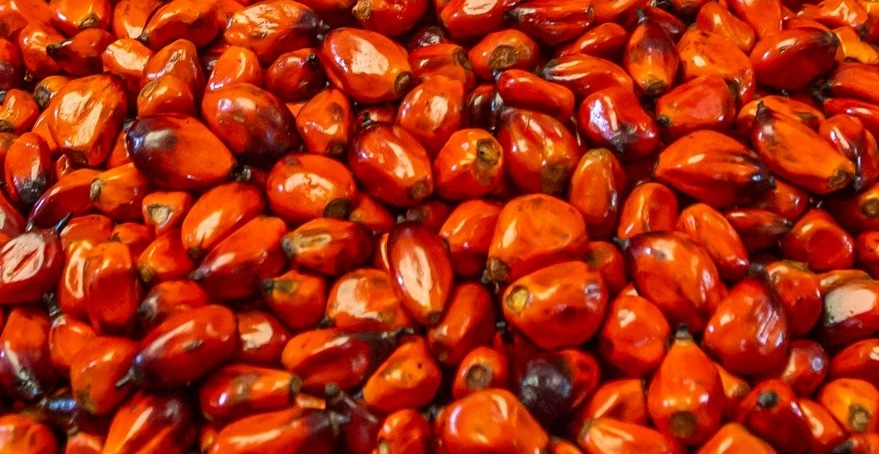
Palm Kernel Oil is one of the most commercially valuable vegetable oils in the global agro-industrial market. It is widely used across food processing, cosmetics, soap manufacturing, oleochemicals, and industrial applications, making it a product that attracts interest from wholesalers, manufacturers, importers, contract buyers, and commodity traders. In Nigeria and several other African markets, Palm Kernel Oil has long been familiar in traditional commerce, but in modern trade, it has evolved into a structured export commodity with specific quality expectations, packaging formats, and buyer requirements.
In the Nigerian market, Palm Kernel Oil is commonly known as palm kernel oil or PKO. It is different from Red Palm Oil, even though both come from the oil palm tree. This distinction is important because many first-time buyers confuse the two products. Red Palm Oil is extracted from the fleshy outer fruit pulp, while Palm Kernel Oil is extracted from the kernel or nut inside the palm fruit. That difference in source produces a very different oil profile, market use, colour, texture, odour, and commercial value chain.
Palm Kernel Oil usually appears lighter in colour than Red Palm Oil and is valued for its versatility. Depending on how it is processed, it may be used in edible applications, personal care manufacturing, industrial fat formulations, detergents, and specialty products. Buyers who source Palm Kernel Oil successfully usually do so because they understand the exact grade they need. Not every Palm Kernel Oil shipment is suitable for the same purpose. A food-grade buyer will not buy the same way as a soap manufacturer, and an importer for cosmetics will ask very different questions from a bulk wholesaler serving local distributors.
That is what makes Palm Kernel Oil such a serious trade commodity. It is familiar enough to be widely available, but technical enough to require disciplined sourcing. A buyer cannot rely only on price per ton, photos, or supplier claims. The product must be assessed on production method, free fatty acid level, moisture control, odour, colour, impurity level, packaging discipline, storage history, and consistency across lots. When these factors are ignored, claims, delays, and product mismatch usually follow.
For Nigerian and African exporters, Palm Kernel Oil offers strong commercial opportunity because it sits between agriculture and industry. It is linked to the oil palm economy, but its buying decisions are often shaped by industrial end use. A manufacturer may need it for soap noodles, surfactants, cream formulations, bakery fats, or other processed inputs. A trader may need it in drums for onward distribution. A retail-focused buyer may want cleaner, more refined oil. Each one of these uses affects how the oil should be processed, packed, and priced.
The global market also keeps Palm Kernel Oil commercially relevant. Demand is supported not just by food channels, but also by oleochemical and personal care sectors. That means the product is not limited to traditional culinary markets. Its value can remain strong even when one demand segment softens, because other industrial channels continue to absorb supply. This broad commercial relevance is one reason buyers keep watching Palm Kernel Oil as both a practical sourcing item and a tradeable commodity.
However, sourcing Palm Kernel Oil safely requires more than identifying a producer. Buyers need confidence in product identity, production conditions, documentation, packaging, quantity integrity, and shipment performance. They also need clarity on whether the supplier is offering crude, filtered, semi-refined, or otherwise processed Palm Kernel Oil. Product confusion is common in the market, and misunderstanding the grade is one of the easiest ways to make an expensive mistake.
This guide explains Palm Kernel Oil from a buyer-focused and trade-aware perspective. It covers what the product is, how it is produced, where it is used, the health discussion surrounding it, the practical side effects and commercial risks buyers should understand, the top producing and importing countries, how to source the product safely, where to find reliable exporters, the realistic international price range per metric ton, common payment approaches, shipping and delivery terms, expected trade specifications, and the documents that serious transactions usually require.
If you are planning to buy Palm Kernel Oil from Nigeria or Africa for export, processing, resale, or manufacturing, the core principle is simple: source for function, not just availability. The buyer who understands the end use usually buys better, negotiates more clearly, and avoids the kinds of disputes that weaken long-term trade relationships.
Trade Overview of Palm Kernel Oil
Palm Kernel Oil is an edible and industrial vegetable oil extracted from the kernel of the oil palm fruit, botanically derived from Elaeis guineensis. In commercial trade, it is known simply as Palm Kernel Oil or PKO. In Nigerian markets, it is often sold and referenced under the same name, especially in wholesale ingredient channels, oil markets, and industrial supply circles.
Unlike Red Palm Oil, which is strongly associated with culinary colour and traditional cooking, Palm Kernel Oil occupies a broader industrial-commercial space. It is used in food applications, but it is especially important in soaps, cosmetics, detergents, fatty acid processing, surfactants, and specialty fat production. This multi-sector demand gives it a strong trade profile, particularly for buyers who serve manufacturing industries.
The product can be traded as crude Palm Kernel Oil, filtered Palm Kernel Oil, or oil prepared to buyer specification. Not every market wants the same finish. Some buyers prefer minimally processed crude oil for industrial conversion, while others require cleaner product with tighter impurity and moisture controls. The buying conversation therefore begins with intended application, not just origin and price.
Commercially, Palm Kernel Oil may be packed in drums, jerrycans, IBCs, or other food-grade or industrial-suitable containers depending on the market. High-volume buyers may focus on bulk logistics and stable industrial specs. Smaller buyers may concentrate on manageable drum quantities and resale convenience. The exporter’s job is not only to supply the oil, but to match the product to the buyer’s use case and shipment conditions.
| Commodity | Palm Kernel Oil |
|---|---|
| Botanical Name | Elaeis guineensis |
| Common Names | Palm Kernel Oil, PKO, Kernel Oil |
| Nigerian Market Reference | Commonly traded as Palm Kernel Oil or PKO in ingredient and industrial oil markets |
| Source | Oil extracted from the kernel or nut of the oil palm fruit |
| Typical Buyers | Manufacturers, importers, soap makers, cosmetics companies, food processors, wholesalers, oleochemical buyers |
| Typical Export Packaging | Drums, jerrycans, HDPE containers, IBCs, bulk-compatible formats |
| Main Quality Concerns | FFA level, moisture, impurities, odour, oxidation, contamination, packaging leakage |
| Trade Advantage | Wide industrial use, strong demand from multiple sectors, strong commercial relevance in African export trade |
Request a Quote or Speak With Our Team About Palm Kernel Oil
Ready to source Palm Kernel Oil with confidence? Submit your RFQ for detailed specifications and formal quotations, or chat on WhatsApp for fast responses and quick clarification.
What Is Palm Kernel Oil?
Palm Kernel Oil is the oil extracted from the kernel, which is the seed or nut found inside the fruit of the oil palm tree. The botanical source is Elaeis guineensis, the same oil palm species that also produces Red Palm Oil from the fruit pulp. Even though both oils originate from the same fruit, they are not the same commodity in practical trade terms.
The oil from the kernel has a different composition from the oil obtained from the fruit flesh. It is often lighter in appearance, has different fatty characteristics, and is especially useful in products that need hardness, lathering performance, or specific industrial fat behaviour. This is why Palm Kernel Oil is such an important ingredient in soap and detergent production, as well as in cosmetics and several downstream industrial applications.
In Nigeria and across West Africa, Palm Kernel Oil has long had economic significance because it is tied to the broader palm produce economy. For many processors, it is a value-added product obtained after kernels are separated, dried, and crushed or pressed for oil extraction. In modern trade, however, the product is purchased more strategically. Buyers do not simply ask for “kernel oil.” They ask for grade, odour profile, moisture level, packaging, quantity, and destination suitability.
From a commercial standpoint, Palm Kernel Oil can range from basic crude oil intended for industrial processing to cleaner oil suitable for more sensitive downstream use. A buyer serving soap factories may tolerate a different profile from a buyer supplying food processors. A cosmetics company may prioritise lower odour and cleaner handling. That is why Palm Kernel Oil should be understood as a specification-driven commodity rather than a one-grade product.
For export trade, the product is best defined as a high-demand vegetable oil derived from the palm kernel, with applications spanning edible uses, industrial conversion, and personal care manufacturing. It is one of those commodities where product identity is simple, but buyer expectation can vary significantly from one shipment to the next.
How Palm Kernel Oil Is Made / Processed
Palm Kernel Oil processing begins after the oil palm fruit has already gone through harvesting and fruit handling. Since the oil comes from the kernel and not the flesh, the route to the final product involves kernel recovery, drying, and extraction. Buyers who understand this process usually ask better sourcing questions and detect supply risk earlier.
1. Harvesting The Oil Palm Fruit
The process begins with the harvesting of ripe oil palm fruit bunches. Although the kernel is the target for Palm Kernel Oil, the fruit must first be gathered and processed to release the nuts. Good harvest timing remains important because fruit condition influences the quality of the recovered kernels and the efficiency of later processing.
2. Separating The Fruit And Recovering The Nuts
After harvest, the fruit is stripped from the bunch and processed. Once the flesh is handled, the nuts are recovered. These nuts contain the kernels from which Palm Kernel Oil is extracted. At this stage, care matters because poor handling can increase breakage, contamination, and storage problems before crushing even begins.
3. Cracking The Palm Nuts
The hard palm nuts are cracked to release the kernels inside. This can be done through manual, mechanical, or semi-mechanical methods depending on the processor’s scale. Efficient cracking is commercially important because broken shell contamination and poor kernel separation can reduce oil quality and extraction efficiency.
4. Drying And Conditioning The Kernels
Once the kernels are separated, they are usually dried to reduce moisture and improve storage stability before oil extraction. This stage is critical in trade terms. Kernels that remain too wet may develop mould risk, quality deterioration, or poor oil recovery performance. For exporters and industrial processors, proper kernel conditioning is one of the foundations of acceptable oil quality.
5. Crushing Or Pressing The Kernels
The kernels are then crushed or mechanically pressed to release the oil. In some operations, expellers or screw presses are used, while larger industrial systems may use more advanced extraction methods. The oil at this stage is usually crude and may contain suspended particles, trace solids, moisture, and natural odour associated with the process.
6. Clarifying The Crude Oil
After extraction, the oil is clarified to remove coarse impurities and part of the moisture content. Depending on the intended market, this may involve settling, heating, filtering, or other handling steps. For many buyers, this stage makes the difference between locally traded crude oil and export-suitable Palm Kernel Oil prepared for reliable downstream use.
7. Filtering To Buyer Specification
For serious export trade, filtration becomes especially important. Buyers do not want excessive sediment, shell traces, visible dirt, or unstable product behaviour in transit. A supplier preparing Palm Kernel Oil for industrial or food-related buyers should therefore align the level of filtration to the buyer’s application. What is acceptable in a local informal market may be unacceptable in container export trade.
8. Packing And Storage Before Shipment
Once the oil reaches the required condition, it is packed into drums, jerrycans, or other approved containers. Storage hygiene matters greatly because Palm Kernel Oil can lose value if exposed to contamination, moisture, or poor sealing conditions. Product packed too early, too hot, or into unsuitable containers may deteriorate before it reaches the destination market.
In commercial terms, Palm Kernel Oil quality is shaped not only by extraction but also by the care taken after extraction. Buyers who ignore post-processing handling often discover too late that the oil they bought is not the oil they thought they were buying.
What Is Palm Kernel Oil Used For?
Palm Kernel Oil is valued because it serves several commercial sectors at once. This gives the product a broader demand base than many single-use agricultural commodities. The exact use depends on grade, quality, and processing level.
Food Processing And Specialty Fat Applications
Palm Kernel Oil may be used in edible applications where its functional fat properties are useful. Depending on processing and buyer standard, it can contribute to specialty fats, bakery ingredients, confectionery-related inputs, and other food manufacturing uses. Buyers in this category generally require tighter control over odour, cleanliness, and product handling.
Soap Manufacturing
One of the most commercially important uses of Palm Kernel Oil is soap production. It is widely valued for the way it contributes to hardness, cleansing action, and lathering characteristics in soap formulations. This is one reason the product remains relevant in both artisanal and industrial soap sectors. In many African export channels, soap makers are among the most regular buyers of PKO.
Cosmetics And Personal Care Products
Palm Kernel Oil is also used in skin-care products, creams, lotions, hair-care items, and related cosmetic formulations. Buyers in this category often prioritise odour control, clean appearance, and stable handling. For personal care manufacturing, quality consistency can matter just as much as price because a single weak batch can affect a finished formulation line.
Oleochemical Production
Industrial buyers use Palm Kernel Oil in oleochemical processing for the production of fatty acids, fatty alcohols, surfactants, and related downstream ingredients. This is a major reason Palm Kernel Oil remains commercially strong. It is not only a commodity for direct retail sale. It is also a feedstock for value-added manufacturing.
Detergents And Cleaning Products
The oil is relevant in detergent and cleaning product manufacture because of its fatty composition and suitability for derived chemical inputs. Buyers in this category usually focus on industrial functionality, processing behaviour, and cost competitiveness rather than culinary use.
Candles, Lubricant Blends, And Other Industrial Uses
Beyond mainstream food and personal care channels, Palm Kernel Oil can also appear in candles, selected lubricant formulations, and other specialty industrial products. These are not always the first uses buyers mention, but they help explain why the commodity remains commercially flexible across multiple manufacturing sectors.
Because it serves all these uses, Palm Kernel Oil should never be sold with a one-size-fits-all sourcing approach. The best exporter asks first: what exactly will the buyer use this oil for?
Health Benefits of Palm Kernel Oil
Health discussions around Palm Kernel Oil should be handled in a realistic and commercially responsible way. Buyers, importers, and distributors increasingly operate in markets where consumers and regulators do not respond well to exaggerated health claims. The sensible approach is to discuss the product in terms of its recognised use as a vegetable oil and its role within balanced application.
1. Source Of Dietary Energy
As an edible oil, Palm Kernel Oil can serve as a source of dietary energy where food-grade product is being used in edible applications. In markets where the oil is part of processed food systems, this basic functional value remains relevant.
2. Useful Functional Fat In Food Systems
Palm Kernel Oil is often valued in food applications because of the physical behaviour it contributes to certain formulations. This is not just a manufacturing advantage. It is also part of why the oil remains useful in products where texture, structure, and fat performance matter.
3. Naturally Derived Plant Oil
For buyers seeking plant-derived oil inputs, Palm Kernel Oil remains commercially attractive because it is sourced from a known agricultural crop rather than a synthetic origin. This does not automatically make it suitable for every market positioning strategy, but it does make it relevant for many product categories that prefer vegetable-oil feedstocks.
4. Supports Product Development In Personal Care
Although this is not a nutritional benefit in the usual sense, Palm Kernel Oil has value in personal care and cleansing products where its natural oil profile contributes to formulation performance. In markets where buyers care about plant-based ingredients, this remains an important commercial advantage.
5. Longstanding Familiarity In Regional Use
Another practical benefit is familiarity. In markets where Palm Kernel Oil has long been part of processing and trade, buyers already understand its functional value. That familiarity lowers adoption resistance and supports repeat demand, especially in soap and industrial ingredient markets.
6. Useful In Moderate, Appropriate Application
As with other oils, Palm Kernel Oil is best discussed in the context of proper use, buyer specification, and balanced application. Responsible trade communication should avoid presenting the oil as a miracle ingredient. It is more credible and commercially stronger to position it as a versatile plant-derived oil with recognised functional value across food, soap, and industrial sectors.
Side Effects of Palm Kernel Oil
There are two sides to the side-effects discussion. One concerns actual consumption and usage considerations. The other concerns commercial risk arising from poor sourcing, poor processing, or wrong market fit. Serious buyers should understand both.
1. Dietary Concerns From Excessive Intake
Where Palm Kernel Oil is used in edible applications, excessive consumption of any oil product may be a concern depending on dietary context. Buyers targeting health-sensitive retail channels should therefore communicate responsibly and avoid careless overstatement of benefits.
2. Product Deterioration From Poor Storage
A more immediate commercial problem comes from storage. Palm Kernel Oil that is stored badly may develop off-odour, oxidation issues, or undesirable handling characteristics. If the product is kept in dirty environments or unsuitable containers, the buyer may face complaints even before the oil reaches processing stage.
3. Elevated Quality Risk From High Moisture Or Impurities
Moisture and impurities are major risk points. Crude oil that has not been properly clarified or filtered may carry suspended matter or instability that makes it less useful for serious buyers. Excess dirt, sediment, and contaminated handling can weaken the product’s industrial and food value.
4. Adulteration Risk In Informal Markets
One of the biggest sourcing risks is adulteration. In loosely managed supply chains, oils may be mixed, diluted, or repacked without clear disclosure. This creates serious problems for buyers who need stable formulation results or food-grade confidence. The solution is traceable sourcing, inspection, and lot-specific verification.
5. Wrong Product For The Wrong End Use
A shipment of crude industrial-style Palm Kernel Oil may be commercially unsuitable for a buyer who needs cleaner oil for sensitive cosmetics or edible use. This mismatch can create the same practical damage as poor quality. In real trade, product mismatch is one of the most common “side effects” of bad sourcing communication.
6. Packaging Failure And Transit Loss
Even when the oil itself is acceptable, weak packaging can create side effects in the form of leakage, contamination, port-side rejection, and inventory loss. Buyers who ignore container quality, drum sealing, and export packing discipline often pay for the mistake later through claims and damaged cargo.
For Palm Kernel Oil, the most important side-effect lesson is this: most serious problems begin before the container leaves the supplier. Preventive sourcing is always cheaper than post-arrival dispute management.
Top Producing & Exporting Countries of Palm Kernel Oil
Palm Kernel Oil supply sits within the larger global oil palm economy. That means production and export patterns are influenced by countries with strong oil palm cultivation, kernel recovery systems, and processing capacity.
1. Indonesia
Indonesia is one of the most important countries in the global palm complex and remains highly influential in Palm Kernel Oil availability and pricing direction. Large-scale oil palm cultivation and processing infrastructure give it a strong position in both palm-derived product supply and export trade.
2. Malaysia
Malaysia is another leading origin in the wider palm oil economy and remains a major reference point for export pricing and product availability. Buyers in the Palm Kernel Oil market often track Malaysian market movements because they can influence global supply sentiment.
3. Nigeria
Nigeria remains significant because of its long-standing oil palm economy and its relevance to regional kernel processing. While domestic use and supply structure affect how much moves into formal export channels, Nigeria still matters strongly for buyers sourcing from Africa, especially those with industrial or specialty market needs.
4. Thailand
Thailand participates meaningfully in the broader palm sector and remains relevant to the regional supply picture. It is not the dominant player that Indonesia and Malaysia are, but it contributes to the wider market environment in which Palm Kernel Oil is traded.
5. Colombia
Colombia is one of the notable palm-producing countries outside Southeast Asia and can matter for buyers seeking supply diversification, especially within routes linked to the Americas. Its role is more visible in the larger palm-derived product market, but it remains commercially relevant.
6. Papua New Guinea And Other Emerging Origins
Smaller producers also contribute to the global market and may become more visible when major producers face domestic policy shifts, weather disruptions, or export tightening. For large buyers, these origins may offer alternative sourcing options, though quality alignment remains essential.
Top Importing Countries of Palm Kernel Oil
Palm Kernel Oil import demand comes from markets with strong food manufacturing, oleochemical activity, personal care production, and industrial processing. Because the product serves multiple industries, the importing landscape is broad.
1. China
China remains an important importing market for a wide range of vegetable oils and industrial inputs, including palm-derived products. Strong manufacturing depth and broad industrial demand make it one of the significant markets that traders watch closely.
2. India
India is another major vegetable-oil importing market and continues to matter in the wider pricing environment. Even where product-specific trade differs from broader palm oil flows, Indian demand patterns can influence overall supply competition and benchmark market tone.
3. The Netherlands
The Netherlands is important not only as a consumer market but also as a gateway into wider European distribution. For Palm Kernel Oil, this matters because buyers may be serving food, industrial, or personal care users across Europe through a single entry channel.
4. United States
The United States remains relevant because of its large personal care, food ingredient, and industrial manufacturing base. Importers there often buy with tighter documentation and quality expectations, especially where the oil is intended for structured manufacturing chains.
5. Germany
Germany is commercially important in European manufacturing and ingredient demand. Buyers serving industrial processing, food, or chemical sectors often operate with detailed technical expectations, which can shape how Palm Kernel Oil is specified and shipped.
6. Italy And Other Industrial Import Markets
Italy and several other industrial-import markets remain relevant because Palm Kernel Oil is useful in manufacturing segments that go well beyond direct consumer food. This reinforces the idea that the product’s import demand is driven by function as much as by culinary tradition.
How To Safely Source for Your Palm Kernel Oil Produce
Safe sourcing for Palm Kernel Oil begins with knowing exactly what grade you need. This is the most important step. A buyer who only asks for “PKO” without defining end use is creating room for confusion. You need to state whether the oil is for soap production, cosmetics, edible use, industrial processing, or another manufacturing purpose. The end use determines how tightly you should control odour, impurities, colour, moisture, and packaging.
Next, verify the product identity. Ask the supplier to confirm clearly that the oil is Palm Kernel Oil and not Red Palm Oil, mixed palm oil, or another palm-derived product. This sounds basic, but confusion in the market is common, especially where traders aggregate from multiple sources. Ask for recent product photos, a short production explanation, and if possible, a video of the stored lot and packaging area.
It is also important to understand whether the supplier is a processor, a consolidator, or a trader buying from several processors. None of these models is automatically wrong, but each one creates different risk points. A processor may control product more directly, while a consolidator may need stronger verification to ensure batch uniformity. A trader may offer convenience but not always deep technical knowledge of the lot.
Sampling should not be skipped where the order size justifies it. Request a representative sample from the actual batch or a very recent equivalent lot. Evaluate the odour, visible cleanliness, sediment level, colour, and general handling quality. If the oil is intended for serious industrial or edible use, request laboratory analysis for agreed parameters such as free fatty acid level, moisture and impurities, and any other quality marker relevant to your application.
Packaging discipline is one of the strongest indicators of supplier seriousness. Palm Kernel Oil packed into dirty, reused, poorly sealed, or non-suitable containers creates avoidable risk. Buyers should ask whether the containers are food-grade or industrial-grade as required, whether the drums are new or properly reconditioned, how they are sealed, and how they are loaded into containers. Weak packaging creates leakage, contamination, and downstream claims.
Storage history should also be reviewed. Ask how long the oil has been stored, whether it was packed specifically for your order, and under what conditions it is being held. Palm Kernel Oil that has sat too long in unsuitable storage may lose commercial value before it even reaches the port. A supplier who cannot speak clearly about storage conditions is giving you a warning sign.
Inspection is strongly advisable for first transactions and large orders. An independent pre-shipment inspection can verify quantity, packaging condition, and visible lot quality. In some cases, it may also support sampling and documentary confidence. This small cost often saves buyers far more by preventing wrong-lot shipment or obvious quality mismatch.
Documentation must be aligned early. Do not wait until the oil is already moving to discover that your destination country needs particular food, health, origin, or quality documents. Confirm what the supplier can provide, what the chamber or export authority can certify, and what your customs broker requires at destination. Good cargo with weak documentation can still become a costly problem.
Payment risk also needs control. A full advance payment to a new supplier may expose the buyer unnecessarily. Depending on trust level and transaction size, a deposit-plus-balance structure, document-based release, or inspection-linked payment may be safer. There is no one universal model, but careless payment terms often create preventable losses.
Most importantly, source for repeatability. The first shipment matters, but repeat business matters more. The exporter who can deliver the same performance across multiple lots is far more valuable than the supplier who gives one good price and one inconsistent cargo. Palm Kernel Oil buyers do best when they build supplier relationships around quality stability, not just short-term cost advantage.
Where To Find Reliable Exporters for Palm Kernel Oil
Reliable exporters for Palm Kernel Oil are usually found through structured trade networks, commodity sourcing companies, industrial ingredient channels, export referrals, and experienced market intermediaries. Because the product serves manufacturing sectors, the best exporters often understand not only trade logistics but also specification language.
Trade directories and agricultural export platforms can help buyers identify companies already active in vegetable oil export. However, a supplier profile alone is never enough. Buyers should still verify the exporter’s real capability to supply the quantity, grade, and documentation level required. A supplier may know the product name without truly understanding export-grade handling.
Referrals from manufacturers, freight forwarders, customs agents, and other importers are often more reliable than general advertising. In markets like Palm Kernel Oil, experience matters. Exporters with a record of completed transactions are usually more dependable than suppliers who only provide quotations and stock photos.
Trade fairs, ingredient expos, industry associations, and export promotion events can also be useful. Buyers looking for industrial-grade Palm Kernel Oil often benefit from meeting suppliers that already serve soap, cosmetics, or oleochemical customers. These exporters are more likely to understand why quality consistency, odour control, and documentation matter.
When screening exporters, ask commercially useful questions. Can they describe the product clearly? Can they state typical FFA range? Can they explain the packaging options? Can they provide recent shipment references? Do they understand destination documentation? Can they arrange inspection? A credible supplier should be able to answer these without avoiding details.
Reliable exporters also tend to be realistic. They do not promise every possible grade, every possible volume, and every possible turnaround time without qualification. Instead, they explain what is available, what requires lead time, and what specification trade-offs may affect price. In practice, transparency is one of the strongest indicators of reliability.
For first transactions, the safest route is often to start with a manageable order, verify execution, and scale from there. In Palm Kernel Oil trade, reliability is proven through delivery performance, not just sales language.
International Price of Palm Kernel Oil Per Metric Ton
The international price of Palm Kernel Oil depends on several commercial factors, including the broader palm complex, kernel availability, industrial demand, filtration level, free fatty acid profile, packaging method, shipment volume, and destination market. It is not a product with one fixed global price that applies equally to every deal.
In 2025 and early 2026 market references, Palm Kernel Oil prices in major trading regions have generally moved above standard crude palm oil benchmarks because PKO is often more tightly linked to specialty industrial and oleochemical demand. Market indications through 2025 showed regional reference points moving from roughly the low US$1,100s per metric ton in some European market contexts to about US$1,700 plus per metric ton in higher-cost or tighter-supply destinations, depending on timing, region, and landed-cost structure.
For practical export planning, a realistic commercial working range for Palm Kernel Oil in 2025 to 2026 is approximately US$1,150 to US$1,850 per metric ton. Lower-end prices may appear where bulk industrial demand, favourable supply conditions, or benchmark weakness support softer offers. Higher-end prices are more common where supply is tighter, freight is heavier, packaging is more expensive, or the buyer needs cleaner, better-handled, more destination-specific cargo.
Buyers should always ask whether the quote is ex-works, FOB, CFR, CIF, or delivered to a named point. This matters because two offers may look different on paper while actually representing the opposite commercial reality once freight and insurance are added. Packaging format also changes the economics. Drum-packed cargo, IBC-packed cargo, and bulk-compatible cargo do not carry the same per-ton cost structure.
Another factor to watch is broader palm market movement. When the wider palm complex tightens, Palm Kernel Oil often feels the effect. At the same time, PKO has its own demand support from oleochemicals, cosmetics, and industrial processing, so its price path does not always move exactly like standard palm oil. Serious buyers therefore track both the broader vegetable oil market and PKO-specific industrial demand before finalising purchase timing.
Request a Quote or Speak With Our Team About Palm Kernel Oil
Ready to source Palm Kernel Oil with confidence? Submit your RFQ for detailed specifications and formal quotations, or chat on WhatsApp for fast responses and quick clarification.
How To Pay For Your Palm Kernel Oil Produce
Payment structure should reflect supplier trust, order size, and product risk. Because Palm Kernel Oil often serves industrial users, transaction values can grow quickly, so payment terms should be chosen carefully.
1. Full Advance For Small Or Established Orders
For smaller orders or trusted long-term relationships, full advance payment may be commercially acceptable. This usually works best where the buyer already knows the supplier’s performance and the shipment value is within a comfortable risk level.
2. Deposit And Balance Before Dispatch
A common arrangement is partial advance payment to secure production or packing, followed by balance payment once the cargo is ready and evidence of shipment preparation is provided. This gives the supplier working capital while reducing the buyer’s exposure compared with full prepayment.
3. Documentary Payment Structures
For larger shipments, some buyers prefer documentary collection or letter-of-credit arrangements. These methods can align payment with the issuance of agreed shipping documents and can be particularly useful where the supplier relationship is still developing.
4. Inspection-Linked Payment Release
In higher-risk transactions, buyers sometimes link final payment to inspection outcome, laboratory report acceptance, or loading confirmation. This is especially useful where the product grade is technical and the buyer cannot afford a wrong-spec shipment.
5. Banking And Currency Clarity
Before funds move, the parties should confirm currency, bank charges, beneficiary details, invoice wording, and document descriptions. Small clerical errors can delay payment and disrupt shipment timing more than many buyers expect.
The best payment method is the one that matches the real transaction risk, not the one that sounds most convenient at first glance.
Shipping & Delivery Terms
Shipping Palm Kernel Oil requires attention to packaging integrity, delivery term clarity, and product behaviour in transit. Because the cargo is oil-based, small handling mistakes can create expensive leakage or contamination losses.
1. Ex Works Supply
Under ex works terms, the buyer takes responsibility for pickup, inland logistics, export handling, and main carriage. This can work for experienced importers with their own logistics network, but it places more operational control and risk on the buyer.
2. FOB Shipment
FOB remains a practical option where the exporter can move the cargo to the port and load it onto the vessel, while the buyer handles ocean freight. Many commercial buyers prefer this structure because it separates supplier performance from freight negotiation.
3. CFR And CIF Delivery
Under CFR or CIF terms, the exporter arranges carriage to the destination port, and under CIF, insurance is included according to the agreed term. These options may simplify the transaction for buyers who want a more complete landed-cost structure from the supplier side.
4. Packing For Container Safety
Palm Kernel Oil should be packed in suitable drums, jerrycans, or other approved containers and loaded to minimise movement inside the container. Poor stacking, weak closures, and damaged drums can turn a good shipment into a claim-heavy arrival.
5. Transit Conditions And Product Behaviour
Depending on temperature, Palm Kernel Oil may change consistency during transit. Buyers should understand expected behaviour under warmer or cooler route conditions and communicate this clearly with warehouse teams and downstream receivers. This helps avoid confusion when the product arrives in a different physical state from the loading condition.
6. Final Delivery Scope
Buyers should confirm whether the supplier’s obligation ends at origin, destination port, or final warehouse point. Delivery misunderstandings are common when the trade term is not written clearly into the contract or invoice.
Our Typical Trade Specifications For Palm Kernel Oil
Palm Kernel Oil specifications vary depending on whether the buyer is in food, soap, cosmetic, or industrial manufacturing. Still, most export transactions are built around a practical set of core quality expectations.
| Parameter | Typical Export Expectation |
|---|---|
| Product Name | Palm Kernel Oil |
| Botanical Source | Elaeis guineensis |
| Appearance | Characteristic palm kernel oil appearance, free from unacceptable foreign matter |
| Colour | Buyer-specified crude or cleaner appearance depending on grade |
| Odour | Characteristic odour, free from objectionable rancid or chemical smell |
| Free Fatty Acid | As agreed with buyer and matched to intended use |
| Moisture & Impurities | Controlled to export-acceptable level and buyer requirement |
| Filtration | Filtered or clarified according to application and contract |
| Packaging | Food-grade or industrial-suitable drums, jerrycans, IBCs, or bulk-compatible format |
| Storage Condition | Clean, dry, sealed, protected from contamination and unnecessary heat exposure |
| Labelling | As instructed by buyer and required by destination market |
Expected Shipping Documents
Documentation for Palm Kernel Oil should be prepared carefully because the product may enter food, industrial, or regulated manufacturing channels. The exact document set depends on the destination, but several documents are commonly expected.
1. Commercial Invoice
The commercial invoice provides the transaction basis, including product name, quantity, unit price, total value, seller details, buyer details, and agreed trade term. This document should align with all other shipping records.
2. Packing List
The packing list shows how the cargo is packed, including drum count, jerrycan count, net weight, gross weight, and package details. It helps the buyer verify quantity and helps customs and warehouse teams assess the shipment structure.
3. Bill Of Lading Or Transport Document
The transport document confirms that the goods have been shipped and forms part of cargo release, finance handling, and customs clearance. Consignee and cargo details should match the invoice and packing list accurately.
4. Certificate Of Origin
Many buyers request a certificate of origin to confirm the exporting or producing country. This can be relevant for customs treatment, documentary compliance, and buyer assurance.
5. Certificate Of Analysis Or Quality Certificate
Where technical specifications matter, a certificate of analysis or equivalent quality document is often required. This is especially useful for buyers who need confirmation of FFA, moisture, impurities, or other agreed parameters.
6. Health, Food, Or Regulatory Certificates
Depending on destination-market rules and the oil’s intended use, the shipment may require additional health-related, food-related, or regulatory documents. This should be confirmed before shipment so the cargo is not delayed at destination.
7. Inspection Certificate
If an inspection company verifies quantity, packaging condition, or lot quality before loading, the inspection certificate can support both buyer confidence and smoother dispute resolution.
8. Insurance Certificate Where Applicable
For CIF shipments or otherwise insured cargo, the insurance certificate confirms the cover in force during transit. Buyers should review the scope carefully rather than assuming all transit risks are included automatically.
Request a Quote or Speak With Our Team About Palm Kernel Oil
Ready to source Palm Kernel Oil with confidence? Submit your RFQ for detailed specifications and formal quotations, or chat on WhatsApp for fast responses and quick clarification.