

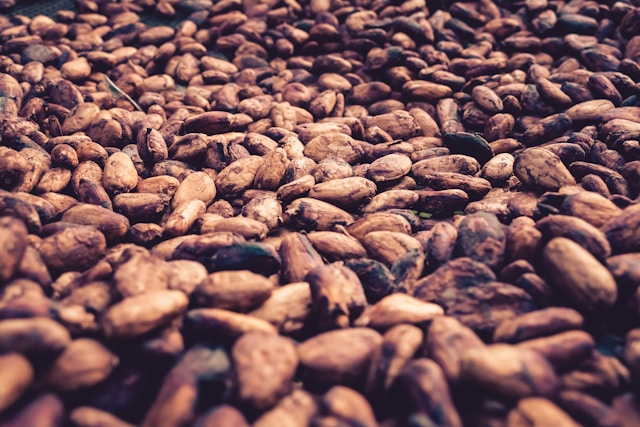
Cocoa mass is one of the most commercially important semi-finished products in the global cocoa value chain. It sits between raw cocoa bean and finished chocolate products, which makes it a critical industrial ingredient for chocolate manufacturers, confectionery processors, bakery companies, beverage formulators, private-label brands, food ingredient distributors, and cocoa-based product developers. For serious buyers, cocoa mass is not just another cocoa derivative. It is a strategic processing input that affects flavor, texture, formulation stability, cost structure, and final product quality.
In practical trade, many buyers know cocoa mass by other names such as cocoa liquor, cocoa paste, or cocoa solids in liquid or semi-solid form. In Nigeria and across several export markets, the term cocoa mass is widely used in B2B trade conversations when referring to the ground product obtained from roasted and processed cocoa nibs. Depending on the supplier, the product may be offered in blocks, chunks, discs, liquid form, or other industrial handling formats suitable for food production and international shipment.
What makes cocoa mass especially important in commerce is that it serves as the foundation for several downstream products. It can be used directly in chocolate manufacturing, further pressed to produce cocoa butter and cocoa cake, or integrated into various confectionery, dessert, bakery, and beverage systems. In other words, buyers who source cocoa mass are often sourcing the core flavor and structural base of many cocoa-based products, not just a supporting ingredient.
That is why sourcing cocoa mass requires more care than simply comparing offers on price. The buyer must understand the origin of the cocoa beans used, the roasting style, the level of cleanliness in processing, the microbiological safety profile, the fat content, the flavor profile, the particle consistency, the packaging format, the storage condition, and the documentation available for export. A good-looking offer can still become a bad transaction if the cocoa mass is poorly processed, insufficiently traceable, contaminated, badly packed, or commercially mismatched to the buyer’s intended application.
Cocoa mass is produced from cocoa beans, scientifically derived from Theobroma cacao. While cocoa mass itself is a processed product rather than a botanical raw material, its commercial identity remains directly tied to cocoa bean origin, bean quality, fermentation profile, and processing discipline. Common names in trade include cocoa mass, cocoa liquor, cocoa paste, and chocolate liquor, although terminology can vary slightly across regions and industries. In Nigerian commercial reference, it is usually referred to as cocoa mass or cocoa liquor, especially in export and industrial ingredient discussions.
For importers, processors, and wholesale buyers, cocoa mass offers a practical sourcing advantage because it reduces the need to process beans from scratch. A buyer can move faster into formulation, production, or further refining when the cocoa has already been converted into mass under controlled industrial conditions. This can reduce operational complexity, save processing time, and create more predictable manufacturing outcomes, provided the supplier is competent and the specification is properly defined.
Still, not all cocoa mass is equal. Two sellers may both claim to offer high-quality cocoa mass, yet one lot may be better fermented, better cleaned, better roasted, and better processed than the other. One may be appropriate for premium dark chocolate. Another may be more suitable for industrial blending. One may have better traceability and export readiness. Another may struggle with packaging quality, off-flavor risk, or documentation gaps. This is why buyers who treat cocoa mass as a serious industrial commodity usually source with detailed quality parameters and not just commercial instinct.
This guide explains what cocoa mass is, how it is made, what it is used for, the commercial appeal connected to its health-related positioning, the practical side effects and risk points buyers should understand, the major producing and exporting countries, the top importing markets, how to safely source cocoa mass, where to find reliable exporters, the realistic international price range per metric ton in 2025 and 2026, the usual payment structures, common shipping terms, expected trade specifications, and the documents serious buyers should request in a professional transaction.
Trade Overview of Cocoa Mass
| Trade Item | Details |
|---|---|
| Product Name | Cocoa Mass |
| Source Material | Cocoa beans from Theobroma cacao |
| Common Names | Cocoa mass, cocoa liquor, cocoa paste, chocolate liquor |
| Nigerian Market Reference | Cocoa mass, cocoa liquor, processed cocoa paste |
| Typical Form Traded | Blocks, chunks, discs, liquid or semi-solid industrial packing |
| Main End Uses | Chocolate production, cocoa butter extraction, cocoa powder processing, confectionery, bakery, beverages |
| Typical Quality Drivers | Bean origin, roast profile, flavour, viscosity, fat content, microbiological safety, packaging, traceability |
| Main Export Hubs | West Africa, Europe, Southeast Asia, Latin America |
| Main Buying Markets | United States, Netherlands, Germany, Belgium, France and other industrial food markets |
| Trade Risk Points | Off-flavour, contamination, poor packaging, melt instability, weak documentation, non-compliant specifications |
Cocoa mass is a commercially sensitive ingredient because it is already a processed product. This means the buyer is not just evaluating agricultural quality but also manufacturing quality. Once the beans have been roasted, cracked, winnowed, ground, and formed into cocoa mass, several product characteristics have already been locked in. If the process was poor, the buyer cannot easily undo that later.
That is why trade overview matters. A buyer considering cocoa mass needs to know whether the product is natural or alkalized, whether it is intended for chocolate or further pressing, whether the supplier has a food-grade plant, whether the lot is traceable to specific cocoa origins, whether microbiological controls are in place, whether the packing format matches the buyer’s handling system, and whether the exporter can support reliable shipping and document performance.
In Nigeria, cocoa mass is commercially relevant because the country is already connected to the cocoa industry through cocoa bean production and export. This gives local processors and exporters a natural route into semi-finished cocoa trade, especially where they can add value through cleaning, roasting, grinding, and export-grade packaging. For international buyers, this means cocoa mass sourced from Nigeria may offer a balance of raw material availability, regional cocoa familiarity, and industrial value addition when handled by the right supplier.
At the same time, cocoa mass is not a beginner’s procurement item. It is best sourced with specification discipline, sample review, and contractual clarity because once the product reaches a chocolate plant or food factory, there is very little room for surprises.
Request a Quote or Speak With Our Team About Cocoa Mass
Ready to source Cocoa Mass with confidence? Submit your RFQ for detailed specifications and formal quotations, or chat on WhatsApp for fast responses and quick clarification.
What Is Cocoa Mass?
Cocoa mass is the thick, smooth product obtained when cleaned, roasted, shelled cocoa nibs are ground into a paste. Because cocoa nibs naturally contain cocoa butter, the grinding process produces a fluid or semi-solid cocoa material rather than a dry powder. That material is cocoa mass. It contains both cocoa solids and cocoa butter in their natural proportion unless it is later separated through pressing.
In industrial food production, cocoa mass is an essential base ingredient. It may be used directly in the manufacture of dark chocolate and other cocoa products, or it may be pressed to separate cocoa butter from cocoa cake, after which the cake can be milled into cocoa powder. This is why cocoa mass is so commercially strategic. It is both an ingredient in its own right and a starting point for several other cocoa-based commodities.
Buyers should not confuse cocoa mass with cocoa powder or cocoa butter. Cocoa powder is the lower-fat dry product produced after much of the cocoa butter has been removed. Cocoa butter is the natural fat component extracted from cocoa mass. Cocoa mass sits before both of those stages. It is the fuller, more foundational intermediate product.
Depending on the industry, the product may also be called cocoa liquor. This name sometimes causes confusion because the product does not contain alcohol. In cocoa processing language, liquor simply refers to the fluid state of the ground cocoa before cooling or solidification. In many commercial documents, cocoa mass and cocoa liquor are treated as equivalent terms.
From a buyer’s point of view, cocoa mass is a value-added sourcing option because it saves the buyer from having to roast and grind raw beans in-house. That can be commercially useful for chocolate makers, ingredient blenders, confectionery plants, and contract manufacturers who want process efficiency, flavor consistency, and reduced equipment burden. It can also be useful for companies that want access to a cocoa-based intermediate material without dealing directly in bean cleaning and early-stage processing.
Cocoa mass may be sourced by origin, by flavor expectation, by processing style, or by functionality. Some buyers want standard bulk cocoa mass for industrial chocolate. Others want finer-flavor material for premium applications. Some require strict microbiological controls. Others are more focused on cost and formulation compatibility. These commercial realities make cocoa mass a specification-driven product rather than a simple commodity shortcut.
How Cocoa Mass Is Made / Processed
The quality of cocoa mass depends on how carefully the product is processed from bean selection to final packing. A buyer who understands the processing flow is in a much better position to judge suppliers, interpret specifications, and avoid procurement mistakes.
1. Selection of Cocoa Beans
Everything begins with the cocoa bean. Even the best processing plant cannot create premium cocoa mass from poor beans. Serious manufacturers usually start with fermented and properly dried cocoa beans that have been cleaned, graded, and selected to match the intended flavor and industrial outcome. The origin of the bean can influence aroma, bitterness, acidity, and general flavor structure.
For commercial buyers, this stage matters because cocoa mass quality is inseparable from the bean input. If the beans were smoky, moldy, under-fermented, too acidic, badly stored, or inconsistent, the resulting cocoa mass may carry those problems forward. That is why reliable cocoa mass suppliers usually pay attention to bean sourcing instead of treating it as a secondary issue.
2. Cleaning and Pre-Processing
Before roasting, the cocoa beans are cleaned to remove stones, dust, fibers, metal fragments, and other foreign matter. Better plants use food-grade cleaning systems with screening, aspiration, and magnetic control. This is not just a technical step. It is a trade confidence step. Buyers need to know that the cocoa mass was produced in a controlled environment where contamination risks are actively managed.
At this stage, the processor may also further sort the beans by size or condition if the plant is targeting more uniform roast development and better consistency in the finished mass.
3. Roasting the Cocoa Beans
Roasting is one of the most influential stages in cocoa mass production. It develops aroma, reduces moisture, helps loosen shells, and shapes the product’s final flavor profile. Roasting can be light, medium, or deeper depending on the processing philosophy and the intended end use. A mass intended for premium dark chocolate may be roasted differently from a mass intended mainly for industrial pressing.
For buyers, roast control is important because it affects taste, aroma, acidity, bitterness, and application performance. Over-roasting can flatten desirable flavors or create burnt notes. Under-roasting can leave the cocoa underdeveloped or microbiologically less secure if the process is not managed properly. A competent supplier should be able to discuss roasting practice with commercial confidence.
4. Cracking and Winnowing
After roasting, the beans are cracked and the shells are removed in a process called winnowing. The remaining kernel pieces are the cocoa nibs. High shell residue in nibs is undesirable because it can affect taste, texture, and processing performance. This is another reason buyers prefer suppliers with strong industrial controls. Poor winnowing can reduce the quality of the finished mass even if the raw beans were acceptable.
At commercial scale, winnowing efficiency influences both quality consistency and yield performance, which ultimately affect product value.
5. Grinding into Cocoa Mass
The cleaned nibs are then ground until they become a thick cocoa paste. During grinding, friction and pressure release the natural cocoa butter already present in the nibs, which allows the product to flow. This ground material is cocoa mass. Depending on the process and intended use, the particle size and fluidity can be managed to suit later applications.
This is the central transformation stage that turns cocoa nibs into a real industrial ingredient. Buyers using the mass directly in chocolate, fillings, coatings, or compound systems often care about flavor smoothness, viscosity behavior, and processability at this point.
6. Refinement, Homogenization, or Quality Adjustment
Some manufacturers may apply additional refinement, homogenization, or in-process quality controls before packing the mass. This can help improve uniformity and reduce lot-to-lot variability. Depending on the plant and product type, there may also be filtration or controlled holding stages.
From a buyer’s standpoint, consistency matters almost as much as quality. A supplier that produces one excellent lot and one unstable lot creates planning problems. Buyers therefore often prefer manufacturers with more disciplined process control rather than processors who only focus on nominal product output.
7. Molding, Cooling, and Packing
Once the cocoa mass is ready, it may be packed hot into lined cartons, molded into blocks, dropped into discs, poured into containers, or prepared in another buyer-suitable format. Cooling and packing conditions must be controlled to maintain product integrity. Because cocoa mass contains cocoa butter, temperature management matters. Poor handling can lead to undesirable separation, surface instability, packaging damage, or handling inconvenience.
The right packing format depends on how the buyer intends to use the product. Some buyers prefer blocks for warehouse handling. Others prefer smaller industrial pieces for faster melting and easier batching.
8. Storage and Export Preparation
Finished cocoa mass should be stored in a cool, dry, odor-free, food-safe environment before shipment. Like many cocoa products, it can be affected by heat, contamination, and poor stock management. Export preparation should include label accuracy, batch traceability, specification confirmation, and document alignment.
At this final stage, the product is only as good as the discipline applied across the whole chain. Good cocoa mass is the result of good raw material, good processing, good packaging, and good export handling working together.
What Is Cocoa Mass Used For?
Cocoa mass has a broad industrial use profile because it is one of the main semi-finished inputs in cocoa and chocolate manufacturing. Buyers from different sectors use it in different ways depending on their processing capabilities and product goals.
Chocolate Manufacturing
The most important use of cocoa mass is in chocolate production. It provides the core cocoa solids and natural cocoa butter needed for dark chocolate and many other chocolate formulations. Manufacturers blend cocoa mass with sugar, cocoa butter, milk components, emulsifiers, and flavor ingredients depending on the type of chocolate being produced. For buyers in this segment, flavor consistency and processing performance are critical.
Confectionery and Coatings
Cocoa mass is also used in confectionery coatings, centers, filled products, truffles, bars, molded pieces, and related sweet products. Some processors use it as a direct cocoa base, while others combine it with additional cocoa butter or fats to suit specific texture and melting requirements.
Bakery Applications
In bakery production, cocoa mass can be used in premium fillings, baked inclusions, dessert systems, specialty cake components, and gourmet applications where a fuller cocoa profile is desired. Buyers in bakery usually look for manageable flavor strength, stable handling, and supply consistency.
Beverage and Dessert Systems
While cocoa powder is more common in beverage applications, cocoa mass still has relevance in richer beverage concentrates, dessert formulations, sauces, frozen applications, and premium cocoa systems where full-fat cocoa impact is desirable. In such uses, the higher cocoa butter content can be either a benefit or a handling consideration, depending on the formulation.
Cocoa Butter and Cocoa Powder Production
Another major use of cocoa mass is as an intermediate feedstock for pressing. When cocoa mass is pressed, cocoa butter is extracted and the remaining press cake becomes the precursor for cocoa powder. Buyers who operate pressing lines often source cocoa mass where they want a more standardized feedstock than raw beans.
Private-Label and Contract Manufacturing
Many private-label chocolate brands and contract manufacturers prefer cocoa mass because it simplifies early-stage cocoa handling. Instead of cleaning, roasting, and grinding beans, they can start with a prepared cocoa base and focus on refining, conching, flavor development, and finished product manufacturing. This can improve efficiency, especially for companies with limited upstream processing infrastructure.
Premium and Specialty Food Production
For gourmet and specialty brands, cocoa mass can help preserve origin identity and deliver a more direct cocoa character in artisanal or premium products. In this segment, buyers may focus heavily on bean origin, roast style, sustainability story, and small-batch consistency.
Industrial Ingredient Supply
Cocoa mass is also traded as an industrial ingredient in its own right. Ingredient distributors, food service suppliers, and industrial brokers may source and resell the product to downstream processors. In such trade, specification clarity, packing format, and warehouse stability become especially important because the product may pass through multiple commercial hands before final use.
Health Benefits of Cocoa Mass
Cocoa mass has strong commercial appeal in health-conscious food categories because it contains cocoa solids together with natural cocoa butter. Although buyers must always be careful not to make unsupported health claims, the nutritional and wellness associations linked to cocoa remain important in premium product positioning.
1. Naturally Rich Cocoa Content
Cocoa mass delivers cocoa in a relatively direct and less diluted form compared with many finished confectionery products. This makes it commercially useful in products that want to emphasize authentic cocoa presence, stronger cocoa taste, or higher cocoa percentage.
For buyers and product developers, this matters because high-cocoa formulations often carry stronger premium and better-for-you positioning than heavily diluted cocoa products.
2. Contains Naturally Occurring Polyphenols
Cocoa is widely associated with naturally occurring polyphenols and flavanol-type plant compounds. These compounds are one reason cocoa ingredients continue to attract interest in premium wellness-oriented categories. While levels vary with bean origin and processing conditions, the general antioxidant-related reputation of cocoa supports value-added product storytelling.
3. Supports Premium Dark Chocolate Positioning
Because cocoa mass is central to dark chocolate production, it supports products that are commonly perceived as more cocoa-rich and, in many cases, less sugar-heavy than standard confectionery. From a commercial perspective, this strengthens its relevance in brands seeking premium, indulgent, and more ingredient-conscious market positioning.
4. Provides a Fuller Cocoa Matrix
Unlike lower-fat cocoa ingredients, cocoa mass contains both cocoa solids and natural cocoa butter in one matrix. This fuller composition can be appealing in formulations that want a richer cocoa character and more rounded mouthfeel. In premium product development, that combination can improve both sensory appeal and perceived product value.
5. Mineral-Linked Nutritional Interest
Cocoa-derived ingredients are often associated with minerals such as magnesium and iron, which contributes to their nutritional interest. Cocoa mass is not a medical product, but its composition supports its place in nutrient-conscious food conversations, especially when incorporated into more carefully formulated products.
6. Functional Storytelling for High-Cocoa Products
Many brands use cocoa-rich ingredients to support a dual message of indulgence and function. Cocoa mass fits that strategy particularly well because it is close to the heart of the cocoa ingredient story. For marketers and buyers, that creates commercial value beyond simple taste.
7. Useful in Reduced-Ingredient Premium Formulations
Because cocoa mass is already a concentrated cocoa base, it can support simpler premium formulations with fewer processing steps at the buyer’s end. This is commercially relevant for brands that want shorter ingredient statements, stronger cocoa identity, or cleaner premium messaging.
Side Effects of Cocoa Mass
Cocoa mass is a valuable industrial ingredient, but responsible buyers also need to understand the practical side effects and use limitations associated with cocoa-derived products. This matters for formulation decisions, labeling, and destination-market expectations.
1. Natural Stimulant Content
Cocoa mass contains naturally occurring theobromine and some caffeine. These compounds are part of cocoa’s natural profile, but in sensitive consumers they can contribute to sleep disturbance, overstimulation, or mild restlessness when cocoa-rich products are consumed in significant amounts.
Buyers developing consumer products should therefore think about serving size, target audience, and product positioning rather than assuming every market segment responds to cocoa in the same way.
2. High Fat Content Handling Considerations
Because cocoa mass contains its natural cocoa butter, it is a relatively high-fat cocoa ingredient compared with cocoa powder. This is often beneficial for flavor and mouthfeel, but it may require more careful formulation in products where total fat balance is a concern. It also affects storage, melting behavior, and processing conditions.
3. Digestive Sensitivity in Some Users
Some consumers may experience digestive discomfort from very rich cocoa products, especially when cocoa mass is used at high inclusion levels or combined with other heavy ingredients. This is not unique to cocoa mass, but it is relevant for product developers who are creating premium or intense cocoa formulations.
4. Allergen Cross-Contact Risk
Cocoa mass itself is not generally classified as a major allergen, but cross-contact can occur in facilities that also process milk, nuts, soy, sesame, or other allergenic materials. Buyers serving strict retail or food-service channels should verify allergen control practices and request declarations where necessary.
5. Quality Risks from Poor Processing
One of the most important risk points in cocoa mass trade is not the ingredient category itself, but poor manufacturing discipline. If the source beans were defective, if contamination control was weak, if roasting was poorly managed, or if packaging was unsuitable, the product may carry microbiological, flavour, or foreign matter concerns. This is why sourcing from reliable processors matters so much.
6. Heat Sensitivity During Storage and Shipping
Cocoa mass can soften, deform, or become difficult to handle if exposed to excessive heat. This may not make it unusable, but it can create commercial inconvenience and, in some cases, quality complaints if the buyer expected a stable physical format. Temperature-aware storage and transit planning are therefore important.
7. Health Claim Overstatement Risk
Buyers should also be careful not to overstate the health profile of cocoa mass-based products. The final nutritional reality depends heavily on what the cocoa mass is mixed with. A high-sugar finished confectionery product cannot be marketed as though it has the same profile as a minimally processed cocoa ingredient. Responsible commercial language is essential.
Top Producing & Exporting Countries of Cocoa Mass
Cocoa mass trade is shaped not only by cocoa bean origin but also by processing capacity. Countries with strong bean supply, established cocoa grinding infrastructure, or major ingredient manufacturing industries tend to dominate exports of cocoa paste or cocoa mass. World trade data for cocoa paste in recent years has shown strong activity from Europe and several cocoa-producing regions, while shipment-level commercial databases for 2024 to 2025 also show major movement from countries such as Ghana, Malaysia, Belgium, Cameroon, Indonesia, Côte d’Ivoire, the Netherlands, and others. :contentReference[oaicite:0]{index=0}
1. Ghana
Ghana remains one of the most commercially important cocoa-processing countries in Africa and appears prominently in recent shipment-based cocoa mass trade data. Its relevance is tied to strong cocoa sector recognition, established processing operations, and international buyer familiarity. For buyers that want African-origin cocoa derivatives with strong market credibility, Ghana is a serious market to watch. :contentReference[oaicite:1]{index=1}
2. Malaysia
Malaysia is a major cocoa-processing hub in Asia and appears strongly in recent cocoa mass export activity. Its role is commercially important because it combines industrial processing capability with access to regional and global trade routes. Buyers sourcing cocoa mass for large-scale manufacturing often pay attention to Malaysia because of its consistent presence in semi-finished cocoa trade. :contentReference[oaicite:2]{index=2}
3. Belgium
Belgium remains highly relevant in cocoa and chocolate processing and also appears among leading cocoa paste trade participants in world trade data. Its importance is connected to deep chocolate industry roots, refining capacity, and its position within European cocoa distribution and manufacturing networks. :contentReference[oaicite:3]{index=3}
4. Cameroon
Cameroon appears among the active cocoa mass exporting countries in recent shipment-based trade references. For buyers seeking origin-linked African cocoa derivatives outside the largest West African names, Cameroon remains commercially relevant, especially where supplier capability and lot quality are strong. :contentReference[oaicite:4]{index=4}
5. Indonesia
Indonesia is an important participant in the Asian cocoa processing landscape and shows up among active cocoa mass exporting countries in recent trade references. Its significance lies in regional manufacturing depth and the ability to support industrial ingredient flows across Asia and beyond. :contentReference[oaicite:5]{index=5}
6. Côte d’Ivoire
Côte d’Ivoire is the world’s leading cocoa bean producer and continues to expand its importance in cocoa grinding and semi-finished product supply. Reuters reported in November 2025 that the country had around 750,000 tons of grinding capacity and competes closely with the Netherlands for the leading spot globally in cocoa grinding. That processing scale naturally supports cocoa mass relevance. :contentReference[oaicite:6]{index=6}
7. Netherlands
The Netherlands is one of the biggest cocoa-processing locations in the world and remains central to semi-finished cocoa trade. Even where the beans come from elsewhere, Dutch processing and re-export capacity make the country a serious market participant for cocoa mass and related products. :contentReference[oaicite:7]{index=7}
8. Nigeria and Other Emerging Processors
Nigeria is better known globally as a cocoa bean origin, but it also has commercial relevance for value-added cocoa processing where local plants convert beans into semi-finished products such as cocoa mass, butter, and powder. For buyers, Nigeria can be commercially interesting where origin-linked value addition, regional sourcing flexibility, and export-grade processing are available. This opportunity depends strongly on the processor, plant standard, and documentation strength rather than on country name alone.
Top Importing Countries of Cocoa Mass
Cocoa mass is imported mainly by countries with strong chocolate manufacturing, industrial food production, cocoa processing, and confectionery sectors. World trade data for cocoa paste in 2023 identified the United States, the Netherlands, Germany, Belgium, and France among the largest importers by value, while shipment-based 2024 to 2025 commercial data also highlights strong import activity in Russia, the United States, and Malaysia. The mix varies depending on the database and measurement method, but the broader picture is clear: industrial food markets dominate cocoa mass demand. :contentReference[oaicite:8]{index=8}
1. United States
The United States is one of the most important cocoa mass import markets because of its large confectionery, food manufacturing, and industrial ingredient sectors. Both world trade and shipment-based references place the U.S. among the leading import destinations for cocoa paste or cocoa mass. For exporters, this means strong commercial opportunity but also strict attention to food safety, documentation, and customer specification control. :contentReference[oaicite:9]{index=9}
2. Netherlands
The Netherlands is not only a major processing and trading hub but also one of the largest importers of cocoa paste in world trade data. Its position reflects the country’s gateway role into the wider European cocoa and chocolate economy. For exporters, access to Dutch buyers can open broader regional trade opportunities. :contentReference[oaicite:10]{index=10}
3. Germany
Germany remains a major importer because of its strong food manufacturing base and important role in European confectionery and cocoa processing. Buyers in Germany often value consistent quality, product specification clarity, and strong documentation, especially where the cocoa mass is heading into industrial production lines. :contentReference[oaicite:11]{index=11}
4. Belgium
Belgium is another major cocoa mass destination because of its deep chocolate heritage and industrial demand for semi-finished cocoa ingredients. For suppliers, Belgium represents both direct demand and strategic access to broader European processing networks. :contentReference[oaicite:12]{index=12}
5. France
France appears among the leading importers of cocoa paste in world trade data and remains commercially important for premium food, confectionery, and chocolate applications. Exporters serving France should expect attention to product quality, consistency, and market-ready documentation. :contentReference[oaicite:13]{index=13}
6. Malaysia
Shipment-based trade data for 2024 to 2025 places Malaysia among the leading importing countries for cocoa mass, reflecting its dual role as both a processor and an active industrial trade market. This matters for exporters seeking footholds in Asian ingredient supply chains. :contentReference[oaicite:14]{index=14}
7. Russia and Other Industrial Markets
Recent shipment-based trade references also point to Russia as a major importing country for cocoa mass during 2024 to 2025. More broadly, any country with a growing confectionery or ingredient-processing sector can become an attractive destination for cocoa mass, provided regulatory compliance and trade practicality are manageable. :contentReference[oaicite:15]{index=15}
How To Safely Source for Your Cocoa Mass Produce
Safe sourcing is the most important discipline in cocoa mass trade. Because cocoa mass is already a processed ingredient, the buyer is exposed to both agricultural risk and manufacturing risk. The safest approach is therefore to treat cocoa mass sourcing as a structured procurement process rather than a quick buying exercise.
Define the Exact Product Type First
Before approaching suppliers, define what you actually need. Do you want natural cocoa mass or alkalized cocoa mass? What fat range is acceptable? Is the product for chocolate manufacturing, pressing, bakery formulation, industrial blending, or private-label use? Do you need a specific origin profile? Are you looking for blocks, chips, discs, or bulk liquid delivery? Without this clarity, it is easy to receive offers that sound attractive but do not match your production system.
Verify the Processor, Not Just the Trader
Many companies can quote cocoa mass, but not all of them manufacture it. Some are traders without direct control over plant conditions, process discipline, or lot traceability. That does not automatically make them unsuitable, but it increases the need for verification. Buyers should know whether they are dealing with the actual processor, an export intermediary, or a blended supply arrangement.
A reliable supplier should be able to explain plant capability, sourcing model, product forms available, typical specification ranges, and documentation support. Vague answers at this stage are usually a warning sign.
Request a Detailed Specification Sheet
A serious cocoa mass purchase should be backed by a technical specification sheet. This should normally address product description, colour, odour, fat content, moisture, microbiological parameters where relevant, packaging format, shelf-life guidance, storage condition, and any allergen or contaminant statements the buyer requires. If the supplier cannot produce a clear spec, the buyer is taking unnecessary risk.
Ask About Bean Origin and Processing Method
Even when the buyer is not purchasing beans directly, bean quality still matters. Ask where the beans come from, how they are selected, and whether origin mixing is routine. Ask about roast style and whether the mass is standardized. These questions help the buyer understand whether the product is likely to be stable and whether it matches the intended application.
Insist on Samples and Functional Review
Sample review is one of the best protections in cocoa mass sourcing. A sample allows the buyer to assess flavour, aroma, texture, colour, melting behaviour, and application fit. If the product is intended for chocolate, the buyer may also want to test how it behaves during refining, conching, and tempering. Sample approval should never be treated as a formality. It is a central quality checkpoint.
Check Microbiological and Food Safety Readiness
Cocoa mass is a food ingredient, so buyers should assess what food safety controls the supplier has in place. Depending on the destination market and the buyer’s internal requirements, this may involve microbiological testing, allergen declarations, contamination controls, HACCP-related documentation, or third-party audit history. The right level of checking depends on the market, but some level of checking is always wise.
Review Packaging for Product Stability
Cocoa mass packaging should protect the product from contamination, physical damage, and unnecessary temperature stress. The packaging must also suit the buyer’s warehouse and production handling system. A good cocoa mass in the wrong packaging can still create expensive operational problems. Buyers should review net weight per unit, lining material, carton integrity, palletization, and batch labeling.
Consider Temperature During Shipping
Because cocoa mass contains natural cocoa butter, heat management matters. Buyers should think about the climate route, shipping schedule, storage points, and whether the product may be exposed to excessive heat. Not every shipment requires a highly specialized arrangement, but every shipment requires temperature awareness.
Use Third-Party Inspection When Needed
For first transactions, larger volumes, or sensitive destination markets, third-party inspection can add confidence. The inspection scope may include quantity, packaging, product condition, labeling, container cleanliness, and document checks. Where laboratory testing is appropriate, it can be included as part of the broader sourcing plan.
Document the Contract Properly
The purchase contract should clearly define product description, quantity, specification, packaging, batch or lot basis where relevant, Incoterm, shipment period, payment terms, documents required, and quality complaint procedures. Vague contracts are a major source of avoidable trade disputes in processed food ingredients.
Never Rely on Price Alone
One of the most common sourcing mistakes is to assume the cheapest cocoa mass offer is the best opportunity. In reality, a low price may reflect weak process controls, lower-grade bean input, unstable flavour, poor packaging, or limited export readiness. Safe sourcing means balancing price with process confidence, documentation strength, and consistency.
In cocoa mass trade, a dependable supplier is often more valuable than a slightly cheaper supplier. That is especially true for buyers who plan to reorder, build formulations around the product, or protect a consumer-facing brand.
Where To Find Reliable Exporters for Cocoa Mass
Reliable cocoa mass exporters are usually found through structured industry channels rather than random general-market listings. Serious buyers often look through cocoa ingredient networks, industrial food supplier directories, trade references, trade shows, export promotion contacts, or commercial introductions from known processors and ingredient brokers.
In practice, the best exporters are not always the loudest marketers. They are usually the ones who can answer technical questions comfortably, provide a clear specification, explain product forms, discuss plant capability, support sample supply, and align with the buyer’s documentation needs. A supplier that understands only price negotiation but not technical quality discussion is usually not the right long-term partner for cocoa mass.
For buyers sourcing from Nigeria or West Africa, reliable exporters may include integrated processors, cocoa product manufacturers, and export firms with actual access to food-grade processing facilities. It is useful to ask whether the supplier handles cocoa bean sourcing internally, whether they process on their own line or through a contract plant, and whether they can support lot-specific traceability and pre-shipment verification.
It is also wise to check how the exporter communicates. Reliable exporters tend to be clear about product limits, realistic about lead time, and open about what they can or cannot do. Weak exporters usually promise everything, explain little, and leave important details undefined.
Long-term buyers often get the best outcomes by building relationships with suppliers that can scale with them. That means not just shipping one acceptable order, but showing the discipline to repeat quality, manage documents, respond to issues, and maintain commercial trust across multiple shipments.
International Price of Cocoa Mass Per Metric Ton
The international price of cocoa mass per metric ton is strongly influenced by cocoa bean prices, grinding economics, processing costs, regional supply-demand conditions, and the exact form and quality of the mass being offered. This is why cocoa mass cannot be priced in the same way as raw cocoa beans. It includes both the bean value and the value added through industrial processing.
Market references from the International Cocoa Organization show that cocoa bean prices remained historically elevated through 2025 before declining from the start to the end of October 2025, while daily ICCO prices in March 2026 were still above long-term historical norms. ICCO also revised 2024/25 global cocoa production to 4.728 million tonnes and grindings to 4.606 million tonnes in its February 2026 bulletin, which confirms that cocoa supply and processing conditions remained commercially important into 2026. :contentReference[oaicite:16]{index=16}
Because cocoa mass is a processed cocoa product, its international price is normally above the bean reference price and can vary significantly depending on origin, fat content, product form, microbiological specification, packaging, and destination. As a realistic working commercial range for 2025 through early 2026, conventional export-grade cocoa mass may be quoted broadly from around US$6,500 to US$11,500 per metric ton, with premium, specialty, more tightly specified, or origin-differentiated lots moving above that range depending on market conditions and contract terms.
Buyers should treat any cocoa mass quote as meaningful only when it is tied to a defined quality basis and an agreed trade term such as EXW, FCA, FOB, CFR, or CIF. A lower number without clarity on specification, microbiological standard, packaging, and logistics may not be cheaper in real commercial terms. The right price is the price attached to a lot you can actually use with confidence.
Request a Quote or Speak With Our Team About Cocoa Mass
Ready to source Cocoa Mass with confidence? Submit your RFQ for detailed specifications and formal quotations, or chat on WhatsApp for fast responses and quick clarification.
How To Pay For Your Cocoa Mass Produce
Payment structure matters greatly in cocoa mass trade because the product sits in a higher-value processed category than raw beans. The right payment method should protect both buyer and seller while remaining practical for the transaction size and relationship stage.
1. Telegraphic Transfer for Established Relationships
Telegraphic transfer is common where the supplier relationship is already established and the parties have a good record of performance. In such cases, the transaction may be structured as a deposit followed by balance payment against documents or another agreed milestone.
2. Letter of Credit for Larger or More Formal Deals
A letter of credit is often appropriate when transaction values are high, the relationship is new, or the buyer needs stronger documentary control. For cocoa mass, which is specification-sensitive and relatively high in value, LC structures can offer both seriousness and protection if drafted properly.
3. Deposit Plus Balance Against Shipping Documents
This is one of the most practical structures in processed agricultural trade. The deposit helps the supplier schedule production or allocate stock, while the balance is released against agreed shipping documents. It works best where the contract is clear and the supplier is commercially credible.
4. Structured Trade Facilitation for First Orders
Where trust is still being built, the parties may use a tighter trade facilitation structure, especially if the buyer wants stronger control over first-shipment risk. The exact method depends on the banking environment and what is commercially workable for both sides.
5. Verify Bank Details Carefully
Buyers should never overlook payment security. Banking instructions should be confirmed through trusted channels before funds are sent. In cross-border trade, simple verification discipline can prevent major payment errors or fraud.
6. Match Payment Terms to Production Reality
If the supplier needs to produce to order, payment terms may differ from a situation where finished cocoa mass is already in stock. Buyers should understand whether the lot is ready, scheduled for production, or still dependent on upstream raw material procurement before finalizing the payment structure.
Shipping & Delivery Terms
Cocoa mass shipping requires more planning than shipping many dry agricultural commodities because temperature, packaging, and product form all matter. The buyer should therefore treat shipping terms as part of product specification, not as a separate afterthought.
1. Ex Works for Buyers with Strong Logistics Control
Ex works may suit experienced buyers who want to manage collection, export handling, and freight themselves. This offers control, but it also transfers more responsibility to the buyer from an earlier stage.
2. FOB for Balanced Responsibility
FOB is often useful where the buyer wants the seller to manage processing, packing, local transport, export preparation, and vessel loading, while the buyer manages main freight. In cocoa mass trade, FOB can work well when the exporter is operationally competent.
3. CFR and CIF for More Delivered Convenience
Under CFR or CIF, the seller arranges main carriage to the destination port, and under CIF insurance is also included according to the agreed level. This can simplify the transaction for the buyer, but it still requires careful attention to product handling and document quality.
4. Temperature Awareness in Transit
Because cocoa mass contains cocoa butter, transport routes through high-heat zones should be planned carefully. Some buyers may accept temporary softening if the product remains usable after controlled remelting, but others require more stable physical presentation. The shipping plan should reflect the actual operational expectation.
5. Container and Packaging Cleanliness
The container must be clean, dry, odor-free, and suitable for food cargo. Packaging should be strong enough for stacking and transit. Even a good cocoa mass can become commercially problematic if the shipping environment is poor.
6. Realistic Lead Times Matter
Buyers should ask whether the cocoa mass is already produced, whether it needs to be manufactured after order confirmation, and whether the packing format is standard or custom. Lead time should be based on operational truth, not optimistic sales language.
7. Destination Planning Is Part of Delivery
Successful delivery does not end at the port of loading. Buyers should ensure that customs clearance, warehouse receipt conditions, and any temperature-sensitive onward handling are also considered before the goods depart.
Our Typical Trade Specifications For Cocoa Mass
| Specification Item | Typical Commercial Range / Requirement |
|---|---|
| Product | Cocoa Mass |
| Source | Processed from cocoa beans of Theobroma cacao |
| Common Names | Cocoa mass, cocoa liquor, cocoa paste |
| Origin | Nigeria or other agreed origin |
| Appearance | Brown to dark brown solid or semi-solid mass |
| Odour | Characteristic cocoa aroma, free from objectionable smell |
| Taste | Characteristic cocoa taste, free from rancidity and off-flavour |
| Fat Content | Natural cocoa butter level as per product specification |
| Moisture | As per agreed technical standard |
| Microbiological Status | In line with agreed food safety and buyer requirements |
| Foreign Matter | Nil or within agreed food-grade tolerance |
| Packaging | Food-grade lined cartons, blocks, discs, bags, or buyer-approved format |
| Storage | Cool, dry, odor-free environment away from direct heat |
| Shelf Life | Subject to product form, packaging, and storage conditions |
| Inspection Basis | Seller QC, buyer inspection, or third-party inspection as agreed |
These specifications are typical trade references only. The final commercial specification should always reflect the buyer’s end use, regulatory market requirements, and the actual product capability of the supplier.
Expected Shipping Documents
Documentation is a major part of safe cocoa mass trade. Because it is a processed food ingredient, the product may require not only standard export documents but also technical or food-safety-related documents depending on the destination market.
1. Commercial Invoice
The commercial invoice should clearly state the product description, quantity, price, total value, trade term, and payment references. It must align with the contract and other shipping papers.
2. Packing List
The packing list should show carton count, net weight, gross weight, and packing format. This is especially important for cocoa mass because physical format and pack size matter in handling.
3. Bill of Lading
The bill of lading confirms shipment details and serves as one of the central transport documents in ocean freight trade.
4. Certificate of Origin
This document confirms the country of origin of the exported goods and may be required for customs, tariff treatment, and commercial verification.
5. Health, Quality, or Analysis Certificate
Depending on the buyer and market, cocoa mass shipments may require a certificate of analysis, quality certificate, or health-related declaration showing key product parameters. This is especially relevant for industrial food buyers.
6. Phytosanitary or Equivalent Document Where Applicable
Processed products do not always require the same paperwork as raw plant materials, so destination rules should be confirmed early. Where an equivalent compliance document is needed, it should be agreed before shipment.
7. Insurance Certificate Under CIF Terms
Where the shipment is sold under CIF, the seller should provide the applicable insurance certificate as part of the document set.
8. Batch and Traceability Support Documents
Many serious buyers want batch references, production codes, allergen statements, microbiological data, or technical declarations to support their own quality systems. These should be discussed early and not requested only after loading has begun.
9. Additional Compliance Documents
Some markets may require sustainability-related, due-diligence, or food safety support documents depending on destination regulations and buyer policies. The documentation strategy should fit the actual destination, not a generic template.
Request a Quote or Speak With Our Team About Cocoa Mass
Ready to source Cocoa Mass with confidence? Submit your RFQ for detailed specifications and formal quotations, or chat on WhatsApp for fast responses and quick clarification.